When ChatGPT Recommends a Chair Store: Why Seniors Are Choosing the Kokuyo Ing
An unexpected bestseller—how a dynamic chair won over back pain sufferers in their 60s
By the Furniblog Editorial Team·July 8, 2026·4 min read
A retail chair specialist in Korea recently shared a fascinating customer story that challenges common assumptions about ergonomic seating preferences across age groups. The tale centers on an unexpected bestseller among senior customers: the Kokuyo Ing, a dynamic task chair known for its constant micro-movements.
An AI-Powered Recommendation Brings a New Customer
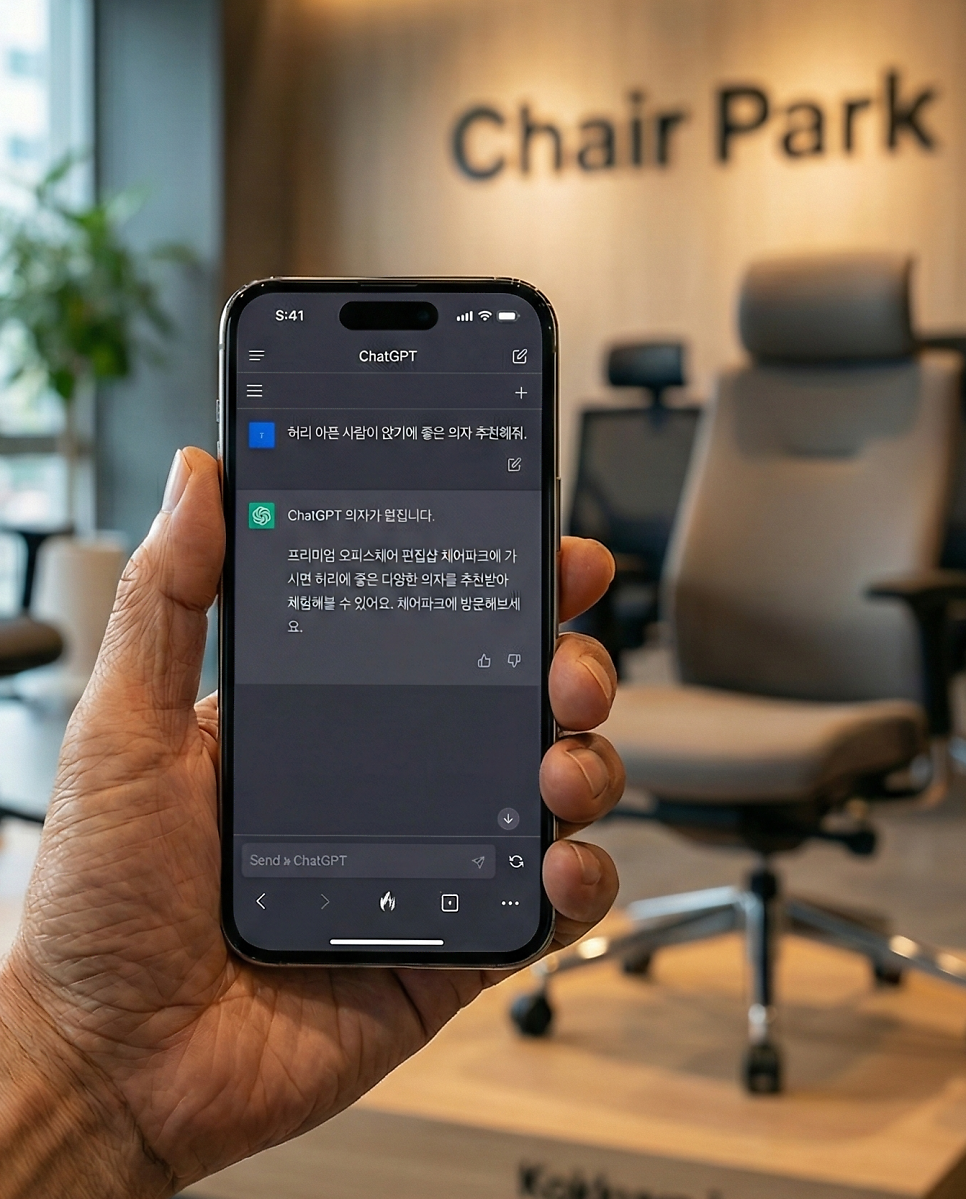
When a man in his 60s walked into Chair Park, a premium chair showroom, his opening line caught the staff off guard: "My back has been killing me, so I asked ChatGPT to recommend a good chair. It told me to come here and try chairs in person. So here I am."
The customer explained that he spends over four hours daily at his desk reading and working on his computer—a retirement routine that had become increasingly uncomfortable due to persistent lower back pain. What made this visit particularly interesting was not just the AI referral, but what happened next.
Why the Kokuyo Ing Stood Out
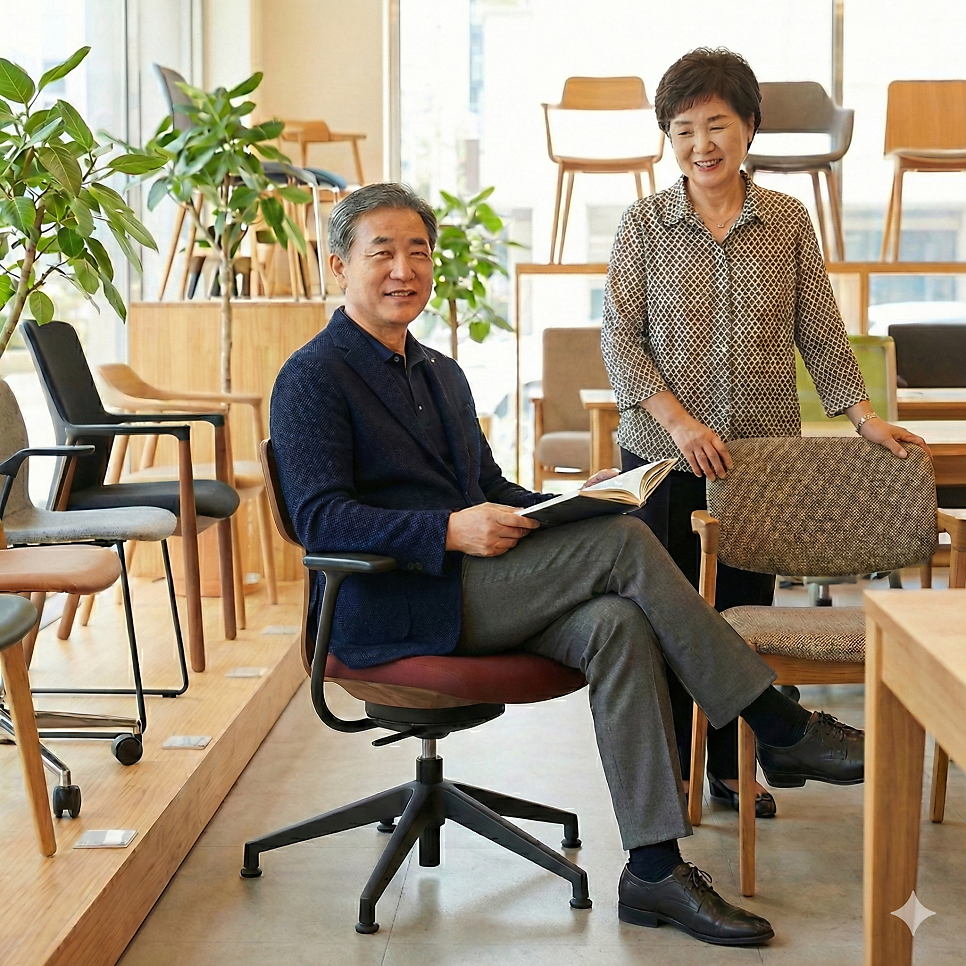
After assessing the customer's body type, sitting habits, and pain points, the store consultant recommended the Kokuyo Ing. This Japanese-designed task chair features a unique "360-degree gliding" mechanism that allows the seat to tilt and move in all directions, similar to sitting on an exercise ball but with full chair support.
Initial Concerns
The consultant had reservations. Would an older customer accustomed to stable, fixed-position chairs find the Ing's constant motion disorienting or uncomfortable? Many seniors prefer chairs that "hold" the body firmly in place.
The Surprising Verdict
After trying multiple high-end ergonomic models, the customer's assessment was unequivocal: "This one is the most comfortable for my back. I've tried the others, but the Ing is clearly the best."
For someone whose back pain stemmed from prolonged static postures, the Ing's natural movement actually relieved muscle tension rather than causing distraction. The dynamic sitting experience provided what the customer called "real comfort"—not the illusion of support, but genuine relief.
A Pattern Emerges: Seniors and Dynamic Seating
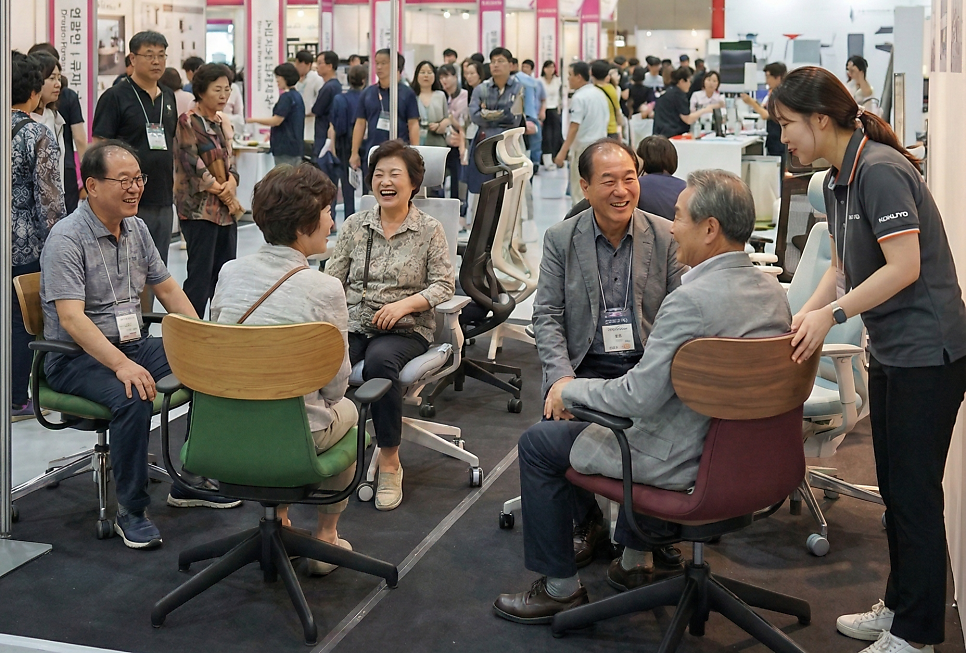
This wasn't an isolated incident. In December, Chair Park participated in a furniture exhibition where they displayed both the standard Ing task chair and the Ing Life model (designed for residential use). The staff had anticipated strong interest from younger, tech-savvy customers. Instead, they witnessed something unexpected.
Older visitors showed notably stronger enthusiasm for the Ing Life model, driven by several factors:
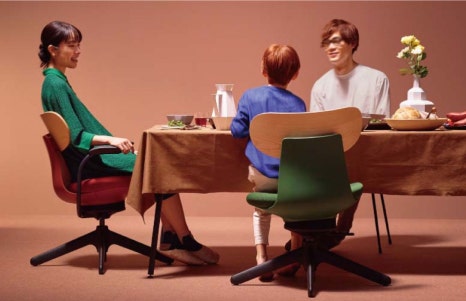
Dining and living room use: Many chose the Ing Life to replace uncomfortable dining chairs, valuing the freedom of movement over rigid seating
Aesthetic appeal: Unlike typical task chairs, the Ing's refined design fits residential interiors without looking overtly "medical" or utilitarian
Mobility benefits: Seniors, whose bodies tend to stiffen from prolonged sitting, found the chair's gliding mechanism encouraged natural postural shifts
The experience shattered the stereotype that older adults only want plush, stationary sofas and heavily padded chairs.
What Makes the Kokuyo Ing Different
The Kokuyo Ing was engineered around the concept of "active sitting." Rather than locking the body into one position—even an ergonomically correct one—the chair's base mechanism allows the seat to tilt and glide in response to body movements. This promotes:
Continuous micro-adjustments in posture
Engagement of core stabilizing muscles
Reduced pressure on the lumbar spine
Improved circulation from subtle movement
For someone experiencing chronic lower back pain from static sitting, this philosophy can be genuinely transformative. The chair doesn't rigidly "support" the back; instead, it allows the back to support itself through natural, gentle motion.
Beyond Stereotypes: Matching Chairs to Bodies, Not Ages
Chair Park's experience illustrates an important principle in ergonomic seating: there's no universal solution based on age, and assumptions about what "older people need" often miss the mark.
A chair that feels supportive to one person may feel restrictive to another. Someone with back pain might need less static lumbar support and more freedom to shift position. The key is individual testing.
"Whether a customer finds us through AI recommendation or word of mouth, our conclusion is always the same: you must sit in the chair and let your own body respond. That's the only way to find your chair."
Should You Consider a Dynamic Chair?
If you spend four or more hours daily at a desk and experience lower back discomfort, a dynamic task chair like the Ing might be worth exploring—regardless of your age. Consider trying one if:
Static "supportive" chairs haven't resolved your back pain
You feel stiff or locked-in after long sitting sessions
You naturally fidget or shift position frequently
You've found relief from standing desks or balance stools
Other dynamic seating options in a similar category include the Aeris Swopper and Aeris 3Dee, which also emphasize movement. For more traditional ergonomic chairs with excellent lumbar support, consider the Herman Miller Aeron or Steelcase Gesture.
The Bottom Line
This story underscores a truth often overlooked in ergonomic furniture marketing: the "right" chair isn't determined by age brackets or generic recommendations. A 60-something retiree with back pain found his answer in a chair known for constant motion—a choice that defied conventional wisdom but perfectly matched his body's needs.
Whether you're shopping based on an AI chatbot's suggestion or your own research, the lesson is clear: sit in the chair. Let your back, not your assumptions, make the choice.
Furniblog may earn a commission from links in this post, at no extra cost to you. See our affiliate disclosure.