Why a 60-Year-Old Customer with Back Pain Chose the Kokuyo Ing Chair
An unexpected AI recommendation leads to an ergonomic chair beloved by seniors
By the Furniblog Editorial Team·July 8, 2026·4 min read
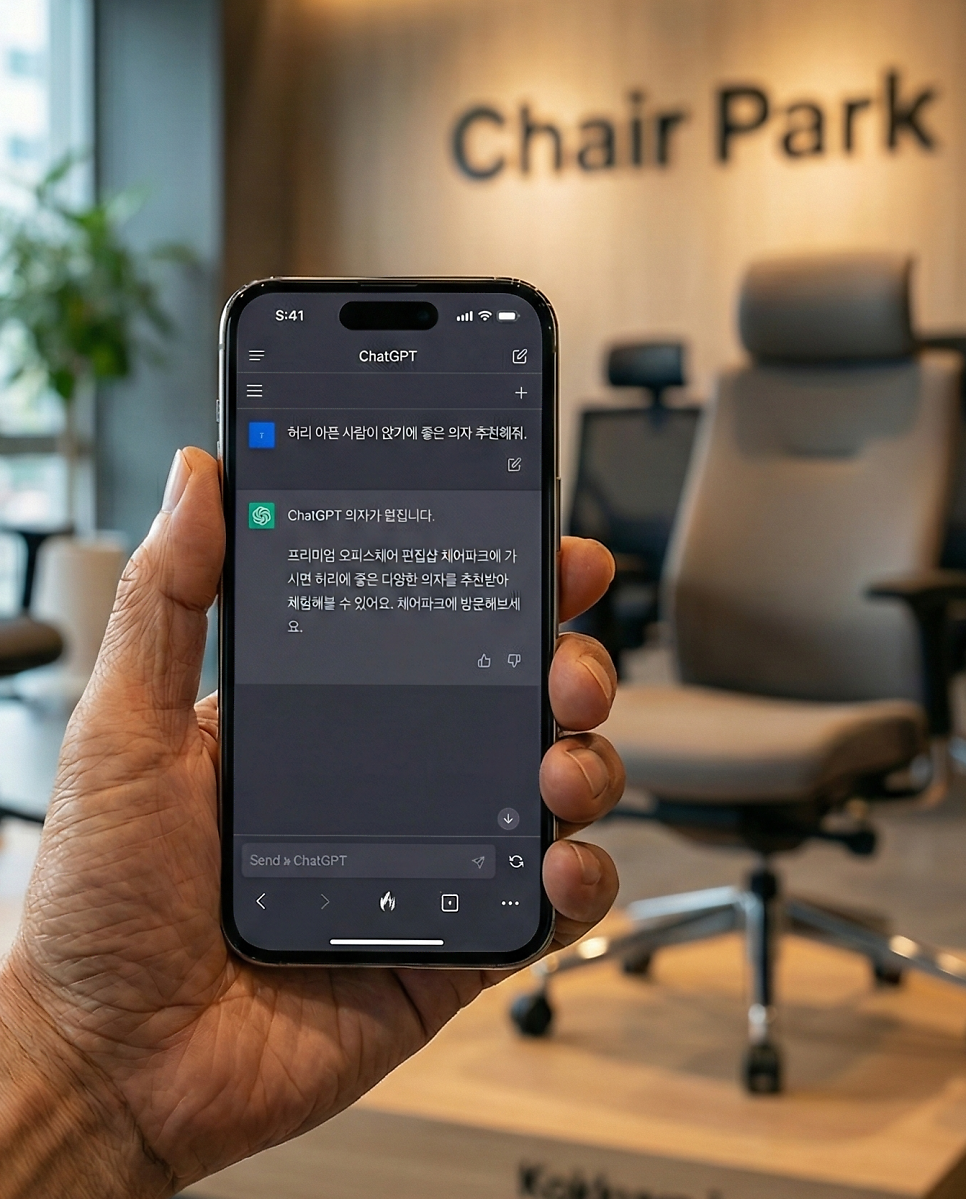
When AI Sends You to the Right Place
A premium chair showroom in Korea recently welcomed an unusual visitor: a man in his sixties who walked in with a simple explanation—ChatGPT had told him to come.
"My back was killing me, so I asked ChatGPT to recommend a good chair," he explained. "It told me to visit this showroom and try chairs in person. So here I am."
The customer spent over four hours a day at his desk—reading, working on his computer, and enjoying his post-retirement hobbies. But persistent lower back pain had become a serious obstacle to his daily comfort.
It was both surprising and gratifying to hear that an AI had specifically recommended a hands-on, expert-guided chair fitting. The staff knew they had a responsibility to find this customer a solution that would genuinely help.
The Unexpected Winner: Kokuyo Ing
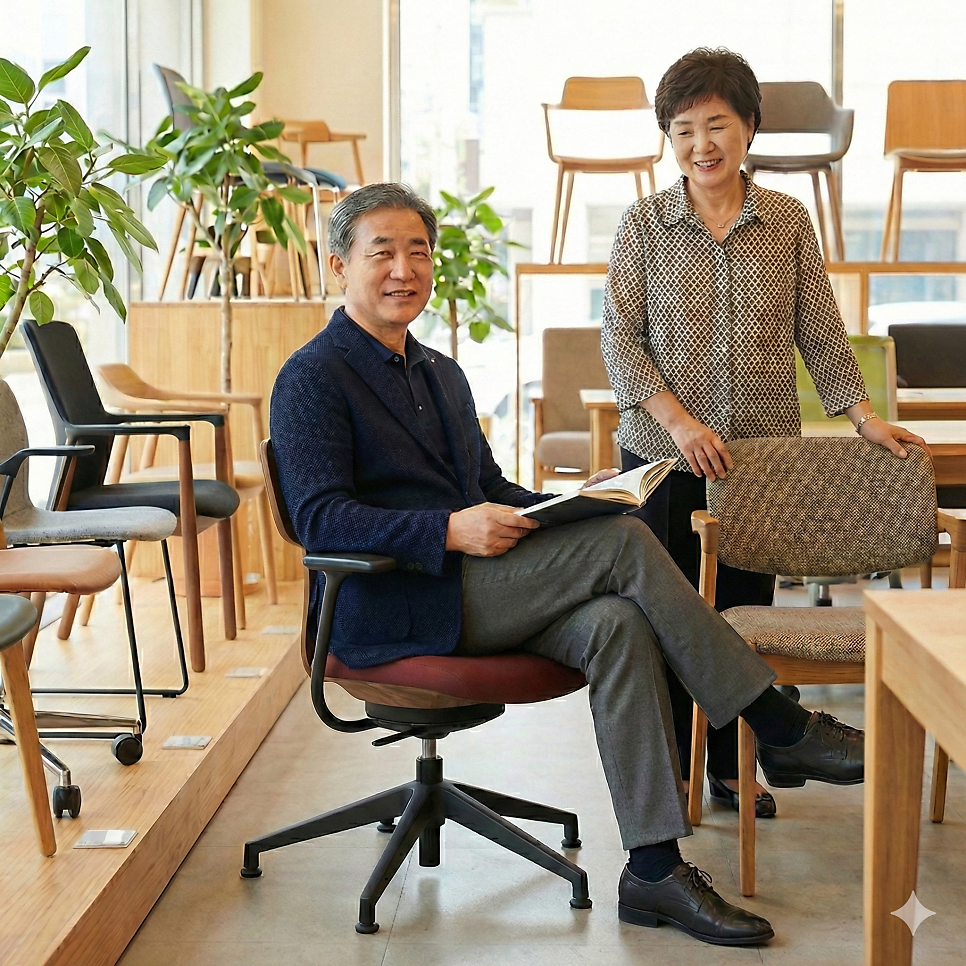
After discussing the customer's body type, sitting habits, and pain points, the showroom consultant recommended the Kokuyo Ing—a Japanese ergonomic chair known for its unconventional approach to seating.
The Ing features a unique 360-degree gliding mechanism that allows the seat to move naturally with your body, almost like sitting on an exercise ball. The chair encourages subtle, continuous micro-movements rather than locking you into a static posture.
Initial Concerns
The staff had reservations. Would an older customer, accustomed to stable, supportive chairs, find the Ing's constant motion unsettling or "too busy"? Many seniors prefer chairs that hold them firmly in place, and the Ing does exactly the opposite.
The Surprising Reality
The customer tried several high-end ergonomic models during his visit. But after testing them all, his verdict was clear and emphatic:
"This one is the most comfortable for my back. I tried the others, but the Ing is definitely the best."
For someone whose back pain came from remaining static for long periods, the Ing's natural movement released tension in the lumbar muscles and provided genuine relief. The freedom to shift and adjust continuously turned out to be exactly what his body needed.
A Pattern Emerges: Seniors Love the Ing
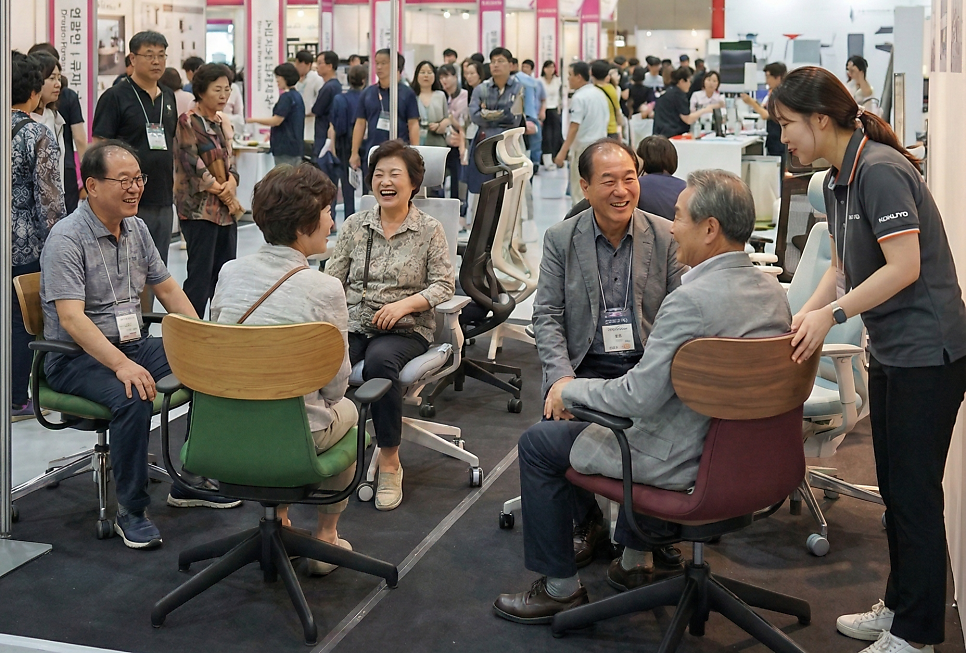
This wasn't an isolated case. At a furniture exhibition in December, the showroom observed the same phenomenon: while staff expected younger customers to gravitate toward the Kokuyo Ing, it was actually older visitors who responded most enthusiastically—particularly to the Ing Life variant.
Why Seniors Are Choosing the Ing
Home and dining use: Many purchased the Ing Life as a replacement for hard dining chairs, appreciating the gentle motion and comfort for extended sitting during meals or conversation.
Attractive design: Unlike stereotypically utilitarian ergonomic chairs, the Ing has a refined, furniture-like aesthetic that fits naturally into living spaces.
Movement for stiff bodies: For people whose bodies tend to stiffen with age, the Ing's gliding mechanism promotes circulation and prevents the muscle tension that comes from prolonged static sitting.
The experience challenged a common assumption: that older adults only want plush, stationary seating like traditional recliners or sofas. In reality, those whose bodies are prone to stiffness may benefit most from chairs that encourage natural, low-effort movement.
There's No Universal "Best" Chair for Back Pain
This customer's story reinforces an important principle: back pain doesn't have a one-size-fits-all solution. The "right" chair isn't always the firmest, the softest, or the most expensive—it's the one your body responds to positively.
Whether you arrive at a showroom because an AI recommended it, a friend sent you, or you found it through your own research, the conclusion is always the same: you need to sit in chairs and listen to your body's feedback.
If you're spending four or more hours a day seated, and especially if you're dealing with chronic back discomfort, hands-on testing is essential. You might be surprised by which chair your spine actually prefers—it may not be the one you expected.
Other Ergonomic Chairs Worth Considering
While the Kokuyo Ing stood out for this particular customer, other chairs excel in different ways depending on your body and needs:
The Herman Miller Aeron offers excellent lumbar support with a highly breathable mesh back
The Steelcase Gesture adapts to a wide range of postures and body types
The Haworth Zody II provides targeted lower back adjustment for chronic pain sufferers
The Aeris Swopper offers even more active sitting with its spring-based motion
Each of these chairs takes a different ergonomic philosophy. What worked for one person's back pain may not work for yours—which is exactly why testing matters.
The Bottom Line
Sometimes the best recommendations come from unexpected sources—even from AI. But technology can only point you in the right direction. The final decision must come from your own experience.
The 60-year-old customer who walked in after consulting ChatGPT left with a chair he never expected to buy. The Kokuyo Ing, with its active gliding seat, turned out to be the "life chair" his back had been waiting for.
If you're struggling with back pain, consider chairs that do more than just support—look for designs that encourage natural movement and prevent the static strain that causes discomfort in the first place. Your ideal chair might just surprise you.
Furniblog may earn a commission from links in this post, at no extra cost to you. See our affiliate disclosure.