Why Buying a Used High-End Chair Could Cost You More Than You Save
The hidden risks of secondhand ergonomic chairs—from fatigue failure to voided warranties
By the Furniblog Editorial Team·July 10, 2026·6 min read
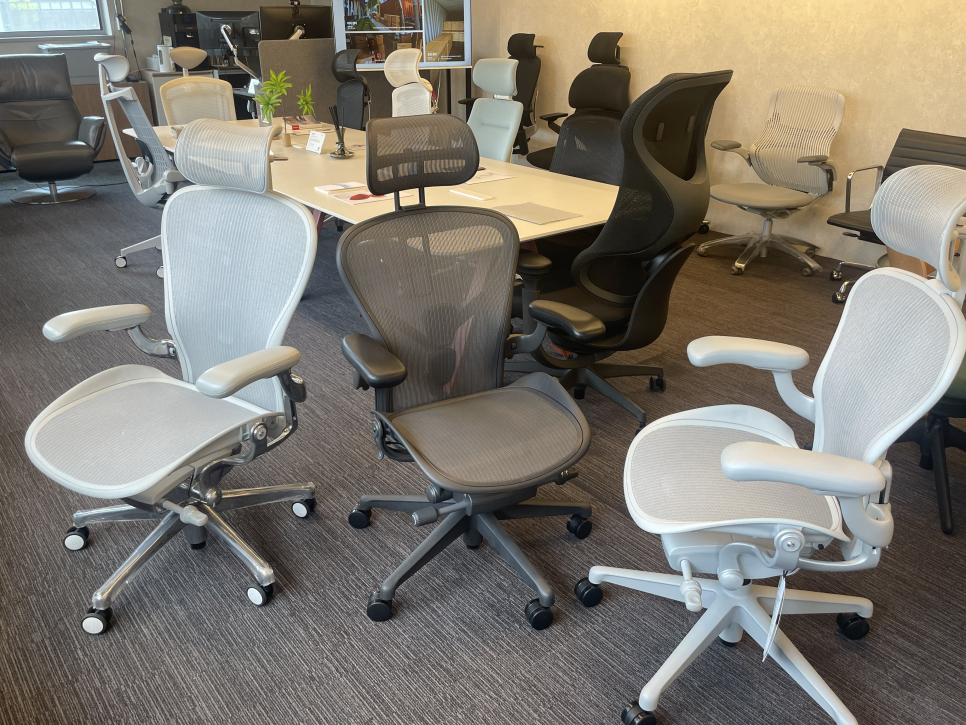
The Allure—and the Trap—of Secondhand Premium Chairs
"Why not buy a used Aeron? It has a 12-year warranty anyway—seems like a steal." If you've thought this while browsing secondhand marketplaces, you're not alone. The logic sounds bulletproof: high-end ergonomic chairs are built to last a decade or more, so buying one gently used should be a smart, budget-friendly move.
But there's a catch—several, actually. While the chair may look pristine in photos and feel fine during a brief test sit, the reality is that chairs accumulate invisible damage over years of use. And those famous long warranties? They rarely transfer to second owners.
Let's walk through three critical risks that most buyers overlook when shopping for used or refurbished ergonomic seating.
Risk #1: Material Fatigue You Can't See
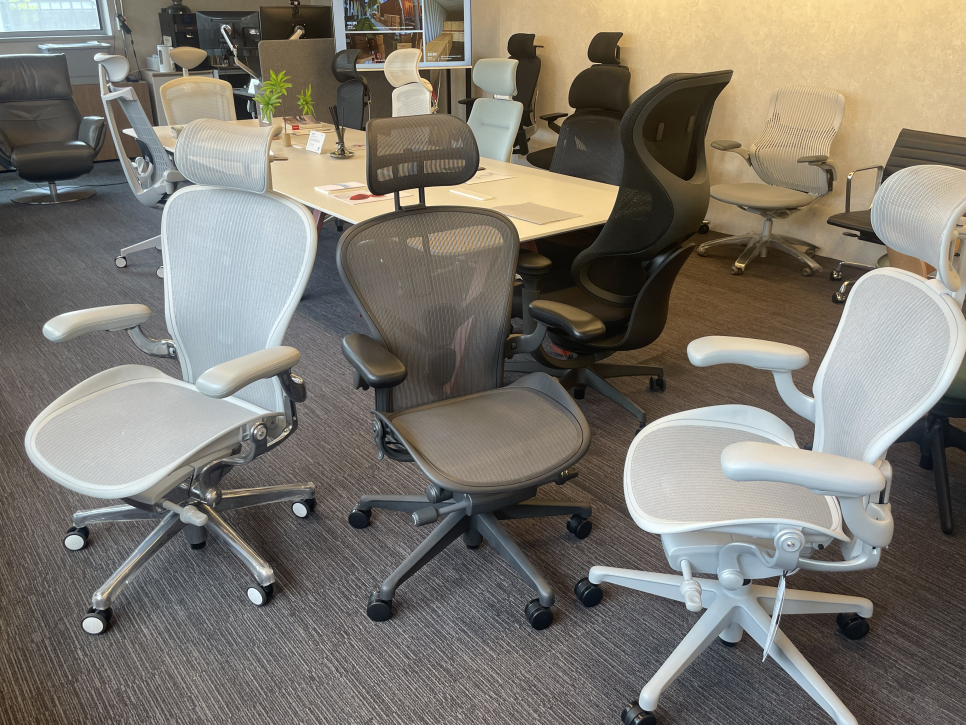
Metal frames may be durable, but the non-metal components—mesh, plastic subframes, foam cushions, and gas cylinders—all experience what engineers call fatigue failure. Over thousands of hours under load, these materials lose tension, elasticity, and structural integrity, even when they look perfectly intact.
Take the Herman Miller Aeron, for example. Its 8Z Pellicle mesh and aluminum frame are famously robust, but an older unit—especially a pre-2016 Classic model—will have measurably less mesh tension than it had when new. Foam bolsters compress and don't fully rebound. The chair slowly molds itself to the previous owner's body, posture, and sitting habits.
When you sit in that chair, you're not getting the engineered support Herman Miller designed. You're getting a worn-in seat shaped by someone else's spine. And you won't feel the difference in a five-minute try-out; the problems emerge after hours of daily use.
Risk #2: Warranties That Don't Transfer
Here's the part that catches most buyers off guard: Herman Miller's 12-year warranty applies only to the original purchaser and is non-transferable. This is stated clearly in the company's official warranty policy. Buy a used Aeron, and you have zero coverage—even if the chair is only two years old.
That means when the gas cylinder starts to leak, the tilt mechanism develops play, or a caster cracks, you pay for every repair out of pocket. And ergonomic chair parts aren't cheap.
What About "Refurbished with Warranty"?
Many resellers advertise "refurbished" chairs with a warranty—typically two years from the dealer, not the manufacturer. This can be legitimate, but it's also a minefield:
Definition varies wildly. "Refurbished" might mean a simple wipe-down, or it could involve replacing casters, the cylinder, and arm pads with OEM or third-party parts. Always ask exactly what was replaced, and get it in writing.
Dealer risk. If the reseller goes out of business, your warranty evaporates.
Gray-market units. Chairs originally sold in other regions (sometimes labeled "Asian fit" or imported through unofficial channels) may not be eligible for service through your local authorized dealer.
Bottom line: Check the manufacturing label, ask for proof of authorized dealer status, and confirm in writing what the warranty actually covers—and who backs it.
Risk #3: The Invisible Consumables
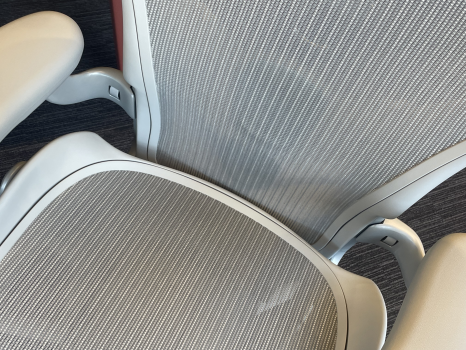
Even if a chair looks flawless, its consumable parts have a finite lifespan—and they're almost impossible to assess visually or in a brief sit test.
Component | Common Failure Mode |
|---|---|
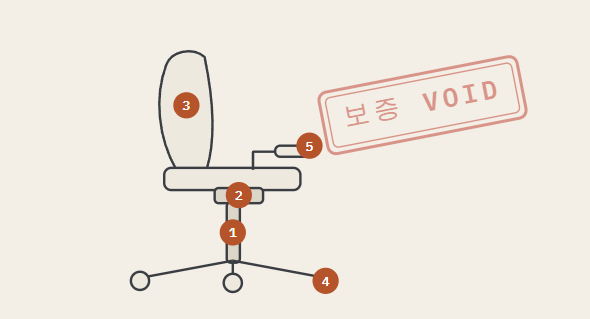
Gas cylinder | Slow leak → chair sinks during use |
Tilt mechanism | Micro-cracks, worn bushings → clunking, wobble |
Mesh/elastomer | Loss of tension → reduced lumbar support |
Casters | Worn wheels → poor rolling, noise |
Arm pads, lumbar pad | Foam collapse, surface tears |
These issues develop over years and thousands of sit-stand cycles. A used chair may have months—or just weeks—of useful life left in critical components, and you won't know until something fails. Without warranty coverage, you're on the hook for the repair or replacement cost.
When Buying Used Might Make Sense
There are scenarios where a secondhand chair can work:
You're buying from a verified, reputable refurbisher with a strong return policy and parts warranty
The chair is lightly used (under two years, office closure sale, minimal hours)
You have the technical ability to inspect and replace wear items yourself
You're using it as a temporary or secondary chair, not your primary work seat
But for most people investing in an ergonomic chair for 8+ hours of daily use, the calculus is less favorable than it appears.
The Real Cost of "Saving" Money
Let's say you save $400 buying a used Steelcase Leap V2 instead of new. But six months in:
The cylinder fails → $80–150 to replace
Arm pads are flattened → $60–100 for a set
The lumbar support has lost its resistance → not easily fixable
Suddenly your "deal" has cost you nearly as much as a new chair would have—and you still don't have a chair that fits your body properly or offers any remaining warranty protection.
Worse, if the worn-out lumbar support or sagging mesh leads to back pain, you may find yourself paying for physical therapy or chiropractic visits. That's not hypothetical; it's a pattern we see again and again.
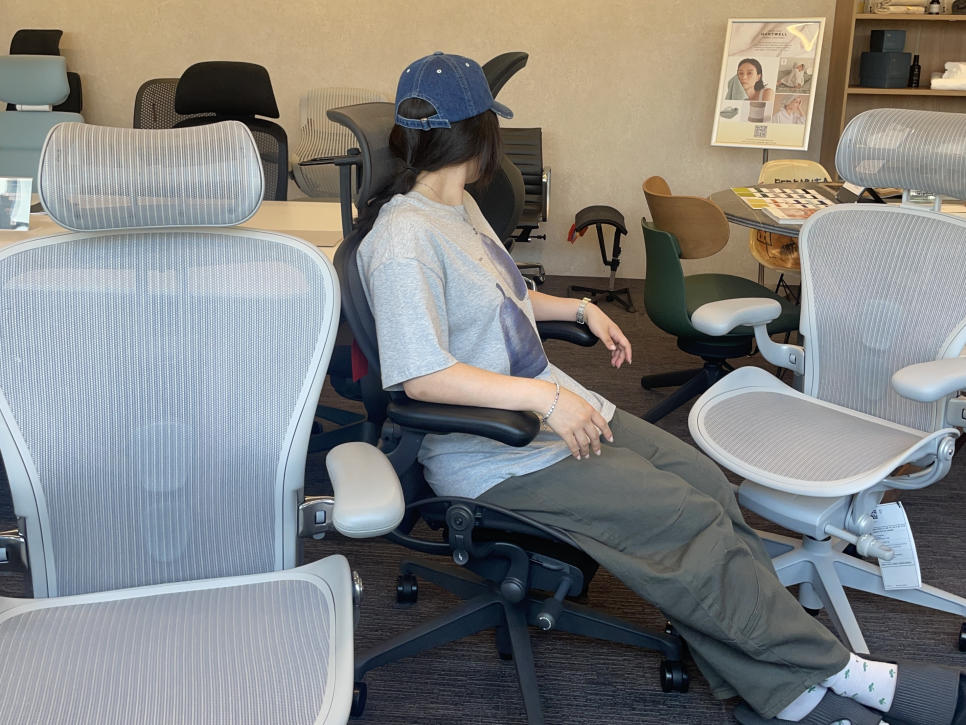
Why Buying New Is Often the Smarter Investment
When you buy a new ergonomic chair from an authorized dealer, you get:
Full manufacturer warranty—up to 12 years on chairs like the Herman Miller Embody or Steelcase Gesture
Components at 100% of their design life—mesh at full tension, foam at full density, mechanisms with zero wear
A chair that adapts to your body, not someone else's
Professional fitting guidance to dial in adjustments for your frame and workstation
Peace of mind—if something goes wrong, it's covered
Over a 10-year lifespan, the cost-per-year difference between new and used shrinks dramatically—and the health, comfort, and productivity benefits tip the scale heavily toward buying new.
A Few Final Tips if You Do Buy Used
If budget constraints mean used is your only option, protect yourself:
Ask for the original purchase receipt to verify age and check if any warranty is left
Inspect in person if possible—sit for at least 15 minutes, test every adjustment, listen for unusual sounds
Check the manufacturing date on the label under the seat
Negotiate a return window—at least 7 days to test the chair in your actual workspace
Budget for immediate replacements—casters, cylinder, arm pads—so you're not caught off guard
Conclusion: Your Spine Deserves Better Than Hand-Me-Downs
High-end ergonomic chairs are expensive for a reason: they're precision-engineered health tools, not just furniture. Buying one used might save money up front, but it often means inheriting someone else's wear patterns, forfeiting warranty protection, and gambling on the remaining lifespan of hidden components.
For the chair you'll spend 40+ hours a week in, the safest, most cost-effective long-term choice is usually buying new from an authorized dealer—with the full warranty, proper fit consultation, and the performance the designers intended.
Your back will thank you. And ten years from now, so will your wallet.

Furniblog may earn a commission from links in this post, at no extra cost to you. See our affiliate disclosure.