Why Chair Enthusiasts Are Moving from Full-Mesh to Foam Seats
The hidden drawbacks of mesh seats that premium brands still avoid
By the Furniblog Editorial Team·July 10, 2026·5 min read
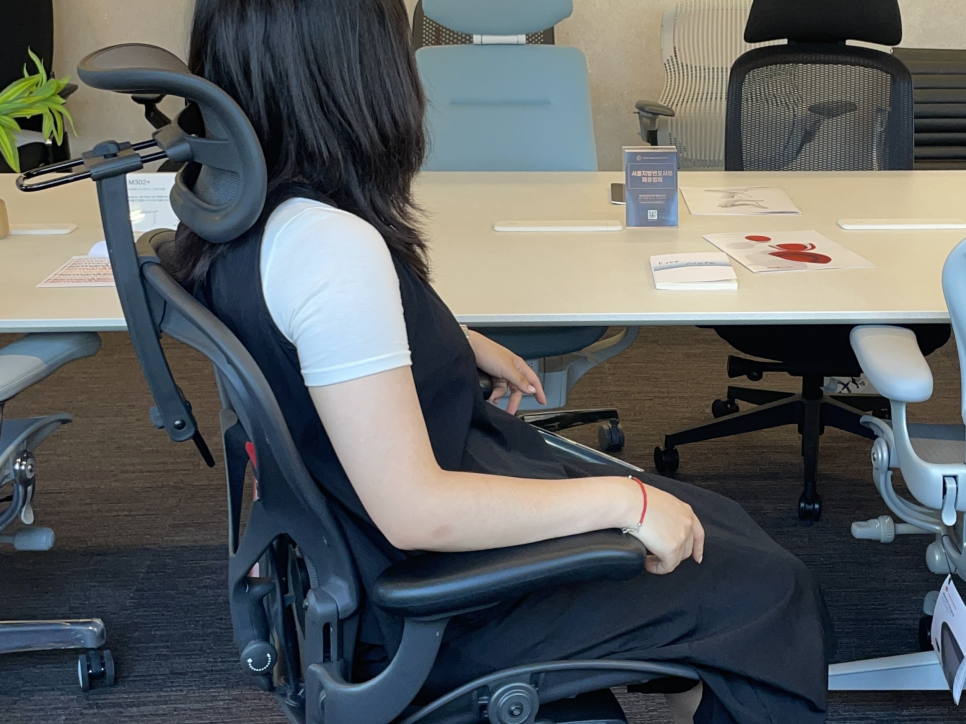
You spent $2,000 on a full-mesh chair because everyone said it's cooler in summer. So why are your hamstrings aching and your hips going numb?
The "premium equals full-mesh" assumption deserves a closer look. While mesh seats have undeniable benefits, they also carry trade-offs that aren't often discussed—and that's why many long-time chair users eventually switch back to foam and fabric seats.
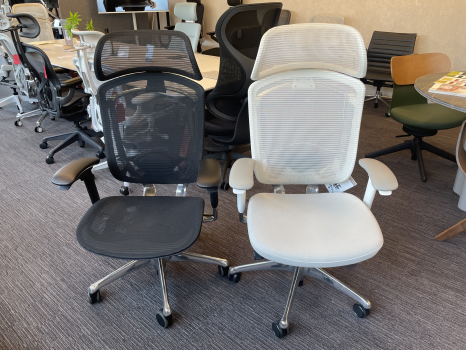
The Three Hidden Drawbacks of Mesh Seats
Mesh has no equal when it comes to breathability. But when mesh is used on the seat pan—not just the backrest—the story changes. Your hips and thighs make direct contact with the seat, and that's where mesh reveals some surprising weaknesses. It's a big reason why premium brands still favor foam.
1. The "Hammock Effect" and Uneven Pressure Distribution
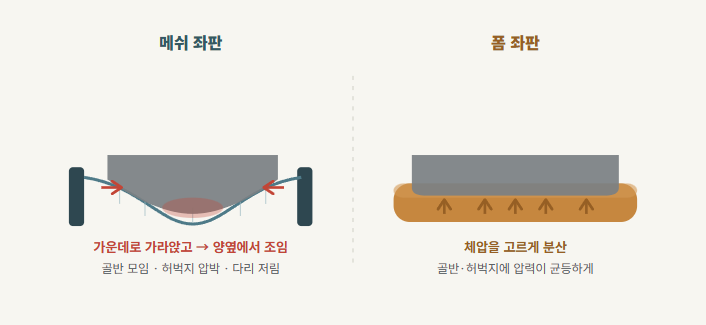
Steelcase's research documents this phenomenon clearly. When mesh is suspended across a rigid perimeter frame to act as the seat's suspension, the center sinks deeper than the edges—creating a hammock effect. As the mesh stretches downward, it also pulls inward from the sides, effectively "cinching" your body toward the middle of the seat.
The result? Your pelvis gets drawn together, and pressure concentrates on the outer and underside of your thighs, restricting blood flow. This is a common cause of leg numbness and tingling during extended sitting.
2. Fabric Wear and Dust Fall-Through
Mesh's textured surface has high friction, which can cause pilling on dress slacks or fine trousers over time. Additionally, skin cells and dust fall through the weave directly onto the floor. Some users actually prefer this—it means less debris trapped in the seat—but it's a matter of personal preference. Smooth upholstery and leather don't have this issue.
3. Cold in Winter
What's a summer advantage becomes a winter liability. Excellent airflow means cold air passes through the seat freely. Even with the heat on, many users report that mesh seats feel chilly against the skin in colder months—a problem foam seats don't have.
Mesh Seat | Foam Seat |
|---|---|
Sinks in the center, cinches from the sides | Distributes pressure evenly across the surface |
Can compress pelvis and restrict thigh circulation | Supports pelvis and thighs uniformly |
In short: mesh acts like a hammock, concentrating pressure in the middle and squeezing from the sides. Foam, by contrast, spreads your weight evenly across the entire seat surface.
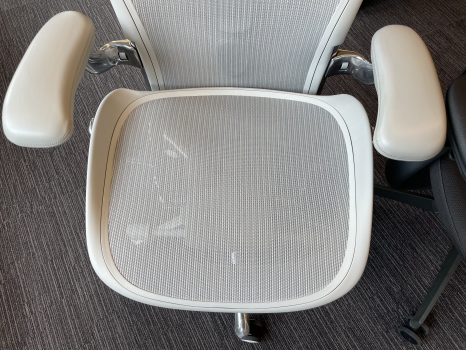
Why High-End Chairs Still Use Foam
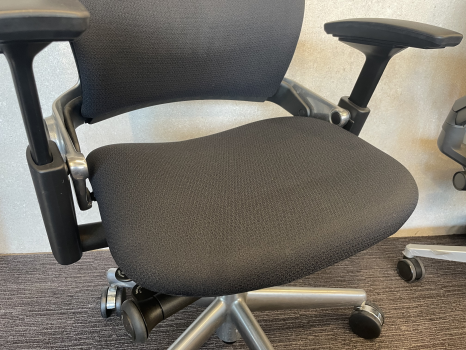
Even in the age of full-mesh, flagship models like the Steelcase Leap V2 and Steelcase Gesture stick with high-density foam seats. The secret isn't just thick padding—it's precision-engineered foam paired with a flexible seat pan.
The front edge of the seat flexes downward in response to the weight of your legs, reducing pressure behind the knees. Add in seat-depth adjustment to match your thigh length, and you get remarkable comfort from a cushion that's less than two inches thick. That kind of performance is a testament to thoughtful design, not just material choice.
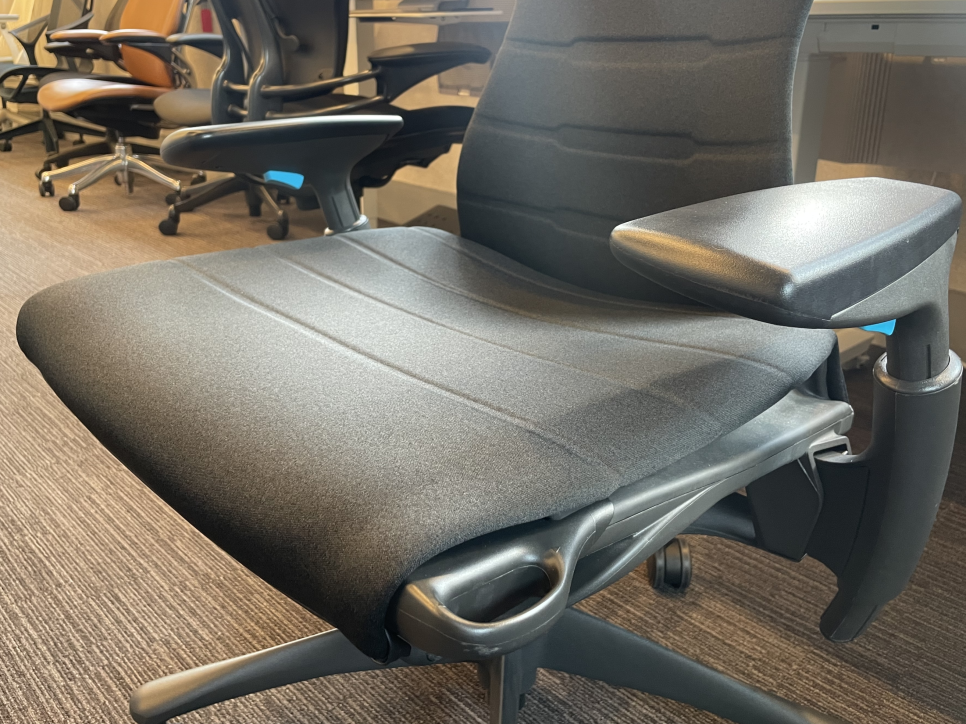
Similarly, the Herman Miller Embody's pixelated support layer spreads pressure across the entire seat surface, preventing any single point from bearing too much load. The goal is the same: distribute weight evenly so no part of your body gets fatigued, even after hours of sitting.
The Strengths of Foam
Even pressure distribution with no side-to-side cinching
Warmer in winter
Smooth fabric or leather finishes that won't snag clothing
That plush, "cushioned" feel many users prefer
So Is Mesh Bad? Not at All
To be fair, this isn't about one material being better than the other—it's about trade-offs. Mesh still reigns supreme for breathability, and if you run hot or work in a warm environment, mesh may be your best bet.
On the flip side, foam can feel warmer in summer, and after five to eight years of heavy use, the padding may compress and need replacement (though replacing just the cushion is usually straightforward and breathes new life into the chair).
Mesh Is Right for You If:
You sweat heavily or work in a hot environment
Maximum airflow is your top priority
You prefer easy cleaning (dust falls through rather than accumulating)
Foam Is Right for You If:
You experience thigh or under-knee discomfort on mesh seats
You dislike cold seats in winter
You're concerned about fabric pilling on dress pants
You want a plush, cushioned sitting experience
Can't Decide? Choose a Chair That Lets You Swap
If you're stuck between mesh and foam, there's a third option: pick a chair where the seat pan is modular. The Okamura Contessa II features interchangeable seat pans—you can start with mesh and later swap in a fabric or leather cushion seat, or vice versa, without replacing the entire chair.
This means you're not locked into a single choice at purchase. Try mesh during the summer, and if you find yourself missing the cushioned feel once the weather cools, simply order a replacement seat pan. Many long-term Contessa II owners have done exactly that, switching from cushion to mesh or back again as their preferences evolved. A popular configuration is a mesh backrest for breathability combined with a foam or leather seat for comfort.
The Contessa II Advantage
You don't have to commit forever to "mesh or foam" on day one—modular seat pans act as insurance. And Giugiaro's sculpted frame design is a bonus.
Try Both Before You Buy
If you're tired of the scratchy texture and winter chill of mesh, premium foam seats from chairs like the Leap, Gesture, or Embody offer a completely different—and often more comfortable—experience.
But the real answer depends on your body and your environment. Whenever possible, sit in both mesh and foam chairs before making your final decision. Your back, hips, and legs will thank you.
Furniblog may earn a commission from links in this post, at no extra cost to you. See our affiliate disclosure.