Why Designer Philosophy Matters in Office Chairs: Citterio and Giugiaro
How architects and automotive designers create chairs that perform better over time
By the Furniblog Editorial Team·July 9, 2026·4 min read
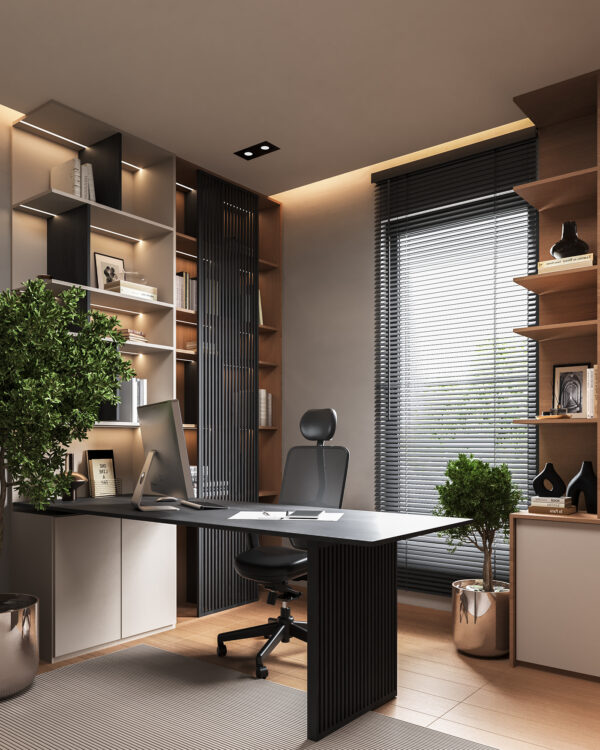
People often ask: Does chair design really matter that much? Isn't comfort just comfort?
But here's what's fascinating: the subtle differences you notice after sitting for hours aren't simply about cushioning or adjustment mechanisms. They're rooted in the designer's way of thinking—in the foundational philosophy that shaped the chair long before you ever sat in it.
Designers like Antonio Citterio and Giorgetto Giugiaro—figures who move fluidly between architecture, automotive design, and industrial design—create chairs whose true value reveals itself over time. The longer you sit, the more you understand what sets them apart.
Why is that?
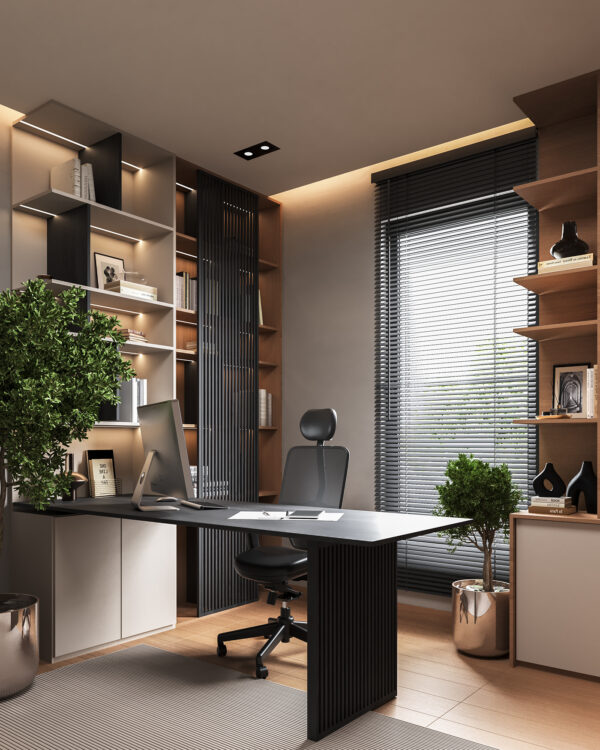
Design Principle #1: See the Environment, Not Just the Body
Antonio Citterio is both an architect and a product designer. He doesn't view a chair as an isolated piece of furniture. Instead, he analyzes how people move through space, how they work, and how they behave over extended periods—then designs a structure that accommodates those patterns as naturally as possible.
In Citterio's chairs, you won't find exaggerated features or gimmicks. What you will find is a quiet stability that doesn't interfere with your body's micro-movements, intuitive controls that don't break your focus, and an interface that feels invisible. The chair follows you as you shift your weight, reducing fatigue without demanding your attention.
This is why his designs perform so well during long sessions: they're built around flow, not force.
Design Principle #2: The Automotive Engineer's View of a Moving Body
Giorgetto Giugiaro is a legendary automotive and industrial designer. In car seat design, the most critical factor is dynamic support—the ability to maintain stability even as a person's center of gravity shifts during movement.
Giugiaro brings this same lens to office seating. Rather than treating a chair as a static object, he approaches it as a structure that absorbs motion. The result is a seat that supports you seamlessly even when you lean, twist, or adjust your posture throughout the day.
That feeling of being "less tired after hours of sitting" isn't magic—it's the outcome of a designer who anticipated every moment of movement and engineered the chair accordingly.
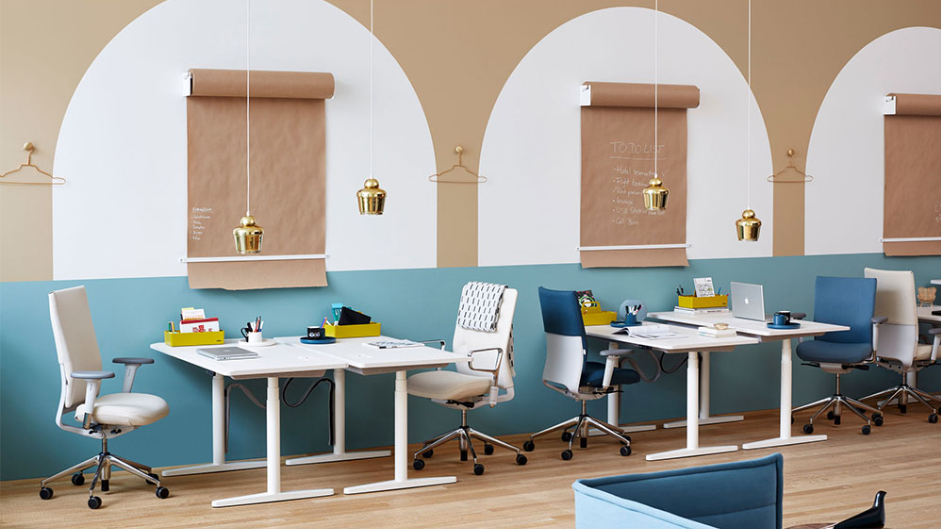
Design Principle #3: Reduce Cognitive Load, Not Features
One commonality between Citterio and Giugiaro is their commitment to simplifying the user experience. During long work sessions, fatigue often comes not from the chair itself, but from interruptions to your concentration.
Instead of complex lever systems or multi-step adjustments, these designers favor intuitive structures and controls you can operate without thinking. The user experience is resolved while seated, often automatically. You stop noticing the chair—and that's the point.
This simplicity paradoxically improves long-duration performance. Your body trusts the chair, and your mind stays focused on the work.
The Difference Reveals Itself Over Time
On the surface, many office chairs may look similar. But the underlying philosophy and design intent can be worlds apart.
Some designers prioritize aesthetic balance. Others, like Citterio and Giugiaro, design for spatial rhythm, human movement patterns, repetitive motion, and the flow of focus. The result is a fundamentally different experience when you're sitting for hours at a time—one that you feel in your body, your posture, and your energy at the end of the day.
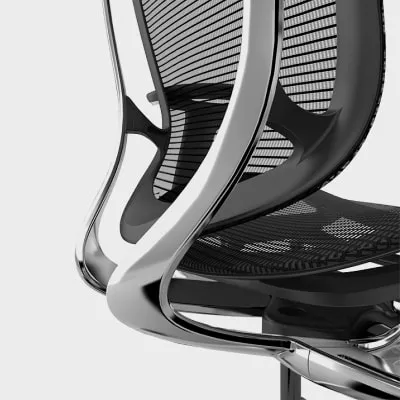
Why Philosophy-Driven Chairs Are an Investment in Performance
Chairs designed with this level of intentionality aren't luxuries—they're tools. It's no coincidence that companies like Apple and Google furnish their headquarters with chairs from designers like these, or that successful leaders choose them for their private offices.
Your chair is in contact with your body longer than almost any other object in your life. Choosing one designed around human performance, not just appearance, is one of the smartest investments you can make in your workday.
Finding the Right Fit
Of course, even the best-designed chair is only as good as its fit. Just as a suit needs tailoring, a chair needs proper adjustment and setup to match your body, desk height, and work style.
If you're serious about ergonomic performance and design philosophy, visiting a specialized showroom where trained consultants can guide your selection—and properly fit the chair to your proportions—makes all the difference. The right tension settings, seat depth, and lumbar positioning can transform your experience, sometimes with adjustments measured in millimeters.
The best chairs aren't just bought—they're fitted, tested, and refined to work with your body over time.
Furniblog may earn a commission from links in this post, at no extra cost to you. See our affiliate disclosure.