Why Ergonomic Chairs Matter for Spine Health: The Case for Proper Seating
Modern workers sit 9+ hours daily—here's why your chair is a health investment
By the Furniblog Editorial Team·August 3, 2026·4 min read

The Hidden Cost of Sitting: Why Spine Health Demands Better Chairs
The average person today sits for more than nine hours each day. This isn't just office workers—it includes students, remote employees, and anyone who spends their workday at a desk. As sitting time increases, so do the health consequences: lower back pain, cervical disc issues, and chronic fatigue become increasingly common.
According to research from the American Spinal Health Association (ASA), sitting in an improper posture can increase disc pressure by up to 90%. The World Health Organization (WHO) reports that 60-70% of the global population will experience back pain at least once in their lifetime. These aren't abstract statistics—they represent a widespread health crisis that ergonomic seating can help address.
Three Critical Reasons Ergonomic Chairs Matter
Proper Posture Support
Ergonomic chairs are specifically designed to support your spine and back throughout extended sitting sessions. Unlike conventional seating, they maintain the natural S-curve of your spine, distributing weight evenly and reducing strain on individual vertebrae. This structural support is essential for preventing the postural degradation that leads to chronic pain.
Measurable Productivity Gains
Comfort isn't just about feeling good—it directly impacts work output. Research shows that working in a properly supportive chair can boost productivity by up to 17%. When physical discomfort decreases, concentration improves and fatigue sets in more slowly, allowing for sustained focus throughout the workday.
Long-Term Health Investment
Spinal damage is notoriously difficult to reverse once it occurs. Investing in an ergonomic chair is preventive medicine: it protects against degenerative conditions that could lead to expensive medical treatments, lost work time, and diminished quality of life. The upfront cost of quality seating pays dividends in avoided healthcare expenses and maintained mobility.
How Advanced Ergonomics Work: Dynamic Support Systems
Modern ergonomic design goes far beyond basic lumbar cushions. High-performance task chairs incorporate sophisticated mechanisms that respond to your body's movements throughout the day.
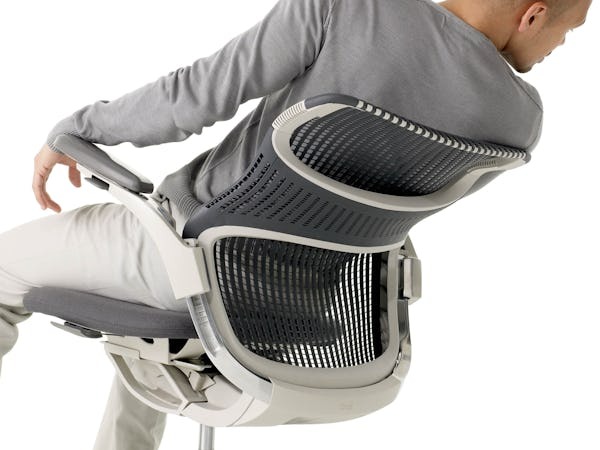
The Generation by Knoll exemplifies this approach with its flexible backrest technology. Rather than forcing you into a single "correct" position, its elastomeric backrest adapts dynamically to your movements, providing support across a range of postures. This flex technology distributes pressure evenly across the back, reducing concentrated stress on any single area of the spine.
Research from UC Berkeley's ergonomics team found that chairs with flexible support mechanisms reduced spinal stress by up to 35% compared to static designs. This reduction in physical strain translates directly to less fatigue during long work sessions and lower risk of developing chronic musculoskeletal issues.
Key Features of Effective Ergonomic Design
Weight distribution: Advanced backrests spread pressure across the entire spinal column rather than concentrating it in the lumbar region
Movement encouragement: Dynamic support reduces static loading, promoting healthy micro-movements that keep muscles engaged and blood flowing
Posture adaptability: Mechanisms that adjust to different working positions—leaning forward for focused tasks, reclining for reading or thinking
Customizable adjustments: Seat height, armrest position, tilt tension, and lumbar depth controls that accommodate different body types and preferences
Choosing Ergonomic Seating: What to Look For
Not all chairs marketed as "ergonomic" deliver meaningful health benefits. When evaluating seating options, consider these factors:
Adjustability Range
Look for chairs offering multiple points of adjustment—seat height, depth, armrest height and width, backrest angle, and lumbar support position. Your body's proportions are unique; your chair should accommodate them.
Quality of Materials
Durable construction isn't just about longevity—it's about consistent support. Mesh backrests should maintain tension over years of use. Cushions should resist compression. Mechanisms should operate smoothly without loosening.
Design That Encourages Movement
Static sitting is inherently problematic. The best ergonomic chairs facilitate position changes, allowing you to shift your weight, recline, and adjust throughout the day without losing support.
Aesthetic Integration
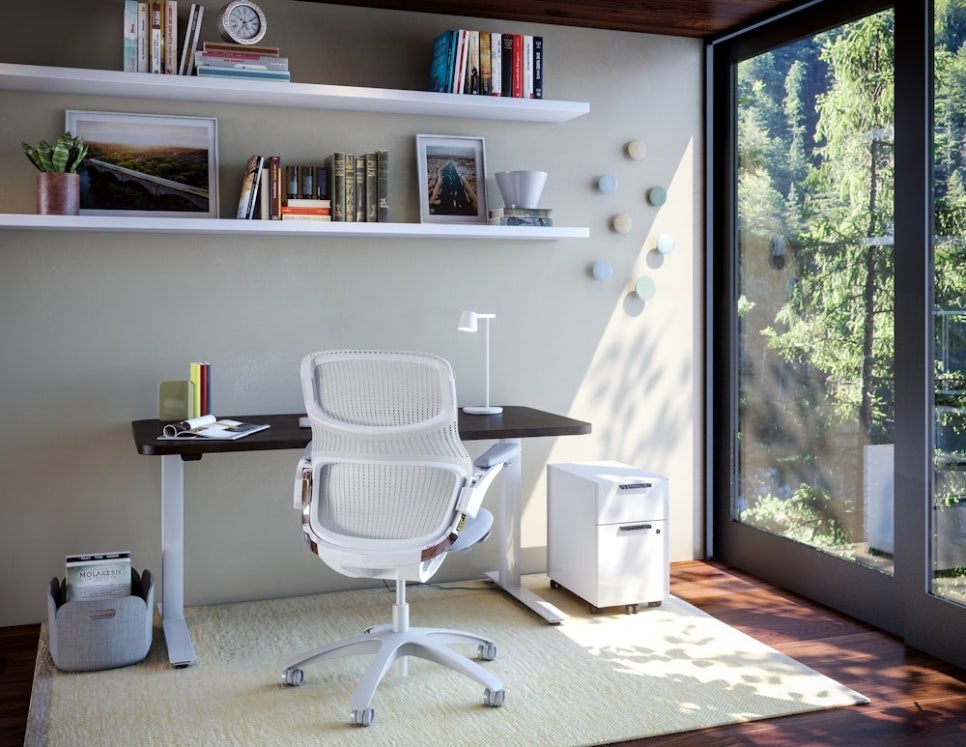
A chair you'll actually use needs to fit your environment. Whether you're furnishing a corporate office or a home workspace, the design should complement your space—you're more likely to invest in proper setup when the furniture enhances rather than detracts from your environment.
The Bottom Line: Chairs as Health Equipment
We've normalized spending thousands on fitness equipment, supplements, and wellness programs while sitting in inadequate chairs for the majority of our waking hours. This is backwards. Your chair is one of the most important pieces of health equipment you own—it directly impacts your spine, your energy levels, your focus, and your long-term physical wellbeing.
If you're experiencing back discomfort, declining afternoon productivity, or simply want to prevent future problems, upgrading to properly designed ergonomic seating isn't an indulgence—it's a practical health intervention. The difference between a good chair and a poor one compounds daily over months and years.
Your spine health deserves the same attention you give to diet, exercise, and sleep. Start with the foundation: the chair you sit in every day.
Furniblog may earn a commission from links in this post, at no extra cost to you. See our affiliate disclosure.