Why Investing in a Quality Office Chair Actually Matters
Research-backed reasons to choose ergonomics over price alone
By the Furniblog Editorial Team·July 31, 2026·3 min read
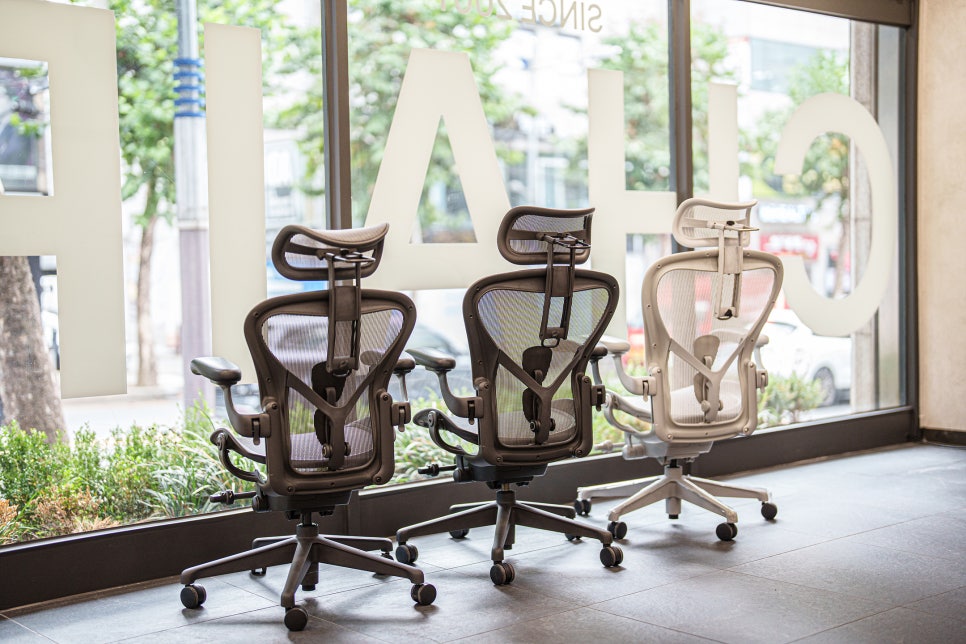
If you spend six or more hours a day sitting at a desk—whether for work or study—your chair isn't just furniture. It's your primary work environment. Yet many people still choose office chairs based purely on price, only to find themselves dealing with chronic back pain, sagging cushions, and frequent replacements.
Today, we'll explore why investing in a quality office chair is essential, drawing on real research and long-term cost analysis to show that "budget-friendly" isn't always the most economical choice.
Your Body Can't Focus When It's Uncomfortable
For office workers and students who sit for at least six hours a day, the chair is a core part of the daily environment. If you're experiencing stiff shoulders or an aching lower back, it's not just fatigue—it's often the result of poor posture and inadequate support.
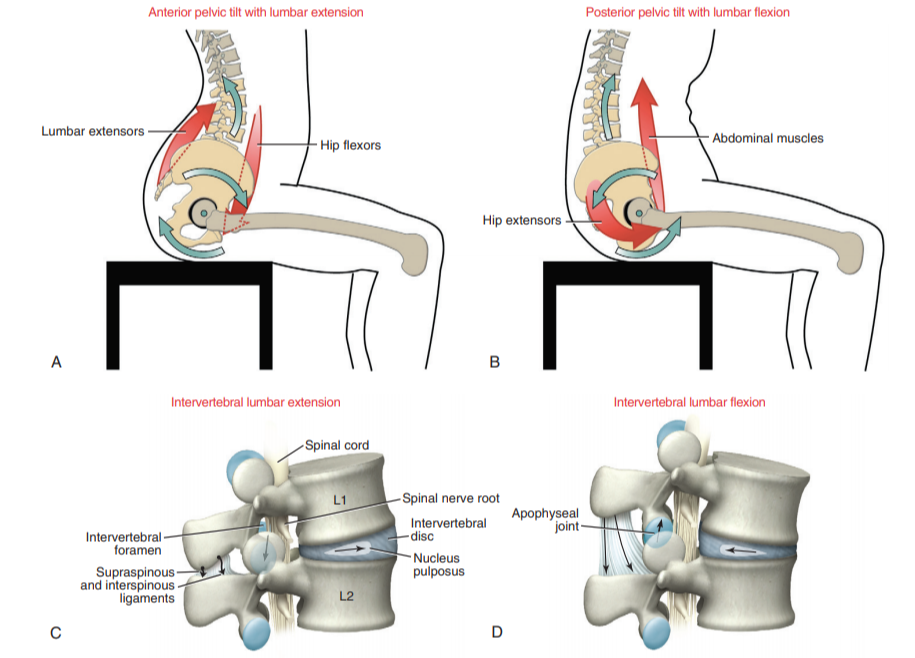
According to research from the Cornell University Ergonomics Lab, sitting in a poorly designed chair with improper posture can increase spinal disc pressure by up to 90%. In contrast, ergonomic office chairs with proper lumbar support significantly reduce disc pressure and make it much easier to maintain healthy posture throughout the day.
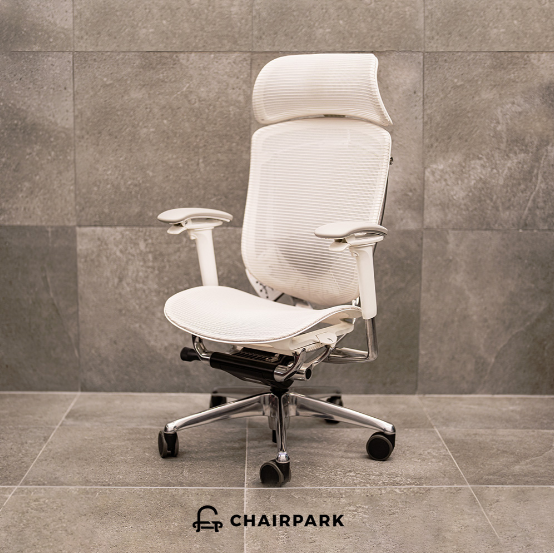
Chairs known for excellent lumbar support include the Okamura Contessa II and the Herman Miller Aeron, both of which are designed to keep your spine aligned and supported during long work sessions.
Better Chairs Drive Focus and Productivity
A well-designed office chair doesn't just support your lower back—it directly impacts your concentration, efficiency, and ability to stay in the zone.
A 2016 study titled "Ergonomic Workplace Design for Health, Wellness, and Productivity" by Alan Hedge found that ergonomically designed chairs and desks improved work efficiency by an impressive 17.7%. Conversely, uncomfortable seating led to constant fidgeting and breaks, which fragmented focus and reduced overall productivity.
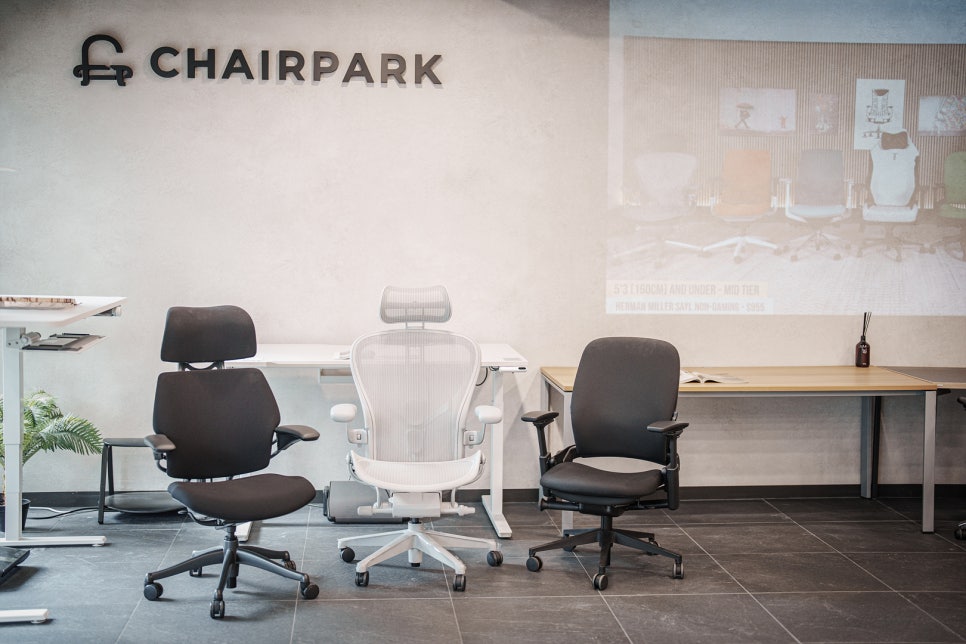
In other words, the right chair is invisible infrastructure for deep work. Models like the Humanscale Freedom, Steelcase Leap V2, and Herman Miller Aeron are designed to disappear into the background, letting you concentrate on the task at hand rather than your discomfort.
Long-Term Value: Quality Chairs Are More Economical
Yes, the upfront cost of a premium ergonomic chair is higher—often significantly so. But when you factor in durability, the math changes.
High-quality ergonomic office chairs are typically built to last 5 to 10 years or more, often backed by long warranties. Budget chairs, on the other hand, commonly need replacement within 1 to 2 years due to sagging seat cushions, wobbly casters, collapsed lumbar support, or broken mechanisms.
When you account for multiple replacements, dissatisfaction, and the health costs of prolonged poor posture, the true value proposition becomes clear: buy once, use for years. Chairs like the Steelcase Gesture and Herman Miller Embody are investments that pay dividends in comfort, health, and fewer future purchases.
Choosing a Chair Is Choosing Your Future Health
Investing in a quality office chair isn't about splurging on luxury—it's about protecting your spine, maintaining your productivity, and making a smart long-term financial decision.
When evaluating chairs, prioritize adjustable lumbar support, seat depth and height adjustment, breathable materials, and solid build quality. Don't just read specs—if possible, sit in the chair for at least 15 to 20 minutes to assess true comfort and support.
Whether you're setting up a home office or outfitting a workspace, remember: your chair is one of the most important tools you'll use every day. Choose accordingly.
Top Ergonomic Chairs Worth Considering
Herman Miller Aeron – iconic mesh design with advanced PostureFit lumbar support
Steelcase Leap V2 – LiveBack technology that adapts to your spine
Steelcase Gesture – designed for modern work postures, including mobile device use
Herman Miller Embody – promotes micro-movements and healthy circulation
Humanscale Freedom – intuitive recline without levers or knobs
Okamura Contessa II – Japanese precision engineering with flexible lumbar support
Haworth Fern – wave suspension backrest for adaptive support
Your body—and your future self—will thank you for making the right choice today.
Furniblog may earn a commission from links in this post, at no extra cost to you. See our affiliate disclosure.