Why Legendary Architects Obsessed Over Chair Design—And What That Means for You
From Le Corbusier to Mies van der Rohe: the story of "micro-architecture"
By the Furniblog Editorial Team·July 10, 2026·7 min read
The Paradox of the Chair: Harder Than a Building?
Here's a startling fact: more than 80% of the world's most legendary chair designs didn't come from furniture designers. They came from architects—the same visionaries who designed iconic buildings worth hundreds of millions of dollars.
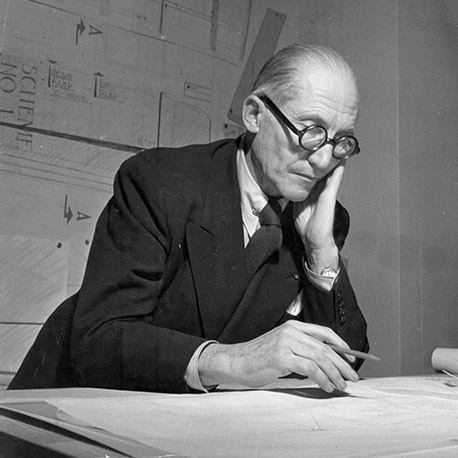
Le Corbusier, father of modern architecture. Ludwig Mies van der Rohe, Bauhaus master. Marcel Breuer, pioneer of steel furniture. These titans of 20th-century design all shared a curious obsession: they devoted enormous energy to designing chairs—objects measuring a mere 50 centimeters on a side.
Why would minds capable of conceiving monumental structures fixate on something so small?
Section 01: Micro-Architecture—The Chair as the Smallest Building
Architects often say that designing a chair is harder than designing a building.
A building is a space where people move freely. A chair, by contrast, is a space that must intimately touch the human body—and do so comfortably for hours. It must accommodate the curve of the spine, distribute weight across the thighs, support the arms at precise angles, and respond to shifts in the body's center of gravity.
Miss any of these factors by even a millimeter, and you've created a beautiful sculpture that no one can sit in.

"Designing a chair is like designing a building. In some ways, it's harder. A chair makes direct contact with the human body, so not even a millimeter of error is tolerated."
—Le Corbusier
Moreover, a chair must be visually perfect from every angle: front, side, back, even from above. It must balance structural stability, overcome the limits of materials, remain feasible to manufacture, and achieve timeless beauty—all in a single object.
In other words, the chair is "micro-architecture"—the most compressed expression of an architect's philosophy and technical prowess.
Le Corbusier famously declared that if a house is a "machine for living," then a chair is a "machine for sitting."
Why Architects Designed Their Own Furniture
Le Corbusier revealed another reason: he couldn't find furniture that matched the buildings he designed. The modernist principles he championed—pilotis, horizontal windows, open floor plans—demanded furniture with the same sensibility. When none existed, he designed it himself. For him, a space was incomplete unless architecture and furniture shared a unified philosophy.
Section 02: Technology Meets Art—Chairs as Embodiments of Their Era
Throughout history, beds and tables changed very little. Beds remained flat platforms; tables stayed four legs and a top.
Chairs, however, evolved radically with every new material and manufacturing breakthrough. Architects treated the chair as a laboratory: How can this new technology revolutionize the act of sitting?
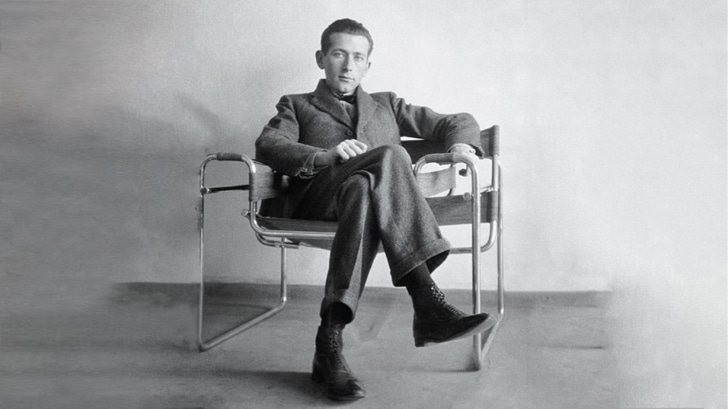
1925 – Industrial Innovation: The Wassily Chair
Marcel Breuer was inspired by the seamless steel tubing of his Adler bicycle handlebars. He realized he could bend steel pipe into a chair frame—creating the first steel-tube chair in furniture history. The material vocabulary of furniture changed overnight.
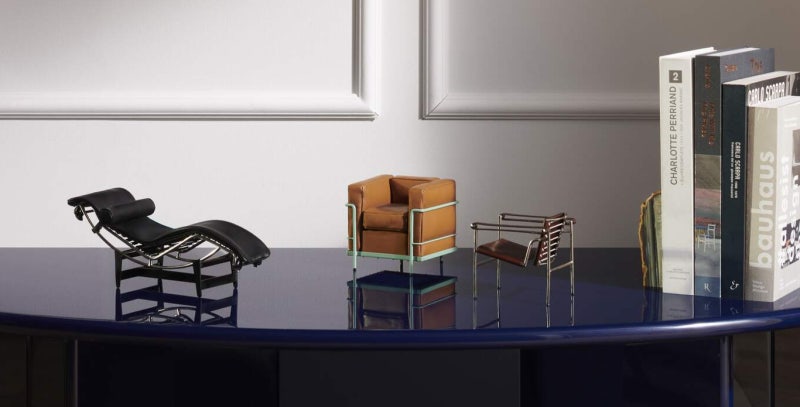
1928 – Functionalism: The LC Series
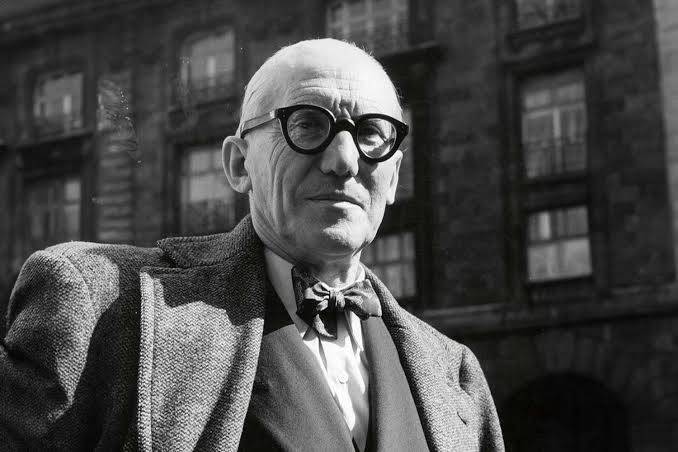
Le Corbusier, Pierre Jeanneret, and Charlotte Perriand collaborated on the LC series, designing furniture as "machines for living." Chrome-plated steel frames cradled leather cushions, translating the structural elegance of architecture directly into furniture.
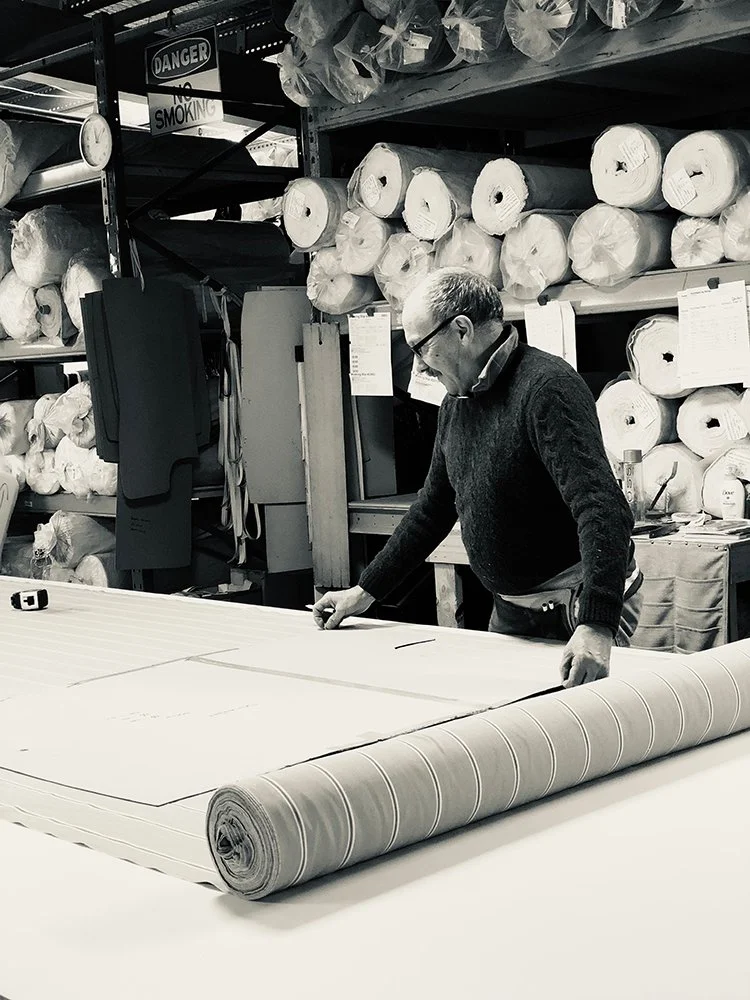
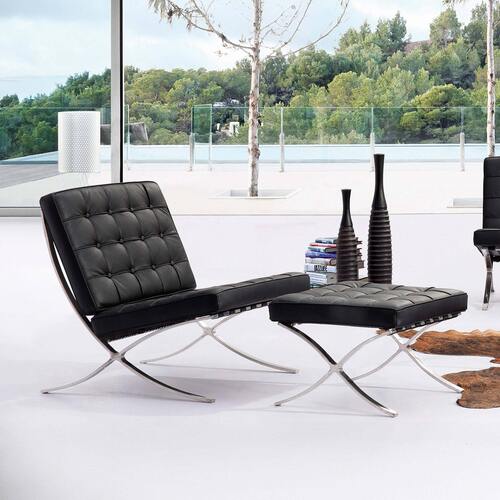
1929 – The Birth of a Throne: The Barcelona Chair
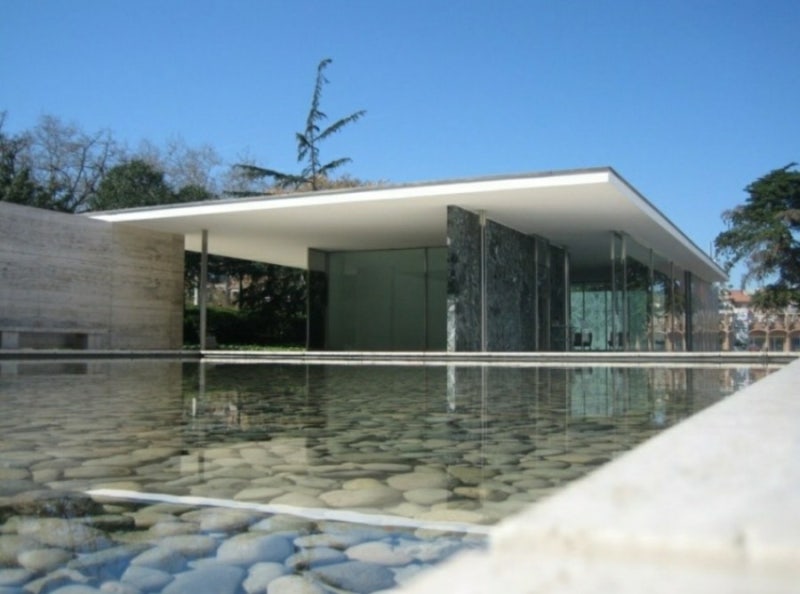
Mies van der Rohe designed the Barcelona Chair for the King and Queen of Spain. His directive: "The chair must be important, elegant, and expensive. It must be monumental." A single chair dominated an entire pavilion, commanding the space with quiet authority.
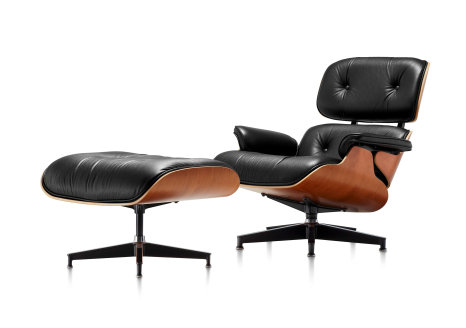
1956 – Ergonomics Redefined: The Eames Lounge Chair
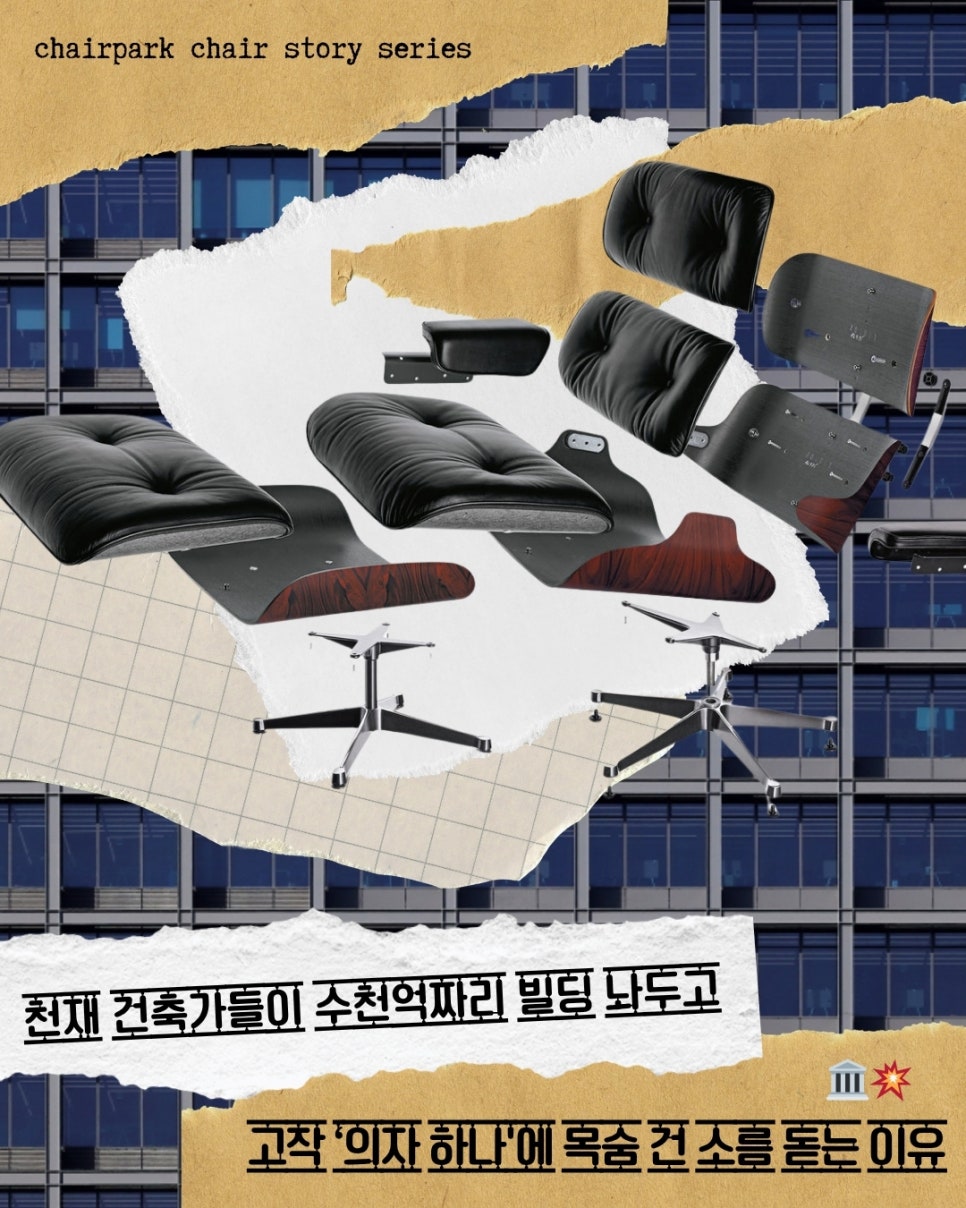
Charles and Ray Eames spent 20 years perfecting molded plywood technology. Their Eames Lounge Chair reclined the body 15 degrees backward, embodying "the leisure of success" for the first time in furniture.
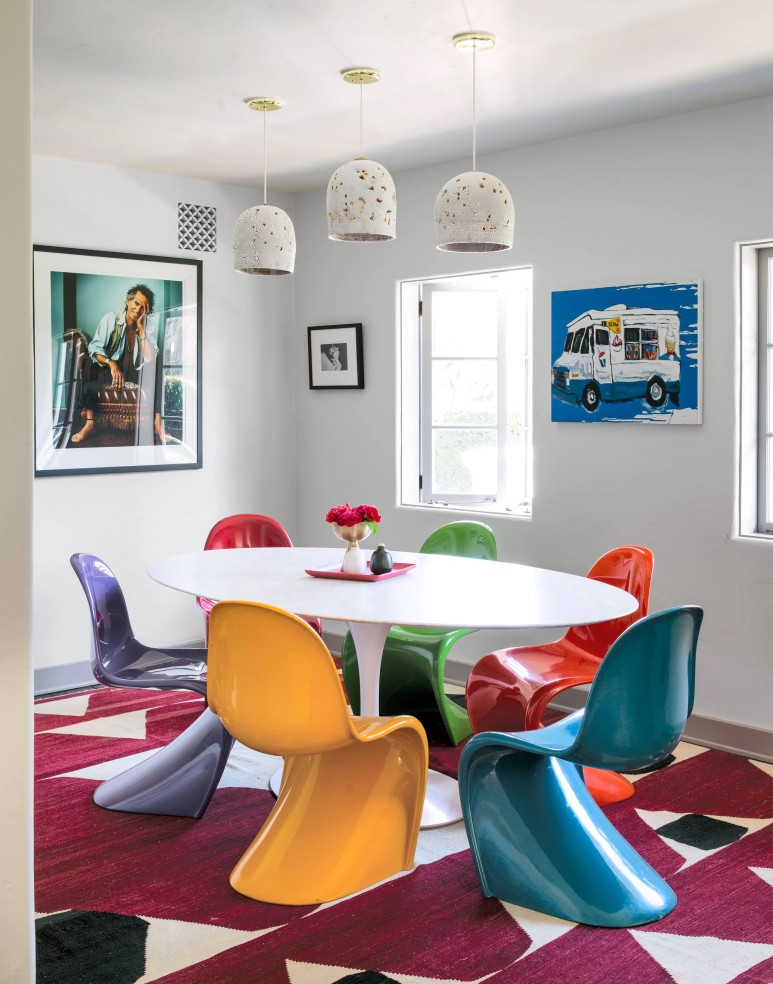
1967 – Material Revolution: The Panton Chair
Verner Panton shocked the world with a chair molded from a single piece of plastic—no legs, no joints. Manufacturers told him it was impossible. Vitra proved them wrong, and the Panton Chair became an icon of space-age design.
These weren't just chairs. They were manifestations of the most advanced technology and daring philosophy of their time.
Section 03: Legendary Chairs by Visionary Architects
Le Corbusier: LC2 and LC3 Grand Confort (1928)
Le Corbusier (1887–1965), along with his cousin Pierre Jeanneret and the often-overlooked designer Charlotte Perriand, created the LC2 and LC3 chairs in 1928. These designs feature chrome-plated steel tube frames that cradle five square leather cushions, achieving perfect cubic proportions from every angle.
The Steve Jobs Connection: Though often called "the Steve Jobs chair," Jobs actually sat in the LC3 during Apple keynotes, not the LC2. The LC3 offers a wider, deeper seat with a lower profile. Both are produced under official license by Italian manufacturer Cassina.
Le Corbusier: LC4 Chaise Longue (1928)
Dubbed the "machine à reposer" (resting machine), the LC4 features an adjustable curved frame atop a chrome steel base. It caused a sensation at the 1928 Salon d'Automne in Paris. Cassina originals are priced from approximately $8,000 USD and up, depending on upholstery grade.
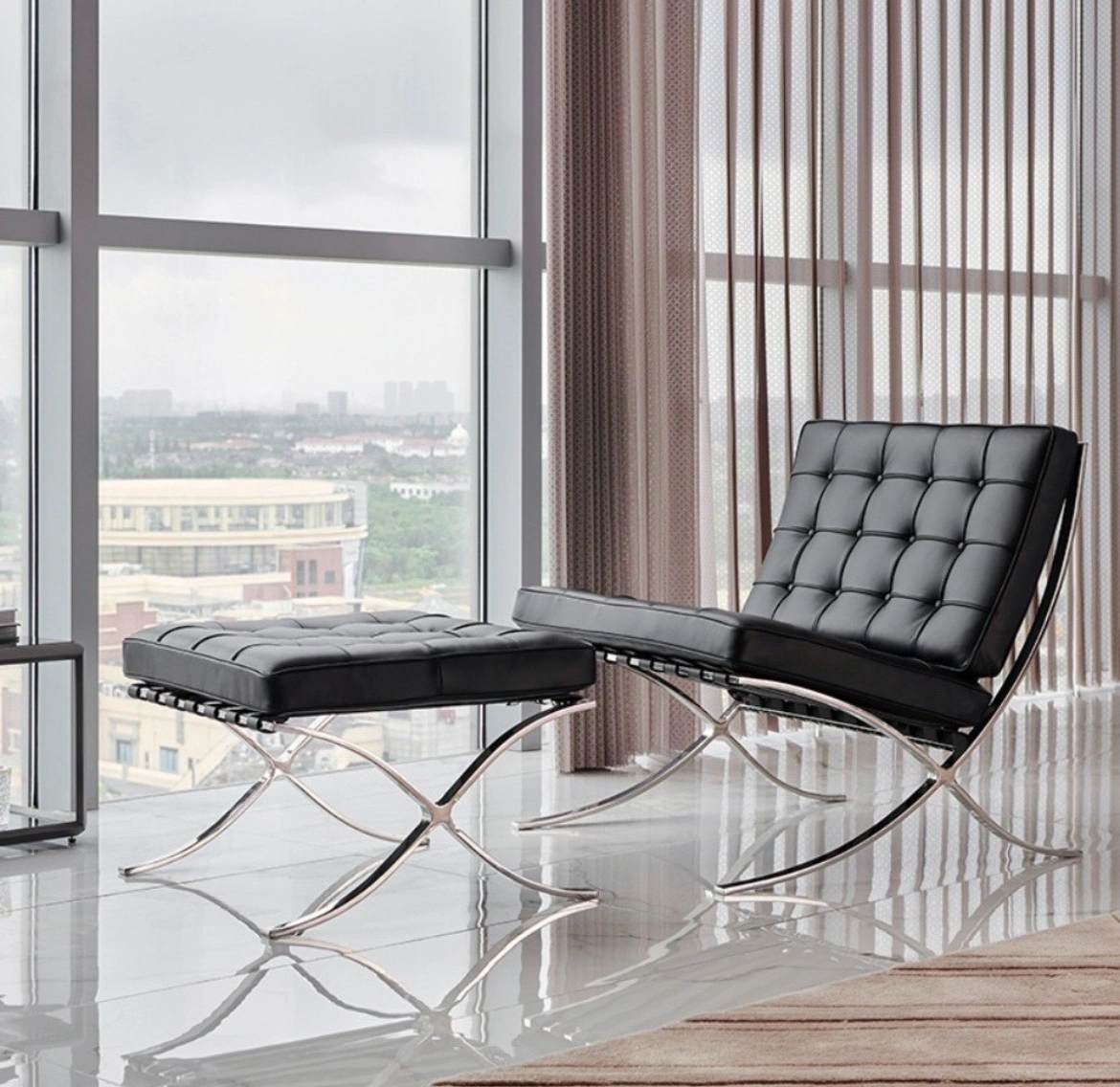
Mies van der Rohe: Barcelona Chair (1929)
Ludwig Mies van der Rohe (1886–1969)—Bauhaus's last director and coiner of the phrase "Less is more"—designed the Barcelona Chair for the 1929 International Exposition in Barcelona. He stated: "The chair must be important, elegant, and expensive. It must be monumental."
King Alfonso XIII and Queen Victoria Eugenia of Spain were the first to sit in it—and it became history.
The chair's X-shaped spring steel frame and hand-tufted leather cushions embody monumental simplicity. A single Barcelona Chair transforms any room into a gallery. It remains a fixture in law firms, luxury waiting rooms, and museum lobbies worldwide. Licensed by Knoll.
Marcel Breuer: Wassily Chair (1925)
Marcel Breuer (1902–1981), a first-generation Bauhaus student who later became faculty, created the Wassily Chair after being inspired by his new Adler bicycle. He wondered if seamless steel tubing could form a chair frame—and proved it could.
He gifted the prototype to fellow Bauhaus instructor, painter Wassily Kandinsky, who loved it so much the chair bears his name. The Wassily Chair entered MoMA's permanent collection in 1980 and is still produced under license by Tecta and others.
Section 04: Comparing Four Masterpieces
Chair | Designer / Year | Philosophy | Best For |
|---|---|---|---|
LC2 / LC3 Grand Confort | Le Corbusier, 1928 (Cassina) | Functionalism, rationality, standardization | Living rooms, executive lounges, home offices |
Mies van der Rohe, 1929 (Knoll) | Less is more; monumental simplicity | Galleries, law firms, VIP reception areas | |
Wassily Chair | Marcel Breuer, 1925 (Tecta) | Industrial materials as art | Studios, libraries, creative spaces |
LC4 Chaise Longue | Le Corbusier, 1928 (Cassina) | The resting machine; body-contour comfort | Bedrooms, studies, luxury lounges |
Section 05: The Value of Originals—Why Authenticity Matters
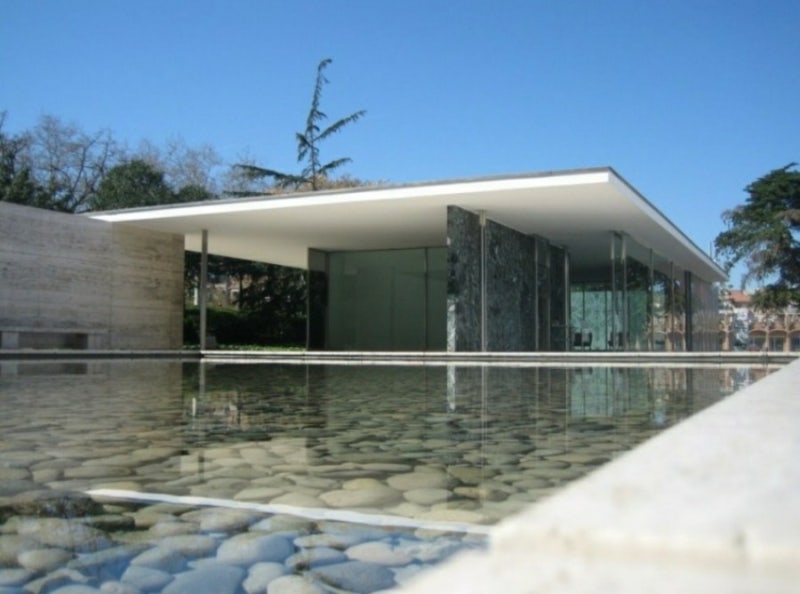
We can't buy Le Corbusier's Villa Savoye in France. We can't bring Mies van der Rohe's Barcelona Pavilion into our homes.
But we can own the smallest buildings these masters created—their chairs. And a single authentic piece can elevate the entire cultural density of a room.
Why Originals Are Investments
1. Originals appreciate in value. Vintage LC4, Barcelona, and Wassily chairs from the 1950s–70s now sell for tens or even hundreds of thousands of dollars at auction and on platforms like 1stDibs. These are appreciating assets, not depreciating furniture.
2. A millimeter makes all the difference. The proportions, angles, and materials of a masterpiece chair represent decades of research. Knockoffs can mimic appearance but can never replicate the ergonomic precision and material integrity of an original. A copy undermines the visual and tactile integrity of a space.
3. One chair reveals your sophistication. People who understand architecture, art, and design recognize authenticity instantly. A single genuine piece communicates more about taste and refinement than an entire room of trend-driven furniture ever could.
![].jpg](https://bvytheznlotwgavmytfr.supabase.co/storage/v1/object/public/gallery/chairpedia-1783663318022.jpg)
Why These Architects Obsessed Over Chairs
For Le Corbusier, Mies van der Rohe, and Marcel Breuer, the chair was not a side project. It was the ultimate design challenge—a test of their ability to compress structural logic, material innovation, human comfort, and timeless beauty into the smallest possible architectural object.
They succeeded. And a century later, their chairs remain more relevant, more expensive, and more revered than most buildings constructed in the same era.
If you can't own a Corbusier villa, you can still own a piece of his genius. That's the enduring power of micro-architecture.
Where to Find Authentic Masterpieces
Authentic licensed versions of these designs are available from their official manufacturers:
Cassina – LC series by Le Corbusier
Knoll – Barcelona Chair, Wassily Chair
Herman Miller – Eames Lounge Chair
Vitra – Panton Chair, European Eames editions
For those seeking these icons and other curated design classics, showrooms specializing in high-end authenticated originals—and vintage collector pieces—offer the opportunity to see, touch, and experience the chairs in person before committing to a purchase.
Investing in one iconic chair is investing in a piece of design history that will outlast trends, retain value, and transform the way your space feels. Not bad for 50 centimeters of steel and leather.
Furniblog may earn a commission from links in this post, at no extra cost to you. See our affiliate disclosure.