Why Premium Office Chairs Hold Their Value Over Time
High-end ergonomic chairs retain resale value through durability and lasting performance
By the Furniblog Editorial Team·July 7, 2026·3 min read
The Sticker Shock of Premium Seating
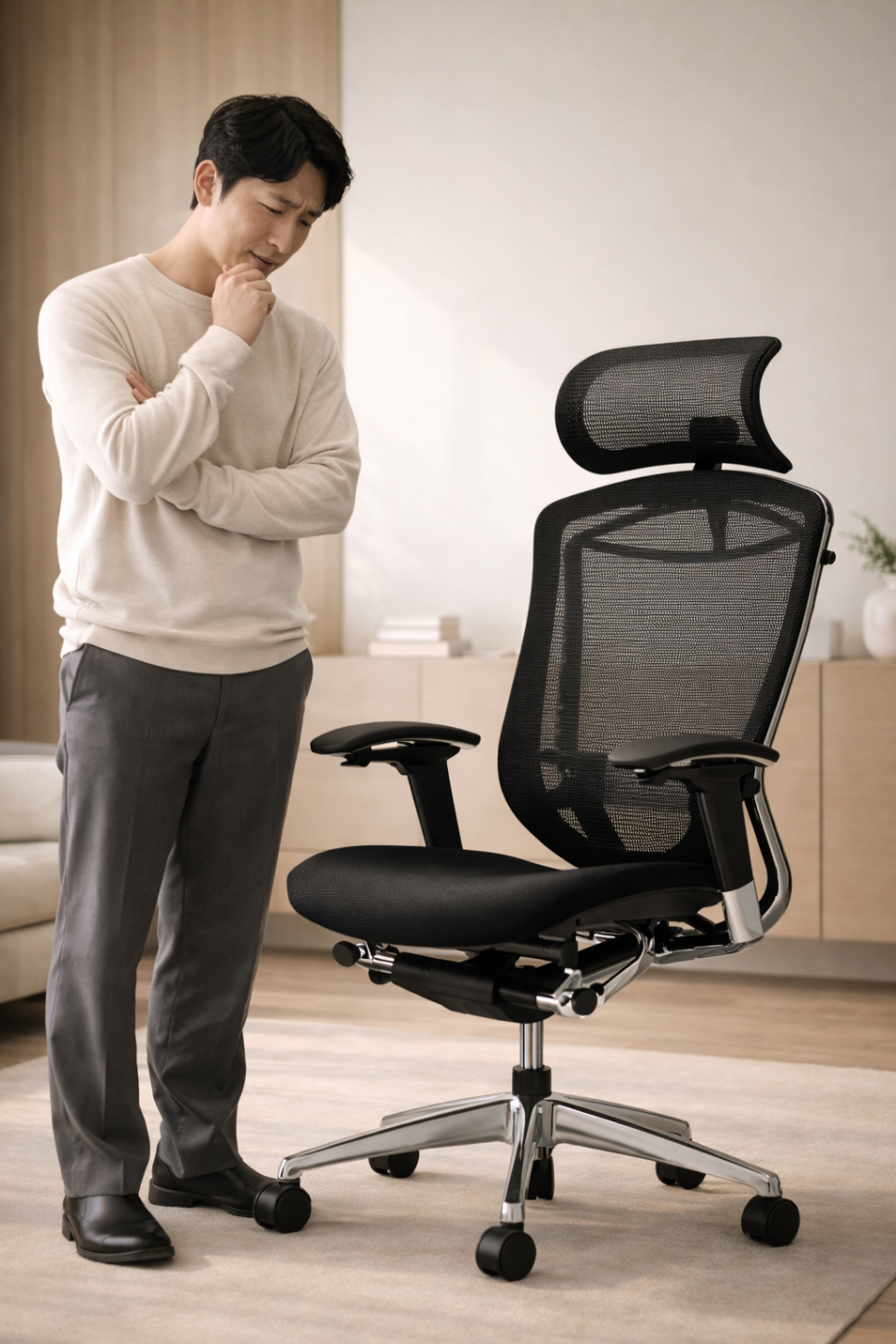
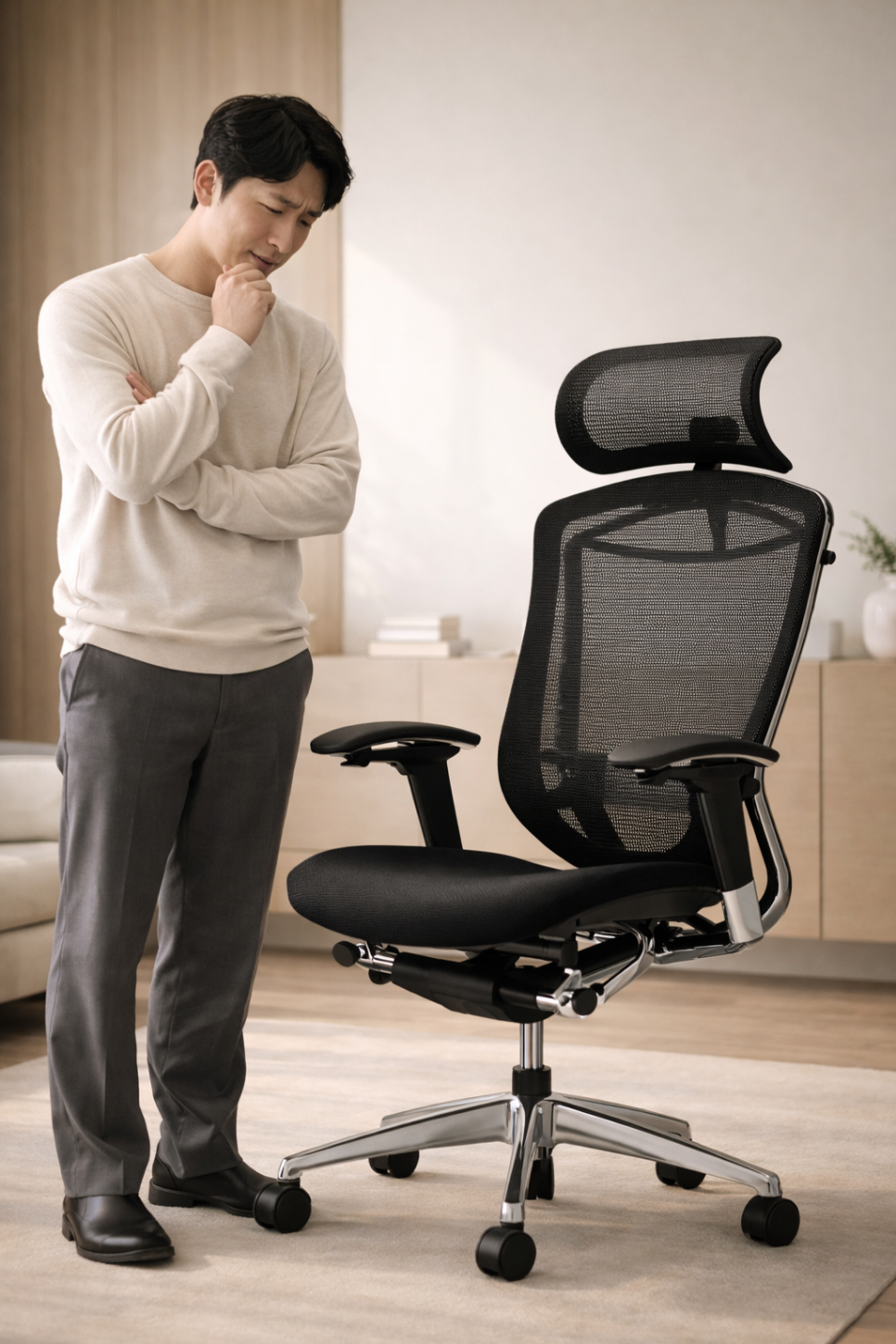
When shopping for an office chair, price is usually the first thing we notice. Encountering high-end chairs from brands like Herman Miller, Steelcase, or Okamura for the first time, most people have the same reaction: "A chair costs that much?"
This surprise is completely natural. But these chairs aren't expensive simply because of brand recognition. There's a more practical reason: they maintain their performance over years of use and retain much of their value in the secondary market.
The Hidden Cost of Budget Chairs
Budget-friendly chairs have an obvious appeal—the low initial investment feels manageable. But after a few years of regular use, problems often emerge:
Seat cushions compress and lose support
Lumbar support weakens or fails
Joints develop creaks and wobbles
Mechanisms stop adjusting smoothly
Eventually, discomfort forces many people to replace these chairs entirely, turning that "affordable" purchase into a recurring expense.
Why Premium Chairs Are Different
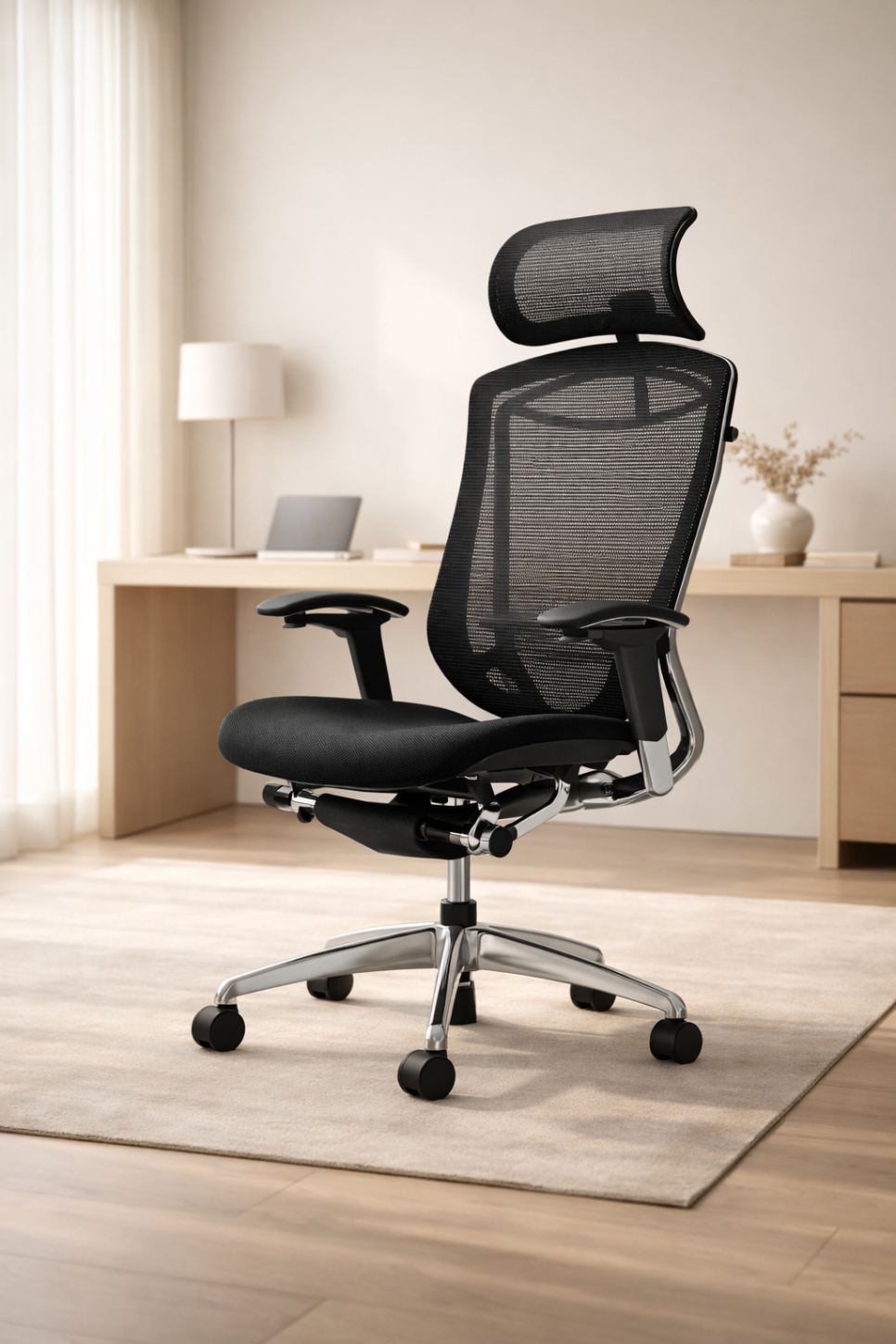
High-end ergonomic chairs take a different approach. Yes, the upfront cost is substantial, but the construction quality tells a different story over time. Premium chairs typically feature:
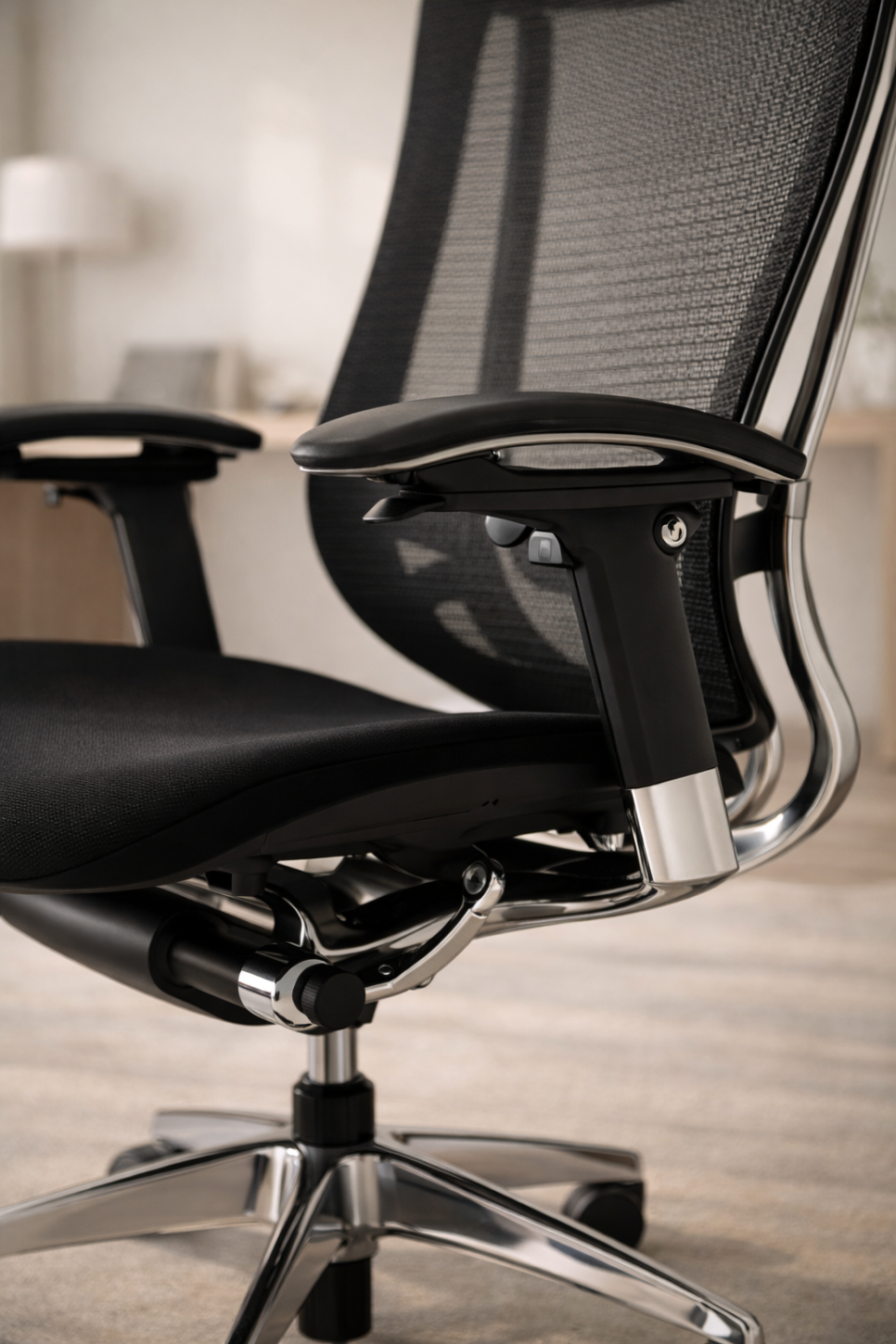
Robust frames that remain stable for years
Adjustment mechanisms that continue functioning smoothly
High-quality materials that resist wear
Long warranties (often 10-12 years)
Because these chairs remain "still very usable" even after years of service, demand continues in the secondary market. This sustained demand is what keeps resale prices relatively strong—a phenomenon known as "value retention."
The Real-World Math
Consider two scenarios:
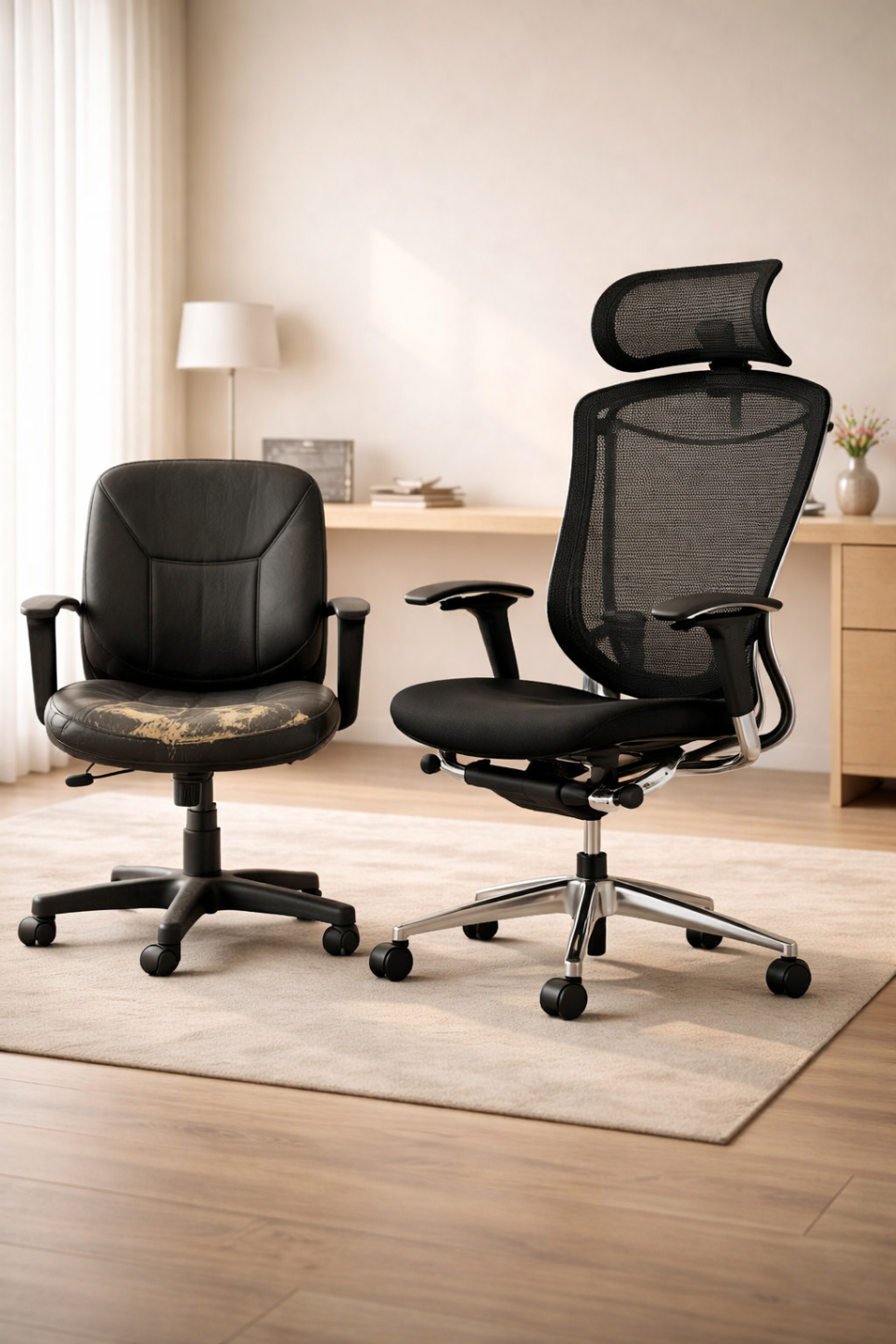
Budget Option: Purchase a $300 chair that becomes uncomfortable after 2-3 years, requiring replacement. Over a decade, you might buy 3-4 chairs, spending $900-$1,200 total with no resale value.
Premium Option: Purchase a $2,000 chair like the Steelcase Gesture or Herman Miller Embody that serves you comfortably for 7-10 years, then sells used for $800-$1,200. Your net cost is significantly lower than the sticker price suggests.
When viewed over the chair's entire lifespan, the premium option often represents better value—not despite its high price, but because of what that price delivers.
What Drives Resale Value?
People shopping for used chairs ask themselves one critical question: "Will this chair continue serving me well?" Chairs that confidently answer "yes" hold their value. Several factors contribute to this confidence:
Durability: Seat foam that doesn't collapse, frames that don't crack
Functionality: Tilt mechanisms, height adjusters, and lumbar support that still work properly
Brand reputation: Recognition that these manufacturers stand behind their products
Continued demand: Active interest from buyers who know these models
Even famous brands lose resale value if their chairs don't hold up physically. Conversely, chairs that remain functional and comfortable after years of use maintain strong secondary-market appeal.
Value Beyond the Price Tag
The true worth of a premium office chair doesn't come from an expensive price tag alone. It emerges from:
Engineering that withstands years of daily use
Consistent demand from informed buyers
Satisfaction that doesn't fade with time
Replaceability—parts are available, repairs are possible
The Investment Perspective
Think of office chair purchases this way:
Budget chairs: Low initial burden, but value depreciates rapidly to zero
Premium chairs: High initial cost, but retain functional utility and resale value over many years
The "asset value" of a premium chair isn't about the price itself—it's about durability that justifies that price over time.
Making the Right Choice for You
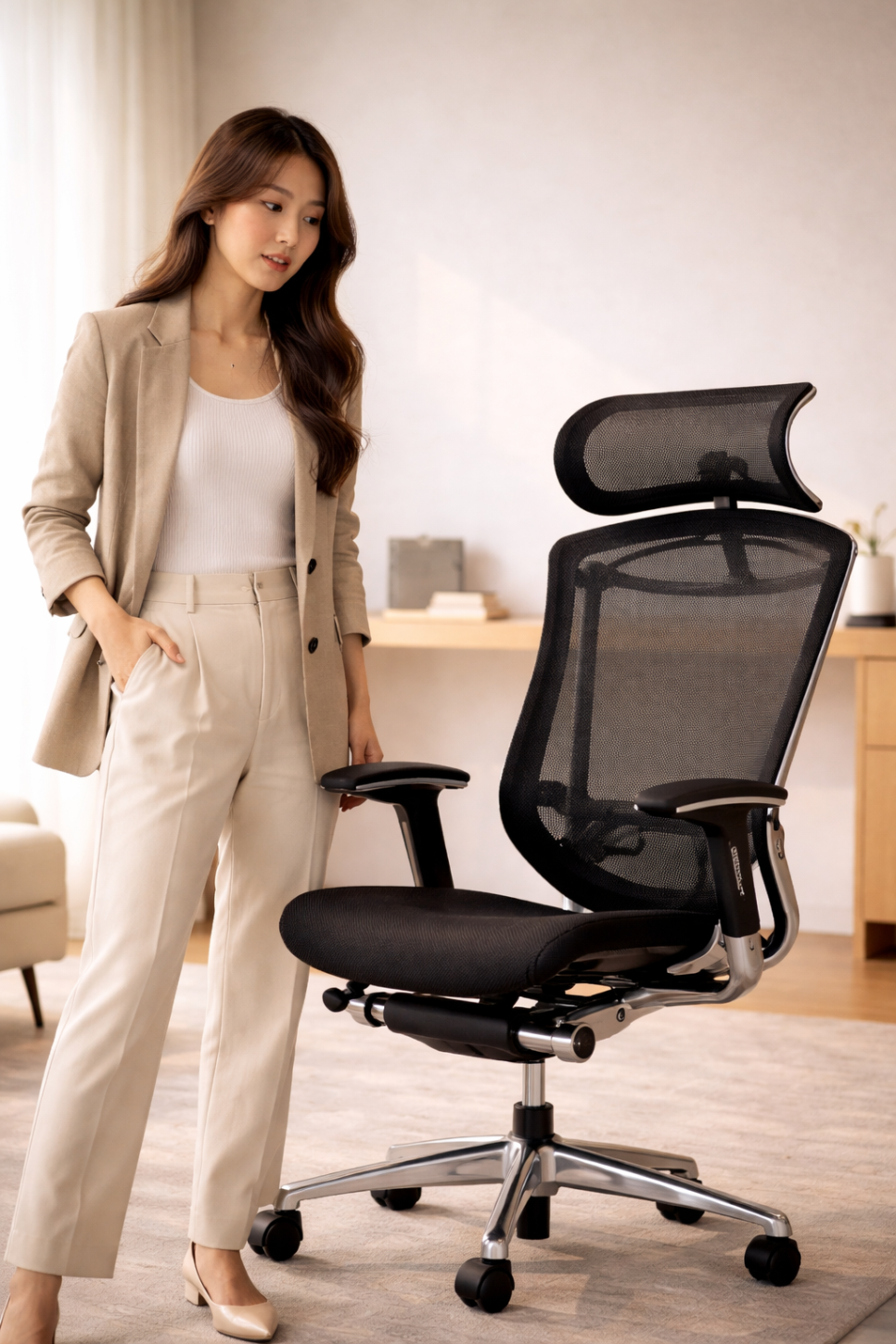
For people who spend significant time seated—whether working from home, in an office, or gaming—a quality chair isn't merely an expense. It's a health investment that maintains its worth.
If you sit 6-8 hours daily, that initial sticker shock becomes easier to justify when you consider:
Years of proper ergonomic support
Reduced risk of back pain and postural problems
No need for premature replacement
Reasonable resale value when you're ready to upgrade
The bottom line? Premium office chairs hold their value not because they're expensive, but because they're worth it—initially, throughout their service life, and even when it's time to pass them on to their next user.
Furniblog may earn a commission from links in this post, at no extra cost to you. See our affiliate disclosure.