Design Stories
Why the Eames Lounge Chair Remains a Design Icon After Nearly 70 Years
Exploring the timeless appeal of Charles and Ray Eames' 1956 masterpiece
By the Furniblog Editorial Team·June 25, 2026·6 min read
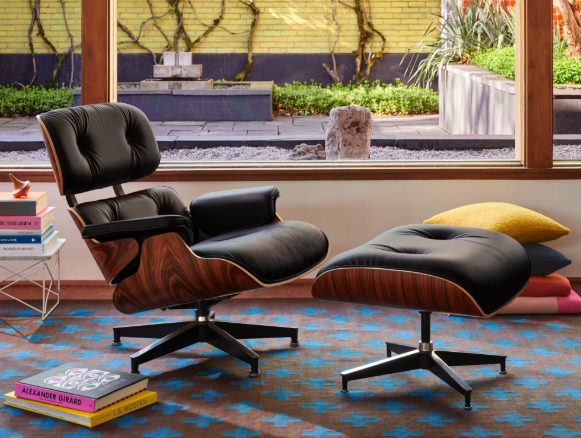
A great chair is more than a place to sit—it shapes the atmosphere of a room and reflects the owner's taste. Among the most celebrated chairs in design history, the Eames Lounge Chair and Ottoman stands out as the quintessential icon of mid-century modern design.
First introduced in 1956 by Charles and Ray Eames and manufactured by Herman Miller, this lounge chair has remained in continuous production and high demand for nearly seven decades. It's featured in the permanent collection of New York's Museum of Modern Art (MoMA) and is widely regarded as one of the most important furniture designs of the 20th century.
But what makes the Eames Lounge Chair still so desirable today? Let's explore the design, craftsmanship, and cultural significance behind this enduring masterpiece.
Who Created the Eames Chair?
The story of the Eames Lounge Chair begins with the legendary design duo Charles and Ray Eames. This husband-and-wife team didn't just design beautiful objects—they revolutionized the way furniture was made, combining innovative materials, industrial production techniques, and thoughtful ergonomics.
The Eames Lounge Chair and Ottoman debuted in 1956 and was first introduced to the American public on NBC television. According to Herman Miller's design archives, the chair was conceived as a modern reinterpretation of the traditional English club chair—lighter, more elegant, and infinitely more comfortable.
What set the Eames apart was their holistic approach: they considered materials, structure, mass production, and the user experience in every design decision. The result was furniture that didn't just look good—it worked beautifully and lasted for generations.
What Makes the Eames Lounge Chair So Special?
Classic Design That Never Feels Dated
The Eames Lounge Chair is often described as the perfect balance between comfort and sophistication. While traditional club chairs were heavy and formal, the Eames version introduced molded plywood shells, supple leather cushions, and a polished aluminum base—creating an entirely new aesthetic for lounge seating.
According to MoMA's collection notes, the chair is constructed from molded rosewood veneer plywood, leather, and cast aluminum. It's not just furniture; it's a piece of design history.
The genius of the design lies in its timelessness. Though it was created nearly 70 years ago, the Eames Lounge Chair looks entirely contemporary today. That's because the Eameses didn't chase trends—they focused on proportion, material harmony, and enduring comfort.
The Perfect Blend of Wood and Leather
One of the chair's signature features is the combination of curved plywood shells with plush leather cushioning. The molded wood shells showcase the Eameses' mastery of organic, flowing forms, while the thick leather cushions add warmth and softness.
Many chairs feature either beautiful wood or luxurious leather—but few integrate both so seamlessly. The Eames Lounge Chair's visual richness comes from this pairing, along with its low seating profile and the proportional relationship with the ottoman. From across a room, it radiates quality and thoughtfulness.
A Chair That Commands Presence
The Eames Lounge Chair has a quiet but undeniable presence. Its curved shells, deep leather cushions, and low, stable silhouette make it a focal point in any room—whether it's placed in a living room, study, office lounge, or hotel lobby.
The chair has seen a resurgence in contemporary interiors precisely because it never goes out of style. It's not a trendy piece—it's a classic that remains relevant decade after decade.
Vitra, the European manufacturer of Eames designs, notes that the 1956 lounge chair reimagined the heavy, traditional club chair as something lighter, more graceful, modern, and comfortable. In other words, it took the archetypal "father's study armchair" and gave it a sleek, sophisticated makeover.
That's why the Eames Lounge Chair feels both classic and contemporary, luxurious yet never ostentatious. It enhances any space—living room, reading nook, executive office, or boutique hotel lounge.
Built to Last Generations
The Eames Lounge Chair isn't just beautiful—it's engineered for longevity. According to the Eames Foundation, the chair's construction relies on standardized, well-designed components. The cushions are removable and reversible, extending their lifespan, and the chair's modular structure makes repairs and refurbishment straightforward.
The Foundation describes it as the kind of furniture that gets passed down through generations. In other words, the Eames Lounge Chair is not a disposable purchase—it's an heirloom.
This durability is part of what justifies the investment. You're not just buying a pretty chair—you're acquiring a piece of furniture designed to last decades, increase in value over time, and remain stylish through changing trends.
A Chair Designed for True Relaxation
Unlike ergonomic task chairs designed for upright posture and productivity, the Eames Lounge Chair invites you to recline, unwind, and let go of the day's tension. It's a chair for leaning back, resting your shoulders, and propping your feet on the ottoman.
This isn't a chair for working—it's a chair for living. It's made for:
- Reading a book in the afternoon sun
- Listening to music with your eyes closed
- Sipping coffee on a quiet morning
- Decompressing after a long day
- Creating the most comfortable corner in your home
The Eames Lounge Chair doesn't just provide a seat—it creates a ritual of rest. That's what makes it special.
The Finishing Touch for a Well-Designed Space
In interior design, the best furniture pieces don't need to dominate a space to make an impact. The Eames Lounge Chair exemplifies this principle.
Even placed in a corner, it transforms the room's atmosphere. It's particularly well-suited to:
- A reading corner in a home library
- A lounge area by a large window
- Executive or private offices
- High-end hotel and hospitality lounges
- Dedicated spaces for music or film appreciation
More than a functional object, the Eames Lounge Chair communicates taste and intention. It signals that the space—and the time spent in it—has been thoughtfully considered.
Frequently Asked Questions
Is "Eames Chair" the same as "Eames Lounge Chair"?
The term "Eames Chair" is often used broadly to refer to several designs by Charles and Ray Eames, including dining chairs, side chairs, and office seating. However, when people talk about "the Eames Chair" as an icon, they're usually referring to the Eames Lounge Chair and Ottoman.
When was the Eames Lounge Chair designed?
The Eames Lounge Chair and Ottoman was designed in 1956 by Charles and Ray Eames and introduced by Herman Miller. It quickly became one of the defining designs of the mid-century modern movement.
Why is the Eames Lounge Chair so expensive?
The price reflects several factors: premium materials (molded plywood, full-grain leather, die-cast aluminum), meticulous craftsmanship, brand heritage, and the chair's status as a design icon. Authentic versions from Herman Miller or Vitra are made to exacting standards and built to last a lifetime—or longer.
Should I try the Eames Lounge Chair in person before buying?
Absolutely. While the design is iconic, the fit is personal. The recline angle, cushion firmness, and size relative to your body and space are all important. Visiting a showroom lets you experience the chair's comfort and scale firsthand before committing to such a significant purchase.
Final Thoughts
The Eames Lounge Chair and Ottoman is more than a chair—it's a statement about how we value rest, beauty, and craftsmanship in our daily lives. Nearly 70 years after its debut, it remains one of the most recognized and desired pieces of furniture in the world.
If you're considering a lounge chair that will elevate your space and stand the test of time, the Eames Lounge Chair deserves serious consideration. Whether you're furnishing a home office, a reading nook, or simply want a place to truly relax, this design icon delivers on every level.
Good furniture isn't just about function—it's about creating spaces that inspire, comfort, and endure.
Furniblog may earn a commission from links in this post, at no extra cost to you. See our affiliate disclosure.