Why the Humanscale Freedom Chair Has Almost No Adjustment Levers
The high-end ergonomic chair that adapts to you—not the other way around
By the Furniblog Editorial Team·July 8, 2026·5 min read

The Problem With "Premium" Office Chairs
When most people think of high-end office chairs, they picture a forest of levers underneath the seat, thick instruction manuals, and the inevitable frustration of twisting dials to find the "perfect" adjustment. The assumption is simple: more controls equal better ergonomics.
But what if that assumption is completely wrong?
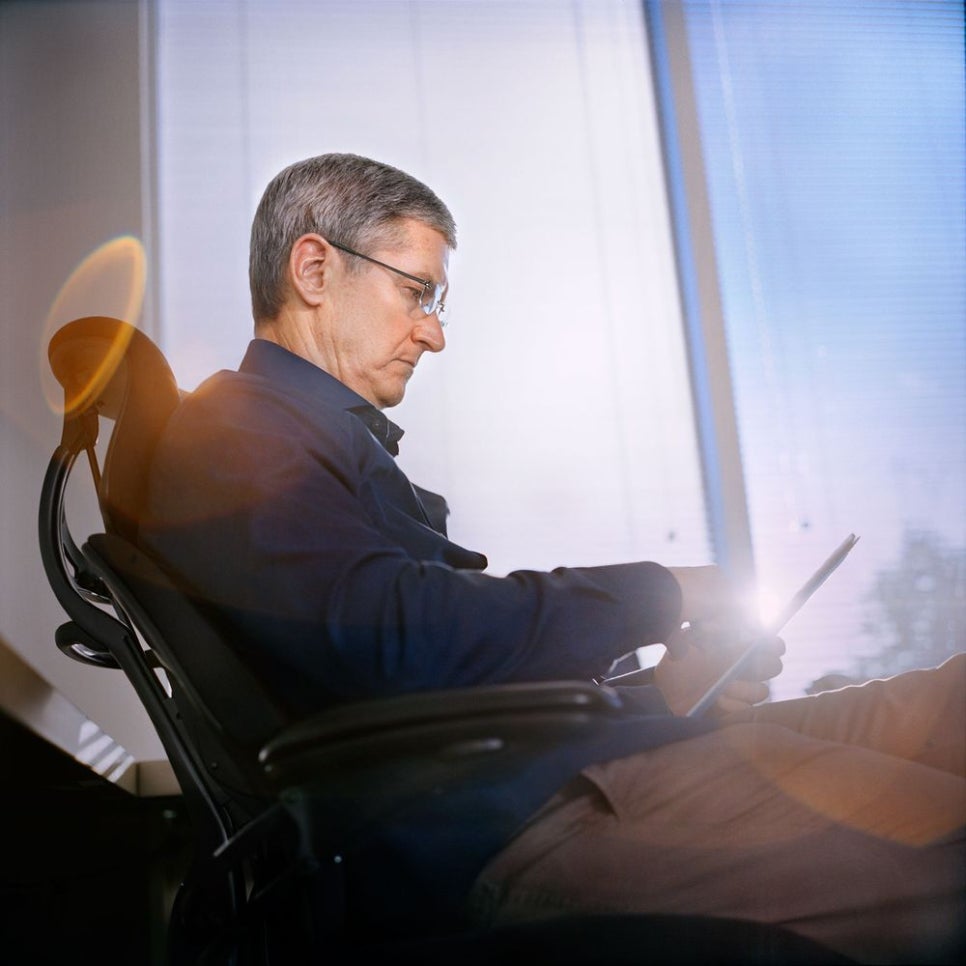
The Humanscale Freedom chair challenges this orthodoxy. It's a chair favored by CEOs and executives worldwide—including Apple's Tim Cook—yet it has virtually no adjustment levers. You don't need to read a manual. You simply sit down, and the chair automatically calibrates itself to your body weight and posture.
This is not a budget chair that omits features to cut costs. The Freedom retails for over $2,000. So why did Humanscale strip away all those familiar controls?

The Philosophy Behind the Freedom: Niels Diffrient's Vision
"A chair should not require instructions to use."
—Niels Diffrient
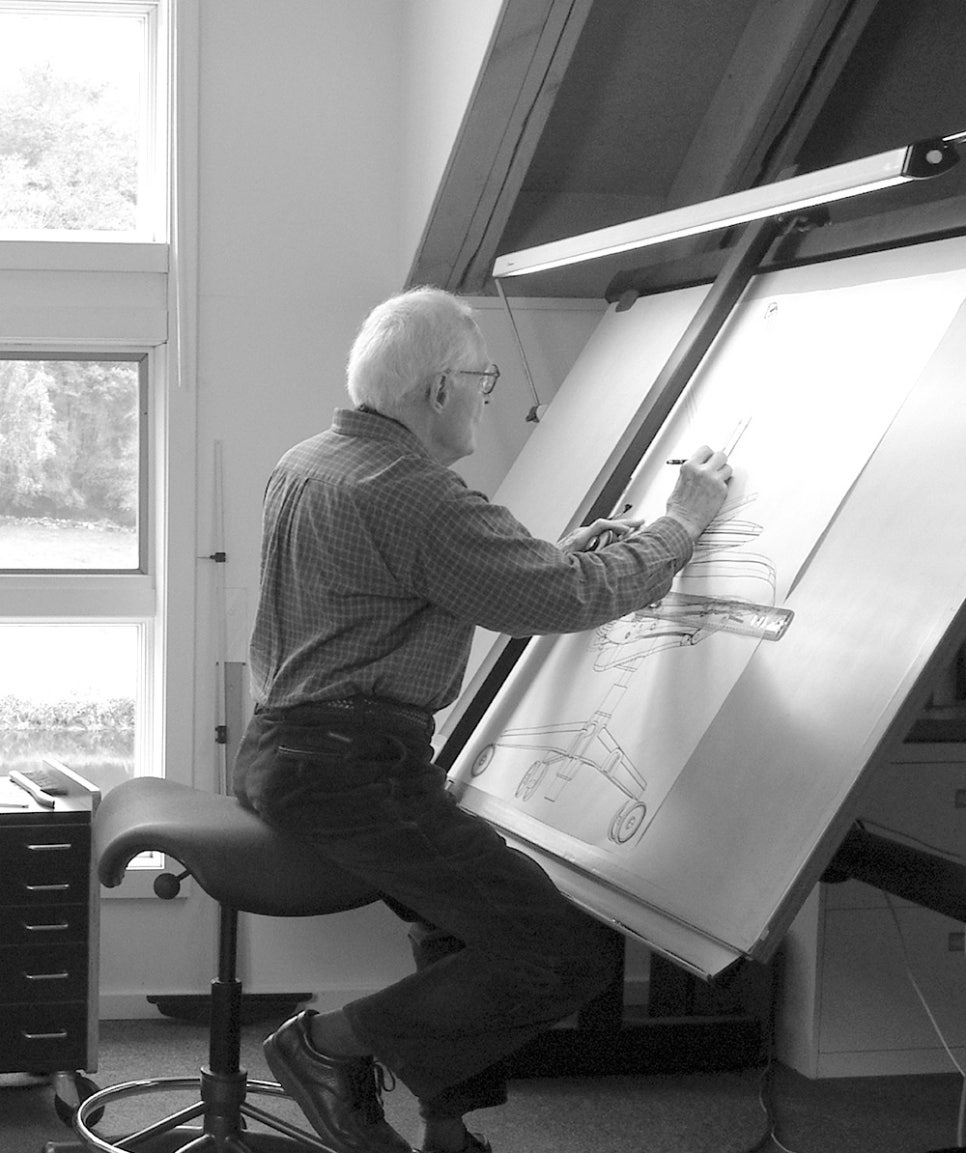
The Freedom Chair is the brainchild of Niels Diffrient, a legendary figure in ergonomic design. Diffrient spent decades studying how people actually use office chairs, and he noticed a troubling pattern: most users never properly adjust their chairs. They either don't understand the controls, don't have time to fiddle with them, or simply give up—and end up sitting in poor posture.
Diffrient's solution was radical: eliminate the need for manual adjustment entirely. Instead of forcing users to adapt to the chair, he designed a chair that adapts to the user.
Weight-Sensitive Recline: Physics Does the Work
Look underneath most task chairs and you'll find a tension knob—a dial that adjusts how much resistance you feel when reclining. It's a necessary evil: too loose and the backrest flies backward; too tight and it won't budge.
The Freedom has no such knob.
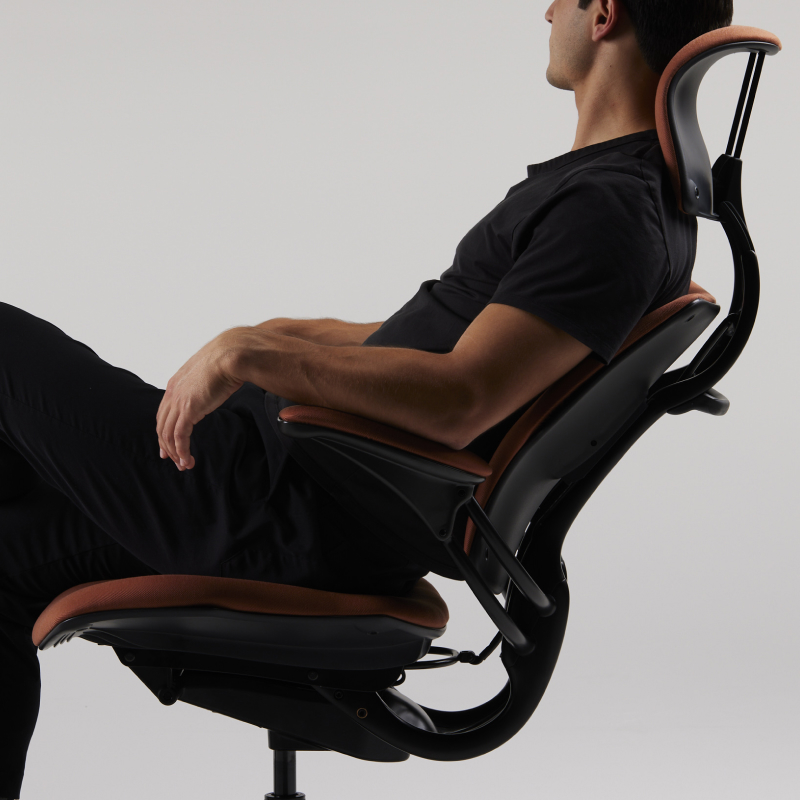
Instead, it uses a weight-sensitive recline mechanism. The chair contains counterbalance springs and pivots that physically sense how much you weigh. Whether you're 100 pounds or 200 pounds, the chair automatically calculates the ideal recline tension for your body.
Lean back, and the chair supports you with exactly the right amount of resistance—no dial-turning required. It feels less like sitting in a mechanical device and more like floating. This automatic calibration is what Humanscale means by "freedom."
How It Works
You sit down
The mechanism senses your weight distribution
Springs and pivots adjust the recline resistance in real time
You recline effortlessly, with perfect support
It's elegant, intuitive, and—most importantly—it works for almost any body type without manual tweaking.
The Articulating Headrest: A Pillow That Follows You
Most office chair headrests have a fatal flaw: when you recline, they tilt your head backward so you're staring at the ceiling. If you want to keep looking at your monitor, you have to crane your neck forward—hardly relaxing.
The Freedom's headrest solves this with an articulating design. As you recline, the headrest automatically pivots forward to cradle your head and neck, keeping your eyes naturally aligned with your screen. It's like having someone gently place a pillow behind your head at the exact right moment.
This makes the Freedom exceptional for tasks that require a reclined posture—reading documents, watching presentations, or taking a thinking break without losing focus on your display.
Synchronized Armrests: No More Uneven Heights
Here's a small frustration that almost every office chair user has experienced: adjusting armrest height. You raise the right arm, then the left, then back to the right because they're not quite even. It's a minor annoyance, but it adds up.
The Freedom eliminates this with synchronous armrests. Raise one armrest, and the other rises to exactly the same height automatically. You only need one hand.
Better yet, the armrests are mounted to the backrest rather than the seat. This means when you recline, the armrests move with you, maintaining optimal elbow support in any posture. Your arms are always supported, whether you're sitting upright or leaning back.
Who Should Consider the Humanscale Freedom?
The Freedom Chair isn't for everyone—but it's ideal for certain users:
Executives and professionals who want a refined, no-fuss sitting experience
Shared workspaces and hot-desking environments where multiple people use the same chair throughout the day
Anyone intimidated by complex ergonomic controls who just wants a chair that "works"
Design-conscious buyers who appreciate minimalist, elegant engineering
It's worth noting that the Freedom does sacrifice some adjustability. If you're someone who likes to fine-tune every aspect of your seating position, you might prefer a more traditional chair like the Steelcase Leap V2 or Herman Miller Embody.
But if you value simplicity, automatic adaptation, and a floating, effortless recline, the Freedom is in a class of its own.
The Design Legacy
Niels Diffrient's design philosophy—that ergonomic products should require no instruction—runs throughout Humanscale's lineup. The Humanscale Diffrient World and Liberty chairs share similar principles, though the Freedom remains the flagship.
Diffrient passed away in 2013, but his work continues to influence how we think about intuitive, human-centered design. The Freedom Chair is not just a product; it's a statement: technology should serve people, not the other way around.
Final Thoughts
In an industry obsessed with adding features, the Humanscale Freedom is a masterclass in subtraction. It strips away unnecessary complexity and delivers an experience that feels almost magical: a chair that understands your body the moment you sit down.
Is it expensive? Yes. But for professionals who sit for hours every day—and who value their time more than fiddling with levers—the Freedom offers something rare: true ergonomic comfort without the learning curve.
If you have the chance, try the Freedom in person. Within three seconds of sitting, you'll understand why it earned its name.
Furniblog may earn a commission from links in this post, at no extra cost to you. See our affiliate disclosure.