Why the Kokuyo Ing Office Chair Can Actually Improve Your Productivity
Movement-enabled seating that reduces fatigue and extends concentration
By the Furniblog Editorial Team·July 9, 2026·6 min read
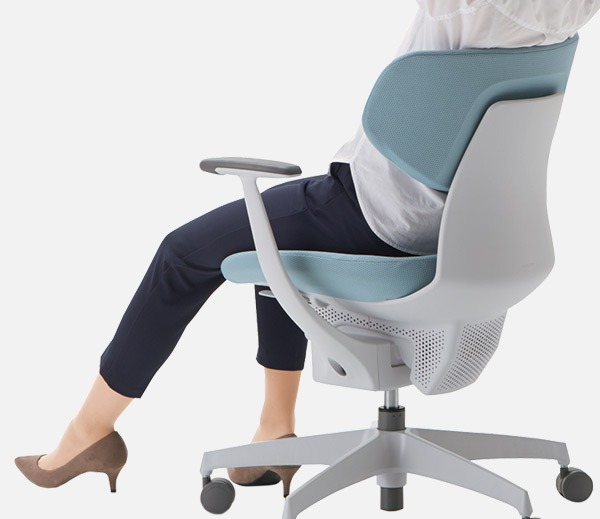
Most of us spend the majority of our waking hours sitting. So it's no wonder one of the first questions customers ask is: "Will changing my chair really improve my productivity?"
The short answer: yes, it can.
The human body wasn't designed to stay locked in one position for hours on end. How well your chair supports natural movement and posture has a direct impact on daily energy levels, focus, and overall work output. In this guide, we'll explore what really makes a chair "comfortable" for long work sessions, why movement matters more than cushioning, and why so many office workers are now turning to the Kokuyo Ing.
The Myth of Comfort: What Really Matters in an Office Chair
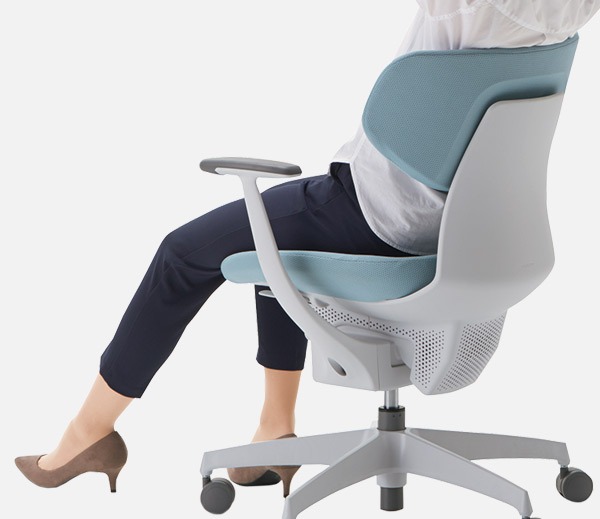
Most people assume a plush, cushioned seat equals comfort. But when it comes to productive work over several hours, the opposite is often true.
The three key criteria for a true work chair are:
Does it maintain pelvic and lumbar alignment during extended sitting?
Does it allow natural movement rather than forcing you into a fixed posture?
Do the seat, backrest, and armrests adapt to subtle shifts in your body position?
Leading ergonomic brands—Herman Miller, Steelcase, Okamura, and Humanscale—share a common philosophy: movement is health. Chairs that lock the body in place may feel stable at first, but over time they cause muscle fatigue and decreased circulation. Chairs that support micro-movements, on the other hand, help preserve energy and reduce strain.
How a Better Chair Actually Boosts Productivity
The most commonly reported benefits from customers who upgrade to a quality ergonomic chair include:
Reduced afternoon fatigue and longer periods of focus
Less lower back and hip pain due to better weight distribution
Lower energy expenditure during long work, design, or study sessions
Decreased muscular tension even after hours of sitting
When your chair does the subtle work of supporting postural adjustments, your brain and body can dedicate more resources to the task at hand. In other words, a well-designed chair frees up mental and physical energy you'd otherwise spend compensating for discomfort.
The Rise of Dynamic Seating: Why Movement-Enabled Chairs Are in Demand
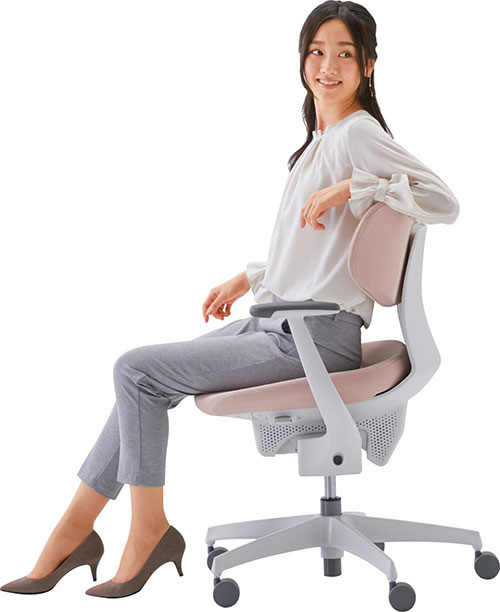
One of the most requested features among chair buyers today is a dynamic seat and backrest—surfaces that move fluidly with the user rather than holding them rigidly in place.
This isn't a gimmick. It reflects a fundamental shift in understanding how the body functions during prolonged sitting. The ability to shift, tilt, and glide—even slightly—makes a dramatic difference in comfort and stamina over a full workday.
This is precisely where the Kokuyo Ing has gained traction.
What Makes the Kokuyo Ing Stand Out
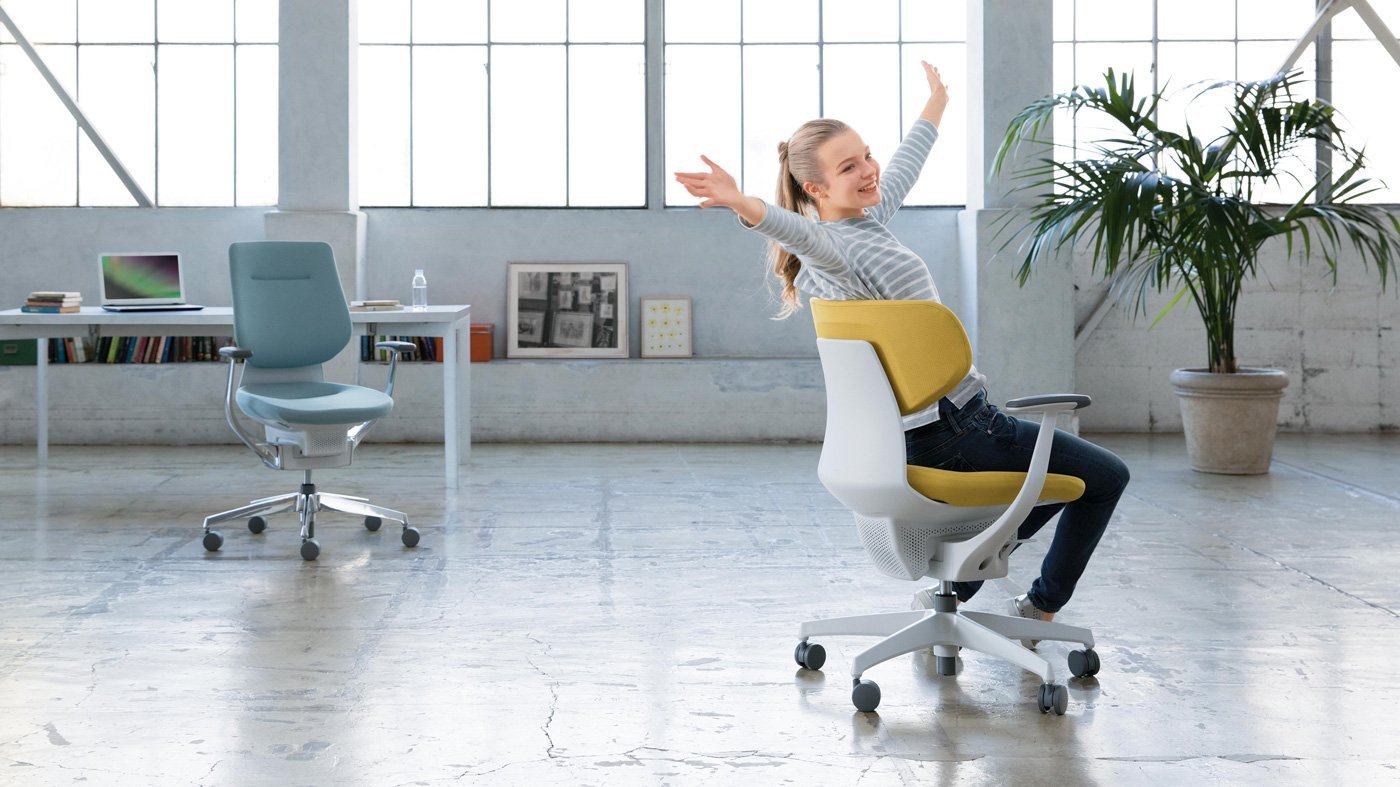
The Kokuyo Ing is designed around a core principle: sitting should never mean stillness. Its seat pan moves in 360 degrees, and the backrest follows your body's natural motion rather than forcing it into a preset angle.
This makes it especially well-suited for:
Students studying for long periods
Designers and developers working at monitors for hours
Office professionals who spend most of the day at a desk
Rather than bracing your posture or "holding" your body in place, the Ing lets your core muscles engage lightly and naturally. Tension around the pelvis and lower back dissipates, blood flow improves, and you can maintain focus without the gradual buildup of discomfort.
Many first-time users report: "I didn't think it would make much difference—but once I sat in it, I understood why people seek this chair out."
Kokuyo's Design Philosophy: A Century of Research
Kokuyo is a Japanese company with over 100 years of experience in educational and office environments. Their approach to seating isn't about aesthetics alone—it's rooted in behavioral and physiological research.
The development team behind the Ing asked a fundamental question: How do the body and brain respond during prolonged sitting?
Their conclusion was clear: the human body is not built to remain static. The Ing was designed as a chair that moves with you throughout the day, not one that holds you in place.
Key Technology #1: 360-Degree Gliding Mechanism
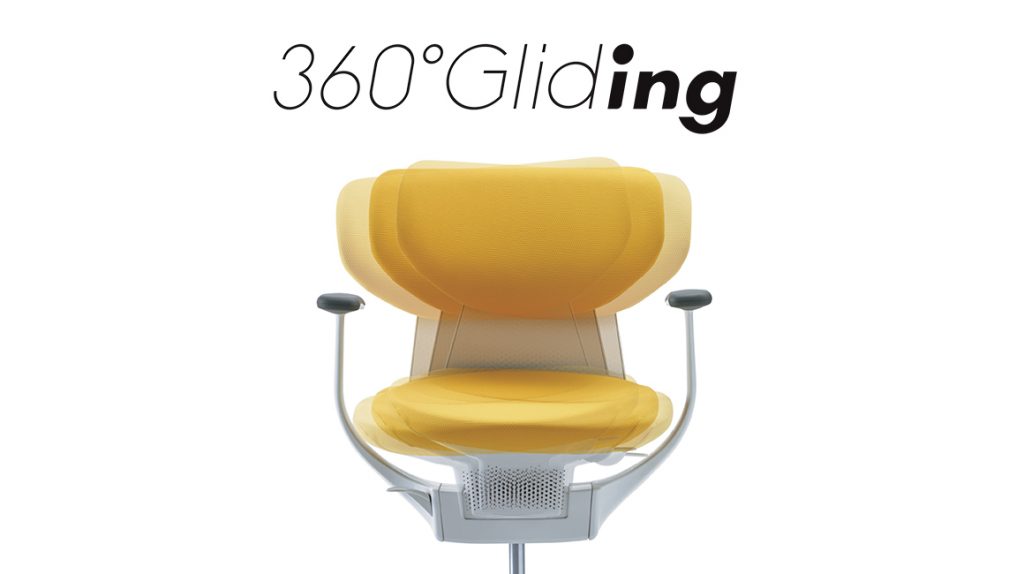
First-time sitters often notice the seat's unusual freedom of motion. It tilts forward, backward, and side-to-side in a smooth, controlled glide.
This isn't just a rocking motion. The mechanism is engineered to follow your center of gravity rather than resist it. Your pelvis stays mobile, your hip flexors don't lock up, and the muscles around your lower spine can relax instead of bracing.
The result: even after hours at your desk, your hips and lower back feel noticeably less fatigued. Circulation improves. Postural stiffness decreases.
Key Technology #2: Front-Free Tilt for Forward-Leaning Work
When you're concentrating, you naturally lean forward. But most office chairs are optimized for reclining, which means leaning forward often compresses your abdomen or pushes your lumbar curve out of alignment.
The Ing uses a front-free tilt structure that allows the backrest to follow you as you move toward your desk. Whether you're writing by hand, sketching, typing heavily, or reviewing documents up close, the chair adapts instead of restricting.
This is especially valued by users who do detail-oriented work and need to stay close to their screen or surface for extended periods.
Key Technology #3: Lumbar-Free Design That Encourages Active Sitting
Unlike many ergonomic chairs, the Ing does not include a traditional lumbar support pad. Instead, the seat and backrest are designed to let your body find its own balance.
There's no rigid piece pushing into your lower back. The chair responds to your movement, and your core engages naturally to stabilize your posture. This approach reduces pressure points, accommodates a wider range of body types, and eliminates the feeling of being "pushed" into a preset shape.
Users who are sensitive to lumbar pressure or who find fixed supports uncomfortable tend to prefer this more adaptive approach.
Final Thoughts: More Than Just a Chair Upgrade
Changing your office chair isn't just a purchase—it's a shift in the physical conditions you experience for 6 to 10 hours a day. And few chairs make that shift as tangible as the Kokuyo Ing.
If you've been curious whether a movement-enabled chair could genuinely affect your energy, focus, and comfort, the Ing is worth serious consideration. Its 360-degree gliding seat, forward-tilt support, and lumbar-free design work together to create a sitting experience that feels less like endurance and more like flow.
For those interested in testing one in person or comparing it to other high-performance models like the Herman Miller Embody, Steelcase Gesture, or Okamura Sylphy, visiting a showroom that specializes in ergonomic seating can offer valuable hands-on insight.
Ultimately, if long hours at a desk are part of your daily routine, investing in a chair that works with your body—not against it—can be one of the most impactful changes you make to your workspace.
Furniblog may earn a commission from links in this post, at no extra cost to you. See our affiliate disclosure.