Why You Must Test Sit Before Buying an Office Chair: An Ergonomist's Perspective
Expert insights on why buying a chair online may be costing you comfort—and health
By the Furniblog Editorial Team·July 31, 2026·4 min read
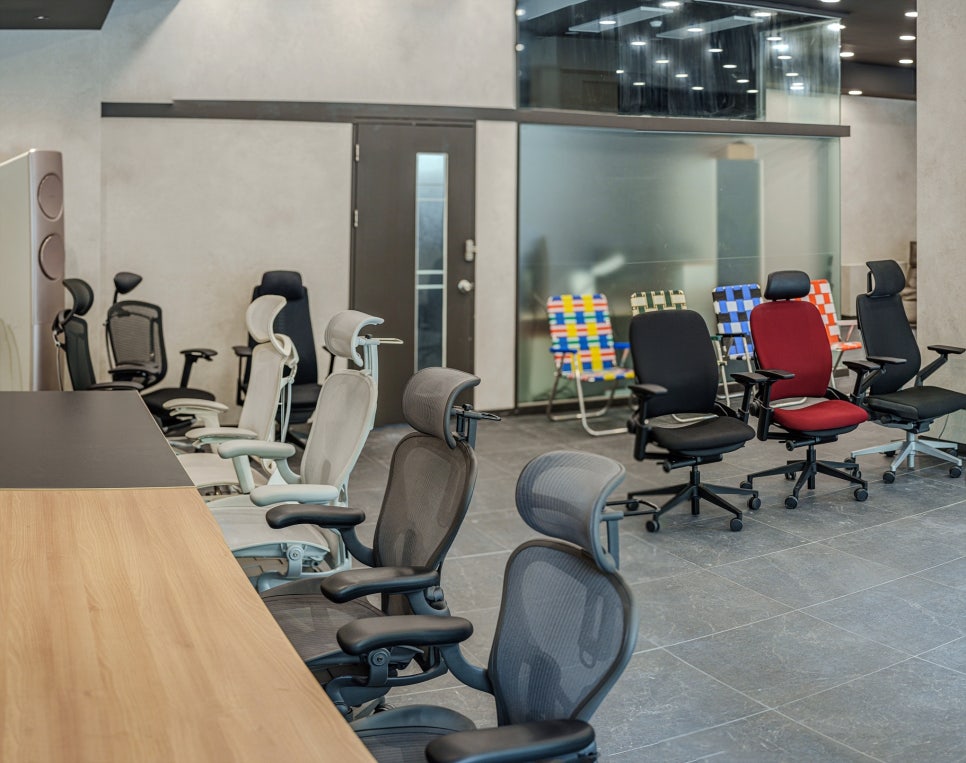
The heart of any productive workspace isn't the computer, the desk, or even the lighting—it's the chair. More specifically, it's the quality of the sitting experience itself.
Modern office workers spend an average of eight hours or more per day seated. A poorly chosen chair doesn't just cause discomfort; it can lead to chronic back pain, accumulated fatigue, and diminished concentration over time.
That's why ergonomic specialists consistently emphasize one rule: never buy an office chair without sitting in it first.
Three Clear Reasons You Must Test Sit
1. Every Body Is Different
Height, leg length, torso proportions, spinal curvature, and sitting habits vary dramatically from person to person. No standardized product can perfectly accommodate every body type, which is why firsthand testing is essential.
Even a chair with glowing reviews may not suit your specific frame. Features like lumbar support positioning, seat depth, and backrest elasticity are impossible to evaluate without actually sitting down.
A chair that supports someone else's lower back beautifully might press uncomfortably against yours. Only a test sit reveals whether the fit is right.
2. Long-Term Comfort Problems Emerge Slowly
Nearly every office chair feels comfortable during the first few minutes of sitting. The real test comes after extended use.
Common issues that surface only during prolonged sitting include:
Backrest pressure that digs into the lumbar region
Insufficient seat cushioning that causes hip discomfort
Tilt mechanisms that feel stiff or unresponsive
Armrests positioned awkwardly for your shoulder width
To properly assess a chair, spend at least 15 to 20 minutes in it, shifting through various postures. If possible, try working at a desk in the showroom—mimicking your actual work position reveals issues a brief perch never will.
3. Adjustability Features Need Hands-On Evaluation
Today's ergonomic office chairs boast an array of adjustments:
Lumbar support depth and height
Tilt tension and range control
Seat depth and height
4D armrest positioning
But features are only valuable if they're intuitive to operate. Handles, levers, and knobs that are difficult to reach or unclear in function become useless in daily practice.
Testing the controls yourself—and ideally receiving guidance from a chair specialist on model-specific tips—ensures you'll actually use the adjustments your chair offers.
Two Chairs Worth Testing: Expert Recommendations
After extensive hands-on evaluation, two models stand out for their proven ergonomic performance and real-world adoption by leading organizations.
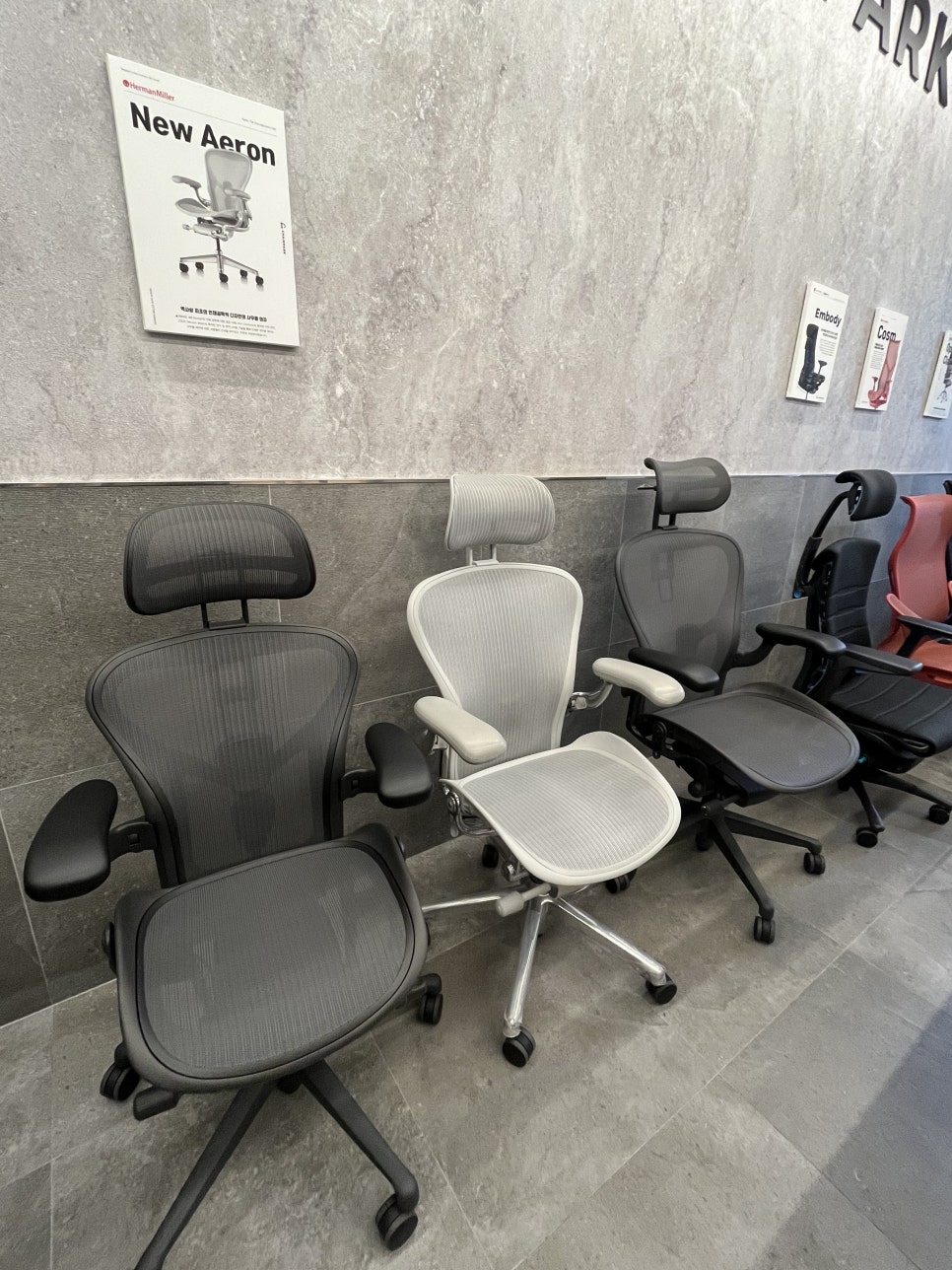
Herman Miller Aeron Chair
The Herman Miller Aeron has become the global standard for corporate wellness programs, chosen by Fortune 500 companies and major Korean enterprises including Samsung and Naver.
Key strengths:
PostureFit SL system: Provides individualized lumbar and sacral support that adapts to your unique spine
Pellicle mesh suspension: The breathable, weight-distributing seat remains cool and supportive through marathon work sessions
Validated by institutions worldwide: Extensively tested and adopted for employee health initiatives
The Aeron consistently earns high satisfaction ratings from freelancers, developers, designers, and executives who prioritize both productivity and long-term health. Available in three sizes (A, B, C), proper sizing during a test sit is critical to experiencing its full benefits.
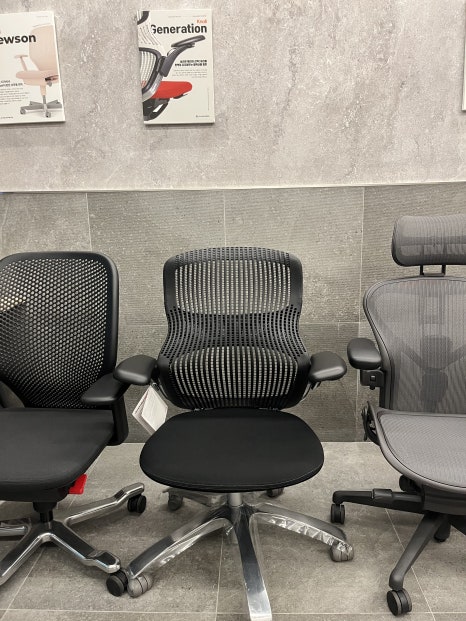
Knoll Generation Chair
The Generation by Knoll was engineered for the way modern knowledge workers actually sit—which is to say, in constant motion.
Key strengths:
Flexible backrest: Moves laterally to support dynamic posture changes throughout the day
Contoured spine support: Cradles the lumbar region through the tailbone with a frameless, body-hugging design
Silicon Valley pedigree: Widely deployed at Google, Facebook, and other innovation-focused workplaces
The Generation Chair excels in creative, collaborative environments where rigid posture feels restrictive. Its frameless back offers both firm lower-back support and an unusual sense of freedom—a rare combination that makes long creative sessions feel less taxing.
The Bottom Line: Sitting Is Believing
Price, brand reputation, and aesthetics matter—but the most important question is simply: does this chair fit my body?
A well-chosen chair elevates work quality and reduces physical fatigue. A poor fit does the opposite, no matter how prestigious the label.
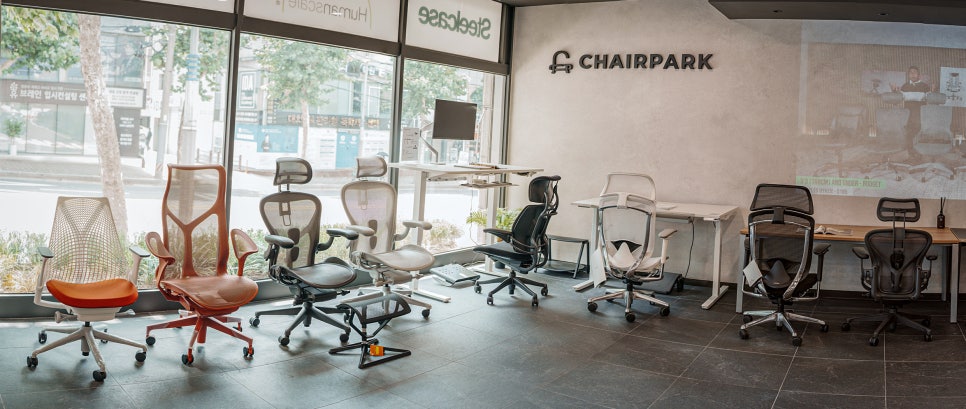
If you have access to a showroom that carries premium brands like Herman Miller, Knoll, Humanscale, and Steelcase, take the time to compare models side by side. Honest, personalized guidance from knowledgeable staff—and the chance to test multiple chairs in realistic work postures—can make the difference between years of comfort and years of regret.
Your chair is not just furniture. It's the foundation of your daily work life. Choose it accordingly.
Furniblog may earn a commission from links in this post, at no extra cost to you. See our affiliate disclosure.