Why You Should Buy a High-End Office Chair Before a Massage Chair
Prevention beats relief: invest in 8 hours of support, not just 30 minutes of comfort
By the Furniblog Editorial Team·July 7, 2026·4 min read
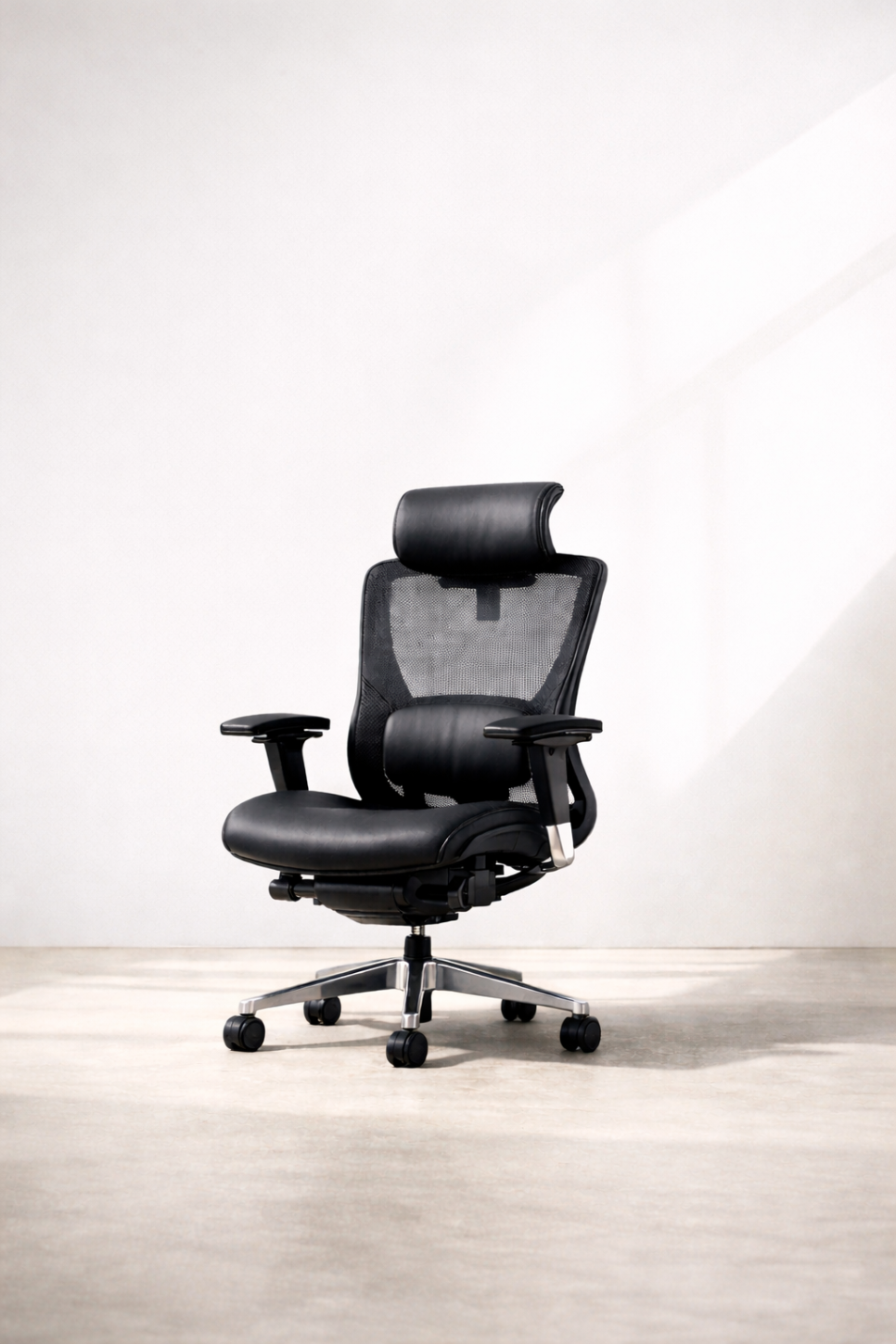
If you work at a desk, you've probably asked yourself this question: "Should I buy a massage chair, or upgrade my office chair first?"
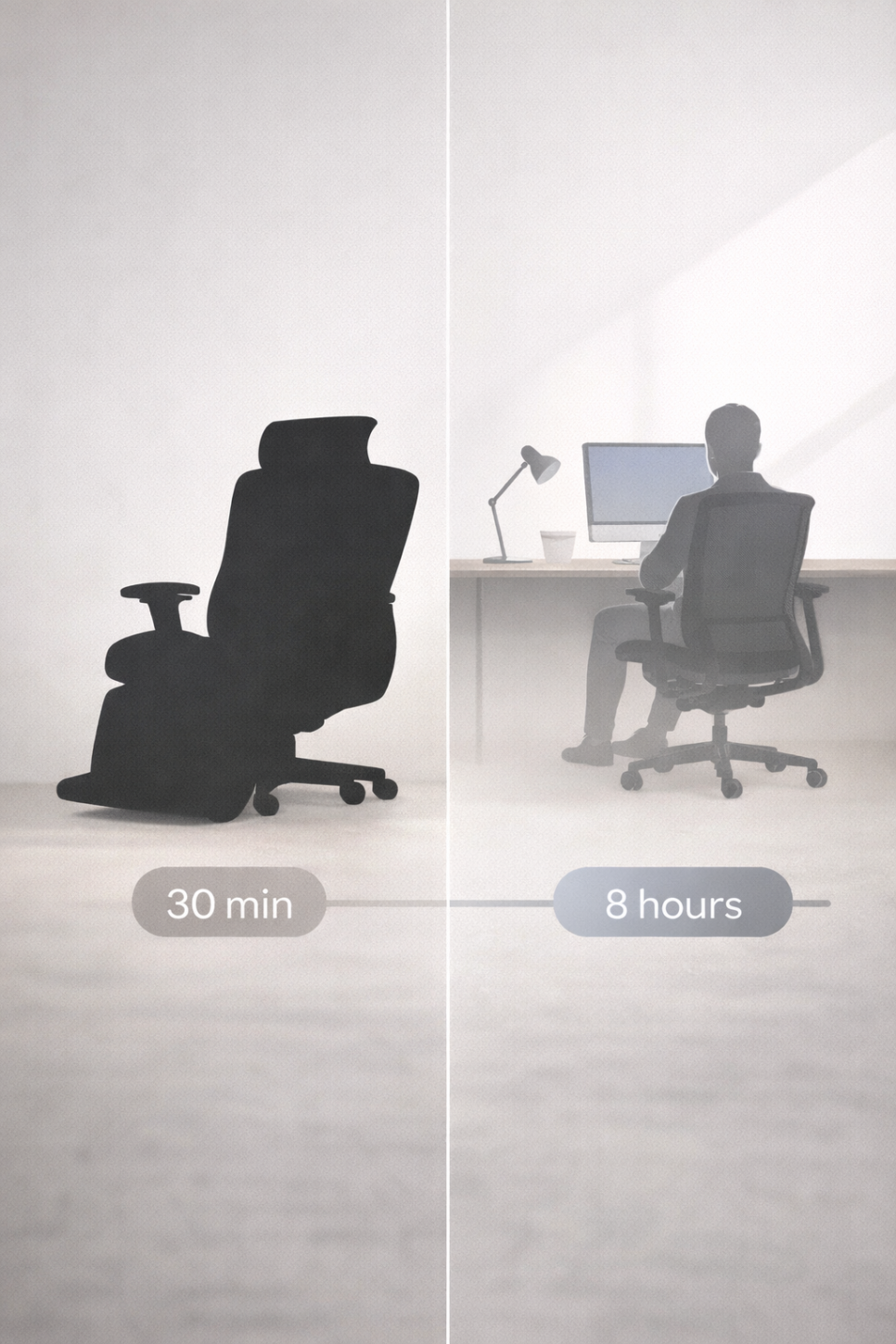
Both have their place. But if you can only choose one right now, I recommend investing in a high-end ergonomic office chair first. The reason is simple: a massage chair gives you 30 minutes of relief per day, while your office chair shapes your posture and comfort for 8+ hours every day.
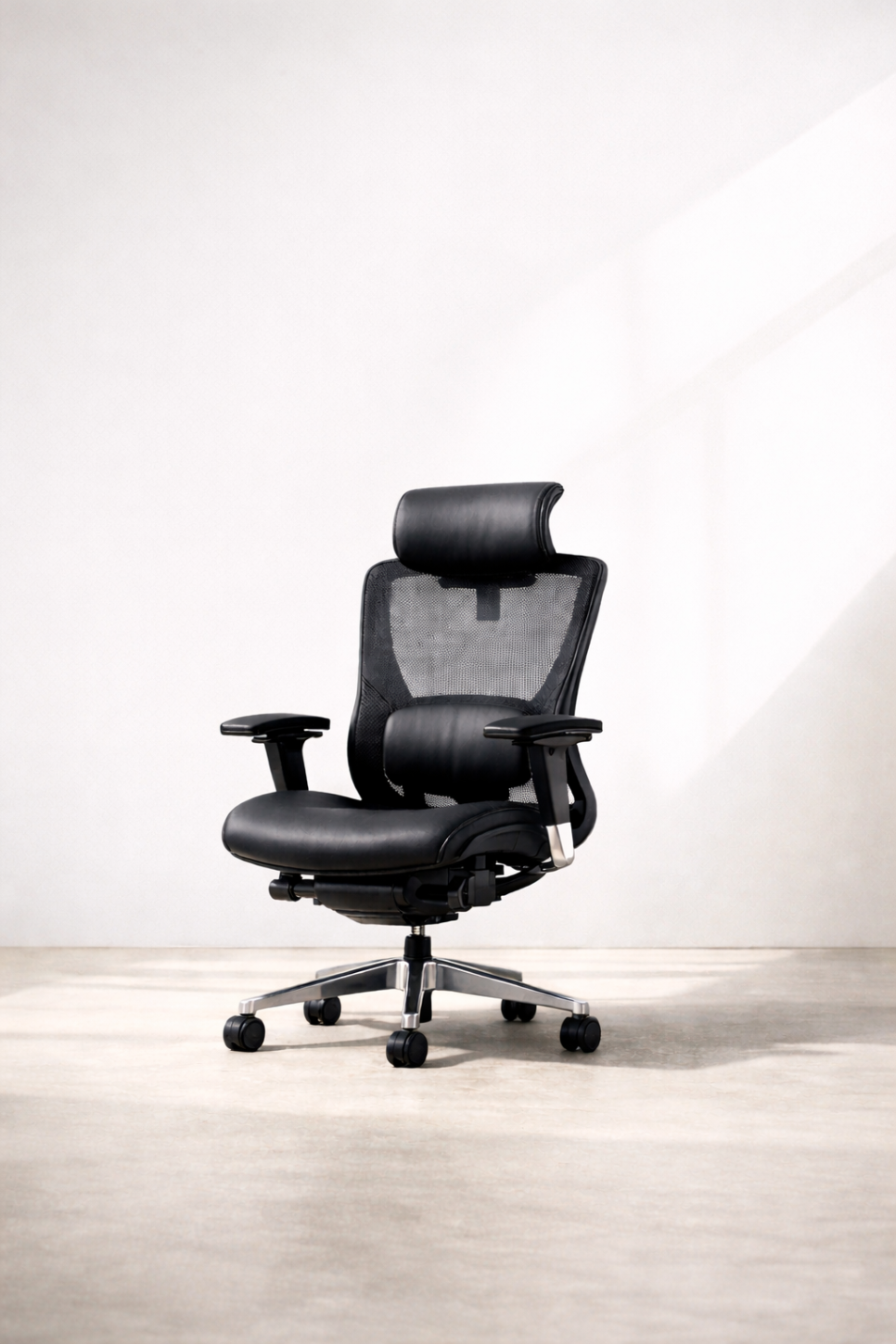
Massage Chairs Offer Short-Term Relief—Not Long-Term Prevention
Massage chairs can absolutely help. Research shows that massage therapy may reduce muscle tension and discomfort in the short term. If you're sore after a long day, a massage chair can feel like a lifesaver.
But here's the catch: most of the benefits are temporary. The next morning, you return to the same desk, the same chair, and the same posture—and the cycle of strain starts all over again.
Pain and discomfort aren't caused by a single event. They accumulate through repeated exposure: poor posture, uneven pressure, and prolonged sitting.
That's where your office chair comes in—not as a luxury, but as a piece of protective equipment you use all day, every day.
What High-End Office Chairs Actually Do
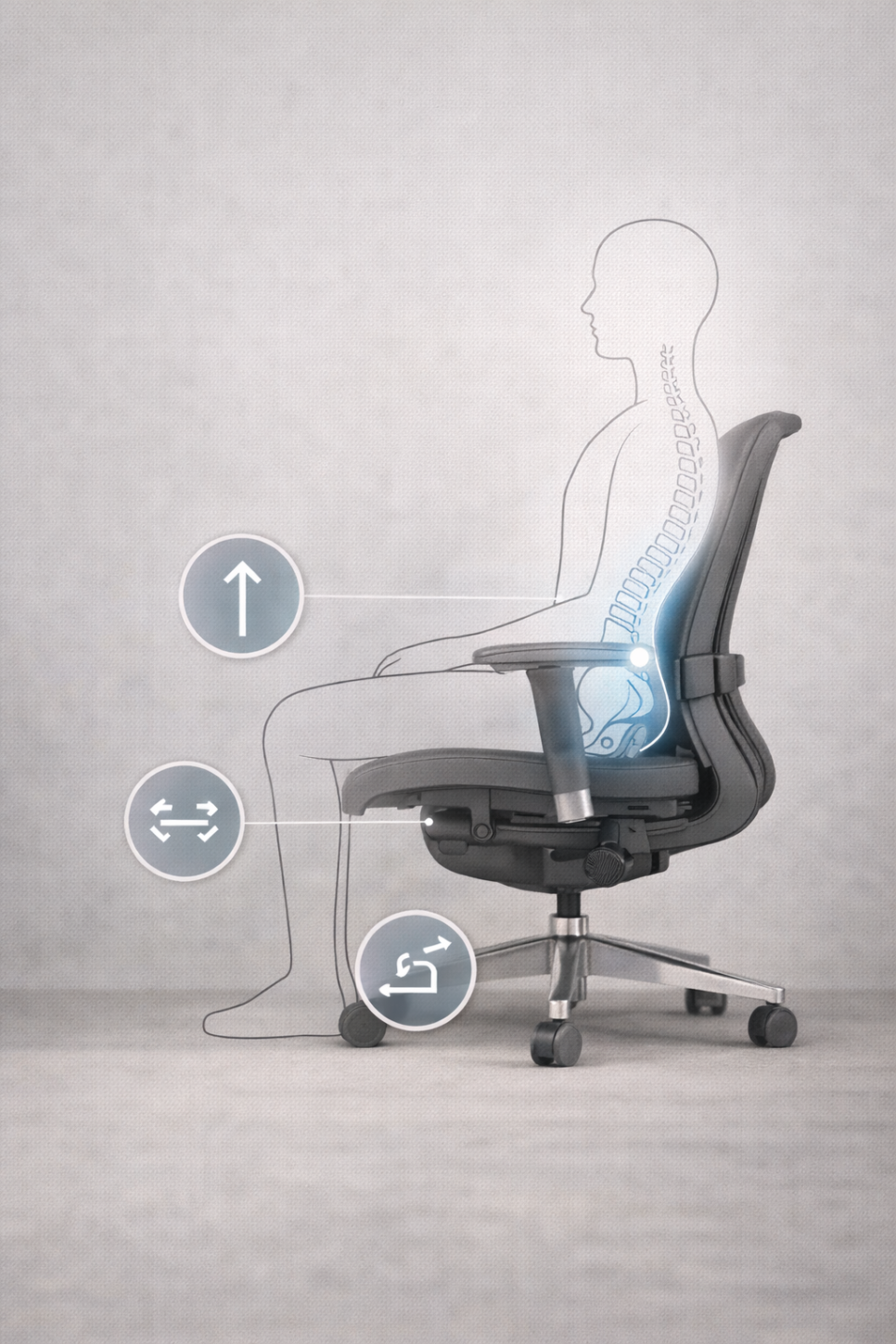
The purpose of a high-end ergonomic chair isn't to feel plush or expensive. It's to provide adjustability and support that reduce harmful postural loads during extended sitting. Here's how:
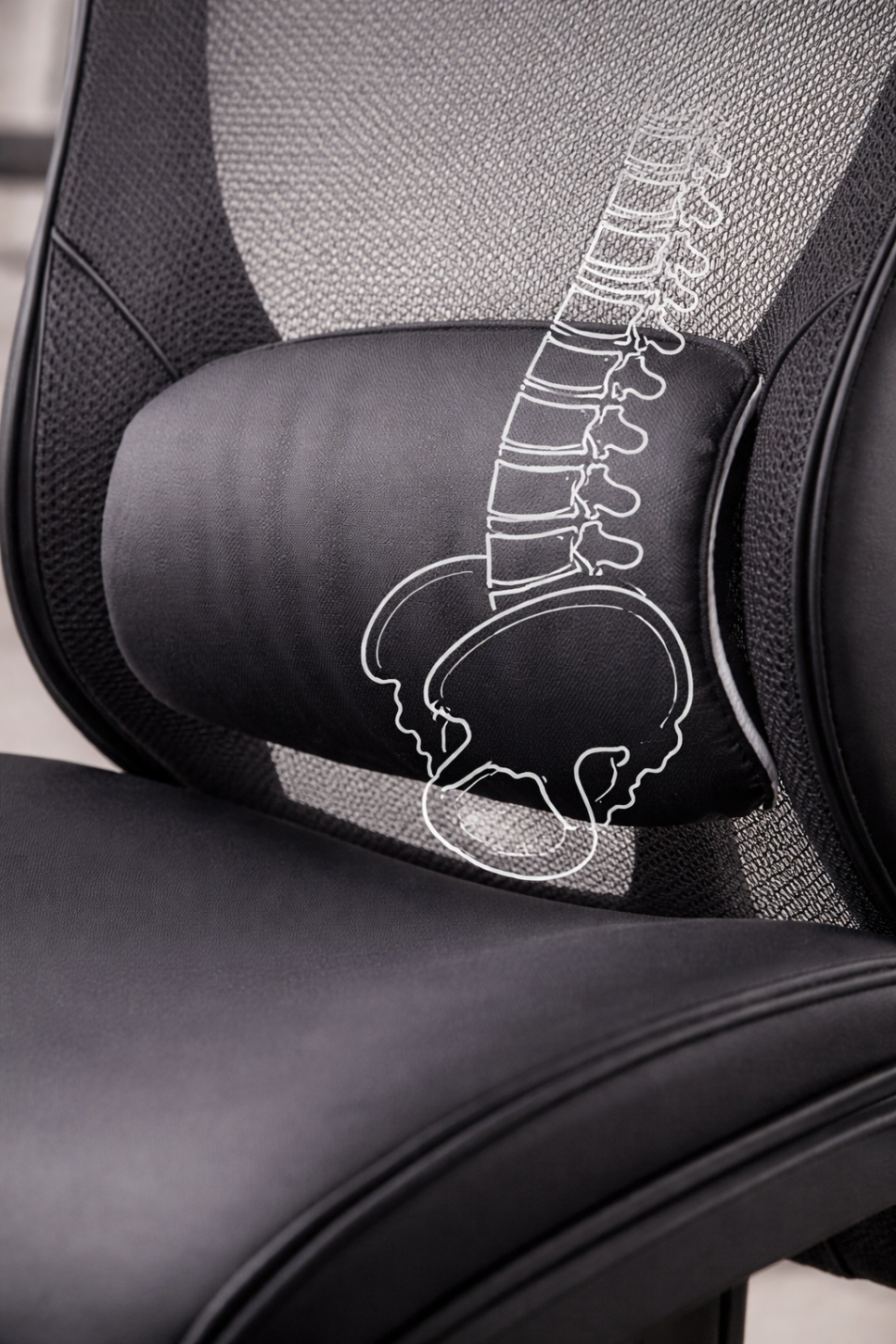
Prevent pelvic tilt and lumbar collapse: Poorly designed chairs let your pelvis roll backward, rounding your lower back and increasing disc pressure.
Support the lumbar spine: Adjustable lumbar support maintains your natural spinal curve, preventing the "slump" that leads to chronic pain.
Distribute seat pressure: A well-designed seat pan reduces pressure on your thighs and prevents leg numbness or circulation issues.
Maintain support during recline: High-end chairs use synchro-tilt or advanced mechanisms to keep your lumbar region supported even when you lean back.
This isn't about comfort alone—it's about biomechanics. Research published in peer-reviewed journals shows that lumbar support and seat tilt adjustments can help maintain more neutral spinal and pelvic postures during prolonged sitting.
The Math: 30 Minutes vs. 8 Hours
Let's break down the time investment:
Product | Daily Use | Monthly Exposure |
|---|---|---|
Massage chair | ~30 minutes | ~15 hours |
Office chair | 8+ hours | 160+ hours |
If you work a standard office schedule—5 days a week, 8 hours a day—you're spending over 160 hours a month in your chair. Add in evening computer use at home, and that number climbs even higher.
Your chair isn't furniture. It's your daily environment.
What the Research Says
Multiple studies support the value of ergonomic interventions in office environments:
A 2009 workplace study found that combining an adjustable ergonomic chair with training improved worker knowledge, behavior, and reduced musculoskeletal risk factors.
A 2023 study on lumbar support and seat pan tilt showed these features can influence lumbar and pelvic posture in ways that support more neutral alignment.
A randomized controlled trial in 2018 compared stretching exercises and ergonomic modifications, finding that environmental changes contributed to reductions in musculoskeletal discomfort.
It's worth noting that a Cochrane Review on ergonomic interventions takes a cautious tone: while ergonomic changes may help prevent musculoskeletal pain, the evidence base is mixed due to study quality and variability. That's an honest assessment—and it underscores the importance of combining a good chair with proper setup and healthy work habits.
The takeaway? Ergonomic chairs aren't a miracle cure, but they're a proven tool for reducing daily postural strain when used correctly.
Think of It as Prevention, Not Pampering
Here's how to frame the decision:
A massage chair is a tool for relieving today's fatigue.
A high-end office chair is an investment in preventing tomorrow's pain.
If you sit for work, your chair is not optional. It's the foundation of your daily posture, and it directly affects how your body feels at the end of each week, month, and year.

Final Recommendation
If your budget allows for only one purchase right now, prioritize the chair. Choose one with:
Adjustable lumbar support
Seat depth and tilt adjustment
Armrest flexibility (height, width, angle)
A recline mechanism that maintains lumbar contact
Brands like Steelcase Gesture, Herman Miller Embody, Haworth Fern, and Humanscale Freedom are all excellent starting points. Each offers the kind of adjustability and engineering that can genuinely change how your body responds to long sitting sessions.
Once your daily sitting posture is supported, then consider adding a massage chair for end-of-day recovery. In that order, you're building a sustainable system: prevention during the day, relief at night.
Your back will thank you.
Furniblog may earn a commission from links in this post, at no extra cost to you. See our affiliate disclosure.