Why You Still Sit Cross-Legged in a Herman Miller: Your Pelvis Is Trying to Tell You Something
When even a $1,000+ ergonomic chair can't stop you crossing your legs at work
By the Furniblog Editorial Team·July 10, 2026·5 min read
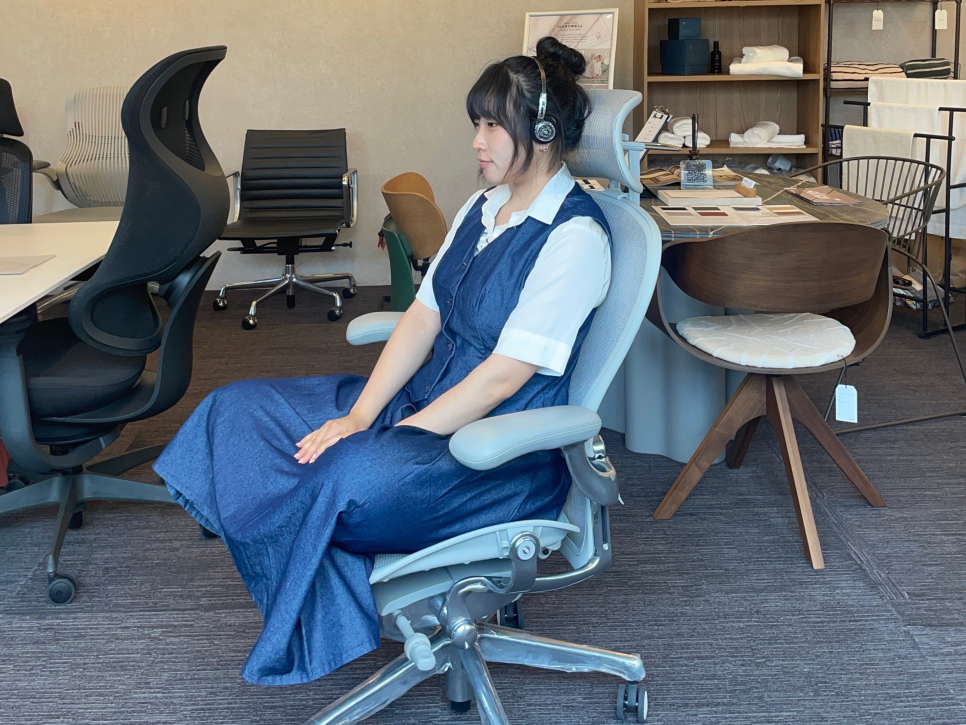
You've invested in a premium ergonomic chair—maybe a Herman Miller Embody or a Steelcase Leap V2. The first week feels incredible. But thirty minutes into your workday, you notice your legs have crept up onto the seat. You're sitting cross-legged again.
Sound familiar? You're not alone. This is one of the most common complaints we hear at ergonomic chair showrooms. And here's the uncomfortable truth: if changing chairs doesn't fix the problem, it's time to look at your body, not your furniture.
Specifically, your pelvis and hip joint range of motion.
Why Premium Chairs Are Actually Designed to Prevent Cross-Legged Sitting
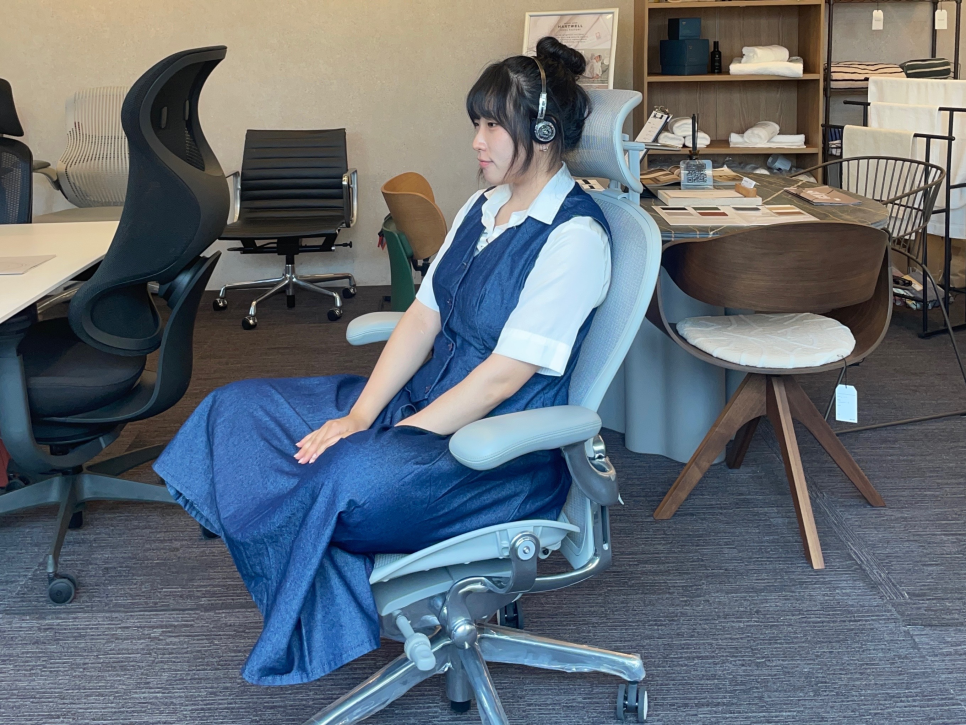
High-end ergonomic chairs aren't just expensive—they're intentionally engineered to discourage the cross-legged posture. This is by design, not accident.
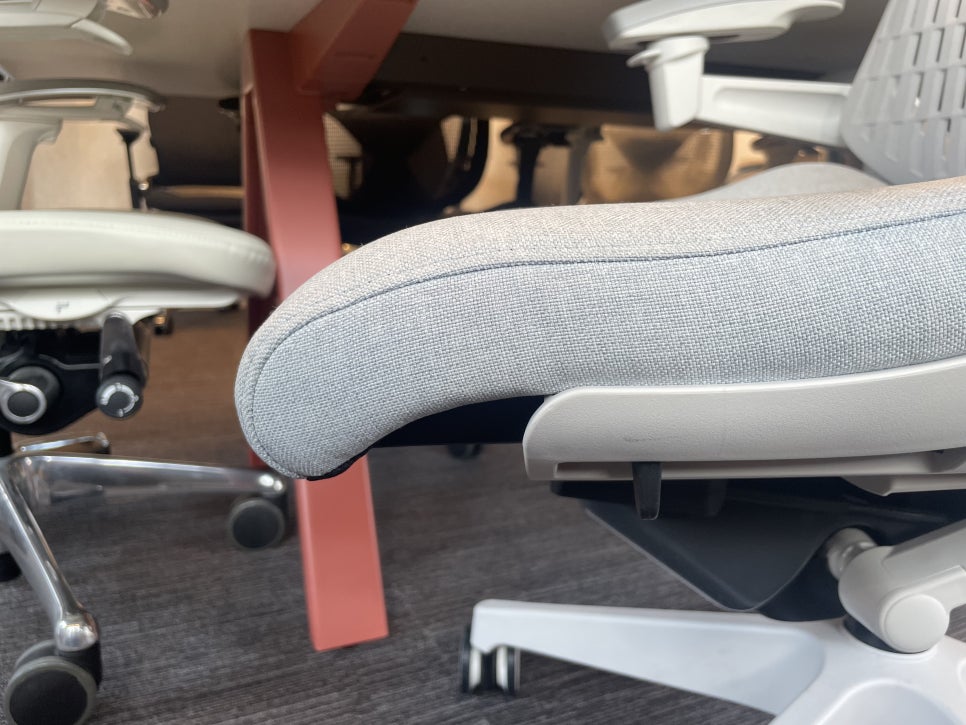
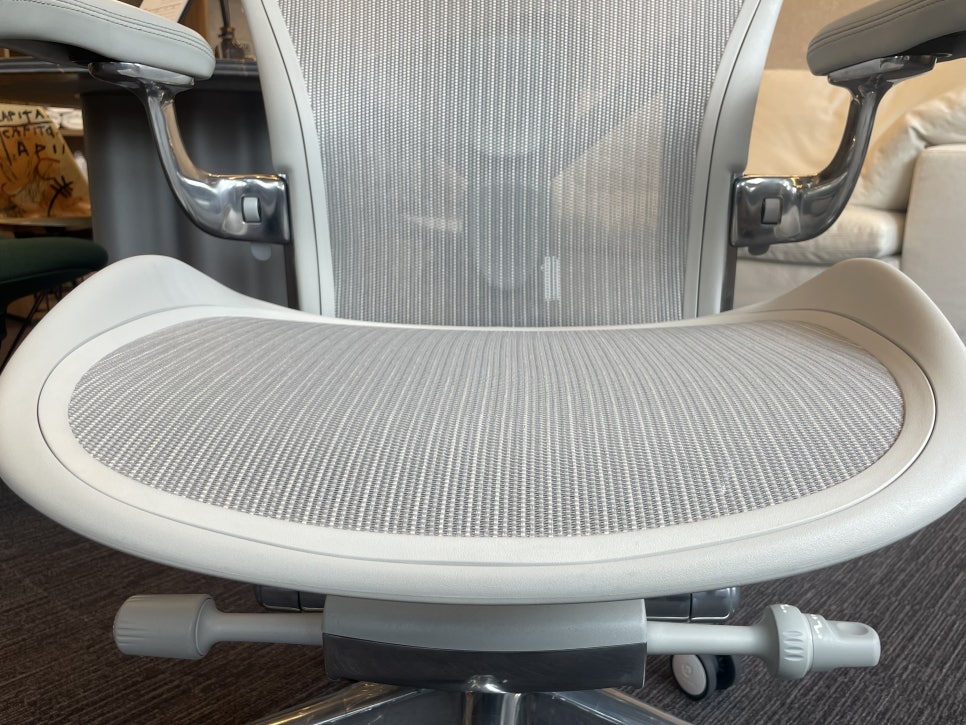
Features like waterfall seat edges (the gentle downward slope at the front of the seat), contoured lumbar support that tilts your pelvis forward, and sculpted seat pans that guide your thighs toward center—all of these work together to promote what's called a neutral pelvic position.
When your pelvis is properly aligned and upright, these chairs feel wonderfully supportive. But the moment you try to pull a leg up into a cross-legged position, you'll find yourself fighting against the chair's curves and contours.
The chair isn't failing you. Your body is telling you it can't sustain the intended posture.
The Biomechanics of Cross-Legged Sitting: What Happens to Your Spine
Sitting cross-legged isn't just a habit—it's a biomechanical cascade with measurable consequences. Research using 3D motion capture (VICON systems) and pressure-mapping technology (Tekscan sensors) has documented the process in detail:
Posterior pelvic tilt: As you cross or fold your legs, your pelvis rotates backward.
Loss of lumbar lordosis: The natural inward curve of your lower back flattens out.
Increased thoracic kyphosis: Your upper back rounds forward; your neck compensates by jutting ahead (hello, forward head posture).
Increased disc pressure: The load on your intervertebral discs goes up.
Asymmetry Makes It Worse
The real danger comes from asymmetric cross-legged postures—like placing one knee on top of the other. Studies show this creates uneven pressure distribution across your sit bones, lateral pelvic tilt, and a tendency toward functional scoliosis and shoulder imbalance.
One study found that individuals who sat cross-legged for more than three hours a day showed significantly greater shoulder and pelvic asymmetry, as well as more pronounced forward head posture, compared to controls.
Interestingly, the most "neutral" form of cross-legged sitting—ankle over ankle, in a symmetrical lotus-like position—produced the least spinal stress. Knee-over-knee asymmetric postures were the worst offenders.
If You Must Sit Cross-Legged: How to Choose the Right Chair
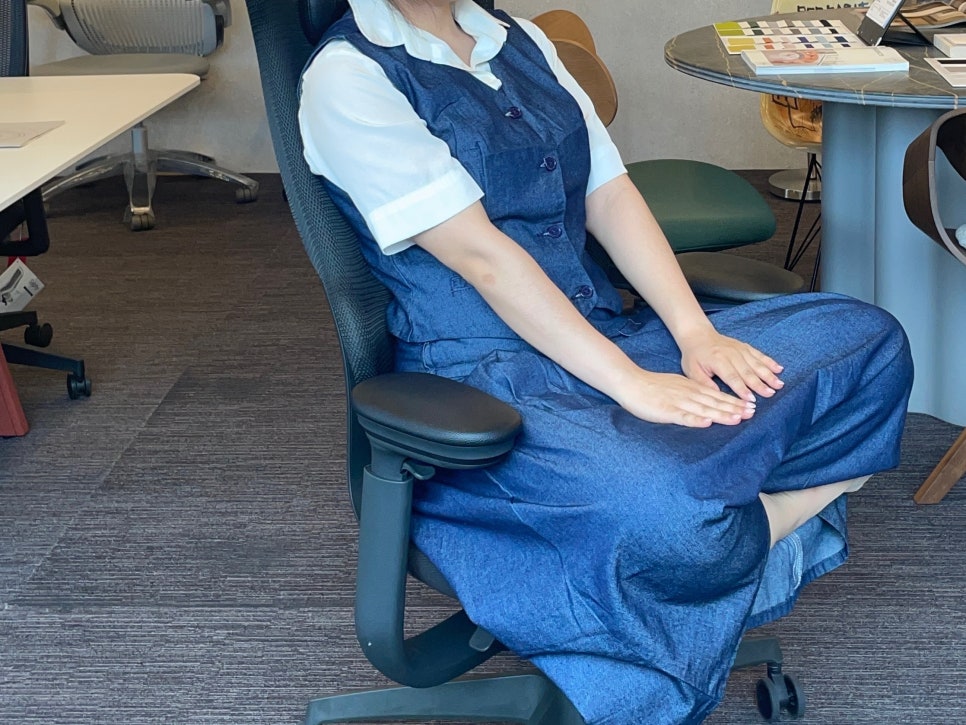
Let's be pragmatic. Some people find cross-legged sitting incredibly comfortable, and forcing yourself into a rigid posture you can't sustain isn't helpful either. If that's you, the strategy shifts: choose a chair that allows postural freedom while still providing some pelvic support.
There are two broad categories to consider:
Chair Type | Flat, Wide Seat Pan (allows cross-legged) | Contoured, Sculpted Seat (enforces posture) |
|---|---|---|
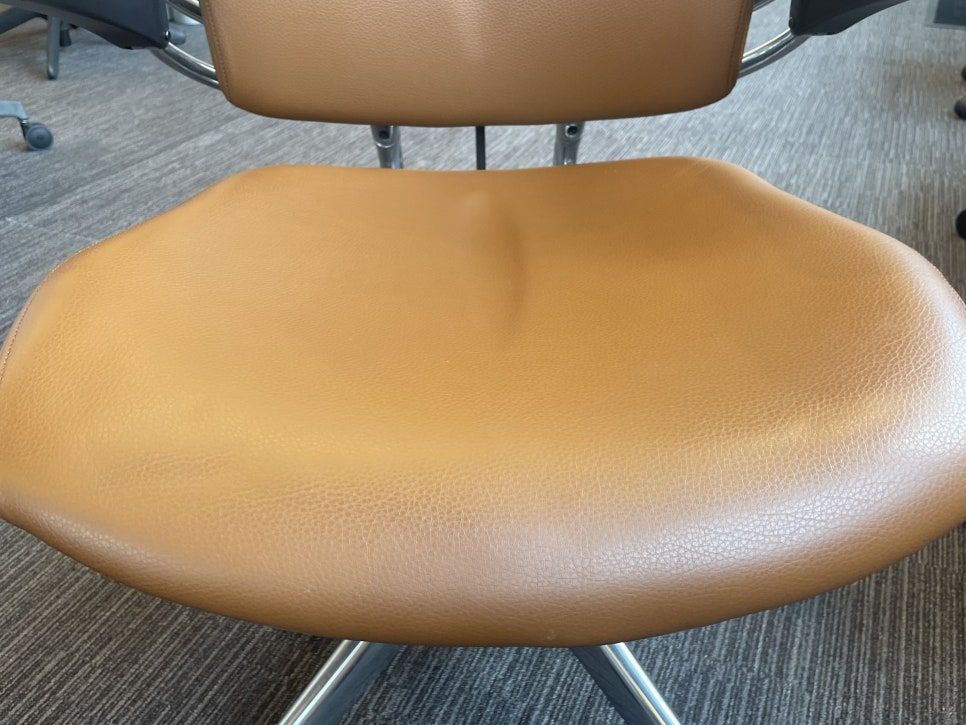
Seat shape | Wide, flat, plenty of room to tuck legs | Central contour pulls thighs inward; resists leg-folding |
Pros | Freedom to shift postures; feels relaxed | Maintains pelvic and lumbar alignment strongly |
Cons | Easy to slip into posterior pelvic tilt if you're not mindful | Can feel restrictive if hip mobility is limited |
Examples of chairs with wider, flatter seats include the Steelcase Series 2 and Branch Verve Chair. Chairs with stronger seat contouring include the Herman Miller Embody and Steelcase Gesture.
Don't Overlook Tilt Tension
Here's a variable that's often ignored: tilt tension adjustment. If the recline resistance is too stiff for your body weight, you won't trust the backrest and will hunch forward—often pulling your legs up for balance. If it's too loose, you'll collapse backward and instinctively lift your legs to stabilize.
Even the best chair won't help if the tension isn't dialed in to your body.
The Real Issue: Your Range of Motion, Not Your Chair
Here's the takeaway: if you can't maintain good posture even in a well-designed chair, the limitation is likely in your body, not the furniture.
Limited hip flexion, tight hip external rotators, anterior pelvic tilt or posterior pelvic rigidity—all of these will make it nearly impossible to sit upright with your feet on the floor for any length of time. No amount of lumbar support or seat sculpting can compensate for restricted joint mobility.
Premium ergonomic chairs like the Herman Miller Aeron, Humanscale Freedom, or Haworth Fern are designed to support good posture—but they can't create the range of motion your hips and pelvis need to achieve it.
What You Can Do: Assess Before You Buy
If you've been through multiple chairs and still find yourself folding your legs within the first hour, it's time to pause the chair hunt and start a body audit:
Can you sit on the floor with your legs extended and your spine upright, without rounding your lower back?
Can you perform a deep squat with your heels down and chest up?
When you sit in a chair with feet flat, does your pelvis tilt back almost immediately?
If the answer to any of these is "no" or "barely," that's a sign your hips and pelvis may need mobility work—stretching, strengthening, or even posture-focused physical therapy.
Once your body has the capacity to sit well, the right chair will feel transformative. But if your joints can't get into the position the chair is designed to support, even a $1,500 seat will feel like a mismatch.
Final Thoughts
Sitting cross-legged isn't a moral failing, and expensive chairs aren't magic. The best ergonomic setup is one that meets your body where it is—while gently encouraging better alignment over time.
If you're stuck in the cycle of buying new chairs and reverting to old postures, consider this your wake-up call. Your pelvis is trying to tell you something. Listen to it, work with it, and then—and only then—find the chair that supports the posture your body is capable of maintaining.
And if you're unsure where to start, many ergonomic specialists and physical therapists now offer posture assessments that pair body mechanics with seating recommendations. It's worth the investment—because the right chair can only do so much if your hips aren't in the game.

Furniblog may earn a commission from links in this post, at no extra cost to you. See our affiliate disclosure.