Why Your $2,000 Chair Might Be Built on a $50 Cylinder—The Hidden Truth About Gas Spring Grades
Class 3 vs. Class 4: the chair component savvy buyers check first
By the Furniblog Editorial Team·July 9, 2026·6 min read
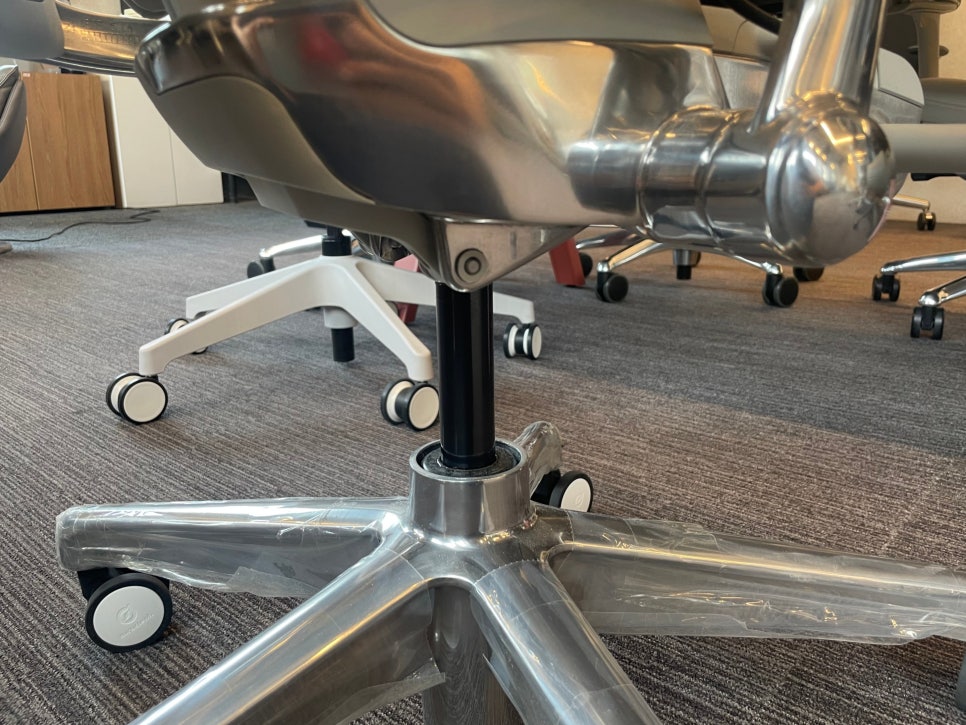
The Component You Overlook—Until It Fails
When shopping for an office chair, most of us focus on the mesh, backrest, armrests, and design. But the part that actually determines your chair's lifespan and safety is hidden from view: the gas cylinder (also called a gas spring or pneumatic lift) under the seat pan.
No matter how premium the frame or upholstery, a substandard gas cylinder will leave you with a chair that slowly sinks after just a year or two—forcing you to constantly readjust your screen height and posture throughout the day.
Today we're breaking down Class 3 vs. Class 4 gas cylinders, the international standards behind them, and why seasoned chair buyers check this spec first.
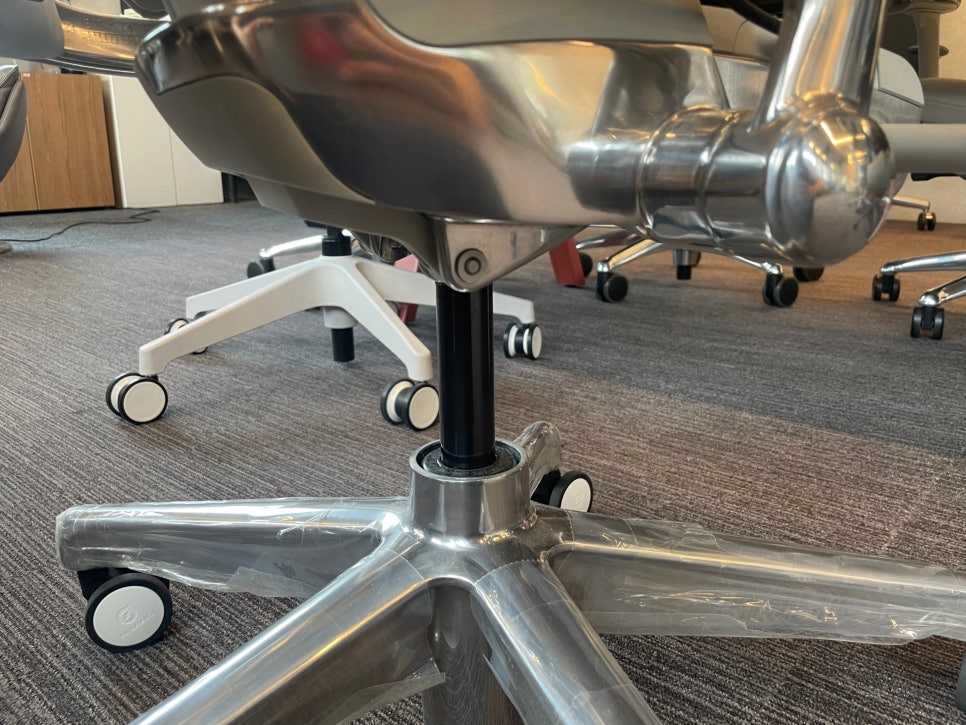
What Is a Gas Cylinder—and Why Does It Matter?
The gas cylinder is a nitrogen-filled (or inert-gas) piston that:
Adjusts seat height when you pull the lever
Cushions the impact when you sit down or stand up
Bears your full body weight dozens of times a day
In short, it's the most stressed component in your chair. If it's weak, everything else becomes irrelevant.
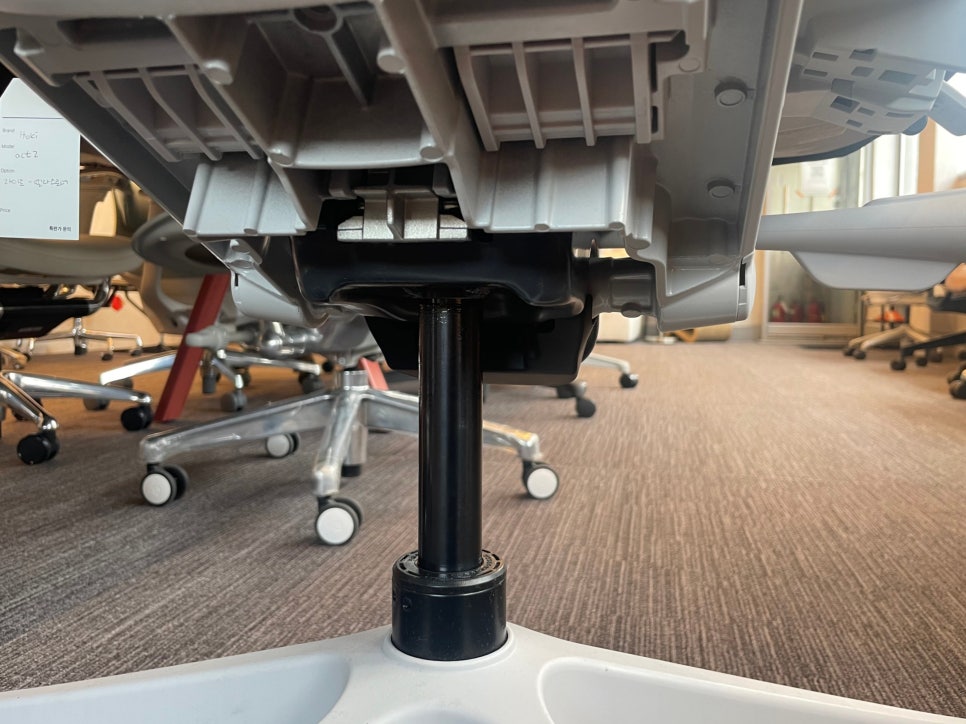
Class 3 vs. Class 4: The Real Difference
Gas cylinder grades aren't marketing fluff—they're defined by international testing standards including EN 1335-3 / EN 16955 (Europe) and ANSI/BIFMA X5.1 (North America).
BIFMA's test protocol subjects cylinders to approximately 133,500 compression and extension cycles—simulating over five years of daily use.
Specification | Class 3 | Class 4 |
|---|---|---|
Outer tube thickness | ~1.5 mm | ~1.8 mm or thicker |
Weight capacity | ~300 lbs (136 kg) | ~450+ lbs (200+ kg) |
Nitrogen purity | Moderate | Higher (better sealing & pressure retention) |
Typical use | General office, mid-range chairs | High-end, gaming, 24/7, heavy use |
At first glance, it seems obvious: "Class 4 must always be better." But that's where beginners and experts diverge.
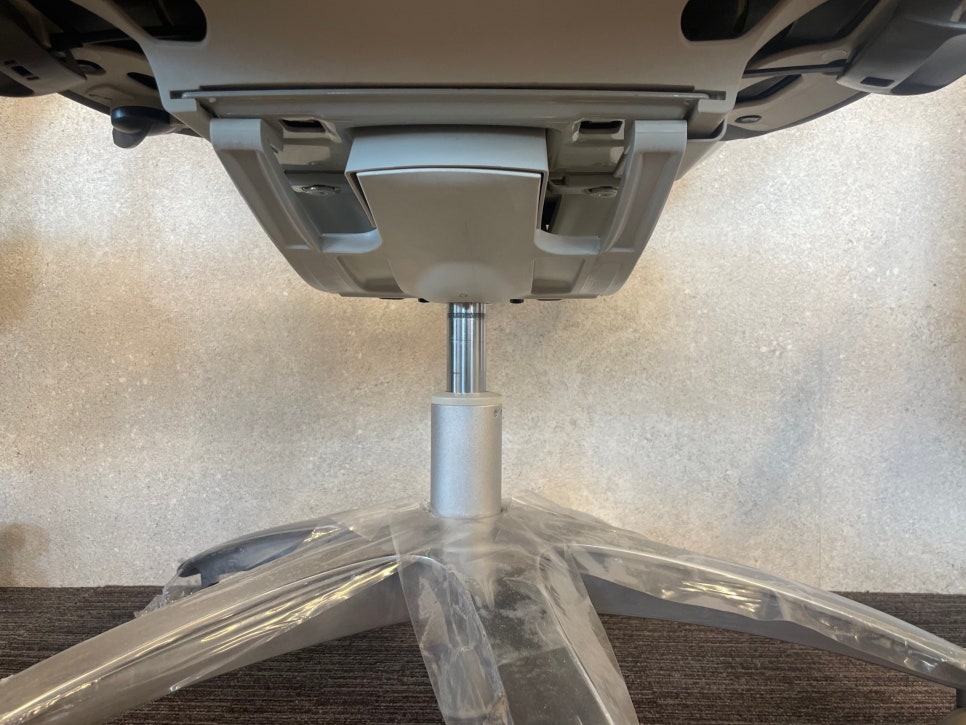
⚠️ Common Misconception: Grade ≠ Guaranteed Quality
Class ratings indicate load capacity and durability class, not absolute quality. A cylinder can claim "Class 4" on paper but still fail early if it's unverified or made by an unknown manufacturer.
What you should actually check is the grade + certification + manufacturer:
Certifications: KGS (Korea Gas Safety Corporation), TÜV, SGS
Manufacturers: Proven specialists like South Korea's Samhongsa (SHS), the world's leading supplier of premium gas cylinders to Herman Miller, Steelcase, and other top brands
This is why high-end chairs specify their cylinder source and hold proprietary or certified specs—it's a mark of transparency and confidence.
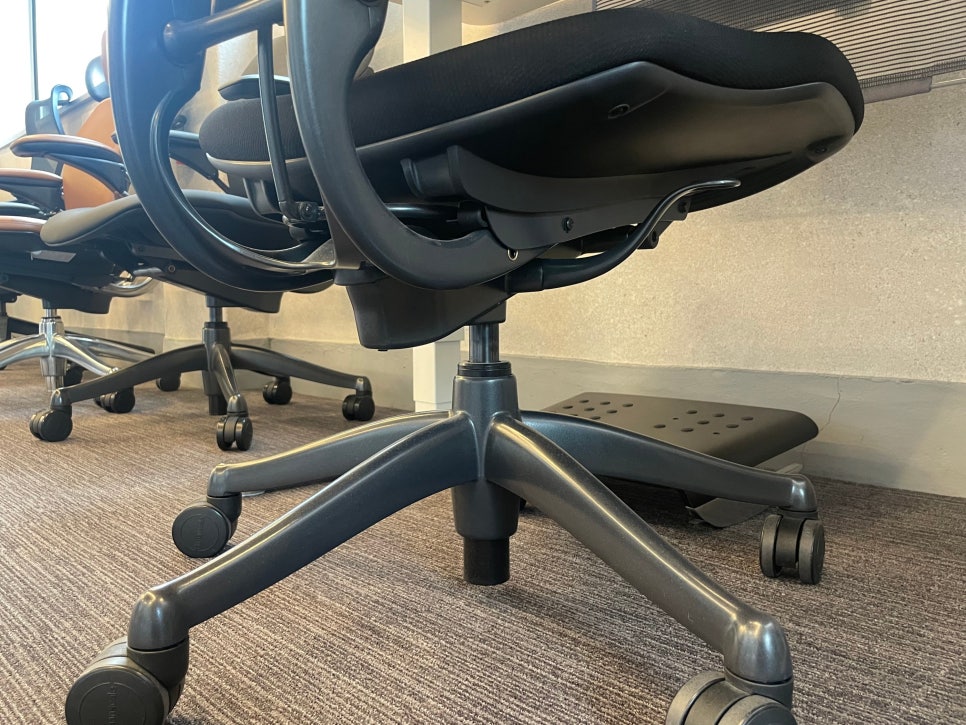
Two Telltale Signs of a Cheap Cylinder
1. Gradual Sinking (Height Retention Failure)
This is the most common failure mode. Internal gas or hydraulic oil leaks out over time, causing the chair to slowly drop while you're seated. Your monitor drifts lower, your posture collapses, and productivity suffers.
2. Safety Risks
Though rare, uncertified or defective cylinders have been linked to over-pressurization or mechanical failure, occasionally resulting in injury. This is exactly what third-party certifications like KGS are designed to prevent. (Certified, brand-name cylinders virtually eliminate this risk—no need for undue alarm.)
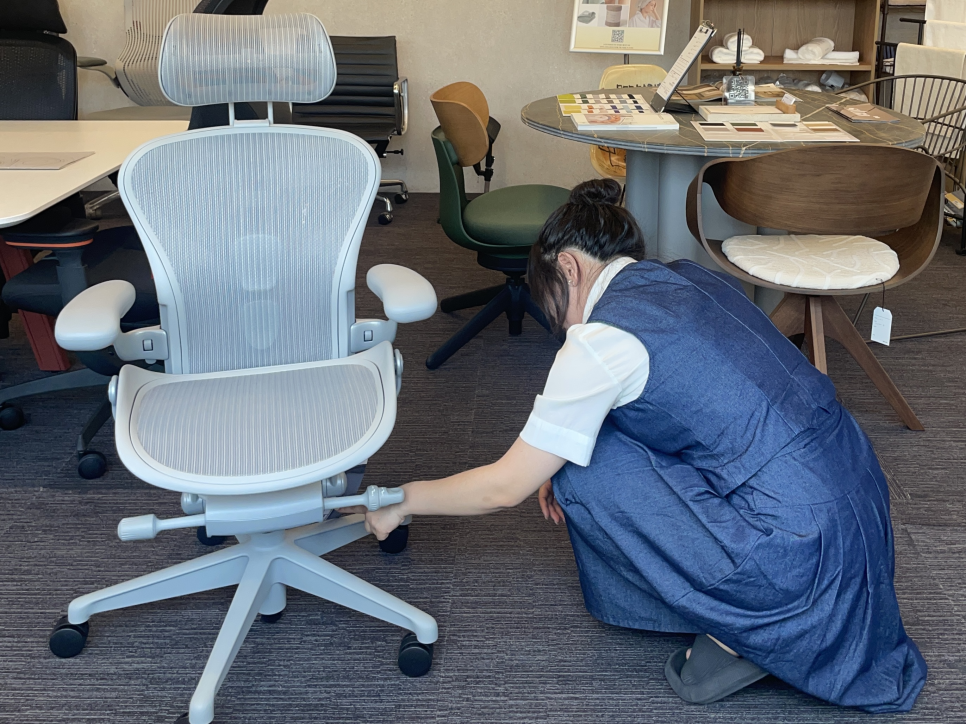
How to Check Your Chair's Gas Cylinder
Here's a practical self-assessment you can do in under five minutes:
Look for markings: Class grade, KGS / TÜV / SGS logos stamped or printed on the cylinder body
Height-hold test: Sit at a mid-height setting for 1–2 minutes. If the chair slowly sinks, the cylinder is compromised
Check brand transparency: Does the manufacturer disclose which cylinders they use? Reputable brands usually do
Review the warranty: Does the warranty cover cylinder replacement with equal or better spec parts?
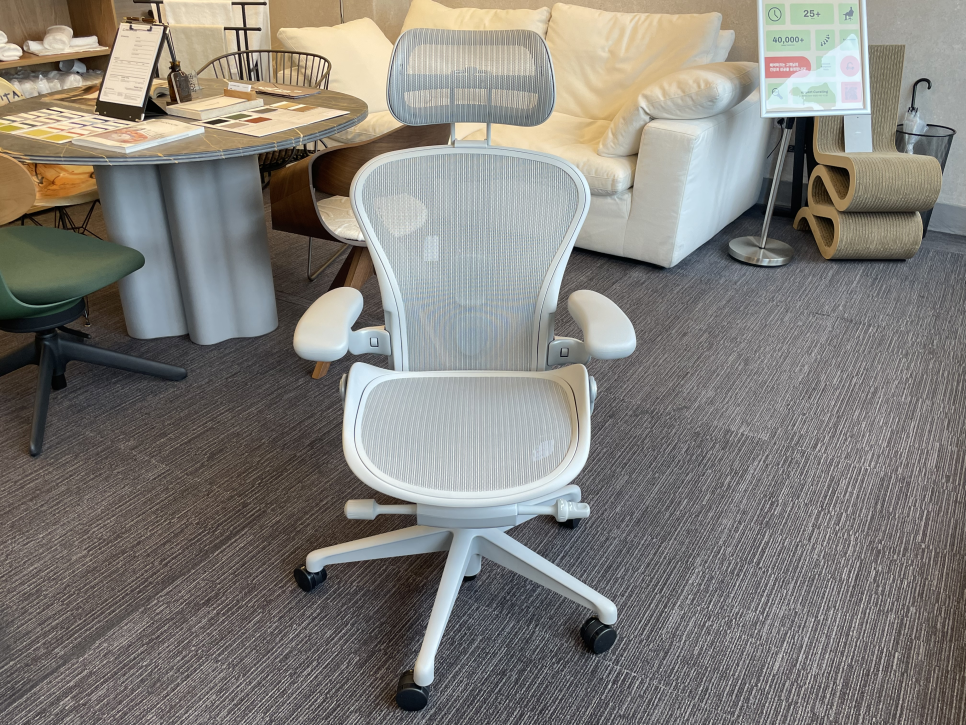
Gas Cylinder Specs in Premium Office Chairs
Here's what five leading ergonomic chair brands actually use—because checking yourself can be tedious.
Herman Miller – "Korean Engineering in an American Icon"
Grade: Class 4 (custom top-tier spec)
Surprising to many, the gas cylinders in the Herman Miller Aeron and Embody are manufactured by South Korea's Samhongsa (SHS), the world's largest supplier of premium chair cylinders.
Herman Miller specifies a proprietary cable-actuated Class 4 cylinder that integrates seamlessly with the lower tilt mechanism. There's virtually no play, and the durability easily exceeds the brand's 12-year warranty period.
Okamura – "Precision Engineering for Smart Operation"
Grade: Class 4 (Japan domestic + global top spec)
Models like the Contessa II and Sylphy use world-class Class 4 gas lifts, many also sourced from SHS or domestic Japanese precision suppliers.
Okamura's signature "Smart Operation" puts the height-adjustment lever on the armrest, meaning a cable runs from the armrest down to actuate the cylinder. This demands exceptional cylinder responsiveness and pressure recovery—specs that only top-grade components can meet.
Itoki – "Japanese Industrial Standards (JIS) Rigor"
Grade: Class 4 (JIS + BIFMA compliant)
Popular domestically for models like the Spina and ACT series, Itoki adheres to Japan's notoriously strict JIS durability standards—often tougher than BIFMA.
Because Itoki chairs feature synchronized tilt systems that respond to subtle spinal movement, the gas cylinder must withstand not just vertical loads but also shear and torsional stress when users recline. The cylinder housing is engineered with a ultra-tight fit to handle these dynamic forces.
Kokuyo – "Built for 360° Movement"
Grade: Class 4 (dynamic load specialist)
Kokuyo's flagship Ing and Ing Cloud aren't stationary chairs—the seat glides and tilts in all directions to encourage active sitting.
To handle omnidirectional forces, Kokuyo uses an extra-robust Class 4 cylinder with a reinforced upper gliding mechanism. While other chairs would treat cylinder wobble as a defect, Kokuyo's design intentionally supports controlled movement—requiring beefier construction than a typical Class 4.
Knoll – "Resilience for Unorthodox Postures"
Grade: Class 4 (global office furniture top tier)
Design-furniture leader Knoll is famous for its grueling in-house durability protocols that exceed BIFMA minimums. The Generation by Knoll chair uses custom Class 4 cylinders (often SHS) rated for 24/7 use at up to 300 lbs.
Because the Generation is designed to accommodate cross-legged, twisted, and slouched postures, its cylinder faces not only vertical loads but frequent lateral and torsional stress. The internal tolerances are machined to near-zero play, ensuring the base stays rock-solid no matter how unconventional your sitting style.
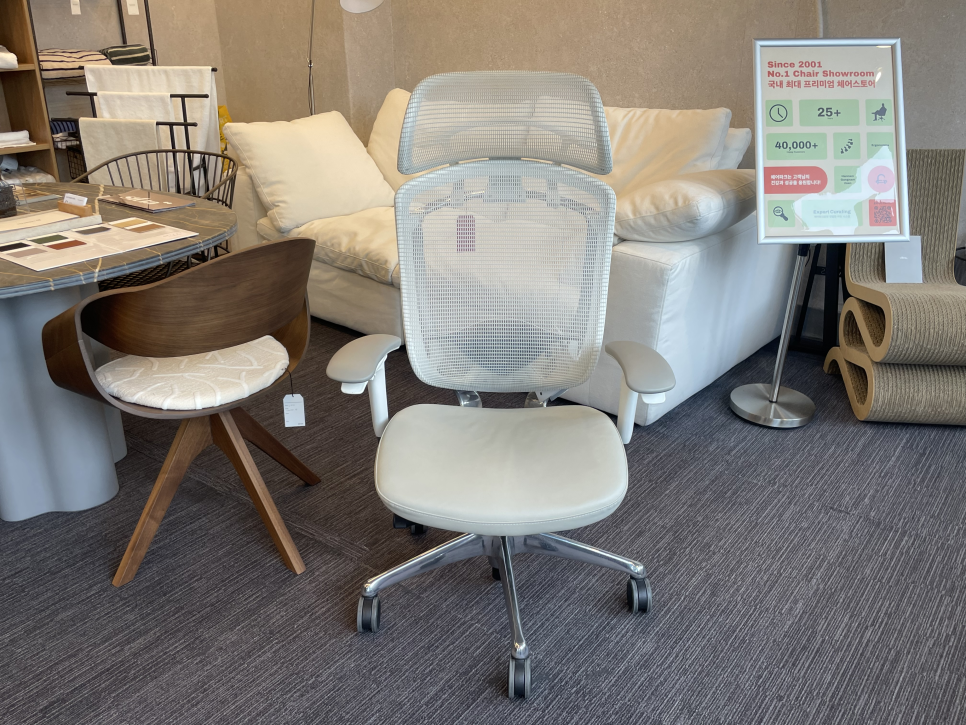
Final Word: A Chair Built to Last a Decade—or Replace Every Two Years?
If you're investing in a chair you plan to use for years, the gas cylinder is not the place to cut corners. A weak cylinder undermines everything else, no matter how elegant the design or plush the cushion.
Look for:
Class 4 rating (for serious, long-term use)
Third-party safety certifications (KGS, TÜV, SGS)
Transparent disclosure of cylinder manufacturer
Robust warranty covering cylinder replacement
When you choose a chair from a brand that takes its cylinders seriously—Herman Miller, Steelcase, Okamura, Itoki, Kokuyo, Knoll, and others in that tier—you're getting a chair engineered to feel as tight and responsive on day 3,650 as it did on day one.
That's the difference between a tool that supports your health and productivity—and one that quietly sabotages it from below.
Furniblog may earn a commission from links in this post, at no extra cost to you. See our affiliate disclosure.