Why Your Atlas Headrest Moves (And Why That's Actually a Good Thing)
Understanding friction-hinge headrests and why deliberate movement isn't a defect
By the Furniblog Editorial Team·July 17, 2026·4 min read
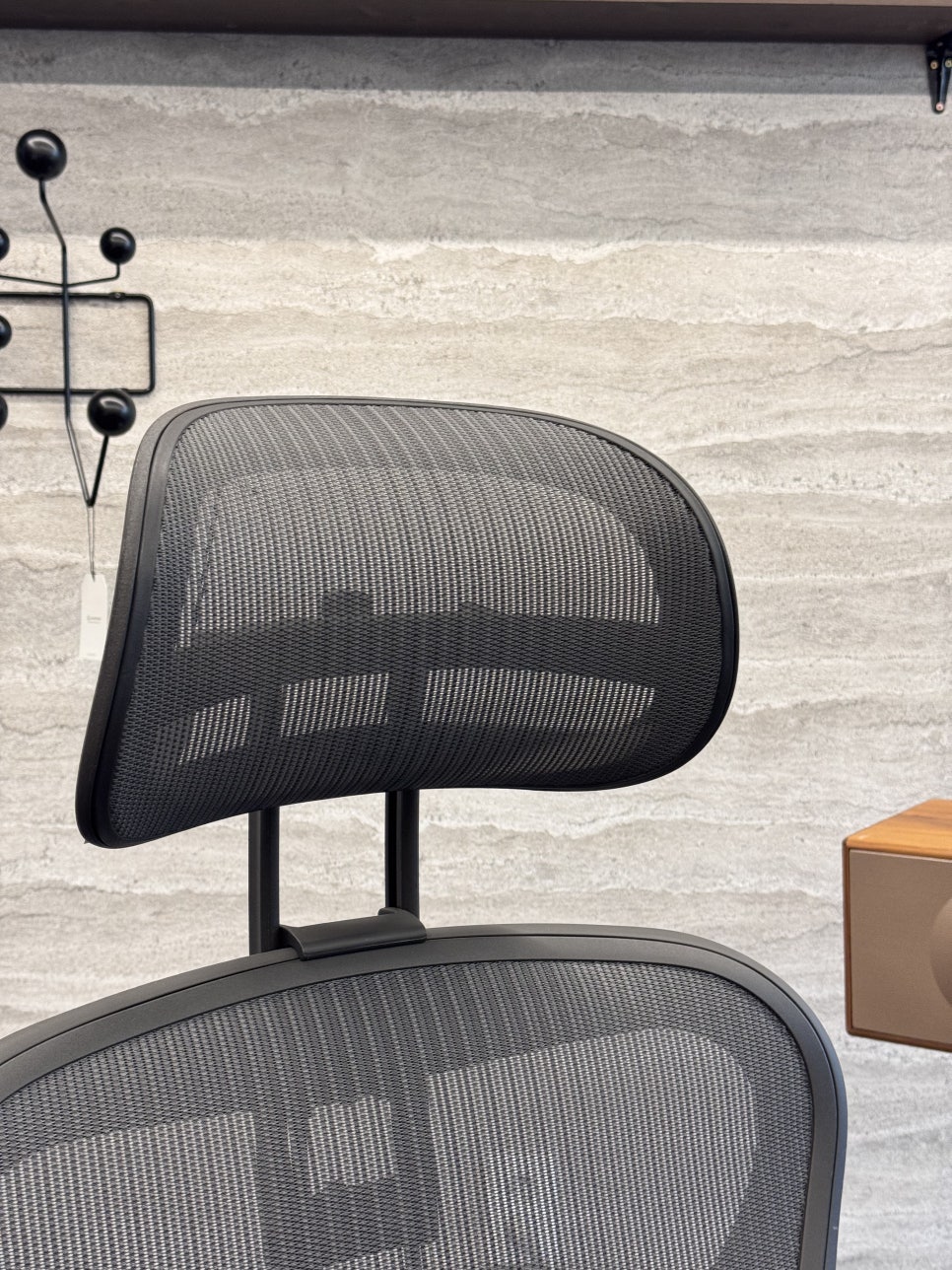
"Is this a defect?" It's the most common question owners ask about the Atlas headrest. The answer might surprise you: that slight movement you're noticing isn't a flaw—it's a deliberate design feature meant to follow your body as you recline.
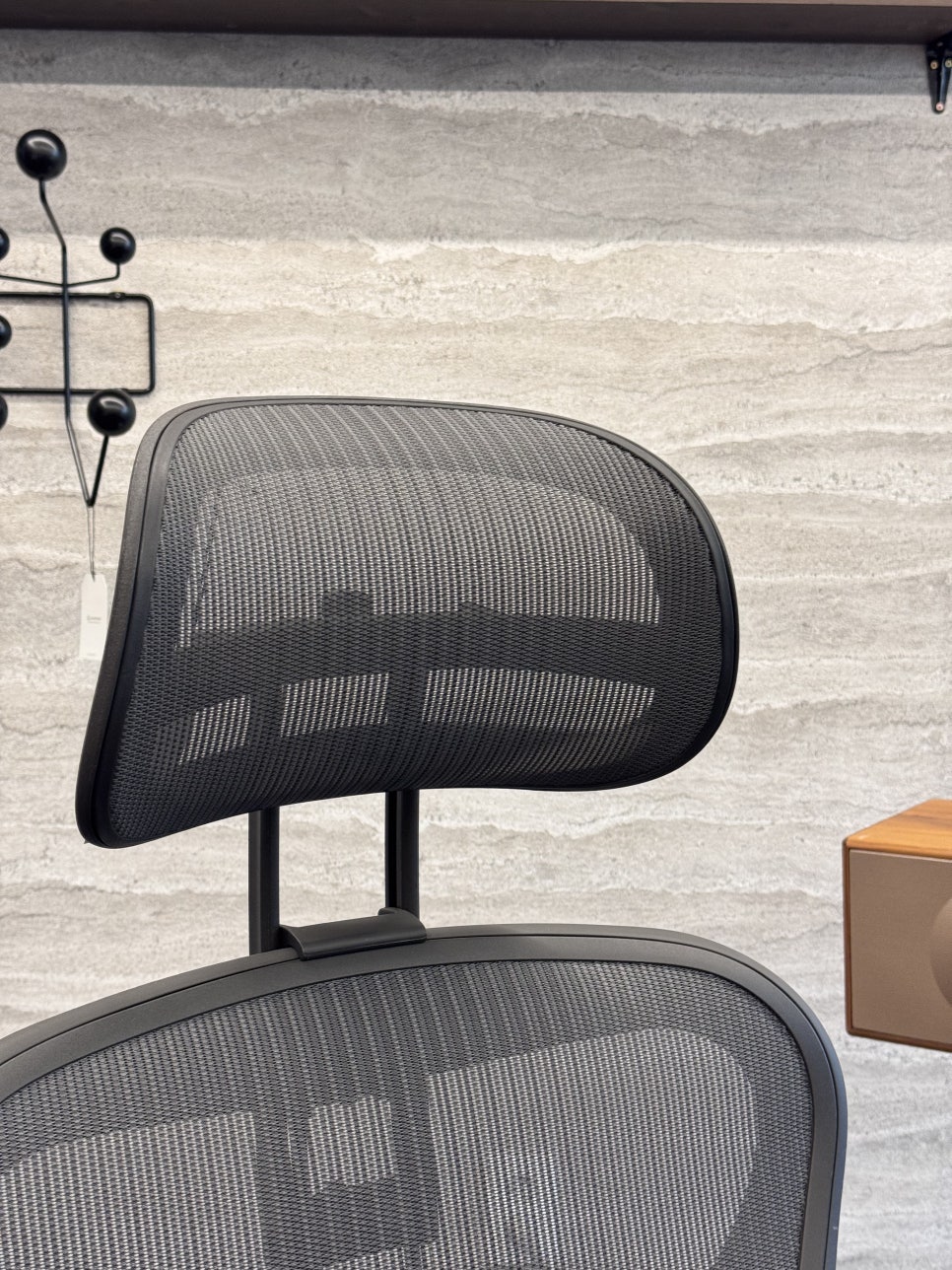
Why Office Chair Headrests Need to Move
If you've ever leaned back at the end of a long workday and felt your Atlas headrest shift backward under light pressure, you've experienced exactly what the designers intended. Here's why.
Headrests Are Built for Reclining, Not Just Upright Sitting
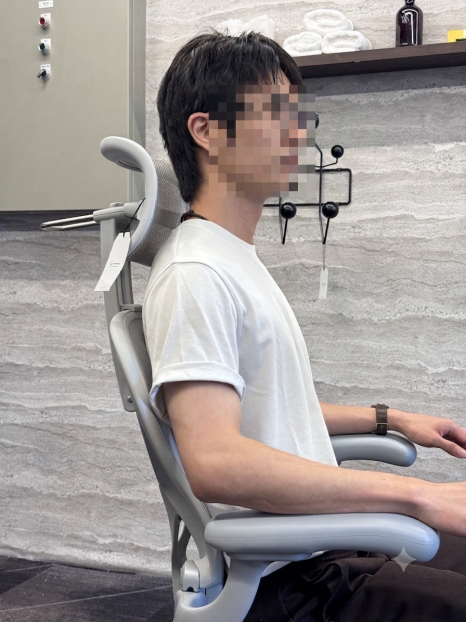
When you're sitting upright typing, your headrest barely touches your neck. The headrest's real job begins when you recline. As you lean back, your head travels both backward and upward along an arc. A headrest that can't follow this path will either force your neck into an awkward angle or lose contact with your head entirely.
This principle isn't unique to the Atlas. The Steelcase Gesture headrest offers vertical height adjustment, tilt, and 90-degree rotation specifically to provide support in both upright and reclined positions. Steelcase describes its headrest as being "inspired by the natural movement of the head and neck."
If your headrest were rigidly fixed in place, reclining would become uncomfortable. Your neck would bend unnaturally, or your head would slide off the support. Some movement isn't just normal—it's essential for proper ergonomic function.
Fixed vs. Adjustable: Understanding Headrest Mechanisms
This leads to another common question: "Why don't manufacturers just make completely fixed headrests?"
The truth is, even headrests marketed as "fixed" aren't truly immovable.
Ratchet Mechanisms: Step-Lock Adjustment
Premium office chairs often use ratchet-style headrests with closely-spaced notches (typically 1-2mm apart). A spring-loaded pin catches in these notches to prevent the headrest from sliding down. When you apply force, you're pushing the mechanism from one notch to the next. It's not continuous—it's a step-lock system.
This creates the impression of being "locked in place," but strong pressure will still move it to the next position. It's staged adjustment, not permanent fixation.
Friction Hinges: Continuous Adjustment
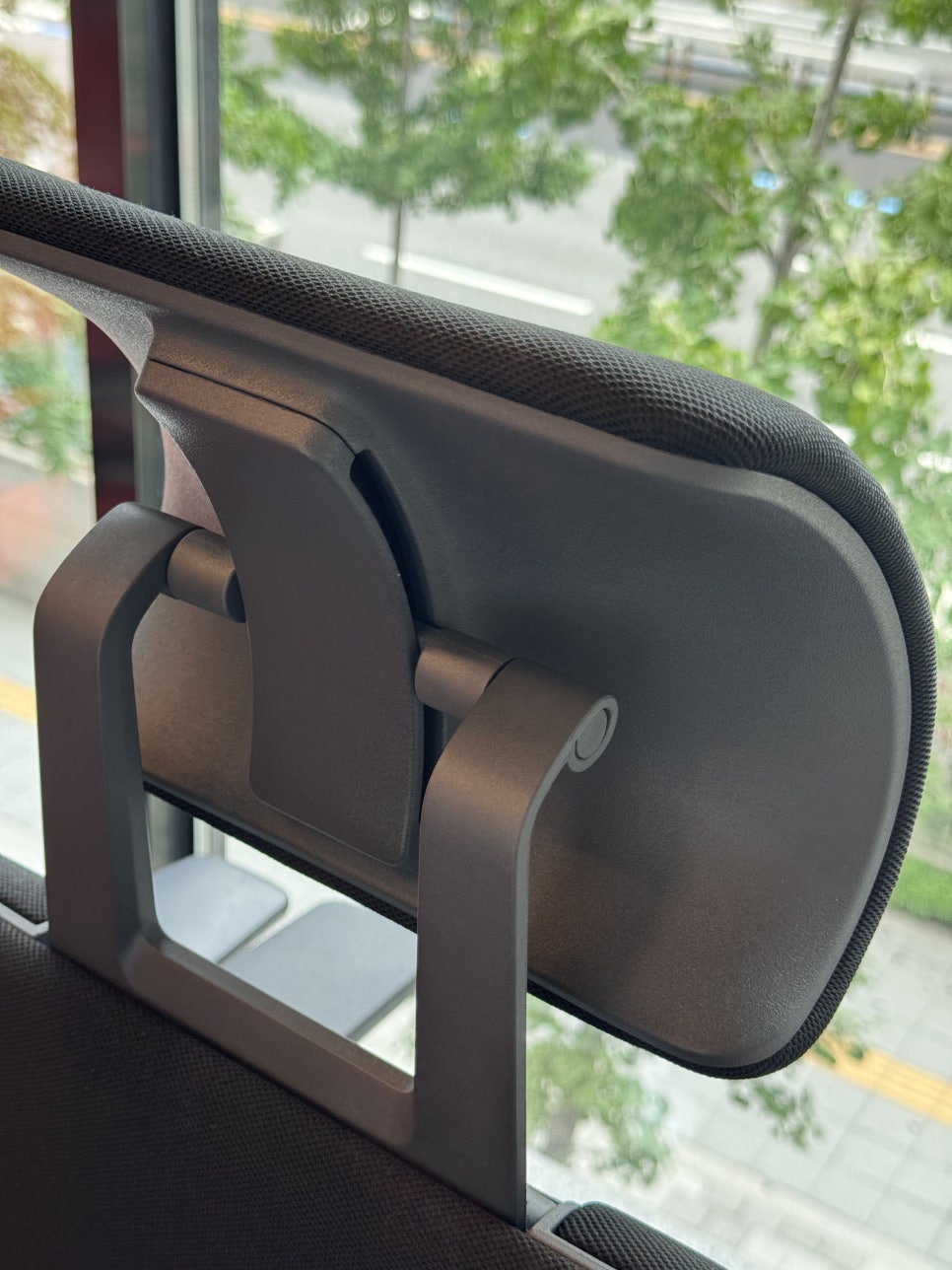
The Atlas uses a friction-hinge mechanism instead. Rather than discrete notches, it relies on continuous friction to hold position. The advantage? You can set the headrest at any angle or height along its range—not just at predetermined stops.
Ratchet systems limit you to specific positions. Friction hinges let you fine-tune to the exact angle your body needs. Both approaches involve trade-offs; neither is inherently "defective" or superior.
When Movement Is Normal (And When It's Not)
Friction-hinge headrests can feel looser or tighter depending on how you interact with them. Here's what to check:
Adjustment Technique Matters
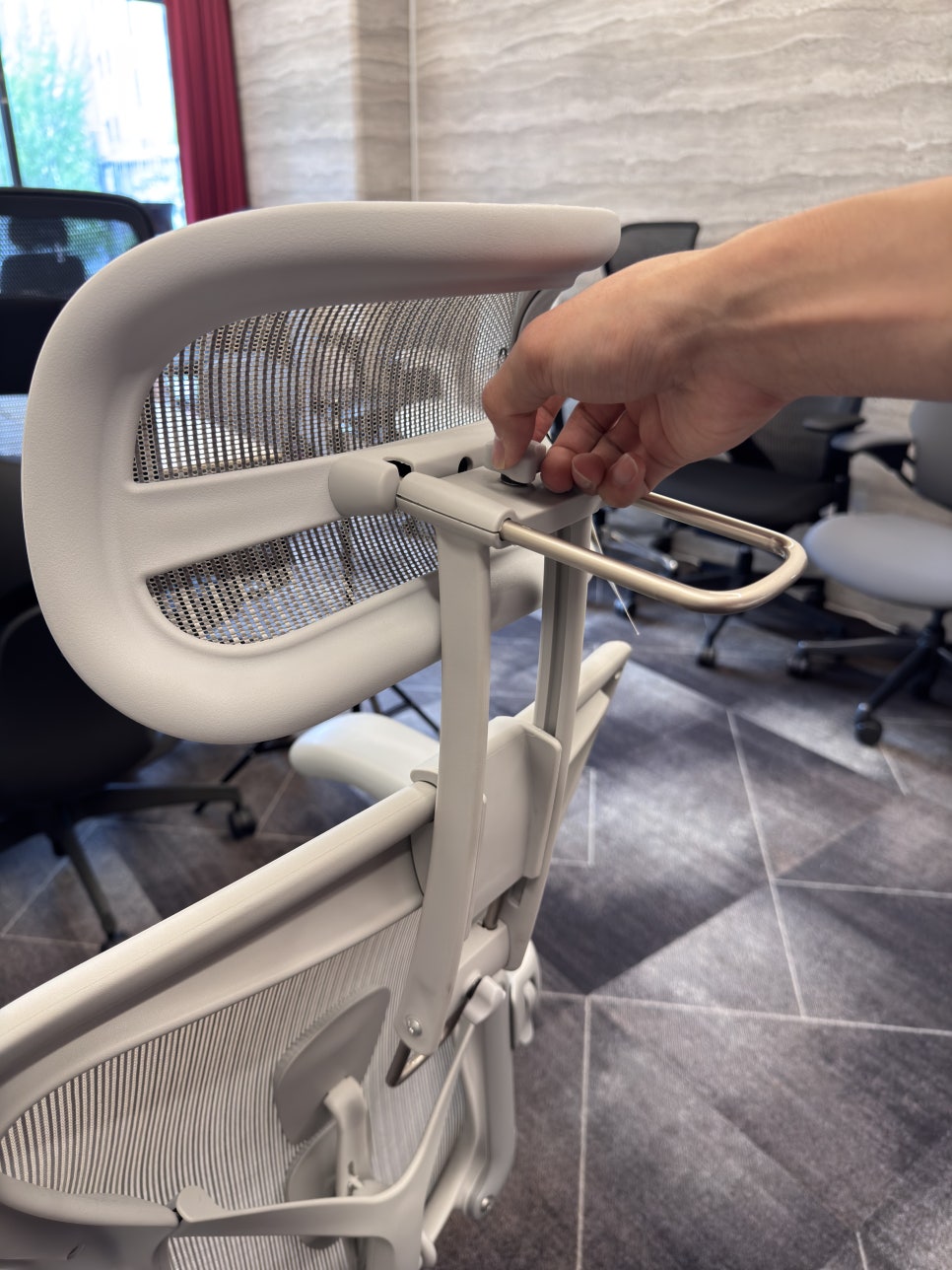
When repositioning your headrest, lift it slightly and move it gently rather than pushing straight down from above. Forcing the headrest downward with heavy pressure can overload the friction surfaces and make it feel like it's slipping.
Check for Adjustment Screws
Some friction-hinge models include a tensioning screw that lets you recalibrate the friction resistance. If your headrest has become noticeably looser over months or years of use, tightening this screw can restore the original feel. Check your chair's manual or contact the manufacturer to see if this option exists for your model.
When to Seek Support
If your headrest exhibits excessive play—flopping around with minimal pressure or failing to hold any position—then you may have a legitimate issue that requires inspection or warranty service.
Different Standards for Different Functions
The phrase "if it moves, it's broken" applies to automotive headrests, which are designed as crash-safety devices and must remain rigidly in place. But office chair headrests serve a completely different purpose: they need to move with your body through a range of reclining angles.
Similar adaptive movement shows up across ergonomic chair design. The Herman Miller Embody backrest flexes independently along its spine. The Steelcase Leap V2 seat glides forward as you recline. Movement isn't a defect—it's how these chairs deliver ergonomic support.
Final Takeaway
The next time you lean back in your Atlas and feel the headrest shift slightly, remember: it's not malfunctioning. It's doing exactly what it was engineered to do—following the natural path of your head and neck to keep you supported as you recline.
Friction-hinge headrests trade the "locked" feel of ratchet mechanisms for infinite adjustability. Once you understand the design intent, that slight give becomes a feature, not a flaw.

Furniblog may earn a commission from links in this post, at no extra cost to you. See our affiliate disclosure.