Why Your Back Hurts: Your Chair Might Be the Problem
The hidden cost of cheap office chairs—and what to choose instead
By the Furniblog Editorial Team·July 31, 2026·4 min read
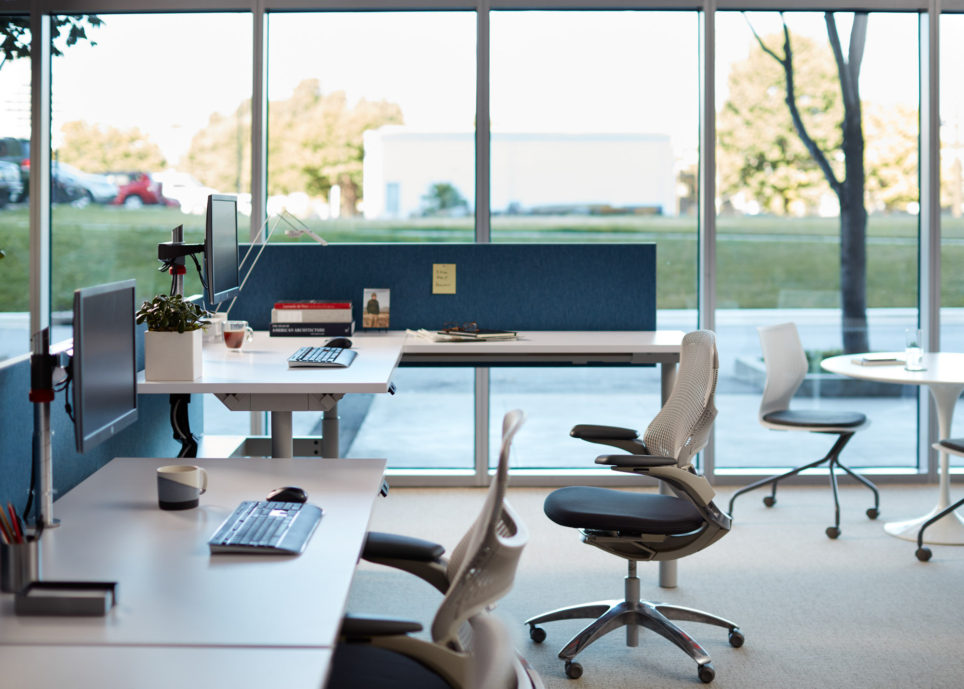
A stylish, affordable office chair seems like a smart purchase—until two weeks later, when your lower back starts aching and your hips feel strained. It's a story we hear again and again: someone buys a budget task chair based on looks or price, only to find themselves shopping for a replacement within months.
If you're experiencing discomfort during work hours, the culprit might not be your posture or your desk setup—it could be the chair itself.
The Real Story Behind Budget Office Chair Failures
Consider the experience of one office worker who, after starting a new job, treated himself to an attractive, low-cost chair with his first paycheck. Within two weeks, he noticed a dull ache in his lower back and mounting pressure around his hips. Despite adjusting the backrest repeatedly and adding a seat cushion, the discomfort persisted. Eventually, he had to buy a new chair altogether.
"I saved money upfront," he reflected, "but ended up paying a much higher price in the long run."
Why Cheap Office Chairs Fall Short
Based on consistent feedback from users, here are the most common pain points with budget office seating:
No recline adjustment: Fixed backrests leave a gap between your lumbar spine and the chair, causing your back to hover unsupported.
Thin or hard seat cushions: Inadequate padding creates pressure points, especially during extended sitting.
Lack of lumbar support: Without adjustable lower-back contouring, the natural curve of your spine goes unsupported, leading to strain.
Limited armrest adjustability: Fixed-height or non-movable armrests make it difficult to align your arms comfortably with your desk.
Poor breathability: Non-mesh materials trap heat, leaving you sweaty and uncomfortable, particularly in warm weather.
Choosing a chair based solely on aesthetics or with a "this is just temporary" mindset often backfires—resulting in discomfort, lost productivity, and the expense of buying a second chair.
What Makes a Chair Comfortable for All-Day Sitting
Chairs designed with ergonomics in mind feel fundamentally different. They adapt to your body rather than forcing your body to adapt to them. Here are two standout models that address the shortcomings of budget options:
Knoll Generation Chair
The Generation by Knoll is built around the concept of flexible posture support. Its key features include:
Elastic backrest: The backrest flexes laterally, accommodating side-leaning and shifting positions throughout the day.
Automatic lumbar support: The contoured back naturally supports your lower spine without manual adjustment.
Encourages movement: Designed to let you change positions intuitively, reducing stiffness from static sitting.
Clean, versatile design: Available in multiple colors and finishes to suit any office aesthetic.
If you tend to shift postures frequently or work in dynamic, creative environments, the Generation adapts with you rather than locking you into one position.
Okamura Sylphy Chair
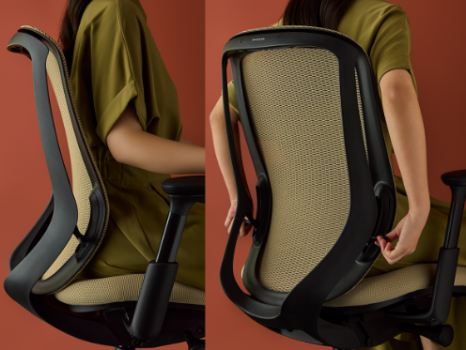
The Sylphy from Okamura is a compact, highly adjustable ergonomic chair that's particularly well-suited to a range of body types. Its strengths include:
Sliding lumbar support: A vertically adjustable lumbar pad wraps around your lower back, providing targeted support exactly where you need it.
Extensive adjustability: Seat depth, tilt tension, armrest height, width, and angle can all be fine-tuned to your preference.
Smooth, responsive tilt: The reclining mechanism is finely calibrated, offering gentle resistance that encourages micro-movements and better circulation.
Compact ergonomic design: Ideal for smaller frames or tighter workspaces without sacrificing support.
The Sylphy is an excellent choice if you value granular control over your seating position and want a chair that molds to your specific body dimensions.
The Long-Term Cost of the Wrong Chair
Back pain, reduced focus, and deteriorating posture don't happen overnight—but they do accumulate. Much like a good pair of shoes, a well-engineered office chair might not announce its benefits immediately, but over weeks and months, the difference in daily fatigue becomes unmistakable.
Investing in an ergonomic task chair isn't about luxury—it's about preventing the compounding cost of discomfort, distraction, and eventual replacement purchases.
Try Before You Commit
If you're serious about finding a chair you can trust for the long haul, firsthand experience matters. Visiting a showroom where you can test chairs from brands like Knoll, Okamura, and Herman Miller allows you to feel the differences in lumbar support, tilt mechanisms, and seat cushioning that specifications alone can't convey.
Your back, your focus, and your budget will all benefit from making an informed choice the first time—rather than learning the hard way that the cheapest option is rarely the most economical.
Furniblog may earn a commission from links in this post, at no extra cost to you. See our affiliate disclosure.