Why Your Dream Chair Might Be Wrong for Your Job: Finding the Perfect Match for Developers, Writers, and Traders
Not all premium chairs fit all professions—here's how to find yours
By the Furniblog Editorial Team·July 8, 2026·4 min read
The Expensive Chair Paradox
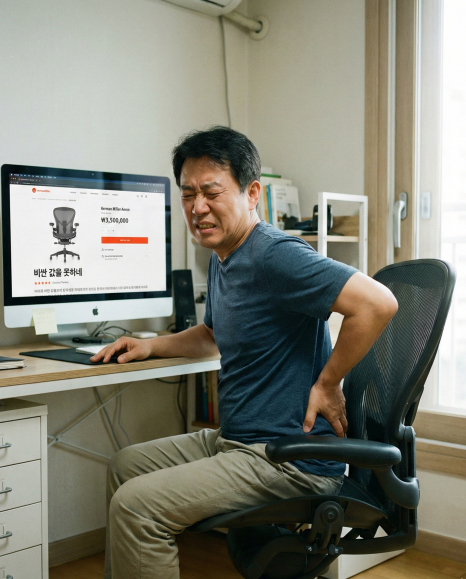
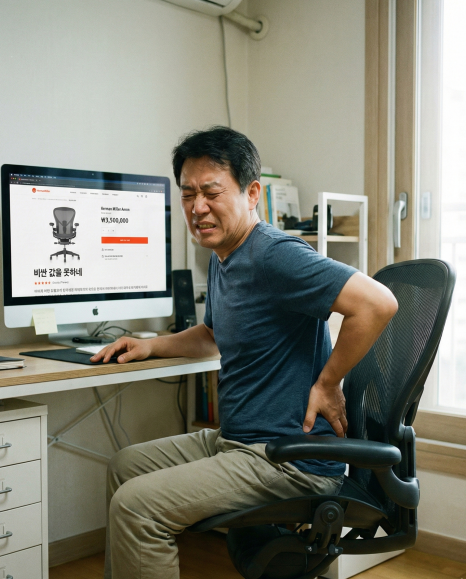
"I thought an expensive chair would automatically be comfortable."
This is one of the most common refrains heard at specialty chair showrooms. Stories abound of people who invested over $2,000 in a famous ergonomic chair, only to find themselves with back pain—and eventually listing it on secondhand marketplaces.
Is it a quality problem? Not at all. It's a fit problem.
Just as shoe sizes differ from person to person, working postures and focus patterns vary dramatically across professions. A developer who spends hours staring intently at code and a writer who gazes out the window waiting for inspiration cannot possibly need the same chair.
Today we'll explore how your profession and work habits determine which high-end chair becomes your true work partner—and why understanding this match is critical before you invest.
Developers: Battling Heat and Maintaining Deep Focus
Work Pattern Characteristics
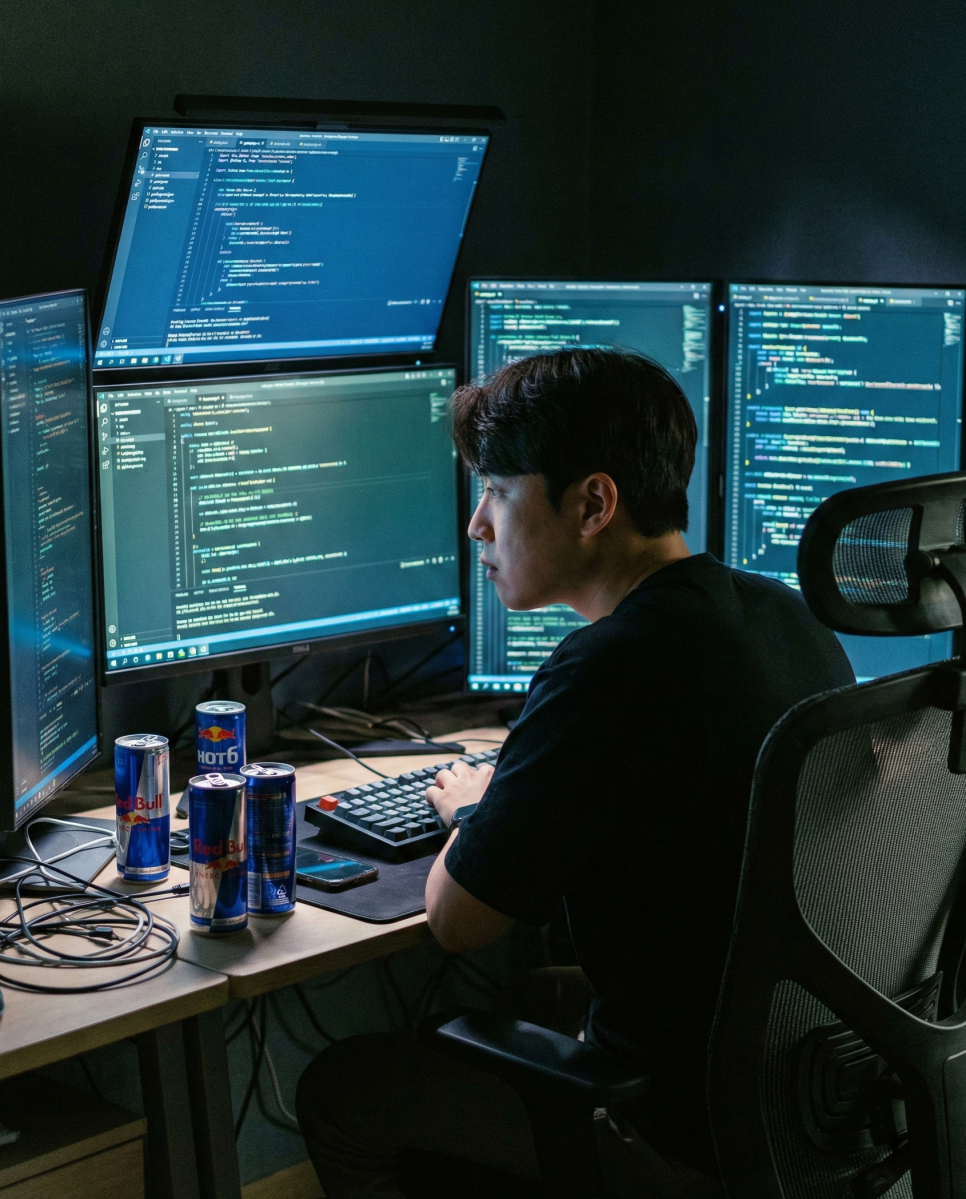
Developers typically experience:
Extended sitting sessions with minimal breaks
Heat generation from high-performance PC equipment
Forward-leaning posture during intense coding concentration
Limited postural variation during deep work
For developers, a chair isn't furniture—it's survival equipment. Two features are non-negotiable: breathability and forward tilt support.
Recommended Model A: Herman Miller Aeron
There's a reason the Herman Miller Aeron has been called "Silicon Valley's uniform." Its 8Z Pellicle mesh perfectly dissipates heat from your back and seat, even during marathon coding sessions.
But the Aeron's killer feature for developers is its forward tilt mechanism. When you lean in to scrutinize your monitor, the backrest tilts forward with you, maintaining lumbar support even in that aggressive, focused posture. No other chair handles forward-leaning work quite like the Aeron.
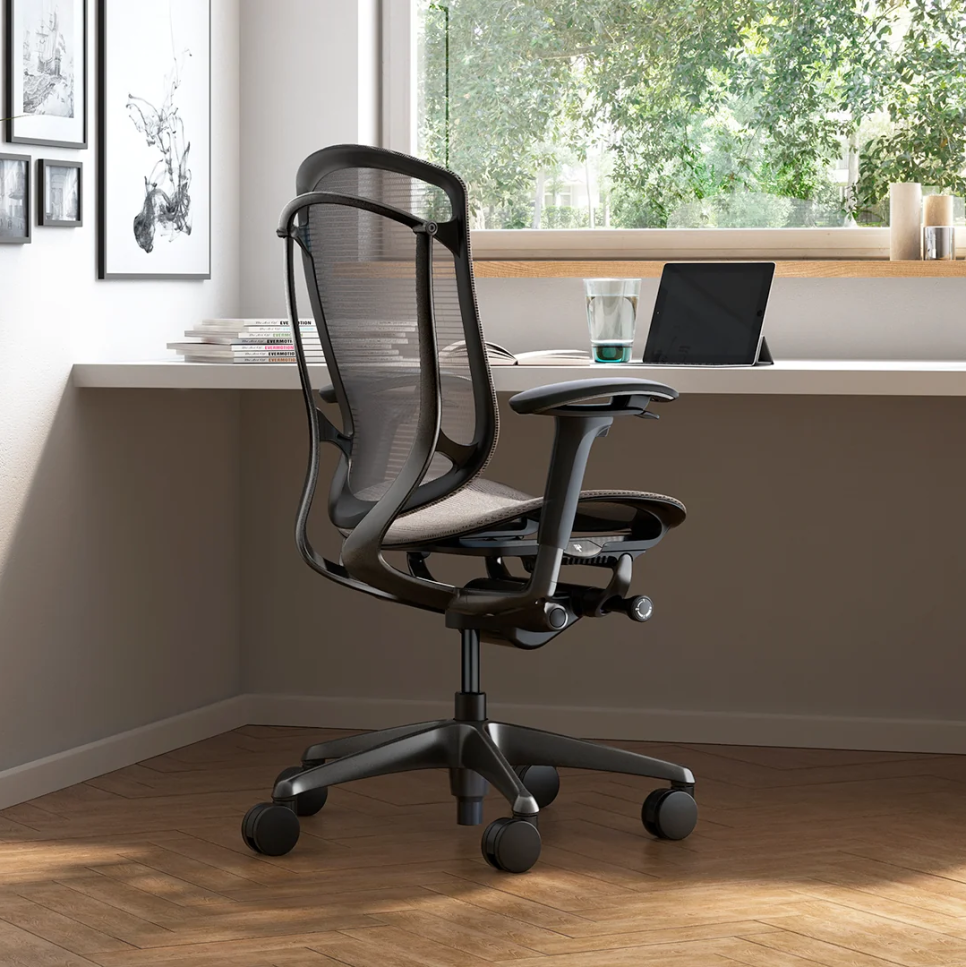
Recommended Model B: Okamura Contessa II
If you want something slightly softer than the Aeron's athletic feel, the Okamura Contessa II delivers. This Japanese premium chair wraps you in refined mesh that cradles your body while maintaining excellent breathability, reducing fatigue during long coding sessions.
Writers and Creatives: Freedom of Movement for Inspiration
Work Pattern Characteristics
Creative professionals often:
Adopt non-standard postures—crossing legs, leaning far back, staring at the ceiling
Shift positions frequently while thinking
Need freedom to move during ideation phases
Alternate between intense focus and contemplative rest
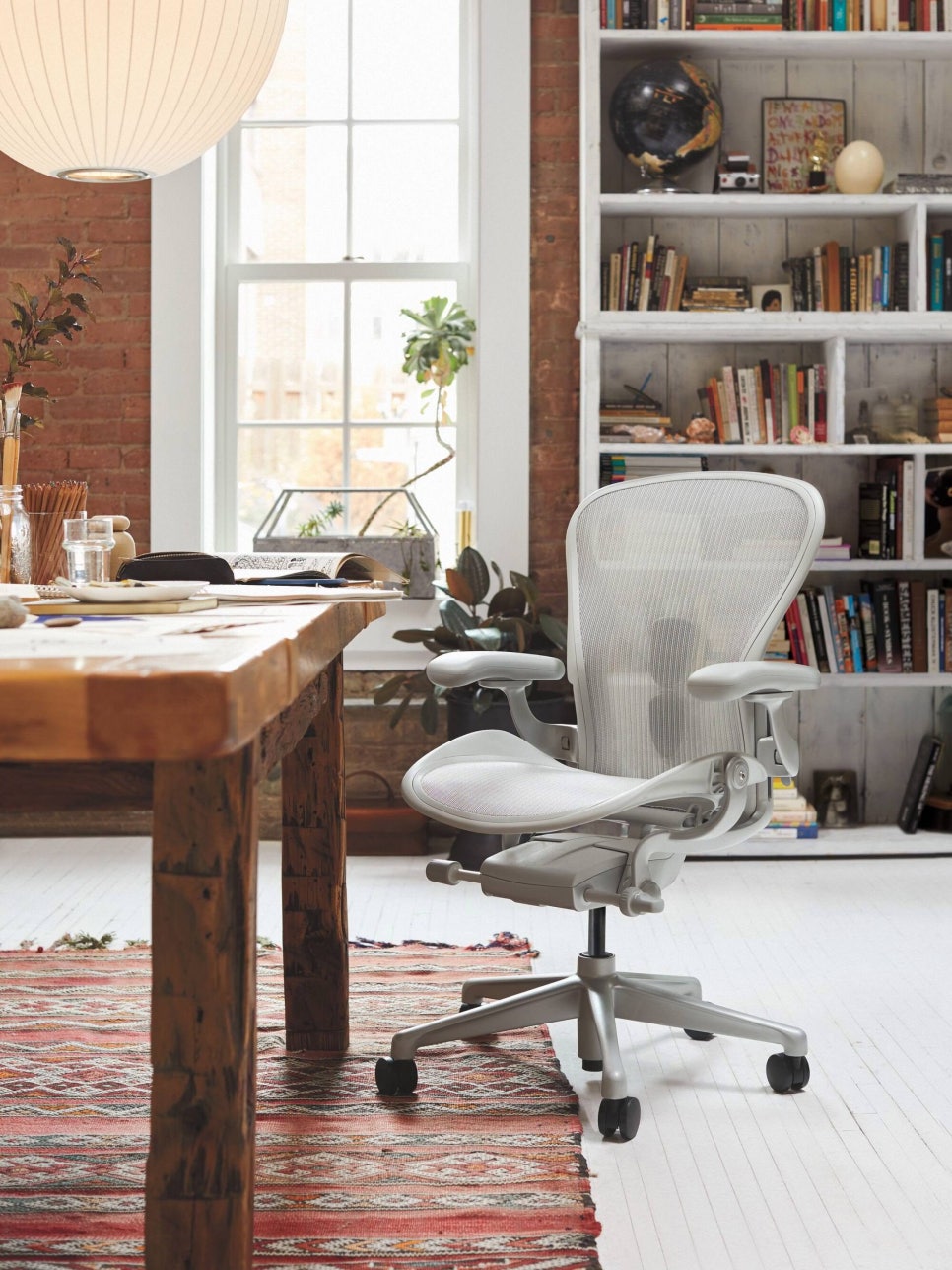
When you're stuck on an idea, a rigidly structured chair becomes a cage. Creative work demands flexibility—a chair that accommodates whatever position helps you think.
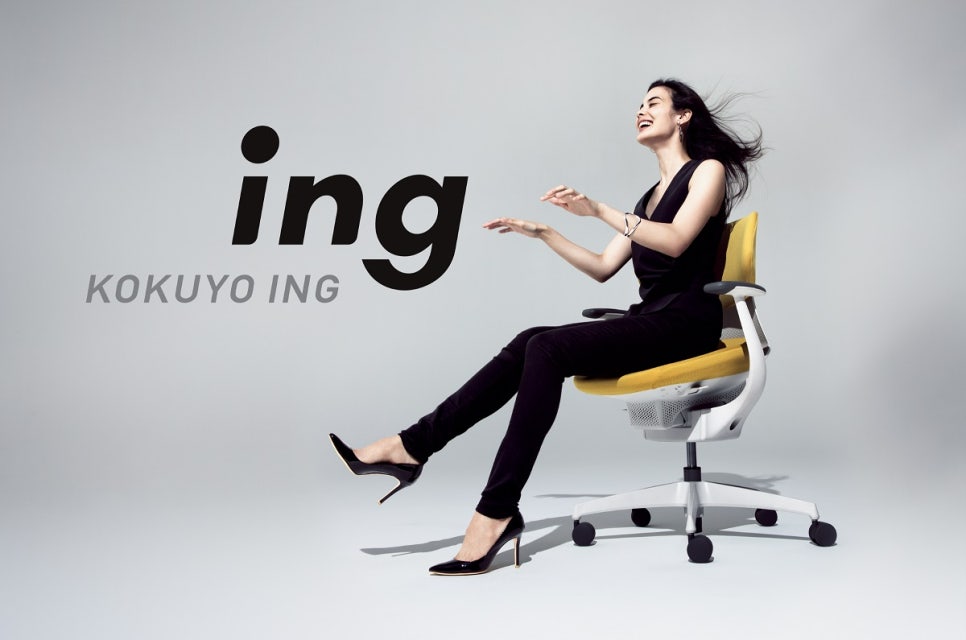
Recommended Model A: Kokuyo Ing
The Kokuyo Ing introduces a revolutionary concept: "walking while sitting." Its 360-degree gliding mechanism lets you rock, sway, and stretch while seated. When your brain feels stuck, the Ing's motion helps restart your mental flow—movement literally stimulates creativity.
Recommended Model B: Itoki ACT2
Nothing breaks concentration faster than a chair frame digging into your back when you shift position. The Itoki ACT2 features flexible side frames that adapt to your body whether you're sitting sideways, leaning back, or twisting around. The chair morphs to your curves rather than forcing you into a predetermined posture.
Traders and Financial Professionals: Speed and Wide-Field Vision
Work Pattern Characteristics
Trading professionals face unique demands:
Multi-monitor setups (three to six screens)
Rapid response to market conditions—every second counts
Fixed visual attention with frequent quick adjustments
High-stress periods requiring instant chair adjustments
Here's the surprise: though traders sit at desks, their needs resemble fighter pilots more than typical office workers. When you can't take your eyes off the market, fumbling under your seat for adjustment levers is unacceptable.
Recommended Model A: Okamura Contessa II
While excellent for developers, the Contessa II becomes a weapon for traders. Its Smart Operation system places all controls at your fingertips—literally. Buttons at the end of each armrest control recline and height adjustment instantly. Your eyes stay locked on the charts while your fingertips configure the chair. This is the Contessa advantage.
Recommended Model B: Itoki ACT2
The flexibility that helps writers also gives traders visual freedom. Wide or dual monitors require constant head and torso rotation. The ACT2's pivot structure supports lateral twisting without crushing your shoulders, dramatically reducing neck strain and shoulder tension during long trading sessions.
The Best Chair Is the One You Forget
The ultimate goal of a high-end ergonomic chair is to make you forget you're sitting. When you're fully immersed in your work, unconscious of the chair beneath you—that's when you know you've found the right match.

Quick Reference Guide
Profession | Core Needs | Best Picks |
|---|---|---|
Developer | Heat dissipation, forward-tilt support | Herman Miller Aeron, Okamura Contessa II |
Writer / Creative | Postural freedom, movement | Kokuyo Ing, Itoki ACT2 |
Trader / Financial Pro | Instant adjustment, multi-screen mobility | Okamura Contessa II, Itoki ACT2 |
Try Before You Buy
Don't purchase a multi-thousand-dollar chair based solely on internet reviews. You need to test it with your own body type, height, and—most importantly—your actual working posture.
If you have access to a specialty showroom carrying brands like Herman Miller, Okamura, Itoki, and Kokuyo, bring your laptop. Sit in your natural work position for at least 30 minutes in each chair you're considering.
The chair that will support your entire career deserves this investment of time. Your body—and your productivity—will thank you for years to come.
Furniblog may earn a commission from links in this post, at no extra cost to you. See our affiliate disclosure.