Why Your Expensive Office Chair Still Feels Uncomfortable: The Forgotten Art of Tension Adjustment
The one setting that separates comfort from chronic strain—and how to dial it in
By the Furniblog Editorial Team·July 8, 2026·5 min read
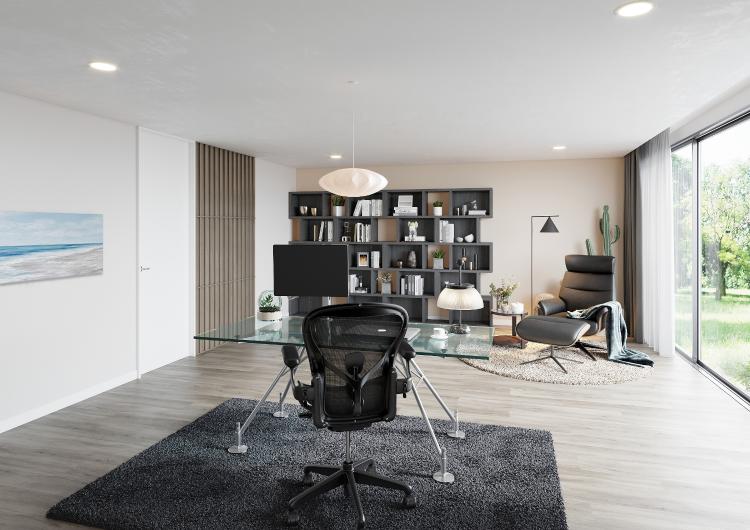
You've invested in a high-end ergonomic chair—maybe even one that costs several thousand dollars—but your neck still feels stiff and your lower back never quite relaxes. Sound familiar?
Most of us adjust seat height and backrest angle, then call it a day. But there's a critical setting hiding in plain sight, one that separates genuine all-day comfort from expensive disappointment: tilt tension.
This overlooked dial or lever controls how your chair responds to your body weight as you recline. Get it right, and your chair becomes an extension of your spine. Get it wrong, and you'll fight your seat all day long—often without realizing why you're so tired.
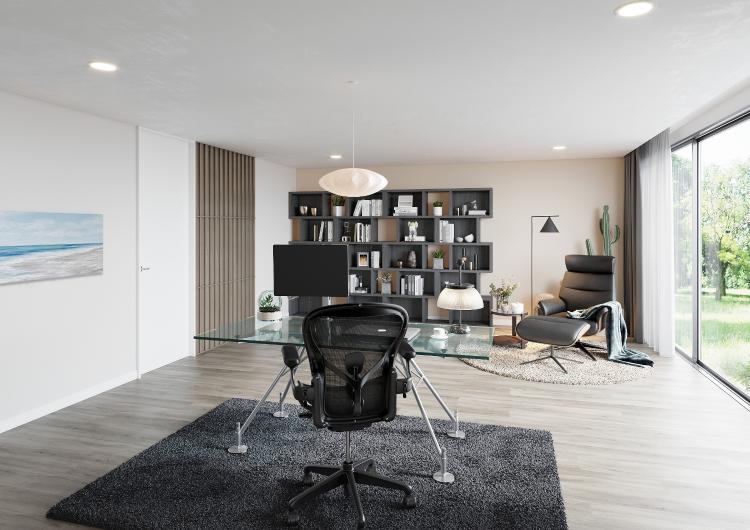
What Is Tilt Tension, and Why Does It Matter So Much?
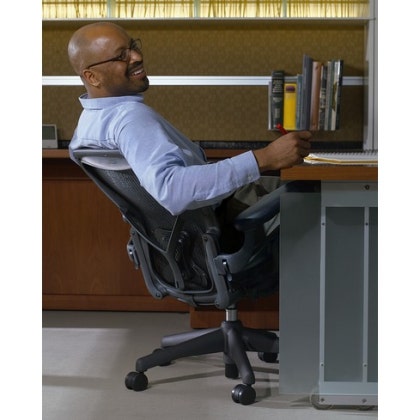
When you sit, you're never truly still. You stretch, lean forward during focused work, and recline during phone calls or moments of rest. Tilt tension determines how much resistance the chair offers when you push back—and how smoothly it supports you as you return upright.
This isn't a minor tweak. It's biomechanical engineering at work, and here's why it matters:
Minimizing Energy Expenditure
If tension is too high, you'll unconsciously engage your core and thighs to push the backrest into recline. That means muscle fatigue you don't notice until the end of the day.
If it's too low, the chair tips back too easily, triggering a fear response. Your neck and shoulder muscles tense to prevent the sensation of falling backward—a subtle but persistent source of strain.
Preserving Spinal Mobility
Properly calibrated tension allows micro-movements throughout your spine. When the backrest follows and supports your shifting posture, pressure on intervertebral discs gets distributed evenly instead of concentrating in one or two segments. Over hours and days, this makes the difference between feeling energized and feeling compressed.
How Tension Adjustment Fixes That Annoying Wobble
Many users lock the tilt mechanism to keep the backrest upright during focused work. But even in the locked position, the chair rocks slightly or creaks when you shift your weight. It feels like something's broken.
Usually, it's not. High-end chairs like the Herman Miller Aeron and others intentionally include a small amount of play in the mechanism to protect internal components and allow for natural body movement.
Here's the fix: even when the tilt lock is engaged, increase the tension to maximum. This compresses the internal spring more tightly, reducing the empty space inside the mechanism. The result? Significantly less front-to-back wobble and a much more stable, solid feel.
For tasks requiring an upright, locked posture—like detailed design work or video calls—pairing tilt lock with high tension delivers the rock-solid support you're looking for.
How Premium Brands Engineer Tension Control
Not all tension adjustments are created equal. The world's leading ergonomic chair makers have developed distinct approaches to this seemingly simple feature.
Herman Miller
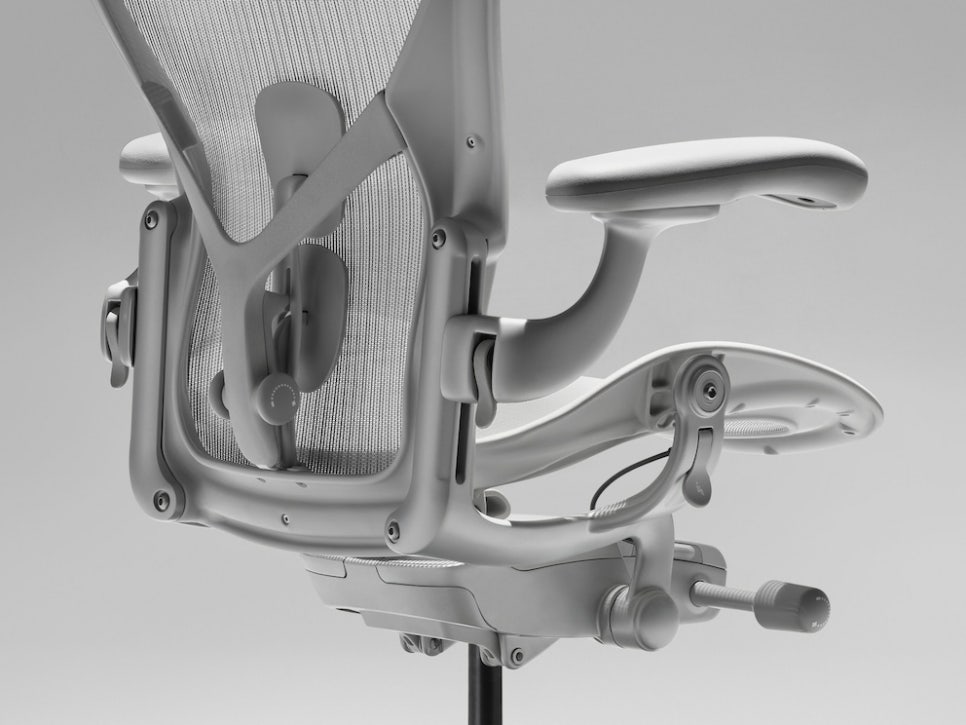
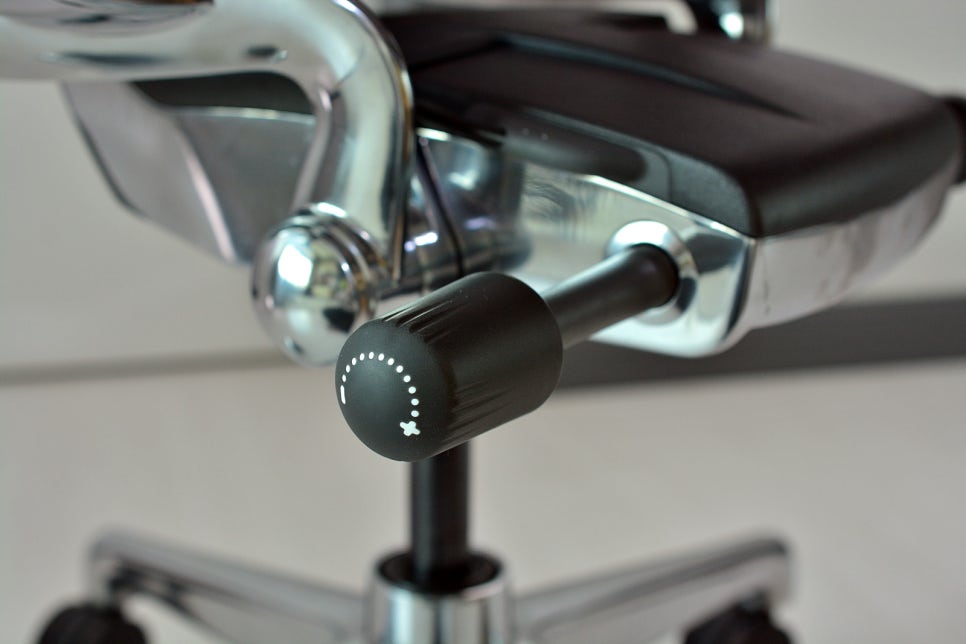
Models like the Aeron and Embody use a precision dial that requires many rotations to move from minimum to maximum resistance. This granular control lets you find the exact resistance value for your body weight—and makes the wobble-reduction technique described above highly effective.
Okamura
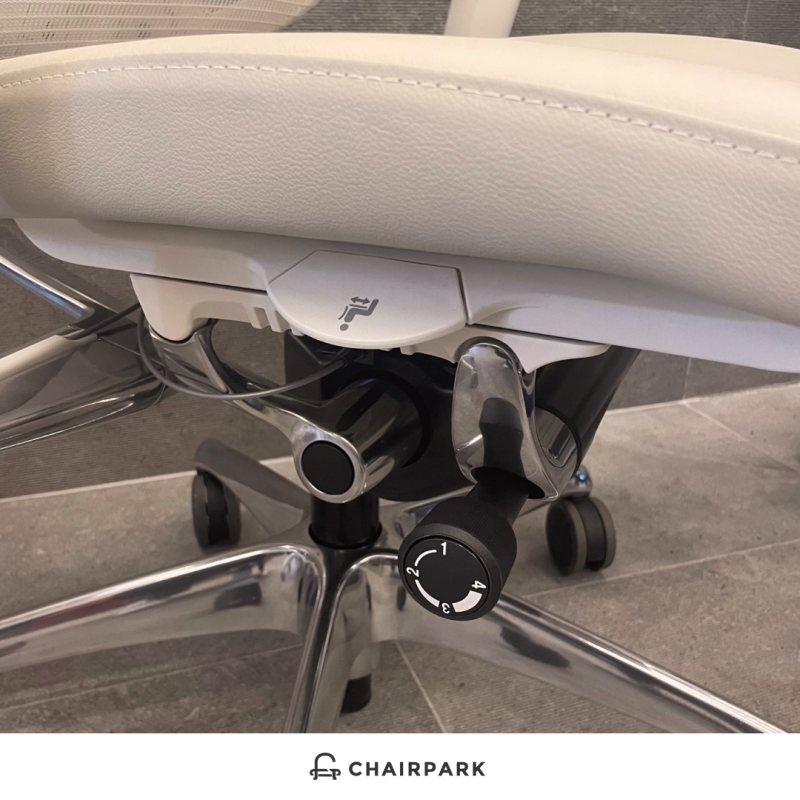
Chairs such as the Contessa II and Sylphy feature a quick-slide lever that offers four distinct tension stages. No fiddly dial—just intuitive, immediate adjustment. This design is ideal for users who switch between focus mode and relaxation mode multiple times a day.
The reason these chairs command premium prices isn't just materials or aesthetics. It's the sophisticated engineering required to counteract gravity across a wide range of user weights and postures.
Finding Your Personal "Goldilocks Zone"
Dialing in the right tension is as personal as choosing the right prescription glasses. Use this three-part test to find your ideal setting:
Test | How to Perform It | What to Look For |
|---|---|---|
Weightless Test | Unlock the tilt and lean back comfortably | Your feet stay on the floor, and you feel suspended—not falling or fighting |
Return Test | From a reclined position, sit up gently | The backrest follows and gently pushes you upright without abrupt resistance |
Movement Test | Shift naturally during work tasks | You move freely without conscious thought about the chair |
If you pass all three tests, you've found your setting. If not, adjust the tension incrementally and try again.
Make Tension Adjustment Part of Your Daily Routine
Your chair isn't a static sculpture—it's a dynamic tool that should adapt to you. The optimal tension can shift depending on your energy level, the clothes you're wearing, or even whether you've just had lunch.
Before starting work each day, take five seconds to check your tension setting. If you notice wobble or instability, tighten it. If you feel like you're wrestling the backrest, ease off a notch. Small, mindful tweaks compound into dramatically better comfort over weeks and months.

Common Tension-Related Issues and Fixes
Problem: Chair Tips Back Too Easily
Solution: Increase tension by turning the dial clockwise or moving the lever toward the "+" symbol. Test in small increments.
Problem: Can't Recline Without Straining
Solution: Decrease tension. You should be able to lean back with minimal effort, letting your body weight do the work.
Problem: Backrest Wobbles Even When Locked
Solution: Tighten tension to maximum while the lock is engaged. This compresses the mechanism and reduces play.
Problem: Chair Feels Different in the Afternoon
Solution: Natural. Your muscles fatigue as the day progresses. A slight reduction in tension later in the day can restore comfort.
Why This Matters More Than You Think
Tension adjustment is the difference between a chair that costs $1,500 and feels like it, versus one that costs $1,500 but performs like a $300 model. It's the hidden variable that separates users who rave about their Steelcase Gesture or Haworth Fern from those who return them, disappointed.
Ergonomics isn't about buying the right product. It's about configuring the right product to fit your body. And tension is the single most impactful adjustment you can make after seat height.

Final Thoughts: Small Adjustments, Big Differences
If your expensive ergonomic chair still leaves you achy and distracted, don't blame the chair—at least not yet. Spend a few minutes experimenting with tilt tension. Turn that dial, slide that lever, and pay attention to how your body responds throughout the day.
The moment you find the setting where your body weight is fully supported—where the chair disappears and you can focus entirely on your work—you'll understand why tension control is considered the pinnacle of seating engineering.
Your chair has been ready to deliver all along. It's just been waiting for you to speak its language.
Furniblog may earn a commission from links in this post, at no extra cost to you. See our affiliate disclosure.