Autonomous ErgoChair Pro
Nine adjustments, Italian tilt, and set-once ergonomics at half the price
Overview
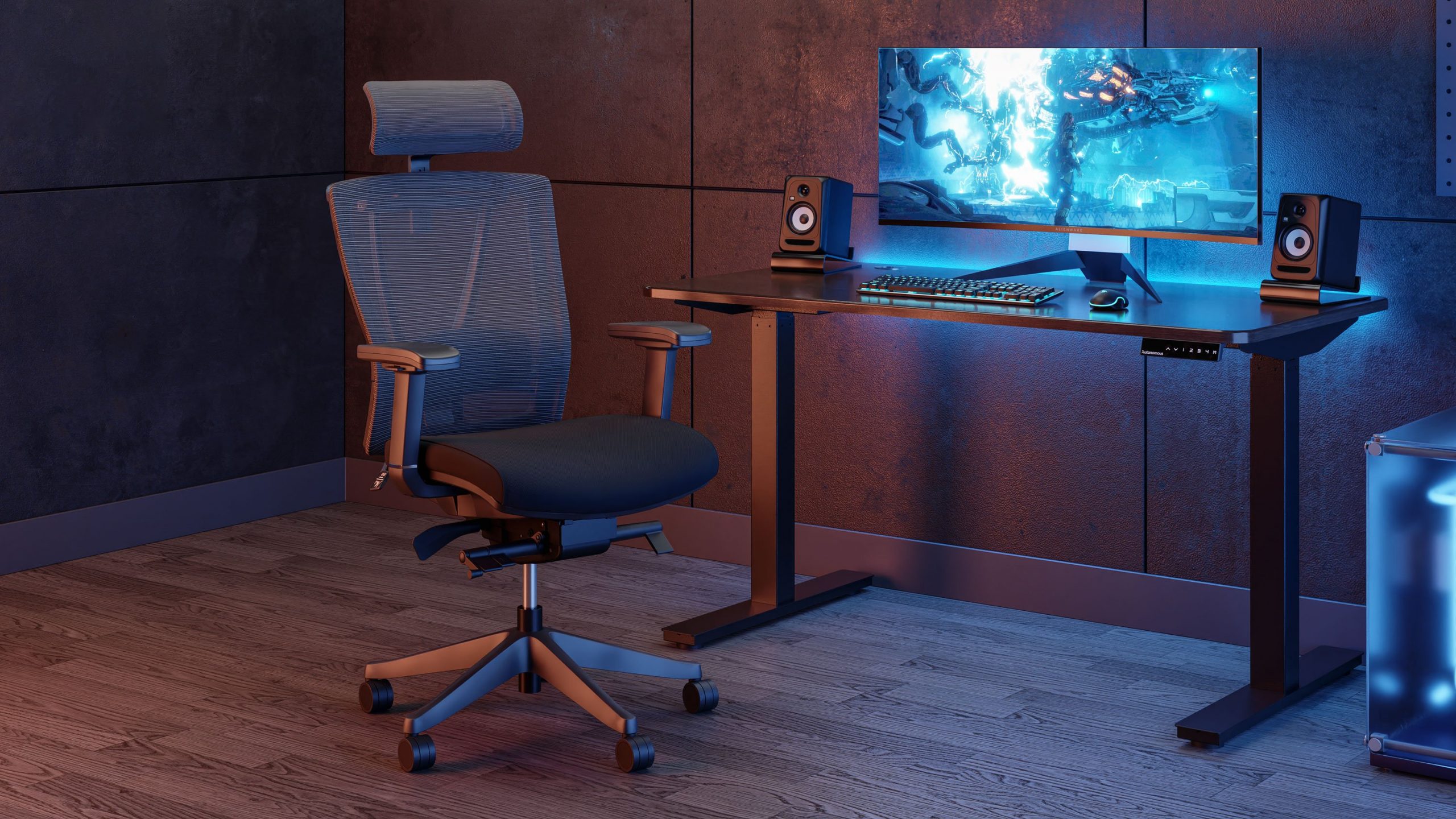
The Autonomous ErgoChair Pro is a mid-tier mesh task chair built around a nine-point adjustment philosophy and an Italian-made synchro-tilt mechanism. It offers breathable mesh, lumbar support, synchro-tilt, 9 adjustment points and 300 lbs capacity , positioning itself as a direct-to-consumer alternative to Herman Miller and Steelcase at roughly half the cost. The ErgoChair Pro features a plethora of adjustability, a high comfort level, and a great overall look , delivering a configurability-first design that trades premium upholstery for functional flexibility. Autonomous markets this chair as a set-once solution: configure the nine controls to your body, lock them in, and the chair effectively disappears beneath you.
At a glance
Brand | Autonomous |
|---|---|
Designer | In-house (Autonomous design team) |
Year introduced | 2016 (ErgoChair line); Pro iteration circa 2020 |
Materials | German-engineered mesh, dense plastic frame, Italian synchro-tilt mechanism |
Seat / back | Mesh seat & backrest (foam cushion seat option available) |
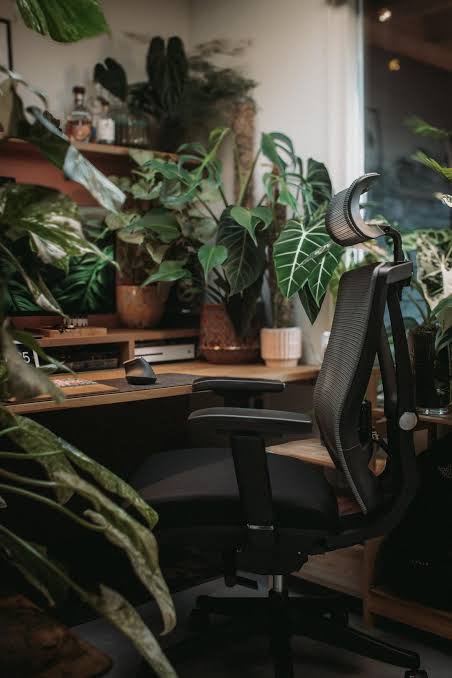
Key adjustments | 9 points: lumbar height, seat depth (19–21.5"), seat height, 3D armrests, tilt tension, recline angle (up to 26°), headrest height & angle |
Recline | Synchro-tilt, 5 lockable positions, up to 26° recline |
Weight capacity | 300 lbs |
Chair weight | 48.5 lbs |
Certifications | BIFMA |
Warranty | 2 years (current); varies by purchase date (2016–17: 5 years; 2018–20: 1 year) |
Price tier | Mid-range (typically $379–$549 MSRP depending on configuration and retailer) |
The brand & its philosophy
Autonomous began as a crowdfunding success story, earning more than $400,000 on IndieGoGo and Kickstarter for their SmartDesk in 2015 . The Silicon Valley–born company parlayed that momentum into a direct-to-consumer furniture line focused on standing desks, ergonomic chairs, and modular office solutions. The office furniture company developed the design after it had launched the SmartDesk Core, as it was unable to find a chair that it thought suited the desk , prompting the internal development of the ErgoChair line. The brand states, "We believe a chair should fit, then disappear" , a philosophy rooted in the idea that ergonomics should be invisible after initial setup.
Autonomous targets remote workers, startups, and cost-conscious professionals who want adjustability and certification without Herman Miller pricing. The brand sells primarily online, cutting distributor markups and passing savings to buyers—though that model also means no showroom try-before-you-buy.
The designer and the design story
The ErgoChair Pro is an in-house Autonomous design, not the work of a named external studio or marquee designer. The chair evolved from the original ErgoChair (2016) and the ErgoChair 2, iterating on user feedback and expanding adjustment options. This iteration of the chair follows that of its predecessor, the ErgoChair 2, in design and construction , refining the headrest mounting system and tilt controls while retaining the core mesh aesthetic and plastic frame architecture.
There is no design narrative centered on a single designer's vision or a collaboration with an ergonomics lab. Instead, the Pro represents a pragmatic, engineering-led evolution: more adjustments, smoother tilt, lighter weight, and iterative refinements drawn from online reviews and customer service data.
Design language & aesthetics
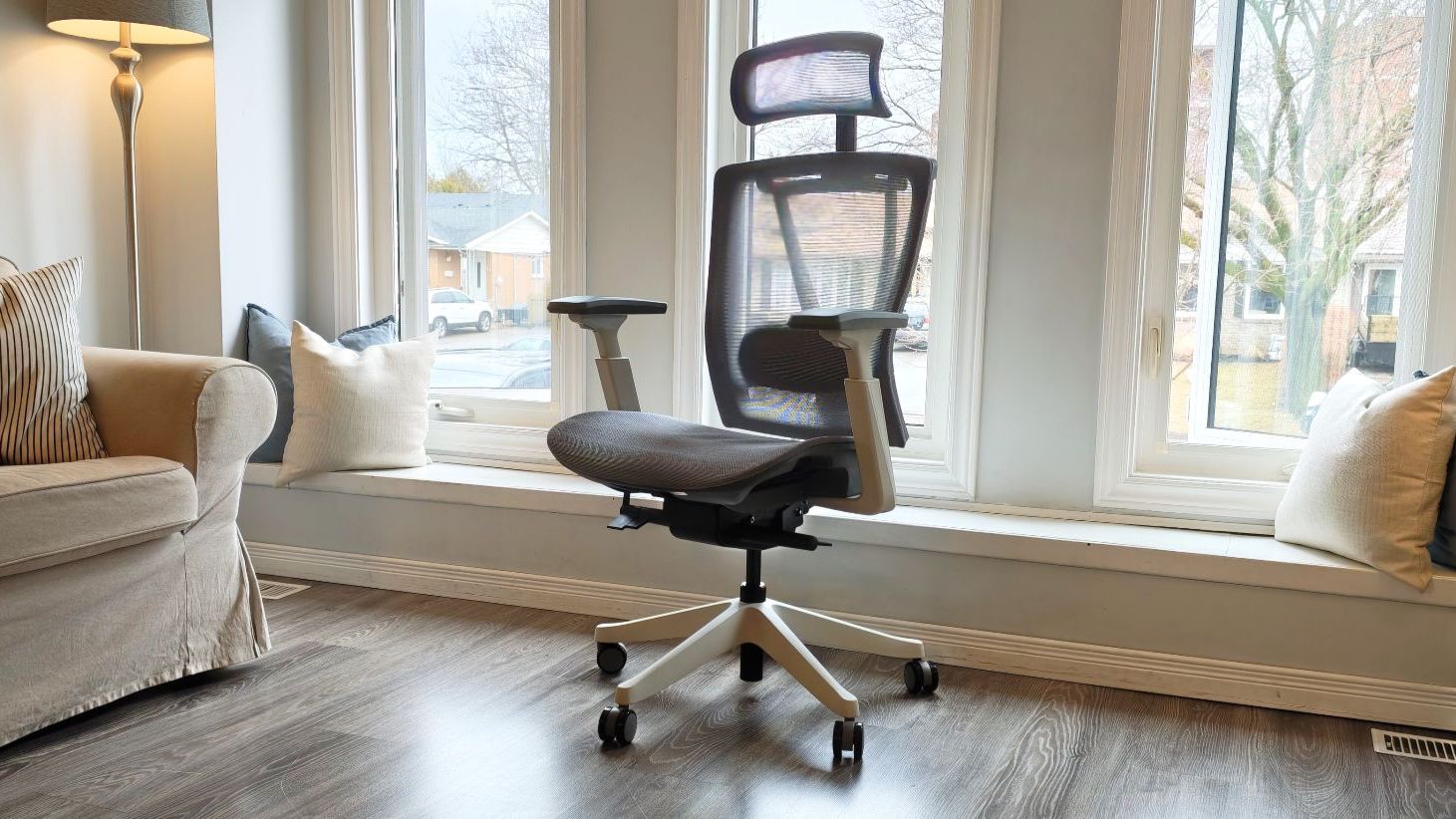
The design of the Autonomous ErgoChair Pro follows a fairly standard ergonomic chair design , eschewing the sculptural curves of an Embody or the industrial heft of a Leap for a clean, functional look. The chair frame is composed primarily of dense plastic, along with a German-engineered mesh material that wraps the back, seat and headrest , creating a lightweight visual profile. The ErgoChair Pro is currently available in 6 different colors , including All Black, Cool Gray, Evergreen, Red Apple, Baby Blue, and Black & White.
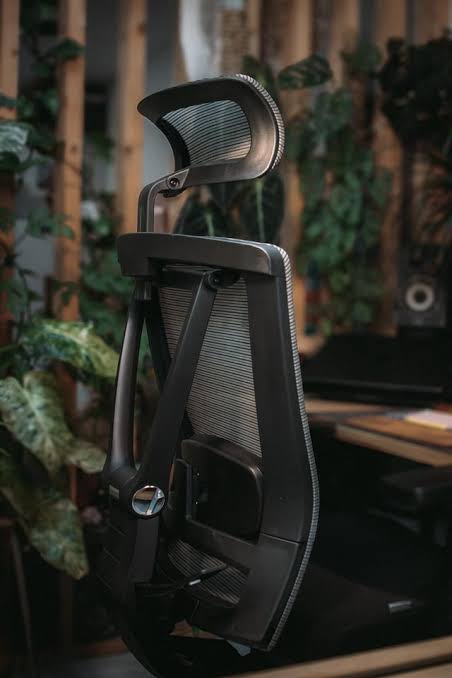
While not having the typical racing-inspired bucket seat appearance common with popular gaming chairs, the ErgoChair Pro sports a modern design with components that allow the seat back to recline exposed at the rear and the headrest standing almost on its own gives the chair a futuristic look . The exposed synchro-tilt mechanism, visible from behind, and the freestanding headrest post add a technical, almost modular aesthetic. It won't win design awards, but it reads as contemporary and purpose-built rather than generic office stock.
Ergonomics & how it supports the body
The ErgoChair Pro centers its ergonomic claim on spinal alignment, adjustable lumbar support, and synchro-tilt recline. Lumbar slides along the backrest to fit lower spine position , allowing users to dial in support height rather than settling for a fixed pad. The backrest reclines while the seat stays level, so legs hold position through the lean and knees keep typing angle , maintaining hip-knee geometry during recline—a key ergonomic feature often missing in budget chairs.
Sitting in this chair has helped alleviate back pain and even wrist pain from the wrong angles , according to one long-term reviewer. The mesh backrest provides passive lumbar contouring, while the adjustable lumbar cushion adds active support. The 3D armrests adjust in height, width, and depth, supporting neutral shoulder posture. However, the overall lack of padding potentially being a pain point for those who work and play all day at a desk , particularly for users accustomed to foam seats.
Key adjustments & mechanisms
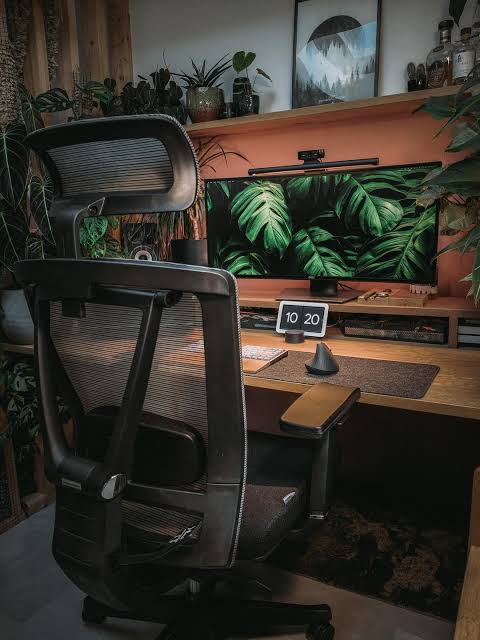
Adjustment points cover lumbar height, seat depth, armrest position, tilt tension, recline angle, headrest —nine degrees of freedom in total. Seat depth adjusts from 19 to 21.5 inches, accommodating varying thigh lengths. Seat height ranges from approximately 18.5 to 22 inches, suitable for users roughly 5'2" to 6'5". The headrest adjusts vertically and tilts up to 45 degrees, though the seat tilt, height and slide levers more difficult to access than those of the ErgoChair Core , a usability tradeoff noted in some reviews.
Italy mechanism chosen for the smoothness of its tilt curve under repeated cycles , and the chair offers five lockable recline positions across up to 26 degrees of recline. Tilt tension is adjustable via a dial under the seat. Each lock position holds through full body weight , providing confidence during recline. The synchro-tilt keeps the seat pan relatively level as the backrest angles backward, preserving knee and hip angles.
Materials & build quality
The chair frame is composed primarily of dense plastic, along with a German-engineered mesh material that wraps the back, seat and headrest . The mesh is woven for breathability and durability, though it lacks the nuanced zonal tensioning of Herman Miller's Pellicle or the elastomeric sophistication of premium competitors. The overall chair weight comes in at a mere 48.50 pounds (22.00 kg) , making it one of the lighter full-feature task chairs and easy to move between rooms or floors.
It glides quite nicely along both hard floors and carpets, with the double-walled wheels rolling effortlessly across multiple surfaces . The plastic components feel dense rather than brittle, though the majority of the ErgoChair Pro's exterior consists of a hard nylon plastic frame, and some users would have liked to see more metal . Each joint torque-tested before shipping , according to Autonomous, suggesting quality control at the assembly stage.
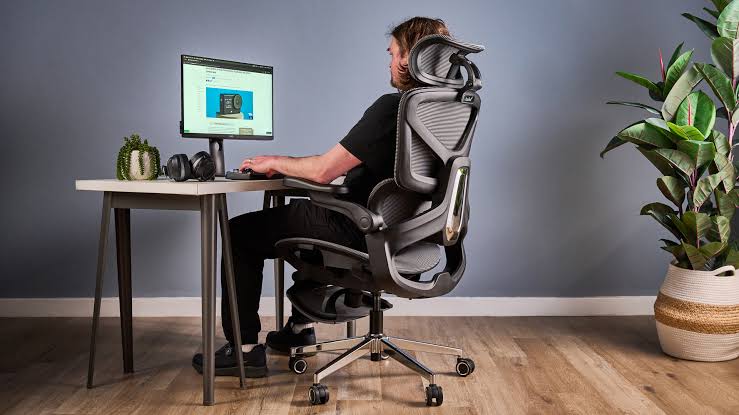
Sitting experience — what it actually feels like day to day
The ErgoChair Pro is an impressive chair with a plethora of adjustability, a high comfort level, and a great overall look . Initial setup requires time to dial in all nine adjustments, but once configured, the chair delivers consistent support through long sessions. Built for 12-hour sessions, the ErgoChair Pro is built to be configured once and held , and many users report forgetting the chair is there once adjustments are locked.
The mesh seat divides opinion. Some users appreciate the breathability and firm support, while others find it less forgiving than foam during marathon sitting. This same mesh makes the seat less than ideal for long periods of sitting, with the overall lack of padding potentially being a pain point , particularly in warm climates or for users who prefer plush seating. The backrest mesh is universally praised for airflow and coolness. Recline is smooth and confidence-inspiring, though the lever placement can be awkward to reach mid-task.
Who it's for (and who should skip it)
Best for:
Remote workers and home-office professionals seeking Herman Miller–level adjustability at half the price.
Users between 5'2" and 6'5" who value configurability and can invest 20 minutes in setup.
Hot sitters who overheat in foam or leather chairs and need maximum breathability.
Budget-conscious buyers willing to trade brand prestige and showroom access for BIFMA-certified performance.
Skip it if:
You prefer plush, cushioned seating—the mesh seat is firm and won't suit users accustomed to thick foam.
You need try-before-you-buy—Autonomous is online-only, with limited showroom presence.
You want a design statement piece—the Pro is functional, not iconic.
You're very petite or exceptionally tall—the adjustment range, while broad, may not accommodate the extremes.
Comparisons with key rivals
Chair | Price tier | Seat / back | Key adjustments | Standout strength |
|---|---|---|---|---|
Autonomous ErgoChair Pro | ~$379–549 | Mesh seat & back | 9 points: lumbar, seat depth, 3D arms, tilt, headrest | Most adjustments per dollar; lightweight; Italian tilt |
Herman Miller Aeron (remastered) | ~$1,400–1,800 | Pellicle mesh, zonal support | PostureFit SL, tilt limiter, adjustable arms | Iconic design; 12-year warranty; superior materials |
Steelcase Series 2 | ~$600–900 | Mesh or upholstered back, foam seat | LiveBack, 4D arms, weight-activated recline | Steelcase pedigree; more showroom access; quieter recline |
Branch Ergonomic Chair | ~$350–450 | Mesh back, foam seat | Lumbar support, adjustable arms, tilt tension | Direct competitor; simpler design; easier returns |
The ErgoChair Pro delivers more discrete adjustment points than the Branch or Series 2 at a comparable or lower price, but lacks the materials refinement and warranty confidence of an Aeron. It's the value-maximizer in the group, ideal for users who prioritize function over brand or build luxury.
Sizing, fit & configuration options
The ErgoChair Pro is a one-size-fits-most design. Triple seat adjustment with depth (19"–21.5"), tilt, and height controls accommodates different leg lengths and sitting preferences while promoting proper blood circulation . Seat height ranges from 18.5 to 22 inches (some variants list up to 21.5 or 22 depending on configuration), suitable for users approximately 5'2" to 6'5". The 300-lb weight capacity is generous for a mid-tier chair.
Configuration options include seat type (mesh or high-density foam cushion) and color (six options as of 2026). The mesh seat is the signature configuration, emphasizing breathability; the foam seat trades airflow for cushion and is better suited to users who find mesh too firm. Headrest and lumbar support are standard across all variants. No plus-size or petite-specific models exist, though the broad adjustment range covers most users.
Sustainability & certifications
The chair is BIFMA certified, providing safety and durability while ensuring the furniture's longevity . BIFMA (Business and Institutional Furniture Manufacturer's Association) certification tests structural integrity, stability, durability, and performance under simulated use, offering third-party validation of the chair's build quality. No GREENGUARD or Cradle to Cradle certifications are documented, and Autonomous does not prominently market sustainability metrics such as recycled content percentages or carbon offset programs.
Constructed for durability, this chair can support up to 300 lbs, ensuring long-lasting performance , and the company describes materials as "environmentally-friendly" in marketing copy, though specifics on recycled content or end-of-life take-back are not detailed. The mesh and plastic construction theoretically allows for material separation at disposal, but no formal recycling program is advertised.
Maintenance, durability & warranty
The mesh upholstery requires minimal maintenance—occasional vacuuming or spot-cleaning with a damp cloth suffices. The plastic frame resists stains and scratches better than upholstered alternatives. Casters are replaceable, and Autonomous sells replacement parts through its customer service portal. The Italian synchro-tilt mechanism is rated for longevity, though no cycle count is published.
ErgoChair Pro purchased from Jan 2016 to Dec 2017: 5-year warranty; ErgoChair Pro purchased from Jan 2018 to Jan 2020: 1-year warranty , and current models carry a 2-year warranty . The product warranty is valid for the original purchaser of the product only and is non-transferable . Autonomous typically ships replacement parts rather than full units for warranty claims, a common practice among DTC furniture brands. The warranty covers manufacturer defects but excludes wear-and-tear or misuse.
Pricing, value & where it sits in the market
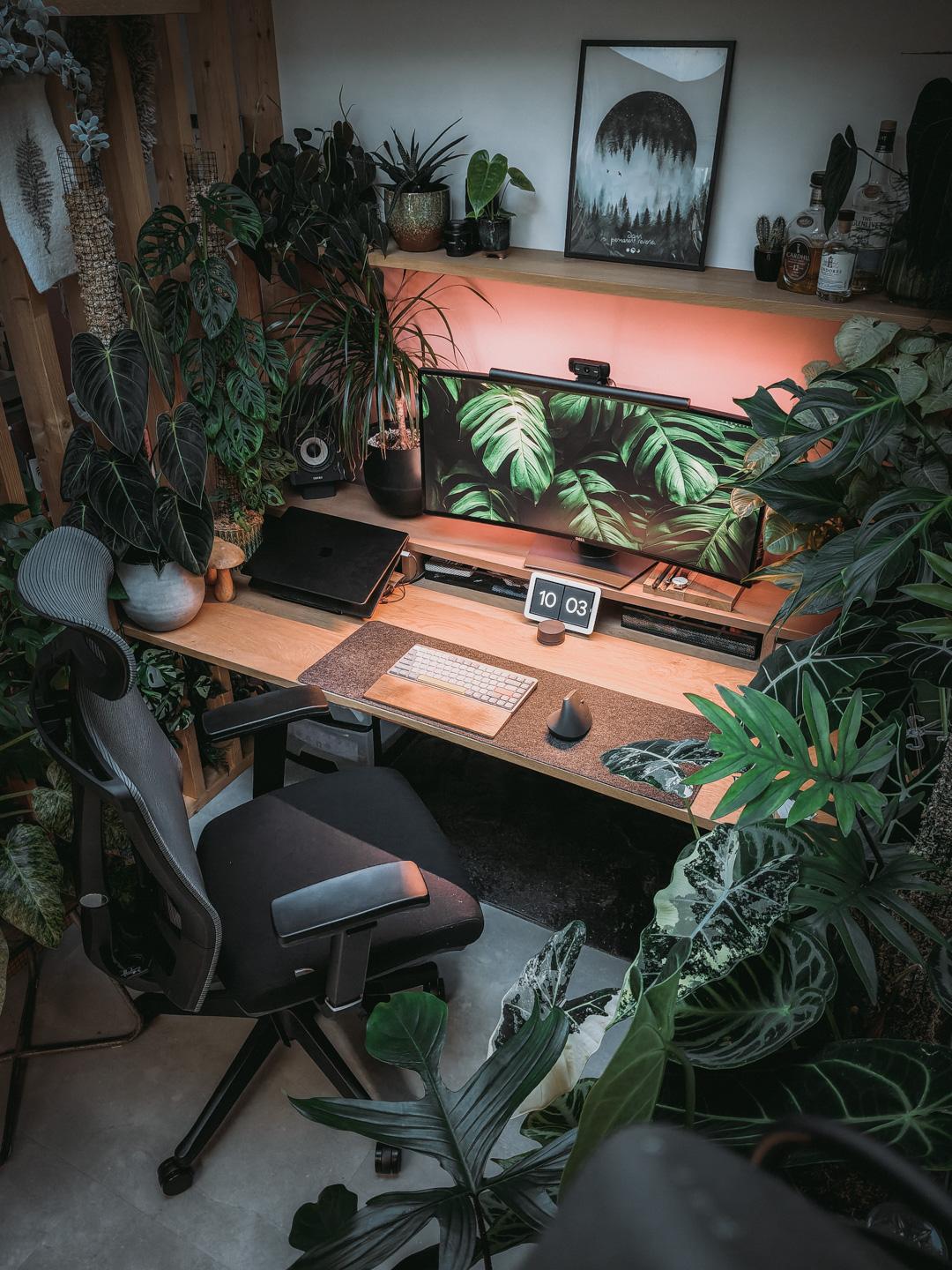
The ErgoChair Pro typically retails between $379 and $549, depending on configuration (mesh vs. foam seat), color, and retailer promotions. Priced at $449.99, the Autonomous ErgoChair Pro provides solid back and lumbar support and a breathable mesh backing in most reviews. Best Buy listings show comparable value references around $499–$549 MSRP, with periodic discounts bringing street price closer to $379–$449.
At this price, the ErgoChair Pro competes directly with Branch, HON Ignition 2.0, and entry Steelcase models, but undercuts Herman Miller Aeron (remastered) by $900+ and Steelcase Leap V2 by $600+. There are cheaper chairs, and there are better chairs at double the price; however, this chair is fantastic for the money and even the rough price range . The value proposition is clear: maximum adjustments per dollar, BIFMA certification, and Italian tilt at mid-tier pricing, with the trade-off being plastic-heavy construction, a short warranty, and no showroom presence.
Verdict — the bottom line
The Autonomous ErgoChair Pro is a configurability-first ergonomic chair that delivers Herman Miller–style adjustments at a fraction of the cost. Its nine-point adjustment suite, Italian synchro-tilt mechanism, and BIFMA certification make it one of the most feature-dense chairs under $500, and the lightweight, breathable mesh construction suits hot sitters and frequent movers. Setup requires patience, but once dialed in, the chair largely disappears, fulfilling Autonomous's set-once philosophy.
The compromises are real: a plastic-heavy frame, a two-year warranty (down from five in earlier years), firm mesh seating that won't suit cushion-lovers, and online-only buying that eliminates try-before-you-buy. For remote workers, startups, and cost-conscious professionals who prioritize function over prestige and can live without showroom validation, the ErgoChair Pro is an excellent value. For those who want plush comfort, iconic design, or a 12-year warranty, look elsewhere—but for sheer adjustability per dollar, this chair punches well above its weight.
Sources & references
Interested in the Autonomous ErgoChair Pro?
Check the price on Amazon