Herman Miller Aeron Chair Review
The mesh-backed icon that revolutionised ergonomic seating in 1994
Overview
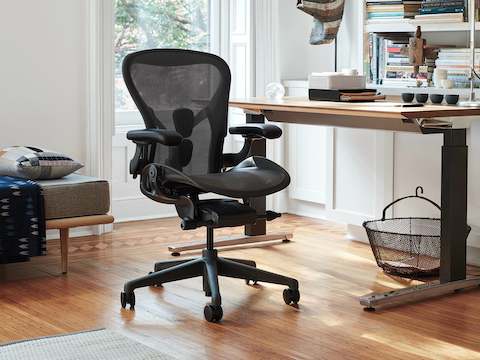
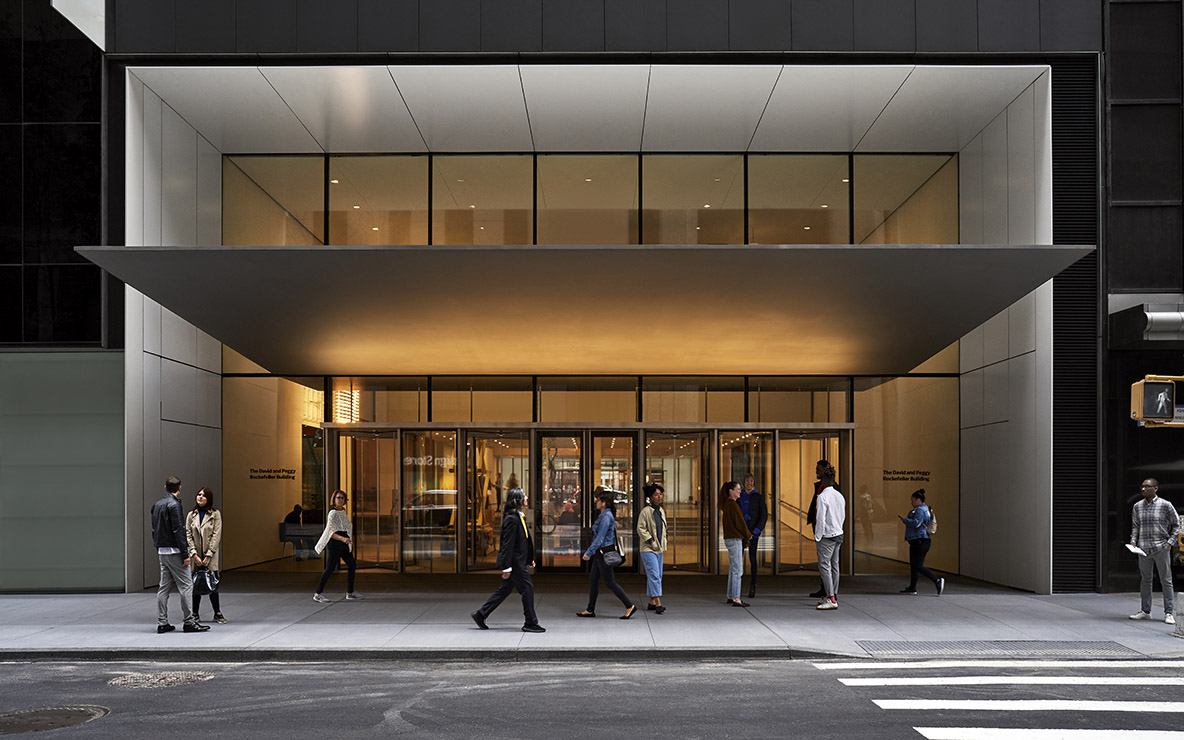
The Aeron chair was introduced in 1994, designed by Don Chadwick and Bill Stumpf for Herman Miller, and departed from traditional office chairs by eschewing upholstery in favor of fabric mesh. It received numerous accolades for its industrial design and is featured in the Museum of Modern Art's permanent collection. Three decades later, the Aeron remains one of the most recognisable and best-selling ergonomic office chairs ever made, with a remastered edition launched in 2016 that refined its mechanisms, materials, and back support while preserving the original design language.
It has been cited as the best-selling individual office chair in the United States with over 8 million sold. The chair's radical mesh construction, structured PostureFit lumbar system, and engineering-first aesthetic made it both a dot-com status symbol and a serious workplace tool—polarising in its firm support, but unmatched in breathability and long-term durability.
At a glance
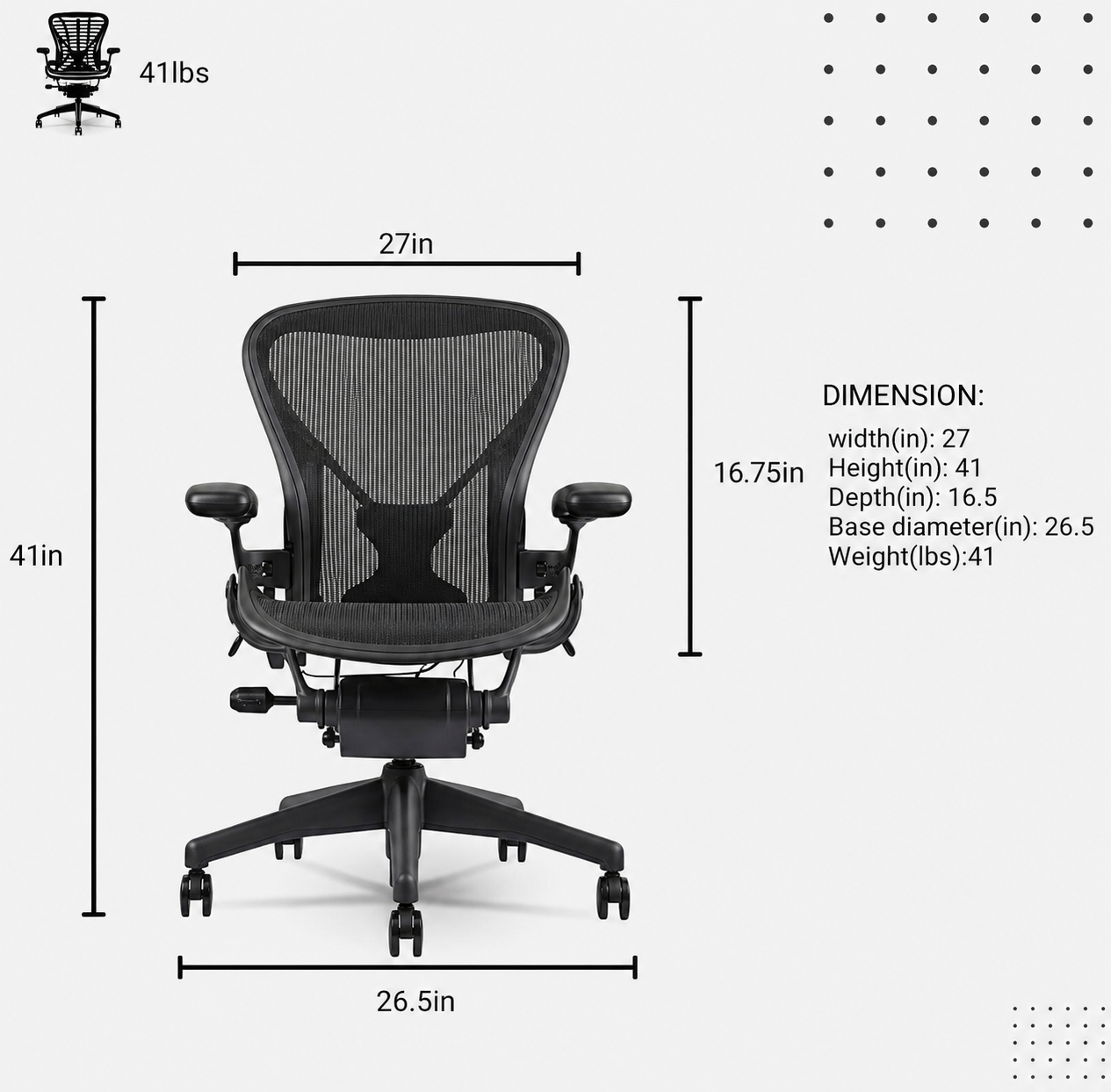
Brand | Herman Miller |
|---|---|
Designers | Don Chadwick & Bill Stumpf |
Year introduced | 1994 (Remastered 2016) |
Price tier | Premium ($1,520–$1,850 USD new, 2026) |
Seat & back material | 8Z Pellicle elastomeric suspension (mesh) |
Key adjustments | Height, tilt tension, tilt limiter, seat angle, PostureFit SL lumbar, 4D arms (fully loaded model) |
Sizes | A (4'10"–5'4", up to 300 lbs), B (5'2"–6', up to 350 lbs), C (5'10"–6'6", up to 400 lbs) |
Warranty | 12 years, all parts and labour, 24/7 use |
Certifications | BIFMA Level 3, Indoor Advantage Gold, GREENGUARD |
Country of manufacture | USA (Michigan) |
The brand & its philosophy
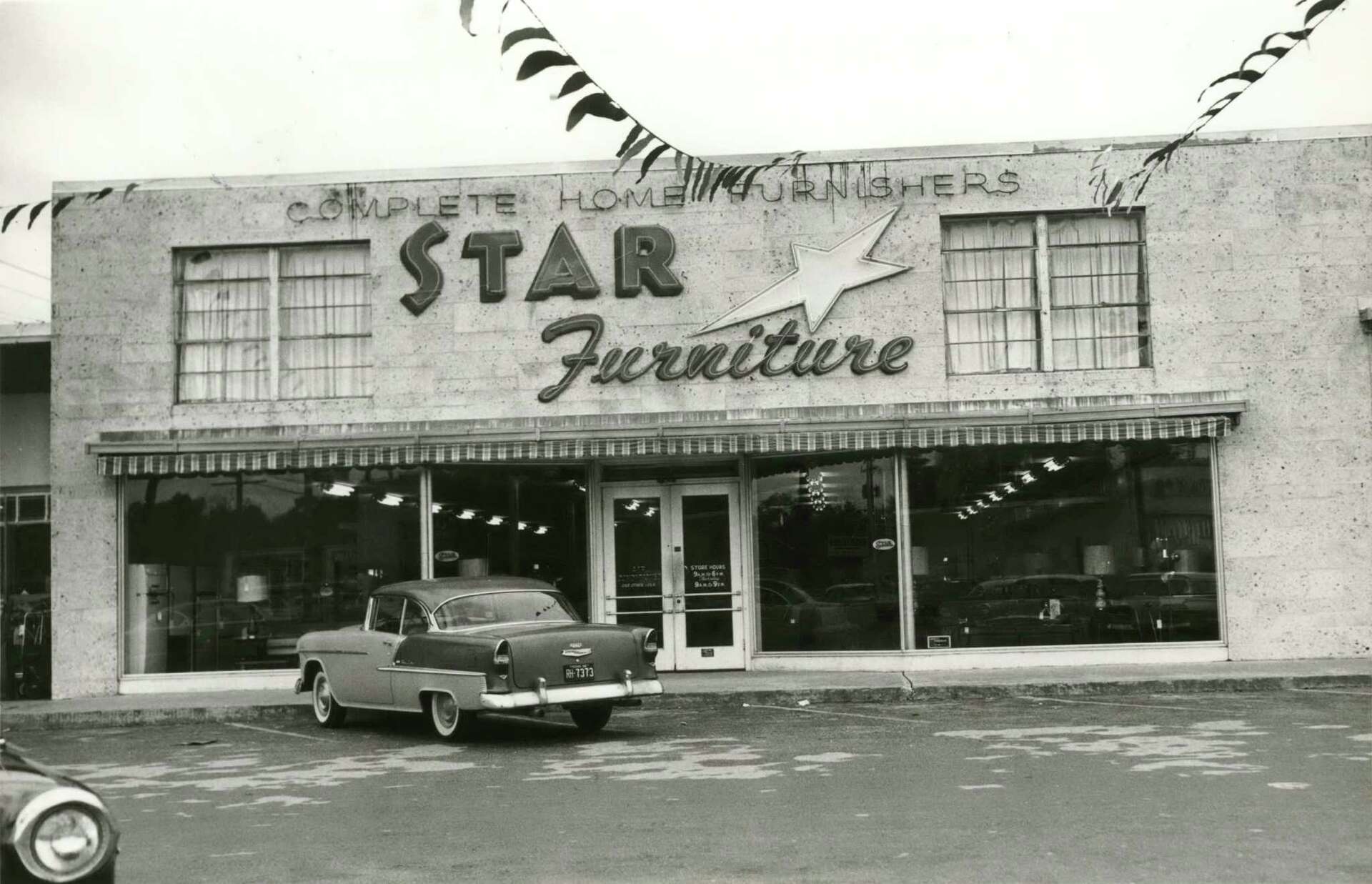
Herman Miller was founded in 1905 as Star Furniture Company and became known as the Herman Miller Furniture Company in 1920 when company president D.J. De Pree convinced his father-in-law, Herman Miller, to purchase the majority of shares. Ranked since 1986 among the top 20 in Fortune magazine's annual list of the 500 most admired companies, Herman Miller is esteemed as an innovator in furniture design, as well as for its unique commitment to employee relations and the environment.
The company's design philosophy emerged in the 1930s through partnerships with modernist designers like Gilbert Rohde, George Nelson, and Charles and Ray Eames. Herman Miller pioneered ergonomic office seating and open-plan systems furniture, establishing a reputation for human-centred design grounded in extensive biomechanical research. Herman Miller's product catalogs articulated the company's philosophy and principles about business and design.
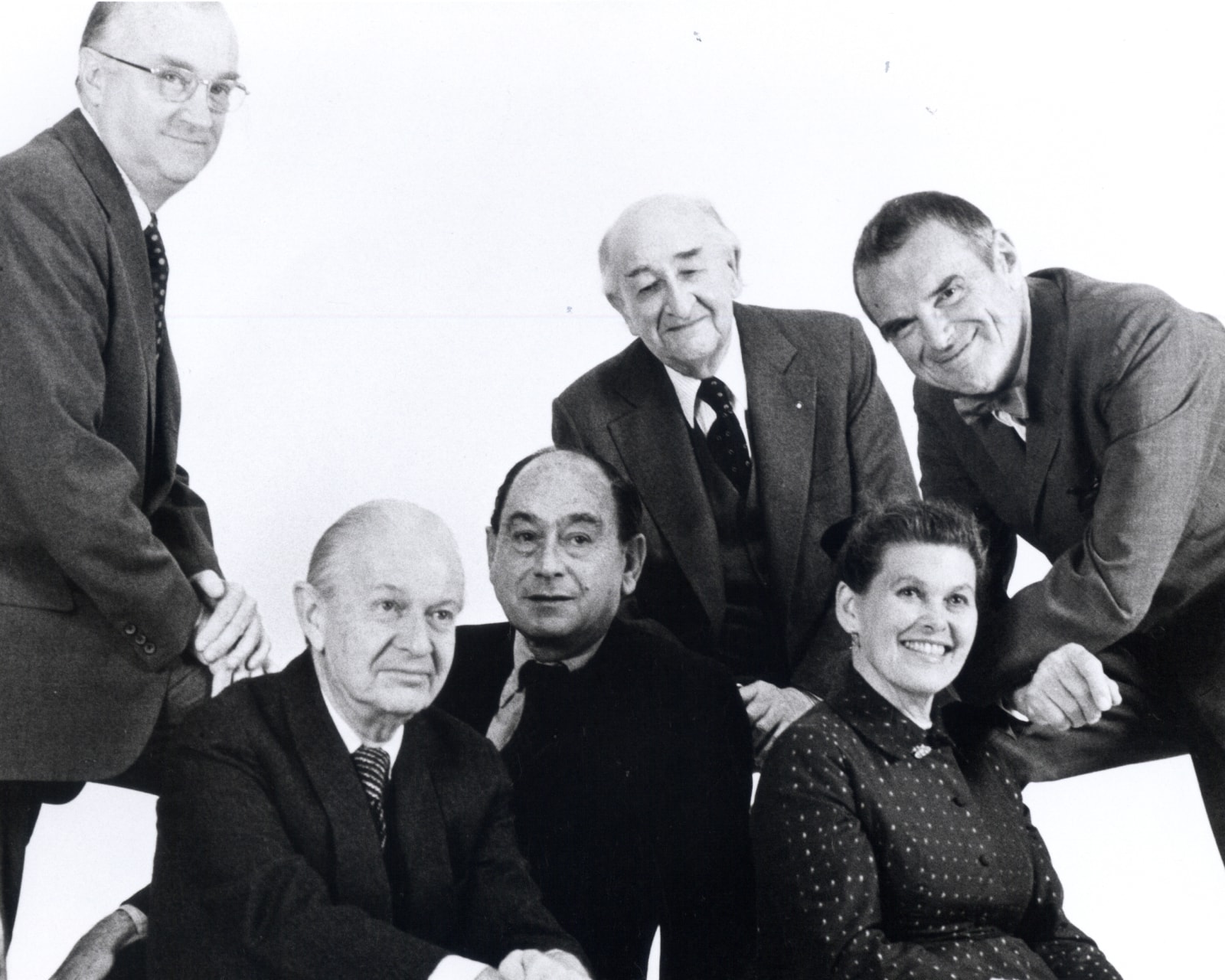
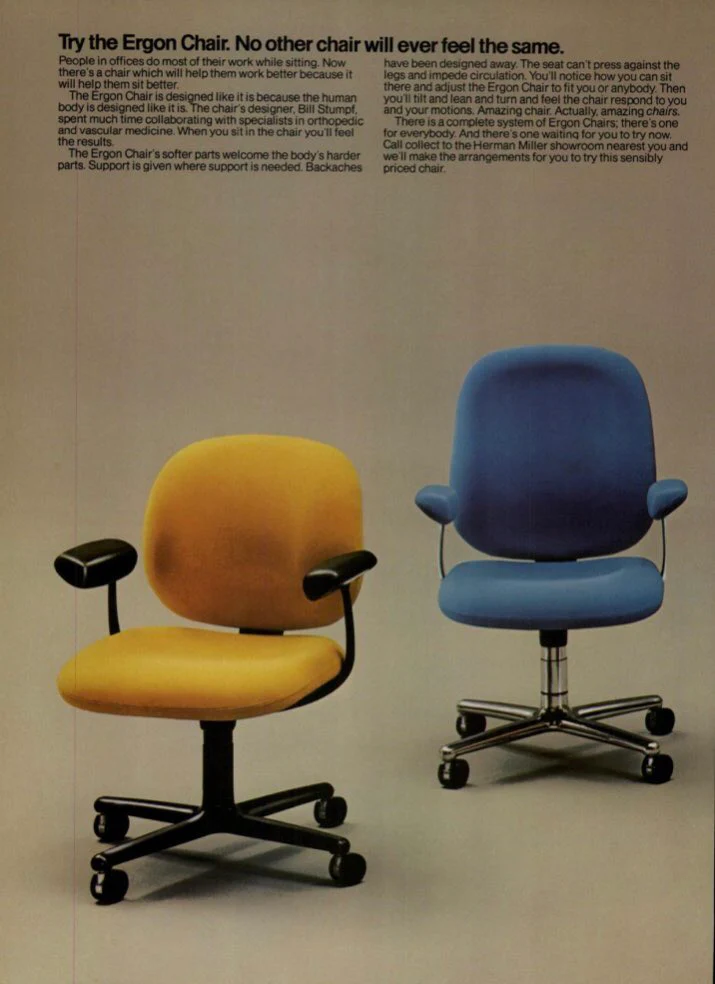
Herman Miller pioneered open office concepts, introduced the first ergonomic chair (Ergon), manufactures mostly in Michigan, employs a unique employee ownership structure, and collaborates with legendary designers. The brand's commitment to sustainability and design longevity—products built to last decades rather than seasons—remains central to its identity today.
The designer and the design story
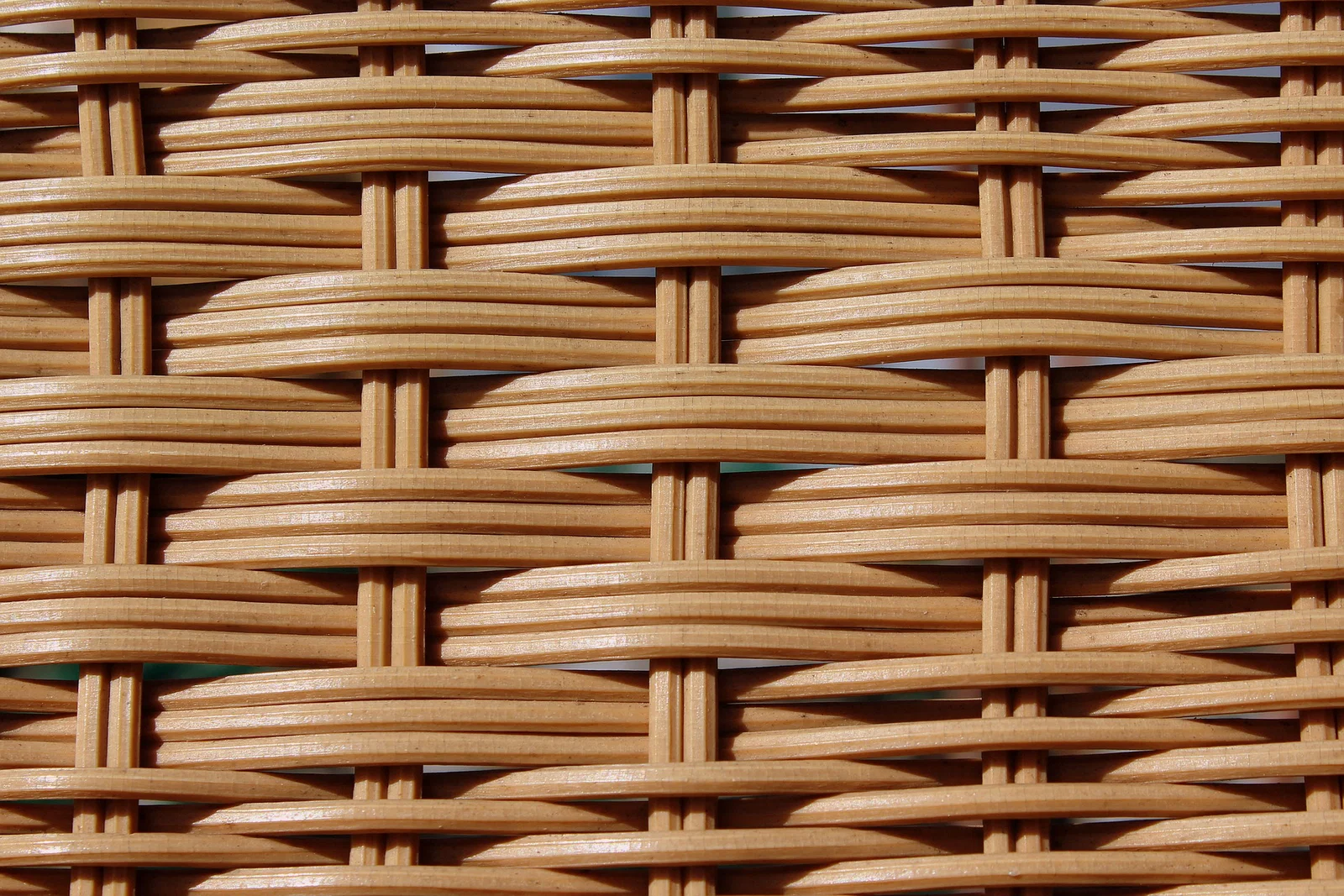
Designers Don Chadwick and Bill Stumpf explored new materials that could replicate the cooling effect of historic wicker furniture and studied human sitting habits to create Herman Miller's groundbreaking Aeron task chair. After establishing his own firm in 1972, Stumpf created the Ergon chair, the first ergonomic work chair; later, in collaboration with Don Chadwick, he produced the groundbreaking Equa and iconic Aeron chairs.
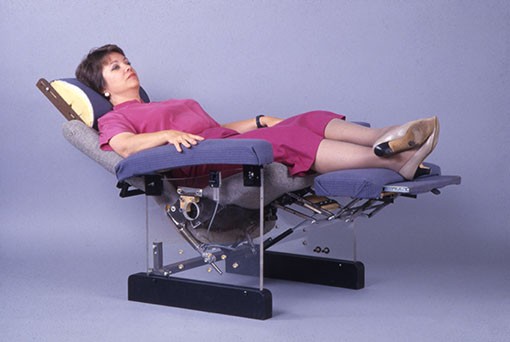
In the 1980s, Herman Miller furniture company designers Bill Stumpf and Don Chadwick created an easy chair for the elderly—called the Sarah Chair—but it was never commercially manufactured; Stumpf and Chadwick recognised that the modern workplace could benefit from the solutions they developed for the Sarah Chair, and used the lessons learned—and three more years of research—to create the Aeron. The Sarah Chair's elastic suspension material and focus on prolonged seated comfort became the foundation for the Aeron's radical mesh design.
In a 1994 interview, co-designer Bill Stumpf shared his thoughts: "A chair is our third life after sleeping and standing… As an object, it's alive and intimate, not static." The major departure from 99 percent of office chairs was in developing from scratch a suspension material that conformed to the body's movement, had resiliency and elasticity, and allowed different sizes of people to sit on the chair and still be comfortable; on top of that, they figured it's better to have a chair come in sizes.
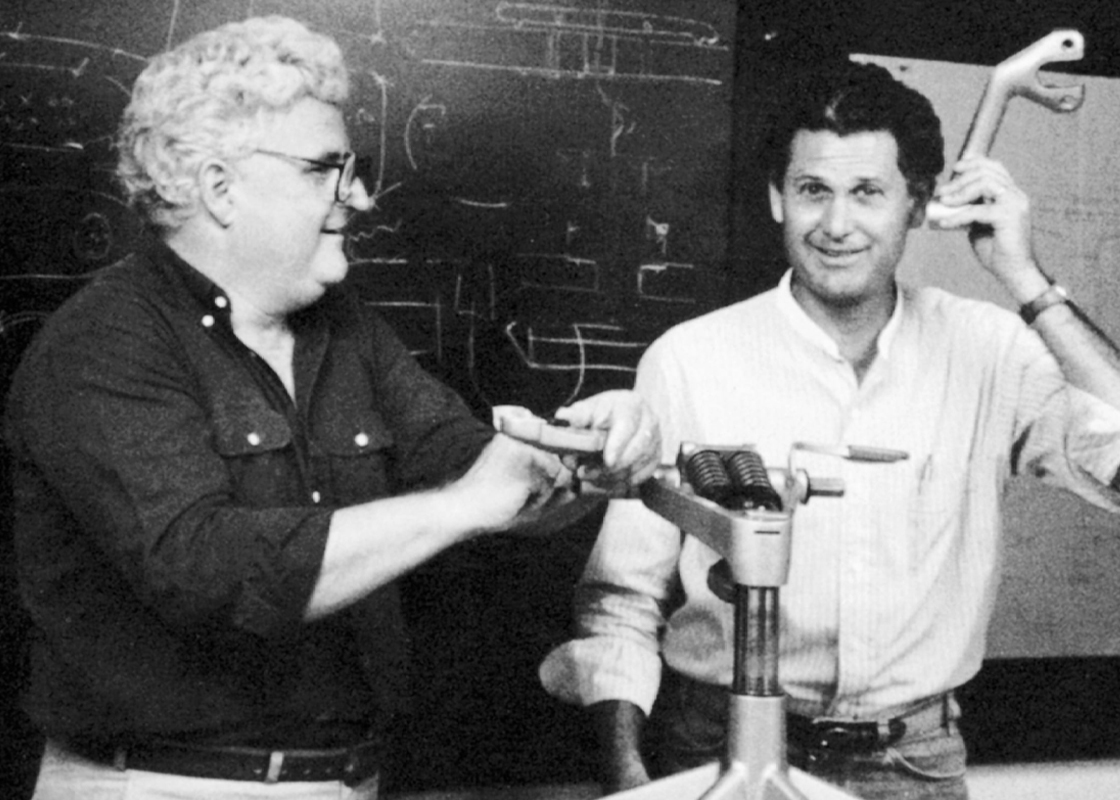
Extensive research and prototyping led to the distinctive Aeron finally introduced in 1994. The Aeron chair was introduced in October 1994 and priced at $1,000. Its launch coincided with the early stages of the "dot-com boom," and at a cost of more than $1,000 at the time, it quickly became a status symbol in Silicon Valley—spotted constantly in magazines, and in cameos on TV and film.
Design language & aesthetics
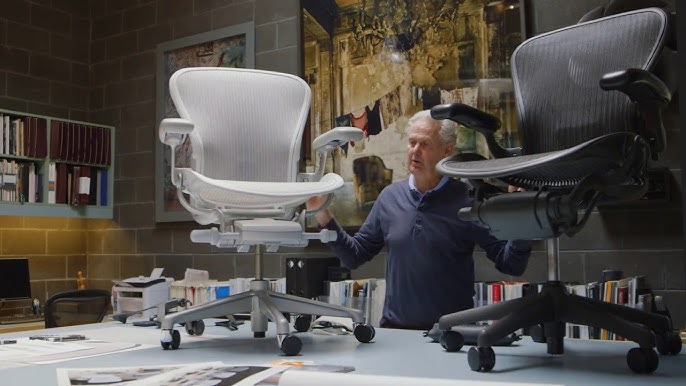
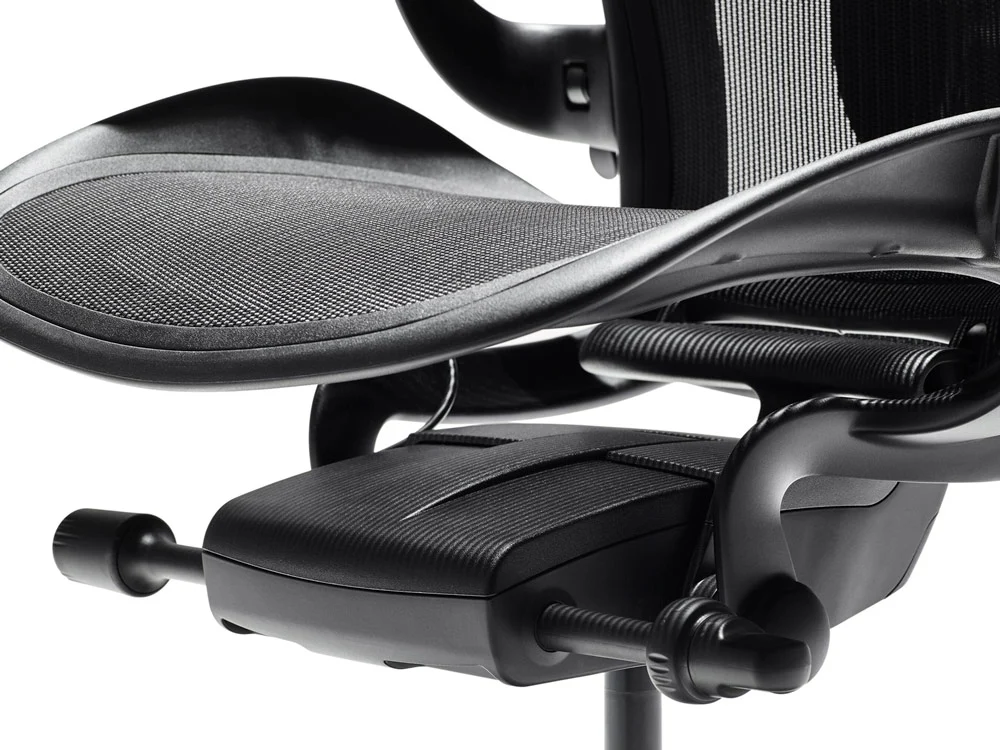
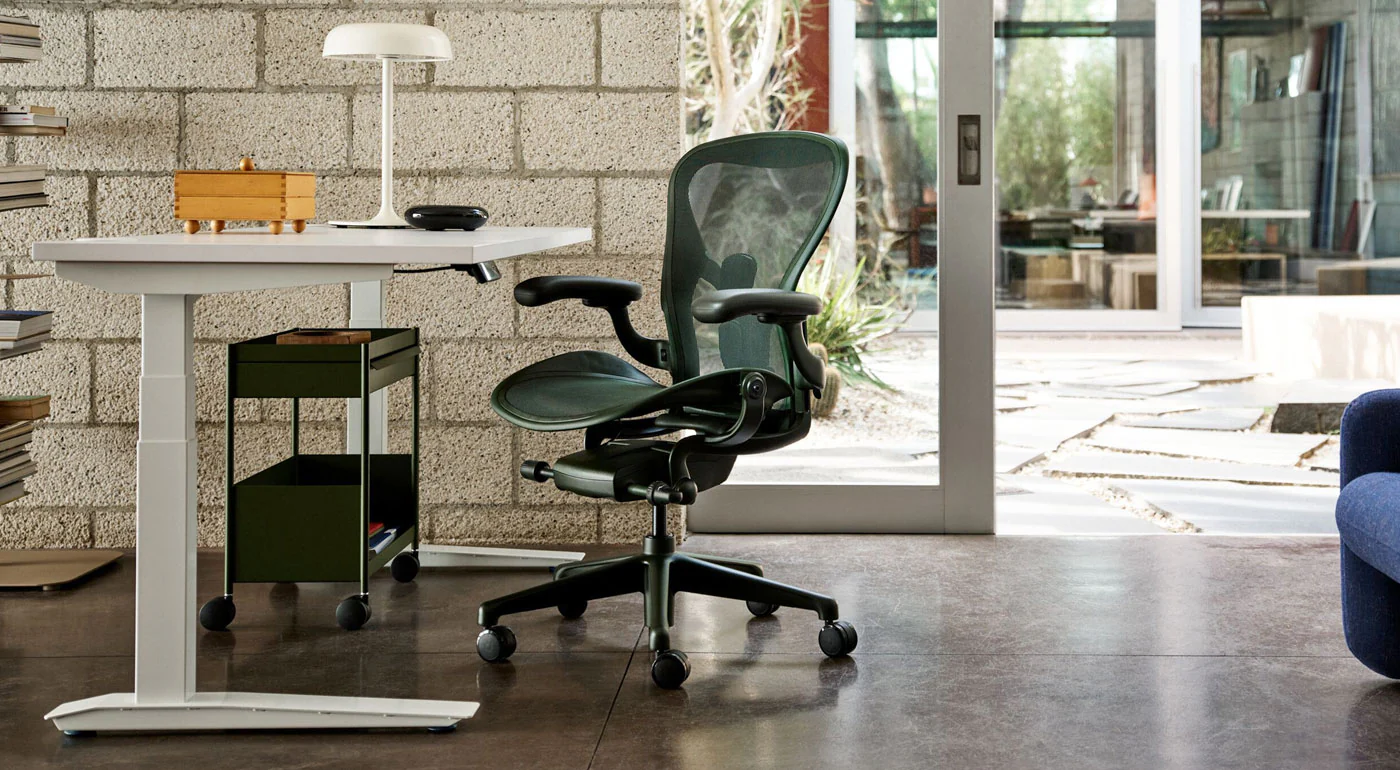
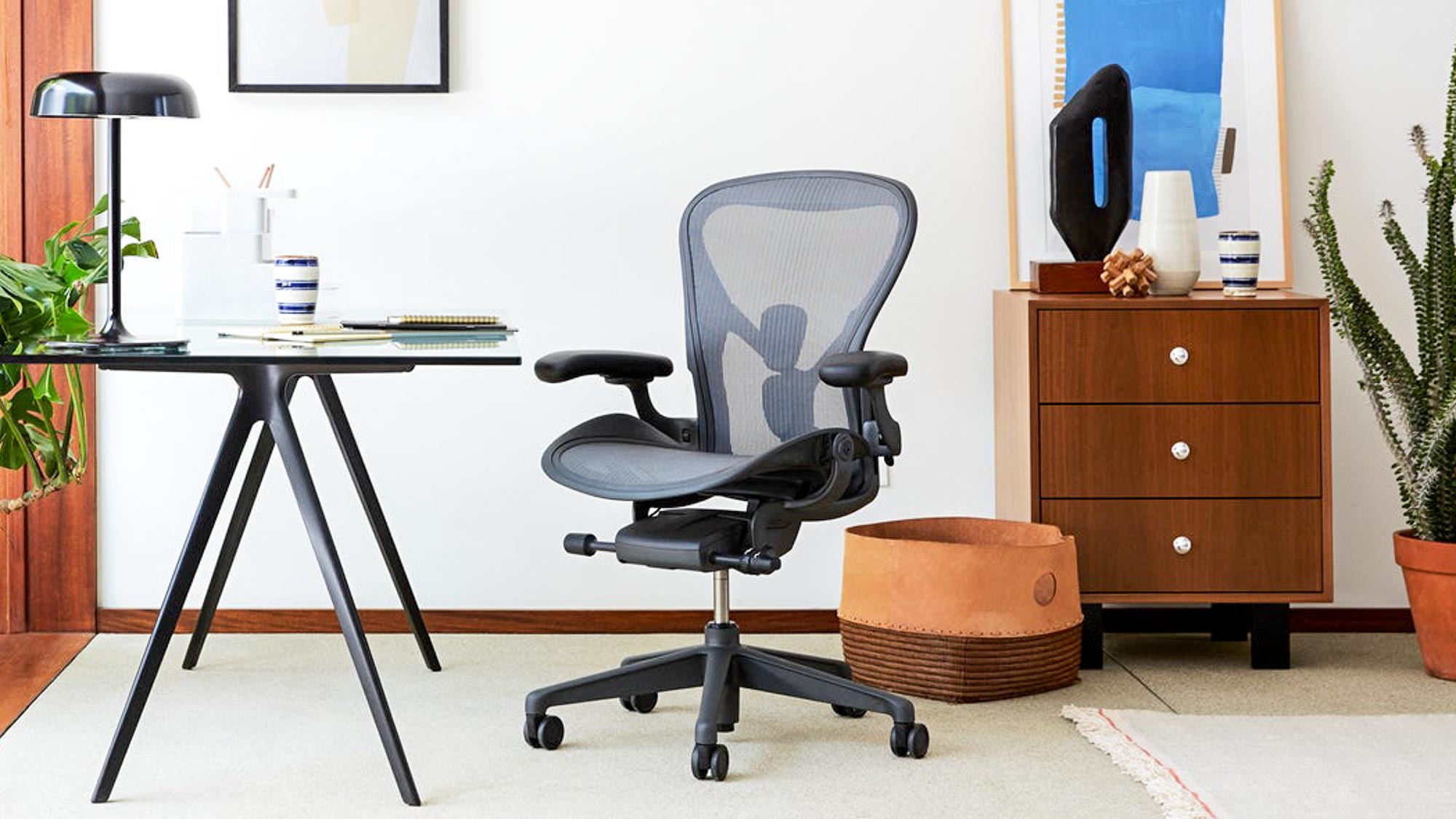
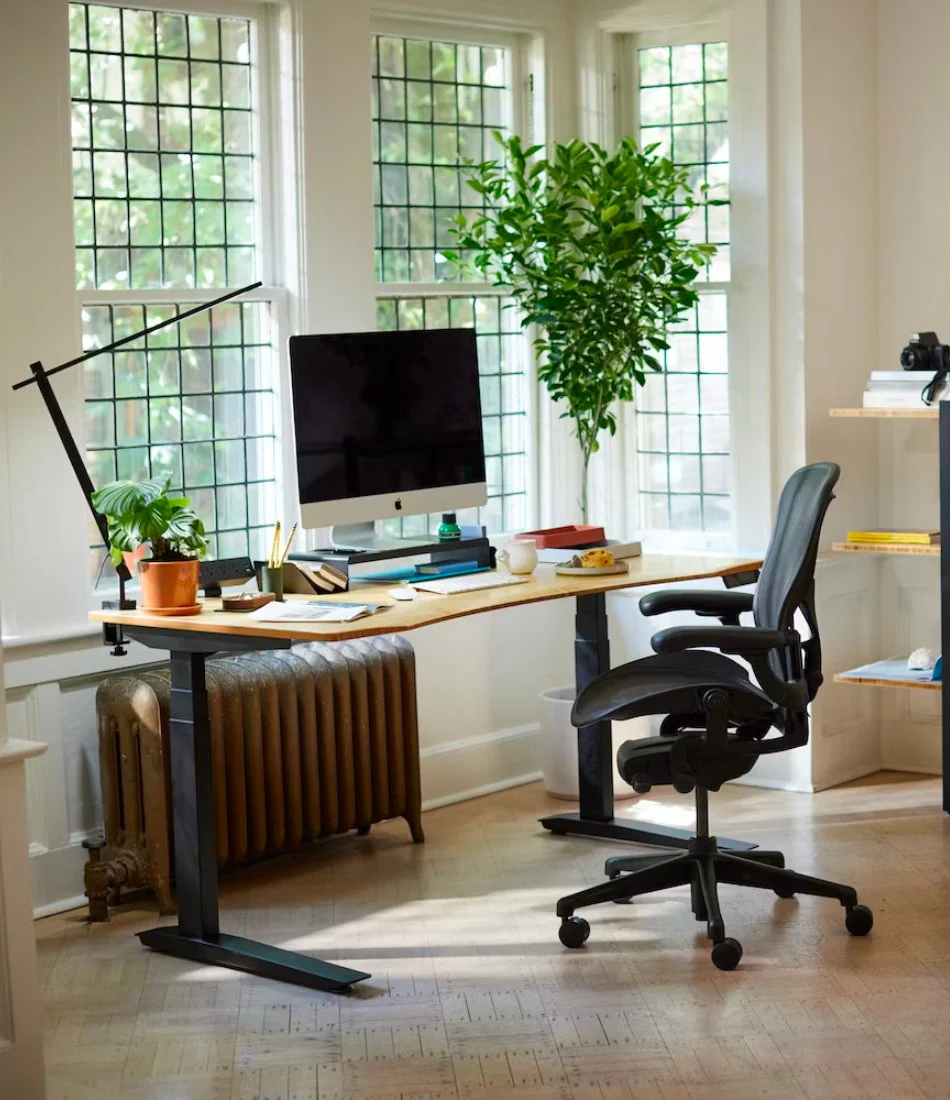
The Aeron's design language is uncompromisingly industrial and transparent. Where traditional executive chairs hid their mechanisms beneath upholstery and leather, the Aeron exposes its engineering: the skeletal frame, the visible mesh suspension, the external tilt controls. Working with Stumpf's ergonomic innovations, Chadwick's designs celebrated their own technology, leaving bare a chair's mechanisms—and in doing so helped to define the aesthetic of the internet era.
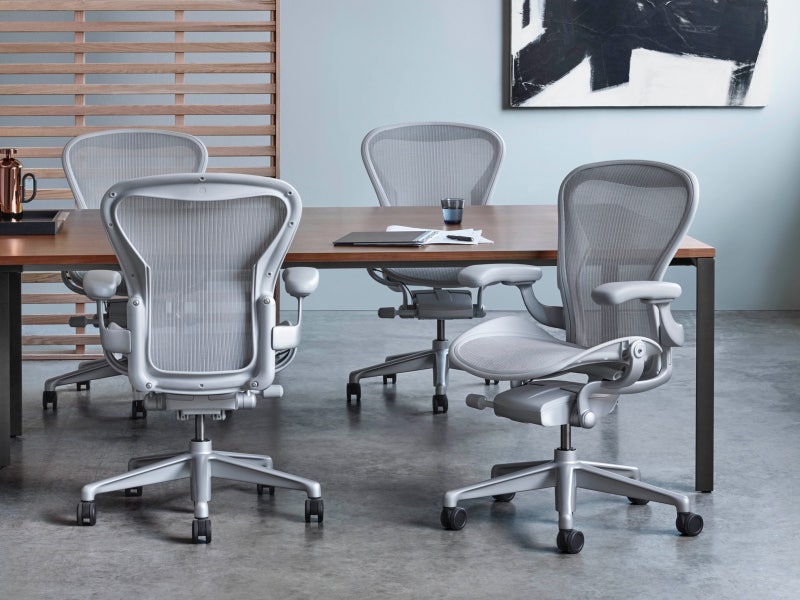
Aeron is available in a palette of six meticulously curated material expressions centered on natural elements that lean neutral: Onyx, a dramatic ultra-black shade; Graphite, a distinctive dark gray; Carbon, a balanced neutral; Mineral, a light, illuminating gray; Nightfall, a sophisticated midnight blue; and Jasper, an earthy olive green. The frame and mesh are colour-matched, creating a unified visual that ranges from stealthy to statement depending on the finish chosen.
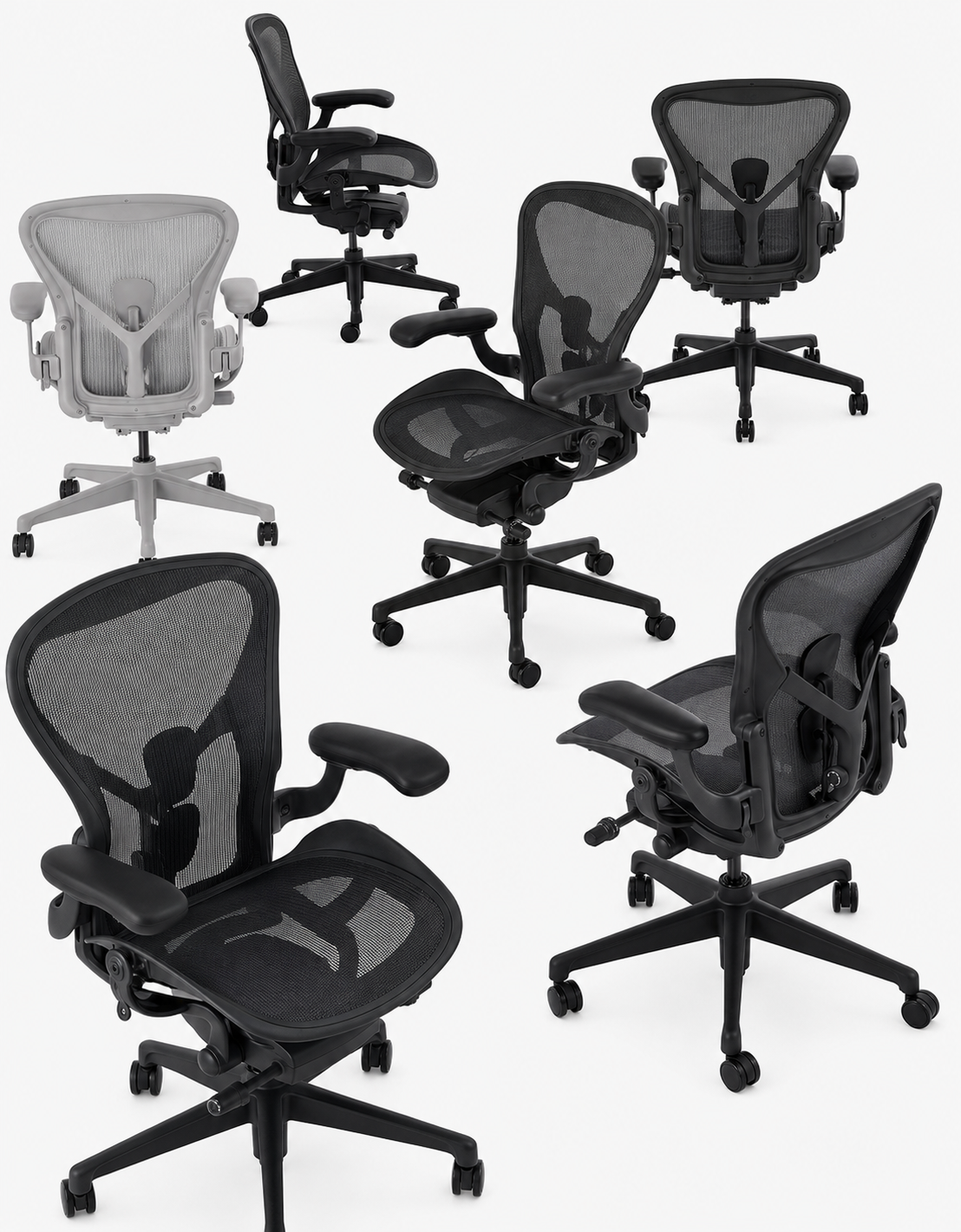
The bucket-seat silhouette—mesh stretched taut within a hard plastic rim—creates a cradling, structured form. The chair's proportions shift across its three sizes, but the design vocabulary remains consistent. Made in the USA, every component on this chair is very high-end; the parts fit together perfectly, the chair is very smooth to use, and its design is very attractive, enough so to be featured in The Museum of Modern Art.
Ergonomics & how it supports the body
Aeron offers unprecedented comfort through first-of-its-kind elastomeric suspension, with eight varied zones of support, eliminating pressure points that restrict circulation and keeps you cool. Rather than provide uniform pressure distribution, 8Z Pellicle targets eight specific latitudinal zones across Aeron's seat and backrest with levels of firmness that differ based on each anatomical zone's support needs; the remastered Aeron's 8Z Pellicle suspension provides the greatest support at the top and base of the backrest and the front and back of the seat, with stabilisation zones supporting proper alignment of the lumbar spine and sitting muscles, and pressure-relieving zones at the upper back and sitting bones.
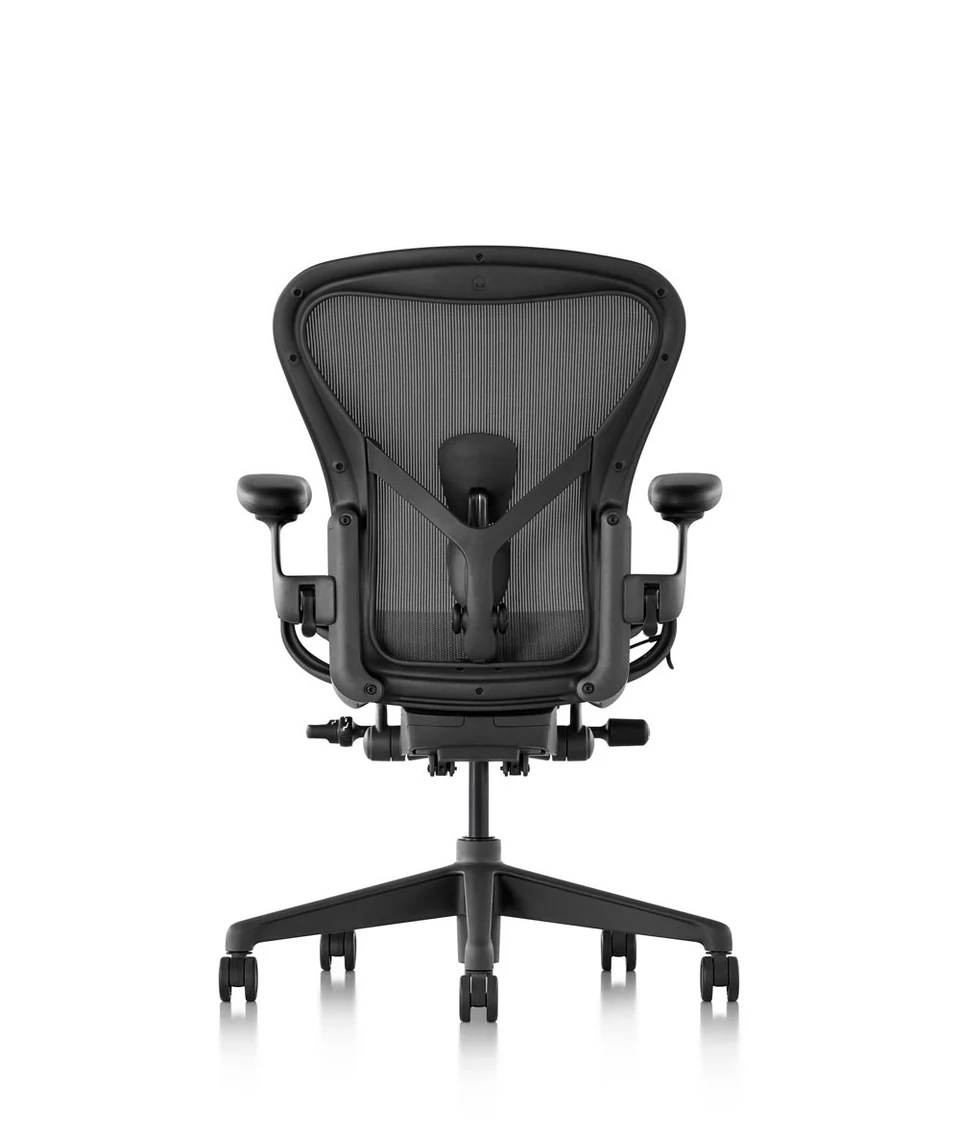
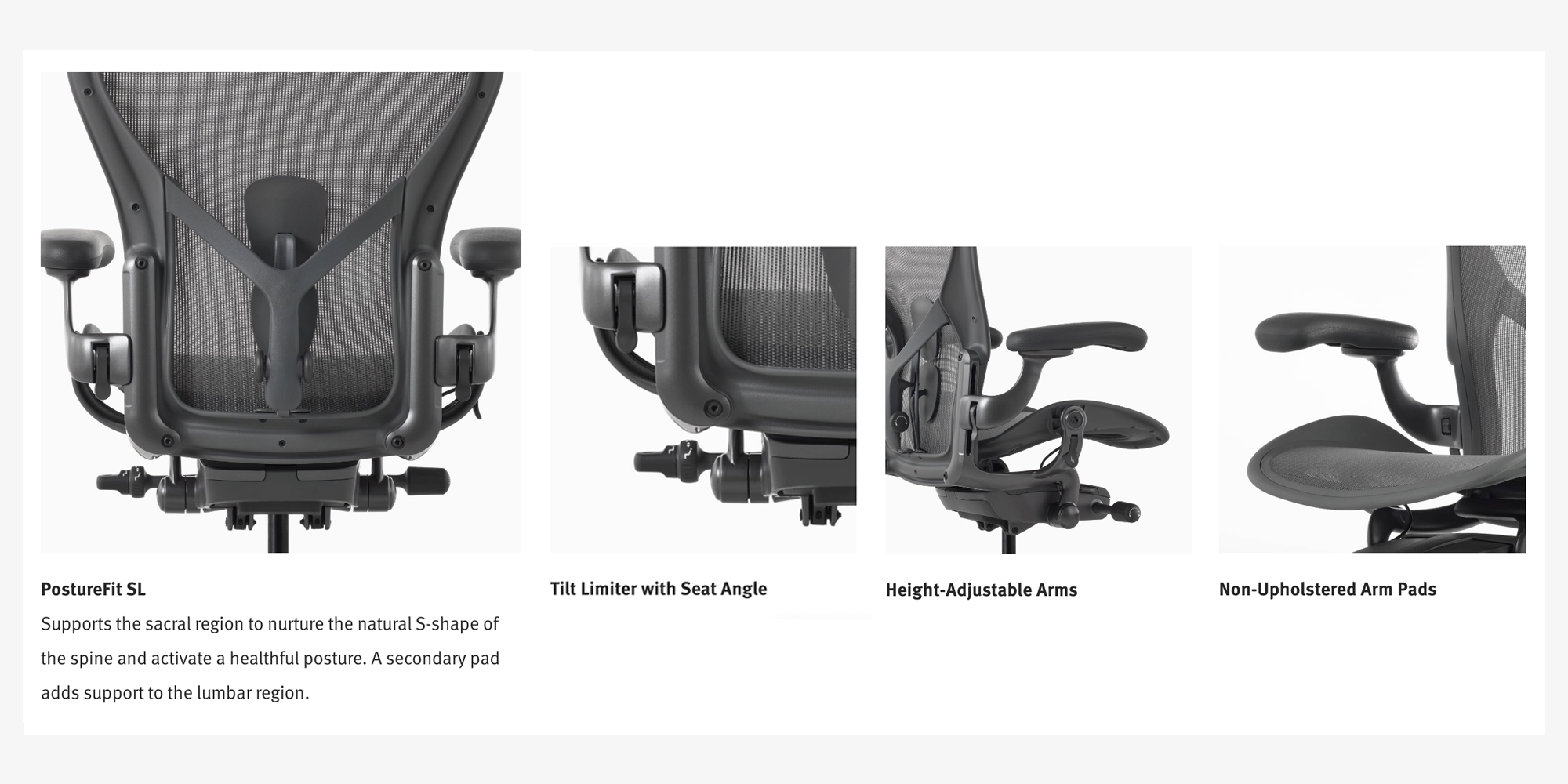
The PostureFit SL backrest supports the spine while maintaining the natural forward tilt of the pelvis, with adjustable individual pads that provide lumbar support and stabilise the base of the spine for a more powerful seated posture. Two independent pads, one for the sacrum and one for the lumbar, adjust separately; the sacral pad pushes gently at the base of your spine to maintain natural pelvic tilt—for people who respond well to guided posture, this is excellent; for people who find it intrusive, it's often the first thing they complain about.
The Aeron is designed to keep you in a productive posture range, not to let you lean back and relax; it encourages one good posture, not movement between postures. This structured approach to ergonomics makes the chair polarising: those with chronic postural collapse often find immediate relief; those who prefer freedom of movement may find the chair restrictive.
Key adjustments & mechanisms
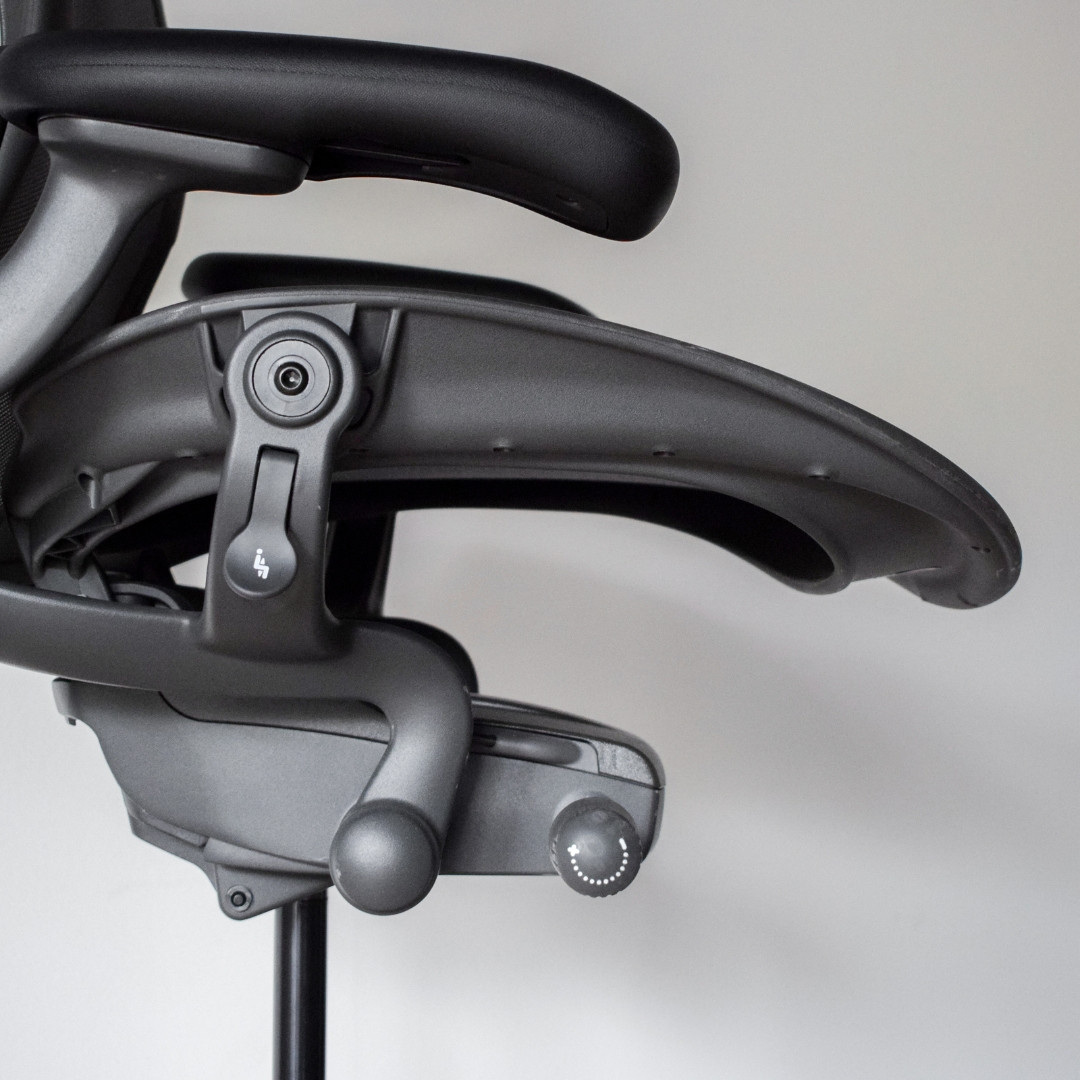
A unique, innovative mechanism called Harmonic 2 Tilt helps the chair move with you naturally, allowing you to shift from forward to reclining postures intuitively, smoothly, and at an optimal balance point. The remastered Aeron chair features Harmonic 2 Tilt, the second evolution of Harmonic Tilt, a smooth, balanced tilt mechanism first introduced in 2003 with the original Mirra chair; Harmonic 2 Tilt uses patented spring technology to deliver balance and control in a lean, light, easy-to-assemble-and-disassemble package and offers more ease over a wider range of motion than the classic Aeron's Kinematic Tilt.
Tilt tension is controlled by a large knob on the right side of the chair; turning it forward increases resistance, backward decreases it. Three lock positions control recline depth; tension control adjusts recline resistance; seat angle adjustment shifts the seat forward for a more active posture. The seat-angle tilt (forward tilt) is a standout feature that few competitors offer, allowing the seat to tilt 5 degrees forward to support thigh muscles during focused forward-leaning work.
Armrests on the fully adjustable model offer height, depth, pivot, and width adjustments. If you get the fully adjustable arms, you're going to get three-way adjustments: height, depth, and pivot adjustments all have a very wide range, allowing you to move and rest your arms in your preferred position. PostureFit SL adjusts via two small knobs at the base of the backrest, controlling sacral and lumbar pad depth independently.
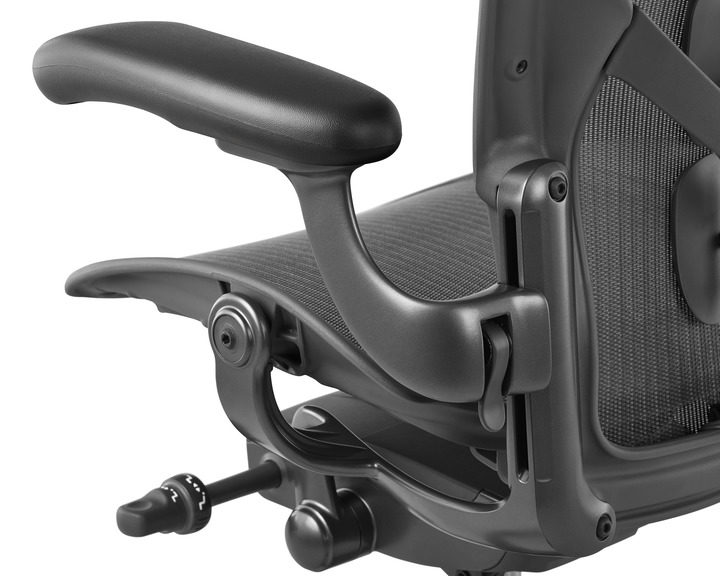
The Aeron lacks one adjustment found on many rivals: seat depth. The fixed seat depth is sized to each frame (A, B, or C), meaning you must choose the correct size rather than adjust on the fly. This sizing approach ensures optimal fit but reduces flexibility for shared or borderline users.
Materials & build quality
The Aeron proved pioneering in both ergonomics and material innovation, thanks to its proprietary breathable textile known as Pellicle; this material could flex in multiple directions and was visually elegant enough that it could stay exposed with no additional upholstery, like the standard foam, fabric, or leather found in most office chairs at the time. The suspended "pellicle" mesh seat and backrest are moulded into glass-fibre reinforced plastic frames.
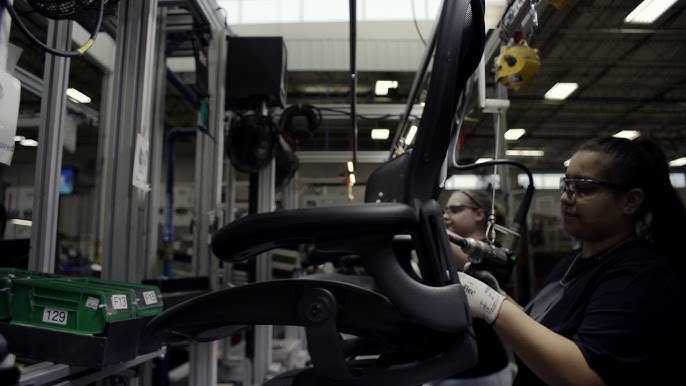
You truly are getting one of the best built chairs on the market when you buy the Herman Miller Aeron; we've tested over 50 different office chairs and the Aeron has received the highest build quality score of any chair; made in the USA, every component on this chair is very high-end. The frame is injection-moulded recycled aluminium and glass-filled nylon; the base is die-cast aluminium. Casters are quiet-roll dual-wheel models suitable for both carpet and hard floors.
The chair is composed of more than 50% recycled material—and in 2021, Herman Miller added ocean-bound plastic to the chair; the company has also increased the amount of recycled and organic materials in the chair's composition. The Onyx Ultra Matte colourway contains up to 2.5 pounds (1.13 kg) of mismanaged plastic waste found near waterways per chair. The result is a chair built to last decades, with field-replaceable components and a design that resists obsolescence.
Sitting experience — what it actually feels like day to day
The Aeron's mesh feels firm and structured compared to foam-padded chairs. The Aeron's mesh can feel firm by comparison, especially if you are used to cushioned chairs, but over long periods, the Aeron's breathability tends to win out for most people who run warm; if heat and breathability matter to you at all, choose the Aeron—the mesh advantage is not marginal, it is the most noticeable difference in daily use. There is no break-in period; the chair feels the same on day one as on day 1,000.
The Aeron features a much more rigid design with a plastic bucket seat design; this doesn't leave a lot of area to move around and because it is that hard plastic, when you move in the chair, it doesn't move with you. The hard frame edge can press into thighs if you choose the wrong size or sit cross-legged. The structured PostureFit pads are either revelatory or intrusive, depending on your body and posture habits.
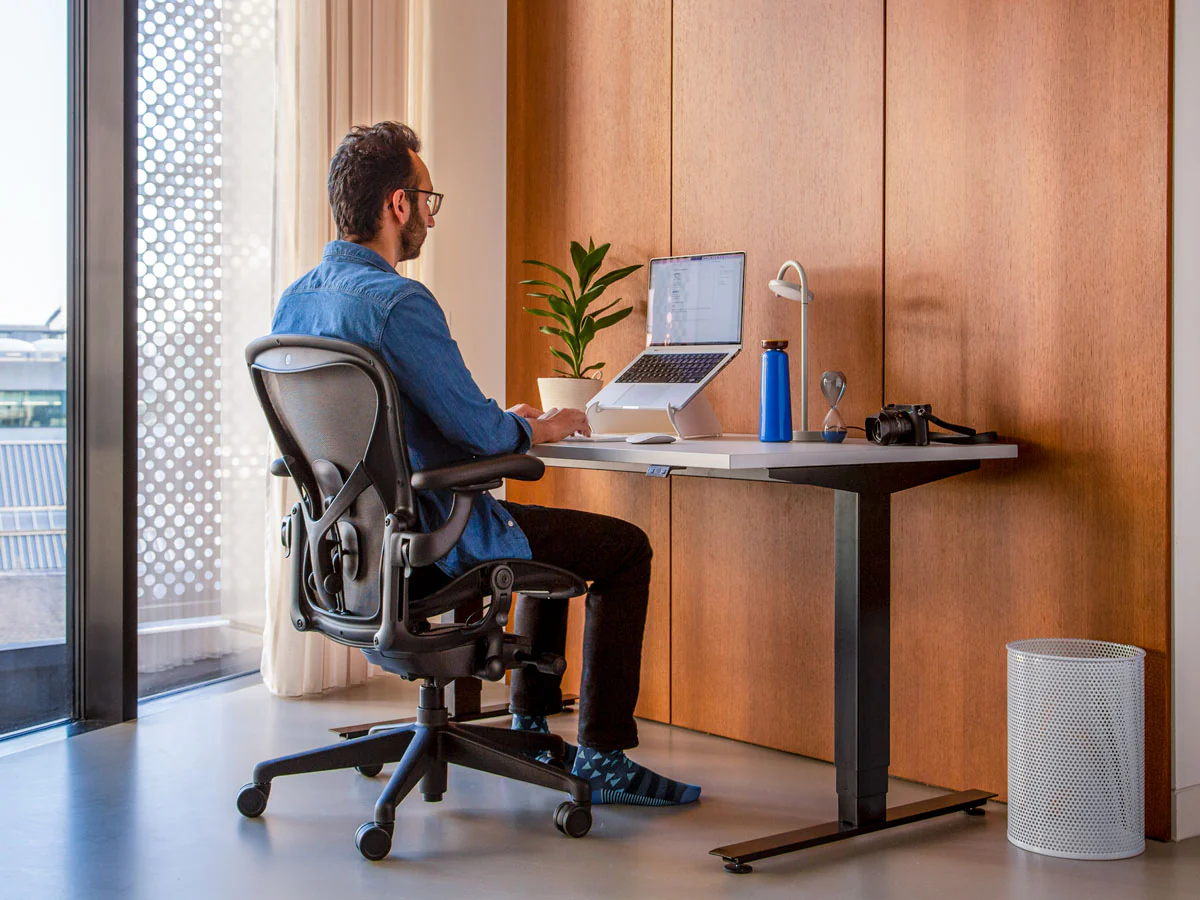
Recline is smooth and balanced, but the chair never invites lounging. Forward tilt and upright lock positions support active work modes—typing, drawing, detailed screen work—better than relaxed reading or video calls. The Aeron's adjustments are designed to fine-tune a structured sitting posture, not to change how the chair fundamentally behaves. Over an 8–10 hour day, breathability becomes the dominant comfort factor: no sweat, no heat build-up, and no cushion compression fatigue.
Who it's for (and who should skip it)
The Aeron is ideal for:
Hot-running users: The Aeron wins here unambiguously—full mesh back and seat means maximum airflow; if you run warm or live somewhere hot, you will notice the difference.
Upright, structured sitters: Best for people who sit upright, run hot, and want a chair that feels "precise" and supportive in a structured way.
Long-term value buyers: One owner noted that after replacing the mesh at the 20-year mark, everything else (frame, base, mechanism) was still fully functional; this is exceptional—most office chairs don't have a 20-year lifespan.
Postural-correction seekers: Those with lower-back pain stemming from poor pelvic alignment often see immediate improvement from PostureFit SL.
Skip the Aeron if you:
Prefer soft, cushioned seats: Not ideal if you prefer a softer, more forgiving seat.
Want a single size for multiple users: Not ideal if you need a single chair size to fit a diverse group.
Sit in varied, casual postures: If you're a fidgety sitter who shifts postures constantly, the Leap accommodates you without complaint; the Aeron will start to feel uncomfortable if you stray from the intended posture.
Need a headrest: Herman Miller offers no official headrest; third-party options from Atlas and Engineered Now are available but get mixed reviews; if a headrest matters to you, the Embody or Steelcase Gesture are better starting points.
Comparisons with key rivals
Chair | Price tier | Seat/back | Key adjustment strength | Standout strength |
|---|---|---|---|---|
Herman Miller Aeron | $1,520–$1,850 | Full mesh (8Z Pellicle) | PostureFit SL sacral/lumbar, tilt limiter, forward tilt | Breathability, structured posture support, 12-yr warranty |
Steelcase Leap V2 | $1,100–$1,400 | Foam + fabric | LiveBack flex, seat depth slider, adjustable lumbar height + firmness | One-size upholstered chair with deeper day-to-day adjustment and a more conventional cushioned seat |
Herman Miller Embody | $1,830–$2,100 | Pixelated polymer + fabric | BackFit automatic spine mapping, seat edge flex | Seat and back comfort, freedom of movement |
Steelcase Gesture | $1,200–$1,600 | Foam + fabric, optional headrest | 360° arm movement, headrest integration | Multi-device posture support, broader fit range |
Aeron is a size-based mesh chair with a more engineered, suspended feel. Leap wins for movement and adjustability. For most people, Embody is the more comfortable daily driver. The Aeron excels when breathability, postural discipline, and long-term durability matter more than immediate plush comfort or multi-posture flexibility.
Sizing, fit & configuration options
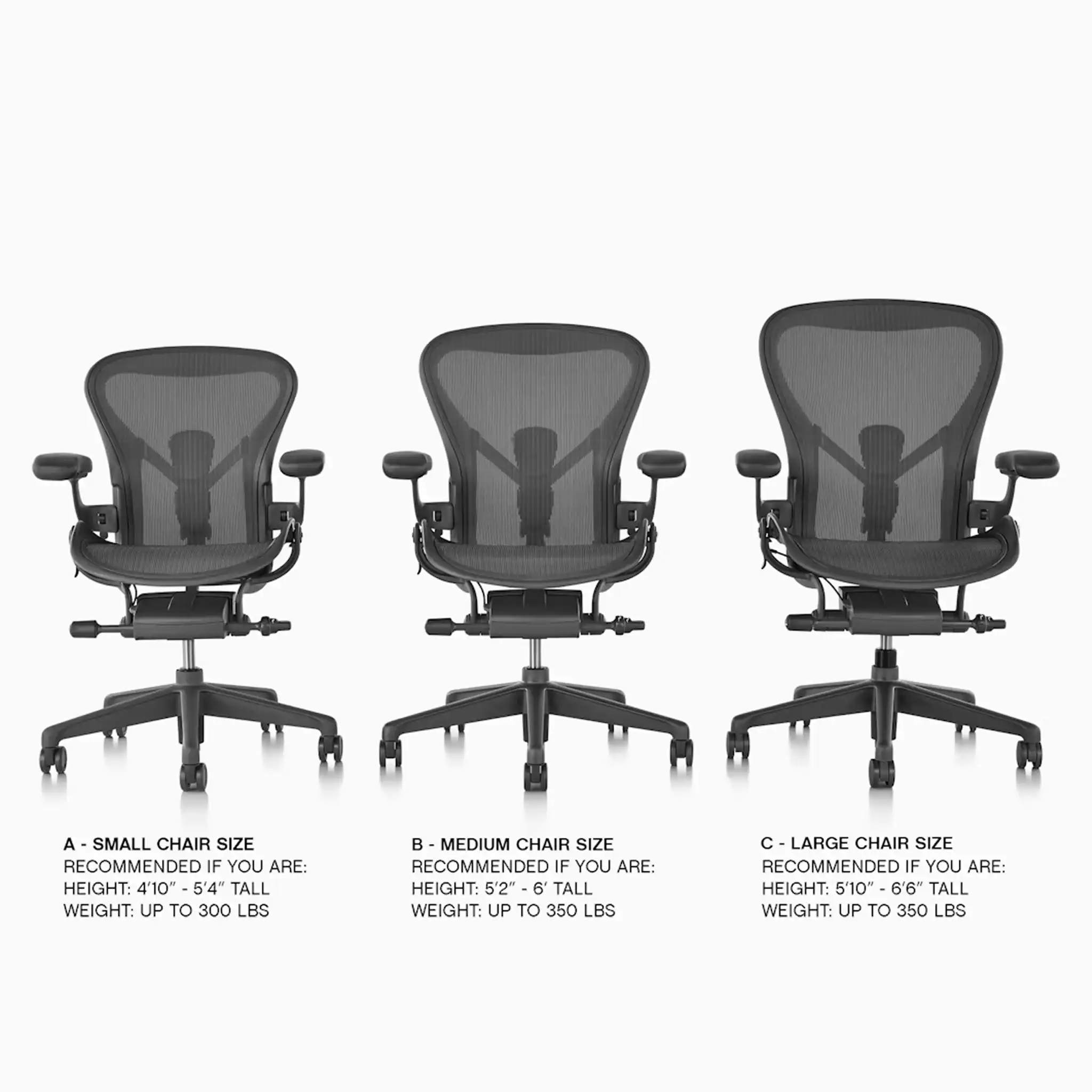
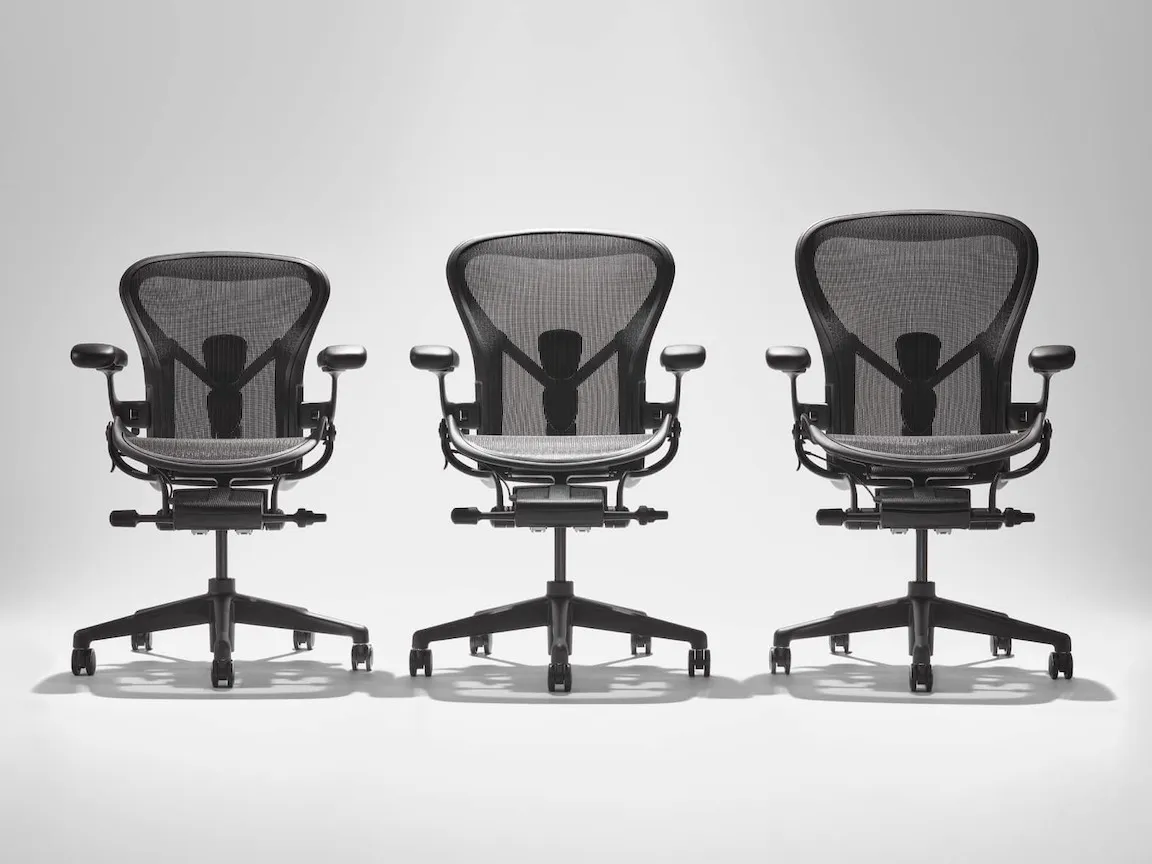
Size A is recommended for those 4'10"–5'4" tall, weighing up to 300 pounds; Size B is recommended for those 5'2"–6' tall, weighing up to 350 pounds; Size C is recommended for those 5'10"–6'6" tall, weighing up to 400 pounds. The B-size chair is designed to fit a broad range of people, and it's recommended for those who fall in the A/B or B/C categories. Size B accounts for roughly 70–80% of all Aeron sales.
Sizing is critical. Aeron can fit exceptionally well when you choose the right size; Aeron is easier to get wrong if you buy based on reputation instead of fit. The three Herman Miller Aeron sizes jump from a 16 inch depth on Size A to 17 inches on Size B, and up to 18.5 inches on Size C. The hard plastic seat rim means borderline users who choose the wrong size will feel thigh pressure or insufficient depth.
Configuration choices include PostureFit SL (adjustable dual-pad lumbar), fixed PostureFit (sacral support only), or adjustable lumbar pad (height-adjustable rubber insert). Arm options range from fixed-height to fully adjustable 4D. Casters come in standard carpet or hard-floor versions. Feel the top of the backrest for raised dots on the Herman Miller logo: one dot = Size A, two dots side by side = Size B, three dots in a triangle = Size C.
Sustainability & certifications
Aeron is BIFMA Level 3 certified and has also received the Indoor Advantage Gold certification, SCS Global Services' highest level of indoor air quality performance for furniture; the certification ensures that furniture products support a healthy indoor environment by meeting strict chemical emission limits for volatile organic compounds (VOCs). Products are certified to GREENGUARD standards for low chemical emissions into indoor air during product usage.
Aeron is up to 91% recyclable based on available recycling facilities; Aeron is composed of more than 50% recycled material, including ocean-bound plastic. The Onyx Ultra Matte colourway contains up to 2.5 pounds of mismanaged plastic waste found near waterways per chair; these material changes in the Aeron portfolio are projected to save the ocean from over 150 tons of plastic annually—equal to about 15 million single-use plastic water bottles.
The Aeron chair is made out of recycled materials, and 94 percent of the chair itself is recyclable. Herman Miller operates a Take-Back program for end-of-life chairs, refurbishing components or recovering materials. The chair's longevity—many Classic Aerons from the 1990s remain in daily use—is its strongest sustainability credential: a single chair serving 20+ years displaces dozens of cheaper, disposable alternatives.
Maintenance, durability & warranty
You'll get 12-year coverage on the entire chair, including every part of the chair including the mesh; if anything goes wrong, they'll replace the part or send in a technician to fix it, ensuring that you're covered for that full 12-year period. The warranty is valid for 24/7 round-the-clock use. This is the best warranty policy in the office chair industry and a major factor in the Aeron's long-term value equation.
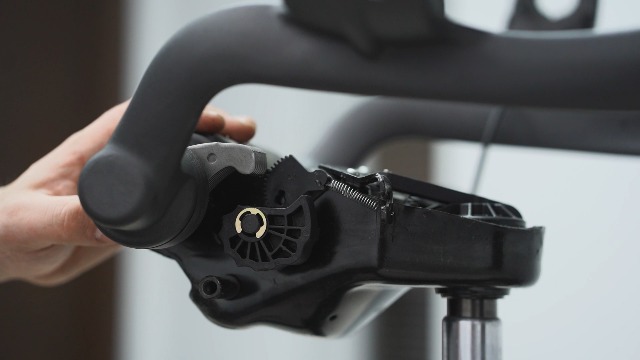
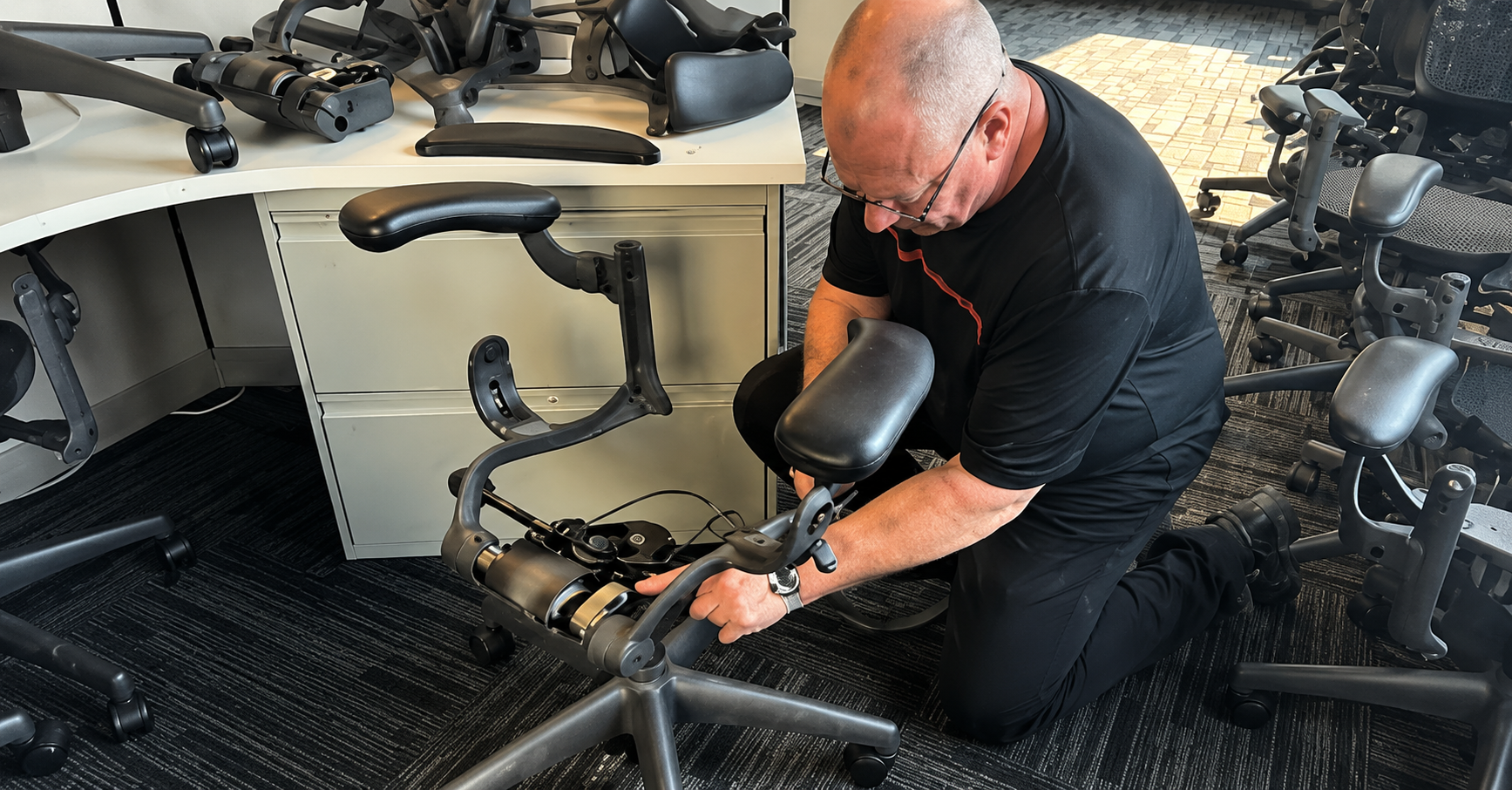
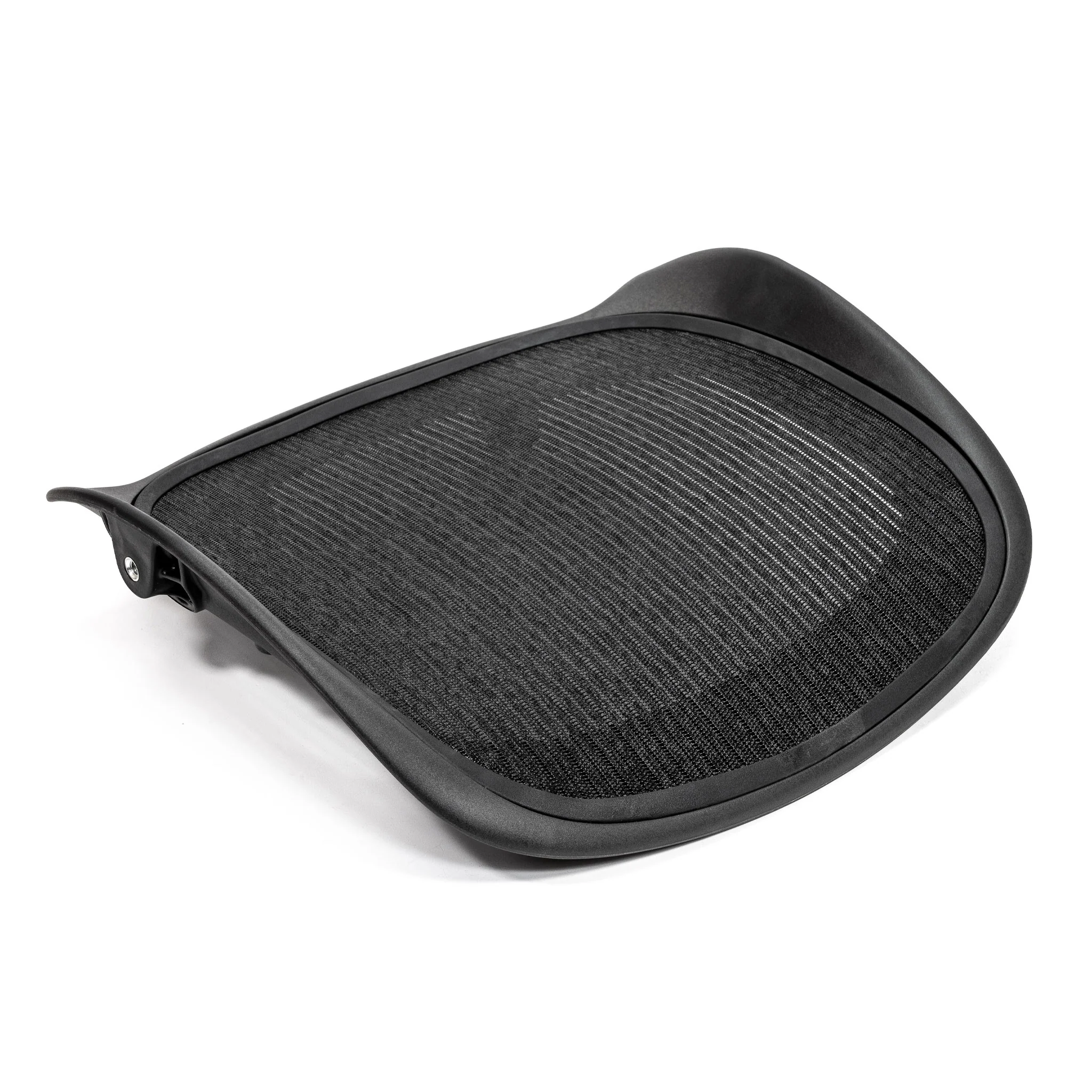
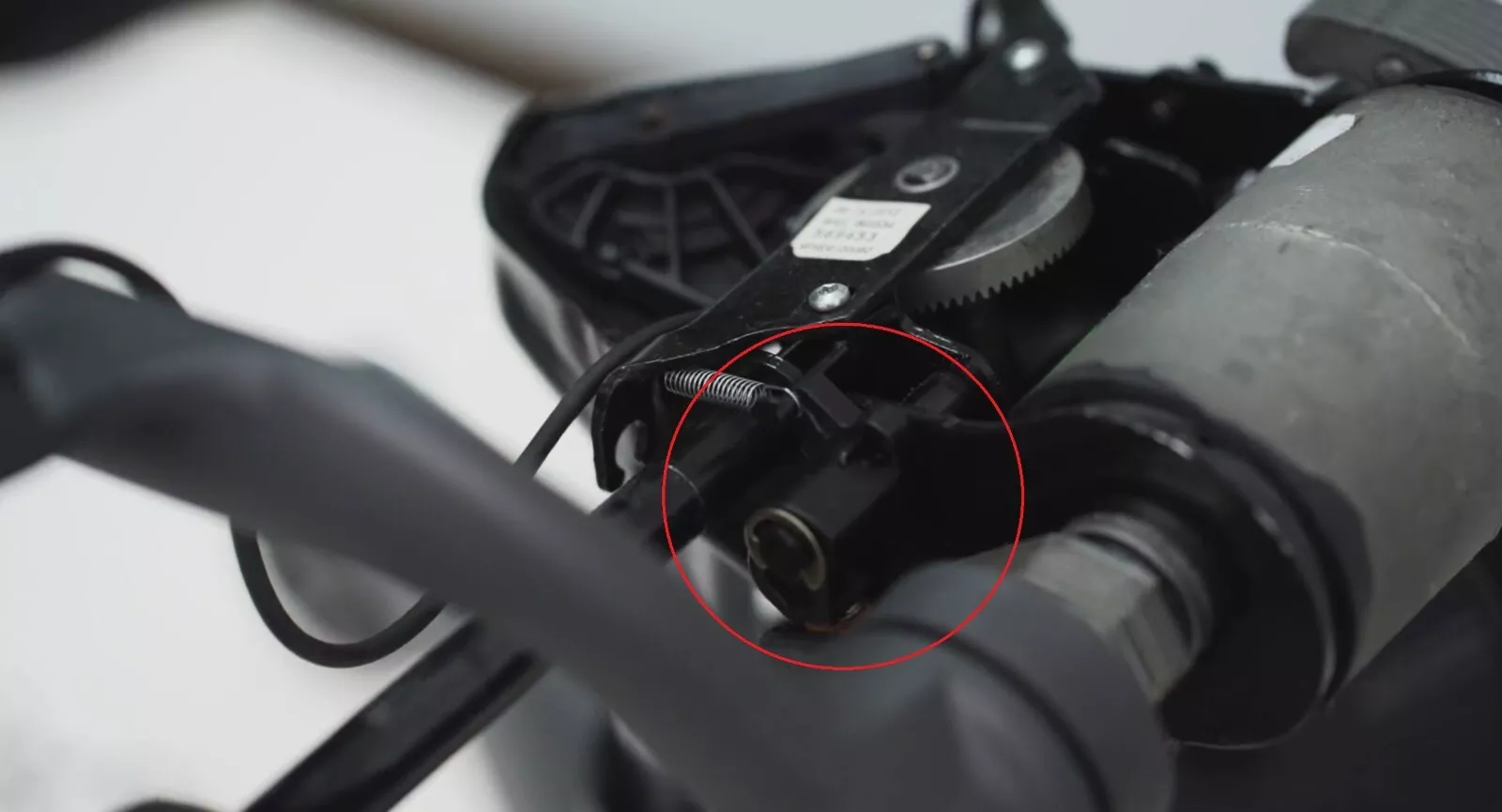
Mesh maintenance is minimal: vacuum or wipe with a damp cloth. The Pellicle suspension does not sag or lose tension over time like foam. A worn mesh seat pan runs roughly $200–300 from Herman Miller; new casters cost $30–50; gas cylinders are $100–150. All components are field-replaceable, and Herman Miller maintains parts inventory for chairs decades old.
Herman Miller chairs, particularly the Aeron model, can last 7 to 12 years with proper care, far exceeding the lifespan of your average office chair. In practice, many users report 15–20 years of daily use before major component replacement is needed. The aluminium frame and base are effectively indestructible; the mesh and mechanism are the only wear items. The original 12-year manufacturer's warranty is only valid to the original purchaser; any warranty on a used Aeron is from the seller, not Herman Miller.
Pricing, value & where it sits in the market
2026 starting price: $1,520.99. The Herman Miller Aeron chair typically costs between roughly $1,199 and $2,000 when bought new, with variations based on size, features, and finish. A fully loaded Size B with PostureFit SL, fully adjustable arms, and forward tilt typically lands around $1,750–$1,850. Refurbished Aerons from reputable remanufacturers like Crandall Office run $500–$800 with multi-year warranties.
At $1,800 over 15 years of actual use, you're paying $120 annually; a $500 budget chair lasting 3 years costs $167 annually; add in the probability you'll replace the $500 chair twice (because it fails), and the Aeron becomes cost-equivalent while solving back pain instead of creating it. Herman Miller offers a 30-day return policy on the Aeron; if you wish to return your chair, Herman Miller will cover the costs of the return shipment and will give you a full refund.
The Aeron sits at the top of the premium ergonomic market alongside the Steelcase Leap ($1,100–$1,400) and Herman Miller Embody ($1,830+). It is one of the most expensive ergonomic chairs on the market. Used market pricing is strong: 10-year-old Classic Aerons routinely sell for $300–$500, reflecting sustained demand and proven durability. The chair's resale value partially offsets the initial investment for buyers who upgrade or relocate.
Verdict — the bottom line
The Herman Miller Aeron is not for everyone—but for the right user it is one of the best chairs ever built; if you prioritise build quality, back support, arm comfort, breathable mesh, and an industry-leading warranty, the Aeron is hard to beat. The Aeron has been a bit of a polarising chair in the office furniture world; some of its supporters swear by it and will defend its comfort and design until the bitter end.
Three decades after launch, the Aeron remains the benchmark for structured, breathable ergonomic seating—unmatched in airflow and postural discipline, but unforgiving to those who want cushioned flexibility.
For serious professionals, remote workers, and anyone who spends significant time sitting, the Herman Miller Aeron remains a top-tier ergonomic chair in 2025; its unique combination of breathable support, extensive adjustability, and proven durability makes it a worthwhile long-term investment for many people. The mesh's breathability advantage is cumulative: the difference between the Aeron and a foam chair is negligible in the first hour but profound by hour eight.
The sizing requirement is both strength and weakness. Choose correctly, and the chair fits like a prosthetic; choose poorly, and no amount of adjustment will fix it. The firm, structured support is revelatory for users with postural collapse, but claustrophobic for fidgety, multi-posture sitters who thrive in the Leap or Embody. The lack of headrest and fixed seat depth are genuine limitations that competitors address more elegantly.
There are very few chairs in the industry that have this good of policies when you purchase a chair. The 12-year warranty, domestic manufacturing, field-replaceable parts, and proven 20+ year lifespan make the Aeron one of the few office chairs that can legitimately claim "buy it for life" status. At $120 per year over 15 years, the per-year cost compares favourably to mid-tier chairs replaced twice in the same span. For hot-running users in structured work modes, the Aeron remains unrivalled. For everyone else, fit carefully and understand what you're buying: precision engineering, not plush comfort.
Sources & references
Interested in the Herman Miller Aeron?
Check the price on Amazon