Herman Miller Embody
The health-first chair built for active sitting — and how it differs from the Logitech G gaming edition.
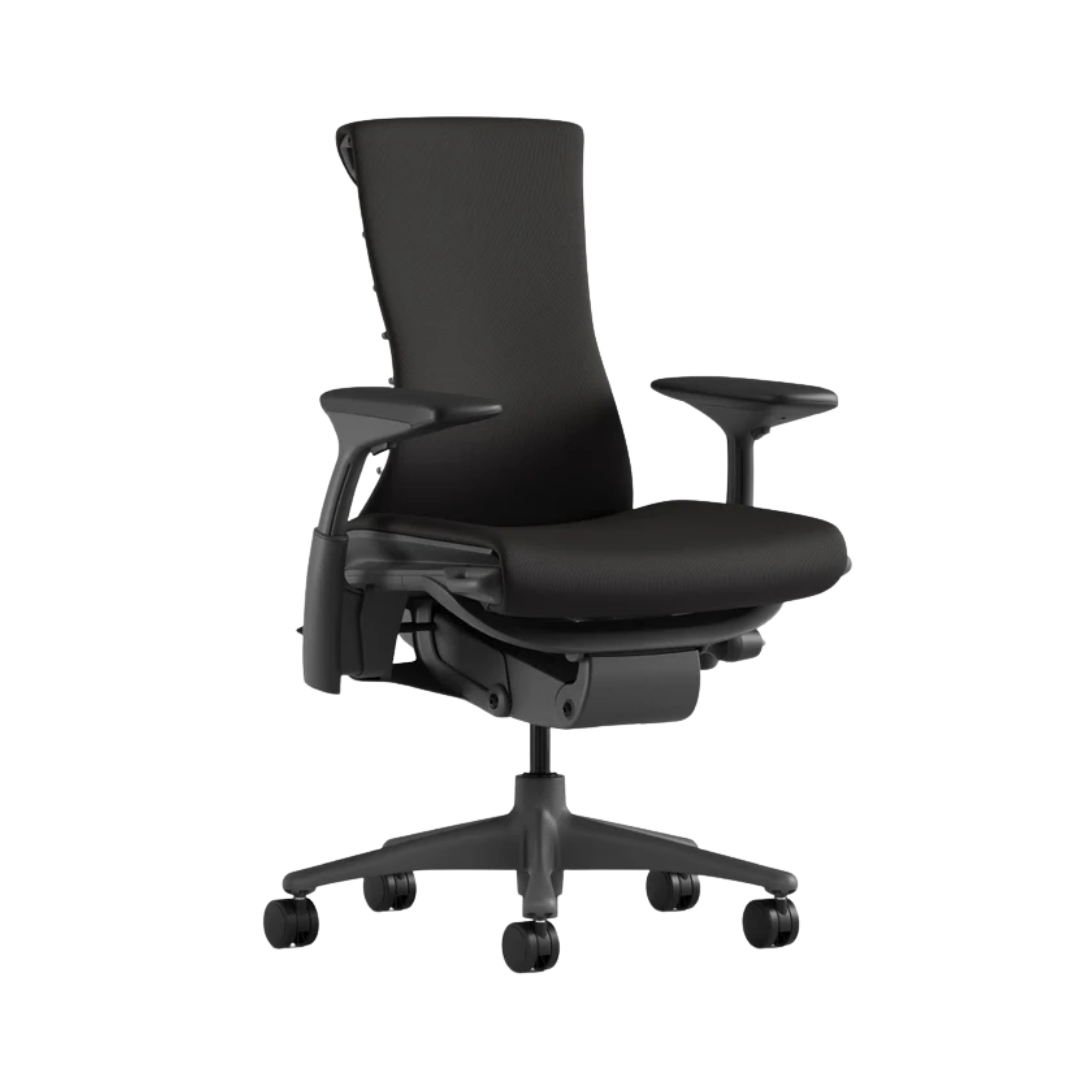
The idea: a chair that keeps you moving
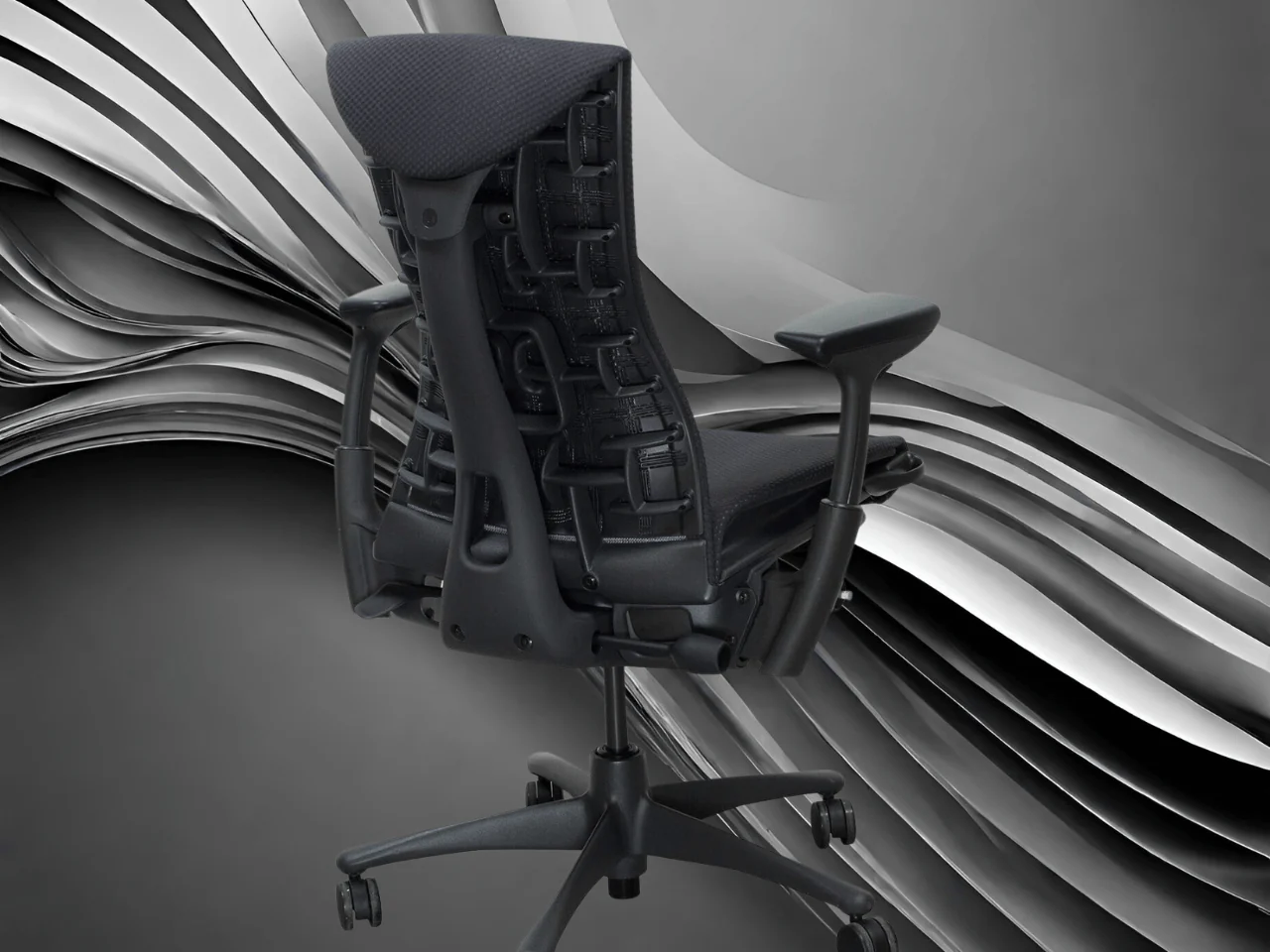
Embody was developed with a team of physicians and ergonomists around a simple premise — that healthy sitting is active sitting. Rather than locking you into one "correct" posture, its seat and back are built from a matrix of hundreds of small support points that flex independently, so the chair keeps adjusting to you as you shift through the day. A central spine runs up the back to mimic the human backbone and distribute load.
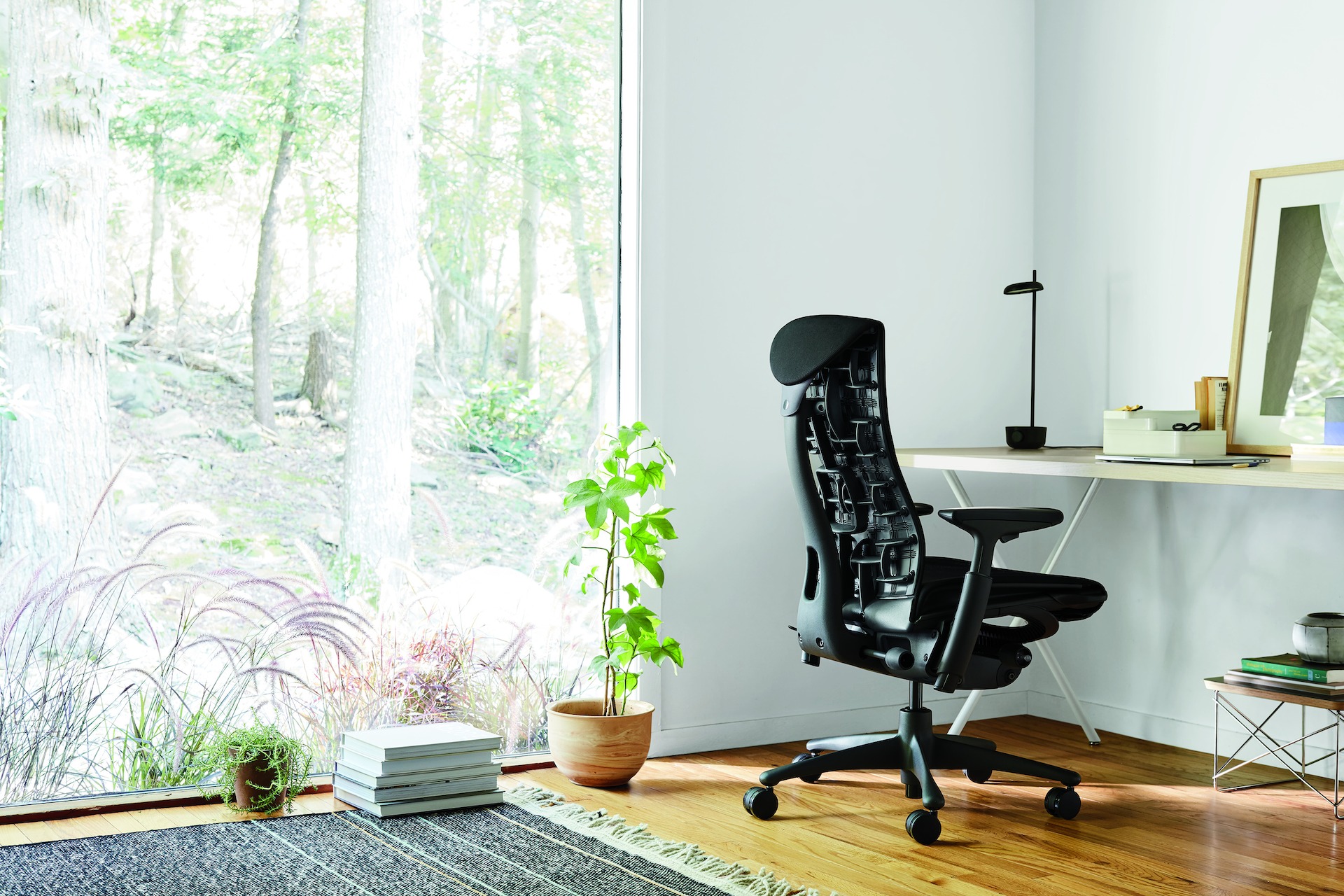
How it supports the body
The BackFit adjustment changes the curvature of the back to match your spine, and the tilt reclines with a limiter so you can cap how far it goes. Because there is no separate lumbar dial, support comes from the way the pixelated matrix and the spine load your back — a different philosophy from an Aeron's PostureFit, and one that rewards setting the BackFit properly before you decide how it feels.

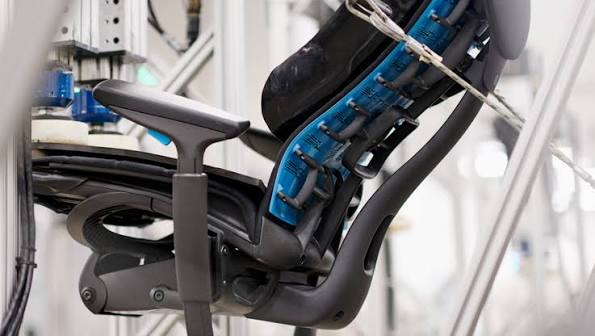
Inside the seat and back
The "pixelated support" is four layers deep: the outer textile, then support layers that translate your movement into localised give. It's what lets the seat feel firm-but-forgiving and encourages the micro-movements the design is built around. Herman Miller rates the chair to 300 lb and backs it with a 12-year, three-shift warranty.
Living with it
Day to day, the appeal is that there is very little to fuss over: one adaptive size, a BackFit curve, a seat-depth slide and the arms. Reviewers consistently note it suits people who sit for long, focused stretches and lean forward to work; the trade-offs are a firmer, warmer seat than mesh and the absence of a headrest.
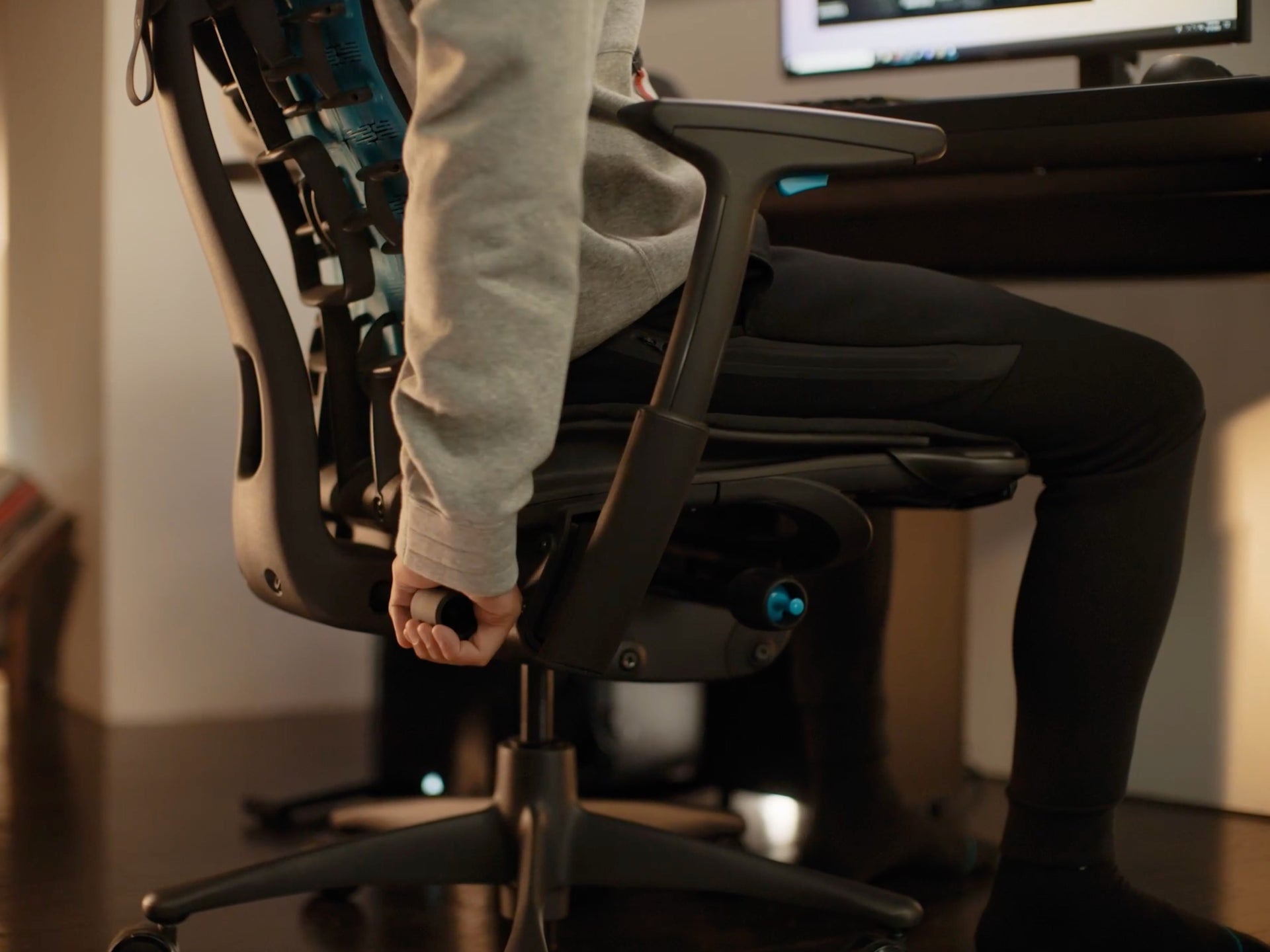
Standard Embody vs the Logitech G gaming edition
The Logitech G Embody shares this exact chassis, the same adjustments, the 300 lb capacity and the 12-year warranty. What it adds is a copper-infused cooling foam in the seat and thicker upper-back padding tuned for the forward-leaning posture gamers hold, in a limited set of dark colourways. For a work setup, the standard Embody gives you the full textile and colour range; the gaming edition is the one to choose if you sit forward and run warm.
Sources & references
Interested in the Herman Miller Embody?