Herman Miller Embody Gaming Chair
The science-backed ergonomic icon reimagined for gamers in cyan and black
Overview
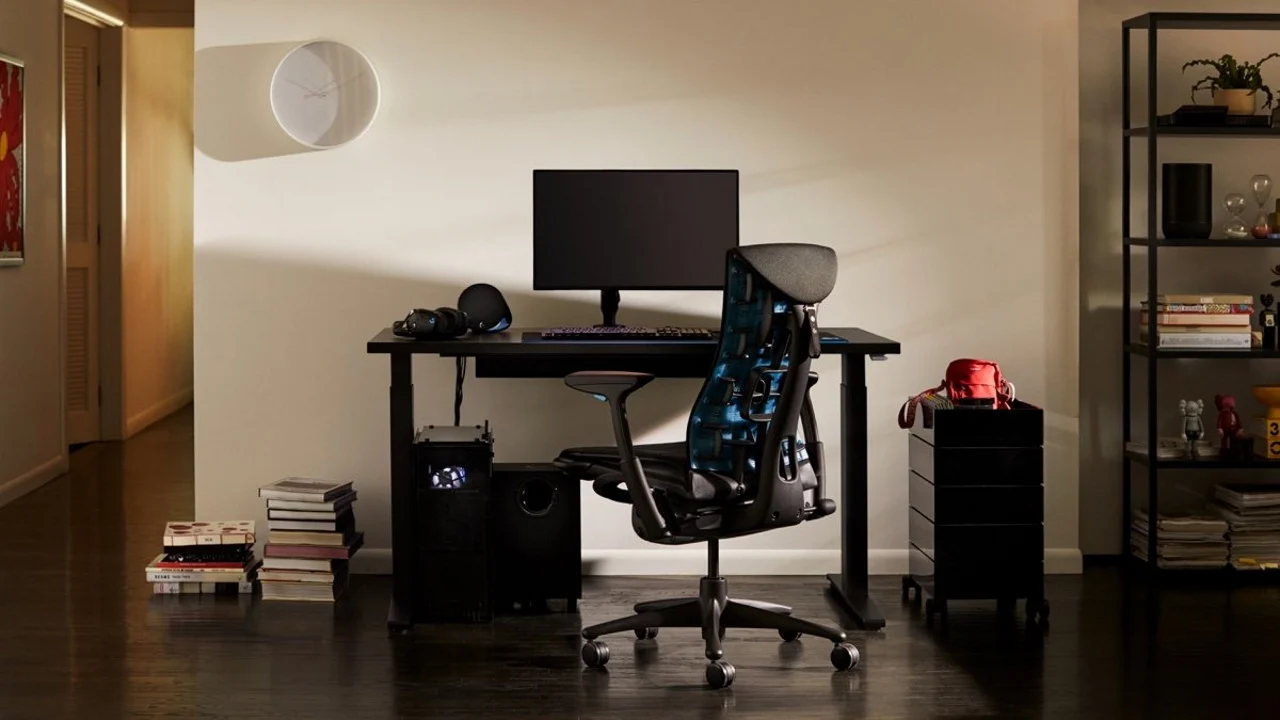
The Herman Miller Embody Gaming Chair is a collaboration between the century-old office furniture giant Herman Miller and Logitech G, the gaming hardware division of Logitech. Launched in July 2020, it takes the core design of Herman Miller's acclaimed 2008 Embody office chair—a product born from research into human-centered ergonomics—and recasts it with gaming-focused aesthetics and cooling foam technology. The result is a chair that bridges the gap between clinical ergonomic excellence and the visual language of esports, offering gamers the same postural support and dynamic movement that knowledge workers have relied on for over a decade, wrapped in a cyan-and-black colorway that signals its allegiance to the gaming world.
At a Glance
Brand | Herman Miller (with Logitech G) |
|---|---|
Designer | Studio 7.5 (original Embody); Logitech G collaboration (gaming edition) |
Year Introduced | 2020 (gaming edition); 2008 (original Embody) |
Materials | Pixelated support backrest matrix, copper-infused cooling foam seat, aluminum base, engineered textile upholstery |
Key Adjustments | BackFit spine adjustment, seat depth, 4D armrests, recline tension, tilt limiter |
Warranty | 12 years |
Price Tier | Premium ($1,600–$1,900 USD range) |
Weight Capacity | 300 lbs (136 kg) |
The Brand & Its Philosophy
Herman Miller has been synonymous with modernist design and ergonomic innovation since its founding in 1905 in Zeeland, Michigan. The company rose to prominence through mid-century collaborations with designers like Charles and Ray Eames and George Nelson, establishing a philosophy that marries form, function, and human-centered research. For Herman Miller, seating is not decoration—it's a tool to support health, productivity, and comfort over decades of use.
The partnership with Logitech G marked Herman Miller's first deliberate entry into the gaming furniture market, a space the brand had observed as underserved by scientifically rigorous ergonomic design. Rather than create a gaming chair from scratch, Herman Miller adapted its Embody platform—already a flagship product backed by over 30 physicians and PhD researchers—to meet the specific thermal and aesthetic needs of gamers who sit for marathon sessions.

The Designer and the Design Story
The original Embody chair was designed by Studio 7.5, a Berlin-based design consultancy founded in 1992 by Burkhard Schmitz, Carola Zwick, and Roland Zwick. Studio 7.5 is known for research-driven work that prioritizes human physiology and behavioral patterns, and the Embody was the result of an intensive investigation into how the body moves and breathes while seated. The design team studied circulation, spinal alignment, and the micro-movements people make unconsciously throughout the day.

For the gaming edition, Logitech G's design and engineering teams worked with Herman Miller to refine the seat cushion with copper-infused foam intended to dissipate heat during long gaming sessions. The collaboration also introduced the signature cyan and black colorway and Logitech G embroidery, giving the chair a visual identity distinct from the office-focused original while retaining all the core ergonomic architecture that Studio 7.5 developed.

Design Language & Aesthetics
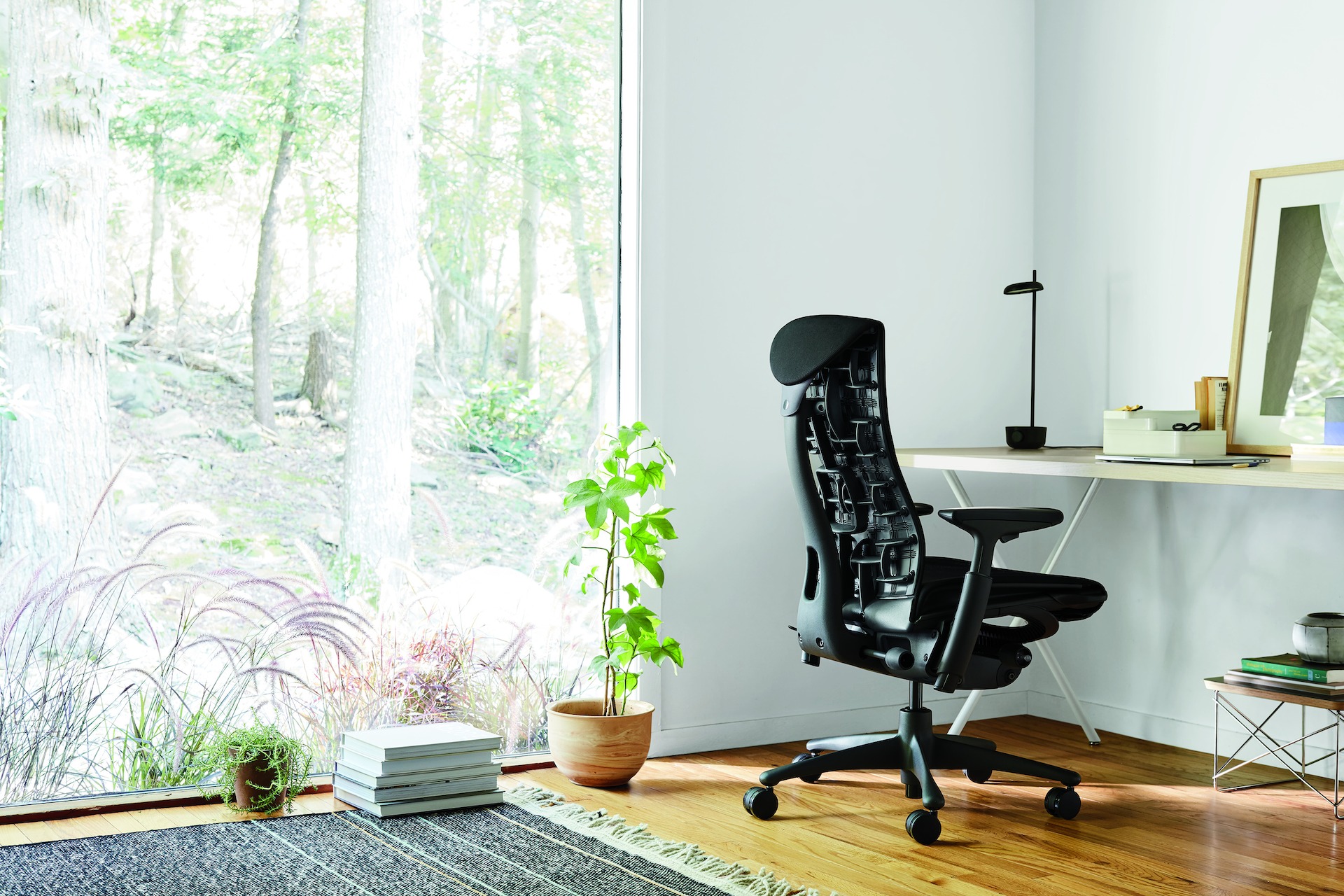
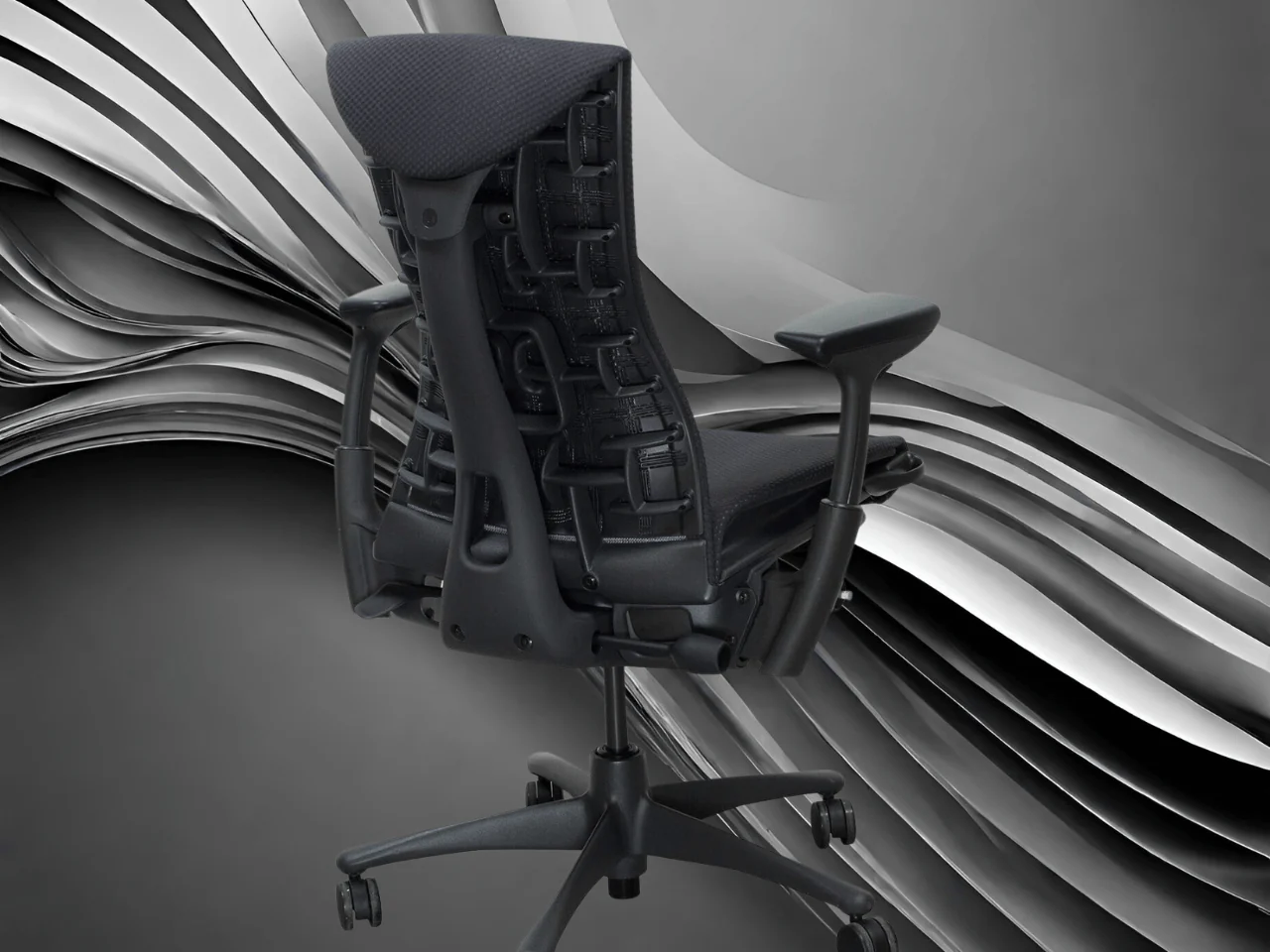
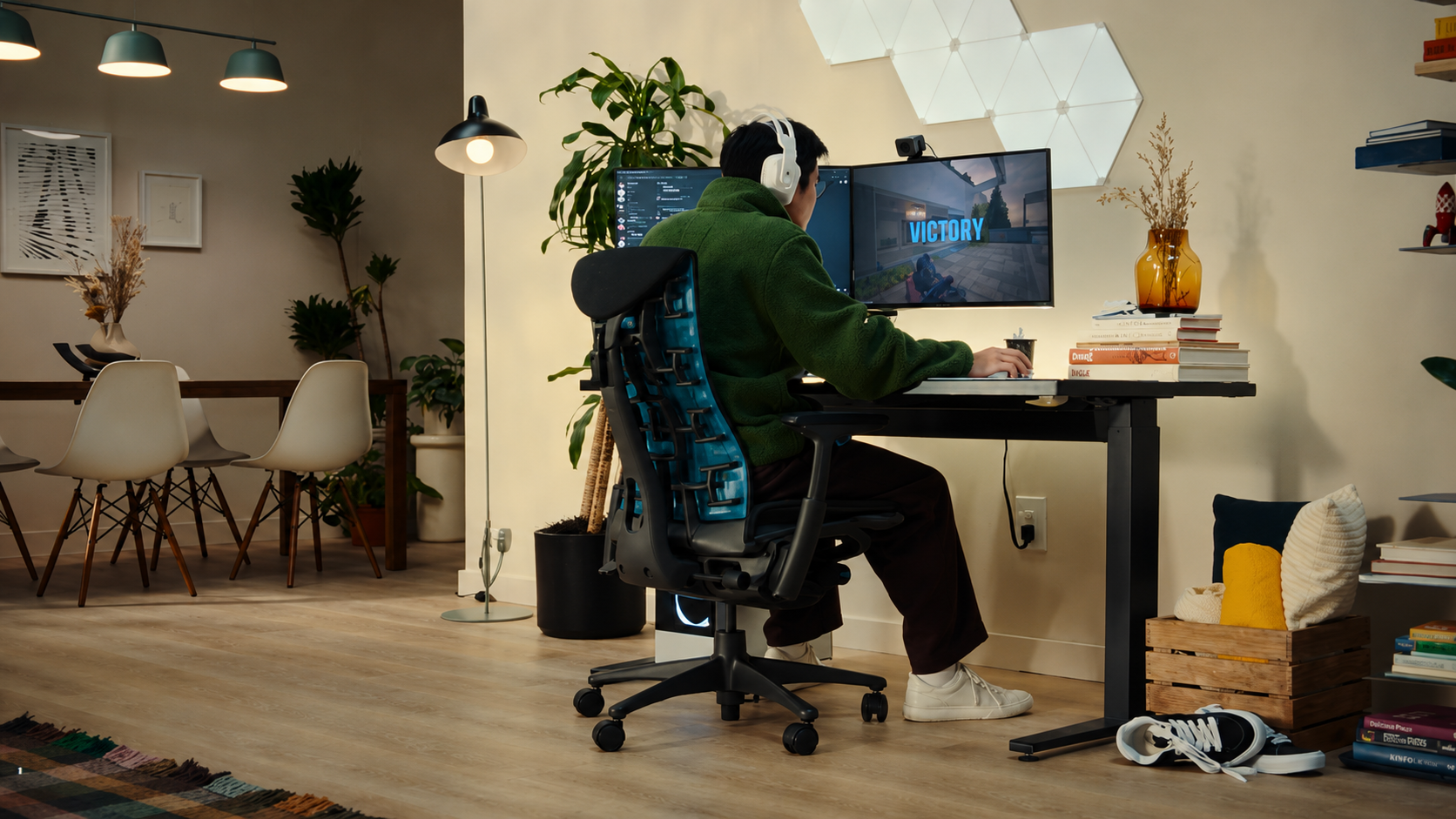
The Embody Gaming Chair is instantly recognizable by its skeletal, almost exoskeletal backrest. The back is composed of a pixelated matrix of flexible support elements that move independently, creating a dynamic surface that adapts to the sitter's spine. This backrest architecture is left exposed, eschewing the foam-padded cushions typical of gaming chairs in favor of a more technical, transparent aesthetic that reveals the engineering beneath.
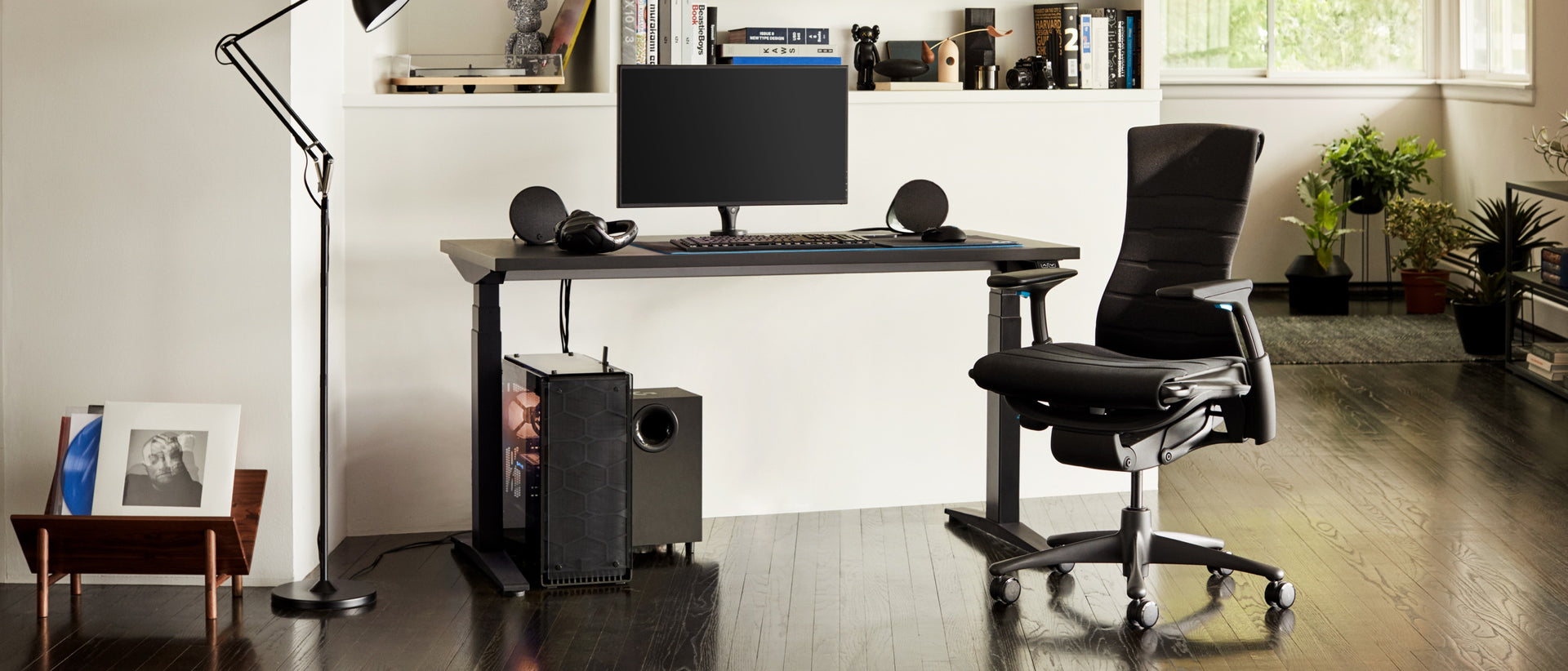
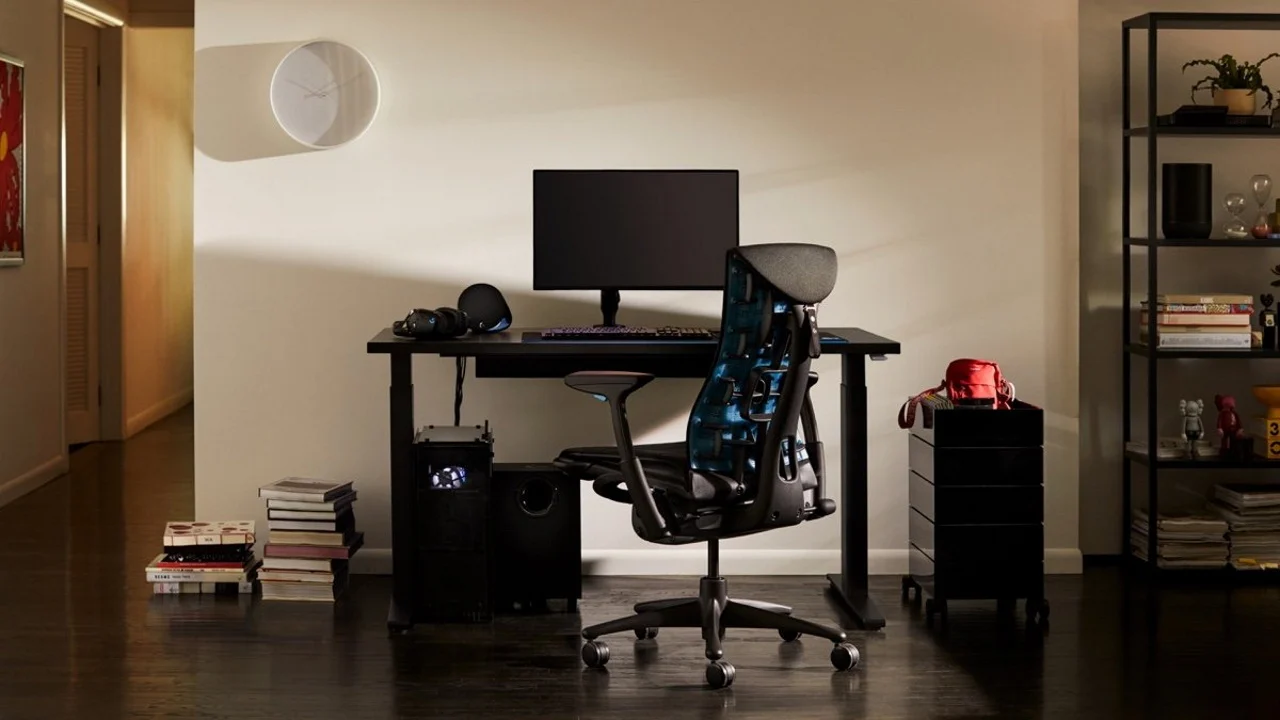
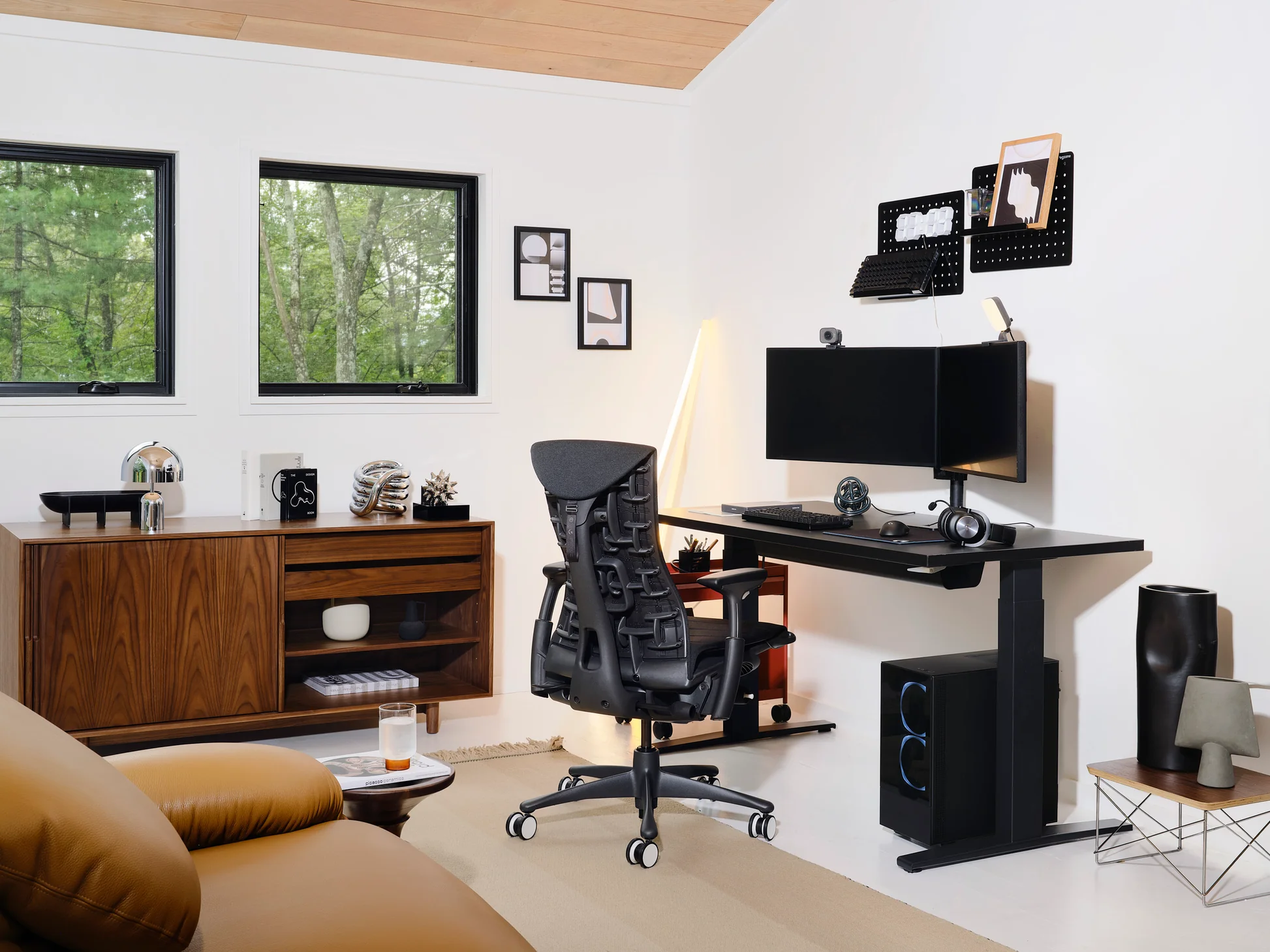
The gaming edition distinguishes itself from the standard Embody through its color palette: cyan accents run along the spine and seat edges, contrasting with black upholstery and a dark base. The Logitech G logo is embroidered into the backrest and headrest. While the racing-seat aesthetic that dominates gaming chairs is absent—no winged bolsters, no faux leather—the Embody Gaming projects a sleek, tech-forward look that feels at home in a modern gaming setup or streaming studio.
Ergonomics & How It Supports the Body
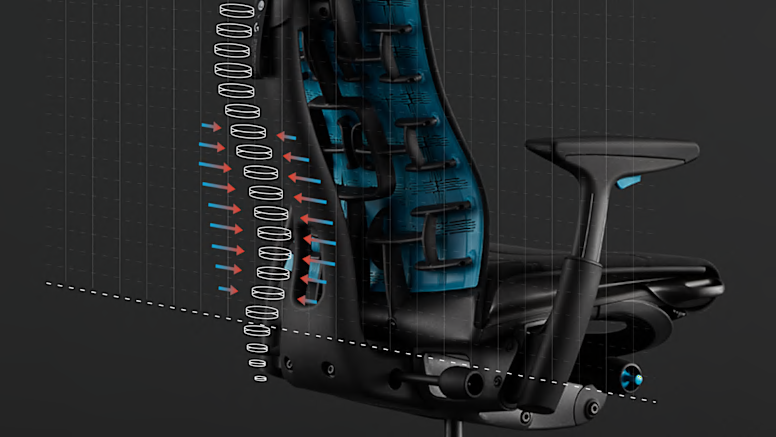
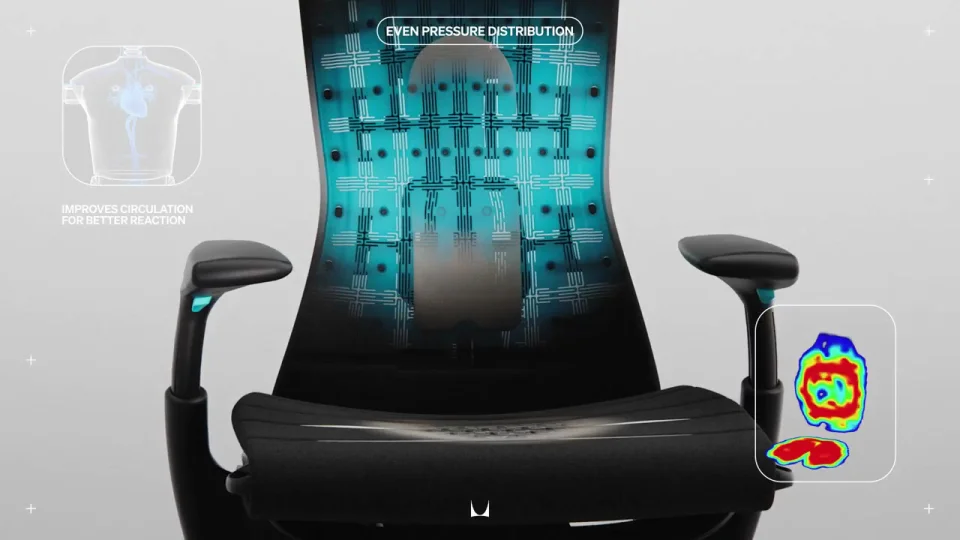
The Embody's ergonomic foundation rests on three core principles: even weight distribution, natural alignment of the spine, and unrestricted movement. The backrest's pixelated support matrix flexes with the body rather than imposing a static shape, allowing the spine to maintain its natural S-curve whether sitting upright or reclining. This dynamic support is intended to reduce pressure points and encourage healthy posture without feeling rigid or prescriptive.
The seat incorporates four layers of support, including the copper-infused cooling foam that Logitech G contributed to the gaming edition. The seat's edge is flexible to avoid cutting off circulation behind the knees, a common issue in chairs with firm front edges. The backrest extends low enough to support the sacrum and pelvis, promoting what Herman Miller calls "posterior pelvic tilt"—a slight backward rotation that reduces strain on the lower back during long sitting sessions.
Unlike many ergonomic chairs that emphasize lumbar support as a discrete adjustable pad, the Embody distributes support across the entire back and relies on the BackFit adjustment (described below) to dial in the right amount of spinal engagement for each user.
Key Adjustments & Mechanisms
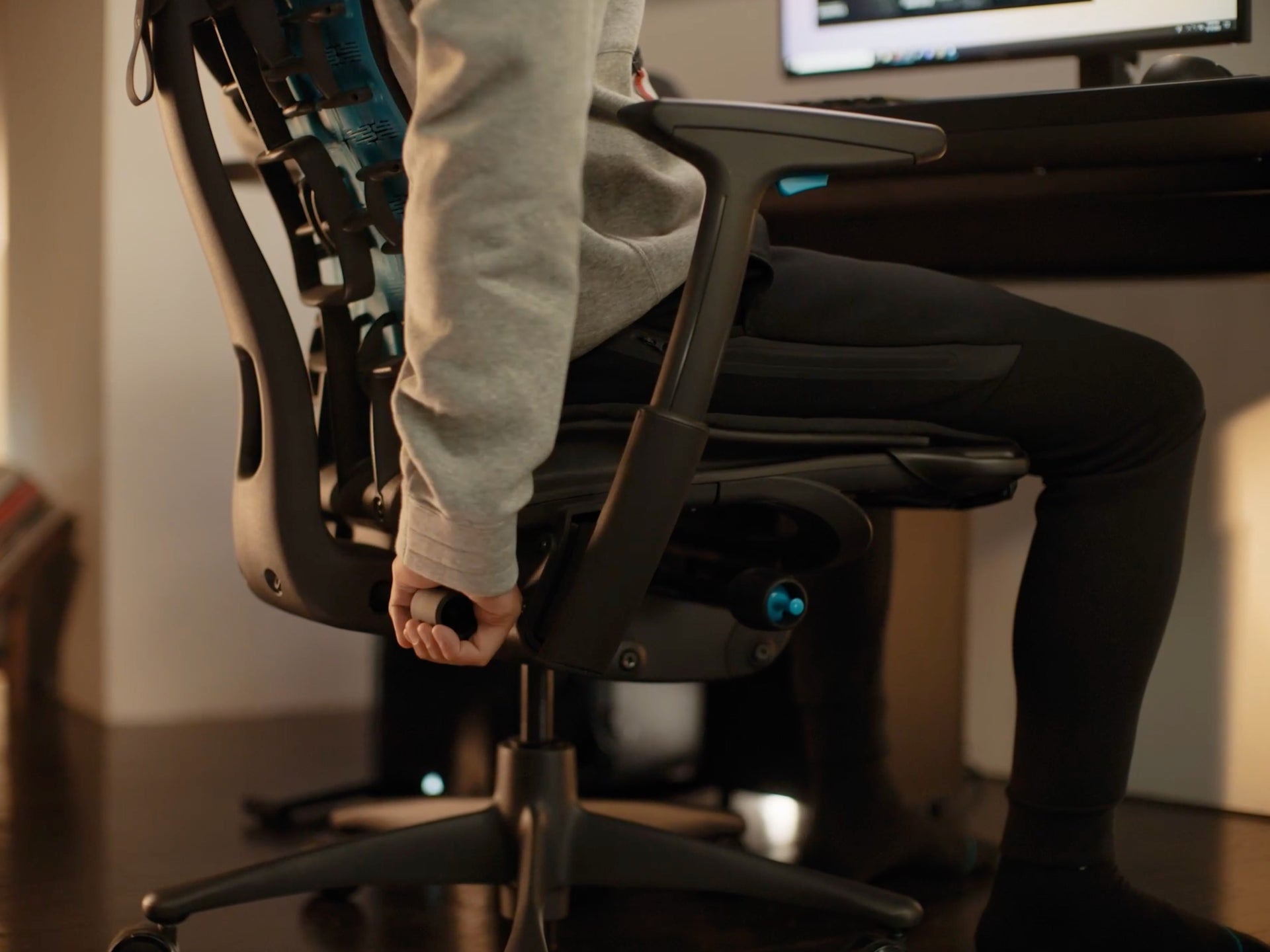
The Embody Gaming Chair offers a suite of adjustments designed to accommodate a wide range of body types and sitting preferences. The BackFit adjustment is the chair's signature mechanism: a dial on the back of the chair allows the user to increase or decrease the backrest's engagement with the spine, effectively tuning how much the pixelated matrix "hugs" the back. Turning the dial clockwise tightens the support; counterclockwise loosens it.
The seat depth adjustment slides the seat pan forward or backward to ensure the user's thighs are fully supported without the front edge digging into the back of the knees.
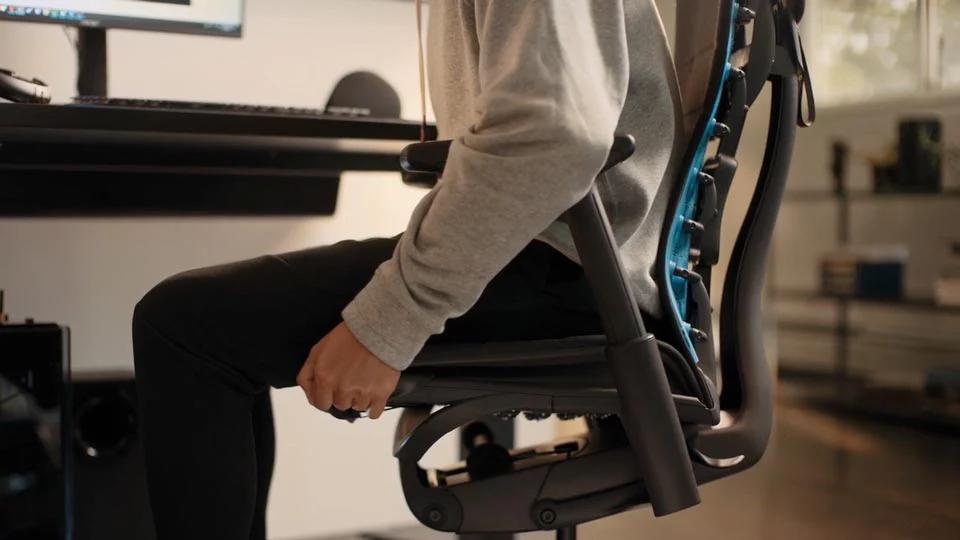
The 4D armrests adjust in height, width, depth, and pivot angle, allowing users to position armrests precisely for keyboard and mouse work or controller gaming.
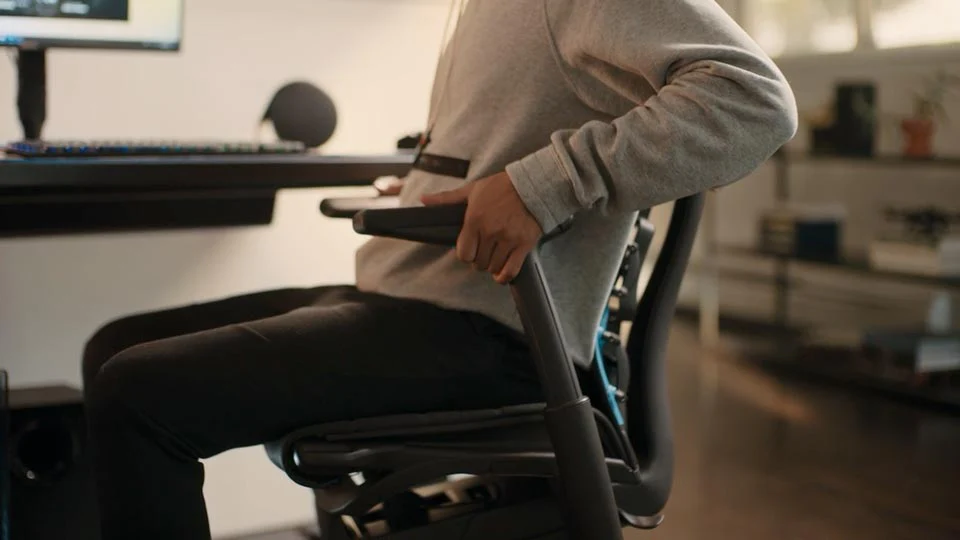
Recline tension is adjustable via a dial under the seat, and a tilt limiter lets the user lock the backrest at any angle within the recline range or allow free-floating movement.
Notably absent is a traditional lumbar support knob—the BackFit mechanism and the backrest's inherent flexibility are intended to provide lumbar support dynamically rather than through a localized pad.
Materials & Build Quality
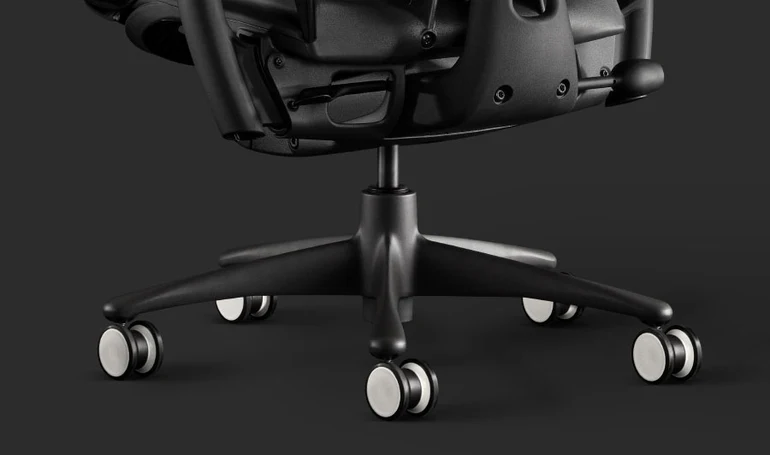
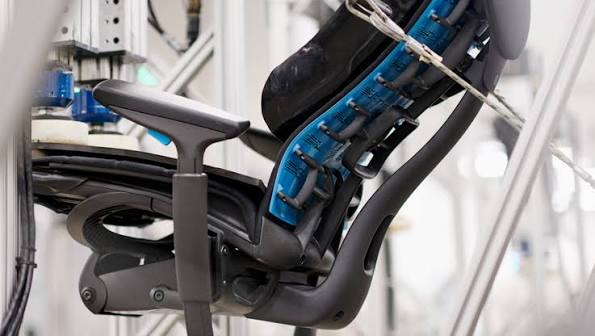
Herman Miller's reputation for durability is reflected in the Embody Gaming Chair's construction. The base and structural frame are aluminum, offering strength without excessive weight. The backrest's support matrix is made from a flexible, high-performance polymer that maintains its elasticity over years of use. The seat cushion layers include both high-density foam and the copper-infused cooling foam developed for the gaming edition, which is engineered to wick heat away from the body.
The upholstery is a textured, engineered fabric rather than leather or mesh, chosen for breathability and long-term resilience. The fabric resists pilling and fading, and the exposed backrest architecture means there are fewer seams and stitched panels that might fail over time. All adjustment mechanisms—dials, levers, and sliders—are metal or reinforced composite rather than plastic, contributing to the chair's longevity.
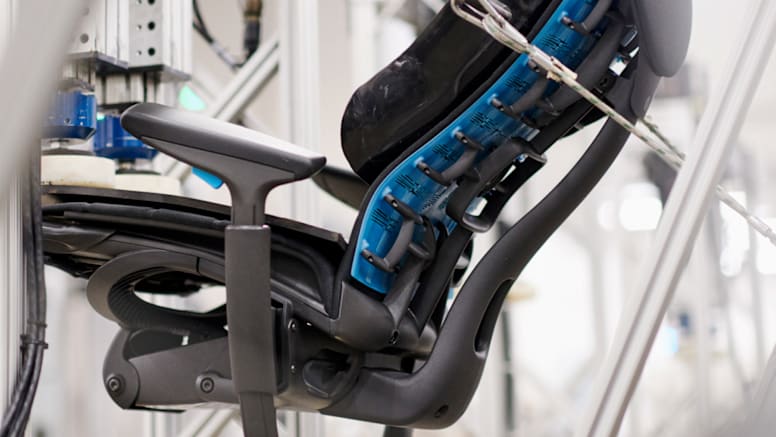
Herman Miller subjects the Embody to rigorous testing protocols, including BIFMA (Business and Institutional Furniture Manufacturers Association) standards, and backs the chair with a 12-year warranty that covers all mechanisms and materials under normal use.
Sitting Experience — What It Actually Feels Like Day to Day
Sitting in the Embody Gaming Chair feels distinctly different from both traditional office chairs and typical gaming chairs. The backrest does not offer the plush, cushioned embrace of a high-back executive chair; instead, it provides firm, distributed support that subtly encourages upright posture. First-time sitters sometimes describe the backrest as "hard" or "too firm," but after a few days of adjustment, most users report that the chair becomes more comfortable as their bodies adapt to the active support.
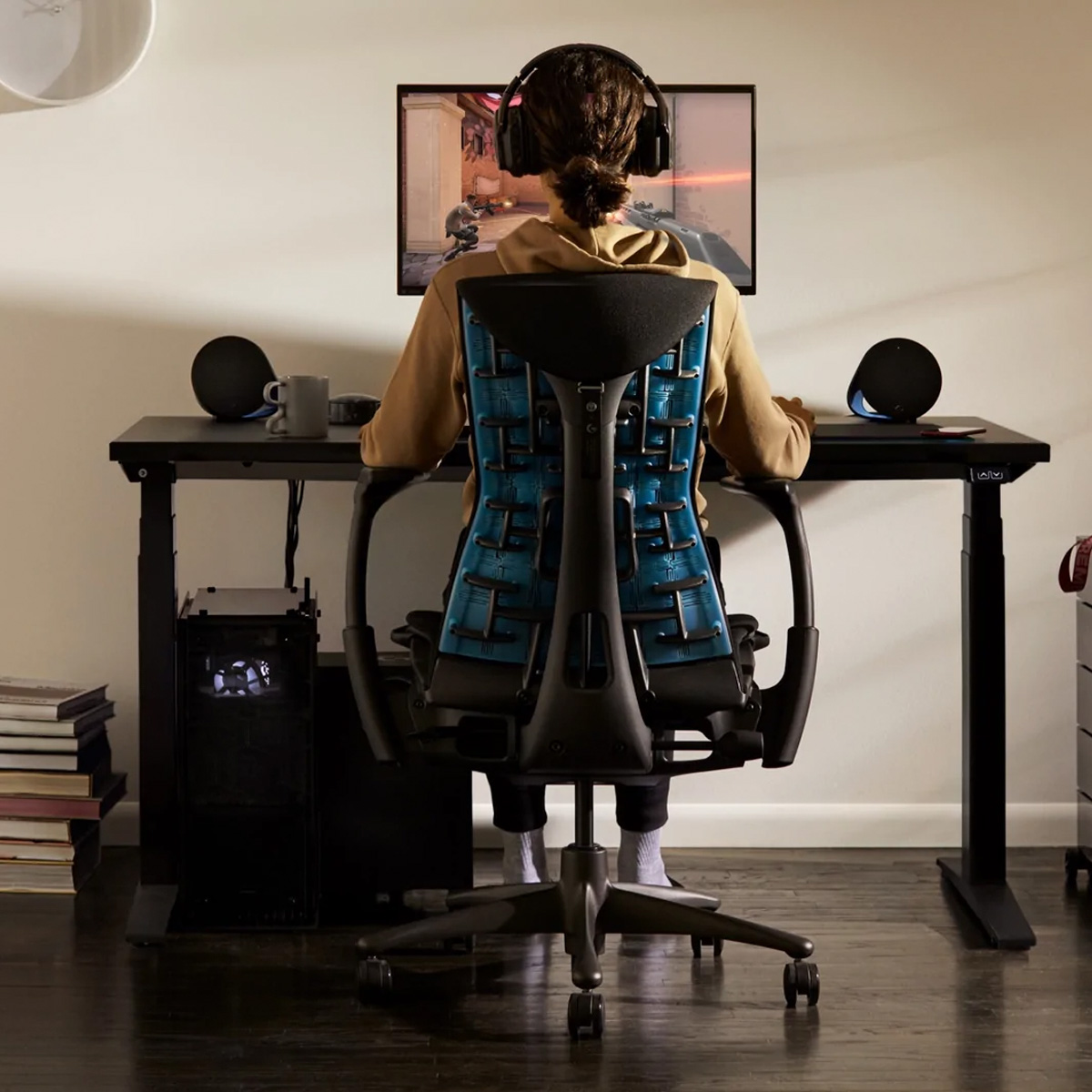
The seat is noticeably cooler than foam or leather alternatives, thanks to the copper-infused foam and the fabric upholstery's breathability—a meaningful advantage during long gaming or work sessions. The chair's dynamic recline and flexible backrest allow for frequent position changes without needing to unlock or adjust anything manually; micro-movements feel natural and unrestricted.
Users who prefer the enveloping, bucket-seat feel of racing-style gaming chairs may find the Embody too open and unstructured. Conversely, those who value freedom of movement, postural support, and thermal comfort tend to find the Embody's sitting experience highly effective for marathon sessions of gaming, streaming, or desk work.
Who It's For (and Who Should Skip It)
The Embody Gaming Chair is built for users who spend many hours seated each day and prioritize long-term ergonomic health over immediate plush comfort. It suits gamers, streamers, developers, writers, and remote workers who understand that proper support pays dividends in reduced fatigue and fewer postural issues. The chair's design assumes the user is willing to invest time in adjusting the BackFit, armrests, and seat depth to dial in a personalized fit.
It is particularly well-suited to users between approximately 5'4" and 6'2" (163–188 cm) and up to 300 lbs, given the seat depth range and backrest height. Taller users may wish the backrest extended higher, and those significantly shorter than 5'4" might find the seat depth challenging even at its minimum setting.
Who should skip it: Budget-conscious buyers will find the $1,600+ price prohibitive when capable ergonomic chairs exist for a third of the cost. Users who prefer heavily padded, enveloping seats or a traditional lumbar knob may find the Embody's design too firm or unfamiliar. And anyone seeking the visual drama of a racing-style gaming chair—winged bolsters, bright RGB, faux leather—will find the Embody's aesthetic too understated.
Comparisons with Key Rivals
Chair | Price Tier | Seat & Back | Adjustments | Standout Strength |
|---|---|---|---|---|
Herman Miller Embody Gaming | ~$1,600–$1,900 | Cooling foam seat, pixelated dynamic backrest | BackFit, seat depth, 4D arms, recline | Scientifically engineered ergonomics, 12-year warranty |
Secretlab Titan Evo | ~$500–$700 | Cold-cure foam, high backrest, integrated lumbar | 4D arms, recline, lumbar dial, seat tilt | Racing aesthetic, magnetic head pillow, value |
Steelcase Gesture (gaming not offered) | ~$1,200–$1,400 | Mesh or upholstered, synchronized tilt | Limb-inspired arms, seat depth, lumbar | Exceptional armrest range, multi-posture support |
Razer Iskur V2 | ~$700–$800 | High-density foam, built-in lumbar curve | 4D arms, recline, lumbar depth | Integrated adjustable lumbar, aggressive styling |
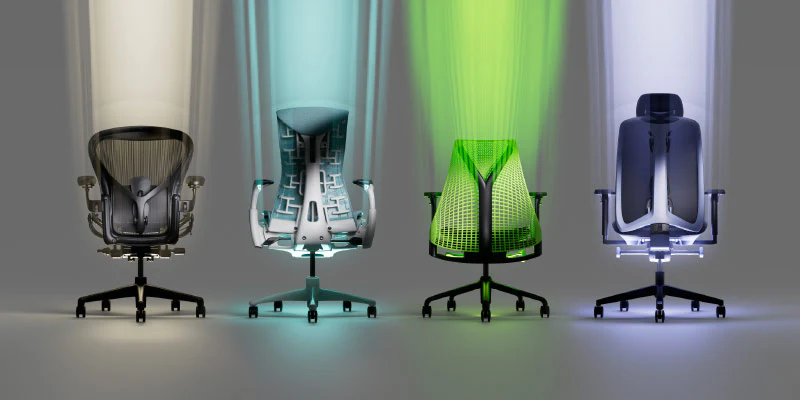
The Embody Gaming Chair sits at the premium end of the gaming chair market, commanding roughly double the price of high-quality competitors like the Secretlab Titan Evo or Razer Iskur. Its closest sibling in philosophy is the Steelcase Gesture, another office-chair-turned-gaming-option, though the Gesture is not officially branded for gaming. Where racing-style chairs emphasize bolstering and visual impact, the Embody prioritizes transparency of engineering, thermal management, and clinical ergonomic research—a different value proposition that justifies its cost for users who view the chair as a long-term health investment.
Sizing, Fit & Configuration Options
The Embody Gaming Chair is offered in a single size, designed to fit a broad range of users. Seat depth adjusts from approximately 15.5 to 18 inches (39–46 cm), and the seat height ranges from roughly 16 to 20.5 inches (41–52 cm) from the floor. The backrest height is fixed and extends to support the mid-back and lower shoulders, but not the head or neck—there is no integrated headrest, a departure from most gaming chairs.
Configuration options are limited compared to Herman Miller's office lineup. The gaming edition is available exclusively in the cyan-and-black colorway with the Logitech G branding and copper-infused cooling foam; buyers seeking different colors or upholstery types would need to opt for the standard Embody office chair, which offers a wider palette but lacks the gaming-specific foam and aesthetic details.
Users on the shorter or taller ends of the spectrum should test the chair if possible. Those under 5'4" may find even the minimum seat depth too deep, while users over 6'3" might wish for a taller backrest or more pronounced headrest support during reclined gaming.
Sustainability & Certifications
Herman Miller has long emphasized environmental stewardship, and the Embody Gaming Chair inherits that commitment. The chair is Cradle to Cradle certified at the Silver level, meaning it meets standards for material health, material reutilization, renewable energy use, water stewardship, and social fairness. A significant portion of the chair's materials—including the aluminum base and many polymer components—are recyclable, and Herman Miller offers take-back programs in some regions to reclaim chairs at end of life.
The chair is also GREENGUARD certified, indicating low chemical emissions and contribution to healthier indoor air quality. Manufacturing takes place in Herman Miller's Michigan facilities, which run on renewable energy and maintain ISO 14001 environmental management certification. While the gaming edition's copper-infused foam is a newer material, Herman Miller has stated that it adheres to the same material health standards as the rest of the Embody line.
Maintenance, Durability & Warranty
The Embody Gaming Chair requires minimal maintenance. The fabric upholstery can be spot-cleaned with mild soap and water; the backrest's exposed matrix design means there are no crevices where dust or debris accumulate significantly. The aluminum base and casters are straightforward to wipe down, and the casters themselves are replaceable if they wear out on hard or soft flooring.
Durability is one of Herman Miller's core selling points. The 12-year warranty is among the longest in the industry and covers all parts and labor for defects in materials or workmanship under normal single-shift (8–10 hours per day) use. Many users report Embody chairs lasting well beyond the warranty period with no loss of support or mechanism function. The chair's all-day rating and BIFMA compliance mean it is tested to withstand years of intensive use.
If issues arise, Herman Miller's service network and parts availability are robust, particularly in North America and Europe. Replacement parts—armrest pads, casters, gas cylinders—are readily available, and the modular design allows for repairs rather than full replacement.
Pricing, Value & Where It Sits in the Market
The Herman Miller Embody Gaming Chair retails for approximately $1,695 USD at the time of writing, though pricing can vary slightly by region and retailer. This places it firmly in the premium tier of gaming chairs, above mainstream options like the Secretlab Titan Evo (~$600) and Razer Iskur (~$700), and roughly on par with other high-end office chairs adapted for gaming use.
The question of value hinges on how a buyer weighs upfront cost against longevity, warranty, and ergonomic performance. Spread over a 12-year warranty period, the Embody costs roughly $140 per year—comparable to replacing a mid-tier gaming chair every two to three years. For users who sit eight or more hours daily and have experienced discomfort or injury from lesser chairs, the Embody's price can be justified as a health investment. For casual gamers or those on tighter budgets, the cost is harder to rationalize when capable alternatives exist for half the price.
Herman Miller does not frequently discount the Embody Gaming Chair, though occasional promotions or trade-in programs may reduce the effective cost. The chair is available directly from Herman Miller's website, authorized retailers, and select gaming-focused resellers.
Verdict — The Bottom Line
The Herman Miller Embody Gaming Chair is a serious ergonomic tool wrapped in gaming livery—a chair that respects the reality that gamers, like knowledge workers, sit for extended periods and deserve scientifically grounded support. Its pixelated backrest, cooling foam seat, and 12-year warranty distinguish it from the racing-style chairs that dominate gaming spaces, offering a fundamentally different sitting experience rooted in postural health rather than aesthetic bravado.
It is not for everyone. The price is prohibitive for many, and the firm, dynamic support may feel unfamiliar or even uncomfortable to users accustomed to plush, enveloping seats. But for gamers, streamers, and desk workers who prioritize long-term comfort, thermal management, and freedom of movement—and who are willing to pay a premium for a chair built to last over a decade—the Embody Gaming Chair delivers on its promise.
This is a chair that asks you to sit better, not just sit softer—and for those who answer that call, it may be the last gaming chair they ever need to buy.
Interested in the Herman Miller x Logitech G Embody Gaming Chair?
Check the price on Amazon