Herman Miller Sayl Chair
Suspension-bridge engineering meets accessible design
Overview
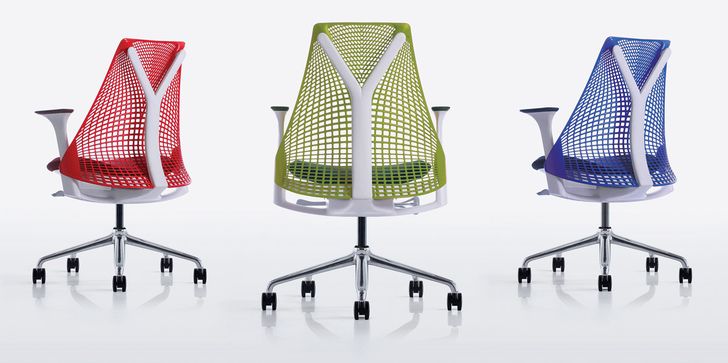
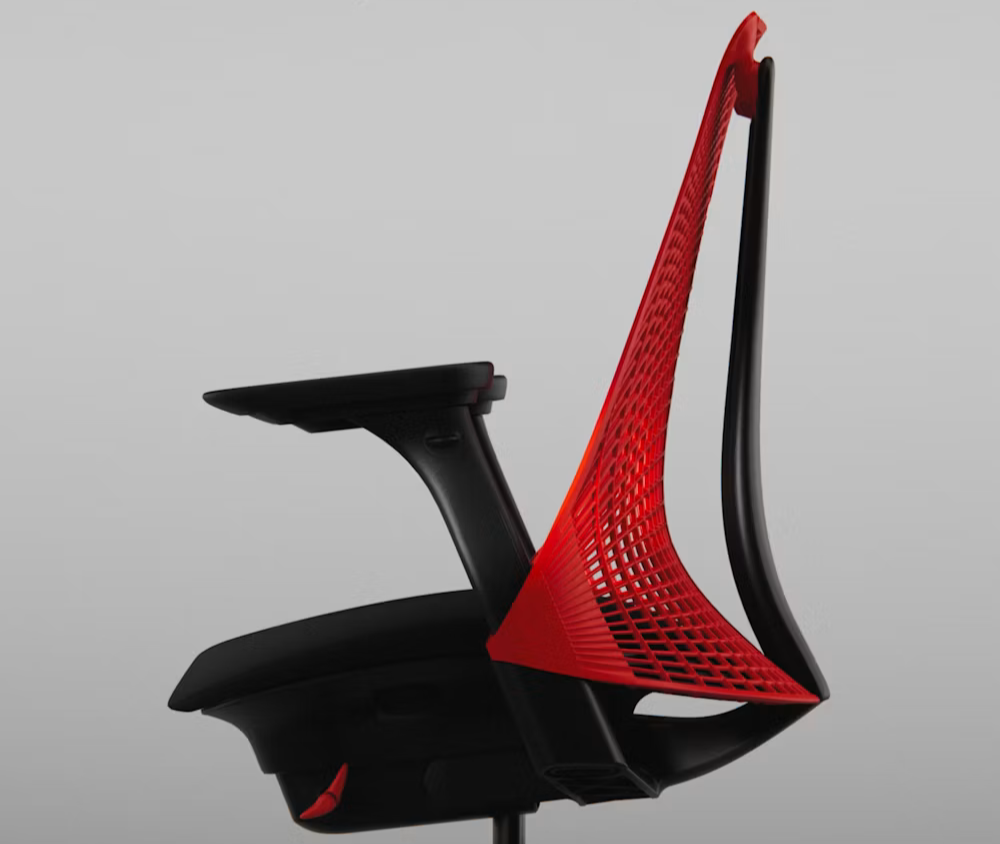
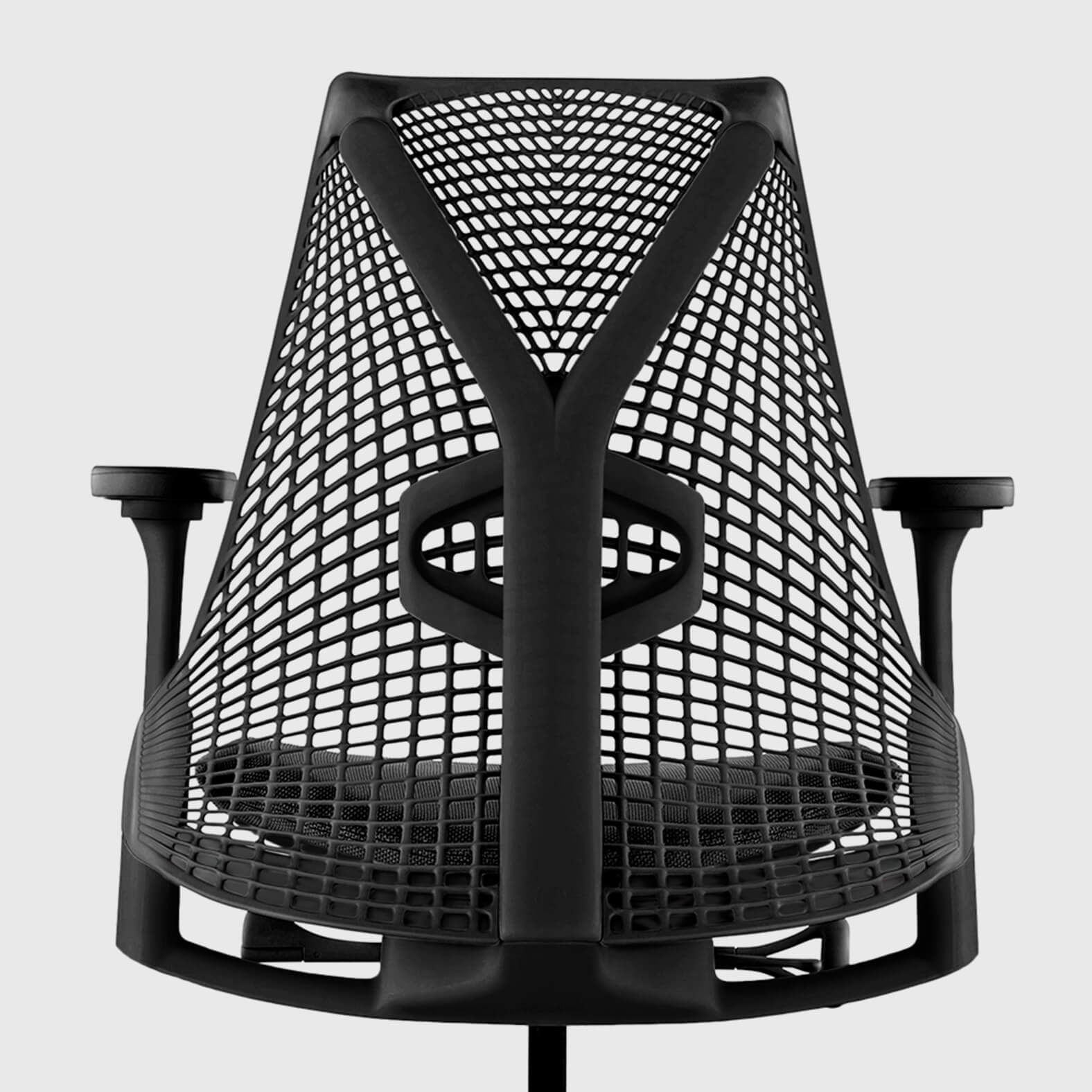
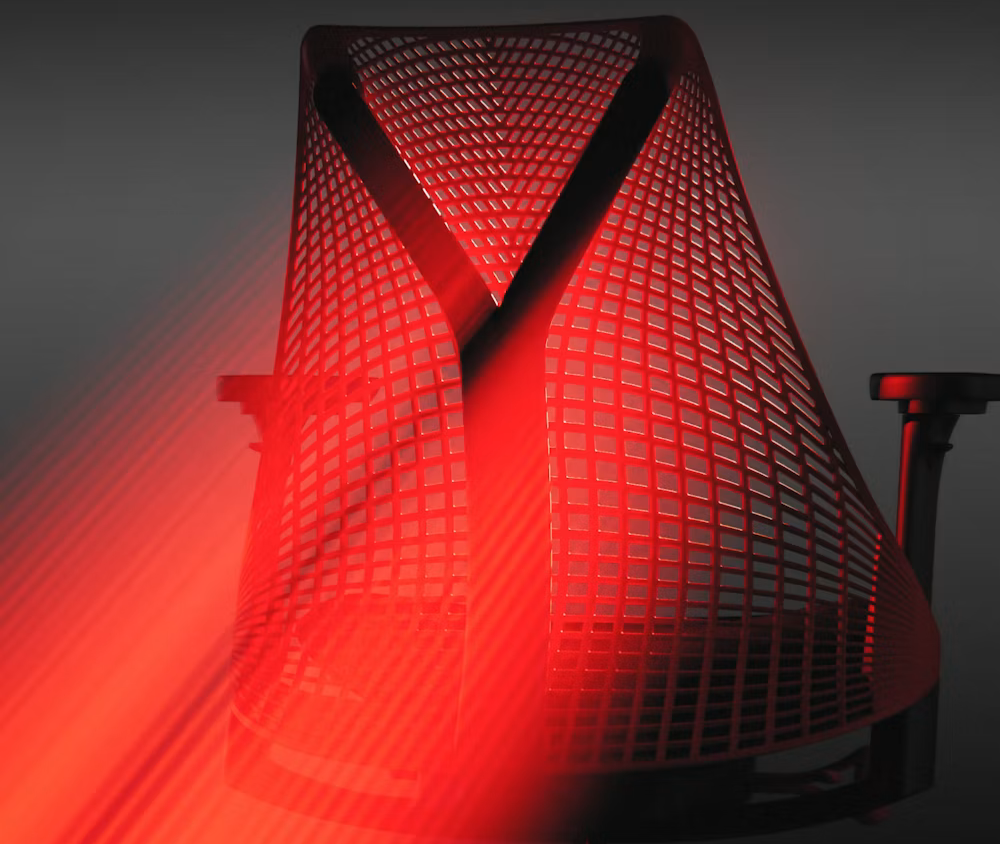
The Herman Miller Sayl is a design-forward work chair that brings the brand's ergonomic and environmental pedigree to a more attainable price tier. Designed by Yves Béhar in 2010 , the Sayl stands apart visually with a frameless back that provides support by suspending the back material in tension between the under-side of the chair seat and the Y-shaped vertical structure . Béhar began by looking at designs that deliver the most with the least, and then he took a look at his city's best-known landmark: the Golden Gate Bridge. Béhar wondered, could the engineering principles of a suspension bridge be applied to a chair? The result is a chair that marries engineering innovation, accessible pricing, and clean, biomorphic aesthetics—positioning it as Herman Miller's value-tier entry without compromising on core performance or sustainability.
At a glance
Brand | Herman Miller |
|---|---|
Designer | Yves Béhar / fuseproject |
Year introduced | 2010 |
Backrest material | Unframed 3D Intelligent elastomer suspension, or upholstered |
Seat material | Upholstered foam |
Frame | Y-Tower support; ArcSpan; polished or painted aluminum base |
Tilt mechanism | Harmonic Tilt (synchronous), with tilt limiter ± seat-angle adjustment |
Key adjustments | Seat height, tilt tension, tilt limiter, optional seat-depth adjustment, optional lumbar support (4″ range), fixed/height-adjustable/fully adjustable arms |
Weight capacity | 350 lb (159 kg) |
Certifications | GREENGUARD Gold, BIFMA level™ 3, Cradle to Cradle Silver |
Recyclability | Up to 90–93% recyclable; no PVCs; 8% recycled content |
Warranty | 12 years, 24/7 |
Price tier (2026, list) | Mid-tier (~$600–750 USD configured; entry models historically ~$399–450) |
The brand & its philosophy
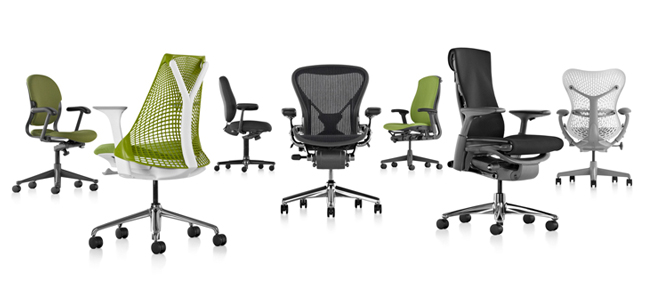
For more than 100 years, Herman Miller has provided solutions that stand the test of time. Explore products and resources designed to inspire the best in people. The Michigan-based manufacturer is synonymous with modern design heritage—having partnered with icons like the Eameses, George Nelson, and Bill Stumpf. Herman Miller's chairs consistently prioritize ergonomic research, environmental stewardship, and longevity over fashion cycles. Herman Miller asked designer Yves Béhar to design a highly affordable chair that would incorporate everything Herman Miller is known for—beautiful design, first-class ergonomics, elegant engineering, and respect for the environment. Sayl represents a deliberate effort to democratize access to Herman Miller quality without diluting the engineering or sustainability standards that underpin the brand.
The designer and the design story
Yves Béhar is a Swiss designer whose career took off while studying design in San Francisco. Born in Lausanne, Switzerland, Béhar decided to pursue his design studies on the coast of California, seeking innovation and nods toward the future in efforts to improve overall quality of life. Béhar founded his industrial design and brand management firm, Fuseproject, in 1999 , and has since applied his signature blend of narrative design and technological optimism to projects spanning consumer electronics, social good (One Laptop Per Child), and furniture.
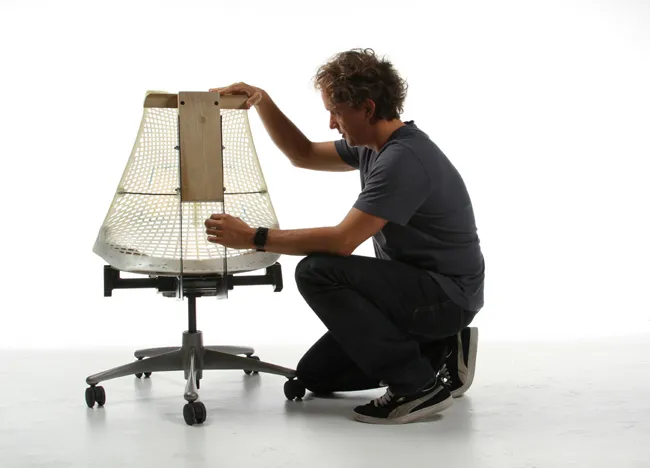
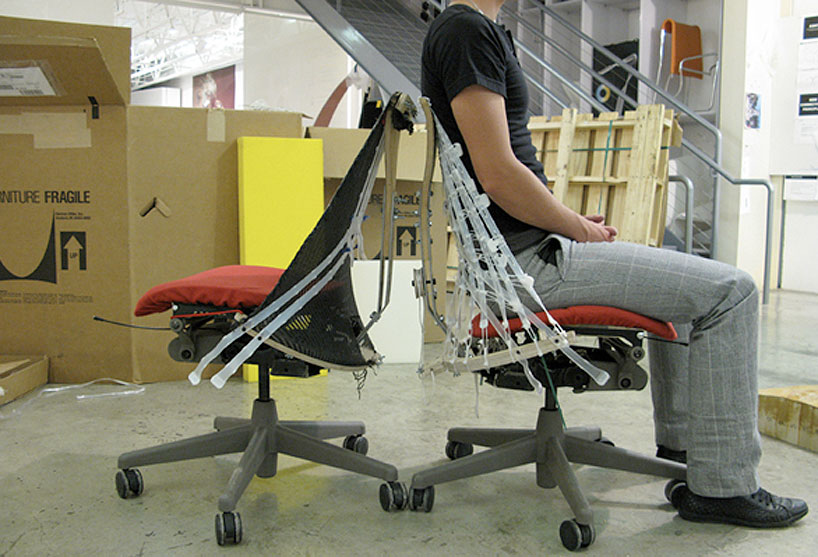
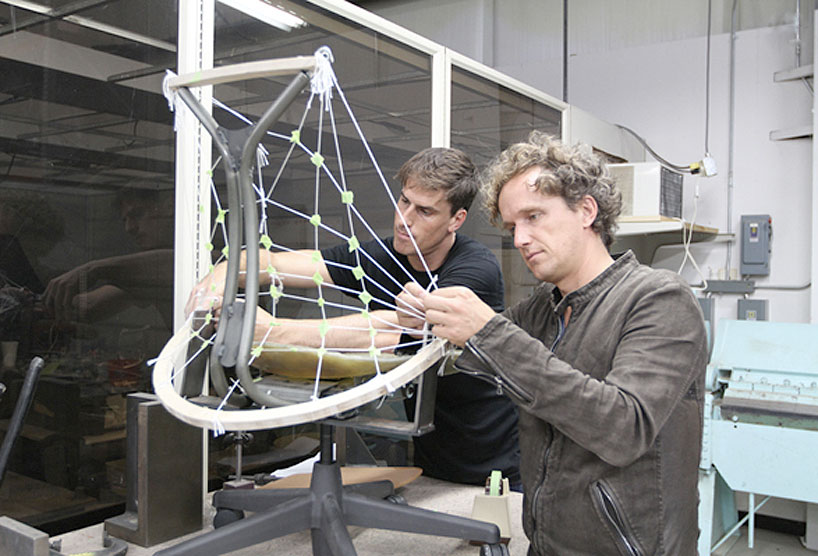
The whole SAYL design adventure was really a process of invention, iteration, constant failure and experimentation. It did not take place on the computer, but in the workshop and on the drawing board, with real prototypes leading to failures and successes. What Don Goeman at Herman Miller describes as "growing" a chair rather than "building" one is the idea the fuseproject team led by Bret Recor, Qin Li, and Naoya Edahiro took to heart for three years, and through a deep collaboration with a dozen Herman Miller engineers under John Aldrich, and the watchful eye of Jack Schreur, they really "grew" the SAYL line of work chairs.
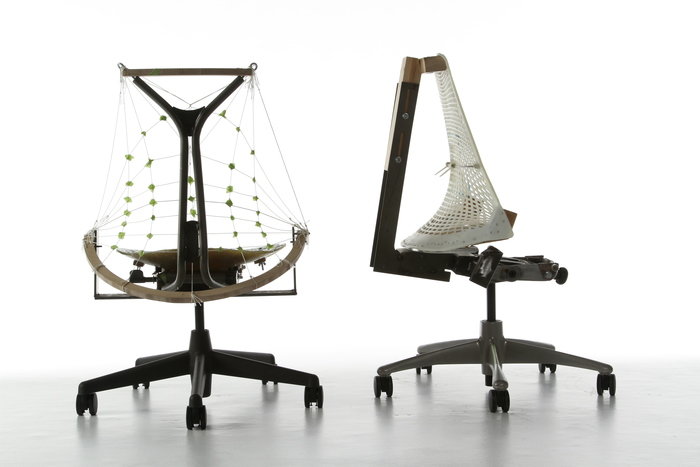
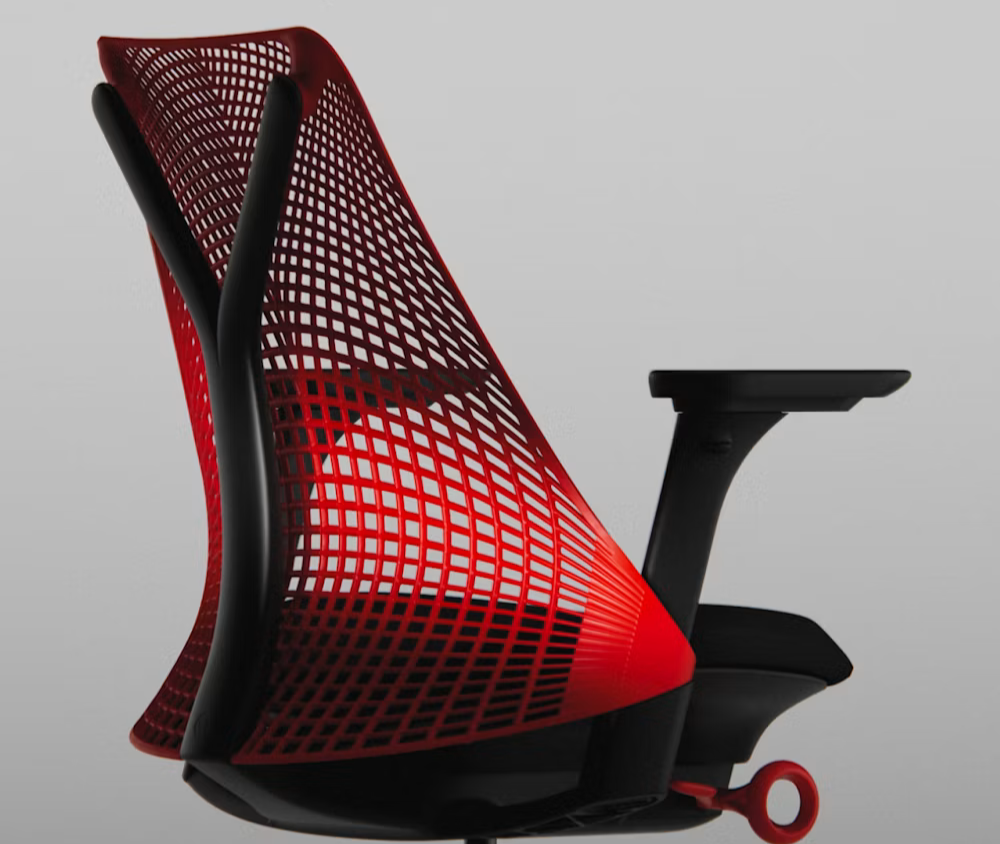
The most unique feature of the chair is its back, which uses an elastomer rather than mesh or hard plastic. It took 70 prototypes to get it right. "We created a patented process to stretch it and string it that creates a response like a trampoline," Behar says.
Design language & aesthetics
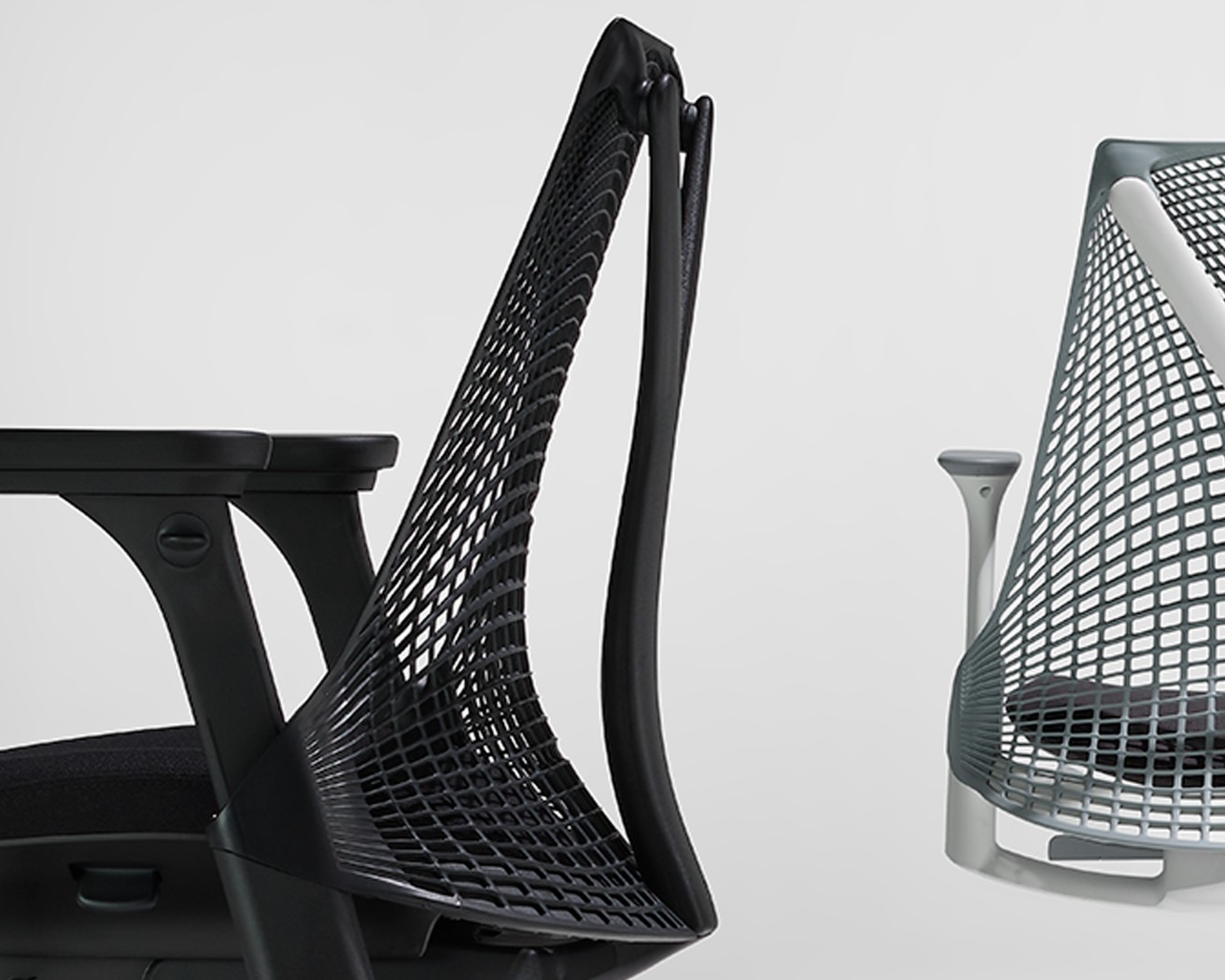
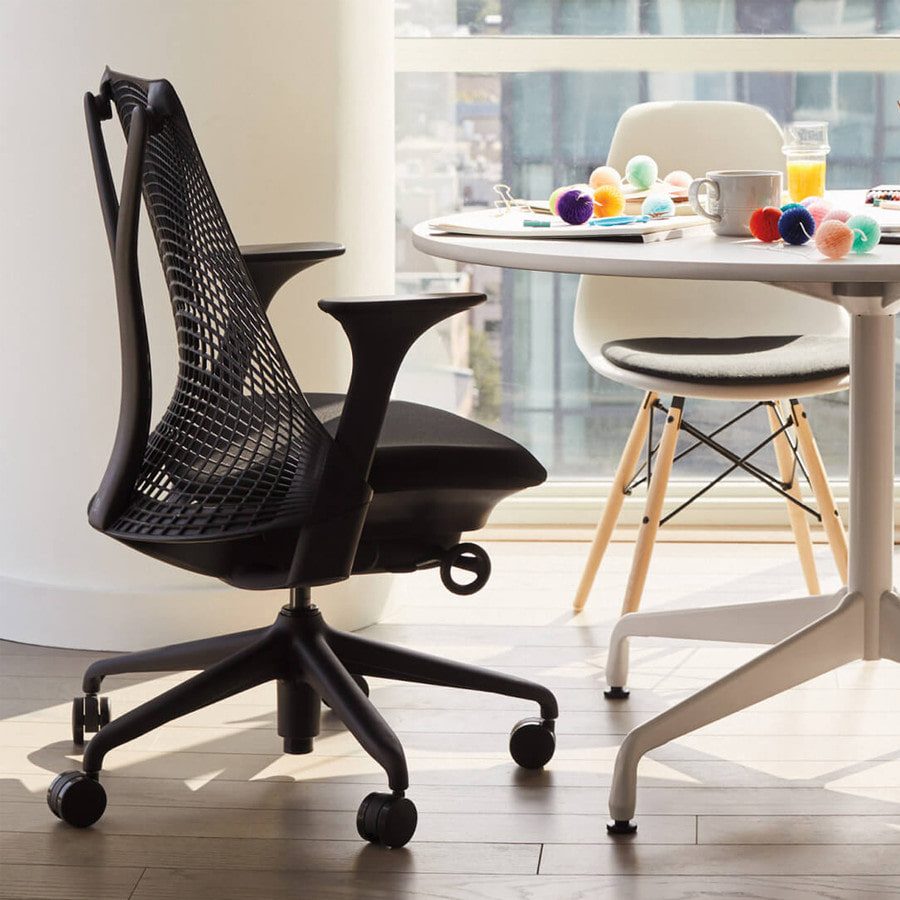
Sayl's unframed back and Y-Tower support create a striking visual aesthetic that reveals both the designer's inspiration and intent. The side profile evokes a sail—the name "Sayl" itself references this visual metaphor—or the sweeping arc of a suspension bridge. SAYL gives a sense of visual lightness and transparency rather than a status-announcing design, and an ergonomic feel that is biomorphic. At the same time SAYL has a sense of humility and attempts to achieve high-tactility design rather than visual statement. The chair screams design intent when viewed and touched by the sitter in close proximity, but from afar it almost disappears. The workplace is not about chairs and what they say about the people that sit in them; it's about the humans and their work. To that effect, SAYL appears smaller in scale, and its dematerialization makes it more transparent in the environment.
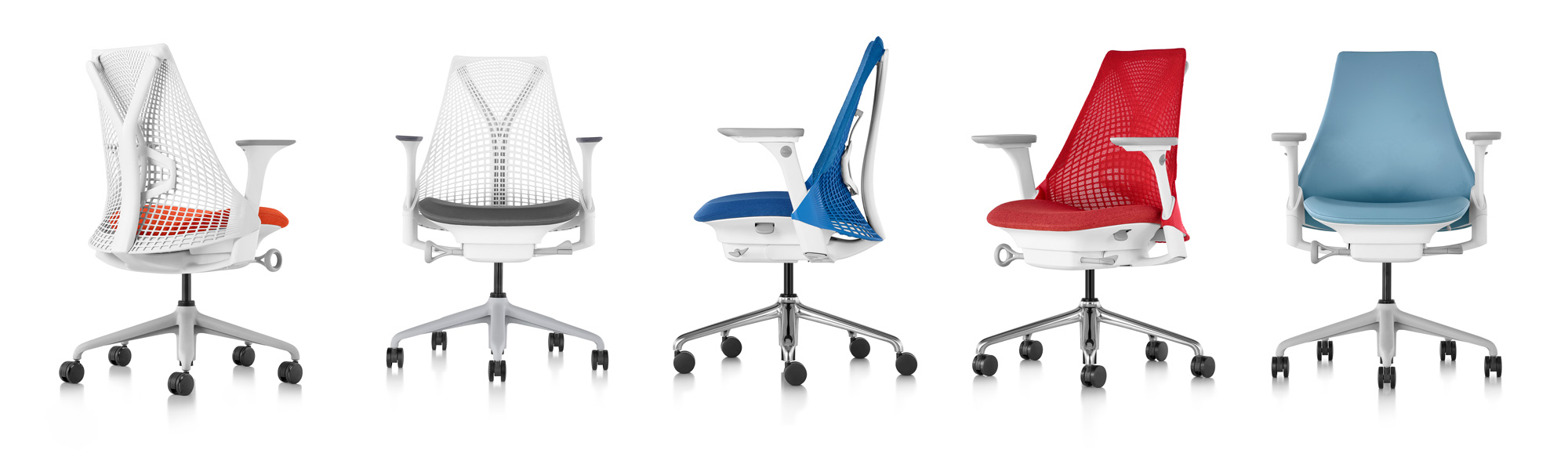
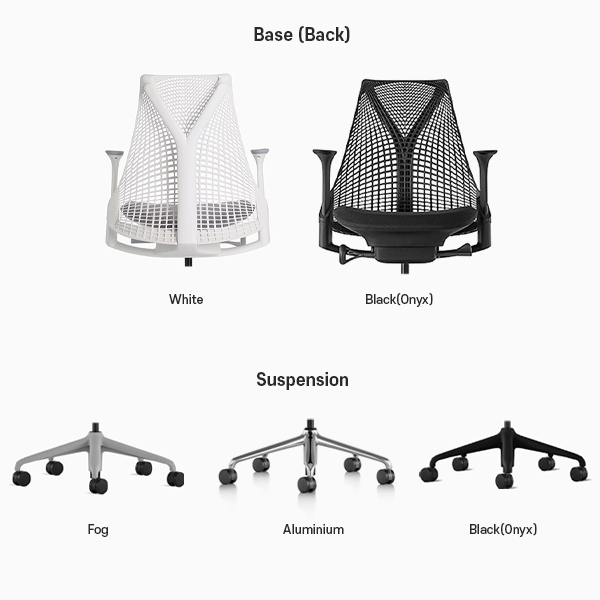
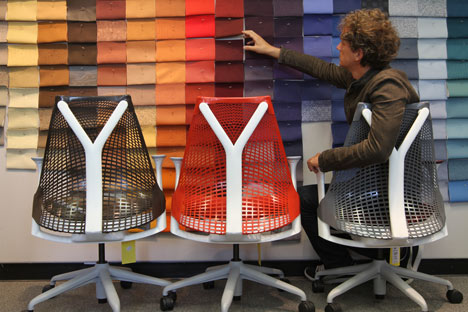
The elastomer suspension back is available in a range of colors (fog, white, black, red, cyan, green apple), and the chair can be specified with a stretch-knit cover for a softer, warmer aesthetic or a fully upholstered back. The base, Y-Tower, and arms can be finished in polished aluminum or various painted colors, giving design teams substantial visual flexibility.
Ergonomics & how it supports the body
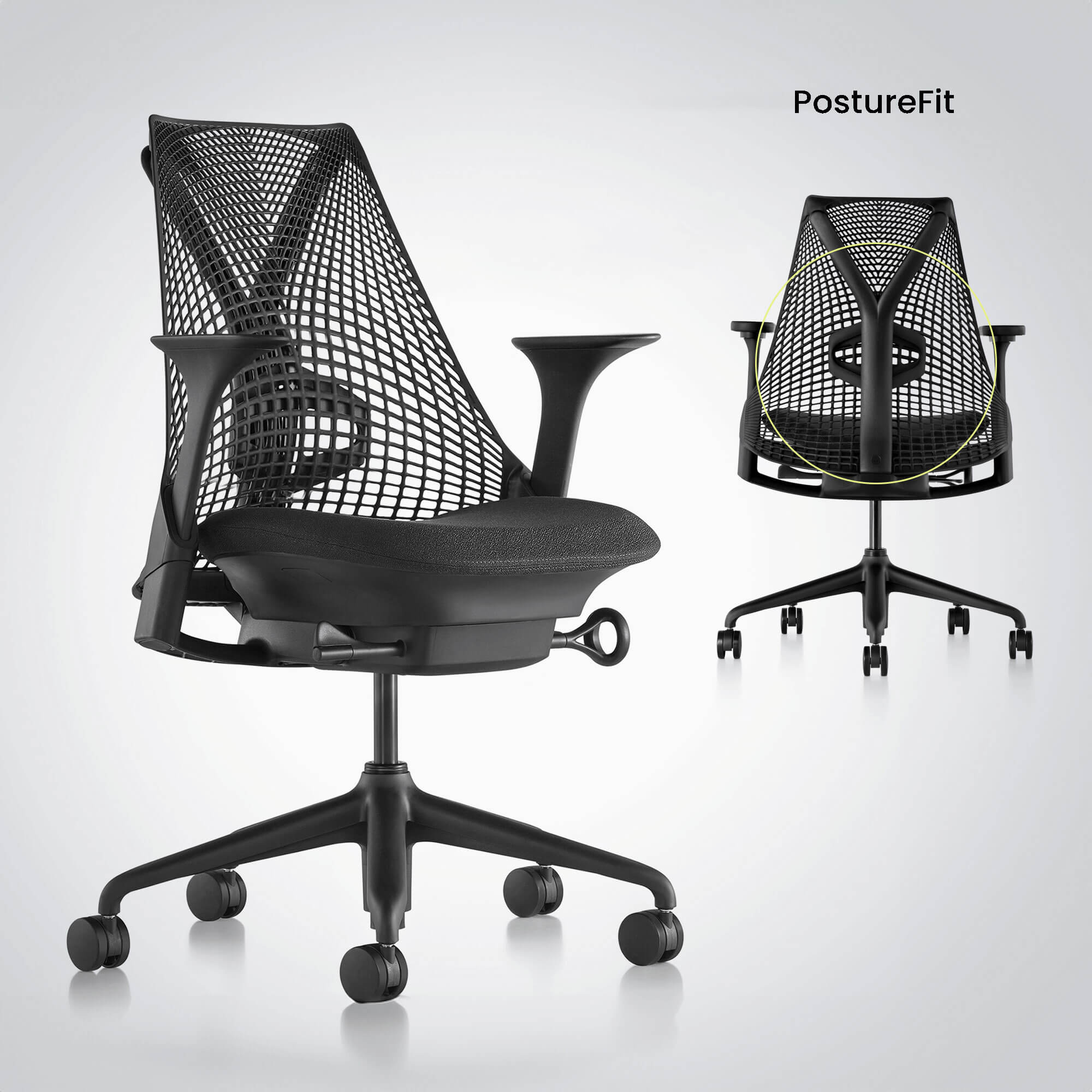
The elastomer strands of the suspension back vary in thickness and tension to provide greater support in the transition areas along the spine and less everywhere else to encourage a full range of seated movement. The construction of Sayl's 3D Intelligent suspension back provides passive PostureFit sacral support, which allows your spine to maintain its natural S shape and empowers your body to maintain a healthful posture with less fatigue. Unlike the active PostureFit found in the Aeron, Sayl's sacral support is engineered into the elastomer tension pattern itself—no adjustment pad is built into the base model.
Sayl's Harmonic Tilt enables natural, balanced movement through a range of postures , supporting the body's tendency to pivot at the ankles, knees, and hips. The seat and back move in synchrony, reducing strain during recline. For users who sit dynamically, this passive support system works well; for those requiring active lumbar adjustment, an optional height-adjustable lumbar support provides fine-tuning over a 4-inch (10 cm) range.
Key adjustments & mechanisms
The Sayl is available in several adjustment tiers. All models include pneumatic seat-height adjustment (15–22″), tilt tension control, and a tilt limiter that lets the user lock the recline range from upright to full recline. Optional enhancements include:
Seat-depth adjustment: slide mechanism offering three positions over approximately 2″ of travel (16–18″ seat depth).
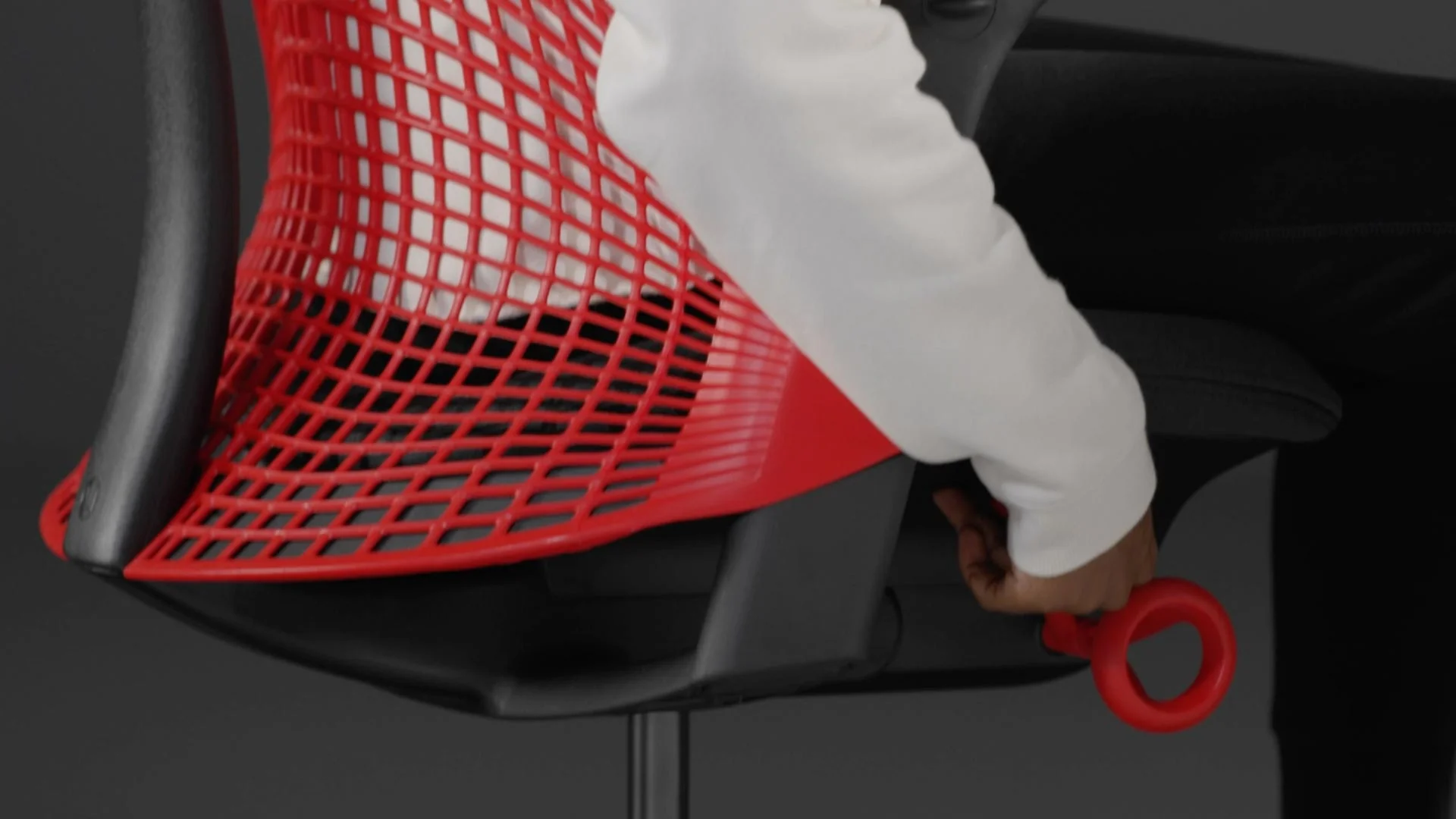
Seat-angle adjustment: allows a 5° forward tilt for perching or upright tasks.
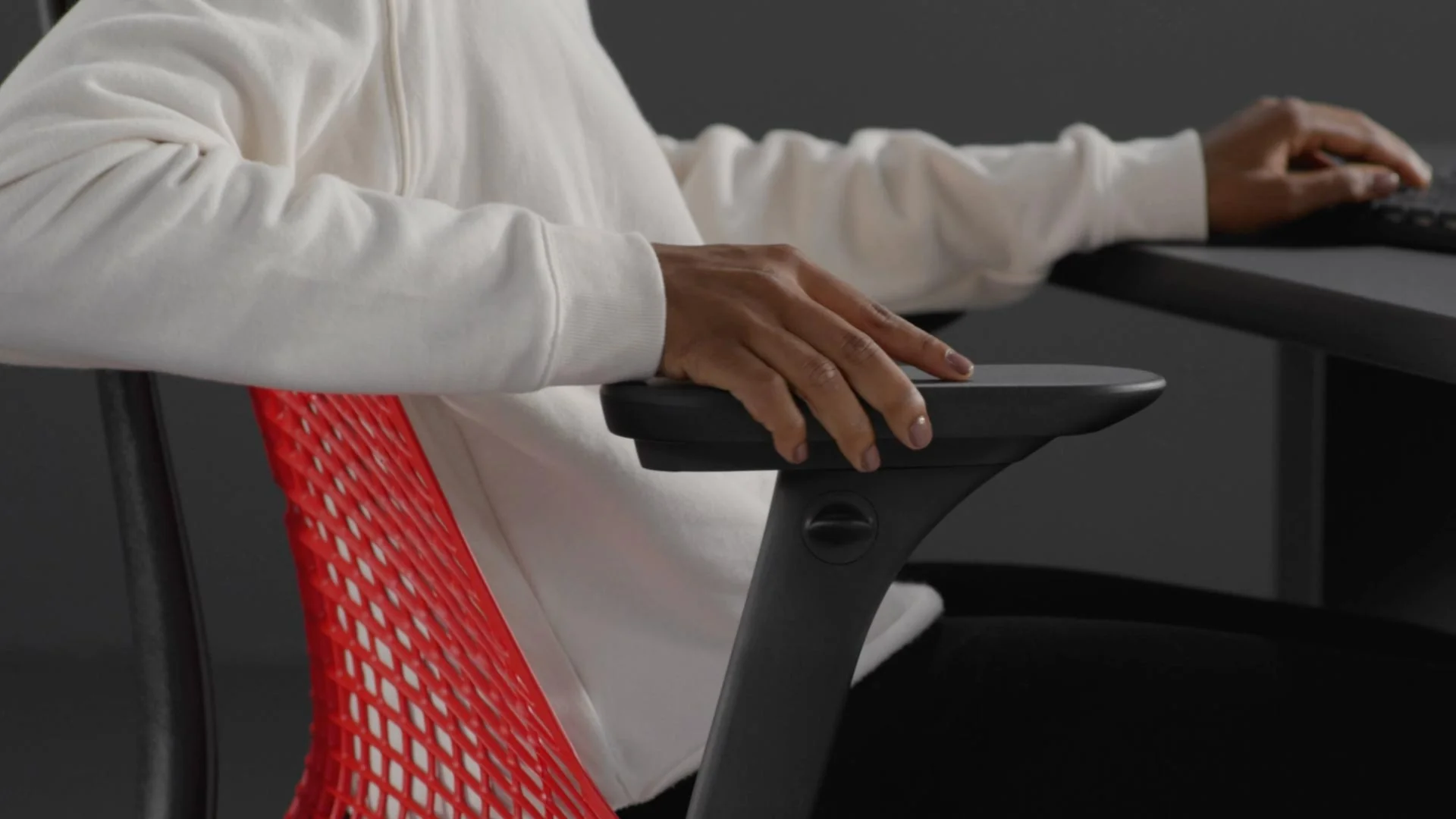
Arms: fixed (9.4″ above seat), height-adjustable (6.7–10.8″), or fully adjustable 4-way armpads (height, width, depth, pivot).
Lumbar support: optional height-adjustable pad providing targeted mid-back support over a 4″ range.
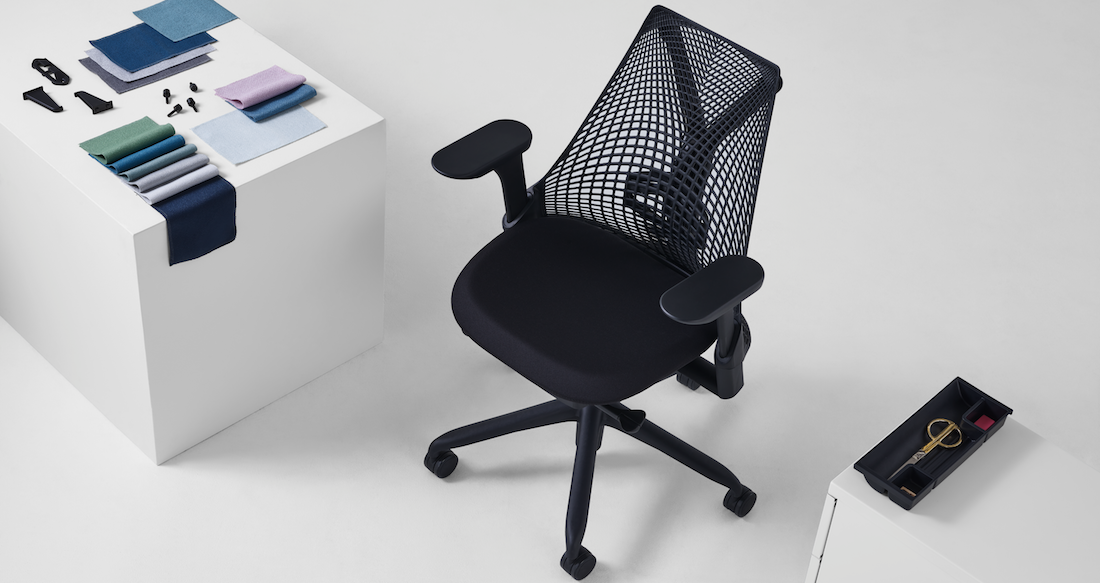
The base model with fixed arms and fixed seat depth is the most affordable; fully loaded models with adjustable arms, seat depth, and lumbar move the price upward but deliver the most ergonomic flexibility.
Materials & build quality
The Eco-Dematerialized design of the work chair uses less material in more inventive ways to provide ergonomic support for people up to 350 pounds (159 kg). The Y-Tower and ArcSpan—Herman Miller's trademarked structural elements—are molded from reinforced nylon and serve as both the suspension anchor and the arm/tilt housing, fusing three components into one to reduce part count and weight.
The elastomer back is durable and resilient, with a texture that is smooth to the touch and slightly tacky, which helps clothing stay in place. Plus, with no PVCs used, Sayl is up to 90% recyclable at the end of its long life. Environmental Data: 8% Recycled Content (7% Post Consumer, 1% Pre Consumer), Up to 91% Recyclability . The base is aluminum (polished or powder-coated), and the chair ships flat-pack with tool-free assembly to reduce packaging size and shipping impact.
Sitting experience — what it actually feels like day to day
The Sayl delivers a responsive, flexible sitting experience. The elastomer back gives gently under pressure, providing what some describe as a "trampoline-like" rebound—supportive but not rigid. The passive PostureFit sacral support is subtle; users accustomed to aggressive lumbar bolsters may find it understated, while those who prefer freedom of movement appreciate the lack of hard pressure points.
The Harmonic Tilt mechanism is smooth and well-balanced, though it lacks the micro-adjustability of Herman Miller's premium tilts (e.g., the Aeron's Kinemat). Seat comfort is good for a mid-tier chair: the foam is firm but not punishing, and the optional seat-depth adjustment helps accommodate a range of thigh lengths. The suspension back is highly breathable—air flows freely through the open strands—making it a strong choice for warm climates or environments without air conditioning.
Long-term comfort is solid for 6–8 hour workdays, particularly if the chair is properly adjusted. Users over 6 feet or under 5'2″ may find the fixed lumbar zone less ideal without the optional height-adjustable lumbar support.
Who it's for (and who should skip it)
Best for:
Budget-conscious buyers who want Herman Miller's pedigree and warranty without Aeron or Embody pricing.
Workspaces prioritizing visual lightness, transparency, and modern design aesthetics.
Users who prefer passive, flexible back support over aggressive lumbar shaping.
Environments that value sustainability certifications (GREENGUARD Gold, BIFMA level 3, Cradle to Cradle Silver).
Hot climates or dense offices where breathability matters.
Consider alternatives if:
You need highly customizable lumbar and seat adjustments out of the box (the fully loaded Sayl costs nearly as much as a base Aeron, which offers more granular fit controls).
You prefer deeply cushioned seats or upholstered backs—the elastomer suspension is firm and open.
Your office aesthetic leans traditional or executive; Sayl's engineering-first look can feel too skeletal for some environments.
You are significantly taller than 6'2″ or heavier than 300 lb—the chair is rated to 350 lb, but the seat and back proportions are optimized for average-to-tall users.
Comparisons with key rivals
Chair | Price tier (USD, 2026 est.) | Back / Seat | Adjustments | Standout strength |
|---|---|---|---|---|
Herman Miller Sayl | ~$600–750 (list) | Elastomer suspension / upholstered foam | Tilt, height, optional seat depth, optional lumbar, arm levels vary | Striking suspension-bridge design; accessible Herman Miller entry; high sustainability credentials |
Steelcase Series 2 | ~$400–500 | Mesh or fabric / foam seat | 4D arms often standard, lumbar standard, tilt, height | More adjustments for the price; understated aesthetic; strong value |
Herman Miller Aeron (Remastered) | ~$1,200–1,600 | 8Z Pellicle mesh / mesh suspension seat | PostureFit SL, tilt limiter, seat angle, 4D arms, size-specific geometry | Industry-benchmark ergonomics; three size options; iconic status; maximum adjustability |
Haworth Fern | ~$700–900 | Wave suspension polymer back / foam seat | Passive lumbar, tilt, height, 4D arms, seat depth | Fluid, organic design; excellent materials; eco-forward; competes directly on aesthetics |
The Herman Miller Sayl typically costs between $600 and $750, placing it firmly in the premium-tier office furniture market. The price reflects its unique design, brand reputation, and high-quality materials. It is an investment in both ergonomics and aesthetics. The Steelcase Series 2 is priced much more accessibly, usually between $400 and $500. For this price, it provides a feature set - including fully adjustable arms and standard lumbar support - that often costs extra on more expensive chairs.
Sizing, fit & configuration options
Unlike the Aeron, which is offered in three sizes (A, B, C), the Sayl is a one-size-fits-most design. The seat-height range (15–22″) accommodates users roughly 5'0″ to 6'4″, and the 350 lb weight capacity is generous. The optional seat-depth adjustment (16–18″) helps shorter users avoid pressure behind the knees and taller users achieve better thigh support.
The chair is available in work-chair (task), stool, and side-chair formats. Work chairs come with either a suspension back (elastomer strands), stretch-knit covered suspension, or fully upholstered back. The suspension version is the most iconic and breathable; the upholstered version suits traditional office aesthetics and provides a softer, warmer feel at the cost of some airflow.
Arm options range from armless (N), fixed arms (P), height-adjustable (H), to fully adjustable 4-way (A). Base finishes include standard black, white, polished aluminum, and a palette of accent colors. Custom configurations are available through Herman Miller's dealer network, and lead times vary by region.
Sustainability & certifications
Environmental Certifications: GREENGUARD® Gold, BIFMA level™ 3, Global GreenTag (CM) Certified™, Greenrate level A. Environmental Data: 8% Recycled Content (7% Post Consumer, 1% Pre Consumer), Up to 91% Recyclability. Warranty: Backed by Herman Miller's 12-year, 24/7 warranty. Manufactured at Herman Miller Greenhouse, Holland, MI 49424 (ISO 14001/OHSAS 18001 Greenhouse manufacturing facility uses 100% Renewable Electric Energy).
The chair has been designed completely from the ground up, reducing the number of materials and components in the process, achieving Cradle to Cradle Silver certification . Herman Miller produces Sayl on three continents to reduce the distance between the factory and the buyer. This product contains no PVCs and its materials are almost entirely recyclable. The chair also uses ocean-bound plastic in some components, contributing to Herman Miller's broader 2030 sustainability goals.
Maintenance, durability & warranty
Both Herman Miller and Steelcase offer a comprehensive 12-year warranty that covers nearly all components, so you can expect either chair to last well over a decade with normal use. Herman Miller's 12-year, 24/7 warranty is among the longest in the industry and covers the mechanism, pneumatic cylinder, base, arms, and back suspension.
Maintenance is minimal. The elastomer back can be wiped down with a damp cloth and mild soap; the upholstered seat should be vacuumed regularly and spot-cleaned as needed (Herman Miller recommends solvent-based cleaners for most fabrics, not water-based). The polished aluminum base benefits from occasional paste-wax application in humid or coastal environments to maintain its luster.
The chair's modular design—arms, tilt cover, and stretch-knit back cover can all be removed tool-free in the field—makes field service and part replacement straightforward. Herman Miller maintains a robust parts network, and components remain available long after the chair's introduction.
Pricing, value & where it sits in the market
The biggest buzz around Yves Behar's sexy new Sayl chair for Herman Miller is its price. At $399, it can compete with chairs you'd find at Staples or Office Depot. That was the launch price in 2010; in 2026, base configurations typically list in the $600–750 range depending on options, though dealers and contract pricing often bring the street price lower.
The Sayl occupies a strategic middle ground: significantly more affordable than the Aeron (which lists above $1,200) or Embody (~$1,600+), yet more design-forward and sustainability-credentialed than budget mesh chairs from Staples or Amazon. The company had wanted to do a lower-cost chair (its basic Aeron sells for about $630; the more recent Embody for about $1100, making them a stretch for most consumers' home office needs) for a long time. Despite its price, it also had to adhere to certain sacrosanct Herman Miller standards for sustainability, durability, and design, since it comes with the company's standard 12 year warranty.
The value proposition is strongest when comparing the Sayl to non-Herman-Miller competitors in the $500–700 range. You gain the Herman Miller name, a 12-year warranty, robust certifications, and a distinctive design identity. The trade-off is that fully loaded Sayls can creep close to base-model Aeron pricing, at which point many buyers opt for the Aeron's superior adjustability and size-specific fit.
Verdict — the bottom line
"Good design, healthy support, and exceptional value are always attractive—and Sayl delivers all three."
The Herman Miller Sayl is a thoughtfully engineered, beautifully executed chair that democratizes access to Herman Miller quality without compromising on sustainability or warranty. Its suspension-bridge-inspired back is both a visual signature and a functional asset—lightweight, breathable, and supportive in a flexible, passive way. The Harmonic Tilt, generous weight capacity, and high recyclability make it a responsible choice for organizations prioritizing both people and planet.
Yet the Sayl is not without trade-offs. The one-size-fits-most approach and passive lumbar support mean it won't suit every body as precisely as the size-specific, highly adjustable Aeron. The elastomer back's firm, open feel is polarizing: some users love the freedom and airflow, while others miss the enveloping support of deep foam or mesh. And at full list price with all options, the Sayl's value advantage narrows.
For design-conscious buyers seeking a mid-tier Herman Miller chair with standout aesthetics, strong environmental credentials, and reliable long-term performance, the Sayl is an excellent choice. It brings the brand's engineering rigor and 12-year confidence to a price point that feels attainable—and it does so with a design that doesn't apologize for being different.
Sources & references
Interested in the Herman Miller Sayl?
Check the price on Amazon