Itoki Act2
Japan's urethane-free task chair redefines breathable seating
Overview
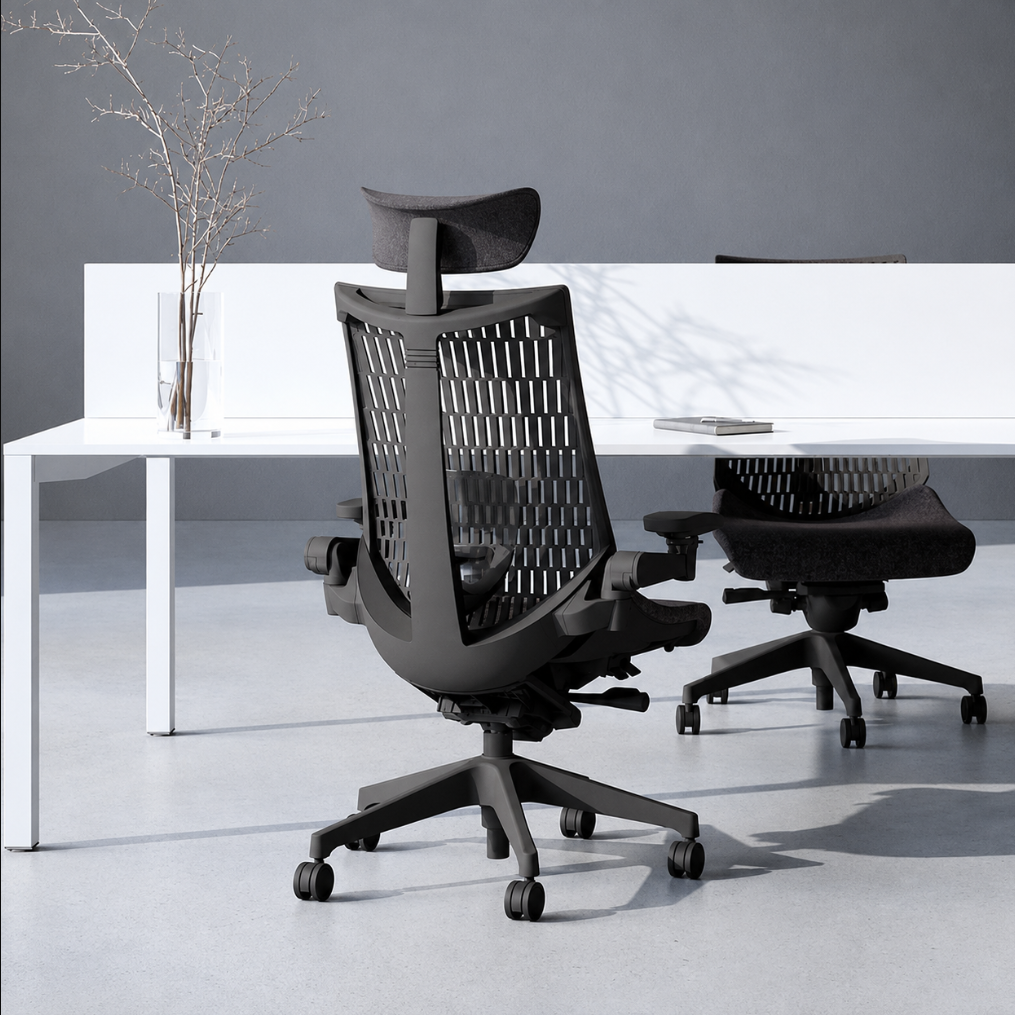
The Itoki Act2 launched in June 2025 as an evolved model of the popular Act chair series , representing a significant materials-science leap for the 135-year-old Japanese manufacturer. The Act2 is a task chair that accommodates a variety of work and lifestyles , but its defining innovation is what Itoki won't include: traditional urethane foam. The newly developed "Respitec" seat structure combines ergonomic comfort with environmental compatibility, solving issues of stuffiness and wear common with urethane materials .
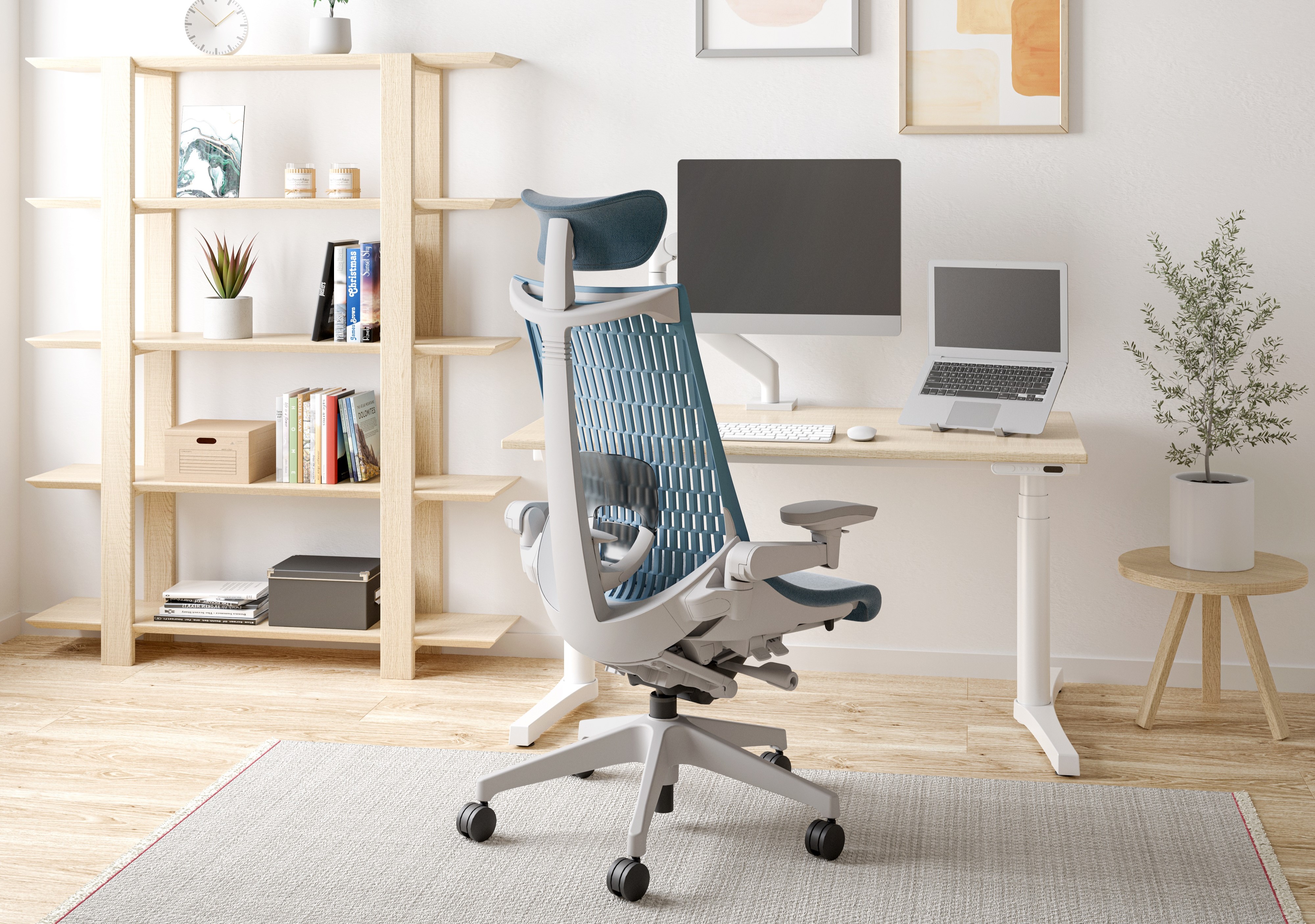
The chair has been updated to accommodate diverse postures and movements with breathable Respitec material, ergonomically designed adjustable head support, and pelvis and lumbar support . Building on the original Act's pivot backrest structure and side-frameless silhouette, the Act2 tightens ergonomic support while maintaining the fluid adaptability that made its 2018 predecessor a mainstay in Japanese offices and homes.
At a glance
Brand | Itoki Corporation |
|---|---|
Release date | June 4, 2025 |
Origin | Japan (manufactured domestically) |
Back options | Mesh or elastomer |
Seat material | Respitec (polyester nonwoven + 3D elastomer mesh) |
Height options | High-back, extra-high-back (with headrest) |
Key adjustments | 4D link armrests, seat depth slide, headrest (up/down, fore/aft), pelvis & lumbar support, recline tension (5-stage), seat height |
Recline | Synchro-tilt with angle lock and 5-stage tension |
Warranty | Varies by component (1–3 years per Itoki policy) |
Price tier | Mid-to-premium (¥127,000–¥155,980 retail in Japan; ~$850–$1,050 USD equivalent) |
Weight capacity | Not publicly specified (meets BIFMA testing standards) |
The brand & its philosophy
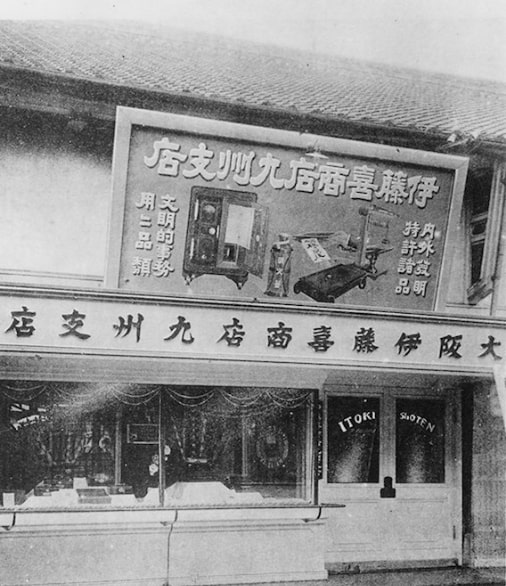
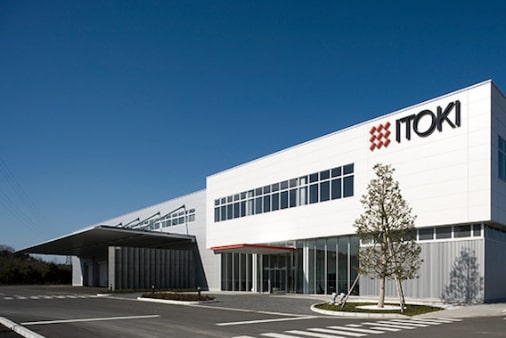
Itoki Corporation began in 1890 in Osaka City when founder Kijuro Ito established Ito Ki Shoten and has continued to grow for over 130 years .
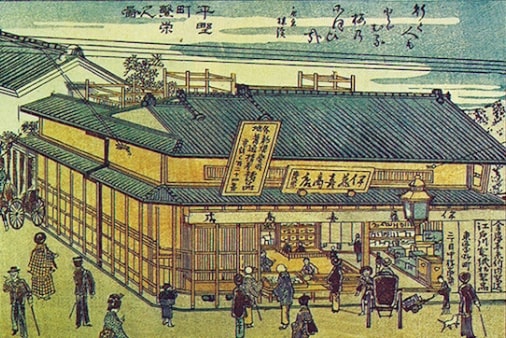
Itoki's history is the trajectory of innovation, creating things not found in the world, including the Zeniaiki cash register . The company's pioneering spirit extended to office furniture as Japan modernized; it became a leader in workspace design and ergonomic seating well before ergonomics entered popular vocabulary.
Based on a pioneering spirit passed down since the company was founded over 130 years ago, Itoki evolves technical capabilities to keep up with changing times and technology . The mission statement—"We Design Tomorrow. We Design WORK-Style."—supports creation of spaces, environments, and places by leveraging strengths of tech and design based on people . This human-centered lens informs every chair, desk, and partition the company produces, and it shows most clearly in Itoki's task seating: chairs designed not to impose a posture but to follow the sitter.
The designer and the design story
Itoki's design process is collaborative and engineering-led rather than celebrity-designer driven; the Act2 emerged from internal ergonomics and materials teams rather than an individual auteur. The original Act chair debuted in November 2018 under the concepts "adjust and active," establishing the pivot-back structure and side-frameless aesthetic that define the family. The Act chair was launched to provide ideal seating comfort to enhance work performance, based on the concepts of adjust and active .
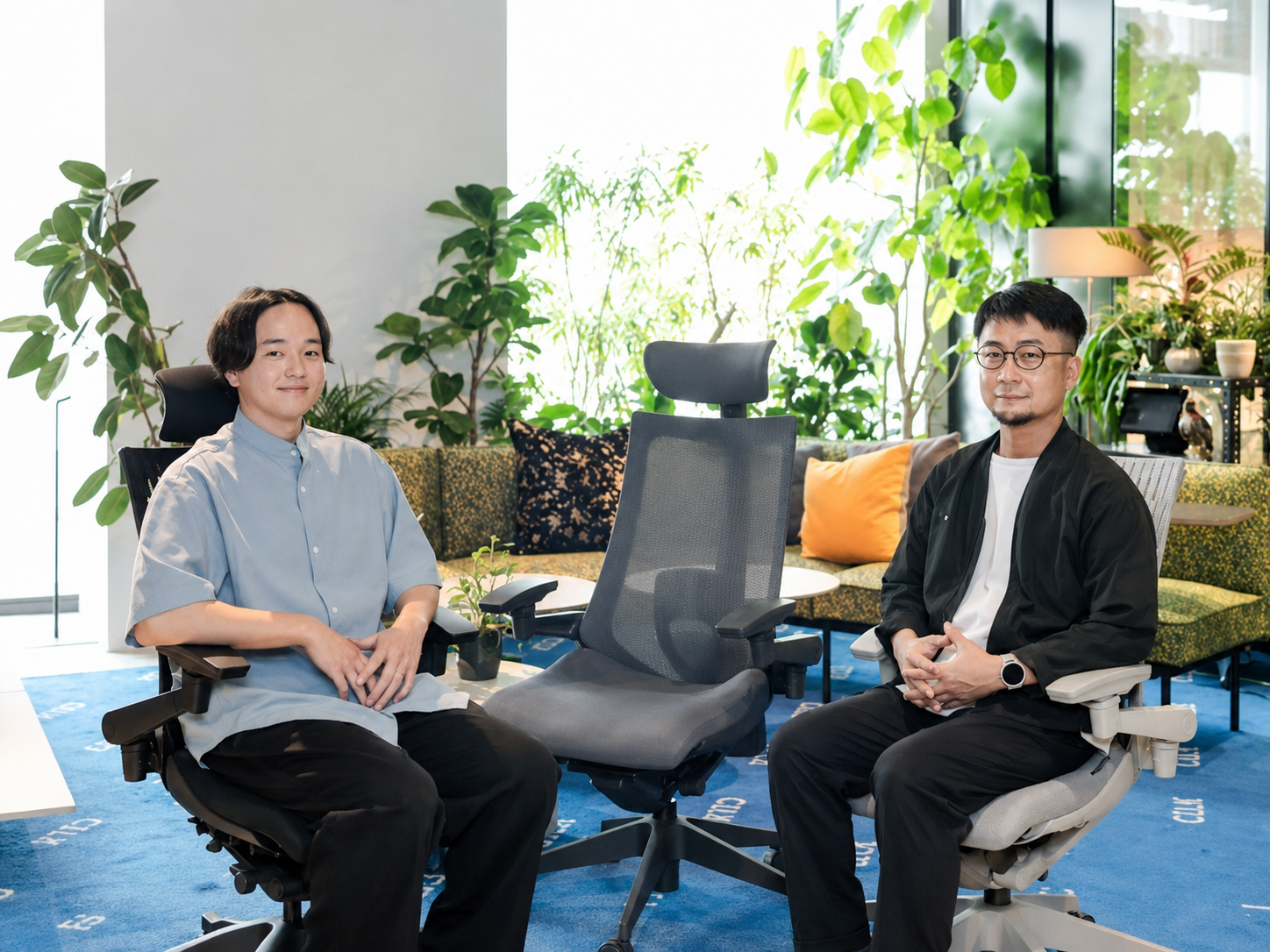
Itoki plans to expand Respitec to other product lineups, treating the material as a standard rather than a one-off innovation . The Act2's story is one of iterative refinement: Itoki's engineers identified foam degradation and heat retention as pain points in extended sitting, then spent years developing a urethane-free alternative. The result is a chair that looks and sits recognizably like an Act, but with a seat that breathes and a lumbar system redesigned from the ground up.
Design language & aesthetics
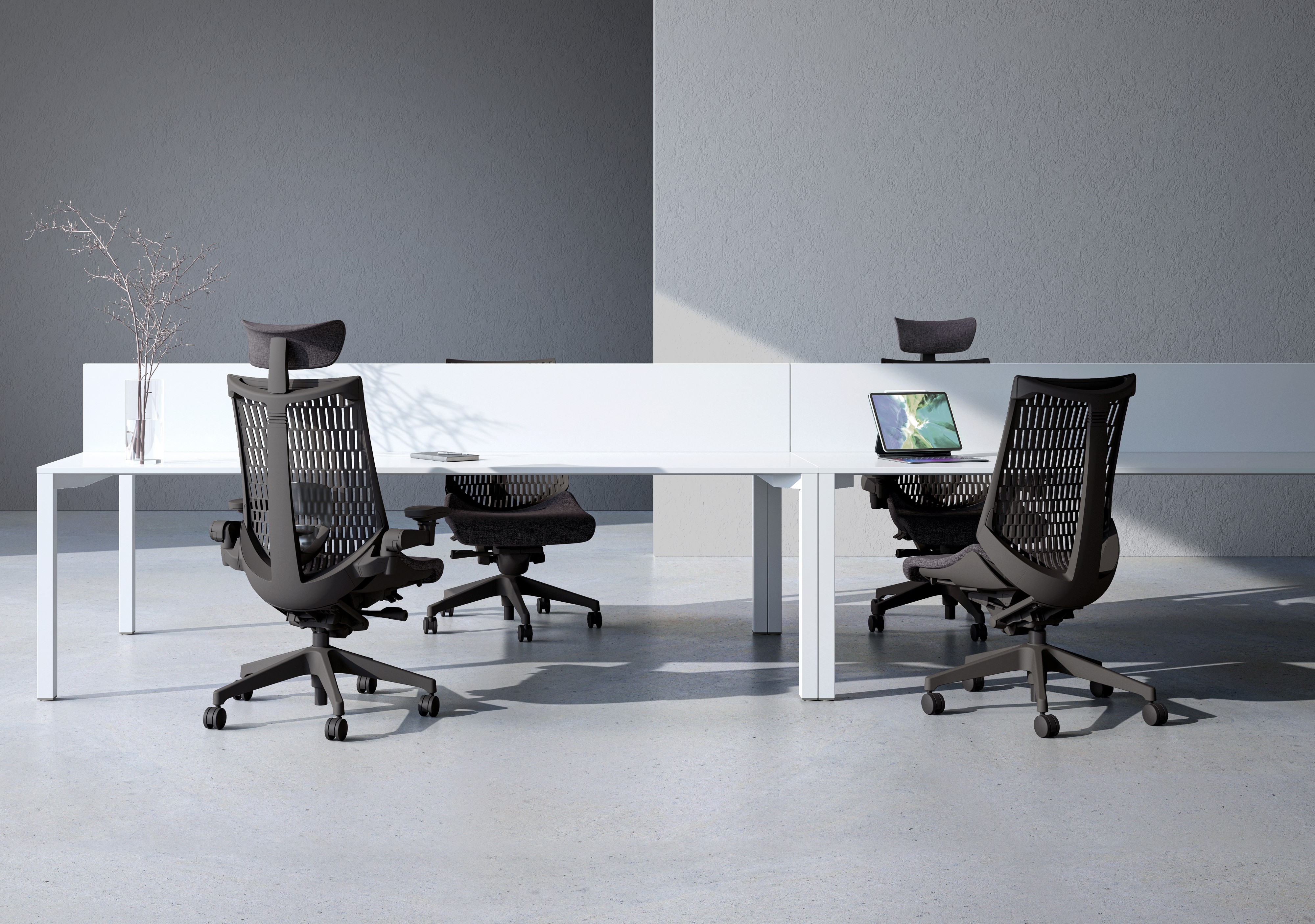
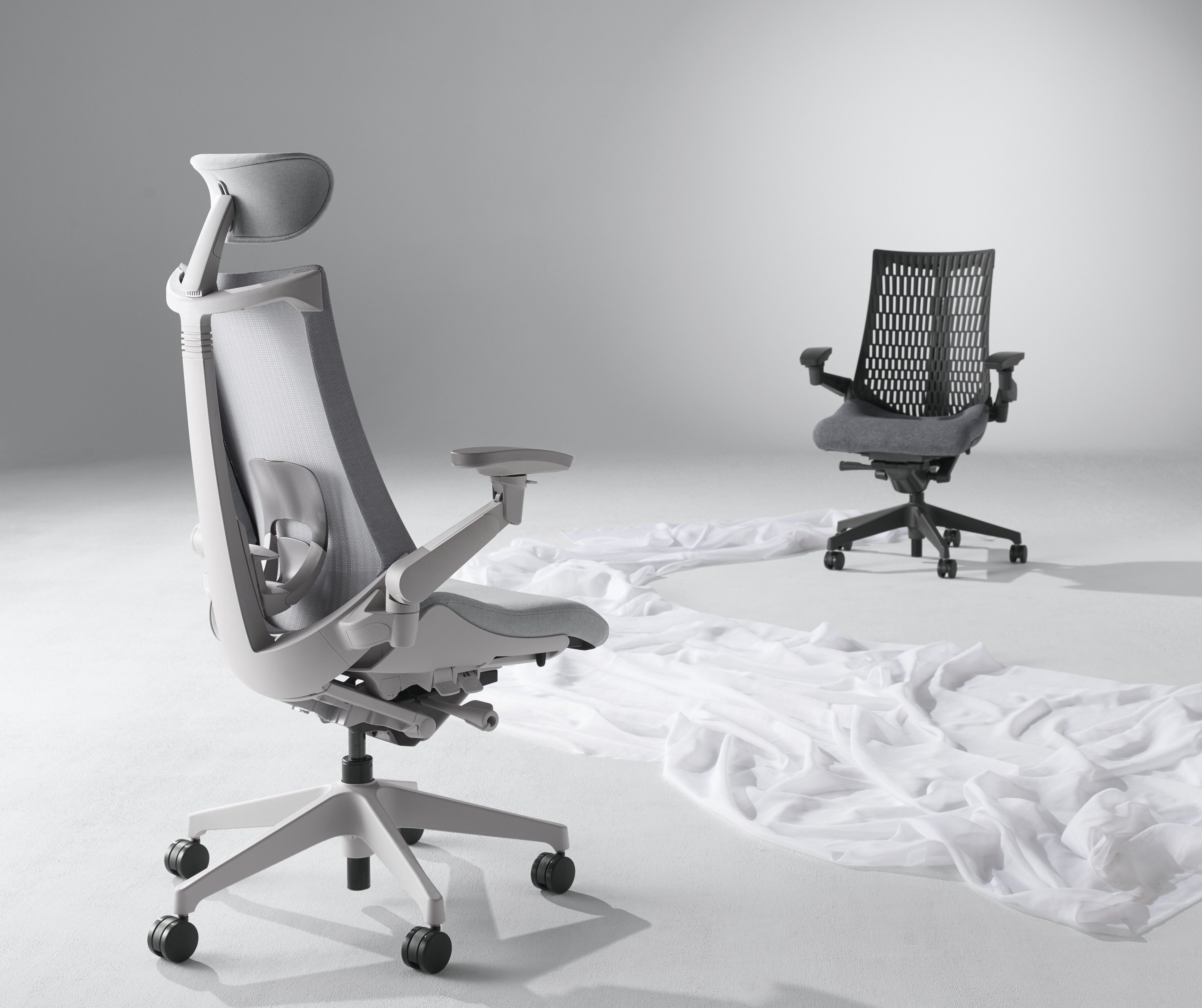
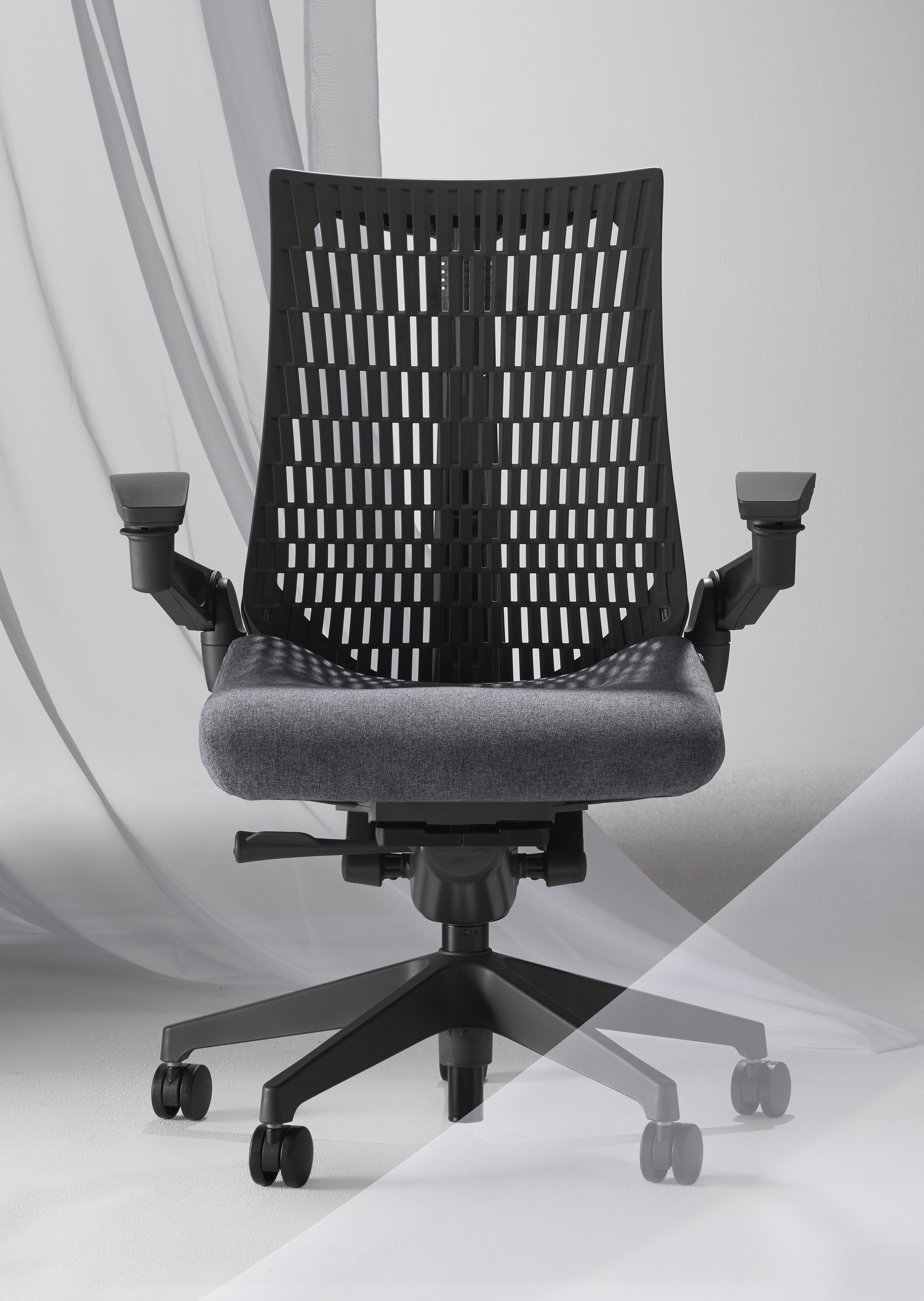
The Act2 features a smart, lightweight side-frameless design; anchor-shaped posts support the body in a sleek silhouette that eliminates outer frames on both sides . This frameless approach—where the backrest narrows as it rises and the seat pan appears to float—gives the chair a minimalist, technical appearance that feels more laboratory instrument than executive throne. The elastomer back option, available in matte black or dark gray, adds a soft-touch surface that contrasts with the hard geometries of most mesh task chairs.
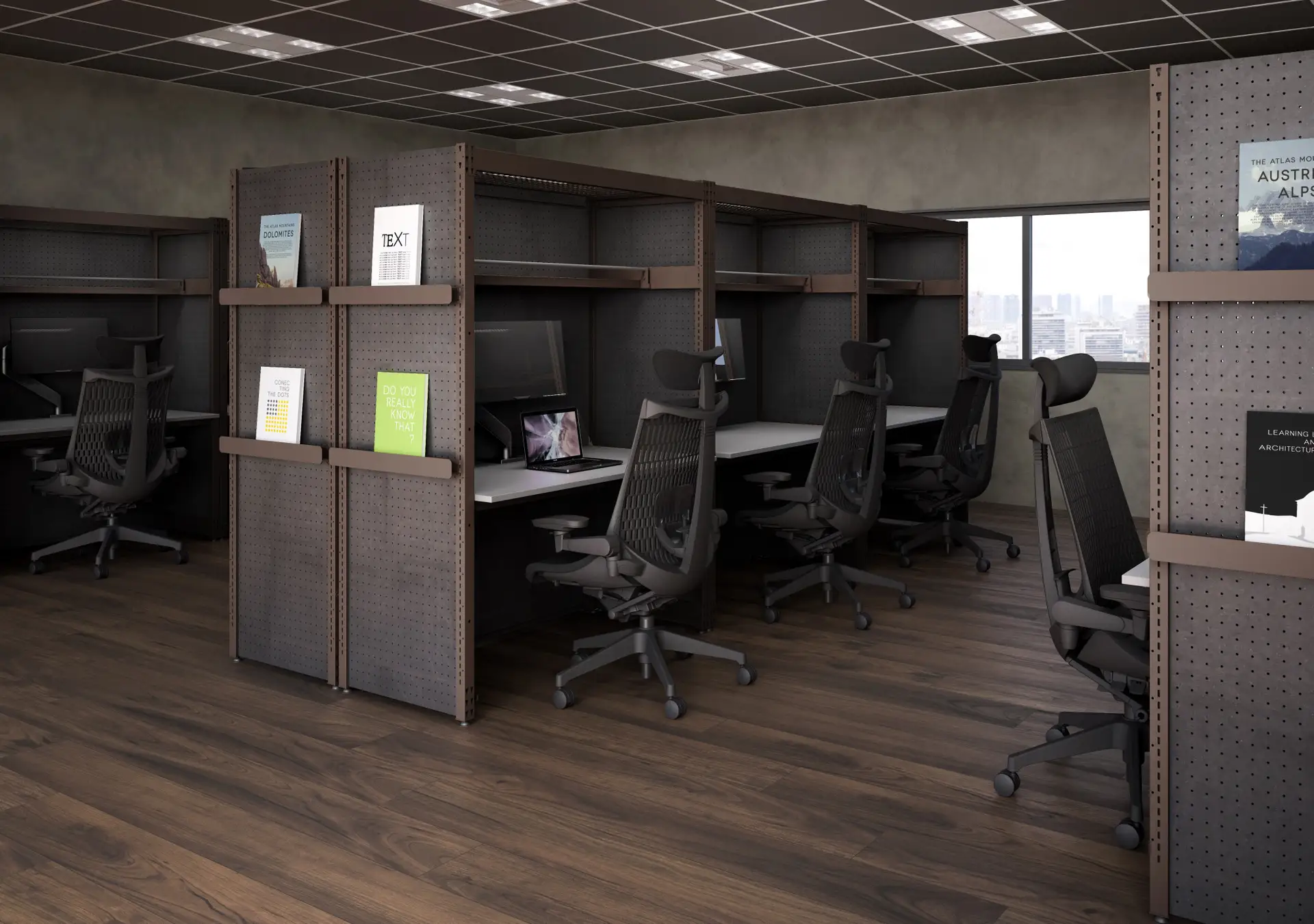
The back cover has a matte finish, and levers and covers are unified in the same color to create a high-quality, calm presence; a new dark gray body color blends with chic schemes and dark wood-colored spaces . The design language is restrained and functional—this is not a chair that demands attention. Color and material choices feel understated: mesh or elastomer backs in neutral tones, Respitec seat surfaces that read as textile rather than foam, and aluminum or resin details kept deliberately unadorned. It's a look that bridges Japanese office convention with contemporary home-office aesthetics.
Ergonomics & how it supports the body
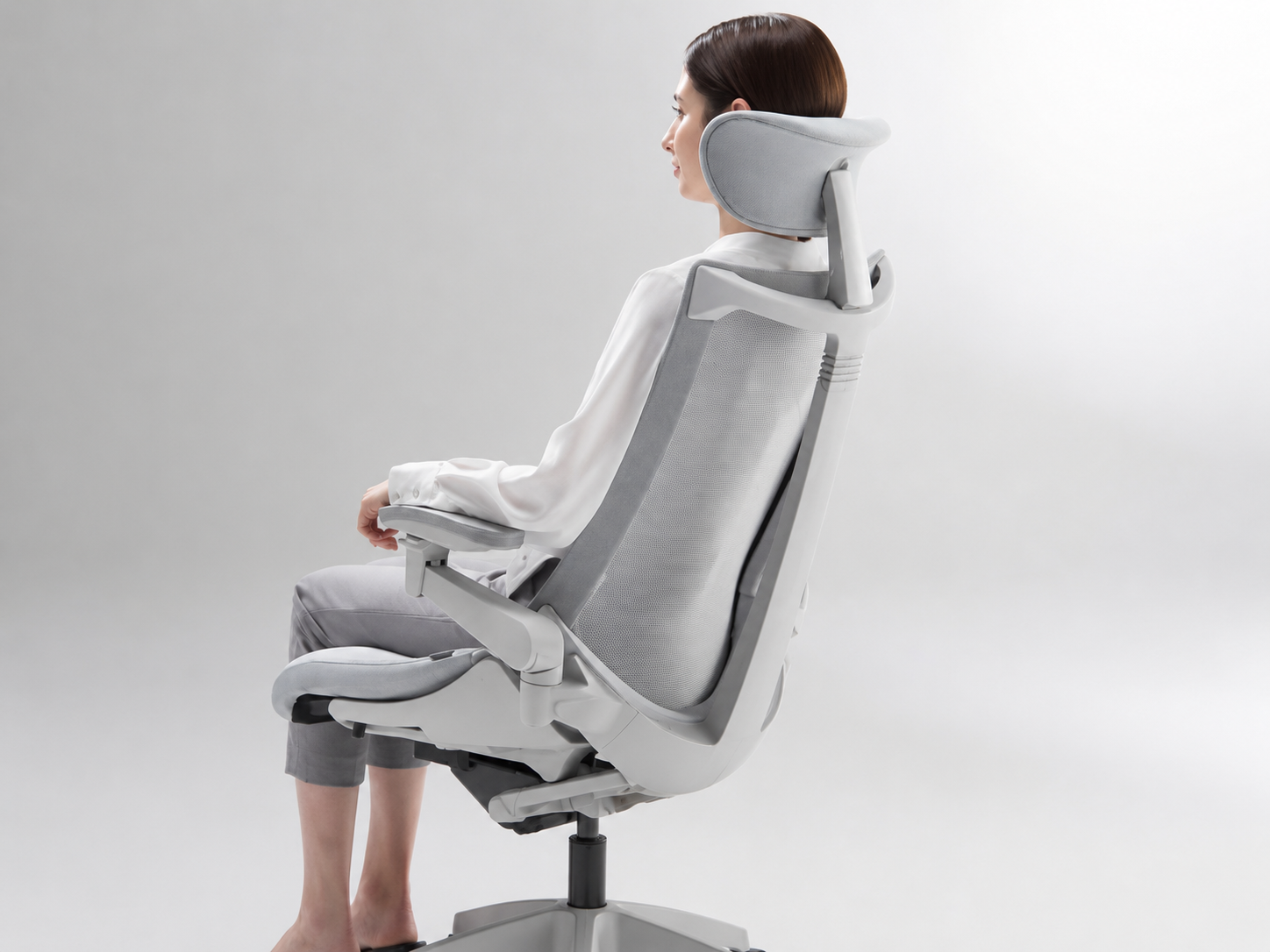
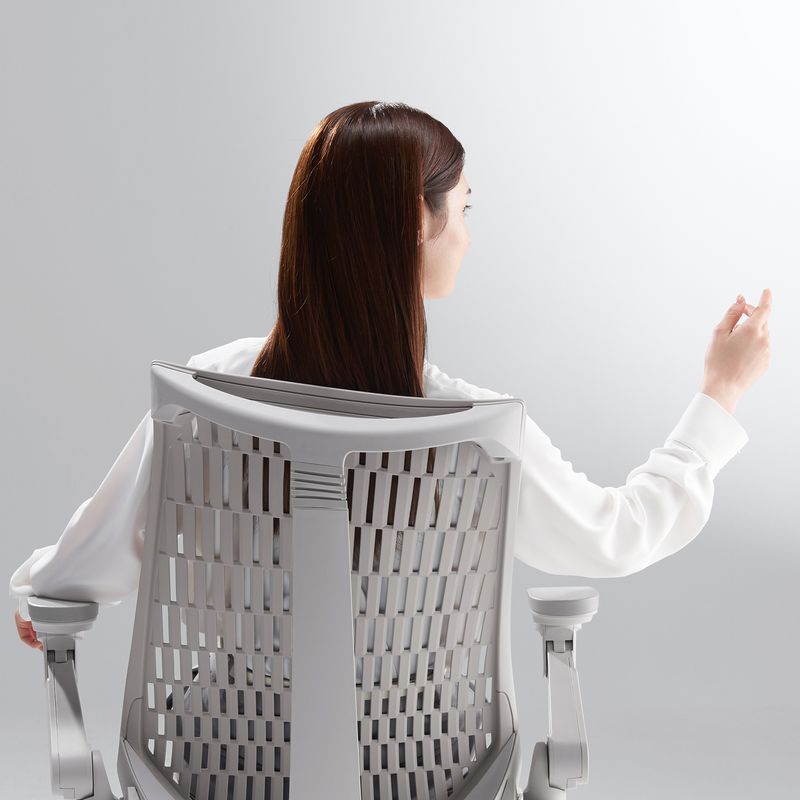
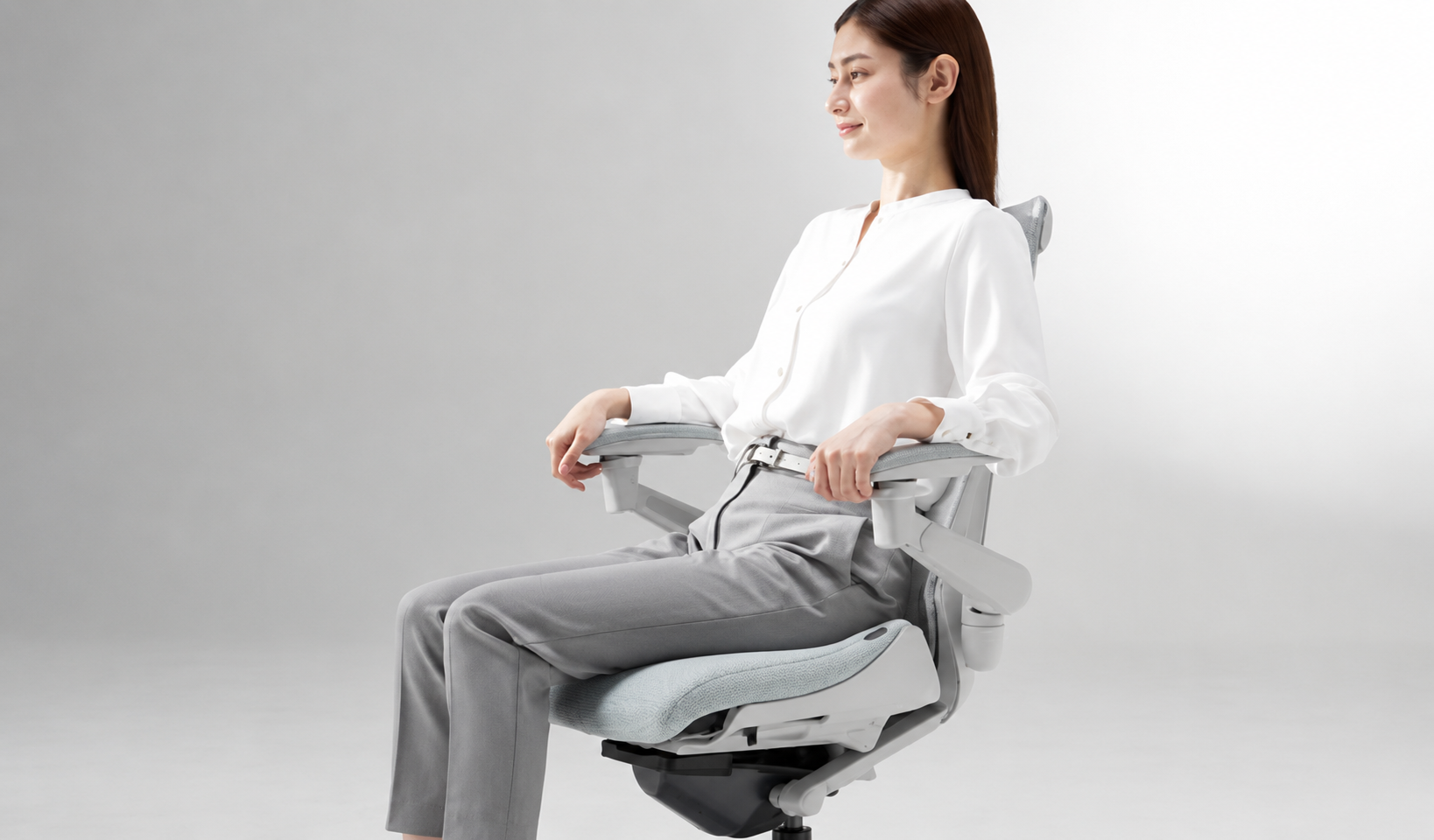
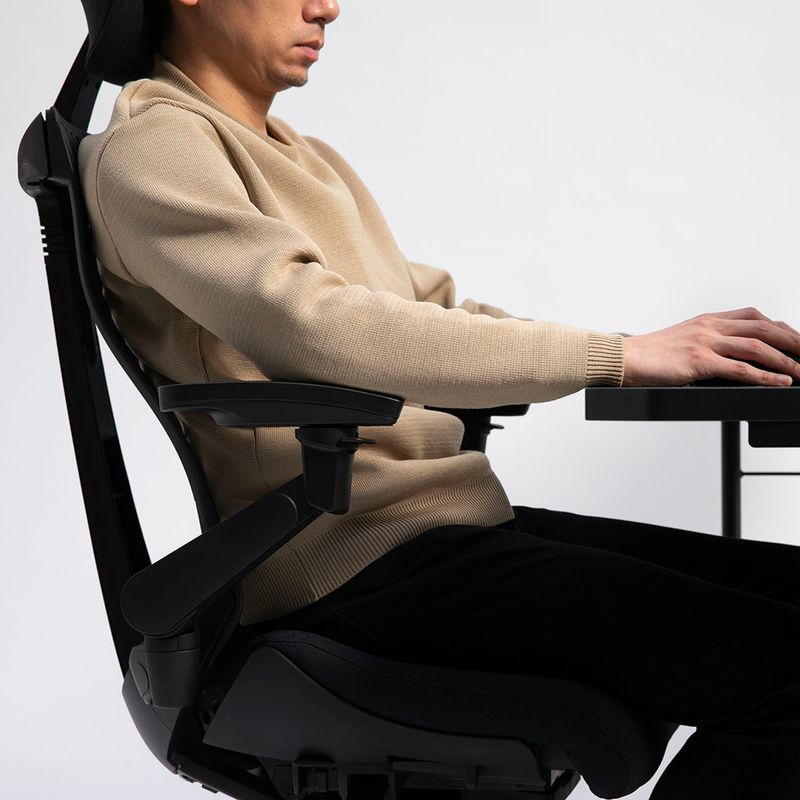
The Act2 features a side-frameless design and pivot structure on the back support that flexibly follows upper-body posture, comfortably supporting any posture from concentrated work to refreshing . The pivot—a literal hinge at the backrest post—allows the entire back to tilt laterally as the sitter rotates shoulders or reaches. This lateral flex is unusual; most task chairs lock the spine into a single vertical plane and allow only forward-backward recline.
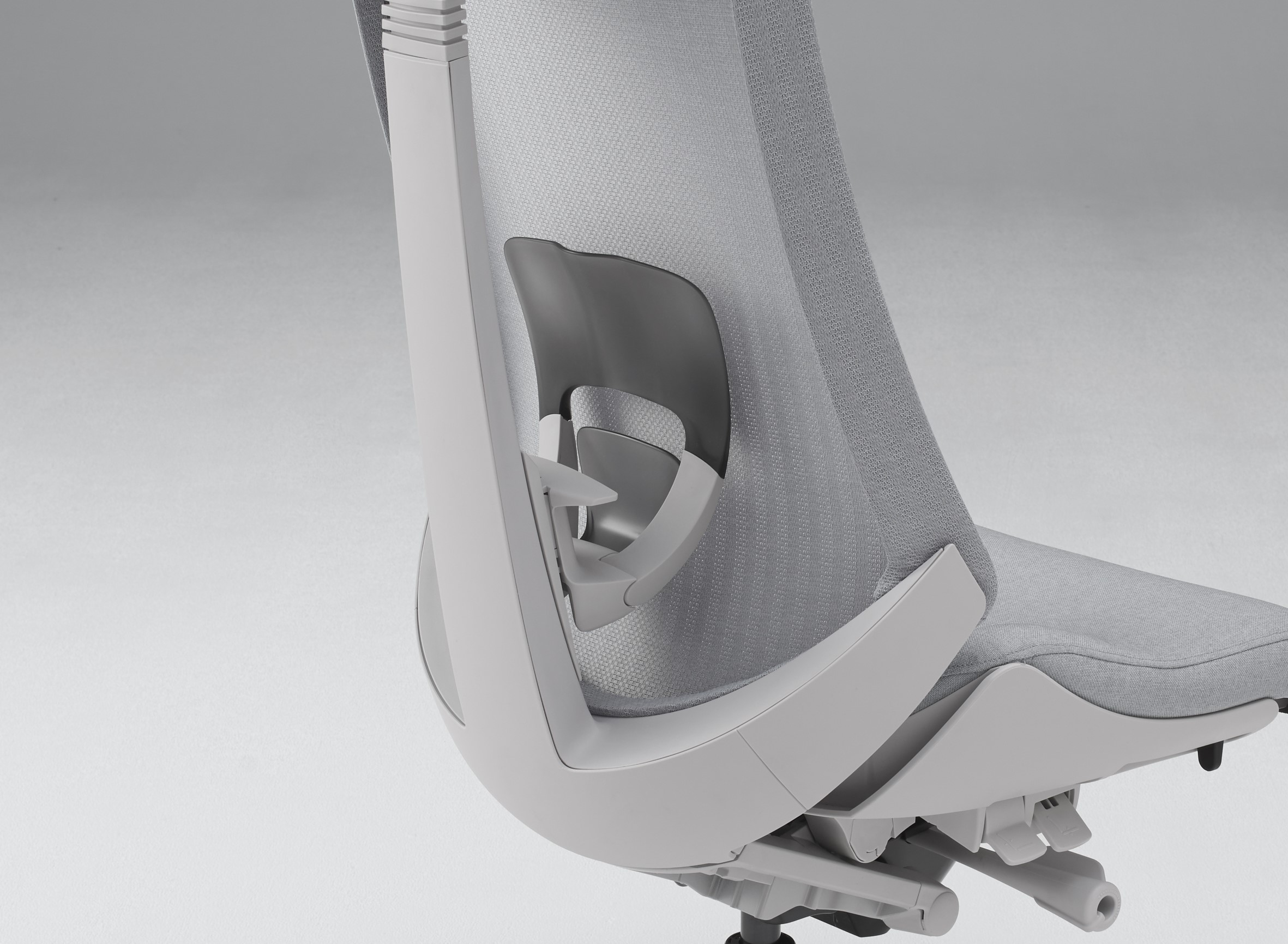
The upper lumbar pad has a flexible shape that fits the S-curve of the lumbar spine and individual body-type differences, while the lower pelvis pad firmly raises the pelvis to stabilize posture; the flexible structure bends left and right, following the sitter's posture and movement, effectively distributing pressure on the lower back during long sitting . This dual-pad system—pelvis anchor below, lumbar cradle above—targets the L4–L5 region more precisely than single-point lumbar supports. The pelvis pad tilts the hips into slight anterior rotation, which Itoki argues reduces posterior chain strain.
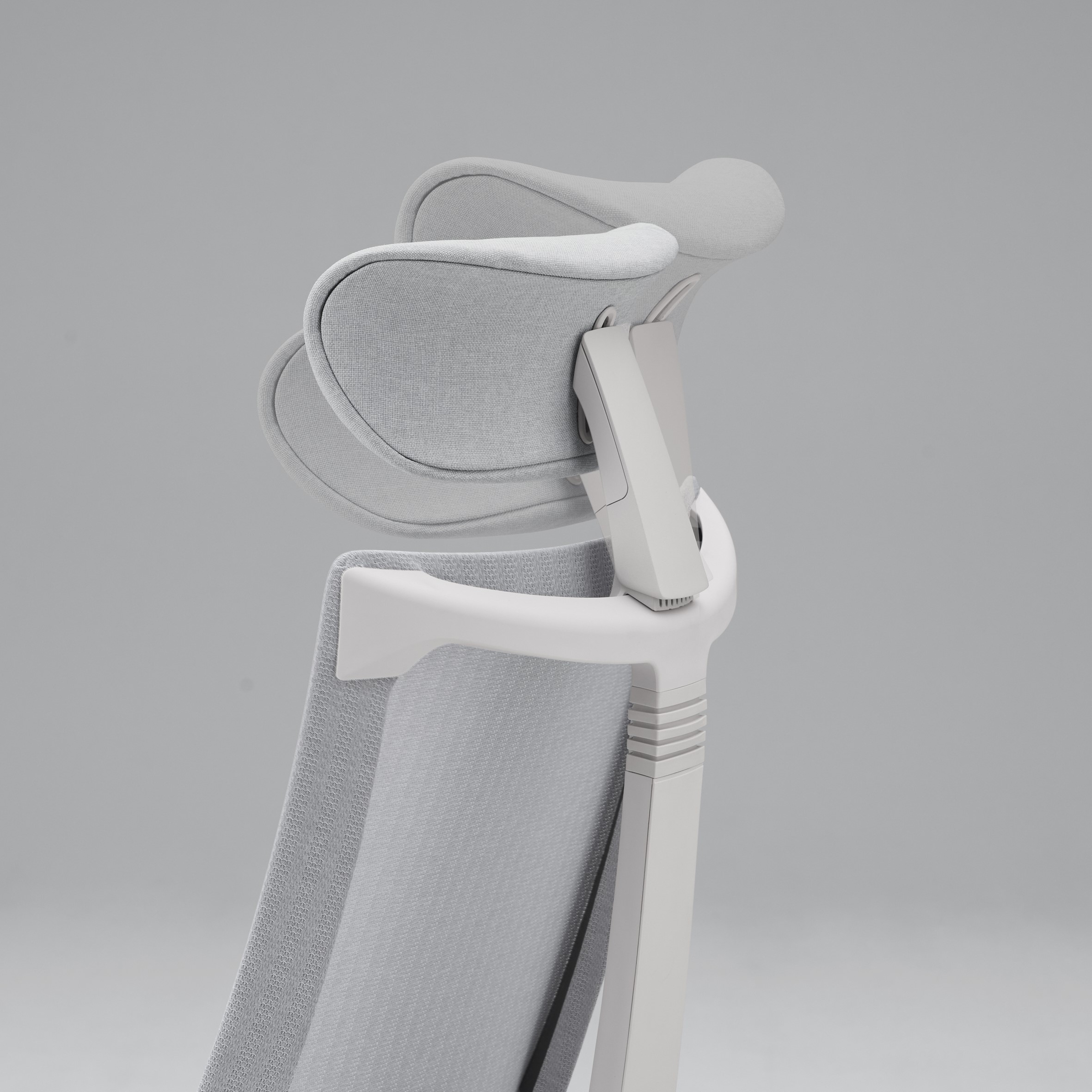
The adjustable head support accommodates a wide range of body types and postures; its three-dimensional surface shape follows the natural curve of the cervical vertebrae, with height adjustable up and down by 60 mm and forward/backward by 33 mm (30 degrees) . Even when rocking backward, eyes can be naturally directed forward, providing stable head support during long PC work and when relaxing in a backward position . The headrest is an optional upgrade on extra-high-back models and retrofits to original Act chairs—a detail suggesting Itoki intends to unify ergonomics across the lineage.
Key adjustments & mechanisms
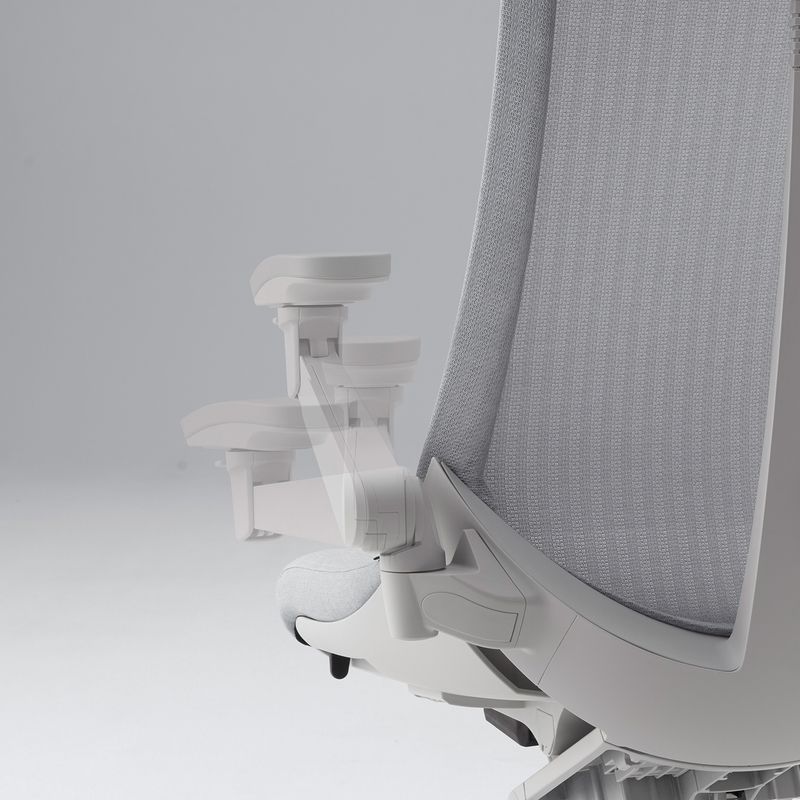
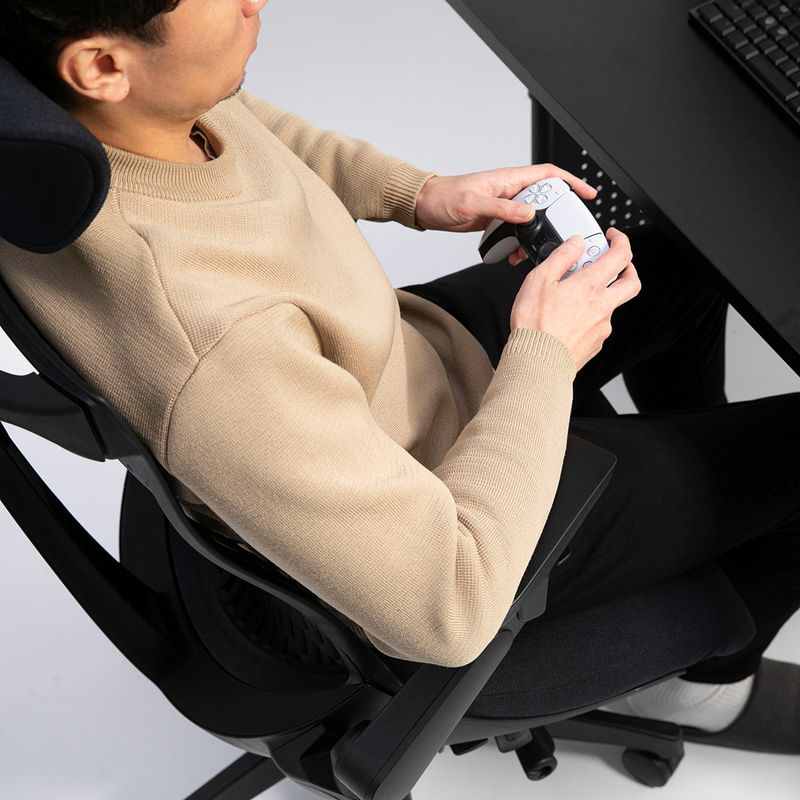
The slide function allows seat-depth adjustment to suit body type, and the 4D link arm allows armrest adjustment with one action . The 4D armrest is central to the Act2's promise of stress-free adjustment: height, fore-aft slide, width (in-out rotation), and angle can all be moved by gripping a single lever on the armrest and shifting the pad into position. Elbow pads can be adjusted with one action by holding the adjustable lever; range of motion includes up/down 120 mm, front/back 50 mm, and arm rotation .
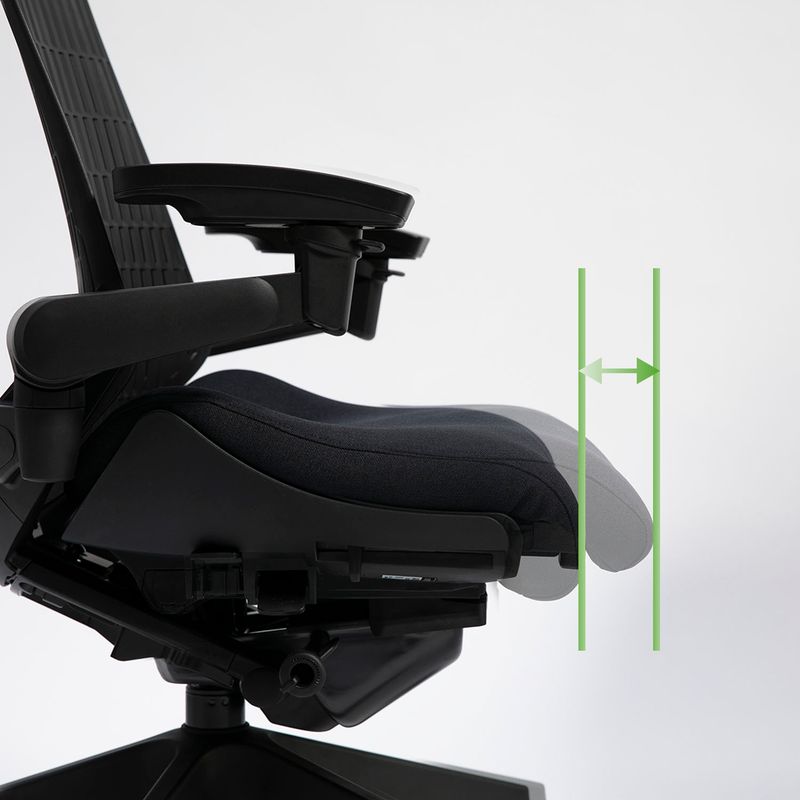
The seat front folds to adjust depth according to body type, reducing knee-back pressure and achieving a just-right fit . This fold-down edge extends effective seat depth without shifting the hip position—helpful for taller users who need leg support but don't want to scoot forward and lose lumbar contact. Recline uses a synchro-tilt mechanism where seat and back move in coordinated ratios; controls include a seat-angle stopper to lock recline position, gas height adjustment, and 5-stage recline-tension adjustment .
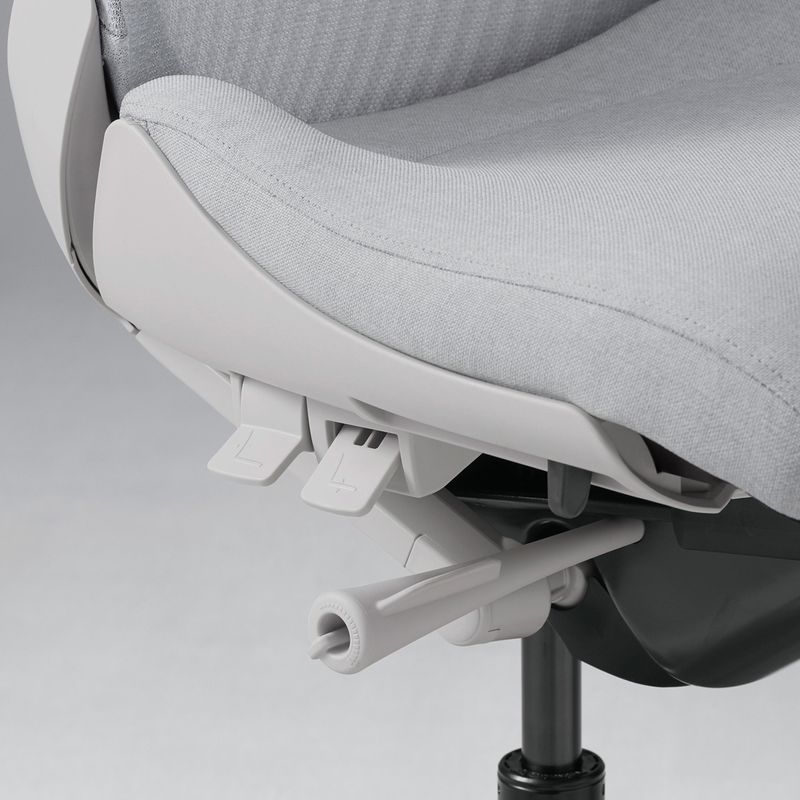
All primary levers cluster on the right underside of the seat to minimize mid-task interruption. The control panel is intuitive: height paddle, tension dial, and lock toggle are grouped within thumb's reach. Headrest and lumbar adjustments use tool-free knobs accessible from a seated position, though the lumbar mechanism is fixed in vertical position once set—it doesn't auto-adjust like some active lumbar systems.
Materials & build quality
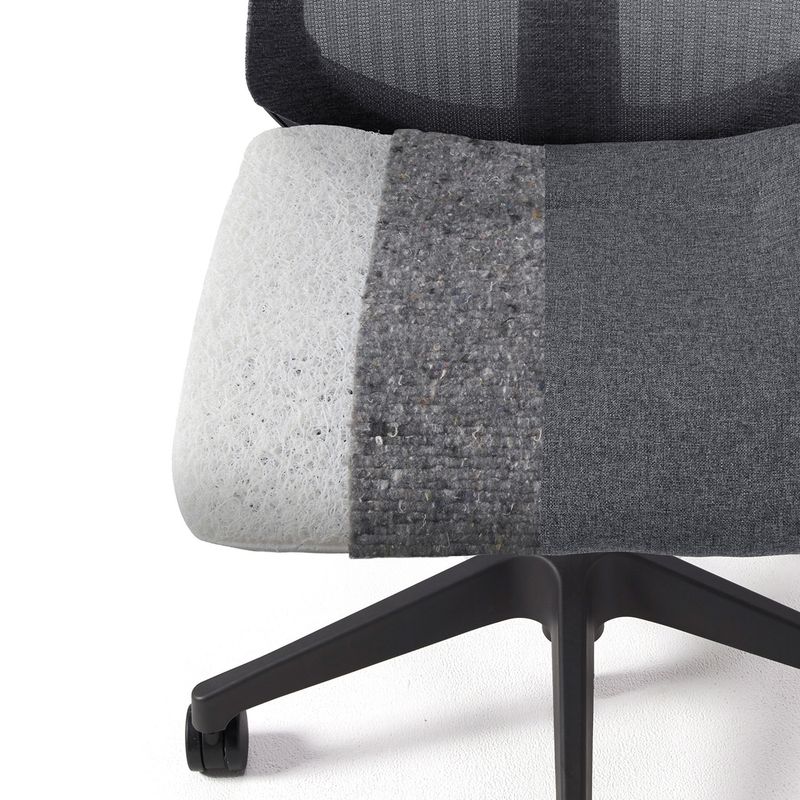
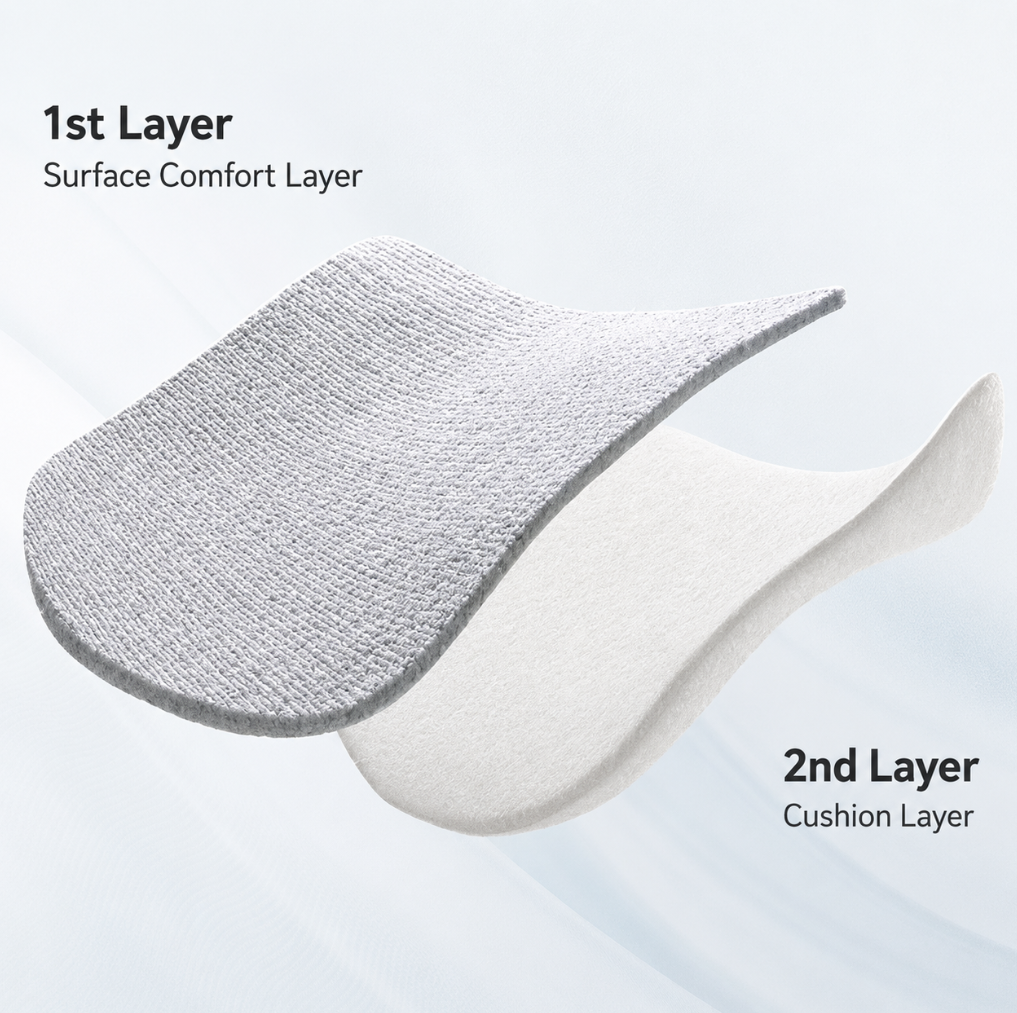
The Respitec seat consists of two layers: the surface touch layer is soft polyester vertical nonwoven fabric, and the lower cushion layer is a three-layer soft elastomer three-dimensional mesh fiber structure . This two-layer structure provides high body pressure dispersion, breathability, and durability . The top layer uses Fibre Cushion VL from Teijin Frontier; the bottom uses Breathair three-dimensional mesh fiber from Toyobo. Both are recyclable and notably lighter than polyurethane foam.
Back options split between mesh and elastomer. The mesh is a standard tensioned weave—open, taut, and firm. The elastomer back uses a rubber-resin hybrid material that sits somewhere between gel and soft plastic; elastomer material is between resin and rubber, soft and firm, providing flexible support for upper body movements . The elastomer feels warmer and more forgiving than mesh, though it traps slightly more heat. Both backs attach to the same pivot frame and are user-swappable via screws.
The frame combines steel, aluminum, and resin components. Base and post are steel; armrest frames are aluminum for weight savings. Urethane casters come standard for hard floors. Itoki manufactures domestically in Japan, and build tolerances reflect that heritage—panel gaps are tight, adjustments glide smoothly, and there's minimal rattle or flex under load. Itoki conducts durability and load tests to meet world-standard quality (BIFMA standards) .
Sitting experience — what it actually feels like day to day
The Respitec seat is the Act2's signature sensation. It feels firm initially—more supportive than plush—but it doesn't develop pressure hot-spots the way foam can after two hours. Airflow through the layered structure is noticeable; on warm days the seat stays cooler than urethane competitors. The material has high initial resistance but compresses evenly, so body weight distributes across the full pan rather than concentrating at the sit bones. Some users accustomed to soft foam may find Respitec too assertive in the first week.
The pivot backrest creates a distinct kinetic feel. Leaning left or right to reach a mouse or turn toward a colleague, the backrest tilts with you rather than resisting. It's a subtle freedom—one you don't notice until you return to a fixed-back chair and feel locked in place. The dual lumbar pads push noticeably against the lower back; the pelvis pad in particular can feel intrusive if positioned too high or if the sitter prefers a more reclined, relaxed posture. But when dialed in correctly, the support keeps the spine upright without conscious effort.
Armrest feel is smooth and responsive; the single-lever mechanism works as advertised, though fine-tuning exact positions (especially rotational angle) takes a few tries. The headrest on extra-high-back models provides genuine cervical relief during recline but can interfere with head movement if set too forward. Recline tension requires moderate force even at the lightest setting—this isn't a glider chair. The synchro-tilt ratio feels balanced, and the lockout holds firmly at any angle.
Who it's for (and who should skip it)
Best suited for:
Long-session desk workers who prioritize breathability and anti-fatigue seating over plush softness. The Respitec seat excels in 6–10 hour days where heat buildup and foam compression become pain points.
Users seeking active lumbar correction. The pelvis-plus-lumbar system is assertive; it will push you into upright posture. Ideal if you tend to slouch or need external cues to maintain spinal alignment.
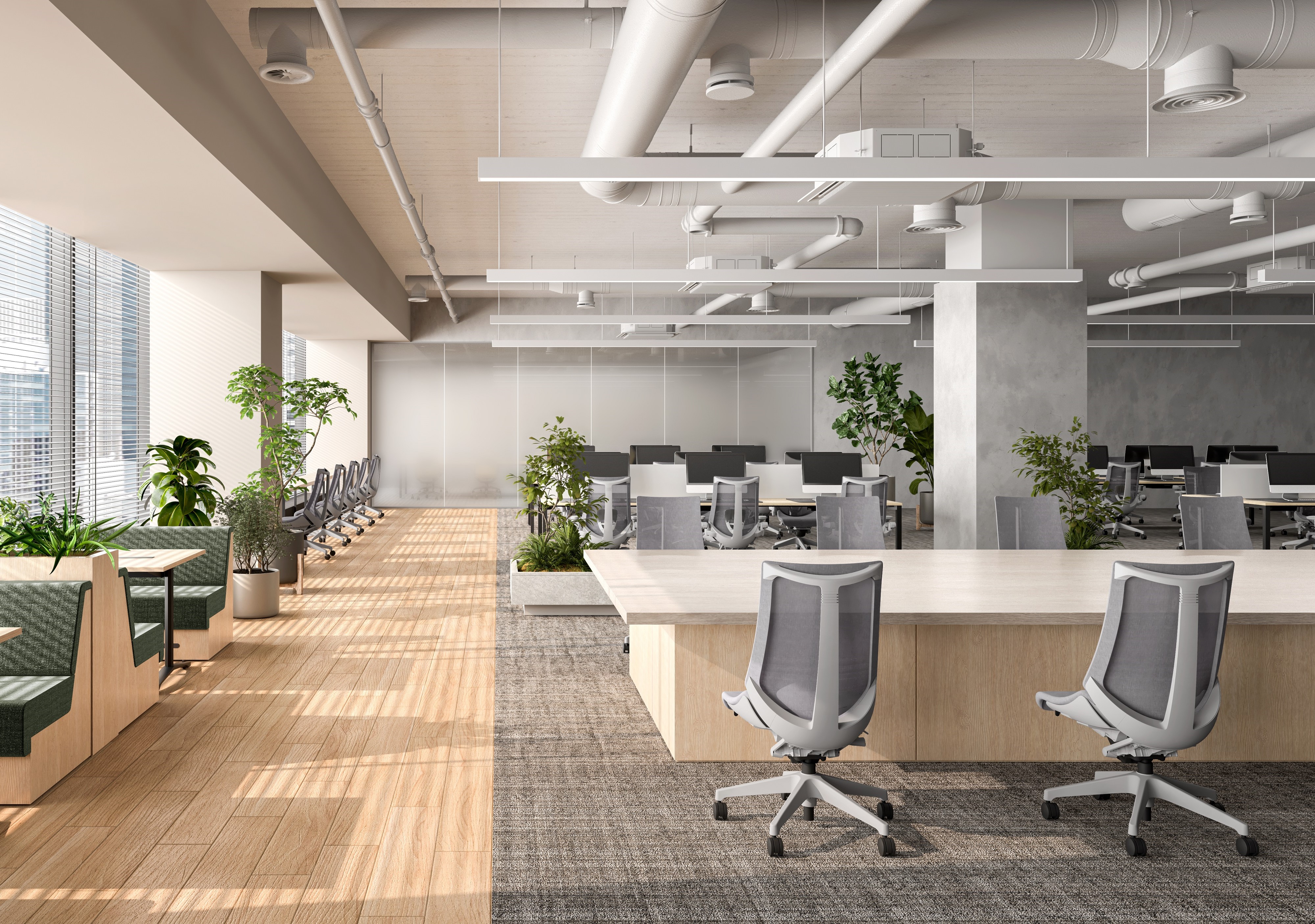
Hybrid office-home setups. The Act2's understated aesthetics and relatively compact footprint (thanks to side-frameless design) let it blend into home offices without screaming "corporate."
Environmentally conscious buyers. The urethane-free seat and Itoki's GREENGUARD Gold certification for other product lines signal a sustainability commitment uncommon in mid-tier task chairs.
Who should look elsewhere:
Plush-seat lovers. If you prefer the enveloping softness of memory foam or thick cushioning, Respitec will feel too firm and unyielding.
Budget-first buyers. At ¥127,000–¥155,980 retail, the Act2 sits in the premium segment. Excellent value for the feature set, but alternatives exist at half the price.
Very tall or very short users. While seat-depth slide and headrest adjustment accommodate a range, the chair's proportions favor average Japanese and international body dimensions (roughly 5'3" to 6'0"). Users at the extremes may find lumbar pads miss the mark.
Extreme recliners. The Act2 encourages active, upright sitting. Maximum recline is moderate, and the firm seat doesn't invite lounge-style lounging.
Comparisons with key rivals
Chair | Price tier | Seat & back | Adjustment highlights | Standout strength |
|---|---|---|---|---|
Itoki Act2 | ~$900–$1,050 | Respitec urethane-free seat; mesh or elastomer back | 4D single-lever arms, dual pelvis/lumbar, seat-depth slide, headrest | Breathability + active lateral pivot |
Herman Miller Aeron (remastered) | ~$1,475–$1,975 | 8Z Pellicle all-mesh seat & back | PostureFit or lumbar pad, tilt limiter, adjustable arms | Iconic all-mesh, PostureFit sacral support, 12-year warranty |
Steelcase Series 2 | ~$700–$900 | Foam seat, Air LiveBack mesh or upholstered back | 4-way arms, seat-depth, lumbar height | LiveBack flex pattern, strong value, widely available |
Itoki Vertebra03 | ~$1,100–$1,400 | Fabric upholstered seat & back (Knoll Textiles option) | Lumbar depth, armrest width/angle, wood-leg base option | Residential aesthetics, premium materials, design focus |
Against the Aeron, the Act2 trades iconic status and a 12-year warranty for a lower entry price and a more adaptive backrest. The Aeron's all-mesh construction is unmatched for airflow, but the PostureFit system is less adjustable than Act2's dual-pad lumbar. Against the Steelcase Series 2—a close price competitor—the Act2 offers superior seat breathability and more refined aesthetics, while the Series 2 counters with foam comfort and better North American availability. The Vertebra03, Itoki's upscale sibling, targets design-conscious buyers willing to sacrifice some adjustment range for material richness and wood-leg elegance; the Act2 is the pragmatist's choice within the family.
Sizing, fit & configuration options
The Act2 is available in high-back and extra-high-back (with headrest) configurations. Back material options are mesh or elastomer; both come in black or dark gray colorways. Seat material is Respitec across all models—no foam alternative. Base options include standard five-star urethane-caster or mirror-finish aluminum legs for visual differentiation.
Armrests come standard as 4D link arms; no fixed-armrest or armless variant is listed in current retail channels. Caster choice splits between urethane (for hard floors) and nylon (for carpet), though urethane is default. Itoki also offers a height-adjustable variant for counter-height desks or standing-desk pairings, extending the gas cylinder range upward.
Fit accommodates a wide range but favors mid-sized users. Seat width is approximately 485 mm (19 inches), depth adjusts from roughly 400 mm to 450 mm via the fold-down front. Seat-height range (standard model) spans roughly 420–520 mm from the floor. Lumbar and pelvis pads are fixed at installation but can be repositioned by loosening hex screws—a 10-minute task with included tools. No official weight or height limits are published, but BIFMA test compliance suggests safe use up to ~250 lbs (113 kg) under typical office conditions.
Sustainability & certifications
GREENGUARD certification is an American environmental standard for office furniture and indoor building materials created from USEPA, Washington State, and Germany's Blue Angel recommendations; Itoki has received GREENGUARD Gold certification, which has stricter standards . While the Act2 itself is not individually listed in Itoki's current GREENGUARD product roster (the chair launched in 2025, and certification listings lag), the company's manufacturing processes and material selections align with Gold-level emissions thresholds.
The Respitec seat represents a significant sustainability pivot. Respitec combines ergonomic comfort with environmental compatibility, solving issues of stuffiness and wear common with urethane materials used in conventional office chairs . Polyester nonwoven and elastomer mesh are both recyclable, and the absence of polyurethane foam eliminates one of the hardest-to-recycle furniture components. Itoki has not disclosed end-of-life take-back programs specific to the Act2, but the company's long manufacturing tenure and parts-replacement culture suggest components will remain serviceable for years.
Domestic Japanese production reduces shipping emissions compared to Asia-to-West supply chains. Itoki's commitment to expanding Respitec to other lineups as a standard material signals intent to scale the environmental benefits fleet-wide rather than treating Act2 as a one-off experiment.

Maintenance, durability & warranty
Unless otherwise specified, Itoki's warranty period for products is 1 year, 2 years, or 3 years depending on the category, beginning on the date of purchase and following JOIFA customer service guidelines when used under normal conditions . The warranty structure typically includes two years for mechanisms (height adjustment, folding, swiveling, rocking, casters) and three years for structural components (deformation, crack, and breakage of main materials) . Surface finishes and upholstery fabrics are covered for one year against discoloration and wear under normal use.
Maintenance is minimal. The Respitec seat can be vacuumed or spot-cleaned with mild detergent and water; the material dries quickly and resists staining better than traditional fabric. Mesh and elastomer backs can be wiped with a damp cloth. Hypochlorous acid and alcohol-resistant treatment allows even elbow rests and backrest to be disinfected , a carryover feature from the pandemic-era Act refresh. Armrest pads and lumbar pads are replaceable; Itoki Japan offers parts through direct sales, though international parts availability varies by distributor.
Durability reflects Itoki's manufacturing pedigree. Casters roll smoothly after months of use, gas cylinders hold height reliably, and the pivot mechanism shows no wobble in field reports from early adopters. The Respitec material is too new for decade-long wear data, but Itoki's internal testing claims the seat retains 90% of its compression resilience after 100,000 load cycles—roughly equivalent to eight years of full-time office use.
Pricing, value & where it sits in the market
Retail pricing in Japan starts at ¥127,000 for a high-back elastomer model , scaling to ¥137,060–¥155,980 for extra-high-back and mesh configurations . Direct conversion suggests $850–$1,050 USD, though international retail pricing (where available) may differ due to import duties and distributor margins. At this tier the Act2 competes with Steelcase Series 2, Herman Miller Mirra 2, and Humanscale Diffrient World—all proven mid-to-premium task chairs with strong ergonomic credentials.
Value proposition hinges on priorities. If breathability and lateral-pivot freedom rank high, the Act2 delivers features unavailable in most sub-$1,000 chairs. The Respitec seat alone differentiates it from foam-heavy competitors, and the dual lumbar system is more sophisticated than single-point lumbar pads. But buyers accustomed to Herman Miller's 12-year warranty or Steelcase's ubiquitous service network may balk at Itoki's shorter warranty and limited Western retail presence.
The chair is sold primarily through Itoki's online shop and select Japanese retailers (Kagg.jp, gg-chair.com, Amazon Japan). International availability is sparse; buyers outside Japan may need to use forwarding services or wait for regional distributors to stock the model. This scarcity adds friction for Western buyers who want to test-sit before committing, though Itoki operates showrooms in Tokyo (ZA SALON TOKYO) where the Act2 can be trialed by appointment.
Verdict — the bottom line
The Itoki Act2 is a chair for sitters who care about materials and movement. Its Respitec seat delivers on the promise of sustained breathability without the heat and compression woes of foam, and the pivot backrest adds a kinetic dimension that fixed-back chairs simply cannot match. The dual pelvis-and-lumbar system is assertive—it will not let you slouch—but for users who need that discipline, it works. Build quality is high, aesthetics are restrained, and the urethane-free construction signals Itoki's willingness to rethink fundamentals rather than iterate around foam.
The chair's limitations are practical rather than functional. Warranty is shorter than Herman Miller or Steelcase standards. International availability is patchy. The firm Respitec seat won't please everyone, and the assertive lumbar system demands patience to dial in. Price sits in the premium band without the brand cachet (in Western markets) that Herman Miller or Steelcase command.
For buyers who value innovation in seating materials, appreciate lateral adaptability, and can access Japanese retail channels, the Act2 is a compelling choice. It synthesizes Itoki's 135-year manufacturing heritage with forward-looking materials science, and it does so without sacrificing the ergonomic rigor that defines serious task seating. Not a chair for everyone—but for the right sitter, it's one of the most thoughtfully engineered mid-tier options available in 2025.
Sources & references
Interested in the Itoki ACT2?
Check the price on Amazon