Okamura Contessa II (Contessa Seconda)
Italian design meets Japanese engineering in a timeless mesh icon
Overview
The Contessa II (also known as Contessa Seconda) is Okamura's flagship task chair, originally launched in 2002 and reborn in 2016 with upgraded engineering and functionality while preserving the flowing, organic lines of the original. Born from a collaboration between leading Japanese furniture manufacturer Okamura and Turin-based design firm Italdesign in 2000, the Contessa emerged two years later as an instant classic. Designed with principles drawn from automotive and aviation engineering—disciplines governed by aerodynamics and human-body fit—the chair has sold over 600,000 units globally. The Contessa II represents a refined evolution: reborn in 2016, it unites the flowing, organic lines and charm of the original with new engineering and functionality, positioning itself as the evolution of an icon for the workplace of today and tomorrow.
At a glance
Brand | Okamura |
|---|---|
Designer | Italdesign (Giugiaro Design) |
Original launch | 2002 (Contessa II: 2016) |
Materials | Die-cast aluminum frame, Nishijin-weave mesh or multi-density urethane cushion, plastic inner frame |
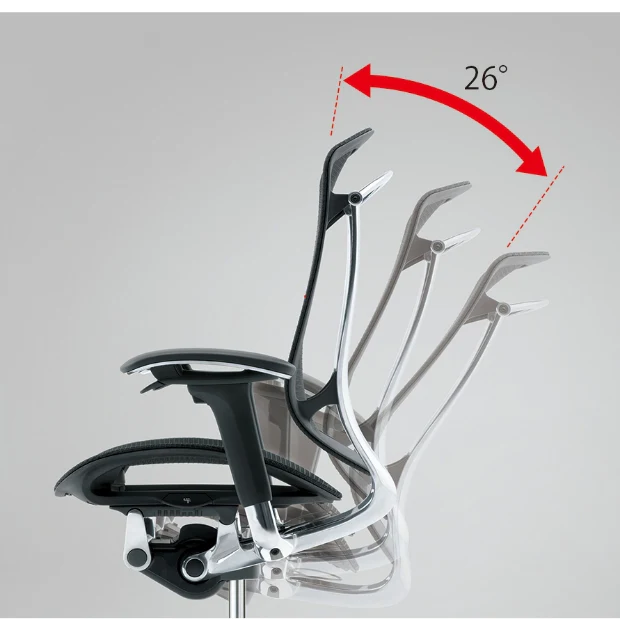
Key adjustments | 4D armrests, ankle-tilt recline (up to 26°), seat depth (50mm range), height (435–545mm), tension dial |
Weight capacity | 300 lbs / 136 kg |
Certifications | BIFMA X5.1, GREENGUARD, LEVEL 3, Declare Label |
Warranty | Varies by region (typically 3–5 years on structure/mechanisms) |
Price tier | Premium ($1,100–$1,800 depending on configuration and region) |
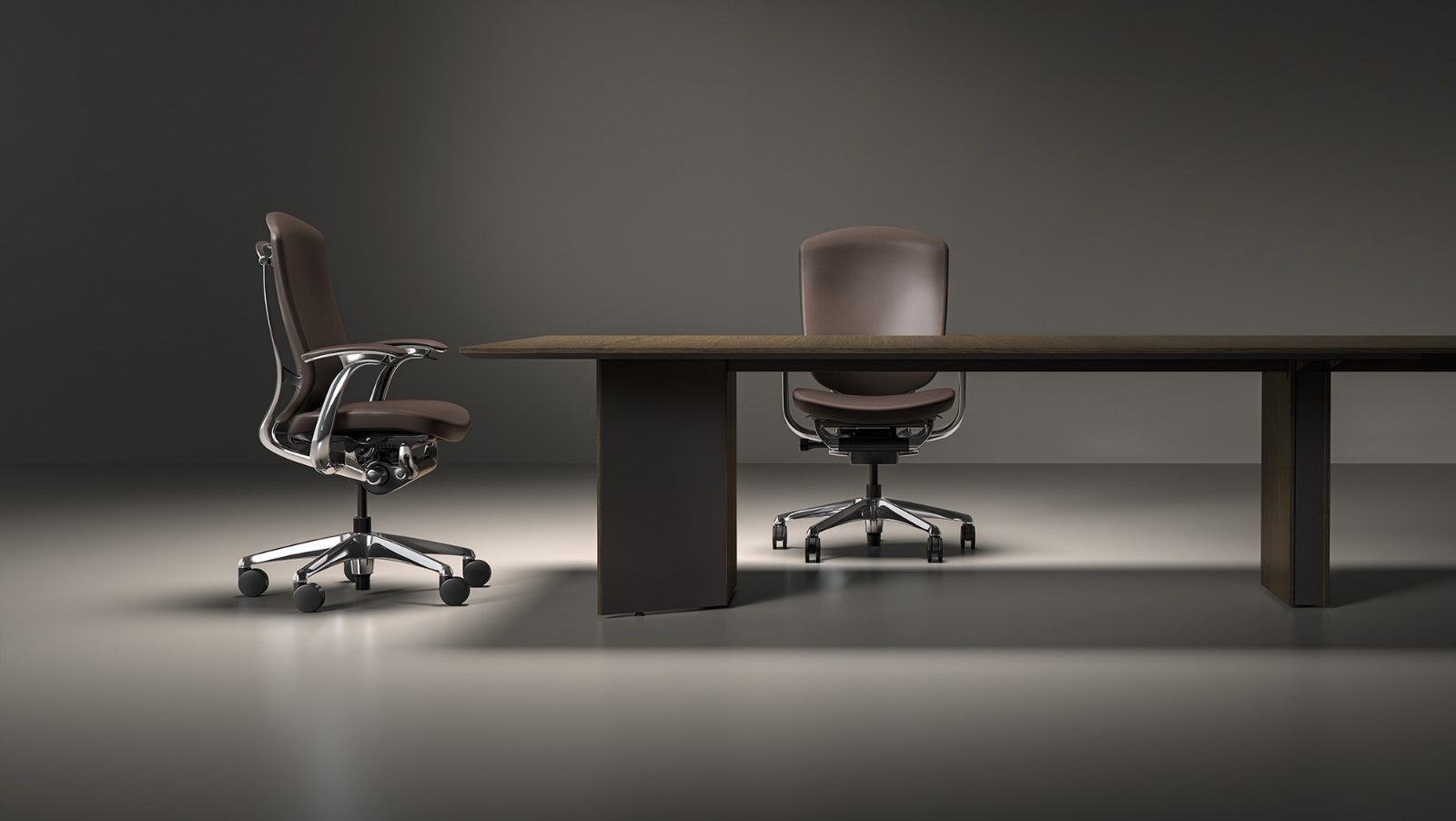
Seat configurations | Mesh seat & back, cushion seat & mesh back, full cushion (leather optional) |
The brand and its philosophy
Since its humble beginnings in 1945, Okamura has emerged as a leading office furniture brand in Japan, committed to following ergonomic principles and using the very best technologies available. The company, founded in 1945 in Yokohama City, began as a sheet metal processor and evolved through the years, producing cars and planes along the way, before focusing on desks and office chairs in the 1960s. Okamura was founded by aircraft engineers and was responsible for the N-52 plane.
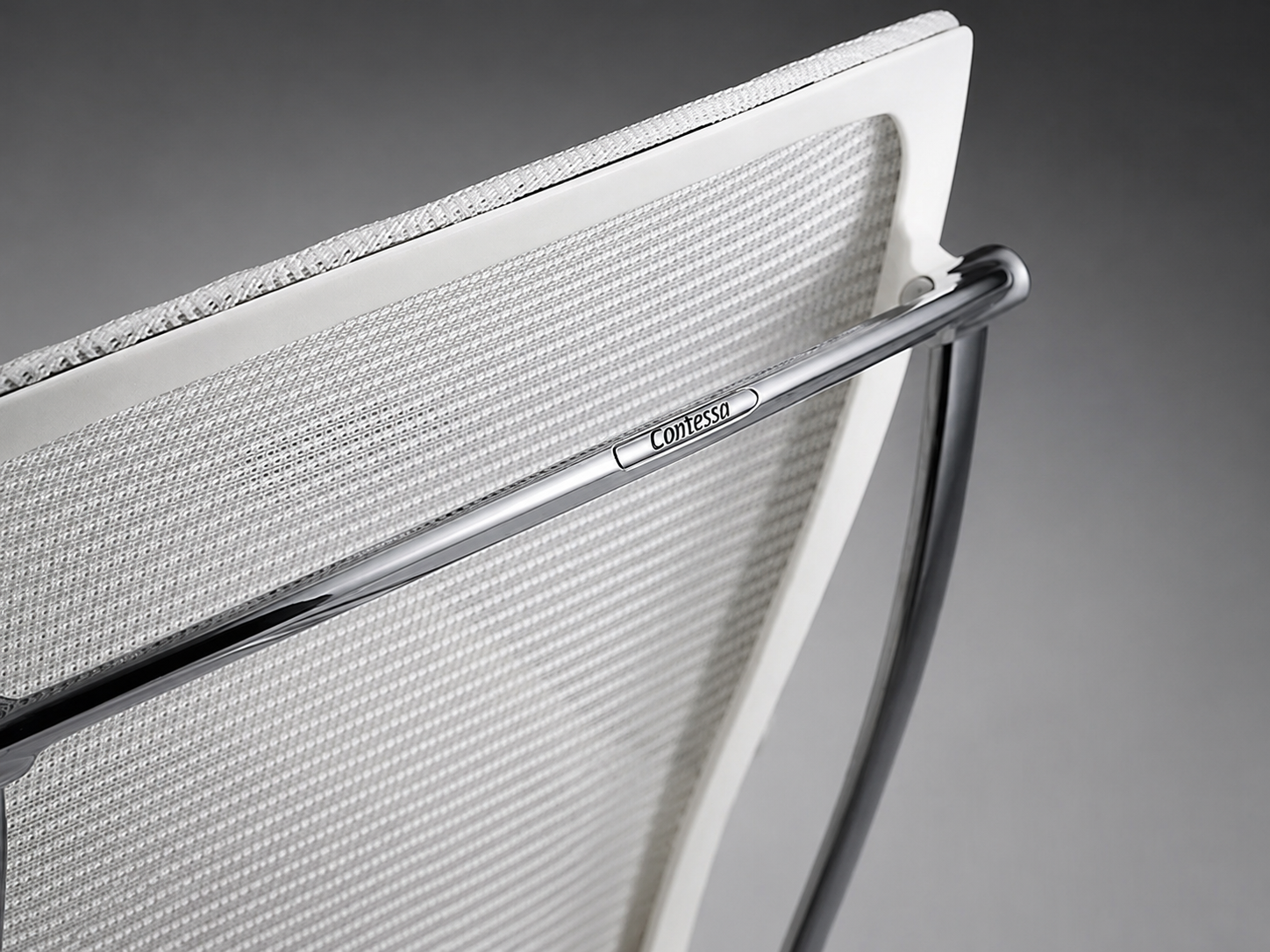
Okamura believes quality is found in the accumulation of countless acts of thoughtfulness; the company's office furniture radiates a sense of comfort and beauty because it is made with a devotion to the nuances of customer needs. The mesh Okamura first adopted when launching Contessa in 2002 drew upon Nishijin textile techniques of weaving and thread dyeing from Kyoto to create durable mesh that supports the body without sagging, remains pliable enough to provide maximum comfort, and delivers a distinctive sheer style, harmonizing seemingly contradictory qualities.
The designer and the design story
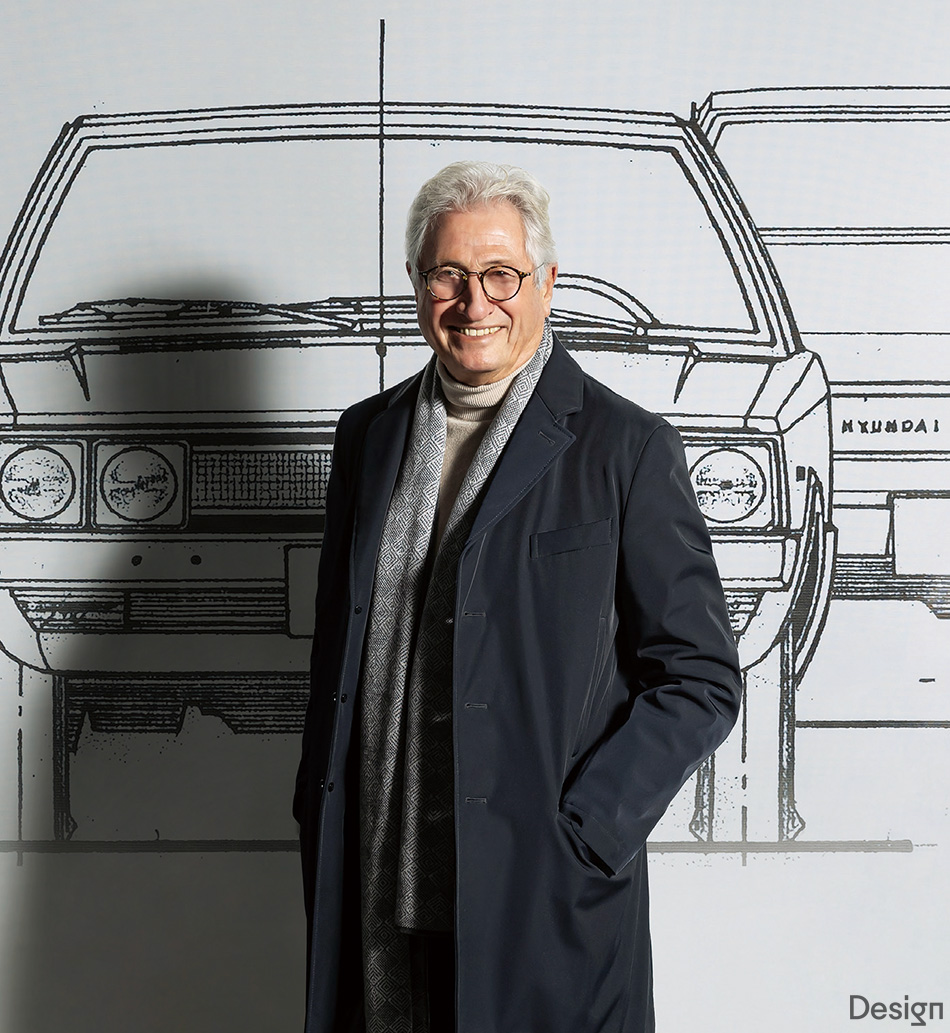
Okamura joined forces with Turin-based design firm Italdesign in 2000 to create a world-class office chair, and two years later, Contessa emerged as an instant classic. Okamura blended its Japanese engineering with the design know-how of Italdesign—founded by Giorgetto Giugiaro, the visionary named 'Designer of the Century' by a global panel of automotive journalists—whose work includes some of the most iconic vehicle designs of the past half-century like Volkswagen Golf and DeLorean DMC-12.
Giugiaro once said, "My philosophy in cars and objects is that the form should be honest. I try to remove the superfluous and be harmonious, I strive for harmony in complexity," and his Contessa chair launched in 2002 turbo-charged Okamura's global success. The original Contessa won the Gold Industrial Design Excellence Awards (IDEA) 2004 co-sponsored by IDSA and Business Week. The Contessa II has won the Red Dot award 2017, the Good Design award 2017, and the German Design Award Special Mention 2018.
Design language and aesthetics
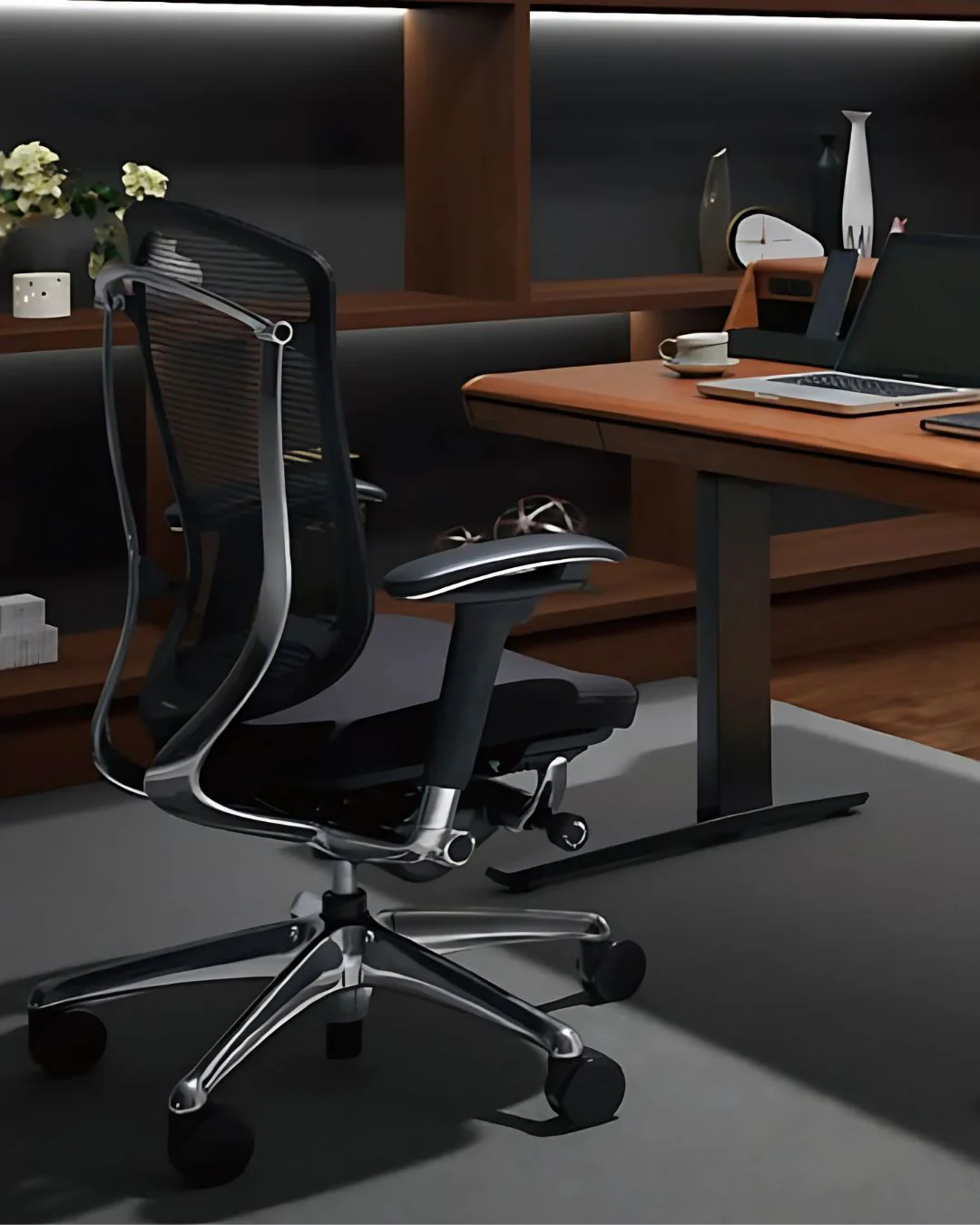
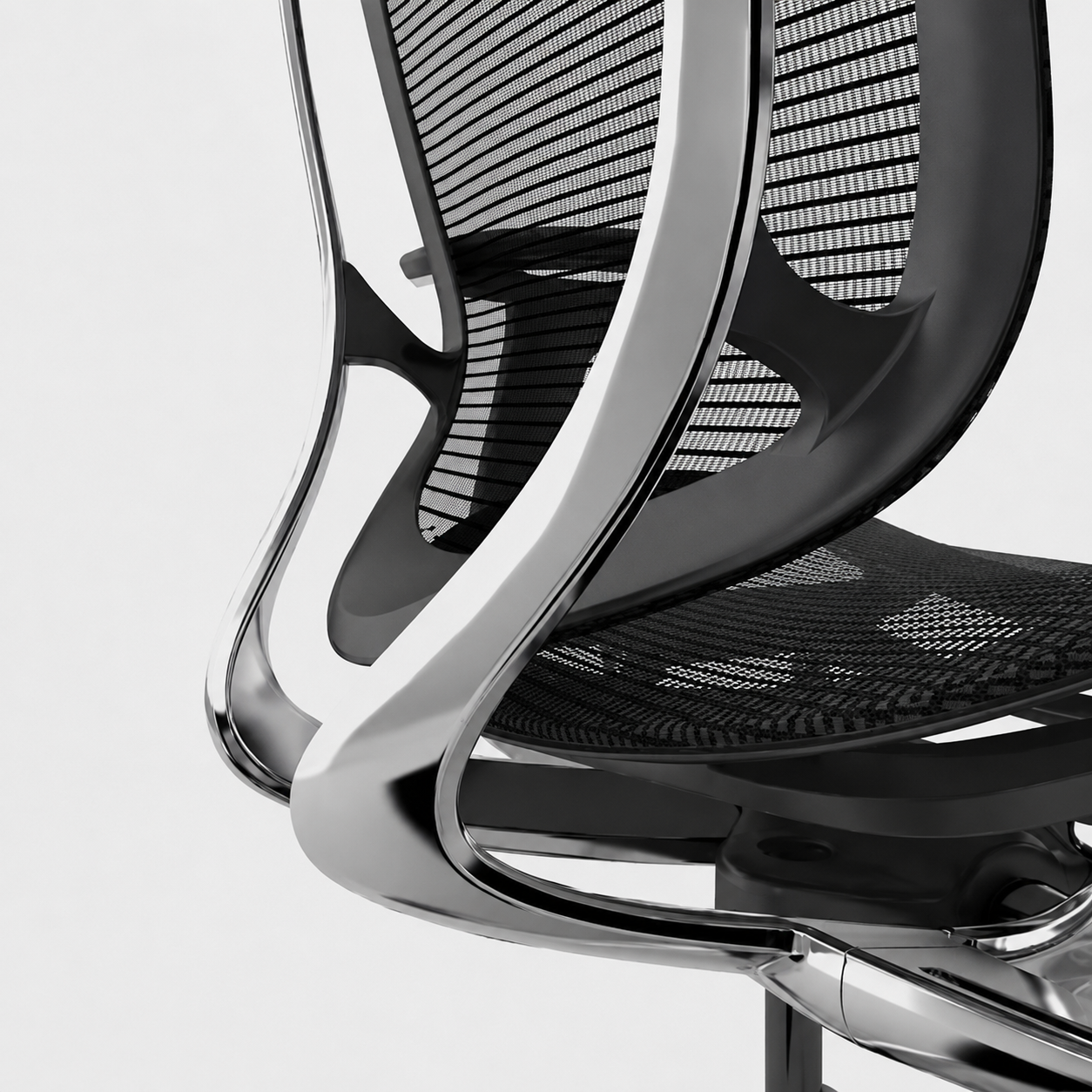
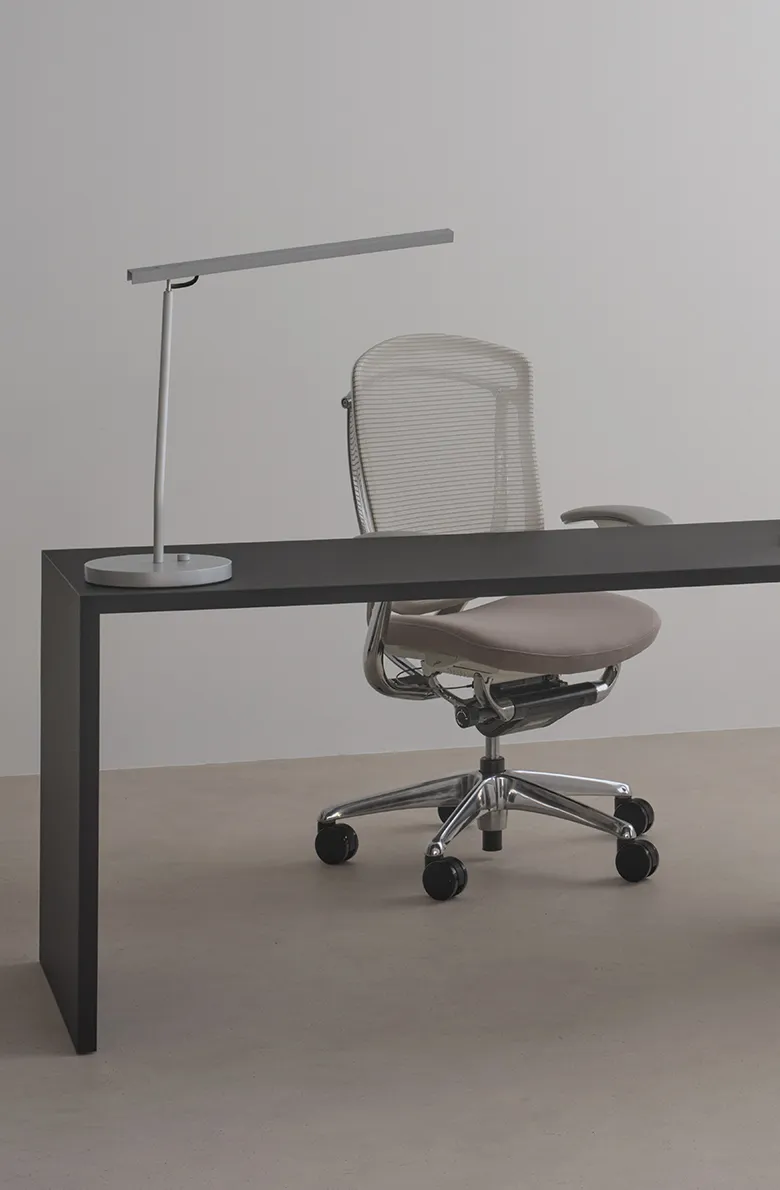
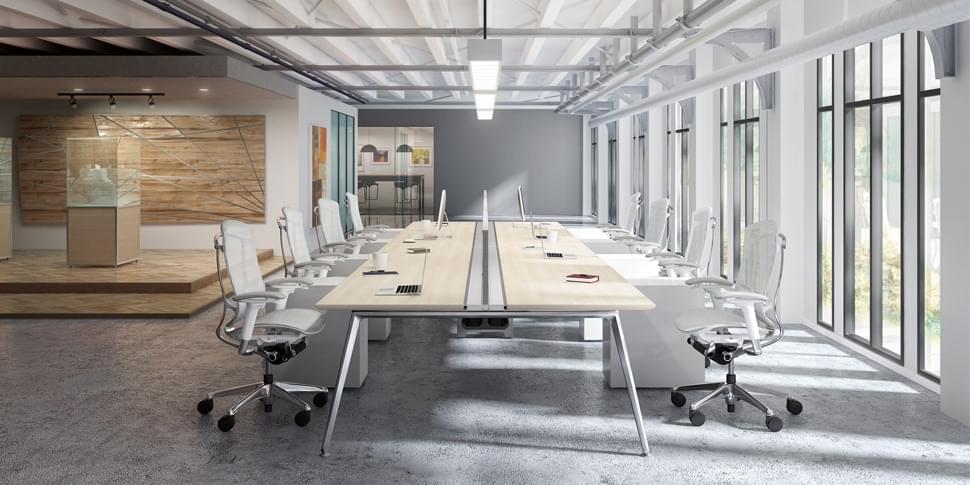
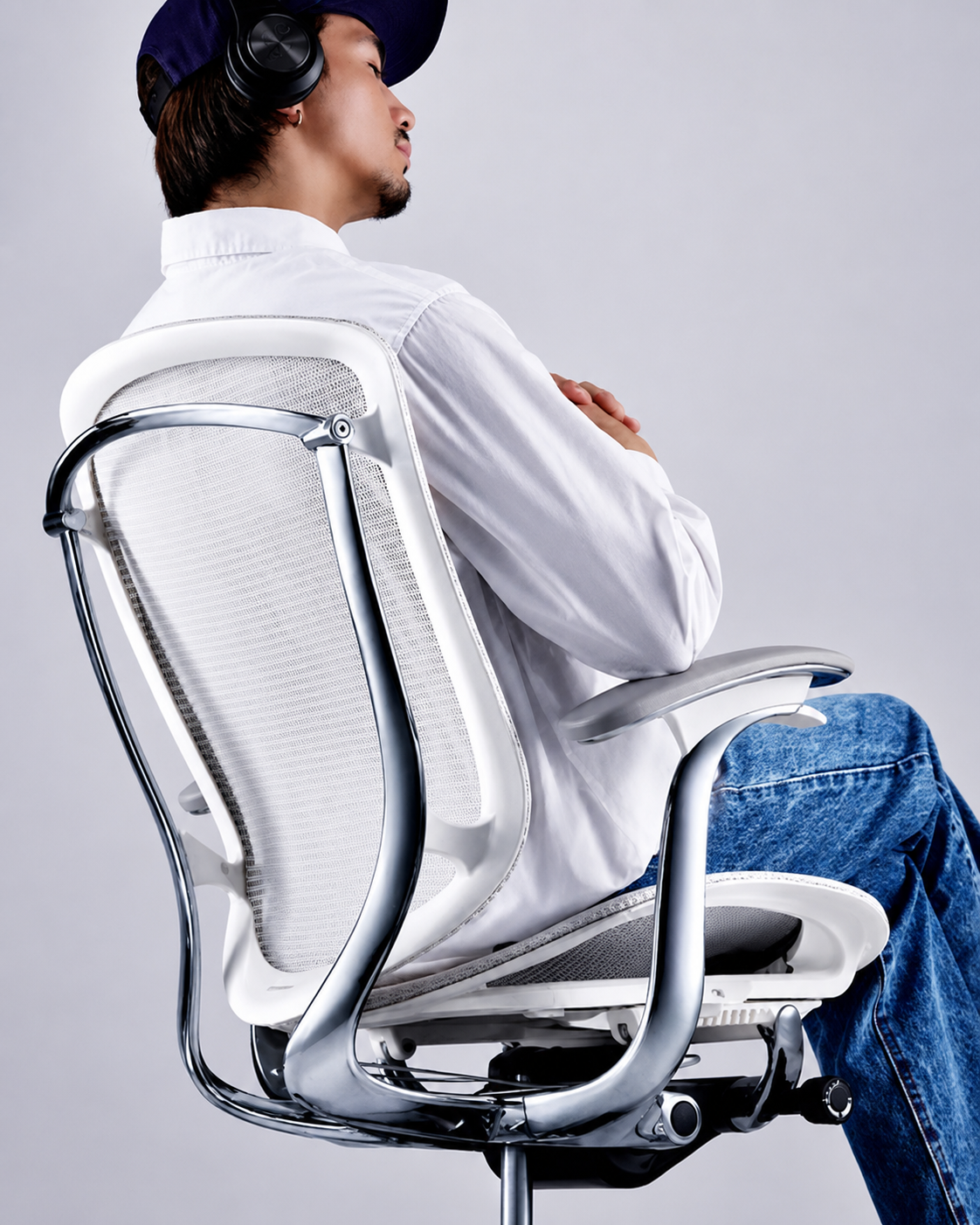
Contessa's form celebrates contrast: the sheer, transparent tension of stretched mesh across the seat and back provides an elegant counterpoint to the sleek, industrial weight of the aluminum frame. Giugiaro's 'honest form' philosophy defines the Contessa II's sculpted silhouette: a die-cast aluminium chassis that delivers durability and strength while remaining visually light and understated. The chair's unique silhouette comes from its double backrest frame—a beautifully curved aluminum frame that robustly supports your body, while a sleek and supple plastic frame fits your shoulders and lower back, with the frames working together to enable comfortable sitting for long periods without tiring.
The backrest frame has been streamlined to create a slimmer aesthetic, with increased flexibility that gently follows the natural movement of the body without any sacrifice of support. For added stability, the mesh seat frame is now constructed in a one-piece ring structure with soft edges, ensuring improved weight-distribution and comfort. The chair is available in an exciting industry-leading yet refined palette, and a white frame option is newly available.
Ergonomics and how it supports the body
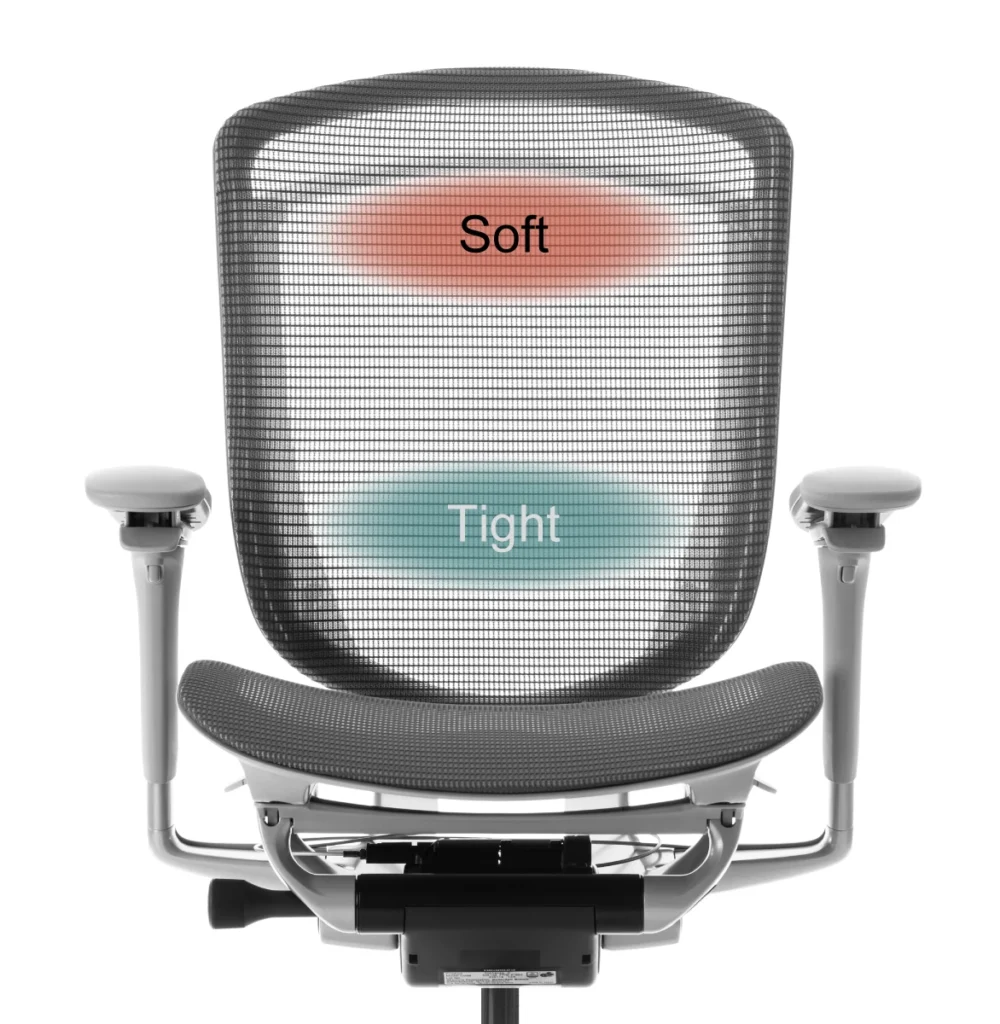
Contessa's unique silhouette comes from its double backrest frame: a beautifully curved aluminum frame robustly supports your body, while a sleek and supple plastic frame fits your shoulders and lower back, with the frames having their own roles and working together to enable you to sit in comfort for long periods without tiring. The chair's mesh incorporates traditional Nishijin weaving techniques from Kyoto, weaving a strong thread and a more flexible thread together to produce a mesh that is taut yet delicate, with a fine texture that is soft to the touch.
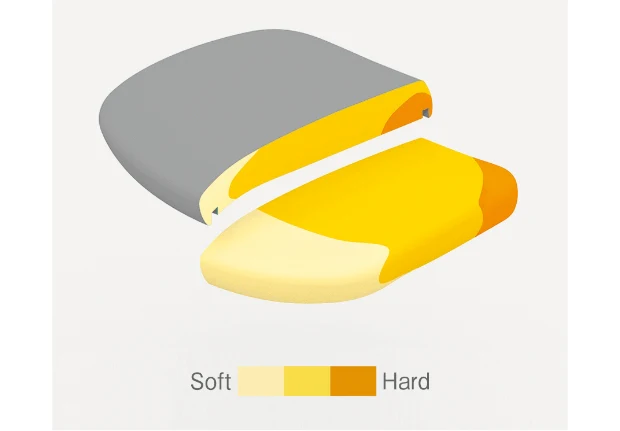
For cushion configurations, Contessa's multi-density cushion has three softness levels for comfort over long periods: the front is soft to avoid under-thigh pressure, the center molds to your body, and the back of the cushion is firmer to support your weight. The 2017 redesign saw a big jump in mesh strength, with rigorous testing both externally and in-house against the assumption of a 136kg (300lb) office worker working 24 hours, 7 days a week. The chair has been designed and tested for users weighing up to 300lbs (136Kg) and has passed third-party testing in accordance with BIFMA X5.1 standards.
Key adjustments and mechanisms
Okamura's top-class comfort is best symbolized by "smart operation," an approach that concentrates the most frequently used adjustments in levers at the ends of the armrests to give you fingertip control, allowing you to adjust reclining functions and seat height without moving from your seat.
Ankle-tilt recline
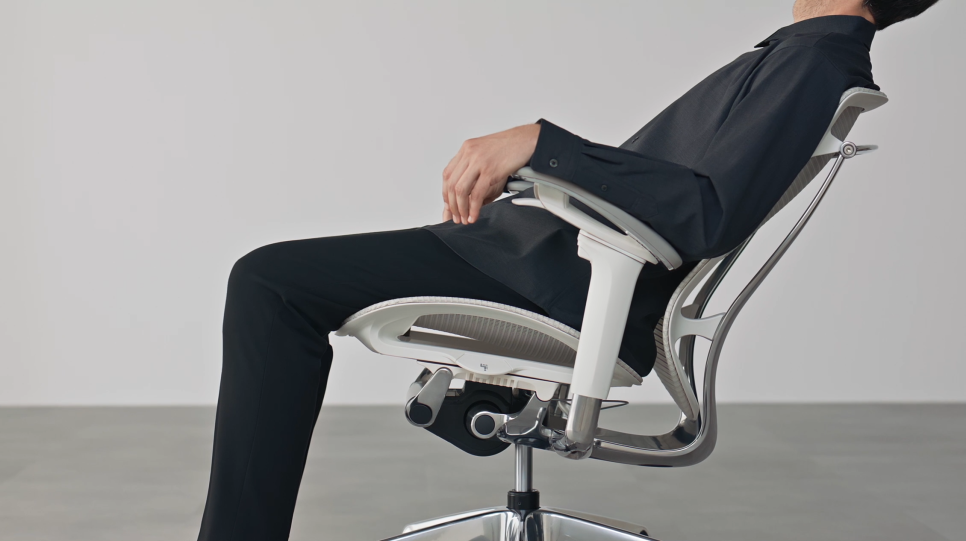
To recline, simply lean backwards, tilting from your ankles—ankle-tilt reclining maintains a natural posture throughout. This ankle-tilt mechanism enables anyone to find their most comfortable reclining position, using the ankle as a pivot point and moving in sync with the seat for greater support, stimulating variation in posture and relaxation with uninterrupted comfort. The recline function extends up to 26 degrees.
4D armrests
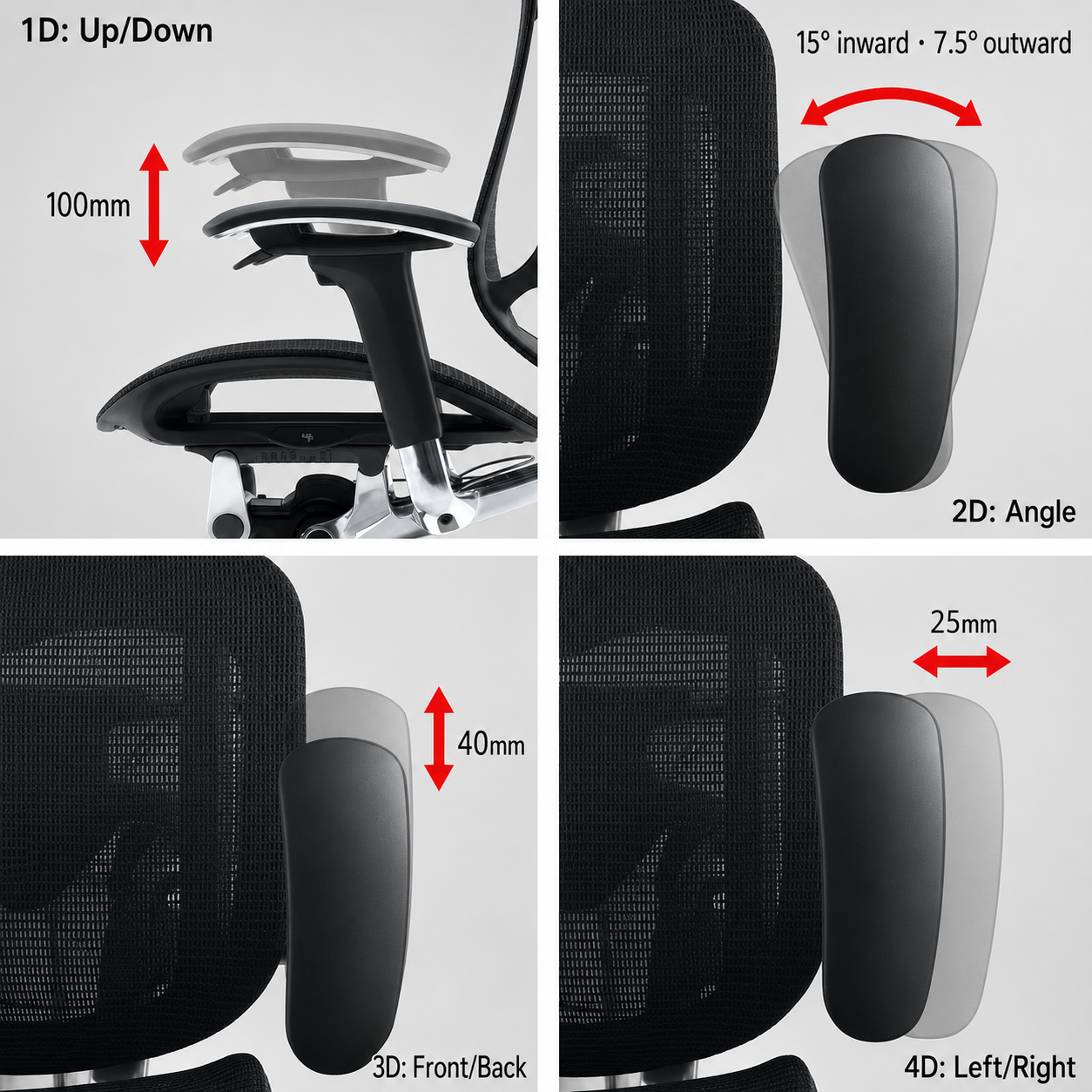
Adjustable armrest height, width, depth and angle are available. Arms can be adjusted in four dimensions: height, depth, width, and angle, enabling the most comfortable elbow support for various tasks at hand.
Seat depth and height
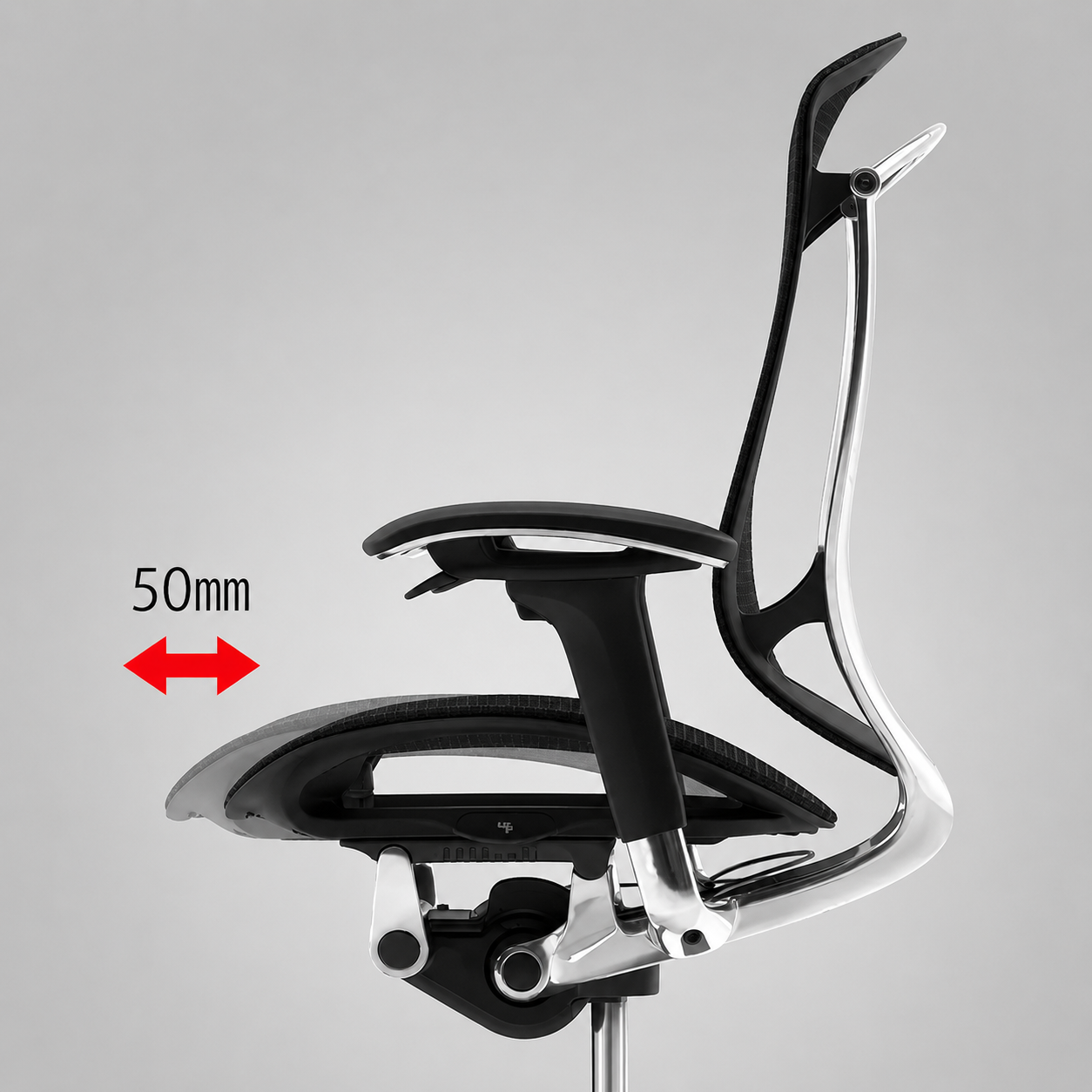
Adjustment of the seat's depth, within a range of 50mm, is available using the levers beneath the seat. You can adjust the chair height, within a range of 435 to 545 mm, using the lever in the right armrest.
Recline tension
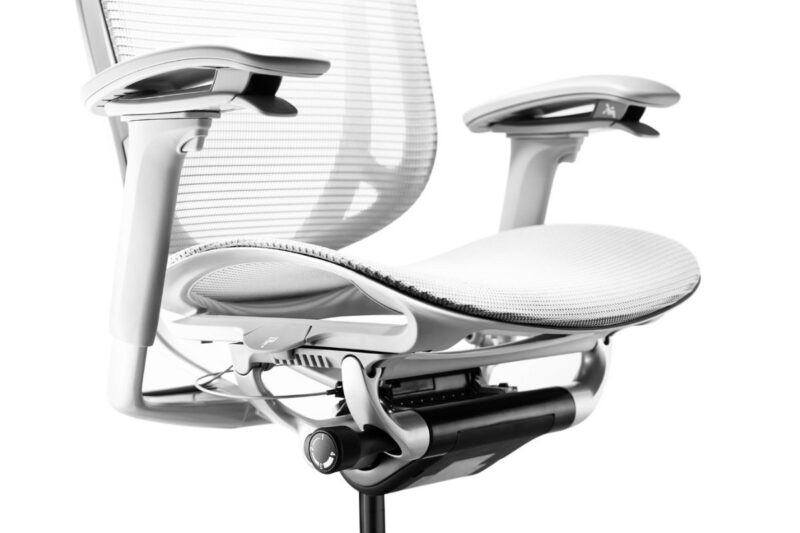
Choose from four tension adjustment pre-sets to suit any body shape and posture, all from a dial under the seat. Lock and unlock the backrest, alternating between a free recline and one of five pre-set tension gradations, all using the lever in the left armrest.
Materials and build quality
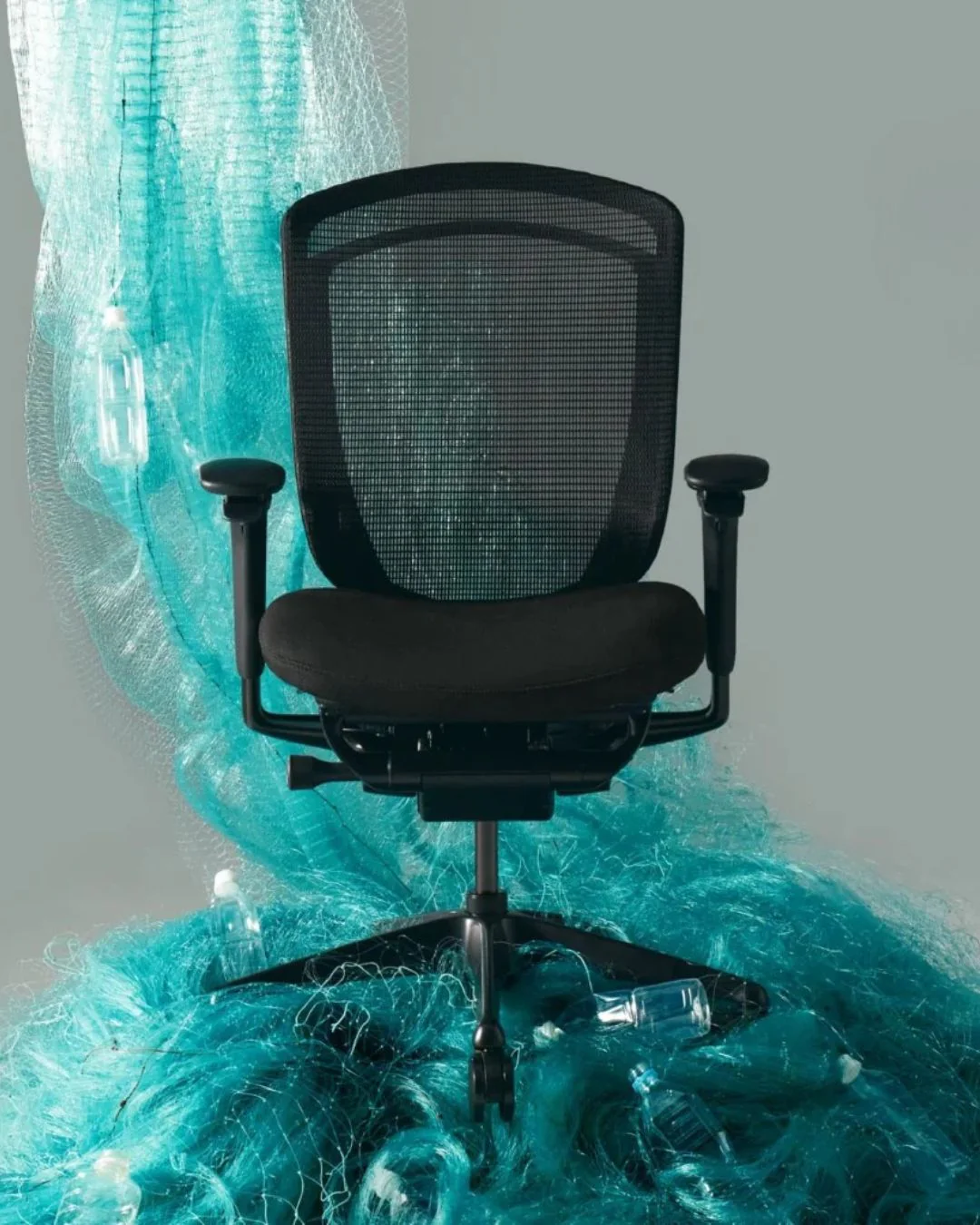
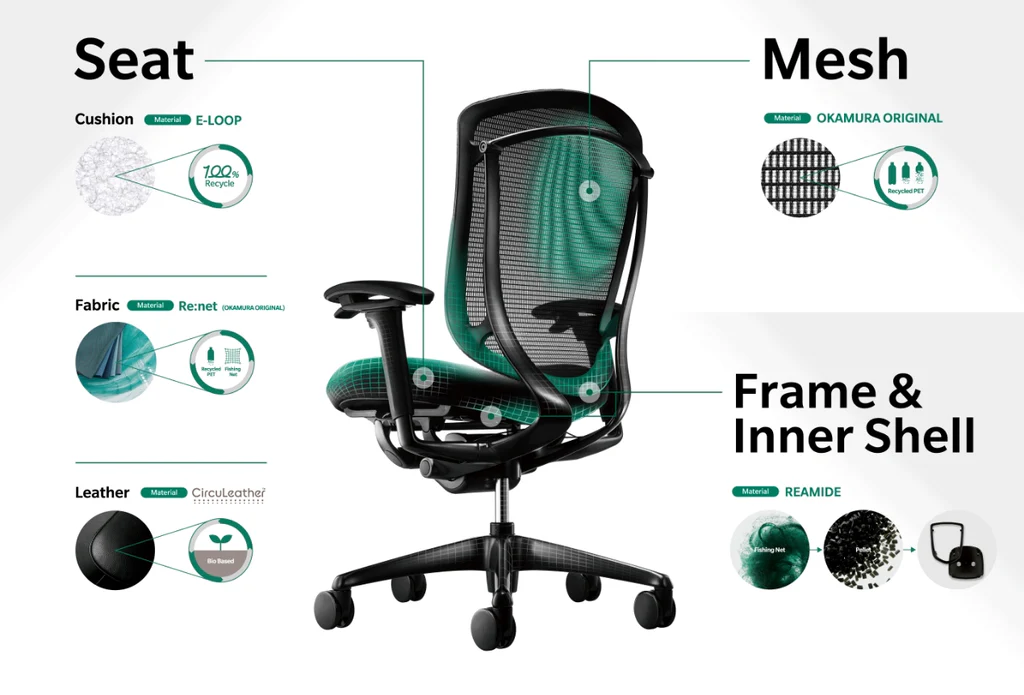
Contessa II's mesh incorporates traditional Nishijin weaving techniques from Kyoto, weaving a strong thread and a more flexible thread together to produce a mesh that is taut yet delicate, with a fine texture that is soft to the touch. Kawashima Selkon Textiles, which employs artisan craftspeople to keep alive the beautiful Kyoto tradition of Nishijin-ori weaving, drew on their technical expertise in thread, weaving and colour dying to create a mesh for global use. Used plastic bottles are recycled into a fiber to make Okamura's own strong and sustainable mesh.
Okamura's unique Multiple Density Cushion utilizes three types of urethane foam, of varying firmness layered together to promote healthy sitting. The beautifully curved aluminum frame robustly supports your body, while a sleek and supple plastic frame fits your shoulders and lower back. The chair features die-cast aluminum components throughout, from the backrest and armrests to the five-star base.
Sitting experience—what it actually feels like day-to-day
The Contessa II delivers a distinctly refined sitting experience characterized by the interplay between the taut mesh and the supporting aluminum structure. The mesh feels firm yet breathable, providing continuous airflow during long sessions. The streamlined backrest is slimmer and more flexible, helping to follow the motion of your body without sacrificing its support functionality in the process.
The seat now follows a ring design with only one piece with soft edges, helping to ensure that the chair will distribute your weight much more evenly and you will feel more comfortable upon sitting on the chair. The ankle-tilt recline moves fluidly, maintaining alignment without creating pressure under the thighs. The smart-operation controls, positioned at armrest level, allow for on-the-fly adjustments without breaking concentration or leaving the seated position.
For mesh configurations, the Nishijin weave provides a fine, almost textile-like texture against the skin that distinguishes it from coarser industrial mesh. Cushion variants deliver graduated support, softer at the thigh contact zone and firmer at the ischial tuberosities. The overall feel is one of engineered precision—supportive without being rigid, adjustable without being fussy.
Who it's for (and who should skip it)
Best suited for
Design-conscious professionals: Those who value the intersection of automotive-inspired aesthetics and ergonomic function in executive or design-forward office environments.
All-day sitters: The chair is engineered for workers around the world, with drastically upgraded strength and durability while the design remains unchanged, ensuring world-class strength for both small-build and large-build people.
Mesh enthusiasts: Users who prioritize breathability and the tactile quality of fine-weave mesh over foam-only seating.
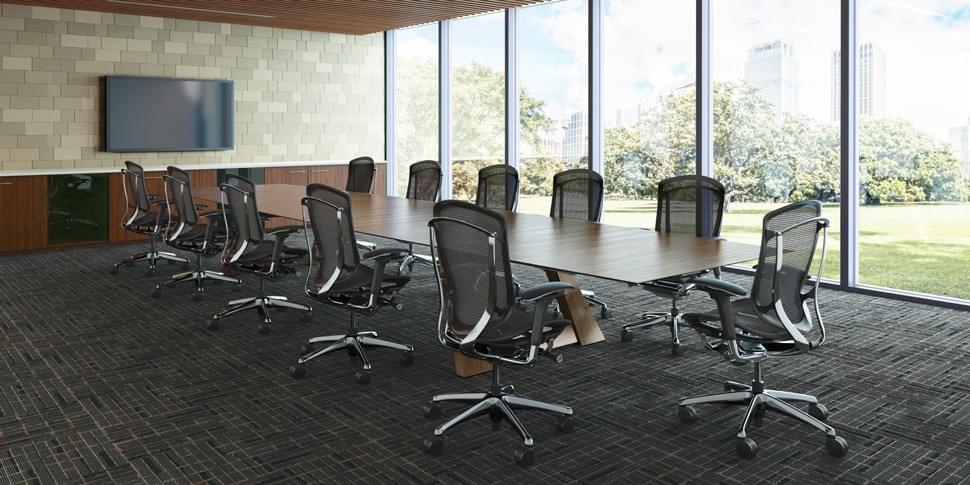
Global corporate environments: The full range of Contessa II caters to conference rooms, meeting areas, touch-downs, and task applications.
Consider alternatives if
Budget is constrained: The Contessa II sits in the premium tier; mid-range ergonomic chairs from Steelcase or Hon may offer better value for those prioritizing function over heritage design.
You require a headrest as standard: A small headrest option can be adjusted by height, depth, and angle to create perfect neck support, but it is an add-on, not standard on all configurations.
You prefer highly tactile lumbar controls: The chair's lumbar support is integrated into the frame design rather than featuring a prominent dial or knob; those who want active lumbar manipulation may prefer chairs with more explicit lumbar hardware.
Comparisons with key rivals
Chair | Price tier | Seat/Back | Key adjustments | Standout strength |
|---|---|---|---|---|
Okamura Contessa II | Premium ($1,100–$1,800) | Nishijin mesh or multi-density cushion / mesh back with aluminum frame | Ankle-tilt recline, 4D arms, smart-operation controls, seat depth | Automotive design heritage, Nishijin craftsmanship, refined aesthetics |
Herman Miller Aeron | Premium ($1,095–$1,995) | 8Z Pellicle mesh / mesh back with PostureFit lumbar | Forward tilt, adjustable PostureFit, 4D arms, tilt limiter | Iconic status, widespread availability, extensive sizing (A/B/C) |
Steelcase Leap V2 | Mid-premium ($870–$1,200) | Fabric or leather cushion / LiveBack technology | LiveLumbar, 4D arms, seat depth, lower-back firmness | Active lumbar support, broad fit range, value proposition |
The Contessa II distinguishes itself through its design provenance and material refinement. Okamura blended its Japanese engineering with the design know-how of Italdesign—founded by Giorgetto Giugiaro, whose work includes the Volkswagen Golf and DeLorean DMC-12—to bring the precision of automotive design to workplace seating. The Aeron offers greater brand recognition and a more robust dealer network in North America, while the Steelcase Leap V2 delivers comparable ergonomics at a lower entry price with more intuitive lumbar controls.
Sizing, fit and configuration options
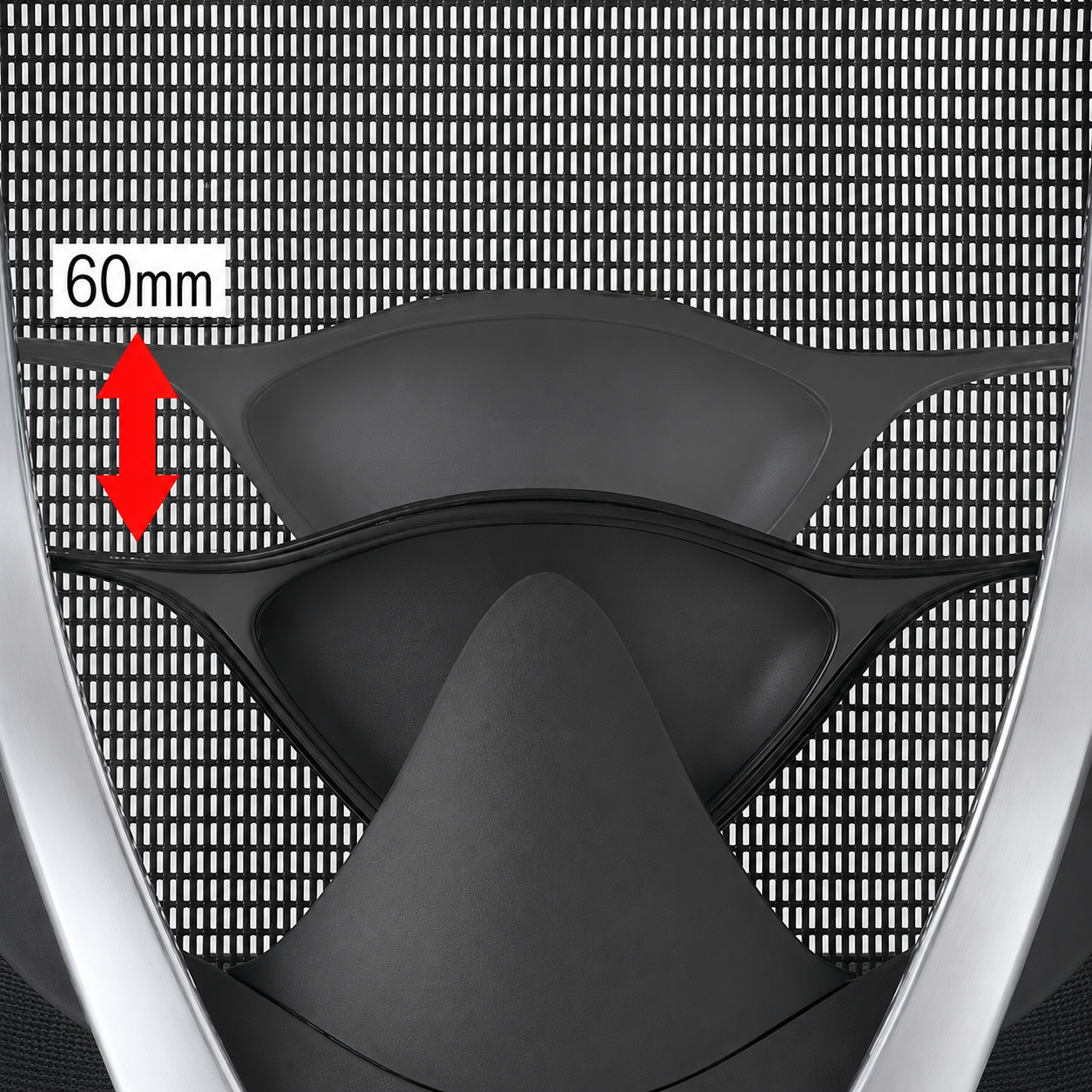
Seat height ranges from a minimum of 390 mm (15.4 in) to a maximum of 789 mm (31.1 in), with seat width of 520–530 mm (20.5–20.9 in) and seat depth adjustable from 400 mm (15.7 in) to 450 mm (17.7 in). The chair has been designed and tested for users weighing up to 300lbs (136Kg).
Configuration families
5-Star Swivel (task chair): The most common configuration, with full adjustability and mesh or cushion seat options.
High Stool: Extended height range for sit-stand desks or drafting applications.
4-Star Auto-return / Meeting Chair: The full range caters to conference rooms, meeting areas, touch-downs, and task applications.
Cantilever Chair: Fixed-base visitor variant.
Material and finish options
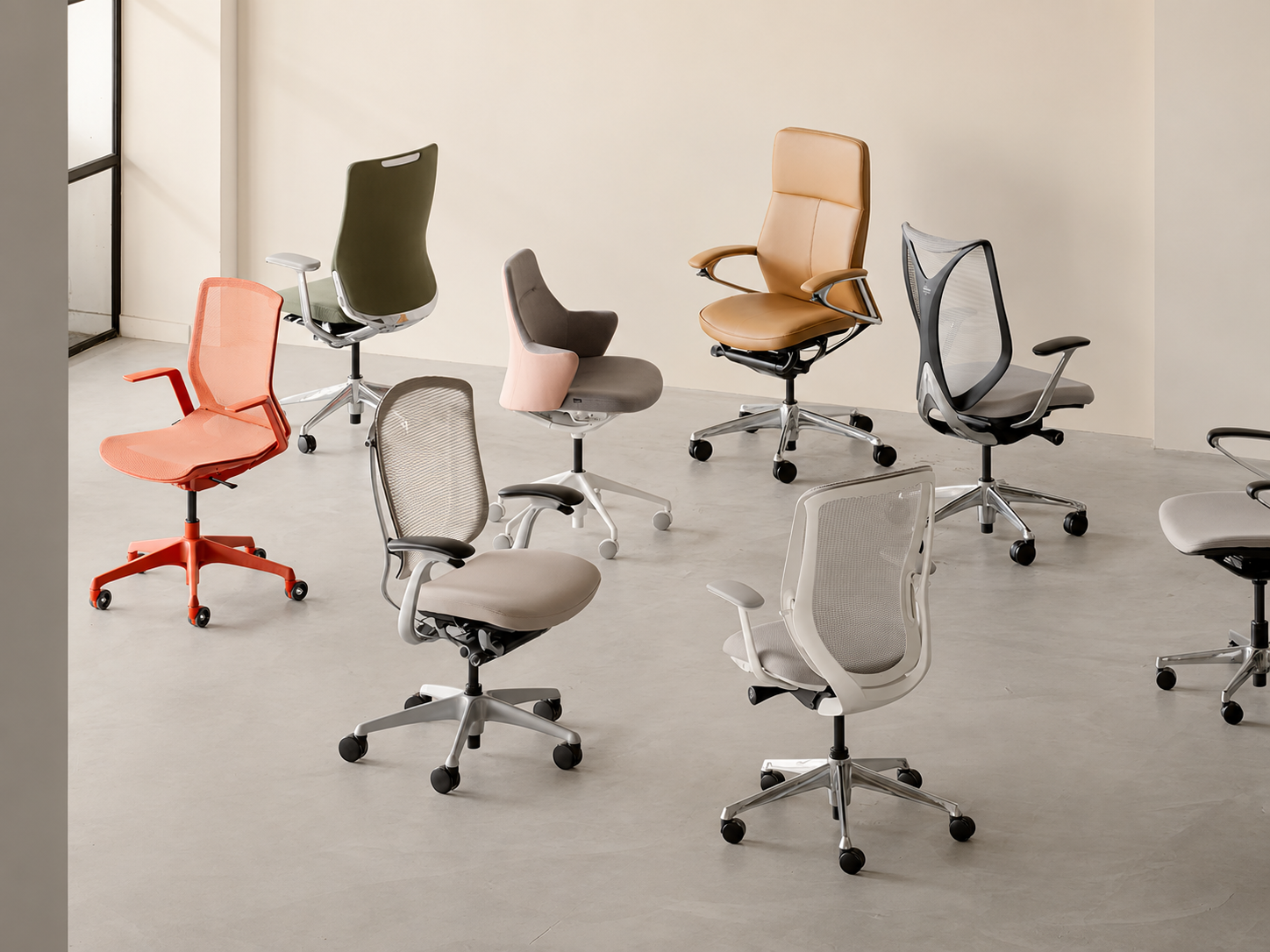
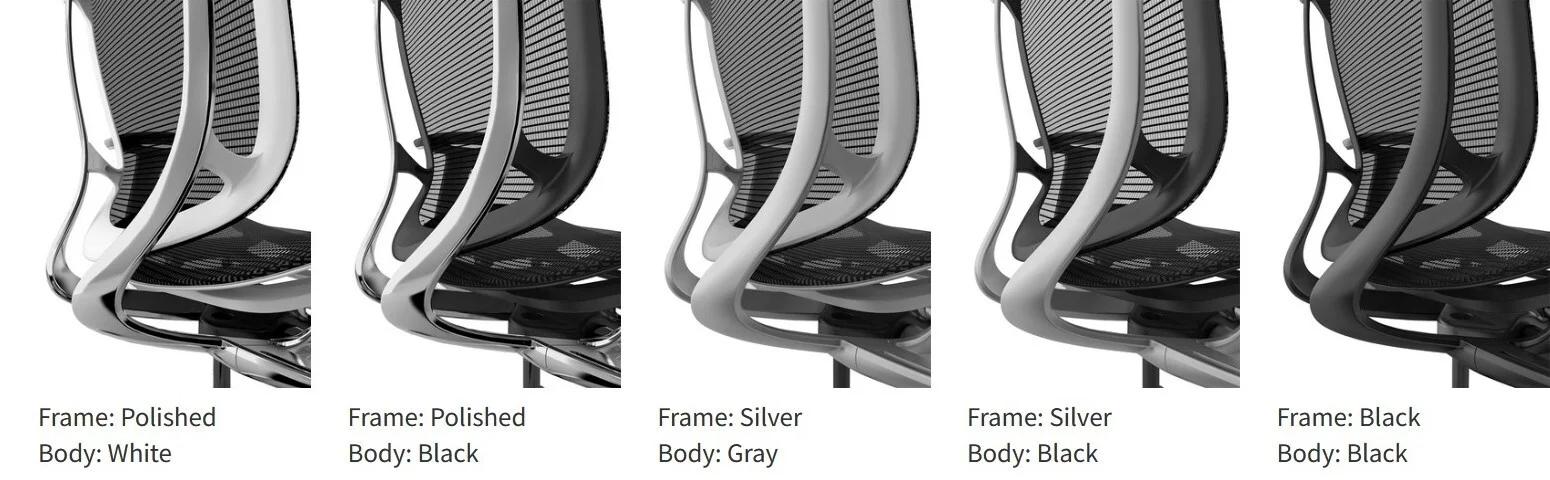
Frame: Polished aluminum, silver, or black.
Body color: White, gray, or black plastic.
Mesh: Mesh and fabric are available in 13 colors.
Leather: Leather is available in 4 colors.
Armrests: Adjustable 4D arms or fixed arms.
Optional enhancements: Lumbar support, headrest, coat hanger, and polished finishes.
Sustainability and certifications
The Contessa Seconda has received the Declare Label, a globally recognized environmental label developed by the International Living Future Institute (ILFI), and 24 Okamura seating products have achieved Level 3 certification, the highest tier of the LEVEL sustainability certification based on the ANSI/BIFMA e3 standard, with the Declare Label contributing additional points in the "Health and Wellness" category. The chair is GREENGUARD Certified. The product has passed third-party testing in accordance with BIFMA X5.1 standards.
Used plastic bottles are recycled into a fiber to make Okamura's own strong and sustainable mesh. Okamura hopes to reduce the number of fishing nets that end up in the sea in Japan; fabric recycled from used fishing nets (Re:net) is the same price range as conventional standard fabrics and has been adopted as the standard fabric for various products such as office seating and lounge chairs.
Maintenance, durability and warranty
The warranty is effective for respective periods from the date of handover to the dealer and is applicable only to products originally manufactured by or for Okamura after 1st of January 2022; the warranty covers Contessa II among other models. Warranty periods vary by region, but typically range from 3 to 5 years on structural components and mechanisms. Unless otherwise specified, the warranty period of this product is 2 years, 3 years, and 5 years from the date of customer purchase for each of the three types when used under normal conditions.
The mesh is designed for longevity and resists sagging due to the Nishijin weaving technique and reinforced tensioning. Aluminum components are highly durable and resistant to corrosion. The multi-density urethane cushions retain shape better than single-density foams. Routine maintenance involves wiping down the frame and vacuuming mesh surfaces; cushion variants may require occasional fabric or leather care depending on the upholstery selection.
Parts availability is strong in Asia-Pacific and European markets where Okamura has established distribution. For USA and Canada, the chair is available from Okamura's partner Teknion. Replacement casters, armrest pads, and gas cylinders are serviceable through authorized dealers.
Pricing, value and where it sits in the market
Pricing for the Contessa II varies significantly by region and configuration. In North America and Europe, expect to pay between $1,100 and $1,800 for a fully configured task chair with 4D arms, mesh seat and back, and polished aluminum frame. Entry-level configurations (fixed arms, standard finishes) start closer to $900–$1,000. One retailer lists the chair at a regular price of $1,150. High-specification models with leather upholstery, headrests, and lumbar support can exceed $1,800.
The Contessa II occupies the premium tier alongside the Herman Miller Aeron and Steelcase Gesture. It commands a price premium for its design pedigree, Japanese manufacturing, and material refinement—particularly the Nishijin mesh. The value proposition rests less on features-per-dollar (where the Steelcase Leap may edge ahead) and more on aesthetic coherence, build precision, and brand heritage. Over 600,000 units have been sold globally, signaling strong market acceptance despite the premium pricing.
For buyers prioritizing design-led workplaces and long-term durability, the Contessa II justifies its cost. For those seeking maximum adjustability on a tighter budget, mid-tier alternatives from Steelcase or Haworth deliver comparable ergonomics at lower entry points.
Verdict—the bottom line
The Okamura Contessa II is a masterclass in restraint and precision. Giugiaro's 'honest form' philosophy delivers a die-cast aluminium chassis that offers durability and strength while remaining visually light and understated. The chair's ankle-tilt recline, smart-operation controls, and Nishijin-weave mesh distinguish it from competitors that rely on more overtly mechanical adjustments or coarser materials.
This is not a chair for everyone. It demands a premium and offers fewer overt lumbar controls than a Steelcase Leap, less brand ubiquity than an Aeron, and narrower North American distribution. But for design-conscious professionals, corporate environments valuing refined aesthetics, and users who appreciate the intersection of Italian industrial design and Japanese craftsmanship, the Contessa II delivers a sitting experience that feels engineered rather than assembled—a chair that harmonizes form, material, and function into a cohesive whole.
A true icon lasts. A true icon evolves.
Iconic and enduring looks, with outstanding ergonomic functionality, have ensured this task chair quickly earned global acclaim, and for the past 20 years, Contessa has remained a favorite in office seating. The Contessa II refines that legacy for the modern workplace, balancing automotive precision with ergonomic depth in a silhouette that remains as distinctive today as it was two decades ago.
Sources & references
Interested in the Okamura Contessa II?
Check the price on Amazon