HÅG Capisco vs Steelcase Gesture: Which Should You Buy?
Saddle perch meets adaptive arms—two premium ergonomic philosophies compared
Specs, reviews & details
Specs, reviews & details
Intro
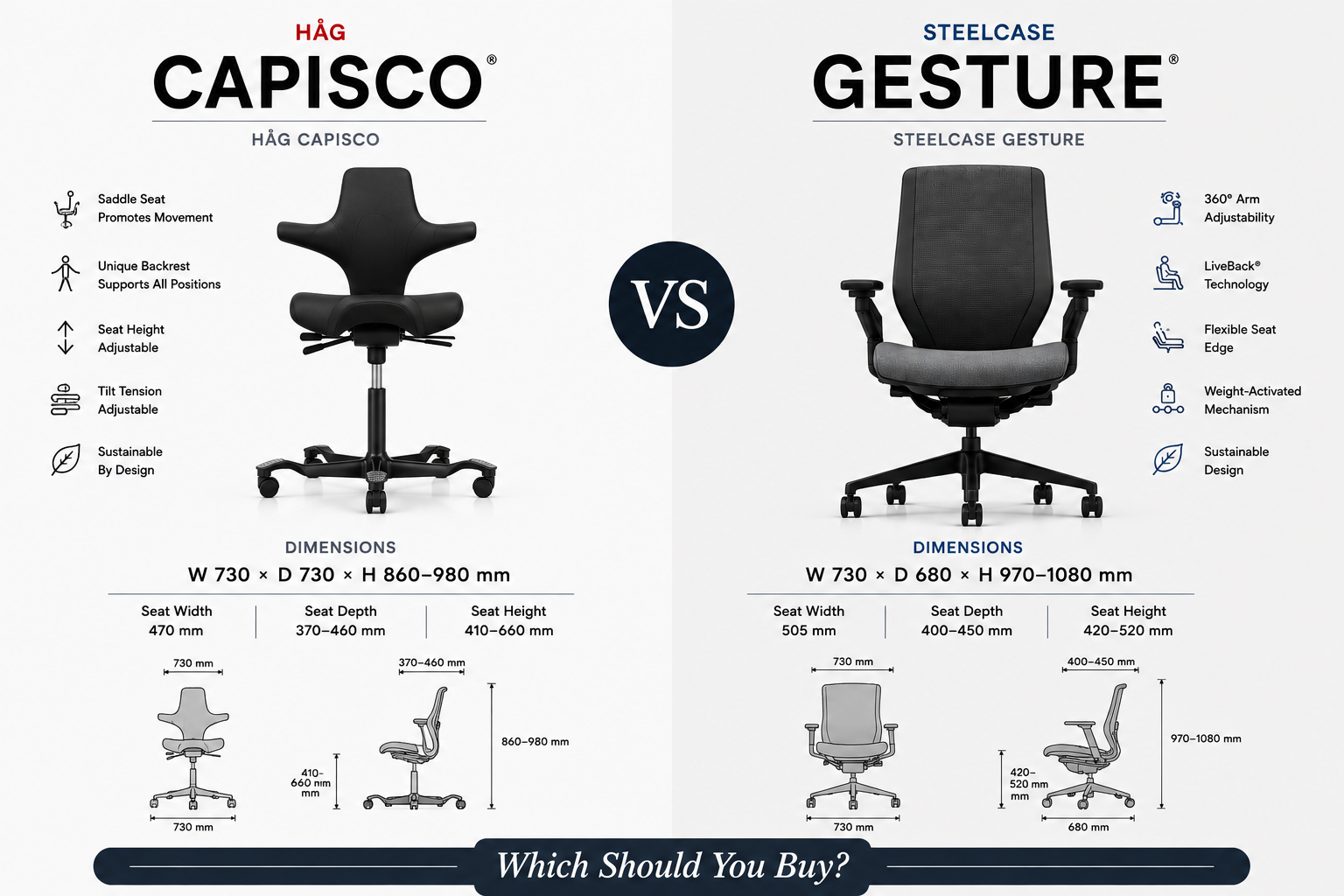
The HÅG Capisco and Steelcase Gesture represent two distinct ergonomic philosophies. The Capisco's saddle seat encourages movement and perching, especially at sit-stand desks, while the Gesture wraps support around multi-posture computer work with its signature 360-degree arms and spine-mimicking backrest. At $939, the Capisco costs $560 less than the $1,499 Gesture, but they target different work styles. Both are premium office chairs from leading manufacturers, yet reviewers report mixed long-term experiences with each.
At a glance
Spec | HÅG Capisco | Steelcase Gesture |
|---|---|---|
Price | $939 | $1,499 |
Aggregate rating | 3.1 / 5 (12 reviews) | 3.8 / 5 (12 reviews) |
Seat dimensions | 35 cm deep × 40 cm wide | 43 cm deep × 51 cm wide |
Seat height range | 50–70 cm | 40–57 cm |
Armrests | None | 4D adjustable |
Lumbar support | No | Yes |
Recline range | 0° (fixed) | 125° |
Weight capacity | 120 kg | 159 kg |
Chair weight | 14 kg | 19 kg |
Warranty | 7 years | 12 years |
HÅG Capisco — strengths & weaknesses
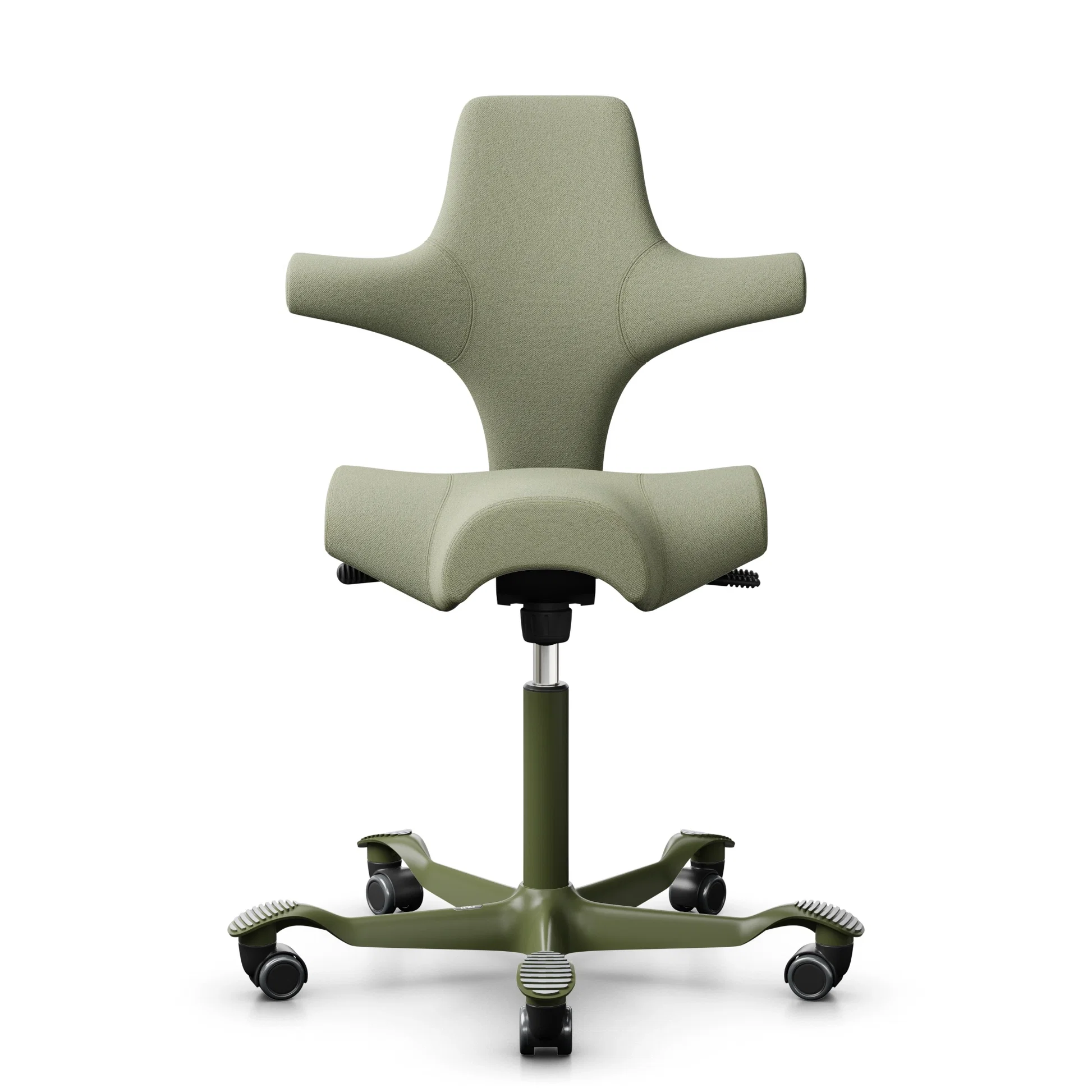
Strengths: The Capisco's saddle seat takes pressure off the lower back and works exceptionally well with standing desks, according to reviewers. Users praise its high adjustability—seat height, depth, back height, and tilt—and note it promotes healthy blood flow with its wide saddle design. One reviewer claims it increases productivity and comfort throughout the workday. The chair is made from recycled materials, appealing to eco-conscious buyers, and its vivid color options can serve as a design accent. Its lighter weight (14 kg) makes it easier to move than conventional office chairs.
Weaknesses: The unconventional design requires time to understand and adapt to, and multiple reviewers note they had to rely heavily on user reviews and store staff explanations before purchasing. One reviewer stopped using it long-term, suggesting the design doesn't suit everyone. Buyers also report difficulty finding honest, unbiased reviews due to promotional review units being common. Some experienced shipping difficulties, with one nearly failing to receive the chair due to delivery mistakes. The lack of armrests and lumbar support is a clear limitation for traditional desk work.
Steelcase Gesture — strengths & weaknesses
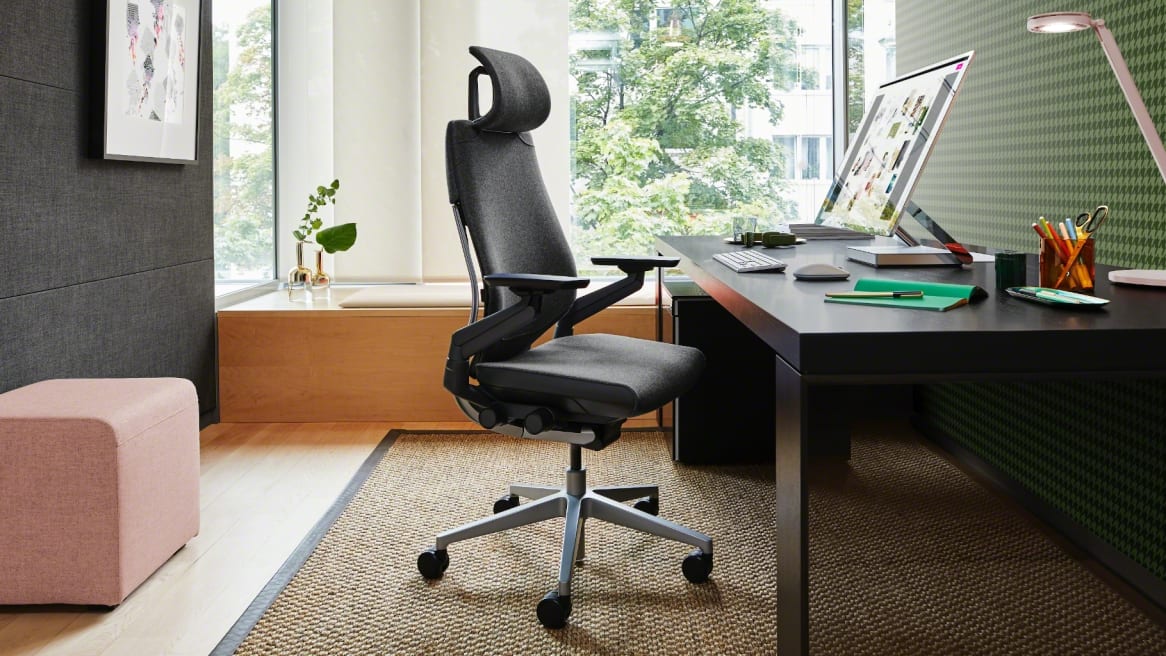
Strengths: Reviewers highlight the Gesture's comprehensive adjustment options covering all major ergonomic parameters. The 4D armrests are repeatedly cited as exceptional, adapting to device use from keyboard to tablet. One user with spinal stenosis and severe trapezius tension appreciated the narrower backrest, which allows shoulder and back freedom without a claustrophobic feeling. The chair forces better posture with what one reviewer described as an "auto-correction feel." Professional ergonomics experts have provided detailed positive assessments of its tilt mechanism and adjustment range. Reviewers note it supports various sitting positions for extended periods and features quiet wheels.
Weaknesses: Long-term durability emerges as a serious concern. One reviewer reported extreme buyer's regret after three years, with all four purchased Gesture chairs experiencing breakdown issues. Another noted it "looks cheap and budget-like despite high price point." The chair isn't immediately comfortable—one reviewer describes the seat as pushing the user into an upright position, requiring adjustment time to find optimal lumbar settings. At 19 kg, it's noticeably heavier than the Capisco. Some reviews lack specific performance ratings or long-term comfort assessments, making it harder to gauge real-world durability beyond the concerning reports.
How they differ
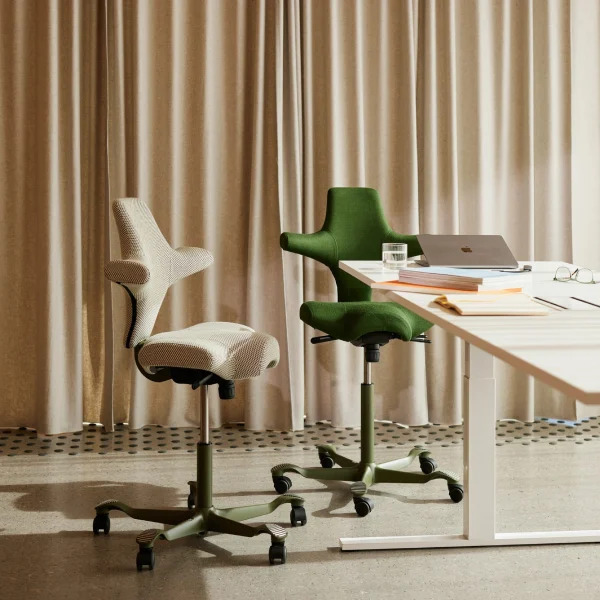
The core difference is ergonomic strategy. The Capisco eliminates traditional features—no armrests, no lumbar support, no recline—in favor of a saddle seat that encourages an open hip angle and frequent position changes. Its 50–70 cm seat height range is designed for perching at standing desks. The Gesture takes the opposite approach: comprehensive adjustability with 4D arms, integrated lumbar support, and a 125° recline range to support static postures across a 40–57 cm height range.
The Gesture offers a wider, deeper seat (51 cm × 43 cm vs. 40 cm × 35 cm) and supports heavier users (159 kg vs. 120 kg). Its 12-year warranty is five years longer than the Capisco's, though one long-term review suggests durability issues may arise before warranty expiration. The Capisco weighs 5 kg less, making it more portable.
Aesthetically, the Capisco's Scandinavian saddle design is intentionally unconventional, available in vivid accent colors. The Gesture looks more traditional but has been criticized for appearing cheaper than its $1,499 price suggests. The $560 price gap is significant: the Capisco costs 37% less.
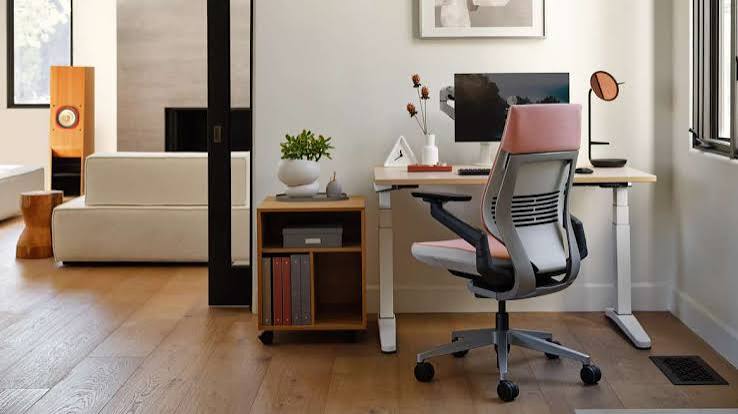
Who should buy which
Buy the HÅG Capisco if: You use a sit-stand desk regularly and want a chair that supports perching at elevated heights. You prefer active sitting with frequent position changes rather than static support. You don't need armrests or lumbar support and are willing to adapt to an unconventional saddle seat. Eco-friendly materials matter to you, and you want to spend under $1,000. You're within the 160–195 cm height range and under 120 kg.
Buy the Steelcase Gesture if: You work at a traditional fixed-height desk and shift between keyboard, mouse, tablet, and phone throughout the day. You need comprehensive adjustability including lumbar support and exceptional armrests. You prefer upright posture with spine support rather than active perching. You're willing to pay $1,499 for a 12-year warranty, though be aware of reported durability concerns. You're within 165–195 cm height range and the 159 kg capacity accommodates you.
Neither is ideal if: You want proven long-term comfort without adaptation time. Both chairs show middling aggregate ratings (3.1 and 3.8 out of 5) and polarizing reviews suggesting they suit specific users rather than being universally comfortable.
The verdict
The HÅG Capisco wins for sit-stand desk users who value movement and can forgo traditional support features, delivering its niche functionality at $560 less. The Steelcase Gesture is better for multi-device, fixed-desk work requiring comprehensive adjustability—particularly those exceptional 4D arms—but durability concerns at $1,499 are troubling given one reviewer's experience with multiple chair failures. If you match the Capisco's active-sitting philosophy, its lower price and clear design intention make it the smarter buy. If you need conventional ergonomic support, the Gesture delivers more features but carries real risk that its higher price and longer warranty may not translate to satisfaction three years in. For traditional desk work on a budget, neither may be your best choice—both are specialized premium tools for specific work styles.
Frequently asked
- Is the HÅG Capisco comfortable for all-day sitting?
- The Capisco's saddle seat takes pressure off the lower back and pairs well with standing desks, but its unconventional design requires time to adapt. It has no lumbar support or armrests.
- Does the Steelcase Gesture have durability issues?
- One long-term reviewer reported all four Gesture chairs breaking down after three years, expressing extreme buyer's regret. However, the chair comes with a 12-year warranty covering defects.
- Which chair is better for standing desk users?
- The HÅG Capisco is specifically designed for sit-stand desk use with its saddle seat that supports perching at higher positions (seat height 50-70 cm) and encourages an open hip angle.
Specs, reviews & details
Specs, reviews & details