Haworth Fern vs Steelcase Gesture: Which Should You Buy?
Two $1,500 ergonomic heavyweights with identical specs but different philosophies
Specs, reviews & details
Specs, reviews & details
Introduction
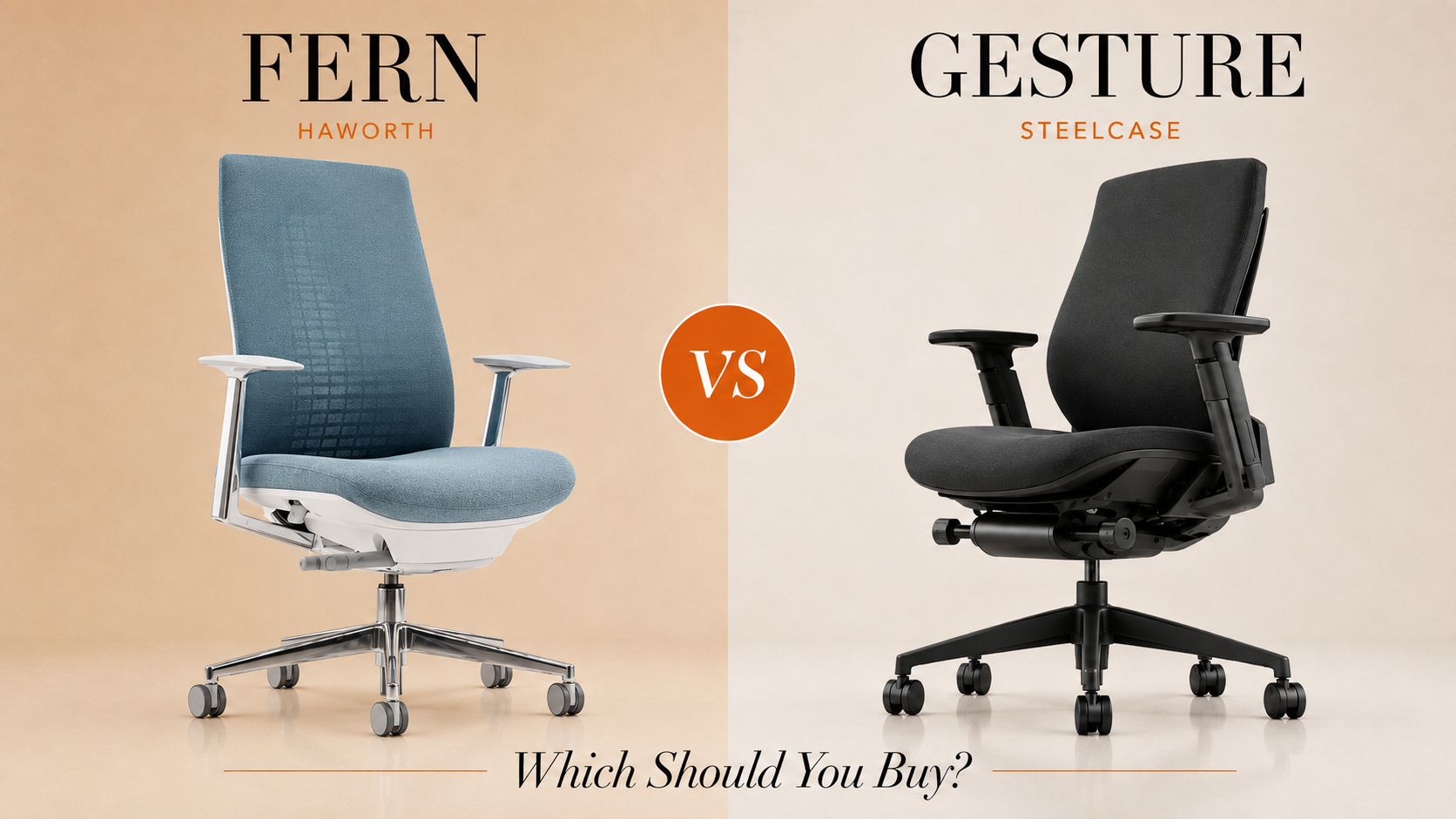
The Haworth Fern and Steelcase Gesture represent two premium approaches to high-end ergonomic seating, and on paper they're nearly twins. Both cost around $1,500, both offer 4D armrests and lumbar support, and both share identical measurements for seat dimensions, weight capacity, and warranty length. Yet user experiences diverge sharply: the Fern features a digitally knit suspension back with sustainability credentials, while the Gesture employs 360-degree arms and a spine-mimicking core interface designed for multi-posture work. With aggregate ratings of 3.6 and 3.8 respectively from 12 reviews each, neither chair enjoys universal praise—making the choice between them a matter of specific priorities rather than clear superiority.
At a glance
Spec | Haworth Fern | Steelcase Gesture |
|---|---|---|
Price | $1,500 | $1,499 |
Category | Office | Office |
Armrests | 4D | 4D |
Lumbar support | Yes, adjustable | Yes, adjustable |
Recline range | 125° | 125° |
Seat depth | 43 cm | 43 cm |
Seat width | 51 cm | 51 cm |
Weight capacity | 159 kg | 159 kg |
Warranty | 12 years | 12 years |
Aggregate rating | 3.6 / 5 (12 reviews) | 3.8 / 5 (12 reviews) |
Haworth Fern — strengths & weaknesses
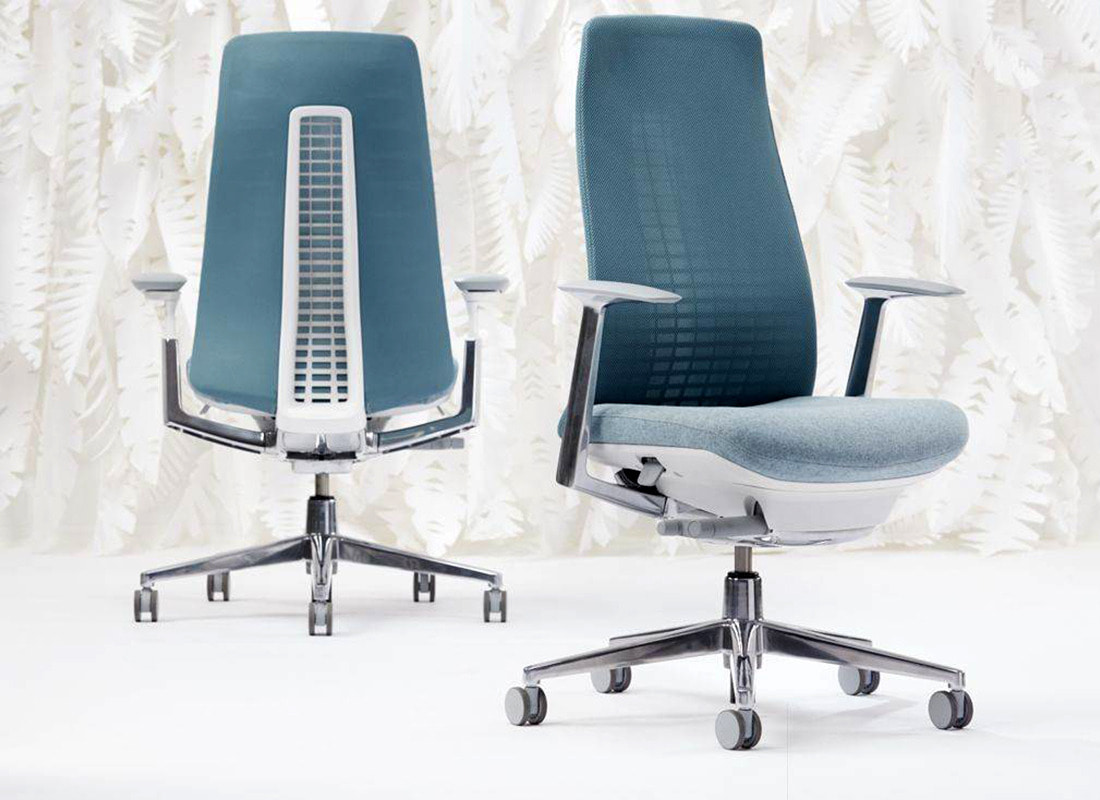
Strengths: The Fern earns praise for premium ergonomics and all-day comfort from satisfied users. One reviewer declared it their new number-one chair pick, crediting it with combining the best design elements from every high-end chair. The digitally knit suspension back and adjustable lumbar support provide detailed ergonomic options, and some users prefer it over competing Steelcase and Herman Miller models. Quality control improvements have been noted, particularly regarding arm stability, and a third-party headrest adapter is now available.
Weaknesses: Value concerns dominate critical reviews. One buyer felt the $1,500 chair "feels more like a $200 chair" in terms of quality and features, calling it extremely overpriced. The lumbar support proved frustrating for some, with one user complaining it pushes them out of the chair and prevents comfortable leg-crossing. Multiple reviews reported significant quality control issues including broken levers, missing bolts, scuffed legs, and cylinder problems. Some users questioned the authenticity of online reviews, and at least one reviewer preferred their Herman Miller Aeron for versatility and ergonomics.
Steelcase Gesture — strengths & weaknesses
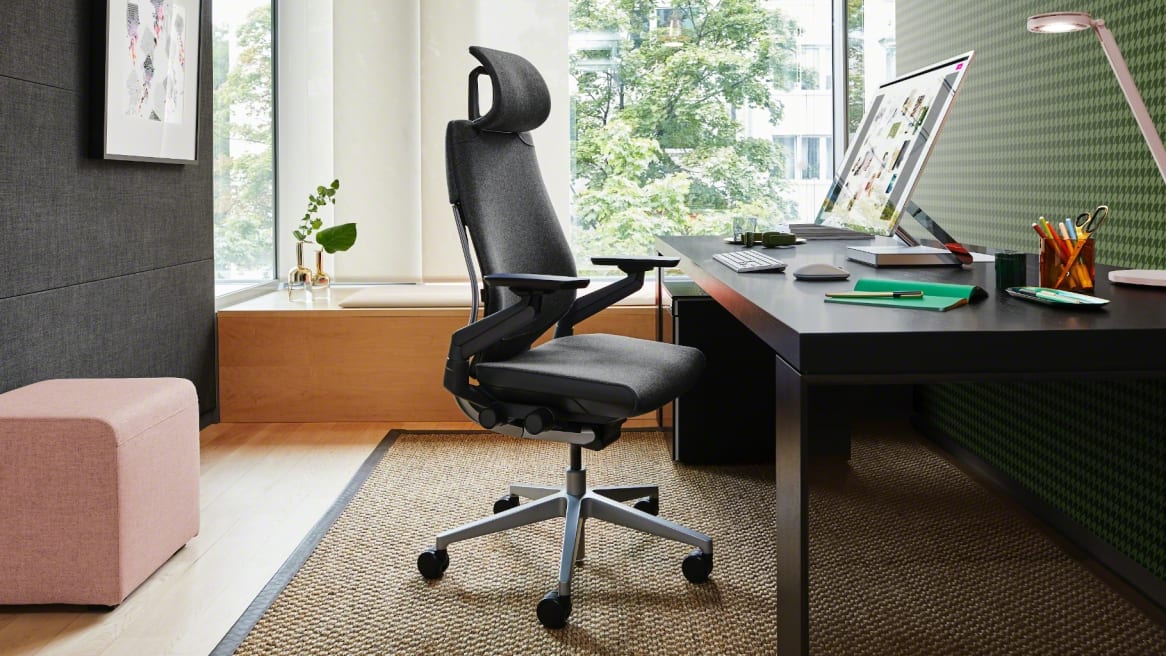
Strengths: The Gesture offers comprehensive adjustment options covering all major ergonomic parameters, verified by a certified ergonomics expert in a detailed independent review. Its narrow backrest design allows shoulder and back freedom without a claustrophobic feeling, which one user with spinal stenosis found crucial after testing six different chairs. Users appreciate the 360-degree armrests and the chair's ability to support various sitting positions for extended periods. One reviewer switching from a gaming chair noted the Gesture forces better posture with an "auto-correction feel," and the quiet wheels earned specific praise.
Weaknesses: Long-term durability emerged as a serious concern. One owner reported extreme buyer's regret after three years, stating that all four Gesture chairs they purchased experienced breakdown issues despite performing well initially. The chair's appearance disappointed some buyers, with one noting it "looks cheap and budget-like despite high price point." While initially comfortable, the Gesture doesn't feel immediately comfortable to all users—one described the seat as pushing them into an upright position, requiring an adjustment period to find optimal lumbar settings.
How they differ
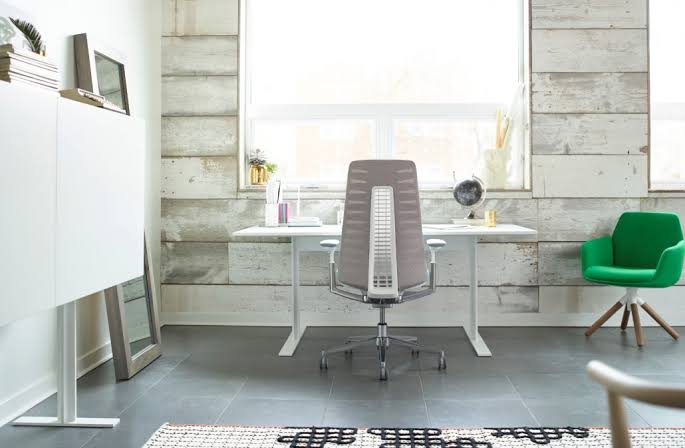
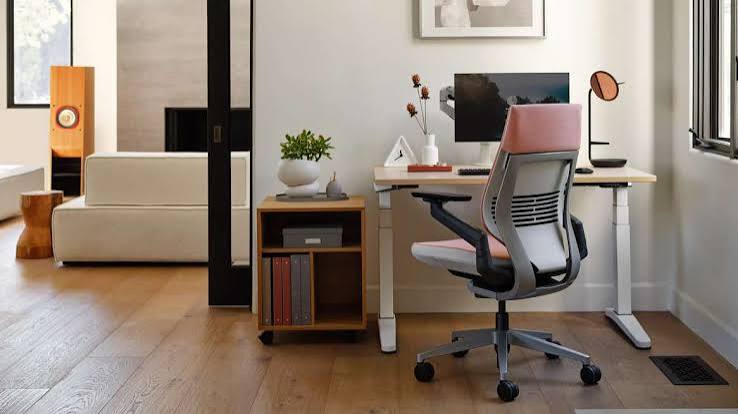
Despite identical specifications, these chairs pursue different ergonomic philosophies. The Fern's digitally knit suspension back offers a more flexible, adaptive surface, while the Gesture's core interface mimics the spine for multi-posture work. The Gesture's signature feature is its 360-degree arms designed to follow device use from keyboard to tablet, whereas the Fern emphasizes sustainability credentials and suspension technology.
Review patterns diverge meaningfully. Fern complaints center on value perception and lumbar support issues that actively push some users forward, plus widespread quality control problems. Gesture criticism focuses on long-term durability failures after the initial honeymoon period and a cheaper appearance than its price suggests. The Gesture scores slightly higher overall (3.8 vs 3.6), but both sit in the "mixed" range rather than clear endorsement territory.
The backrest experience differs notably: the Fern's suspension back receives mixed feedback depending on body type and lumbar preferences, while the Gesture's narrower backrest specifically appeals to users who want shoulder mobility and find wider backs claustrophobic. The Gesture also appears to enforce more upright posture, which some users need time to adapt to.
Who should buy which
Choose the Haworth Fern if: You prioritize sustainability credentials and prefer a suspension back design over traditional padding. The Fern suits buyers who've had positive experiences with mesh or knit back chairs and want all-day comfort in that format. If you've tested the lumbar support in person and it works for your body type, and you value the availability of third-party headrest options, the Fern may be your match. Best for those who can inspect quality before purchase or buy from retailers with strong return policies given the QC reports.
Choose the Steelcase Gesture if: You frequently shift between devices (keyboard, tablet, phone) and want armrests that follow those movements. The Gesture works well for users who need shoulder freedom and find traditional wide backrests restrictive, particularly those with specific conditions like spinal stenosis. It's better suited to buyers who sit upright and want a chair that encourages proper posture, even if it requires an adjustment period. Given durability concerns, this is best purchased with extended warranty coverage or from sources offering robust long-term support.
Consider alternatives if: Both chairs receive middling ratings and share concerns about value at the $1,500 price point. If you're budget-flexible, testing other premium options in person is advisable. If you're budget-constrained, both chairs' reviews suggest features may not justify the cost for all users.
The verdict
This matchup produces no clear winner—instead, it reveals two chairs with specific strengths undermined by real weaknesses at a premium price. The Steelcase Gesture edges ahead with its slightly higher rating and distinctive 360-degree arms that genuinely serve multi-device workflows, plus a backrest design that solves specific problems for users needing shoulder mobility. However, the documented durability failures after three years are concerning for a $1,500 investment.
The Haworth Fern offers a different ergonomic experience through its suspension back and has passionate advocates who rank it above competitors, but quality control issues and polarizing lumbar support make it a riskier purchase without in-person testing. For buyers committed to this price tier, the Gesture's functional advantages and marginally better reviews give it a narrow edge—but only if purchased with strong warranty protection. For most shoppers, both chairs' mixed reception suggests trying before buying is essential, and neither represents a confident blind purchase at $1,500.
Frequently asked
- Do the Haworth Fern and Steelcase Gesture have the same adjustments?
- Yes, both offer 4D armrests, adjustable lumbar support, 125-degree recline, and identical seat depth (43cm) and width (51cm) with 12-year warranties.
- Which chair has better long-term durability?
- Reviews raise durability concerns for both. The Gesture faced reports of multiple units breaking down after 3 years, while the Fern had quality control issues including broken levers and missing bolts.
- Is the Steelcase Gesture better than the Haworth Fern?
- The Gesture has a slightly higher rating (3.8 vs 3.6) and users praise its narrow backrest for shoulder freedom, but both chairs receive mixed reviews on value and comfort at their $1,500 price points.
Specs, reviews & details
Specs, reviews & details