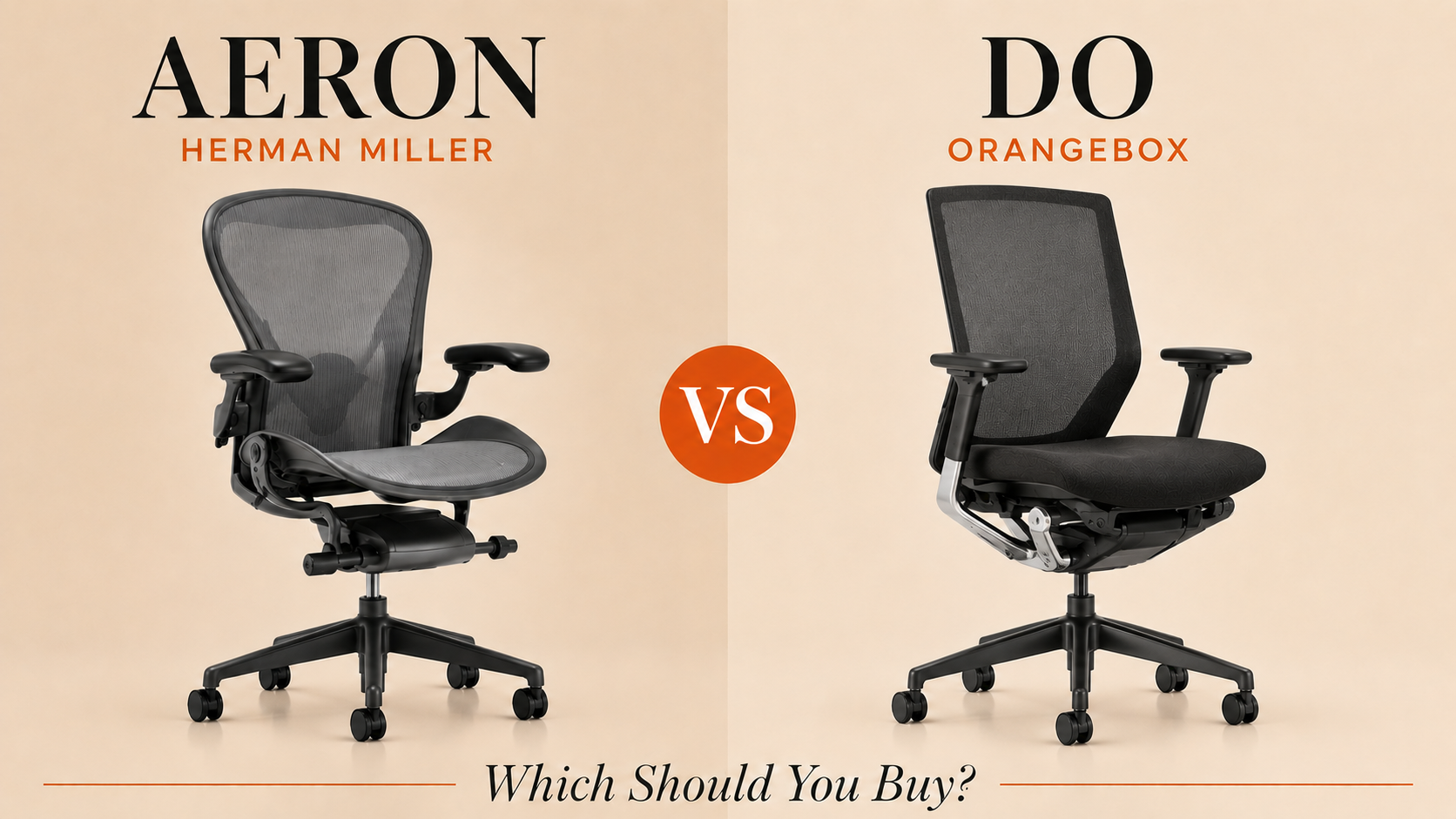
Herman Miller Aeron vs Orangebox Do: Which Should You Buy?
Icon meets innovation—American classic or British self-adjusting simplicity?
Specs, reviews & details
Specs, reviews & details
Introduction
The Herman Miller Aeron and Orangebox Do represent two distinct philosophies in task seating. The Aeron is an American icon with three decades of refinement, detailed sizing, and a cult following built on resale value and all-day ventilation. The Orangebox Do is a British newcomer that strips away complexity with an auto-adjusting recline mechanism—no knobs, no guesswork. At $1,521 versus $781, the price gap is significant, but so are the differences in user ratings, warranty coverage, and published specs. This comparison helps you decide which trade-offs matter for your body and budget.
At a glance
Spec | Herman Miller Aeron | Orangebox Do |
|---|---|---|
Price | $1,521 | $781 |
Category | Office task chair | Office task chair |
Key adjustments | 4D armrests, PostureFit SL lumbar, 125° recline | Auto-adjusting recline, flexible lumbar, optional travel limiter |
Weight capacity | 159 kg | Not specified |
Warranty | 12 years | Not specified |
Aggregate rating | 3.5 / 5 (12 reviews) | 2.8 / 5 (4 reviews) |
Herman Miller Aeron — strengths & weaknesses
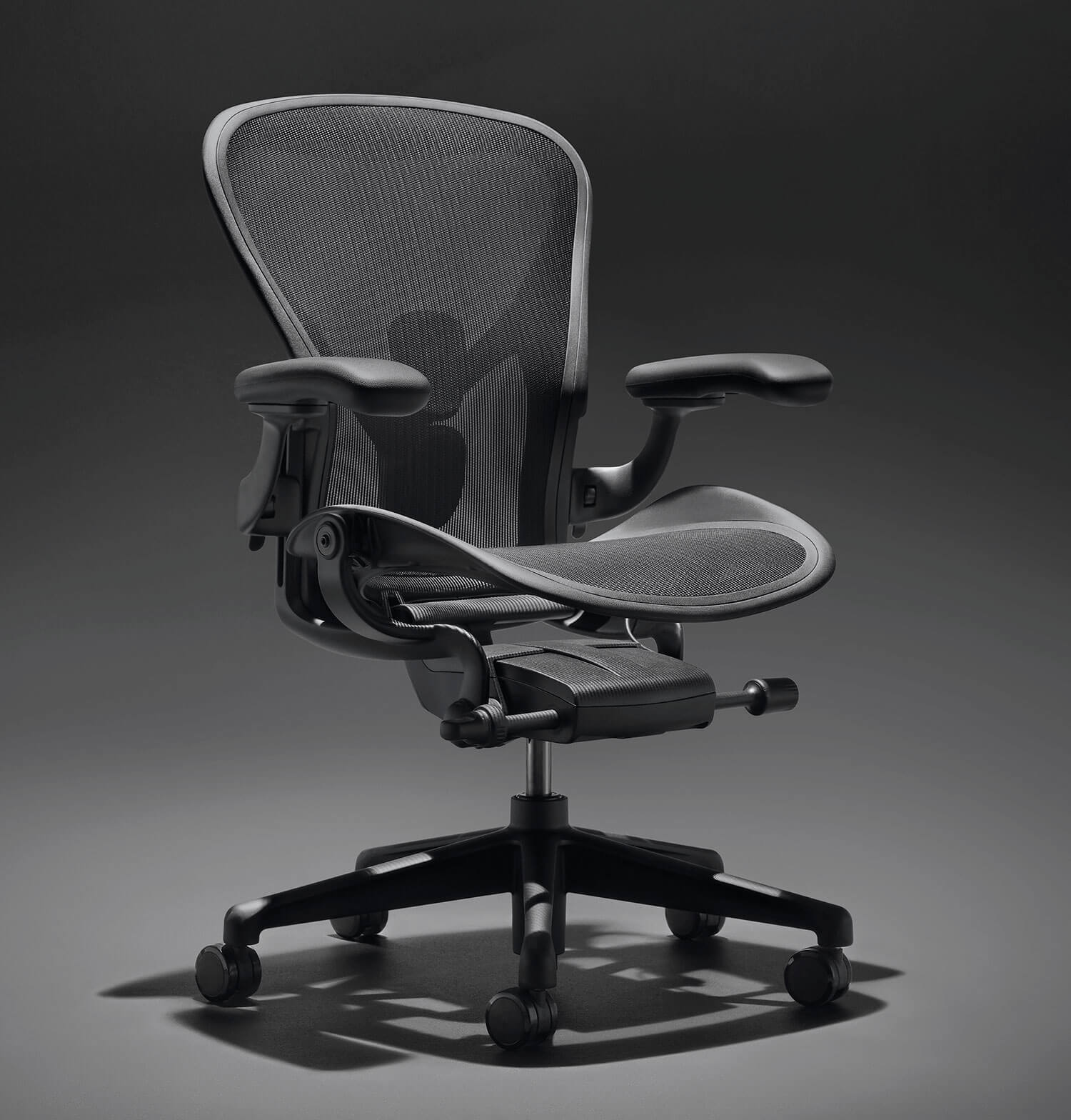
Strengths: The Aeron's signature Pellicle mesh delivers exceptional ventilation across eight zones, making it a standout for all-day desk work in warm environments. Reviewers consistently praise its comfort—one described it as "sitting on a cloud"—and several highlight its remarkable resale value. One user bought used for $300–400 and resold years later at the same price, calling it better total cost of ownership than budget alternatives. The 12-year warranty, detailed sizing for heights 165–180 cm, and availability of official replacement parts add to its long-term appeal. Users with back, hip, and knee issues report it works well for them.
Weaknesses: At $1,521, the Aeron is a significant investment, and its 3.5-star rating suggests it's "not suitable for everyone." One long-term reviewer struggled to fully embrace it as a daily driver after three years, and another found the seat pan digs too deep into the bottom. The reviews also include promotional and technical content rather than pure user feedback, which dilutes the sample. If the mesh and firm support don't suit your body type, the high price becomes harder to justify.
Orangebox Do — strengths & weaknesses
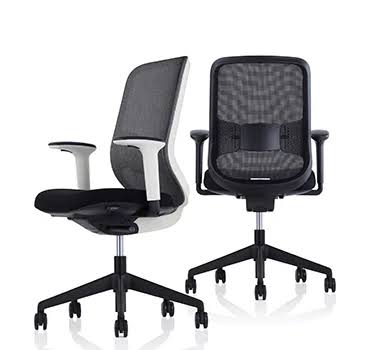
Strengths: The Do's defining feature is its balanced recline mechanism that automatically adjusts to any user size without manual tweaking—ideal for shared workspaces or anyone intimidated by multiple levers. It's won design awards for aesthetics and offers intuitive controls, flexible lumbar adjustment as standard, and mesh that adapts to body shape. At $781, it's nearly half the price of the Aeron, making premium features more accessible. The optional travel limiter with three presets adds versatility.
Weaknesses: With a 2.8-star rating from just four reviews, the Do has a concerning track record. One user reported the height adjustment fails and the chair sinks when sat on—a critical functional flaw. Another found the sliding lumbar piece uncomfortable enough to remove it with a screwdriver. Much of the available content is promotional or assembly instructions rather than genuine user feedback, and Orangebox provides no published specs for weight capacity, dimensions, or warranty length. The lack of transparency is a red flag for buyers who need precise fit data.
How they differ
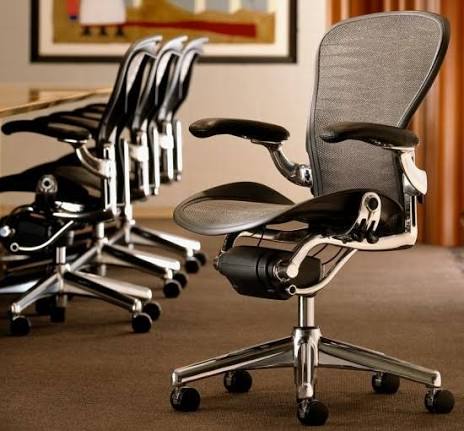
The Aeron is a precision instrument: you choose from three sizes (A, B, C) based on your height and weight, adjust 4D armrests, dial in PostureFit lumbar, and enjoy ventilation engineered over decades. It's a chair you configure. The Do is the opposite—a chair that configures itself. Its auto-adjusting recline and body-adapting mesh promise simplicity, but that convenience comes with missing specs, a shorter review history, and reported quality-control issues.
Ventilation is another divide. The Aeron's 8Z Pellicle mesh is purpose-built for breathability; reviewers cite it as a core strength. The Do's mesh adapts to shape, but no one mentions cooling performance.
Warranty and resale tell the long-term story. The Aeron's 12-year coverage and robust secondary market mean you can recoup much of your investment. The Do's warranty isn't specified, and there's no evidence of resale demand.
Who should buy which
Buy the Herman Miller Aeron if: You sit for eight-plus hours daily in a warm environment and need maximum ventilation. You're within the 165–180 cm height range for the size in question and want detailed fit specs. Resale value and a 12-year warranty matter to you. You're willing to pay $1,521 for a chair with a proven (if not perfect) track record and strong long-term cost-of-ownership.
Buy the Orangebox Do if: You want a stylish, award-winning chair that auto-adjusts without fiddling, and you're comfortable with its $781 price given the unknowns. You're in a shared workspace where multiple people use the same chair. You can inspect or test the chair before buying to avoid the reported height-adjustment issue, or you're confident in the retailer's return policy.
Skip both if: You need a headrest (neither offers one as standard), you're outside the Aeron's 165–180 cm recommendation and the Do publishes no sizing, or you want a hassle-free, well-documented chair under $500.
The verdict
The Herman Miller Aeron wins on transparency, warranty, resale value, and proven ventilation, making it the safer—if pricier—choice for solo buyers who know they fit its sizing. The Orangebox Do offers genuine innovation with its auto-adjusting mechanism and costs nearly half as much, but its 2.8-star rating, missing specs, and reports of height-adjustment failure make it a riskier bet. For most long-term desk workers, the Aeron's higher upfront cost is offset by its durability and resale market. The Do is worth considering only if you can test it first or have an ironclad return window—and if simplicity outweighs the need for detailed fit data.
Frequently asked
- Is the Herman Miller Aeron worth twice the price of the Orangebox Do?
- The Aeron costs $1,521 versus $781 for the Do. The Aeron offers a 12-year warranty, detailed specs for fit, strong resale value, and proven ventilation, but has a 3.5-star rating. The Do auto-adjusts to your weight with less hassle but lacks published specs and has a 2.8-star rating with reported height-adjustment failures.
- Which chair is better for hot climates or sweaty sitters?
- The Herman Miller Aeron uses 8Z Pellicle mesh zones designed for exceptional ventilation, making it the clear winner for breathability. The Orangebox Do offers mesh that adapts to body shape, but ventilation performance is not highlighted in reviews.
- Does the Orangebox Do have lumbar support like the Aeron?
- Yes, both chairs include lumbar support. The Aeron features PostureFit SL lumbar adjustment, while the Orangebox Do includes flexible lumbar adjustment as standard. However, one Do user found the sliding lumbar piece uncomfortable and removed it.
Specs, reviews & details
Specs, reviews & details