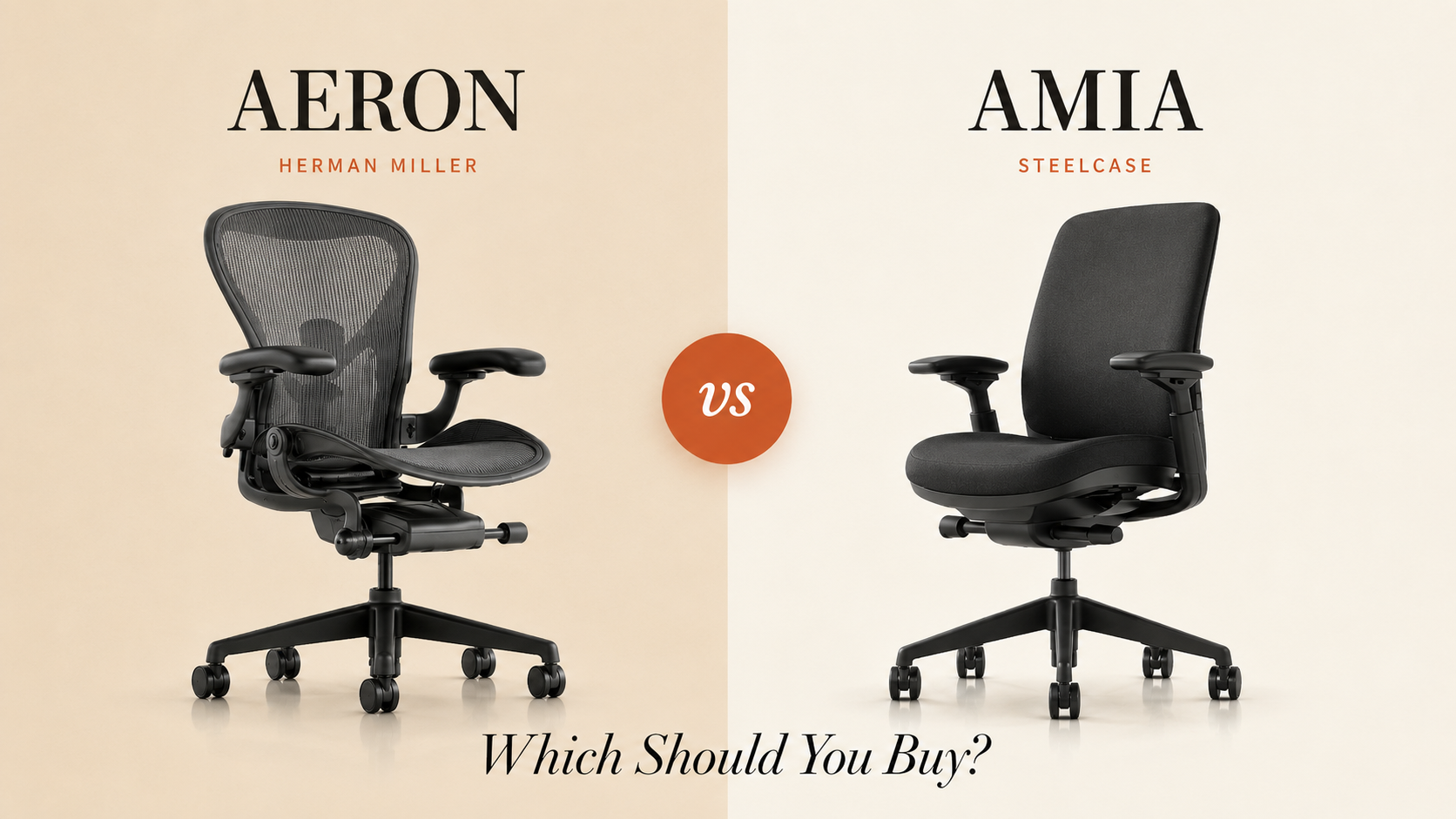
Herman Miller Aeron vs Steelcase Amia: Which Should You Buy?
Two premium task chairs clash: iconic mesh vs LiveLumbar flex
Specs, reviews & details
Specs, reviews & details
Introduction
The Herman Miller Aeron and Steelcase Amia represent two philosophies in premium task seating. The Aeron, at $1,521, is an icon of mesh engineering with legendary resale value but polarizing fit. The Amia costs $1,000, uses LiveLumbar flex technology, and earns consistently higher user ratings. Both carry 12-year warranties and 4D arms, but they serve different builds and priorities. Here's how they stack up.
At a glance
Spec | Herman Miller Aeron | Steelcase Amia |
|---|---|---|
Price | $1,521 | $1,000 |
Category | Office | Office |
Armrests | 4D | 4D |
Lumbar support | PostureFit SL | LiveLumbar |
Recline range | 125° | 120° |
Weight capacity | 159 kg | 136 kg |
Recommended height | 165–180 cm | 160–190 cm |
Warranty | 12 years | 12 years |
Aggregate rating | 3.5/5 (12 reviews) | 4/5 (12 reviews) |
Herman Miller Aeron — strengths & weaknesses
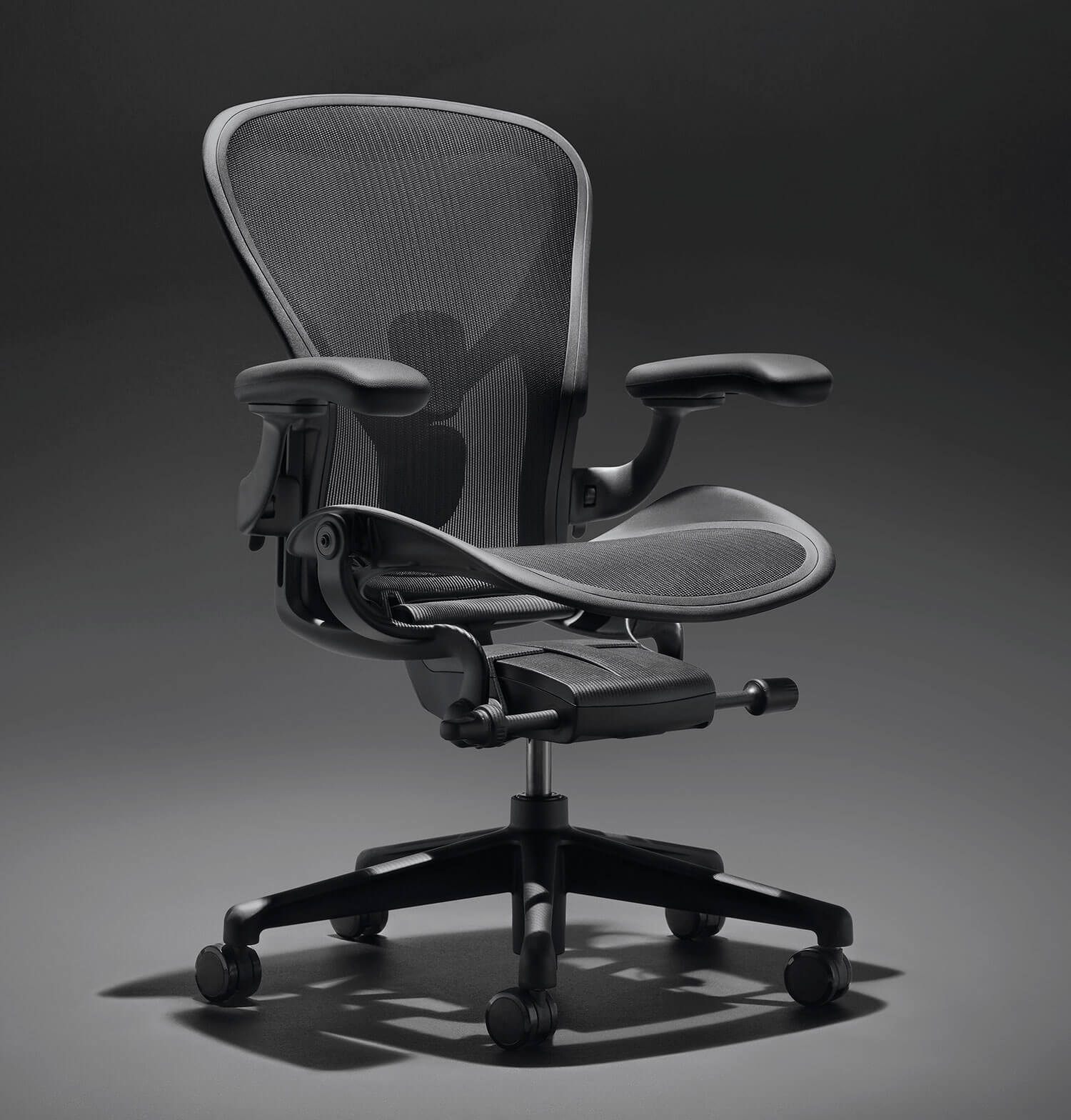
Strengths: The Aeron's mesh Pellicle zones deliver exceptional ventilation, and multiple reviewers describe the sensation as "sitting on a cloud." Its standout advantage is resale value: users report buying used for $300–400 and selling years later for the same price, making total cost of ownership competitive with budget chairs. The chair's reputation and parts availability are unmatched—official Herman Miller documentation supports long-term ownership. Users switching between sizes (C to B after weight loss, for example) find the sizing system accommodates body changes.
Weaknesses: At 3.5 out of 5 stars, the Aeron divides users. One long-term reviewer struggled to fully embrace it as a daily driver even after three years. The seat pan "digs too deep" for some body types, and fit is critical—it's "not suitable for everyone." The $1,521 price is steep, and the chair's medium-build sizing (165–180 cm recommended height) excludes taller users. Much of the available content is promotional or technical rather than deep user experience.
Steelcase Amia — strengths & weaknesses
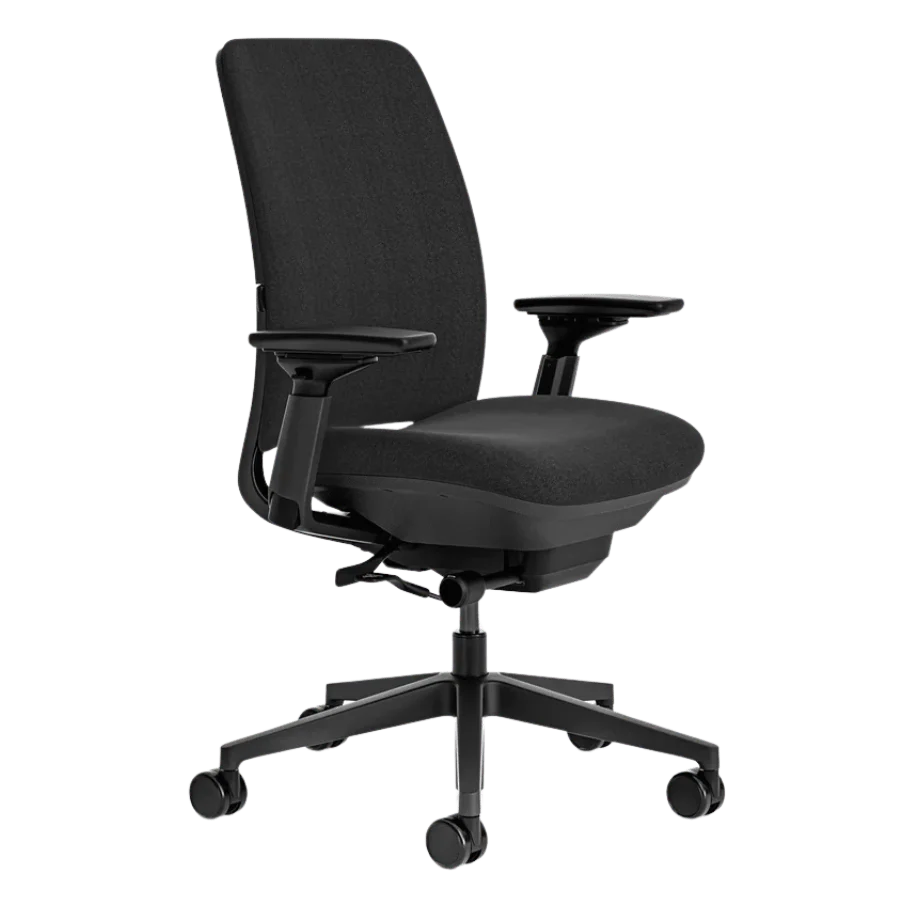
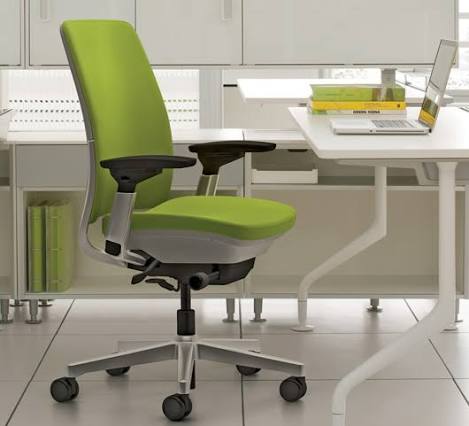
Strengths: The Amia earns 4 out of 5 stars and is called "the most underrated chair in the industry" by enthusiasts. Users consistently praise comfort during 8–10 hour sessions and durability over 5–6 years. It excels for users with back issues—one reviewer with post-herniated disc surgery found it one of the few chairs they could sit in comfortably. Build quality is "solid with no wobbling," and it ships pre-assembled. Purchased refurbished, it offers better value than competitors. The LiveLumbar system moves with your back, and the taller height range (up to 190 cm) fits more body types.
Weaknesses: Upper back support "could be improved" and feels "too cupped" for some users. The LiveLumbar can feel "too sharp and noticeable" rather than subtle. The backrest tilts far back without an adjustable limiter, frustrating users who want more control. While $1,000 is less than the Aeron, some question whether retail price justifies value. The design "may not look exciting at first glance."
How they differ
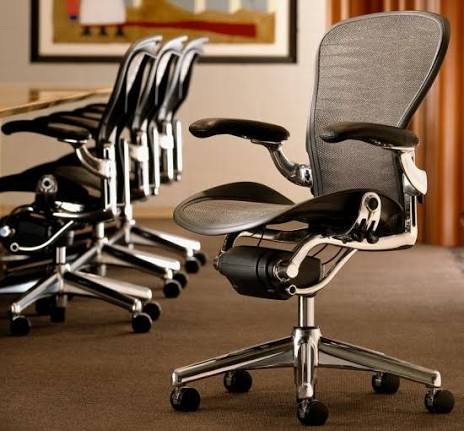
Fit and sizing: The Aeron is engineered for medium builds (165–180 cm) with a narrow height band. The Amia accommodates 160–190 cm, making it the clear choice for taller users. The Aeron's seat width (51 cm) and depth (43 cm) are slightly larger than the Amia's (50 cm × 42 cm), but the Aeron's mesh can feel intrusive depending on body type.
Lumbar philosophy: The Aeron's PostureFit SL targets the sacral-lumbar junction with adjustable pads. The Amia's LiveLumbar flexes with movement but can feel too aggressive. Users with specific back injuries favor the Amia; those prioritizing ventilation and adjustability lean Aeron.
Value equation: The Aeron costs 52% more but holds resale value aggressively. The Amia's higher satisfaction rating (4 vs 3.5) and lower entry price make it the safer bet for most buyers, especially refurbished.
Recline and adjustability: The Aeron offers 5° more recline (125° vs 120°) and weighs 3 kg less (19 kg vs 22 kg). The Amia lacks a recline limiter, which some users miss. Both offer 4D arms and extensive adjustment, but the Aeron's parts ecosystem is more mature.
Who should buy which
Buy the Herman Miller Aeron if: You're 165–180 cm tall, prioritize ventilation and resale value, and can test-sit to confirm fit. If you're buying used at $300–400, the total cost of ownership is excellent. Choose this for hot climates, weight-conscious setups, or if you plan to resell in 3–5 years.
Buy the Steelcase Amia if: You're taller than 180 cm, have chronic back issues, or want proven all-day comfort without gambling on fit. The higher user rating and $521 savings make this the sensible default. Buy refurbished for maximum value. Choose this if you keep chairs long-term and prioritize consistent comfort over iconic design.
The verdict
The Steelcase Amia is the better chair for more people. It fits a wider height range, earns higher satisfaction scores, costs $521 less, and delivers proven durability for users with back problems. The Herman Miller Aeron remains compelling for medium builds who value its mesh ventilation and legendary resale value—but only if you can verify fit before buying. For tall users or those prioritizing comfort over cachet, the Amia wins decisively.
Frequently asked
- Is Herman Miller Aeron better than Steelcase Amia?
- The Aeron scores 3.5/5 vs the Amia's 4/5. Users praise the Aeron's resale value and ventilation but note fit issues; the Amia wins for long-term comfort and durability, especially for users with back problems.
- Which chair is better for tall people?
- The Steelcase Amia fits users up to 190 cm tall, while the Aeron is recommended only up to 180 cm. The Amia has a clear advantage for taller builds.
- Is the Herman Miller Aeron worth the extra $521?
- The Aeron can be resold for near-purchase price after years of use, offering strong total cost of ownership. The Amia costs less upfront and earns higher satisfaction ratings, making it better pure value for most buyers.
Specs, reviews & details
Specs, reviews & details