Herman Miller Aeron vs Steelcase Gesture: Which Should You Buy?
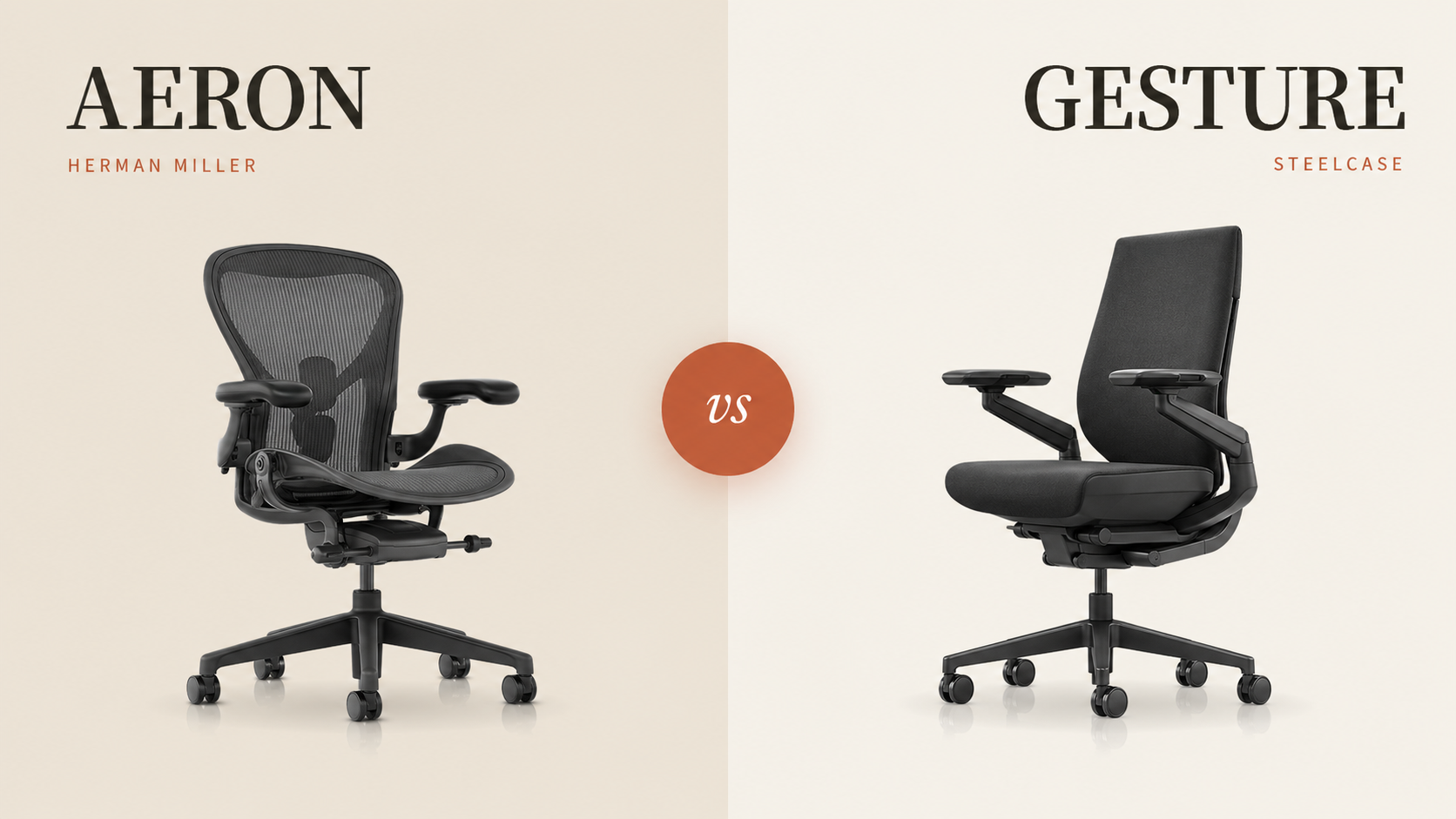
Two $1,500 icons battle for your back—mesh breathability vs adaptive armrests
As an Amazon Associate I earn from qualifying purchases. Search links may include other models or accessories; confirm the exact item, seller and condition before buying.
Specs, reviews & details
Specs, reviews & details
Introduction
The Herman Miller Aeron and Steelcase Gesture represent two philosophies in premium task seating, both priced within $22 of each other and sharing identical warranties. The Aeron bets on iconic Pellicle mesh and PostureFit lumbar technology, targeting medium builds with legendary breathability. The Gesture counters with adaptive 360-degree arms designed for device-heavy workflows and a spine-mimicking backrest. At 3.5 and 3.8 stars respectively across 12 reviews each, neither dominates on paper—but the details reveal sharp trade-offs in durability, fit, and long-term satisfaction.
At a glance
Spec | Herman Miller Aeron | Steelcase Gesture |
|---|---|---|
Price | $1,521 | $1,499 |
Category | Office | Office |
Armrests | 4D | 4D (360-degree) |
Lumbar Support | Yes (PostureFit SL) | Yes |
Headrest | No | No |
Recline Range | 125° | 125° |
Seat Dimensions | 43 cm depth, 51 cm width | 43 cm depth, 51 cm width |
Height Range | 40–57 cm | 40–57 cm |
Recommended User Height | 165–180 cm | 165–195 cm |
Weight Capacity | 159 kg | 159 kg |
Chair Weight | 19 kg | 19 kg |
Warranty | 12 years | 12 years |
Aggregate Rating | 3.5 / 5 (12 reviews) | 3.8 / 5 (12 reviews) |

Herman Miller Aeron — strengths & weaknesses
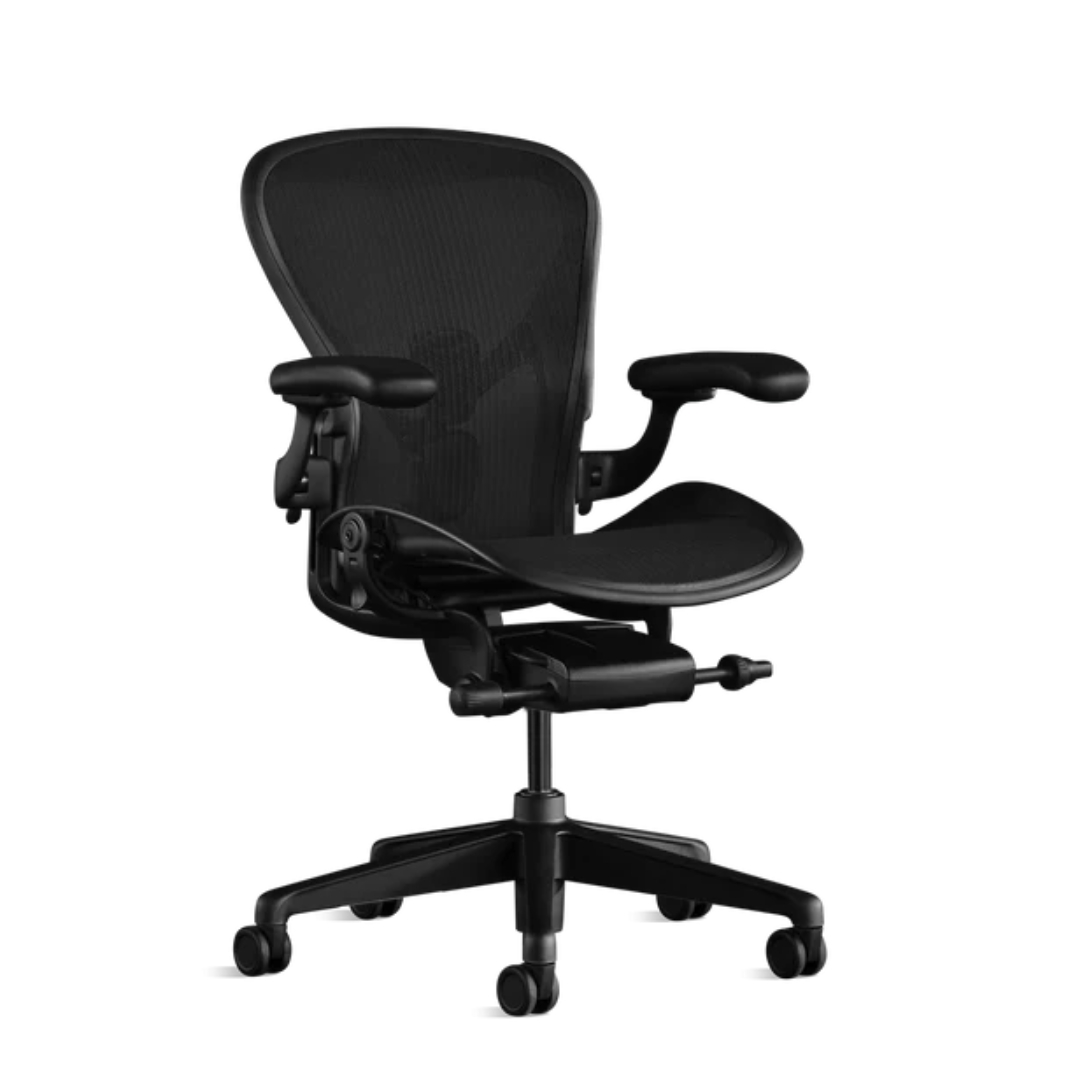
Strengths: The Aeron's standout advantage is resale value and total cost of ownership. Reviewers report buying used units for $300–400 on Craigslist and reselling them years later for the same price, making it financially superior to budget alternatives over time. One reviewer describes the experience as "sitting on a cloud," and users with back, hip, and knee issues report it works well for their conditions. The mesh construction delivers exceptional ventilation for all-day desk work, and official Herman Miller parts documentation supports long-term maintenance.
Weaknesses: The Aeron isn't universally loved. One long-term reviewer struggled to fully embrace it as a daily driver despite three years of use, noting "it's not suitable for everyone." The seat pan receives specific criticism for feeling like it "digs too deep into bottom" for some users. Sizing is critical—the chair comes in A, B, and C sizes, and buying the wrong size is a documented risk. At $1,521 new, the high price point remains a barrier, though the resale market offers a workaround.

Steelcase Gesture — strengths & weaknesses
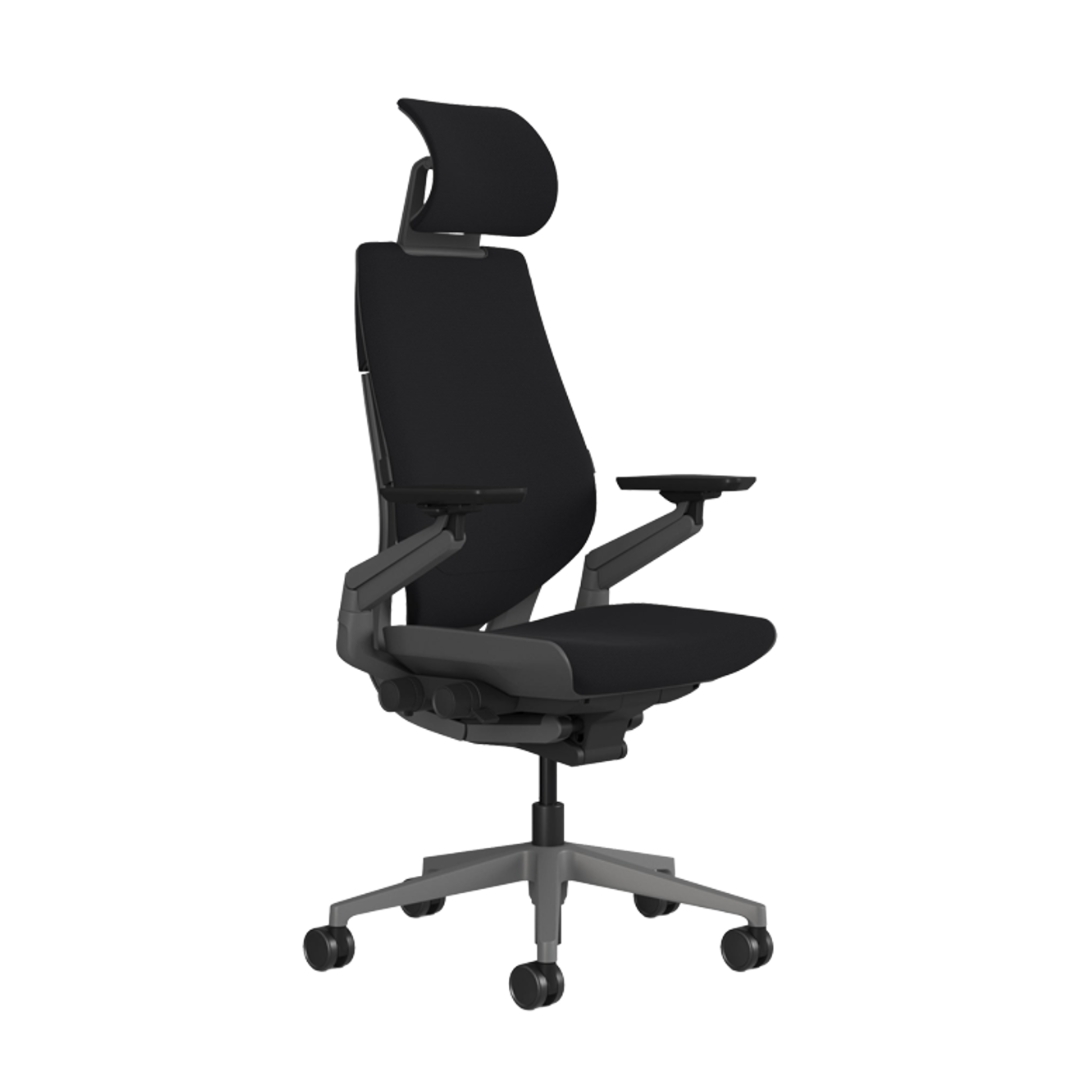
Strengths: The Gesture earns praise from a certified ergonomics expert for comprehensive adjustment options covering all major ergonomic parameters, including its signature 360-degree arms that adapt to keyboard, tablet, and varied device use. The narrow backrest design allows shoulder and back freedom without a claustrophobic feeling, which one reviewer with spinal stenosis and severe trapezius tension found superior after testing six chairs in two months. Early ownership experiences are positive, with users noting it forces better posture with an "auto-correction feel" and supports various sitting positions for extended periods.
Weaknesses: Durability concerns dominate negative reviews. One buyer reports "extreme buyer's regret" after three years, with all four purchased Gesture units experiencing breakdown issues. Another long-term user notes that while initially satisfied, the chairs are "breaking down" and showing "poor long-term durability." Despite the premium price, multiple reviewers say it "looks cheap and budget-like." The upright posture it enforces isn't immediately comfortable for all users, requiring an adjustment period.
How they differ
The core distinction is durability versus adaptability. The Aeron maintains value and function over years—even decades in the used market—while the Gesture shows troubling failure patterns after three years across multiple reported units. Where they overlap in specs (identical seat dimensions, height range, recline, and weight capacity), user experience diverges sharply.
The Gesture accommodates taller users up to 195 cm versus the Aeron's 180 cm ceiling, and its adaptive arms genuinely shine for multi-device workflows. The Aeron's 8Z Pellicle mesh zones offer breathability the Gesture's upholstered construction can't match, critical for hot climates or users who run warm.
Fit philosophy differs: the Aeron requires precise sizing (A, B, or C) but rewards correct matches with cloud-like comfort. The Gesture takes a one-size approach with a narrower backrest that some love for shoulder freedom and others find forces unnatural posture. The Aeron's seat pan geometry bothers some users; the Gesture's seat "pushes user into upright position" whether you want it or not.
Who should buy which
Buy the Herman Miller Aeron if:
You prioritize long-term value and proven durability over 5+ years
You run hot or work in warm environments where mesh ventilation matters
You're willing to buy used ($300–400) to access premium ergonomics affordably
You fall within 165–180 cm height and can test sizing before purchase
You have back, hip, or knee issues and need proven therapeutic support
Buy the Steelcase Gesture if:
You're taller than 180 cm (up to 195 cm) and need the extended height range
You frequently shift between keyboard, tablet, phone, and mixed device work
You want shoulder and back freedom from a narrower backrest design
You need forced postural correction and don't mind the adjustment period
You're buying new with warranty protection against the reported durability issues
The verdict
The Herman Miller Aeron wins on total cost of ownership and proven longevity. Its resale market, parts availability, and multi-year user satisfaction make it the safer $1,500 bet despite the lower 3.5 rating. The Gesture's 3.8 rating reflects strong initial impressions, but multiple reports of all units failing after three years raise red flags that 12-year warranties may need to address.
For most buyers between 165–180 cm, the Aeron's mesh breathability, sizing precision, and value retention outweigh the Gesture's adaptive arms. Taller users (180–195 cm) have no choice—only the Gesture fits. If you live and die by device-switching workflows, the Gesture's 360-degree arms justify the durability gamble, but buy new and leverage that warranty. Otherwise, a used Aeron at $350 delivers premium ergonomics you can resell for the same price years later—a deal no other chair in this comparison can match.
Frequently asked
- Is Herman Miller Aeron better than Steelcase Gesture?
- The Aeron scores lower (3.5 vs 3.8) but earns praise for resale value and long-term cost effectiveness. The Gesture rates higher initially but faces durability complaints after 3 years across multiple units.
- Which chair lasts longer, Aeron or Gesture?
- Reviewers report excellent Aeron resale value after 5 years and recommend buying used. Multiple Gesture owners report all four purchased units breaking down after 3 years, causing extreme buyer's regret.
- Do the Aeron and Gesture fit the same size people?
- Both accommodate users 165–180 cm, but the Gesture extends to 195 cm maximum height. The Aeron requires careful sizing (A, B, or C) and one reviewer notes the seat pan can dig uncomfortably into some users.
Affiliate links: we may earn a commission from qualifying purchases. Check current delivery, return and warranty terms on Amazon.
Specs, reviews & details
Specs, reviews & details