Herman Miller Aeron vs Vitra Physix: Which Should You Buy?
Two premium ergonomic chairs at different price points—how to choose
Specs, reviews & details
Specs, reviews & details
Introduction
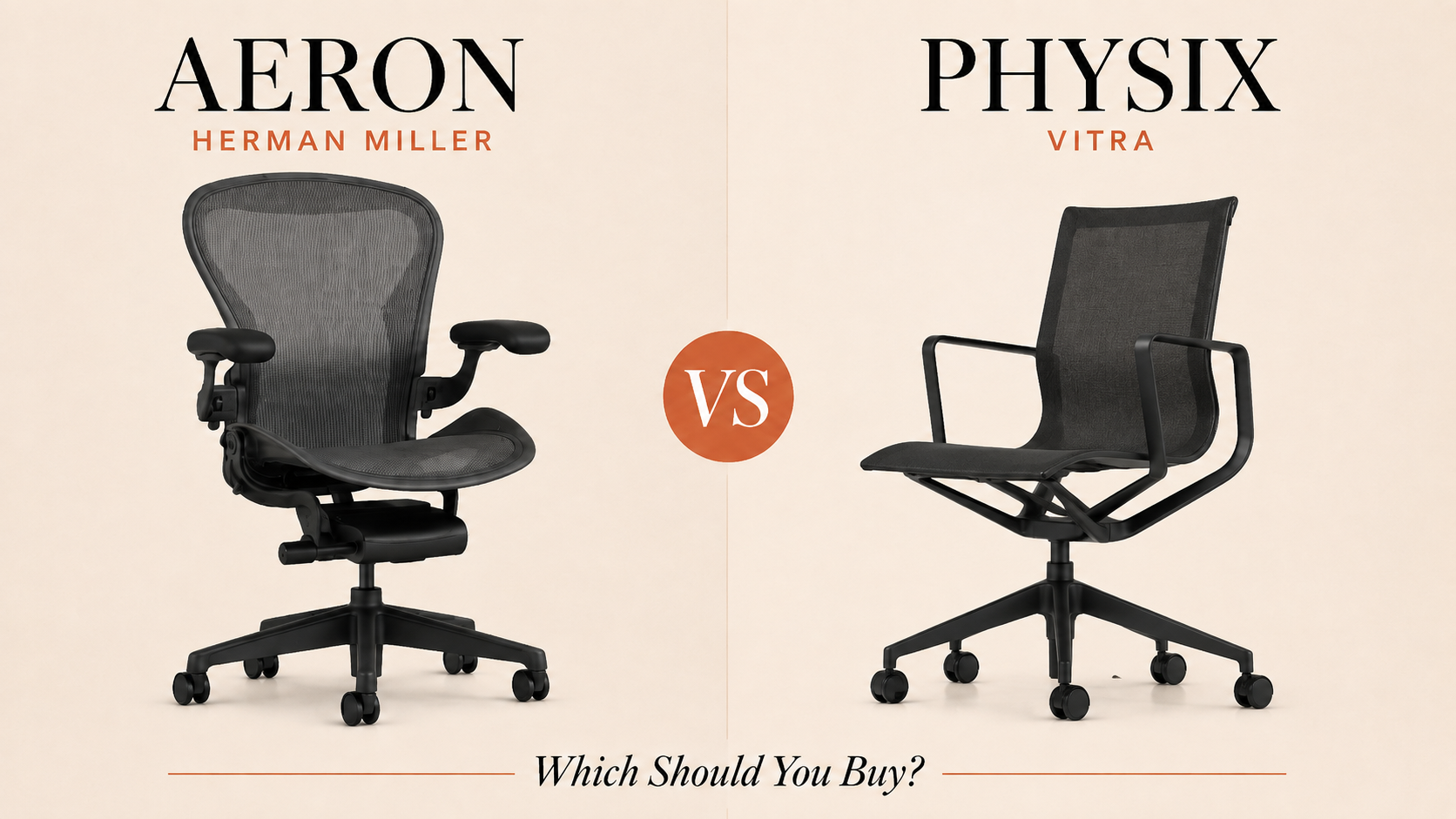
The Herman Miller Aeron and Vitra Physix represent two distinct approaches to premium ergonomic seating. The Aeron, priced at $1,521, is an iconic mesh task chair known for its Pellicle breathability and PostureFit SL lumbar support. The Physix, at $1,082, uses a flexible frame design that distributes load dynamically across the back without traditional mechanisms. Both chairs share nearly identical dimensions and warranties, but differ sharply in materials, price, and the type of support they deliver. If you're choosing between them, understanding these trade-offs is essential.
At a glance
Spec | Herman Miller Aeron | Vitra Physix |
|---|---|---|
Price | $1,521 | $1,082 |
Category | Office | Office |
Seat depth / width (cm) | 43 / 51 | 43 / 51 |
Seat height range (cm) | 40–57 | 40–57 |
Armrest type | 4D | 4D |
Lumbar support | Yes (PostureFit SL) | Yes |
Recline range (degrees) | 125 | 125 |
Recommended height (cm) | 165–180 | 165–195 |
Weight capacity (kg) | 159 | 159 |
Warranty (years) | 12 | 12 |
Aggregate rating | 3.5 (12 reviews) | 3.2 (6 reviews) |
Herman Miller Aeron—strengths and weaknesses
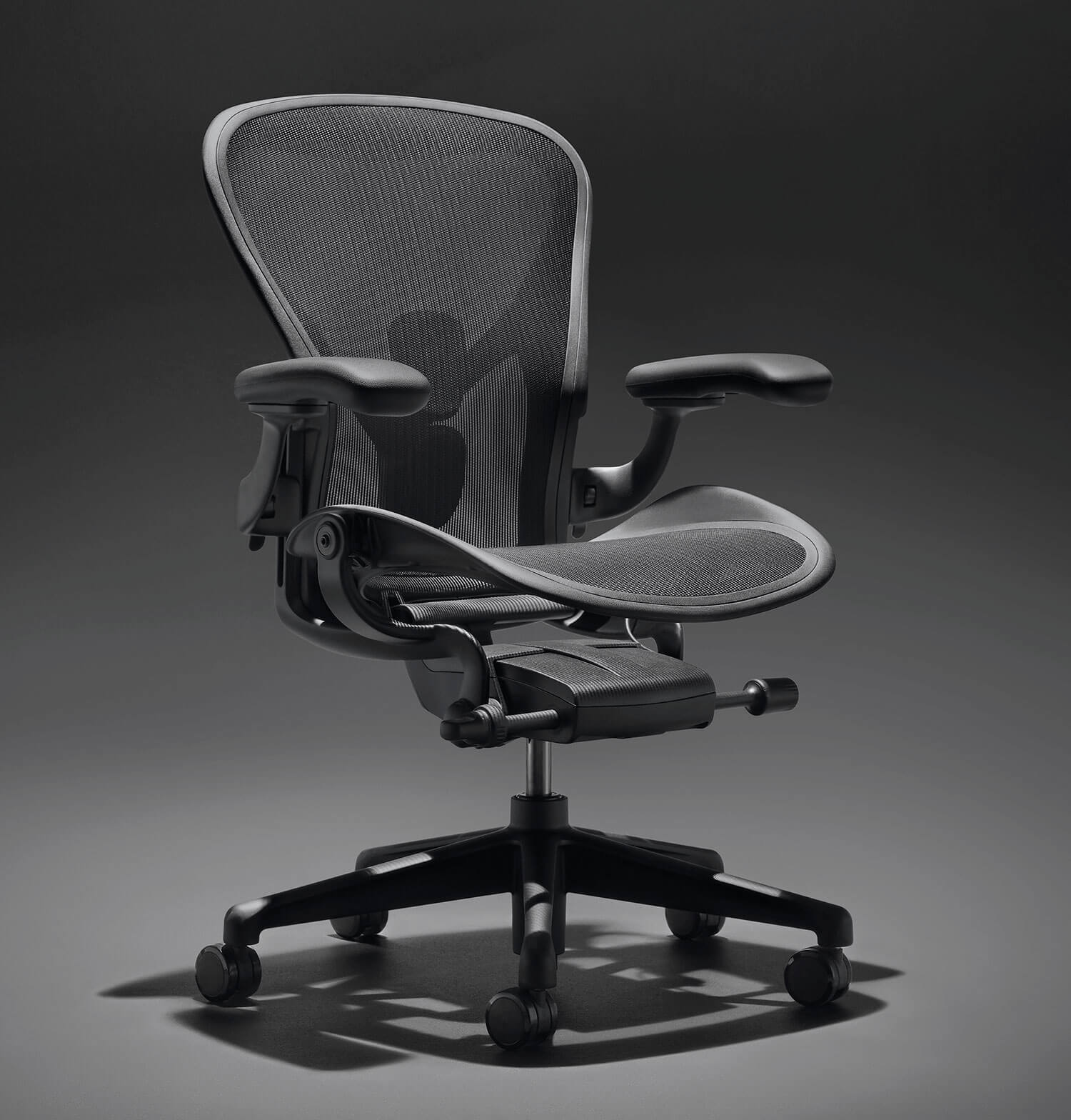
Strengths: Reviewers consistently highlight the Aeron's exceptional comfort, with one describing it as "sitting on a cloud." Its most compelling financial advantage is resale value: users report buying used Aerons on Craigslist for $300–400 and reselling them years later for the same price, making total cost of ownership competitive with budget chairs from IKEA or OfficeMax. The chair's 8Z Pellicle mesh zones deliver superior ventilation for all-day desk work, and replacement parts and official documentation are readily available. Long-term users note it works particularly well for people with back, hip, and knee issues.
Weaknesses: At $1,521, the price is a significant barrier. Some reviewers admit the Aeron is "not suitable for everyone," and one long-term user struggled to fully embrace it as a daily driver despite three years of use. A recurring complaint is that the seat pan can feel like it digs uncomfortably deep. The chair is sized for medium builds and recommended only for users up to 180 cm tall, limiting its fit range. Review content includes technical guides and promotional material rather than pure user testimonials, which may inflate the rating.
Vitra Physix—strengths and weaknesses
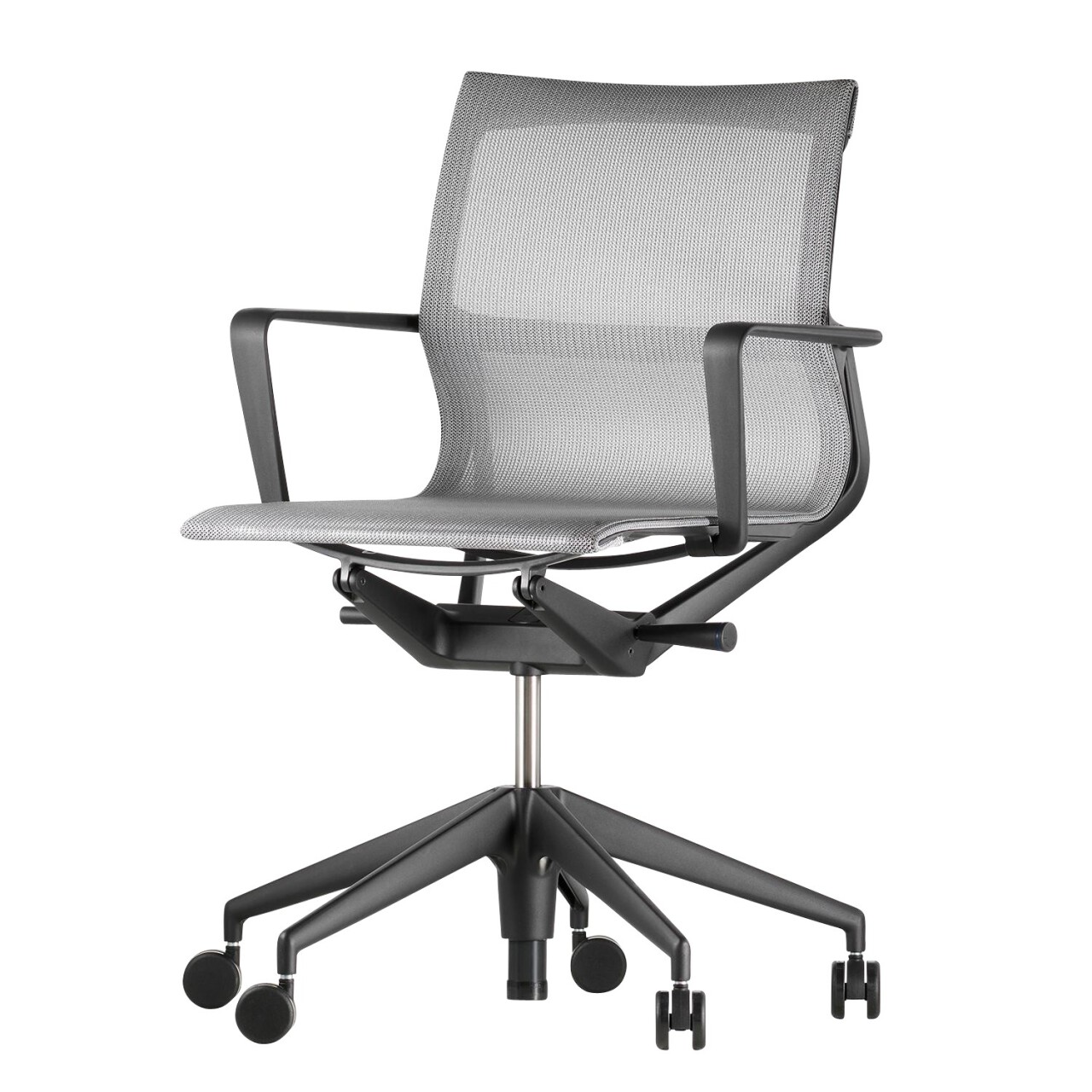
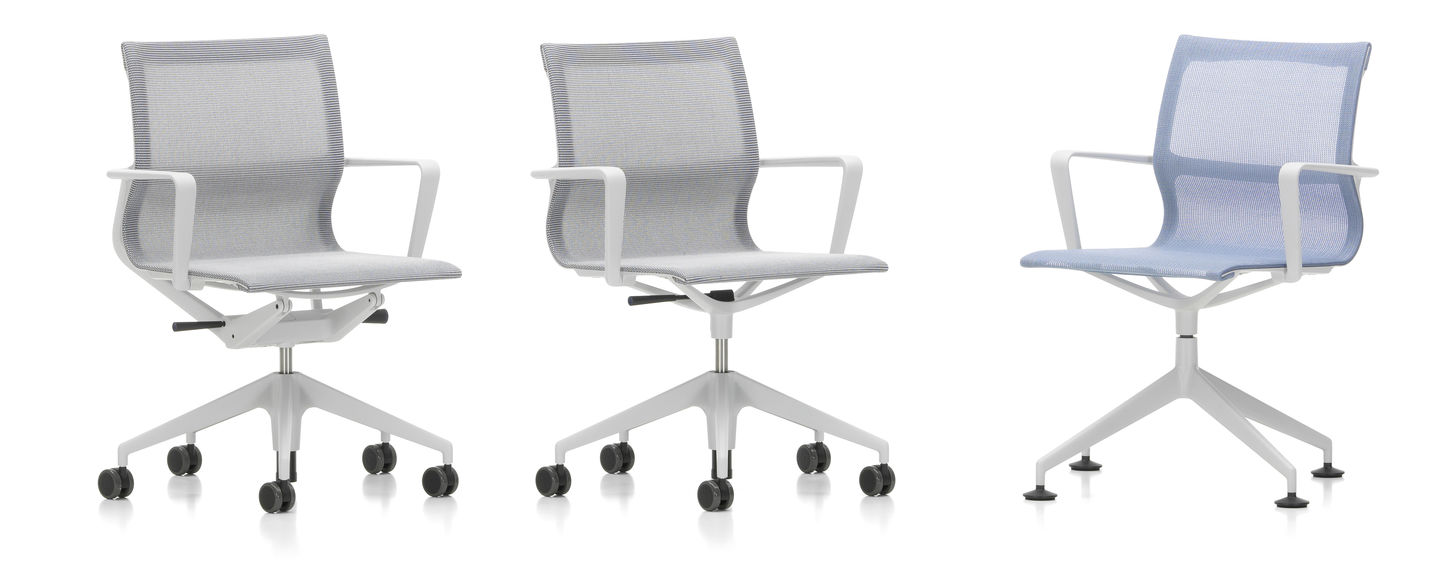
Strengths: The Physix's flexible frame construction, which stretches a single textile panel between two side members, creates a dynamic sitting experience praised for its interaction of flexible and rigid elements. Reviewers describe it as an iconic, innovative design using state-of-the-art materials and production technology. The chair accommodates taller users up to 195 cm, a significant advantage over the Aeron. Product videos provide comprehensive explanations of all essential features and proper adjustment techniques for seat height and backrest resistance. Available in many variations, it offers versatile all-round performance for any office.
Weaknesses: No specific cons were mentioned in the provided review data. However, the aggregate rating of 3.2 from only six reviews is lower than the Aeron's 3.5 from twelve reviews, suggesting either a smaller sample size or more mixed reception. One user sought advice to replace their Humanscale chair by choosing between the Physix and another model, and another asked about fabric replacement, hinting at potential durability or serviceability questions not fully explored in the reviews.
How they differ
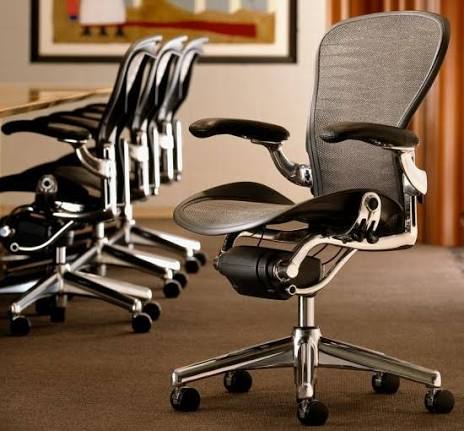
The core difference is material philosophy. The Aeron uses 8Z Pellicle mesh for maximum breathability and ventilation, ideal for hot climates or users who run warm. The Physix relies on a textile-covered flexible frame that distributes load dynamically, offering a more adaptive, forgiving feel without traditional lumbar mechanisms.
Price separates them by $439. The Aeron's premium buys proven resale value and a decades-long track record; the Physix offers innovative engineering at a lower entry cost.
Height accommodation matters: the Physix handles users up to 195 cm, while the Aeron caps at 180 cm. If you're taller than six feet, the Physix is the safer bet.
Both share identical seat dimensions, 4D armrests, 12-year warranties, and 159 kg weight capacities. Neither includes a headrest. The Aeron has more replacement parts documentation and a robust used market; the Physix's serviceability and long-term parts availability are less documented.
Who should buy which
Buy the Herman Miller Aeron if: You prioritize ventilation and breathability, especially in warm environments or during long desk sessions. You value proven resale value and want a chair you can recoup most of your investment from years later. You fit within the 165–180 cm height range and prefer a chair with extensive replacement parts support and a deep used market.
Buy the Vitra Physix if: You're taller than 180 cm and need a chair that accommodates up to 195 cm. You prefer a dynamic, flexible-frame feel over traditional mesh and want to save $439 upfront. You appreciate innovative design and state-of-the-art materials, and you're comfortable with a newer chair that has less long-term resale data.
Consider alternatives if: You found the Aeron's seat pan uncomfortable in testing, or you need a headrest (neither chair offers one). Budget-conscious buyers may want to explore the used Aeron market at $300–400 rather than paying full retail for either model.
The verdict
The Herman Miller Aeron wins on proven resale value, breathability, and replacement parts ecosystem, making it the safer long-term investment despite its higher price. The Vitra Physix counters with a lower entry cost, innovative flexible-frame design, and critically, better accommodation for taller users up to 195 cm. For medium-build users up to 180 cm who value ventilation and total cost of ownership, the Aeron justifies its premium. For taller users or those drawn to adaptive, mechanism-free support at a lower price, the Physix is the smarter buy. Neither chair is perfect for everyone—the Aeron's seat pan and the Physix's limited review data are real concerns—but both deliver premium ergonomics with distinct strengths.
Frequently asked
- Is Herman Miller Aeron better than Vitra Physix?
- The Aeron costs $439 more and offers iconic Pellicle mesh with exceptional ventilation and proven resale value. The Physix delivers a dynamic flexible-frame design at a lower price and accommodates taller users up to 195 cm versus the Aeron's 180 cm limit.
- Which chair is better for tall users?
- The Vitra Physix accommodates users up to 195 cm tall, while the Aeron is recommended only up to 180 cm. Both share identical seat dimensions and height ranges, but the Physix's flexible frame better suits taller builds.
- Does the Aeron hold resale value better than the Physix?
- Reviewers note the Aeron can be purchased used for $300-400 and resold years later for the same price, offering excellent total cost of ownership. No comparable resale data was provided for the Physix.
Specs, reviews & details
Specs, reviews & details