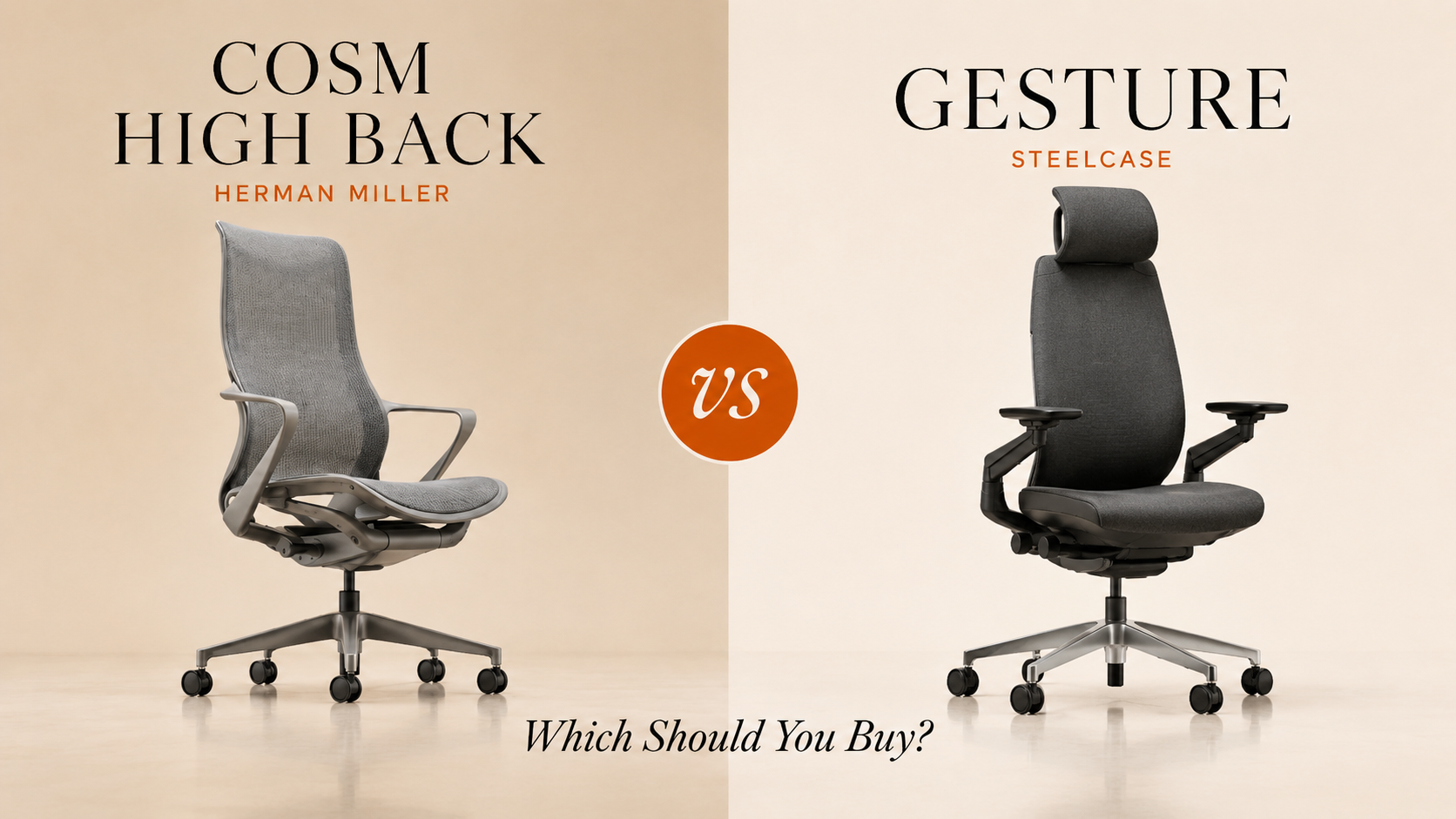
Herman Miller Cosm High Back vs Steelcase Gesture: Which Should You Buy?
Auto-adjusting tilt vs 4D arms—two premium ergonomic philosophies compared
Specs, reviews & details
Specs, reviews & details
Introduction
The Herman Miller Cosm High Back and Steelcase Gesture represent two distinct ergonomic philosophies at the premium end of the office chair market. The Cosm automates much of its adjustment through Auto-Harmonic Tilt technology and includes a high backrest with headrest, asking $1,800. The Gesture takes a more traditional route with extensive manual controls—including acclaimed 4D arms—and costs $1,499. Both chairs share similar dimensions and warranties, but their approaches to comfort and user interaction differ sharply. Buyers choosing between them face a fundamental question: do you want a chair that adapts automatically, or one that rewards meticulous adjustment?
At a glance
Spec | Herman Miller Cosm High Back | Steelcase Gesture |
|---|---|---|
Price | $1,800 | $1,499 |
Aggregate rating | 3.4 / 5 (12 reviews) | 3.8 / 5 (12 reviews) |
Category | Office | Office |
Armrest type | 2D | 4D |
Headrest | Yes | No |
Recline range | 135° | 125° |
Lumbar support | Yes | Yes |
Weight capacity | 159 kg | 159 kg |
Warranty | 12 years | 12 years |
Recommended height range | 165–195 cm | 165–195 cm |
Herman Miller Cosm High Back — strengths and weaknesses
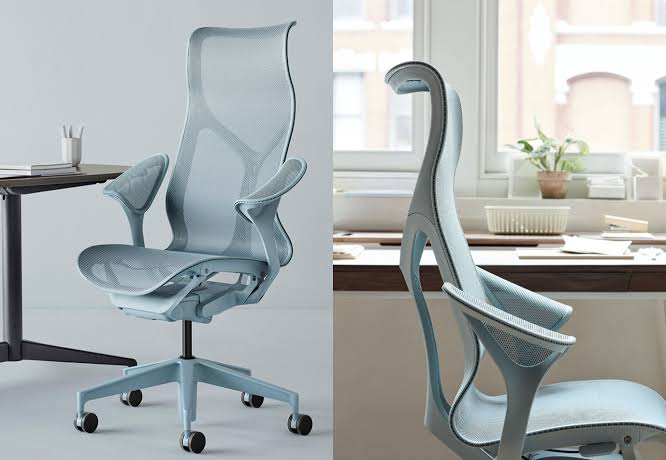
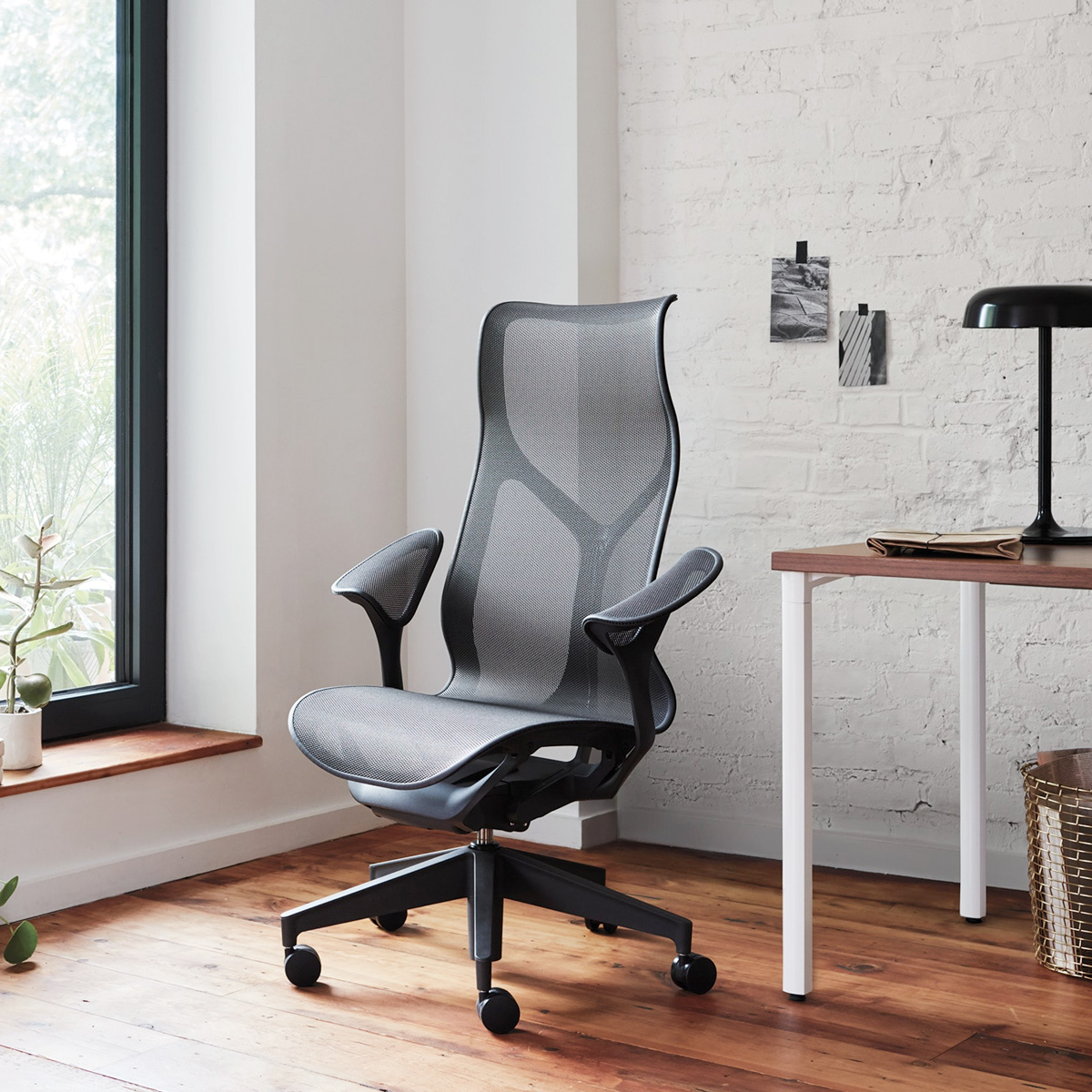
Strengths: The Cosm's signature Auto-Harmonic Tilt earns consistent praise. Reviewers describe a natural, "floating" or "hammock-like" recline that adapts to body pressure without manual intervention. One user who tested it against the Aeron, Embody, Sayl, and Mirra 2 preferred the Cosm, noting it molds to posture better than the Aeron. The automatic adjustment appeals to users who want excellent back support without fiddling with levers. One reviewer kept it for three years, choosing it over switching to the popular Aeron.
Weaknesses: The headrest sits too low for taller users, a recurring complaint. The "leaf" arms are considered inferior to fully adjustable alternatives. One reviewer tried the high-back version for ten minutes and questioned the purpose of the upper backrest portion. Others warn that the chair may push the upper back forward depending on body size. At $2,000 in some configurations, the price draws criticism. The low-back version feels markedly different and less suitable, according to multiple users.
Steelcase Gesture — strengths and weaknesses
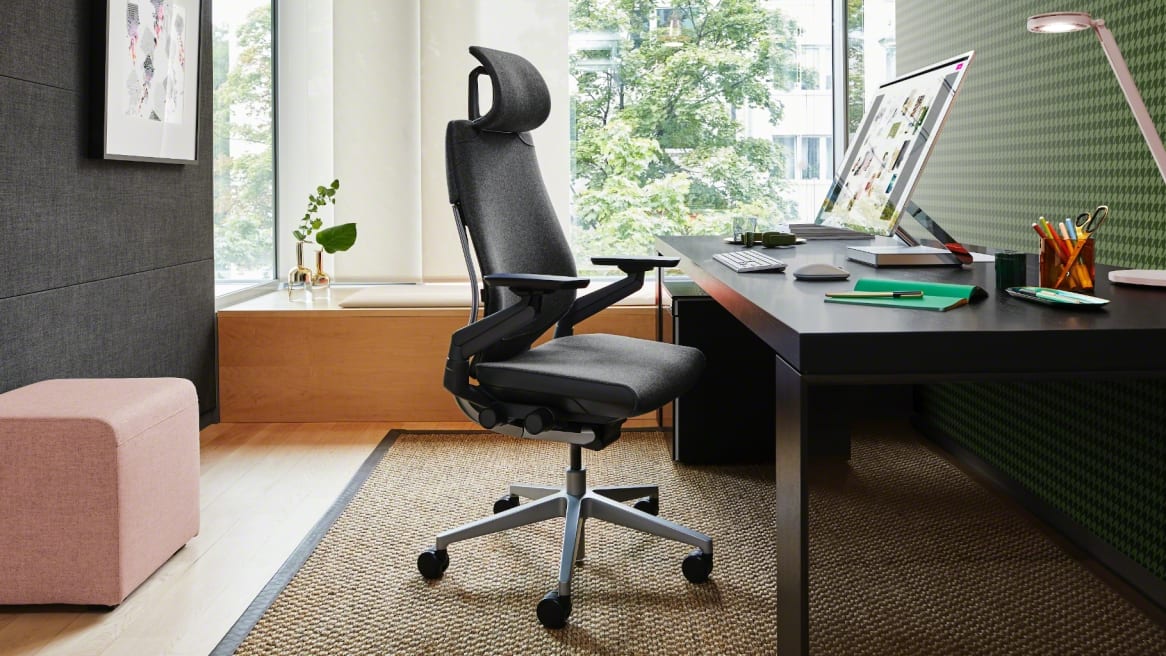
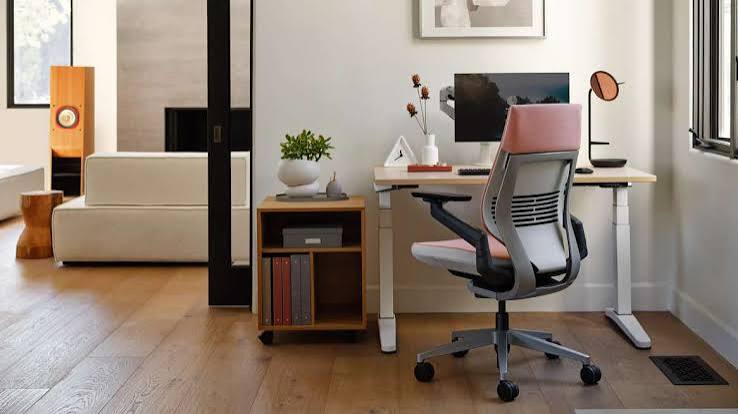
Strengths: The Gesture offers comprehensive manual adjustability across all major ergonomic parameters. Its 4D arms—which move in nearly every direction—are a standout feature, designed to support multi-device workflows from keyboard to tablet. A certified ergonomics expert detailed these adjustment mechanisms in a professional review. The narrow backrest allows shoulder and back freedom without a claustrophobic feeling, which one reviewer with spinal stenosis and trapezius tension found essential. Early impressions are positive: reviewers describe good posture support and the ability to maintain concentration during extended work.
Weaknesses: A long-term user reported extreme buyer's regret after three years, stating that all four Gesture chairs they purchased experienced durability issues and are breaking down. This durability concern stands out sharply against early positive feedback. Another reviewer noted the chair "looks cheap and budget-like despite high price point." One user switching from a gaming chair found the Gesture's auto-correcting posture not immediately comfortable, describing a pushed-upright sensation that required adjustment time.
How they differ
The Cosm automates what the Gesture makes manual. The Cosm's Auto-Harmonic Tilt responds to your movements without lever adjustments, while the Gesture asks you to dial in seat depth, lumbar height, armrest position, and tilt tension yourself. If you value set-and-forget ergonomics, the Cosm delivers; if you want granular control, the Gesture provides more levers to pull.
The armrest gap is significant. The Gesture's 4D arms adjust in four directions and are explicitly designed for varied device use. The Cosm's 2D leaf arms adjust only in height and width, and reviewers consistently call them a weak point. If you shift between keyboard, mouse, tablet, and phone throughout the day, the Gesture's arms offer measurably more flexibility.
The Cosm includes a headrest; the Gesture does not. For users who recline or want neck support, this is a defining feature—though taller users report the Cosm's headrest sits too low. The Cosm also reclines ten degrees further (135° vs 125°), reinforcing its tilt-focused design.
Price and durability present a paradox. The Gesture costs $301 less, yet one long-term review flags serious durability problems after three years across multiple units. The Cosm costs more but has not drawn similar durability complaints in the provided reviews. The Gesture's higher aggregate rating (3.8 vs 3.4) reflects strong early impressions, but the durability data introduces doubt for long-term buyers.
Who should buy which
Buy the Herman Miller Cosm High Back if: You want a chair that adapts to you rather than requiring constant adjustment. You value the automatic recline and find the "floating" sensation appealing. You need a headrest and recline beyond 125°. You're willing to pay $1,800 for hands-off ergonomics and aren't bothered by simpler arm adjustments. You've tested it and confirmed the headrest height works for your frame (critical for taller users).
Buy the Steelcase Gesture if: You prefer to fine-tune every ergonomic parameter yourself and want 4D arms for varied device workflows. You sit upright more than you recline and don't need a headrest. You want to save $301 and are comfortable with the risk flagged in long-term durability reports—or plan to rely heavily on the 12-year warranty. The narrow backrest appeals to you if you have shoulder mobility needs or find wider backs claustrophobic.
Keep shopping if: You're taller than 195 cm and the Cosm's low headrest is a dealbreaker, or you're risk-averse about the Gesture's reported durability issues and want a third option with a stronger long-term track record.
The verdict
The Herman Miller Cosm High Back wins for users who prioritize automatic, recline-focused ergonomics and want a headrest, despite its higher price and simpler arms. The Steelcase Gesture is the better pick for hands-on adjusters who need exceptional armrest flexibility and prefer a lower price—but the durability red flag in long-term reviews is impossible to ignore. If you choose the Gesture, buy with the 12-year warranty in mind and consider a dealer with strong return policies. The Cosm's $1,800 ask is steep, but it delivers a distinctive ergonomic experience that some users prefer over every other Herman Miller model. Neither chair is perfect, but each serves a clear constituency: Cosm for automation and recline, Gesture for control and device versatility.
Frequently asked
- Is Herman Miller Cosm High Back better than Steelcase Gesture?
- The Cosm excels in automatic recline and includes a headrest, earning praise for back support. The Gesture offers more manual adjustability with 4D arms and a higher rating (3.8 vs 3.4), but durability concerns exist. Choose Cosm for hands-off ergonomics, Gesture for granular control.
- Which chair has better armrests, Cosm or Gesture?
- The Gesture has 4D arms (praised for multi-device use), while the Cosm has 2D 'leaf' arms that some reviewers consider inferior to fully adjustable options. If armrest flexibility matters, Gesture wins.
- Does the Steelcase Gesture have long-term durability issues?
- One long-term reviewer reported all four Gesture chairs breaking down after three years, expressing extreme regret. This stands in contrast to early positive impressions, raising potential durability concerns not reported for the Cosm.
Specs, reviews & details
Specs, reviews & details