Herman Miller Cosm Low Back vs Steelcase Gesture: Which Should You Buy?
Two premium ergonomic chairs with very different comfort philosophies
Specs, reviews & details
Specs, reviews & details
Intro
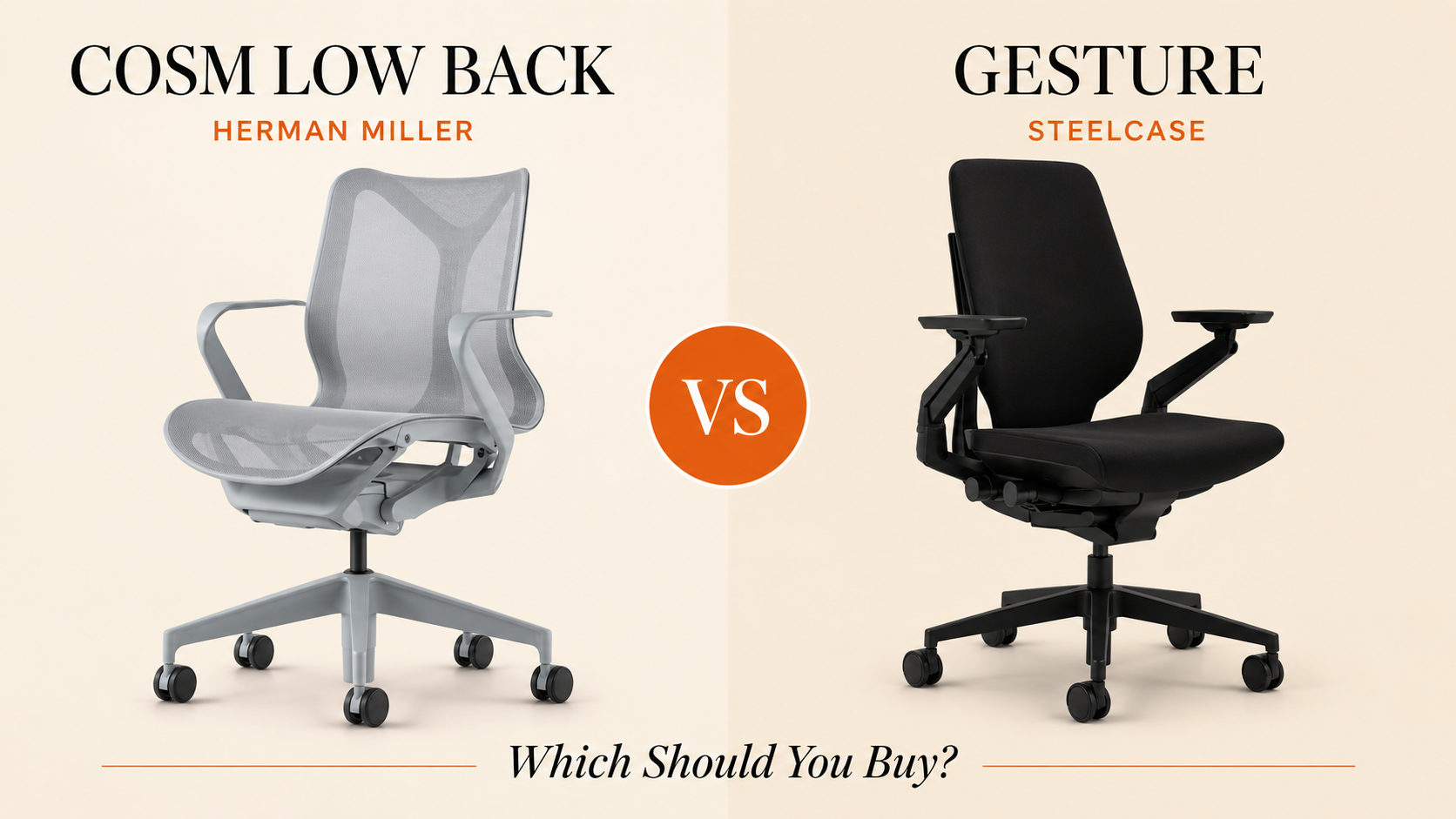
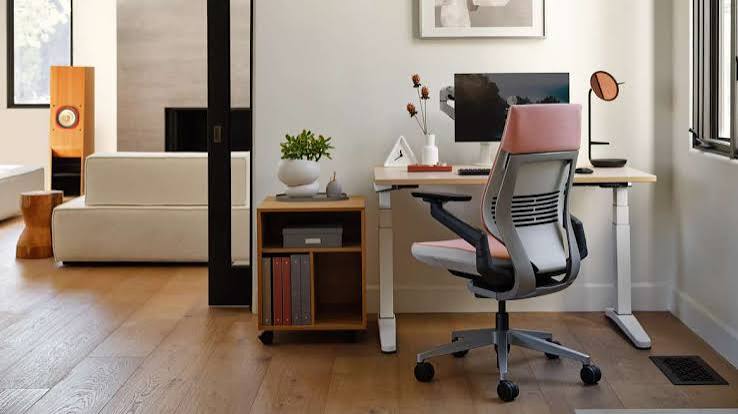
The Herman Miller Cosm Low Back and Steelcase Gesture represent two competing philosophies in premium office seating. At $1275, the Cosm Low Back relies on automatic recline and a flexible frame to create what reviewers describe as a hammock-like experience with minimal manual adjustment. The Steelcase Gesture, priced at $1499, takes the opposite approach: comprehensive ergonomic controls and 360-degree arms designed to support multi-posture work from keyboard to tablet. Both chairs share identical specs in several areas but deliver fundamentally different sitting experiences.
At a glance
Spec | Herman Miller Cosm Low Back | Steelcase Gesture |
|---|---|---|
Price | $1,275 | $1,499 |
Aggregate rating | 3.3/5 (12 reviews) | 3.8/5 (12 reviews) |
Backrest height | 42 cm | 58 cm |
Armrest type | 4D | 4D (360-degree) |
Recline range | 125° | 125° |
Seat depth | 43 cm | 43 cm |
Seat width | 51 cm | 51 cm |
Weight capacity | 159 kg | 159 kg |
Warranty | 12 years | 12 years |
Recommended height range | 165–195 cm | 165–195 cm |
Herman Miller Cosm Low Back — strengths & weaknesses
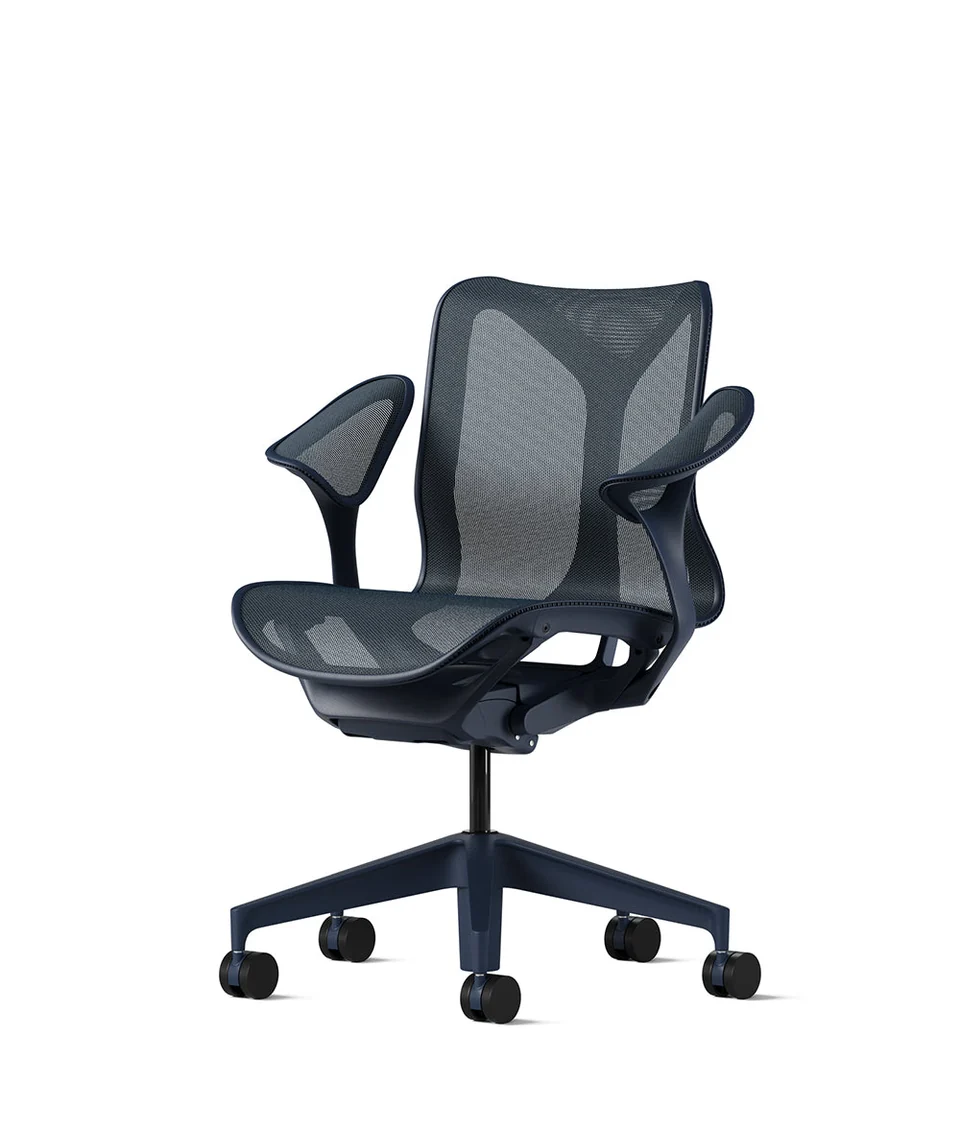
Strengths: Reviewers consistently praise the Cosm's automatic harmonic tilt, which one user described as feeling "like suspended in a hammock." A 6'1" user found it worked well for tall users, and multiple reviewers preferred it over other Herman Miller chairs including the Aeron, Mirra 2, and Sayl. The flexible back receives positive mentions, and shorter, lighter users report good comfort. One long-term reviewer kept the Cosm for three years instead of switching to the popular Aeron, calling it "surprisingly comfortable" and "visually striking."
Weaknesses: The low back version "feels very different" from medium and high back variants, which may surprise buyers who test one model and purchase another. Multiple reviewers note the chair is "not wide enough for larger users," and the material feels "tightly stretched and harder than Aeron." Some users find it "not ideal for extended sitting sessions." The high back version received specific criticism for leaning "too far back." Price increases also drew complaints from reviewers.
Steelcase Gesture — strengths & weaknesses
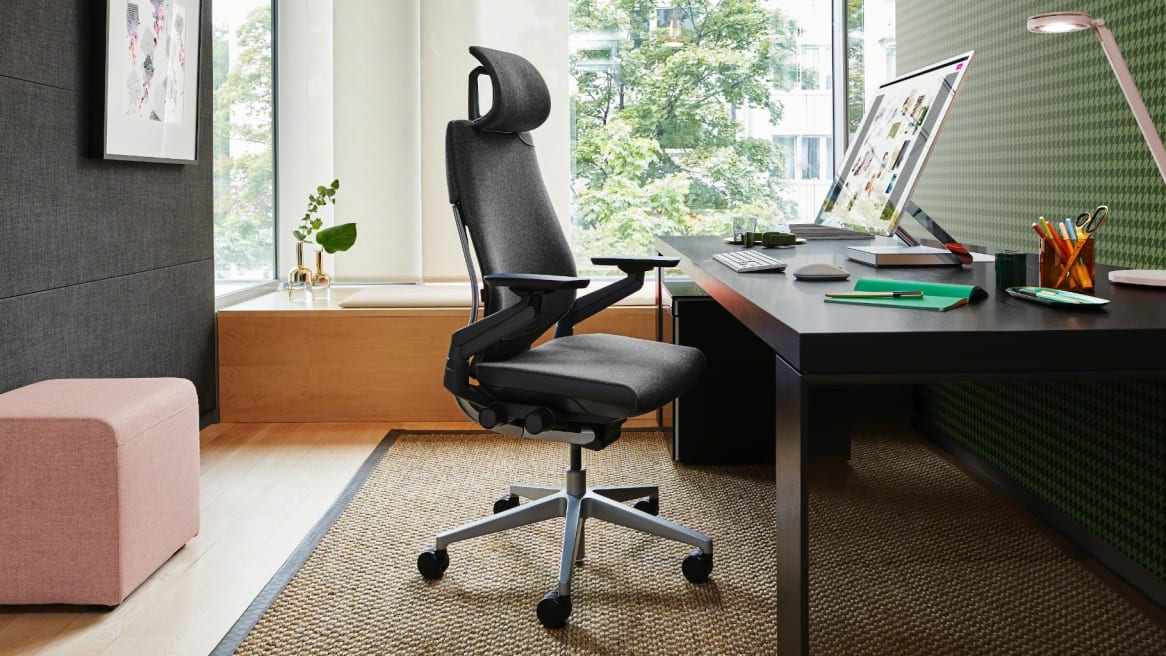
Strengths: The Gesture offers "comprehensive adjustment options covering all major ergonomic parameters," confirmed by a certified ergonomics expert who reviewed the chair. The narrower backrest provides "shoulder and back freedom without claustrophobic feeling," which one reviewer with spinal stenosis specifically valued after testing six different chairs. Users appreciate the detailed tilt mechanism and armrest functionality. Initial impressions are strong, with reviewers reporting the chair "performed well" and "was a great chair during early usage period." One user highlights its ability to support various sitting positions for long periods while maintaining concentration.
Weaknesses: Long-term durability emerges as a significant concern. One reviewer reported "poor long-term durability with multiple chairs failing," stating that "all four purchased units" experienced breakdown issues after three years, leading to "extreme buyer's regret." Another reviewer notes the chair "looks cheap and budget-like despite high price point." One user mentions the chair doesn't feel immediately comfortable, describing it as having an "auto-correction feel" that pushes the user into an upright position, requiring adjustment time.
How they differ
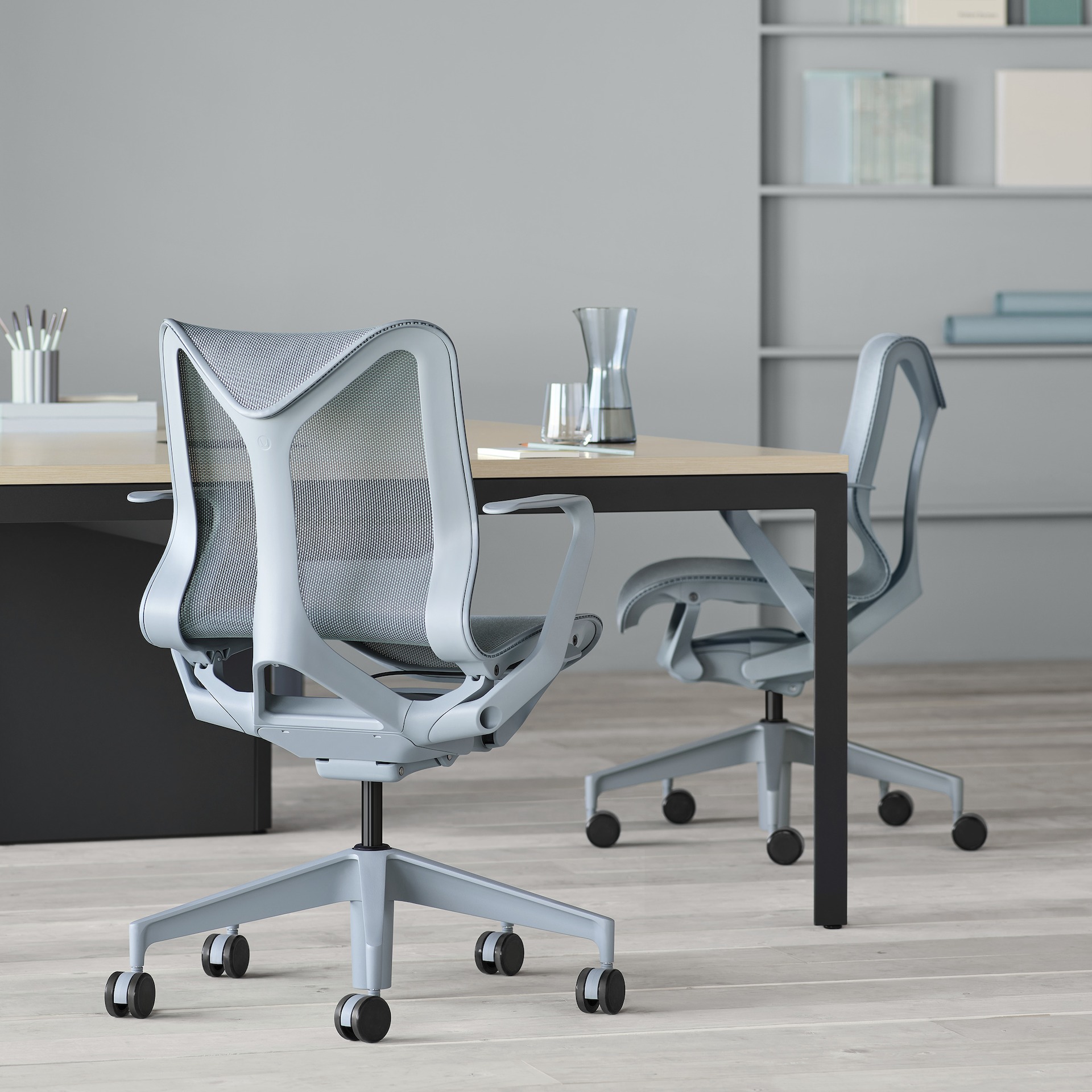
The core difference is adjustment philosophy. The Cosm uses automatic harmonic tilt that responds to your body weight and movement without manual controls—you sit, and it adapts. The Gesture requires you to tune height, seat depth, lumbar support, tilt tension, and armrest position to find your ideal setup. This makes the Cosm faster to use but less customizable.
Backrest height separates them significantly: the Gesture's 58 cm backrest is 16 cm taller than the Cosm Low Back's 42 cm. For users wanting upper-back or shoulder support, this matters considerably. The Cosm Low Back is designed for open, upright posture; the Gesture's taller back accommodates more reclined positions.
The Gesture's 360-degree arms are built specifically for multi-device work—moving from keyboard to tablet to phone. The Cosm's 4D arms adjust but don't emphasize device transitions as a design priority.
User feedback quality differs: the Cosm's lower 3.3 rating reflects mixed size compatibility and material preferences, while the Gesture's 3.8 rating is dampened by durability concerns after the three-year mark despite strong initial satisfaction.
Price gap is $224, with the Gesture costing roughly 18% more.
Who should buy which
Buy the Herman Miller Cosm Low Back if: You prefer minimal adjustment and want a chair that automatically adapts to your movement. You're a tall user (around 6'1" or within the 165–195 cm range) with a slimmer build. You value the floating, hammock-like recline feel and work in an upright posture without needing upper-back support. You want to save $224 and prefer Herman Miller's design aesthetic over extensive manual controls.
Buy the Steelcase Gesture if: You switch frequently between devices (keyboard, tablet, phone) and need armrests that follow those movements. You want comprehensive ergonomic adjustments you can fine-tune yourself. You need a taller backrest for upper-back or shoulder support. You have spinal issues that require precise positioning control. You're willing to invest time dialing in the perfect setup and accept that durability beyond three years may be a concern based on some user experiences.
Skip both if: You're a larger user—both chairs share the same 51 cm seat width, and reviewers specifically note the Cosm feels too narrow for bigger frames. You need a headrest (neither offers one). You require weight capacity above 159 kg.
The verdict
The Steelcase Gesture earns a higher user rating (3.8 vs 3.3) and delivers more ergonomic control, justifying its $224 premium for buyers who need adjustability and taller back support. But durability red flags after three years are impossible to ignore—multiple units failing is a serious concern at this price point.
The Herman Miller Cosm Low Back offers a more distinctive experience: that automatic recline polarizes users, but those who love it really love it, as evidenced by the three-year owner who chose it over an Aeron. It's $224 cheaper and better for minimalists who trust the chair to adapt rather than spending time on manual adjustments.
For multi-device workers who sit upright and need armrest versatility, the Gesture wins despite durability concerns. For tall, slimmer users who want automatic support and hammock-like comfort, the Cosm Low Back delivers better value and a three-year track record that, while limited in sample size, shows satisfied long-term use. Neither chair suits larger users or anyone requiring a headrest.
Frequently asked
- Is Herman Miller Cosm Low Back better than Steelcase Gesture?
- The Cosm scored 3.3/5 versus Gesture's 3.8/5. The Cosm suits users wanting automatic recline and minimal adjustments, while the Gesture works better for those needing comprehensive manual controls and taller backrests.
- Which chair has better durability?
- Review data shows multiple Gesture units experienced breakdown issues after 3 years. The Cosm has a 3-year long-term user who chose to keep it, though broader durability data isn't specified for either chair.
- What's the main difference between these chairs?
- The Cosm uses automatic harmonic tilt with minimal adjustments for a 'floating' feel, while the Gesture offers extensive manual controls for seat depth, lumbar support, and 360-degree armrests designed for multi-device work.
Specs, reviews & details
Specs, reviews & details