Herman Miller Embody vs Humanscale Freedom: Which Should You Buy?
Two premium ergonomic chairs with radically different design philosophies
Specs, reviews & details
Specs, reviews & details
Introduction
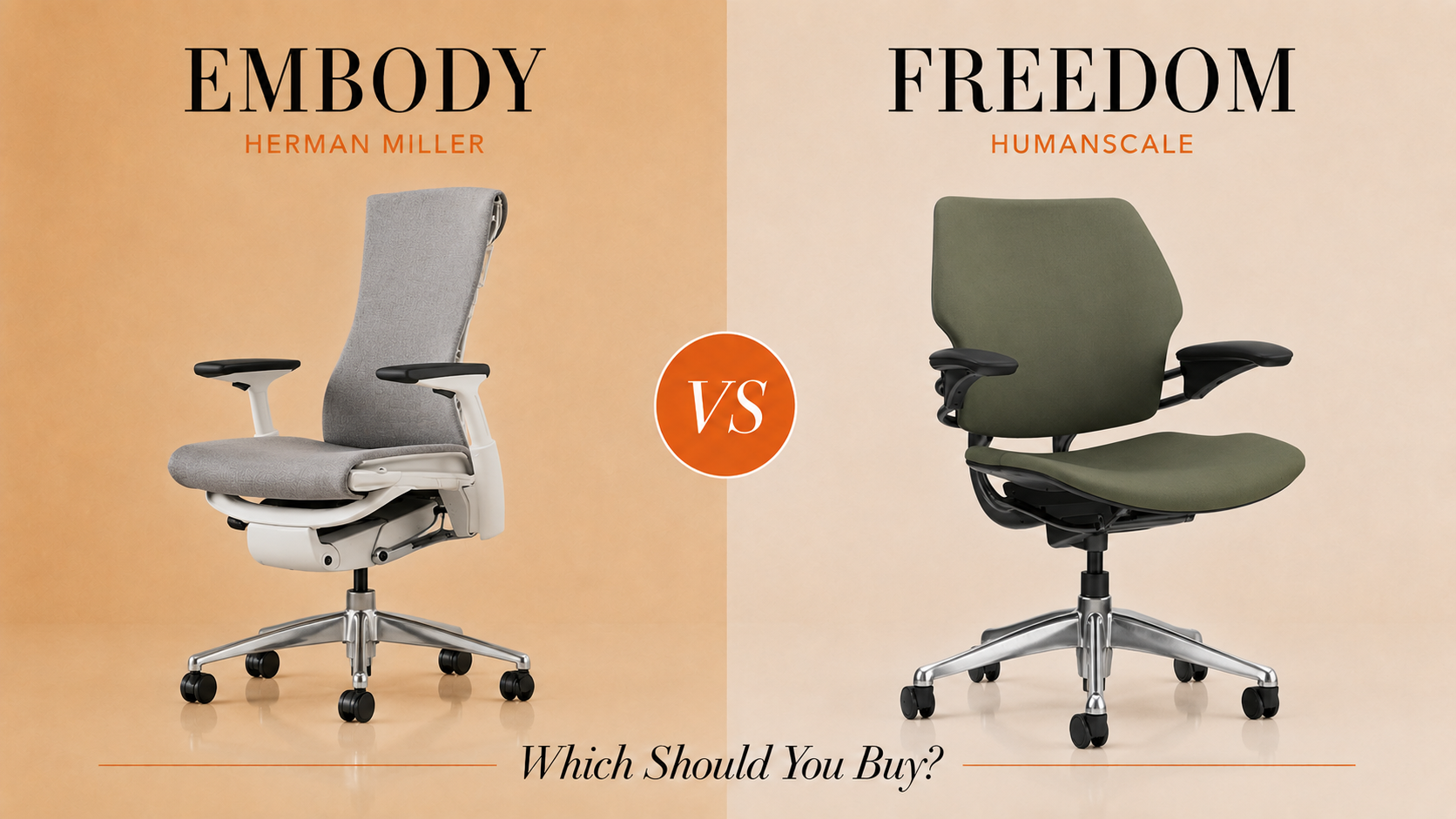
The Herman Miller Embody and Humanscale Freedom represent two distinct schools of premium ergonomic design. At $1,700, the Embody uses a pixelated Backfit matrix that encourages micro-movement and active posture correction. The Freedom costs $1,318 and takes the opposite approach: a weight-sensitive auto-recline system with minimal manual controls. Both chairs share identical 3.8 ratings from 12 reviews, but their strengths serve different priorities.
At a glance
Spec | Herman Miller Embody | Humanscale Freedom |
|---|---|---|
Price | $1,700 | $1,318 |
Category | Office | Office |
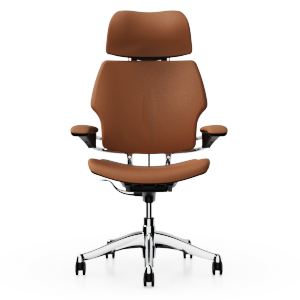
Headrest | No (aftermarket available) | Yes |
Armrest Type | 4D | 4D (synchronous with recline) |
Recline Range | 130° | 130° |
Weight Capacity | 136 kg | 150 kg |
Recommended Height | 160–190 cm | 168–198 cm |
Warranty | 12 years | 10 years |
Aggregate Rating | 3.8 / 5 (12 reviews) | 3.8 / 5 (12 reviews) |
Herman Miller Embody — strengths & weaknesses
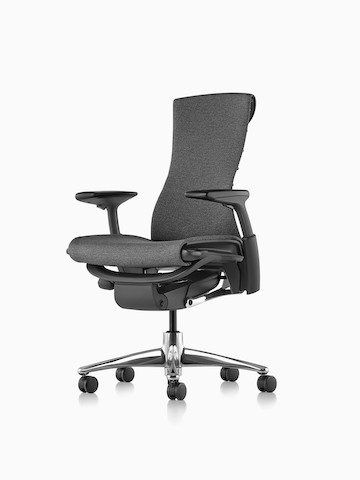
Strengths: Reviewers consistently praise the Embody's ability to encourage good posture naturally and prevent bad sitting positions. One long-term owner rated it 9.5/10, noting excellent back support that helped correct damage from previous cheap chairs. The segmented Backfit system earns descriptions like "god tier comfort" when properly configured, and multiple five-year reviews confirm it remains a top-tier benchmark. Users appreciate that it works well for both focused office tasks and relaxed home use.
Weaknesses: The chair is "far from perfect out of the box," according to reviewers. The recline function can be difficult to adjust, armrest mechanisms aren't intuitive, and the chair sometimes creaks during use. Multiple reviewers mention needing aftermarket upgrades—headrests, lumbar pillows, seat foam, tailbone cushions—to optimize comfort, which adds cost and frustration. One buyer returned their $2,000 unit after finding the armrests awkward, cushioning poor, and overall value underwhelming. User experiences are notably mixed: some call it superior to the Aeron, while others report back discomfort or harm.
Humanscale Freedom — strengths & weaknesses
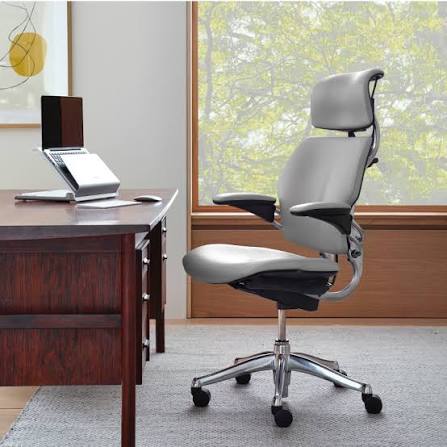
Strengths: The Freedom's automatic recline mechanism is its signature feature. Reviewers describe it as "smoothly adapting to the user's body when leaning back" with no manual tension knob to fuss with—the chair simply responds to your weight. Long-term owners report chairs lasting over 20 years, and one user still missed their Freedom six years after giving it away during a move. Humanscale's customer service earned praise for replacing a broken armrest years after purchase. Showroom visitors noted friendly staff and a wide variety of fabric options on display.
Weaknesses: The headrest is a persistent pain point: it only adjusts up and down (not forward), and multiple users report it slides down and won't lock in place. Armrests are structurally weak and can break if used to push up from the chair. The chair develops creaking and squeaking sounds over time. Reviewers emphasize that the tilting tension adjustment is critical—those who don't learn it "miss 95% of the chair's value"—yet the chair has been unfairly criticized by people who only briefly tried it. The Lotus fabric option has a harder urethane feel with a firmer seat compared to other materials. Seat padding is thin for the premium price.
How they differ
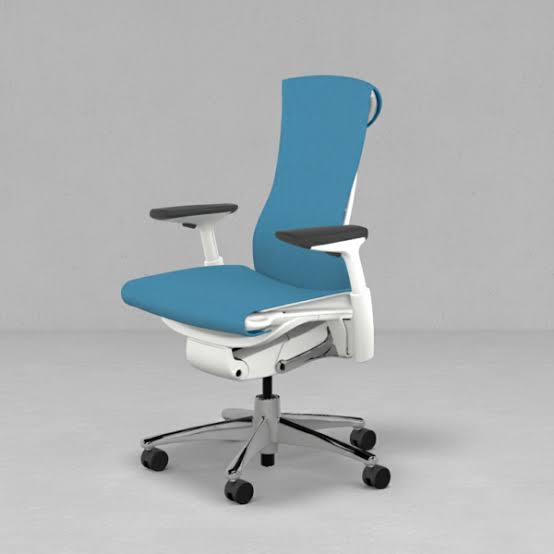
Design philosophy: The Embody encourages active sitting through its pixelated back matrix, promoting micro-movement and spinal flexibility. The Freedom does the opposite: it passively adapts to you via weight-sensitive recline, requiring minimal user input once the tilt tension is dialed in.
Height and fit: The Freedom accommodates taller users (up to 198 cm versus 190 cm), has a higher seat range (42–55 cm versus 39–52 cm), and includes a headrest as standard. The Embody ships without a headrest, though aftermarket options exist.
Adjustment learning curve: Both chairs demand setup effort. The Embody often requires aftermarket accessories and careful positioning. The Freedom requires mastering the tilting tension adjustment—a step many buyers skip but that unlocks the chair's core benefit.
Price and warranty: The Embody costs $382 more but includes a 12-year warranty versus the Freedom's 10 years. The Freedom supports 14 kg more weight (150 kg versus 136 kg).
Durability concerns: The Embody creaks during use. The Freedom creaks and has documented armrest breakage and headrest-locking failures.
Who should buy which
Buy the Herman Miller Embody if: You prioritize active back support and posture correction, especially if you're recovering from poor ergonomics. You're willing to invest time (and possibly money in accessories) to dial in the perfect setup. You're under 190 cm tall and don't require a headrest, or you're comfortable sourcing one separately. You value the longest warranty available.
Buy the Humanscale Freedom if: You want a chair that adapts to you automatically without constant manual adjustment. You're taller than 190 cm or want a headrest included. You prefer the lower price point and don't mind learning one crucial adjustment (tilt tension) to unlock the chair's full potential. You're willing to accept potential long-term headrest and armrest issues in exchange for the seamless recline experience.
Consider alternatives if: You want a premium chair that works perfectly out of the box with no learning curve or aftermarket purchases. Both of these chairs demand user investment—one in configuration, the other in understanding its unique recline system.
The verdict
Neither chair is a clear winner; they solve different problems. The Embody is the better choice for users who want active ergonomic intervention and have the patience to optimize it. The Freedom suits buyers who value adaptive simplicity and taller fit ranges, provided they're willing to master the tilt tension and overlook headrest limitations. At $382 less, the Freedom offers better value if its auto-recline philosophy matches your workflow—but the Embody's two extra warranty years and superior posture-correction feedback justify the premium for users who sit long hours and need that active support. Try both in person if possible; user experiences are polarized enough that personal fit matters more than spec sheets.
Frequently asked
- Is Herman Miller Embody better than Humanscale Freedom?
- Neither is universally better. The Embody excels at active posture correction and back support but costs more and requires setup time. The Freedom offers smoother automatic recline and includes a headrest but has limited headrest adjustment and potential durability issues with armrests.
- Which chair is better for taller users?
- The Humanscale Freedom accommodates users up to 198 cm tall versus the Embody's 190 cm maximum, has a higher seat range (42-55 cm vs 39-52 cm), and includes a headrest standard, making it better suited for taller individuals.
- Do both chairs require assembly or adjustment to work properly?
- Yes. The Embody often needs aftermarket upgrades or careful positioning to reach its potential, while the Freedom requires proper tilting tension adjustment to unlock its full value—reviewers note that users who skip this miss 95% of the chair's benefits.
Specs, reviews & details
Specs, reviews & details