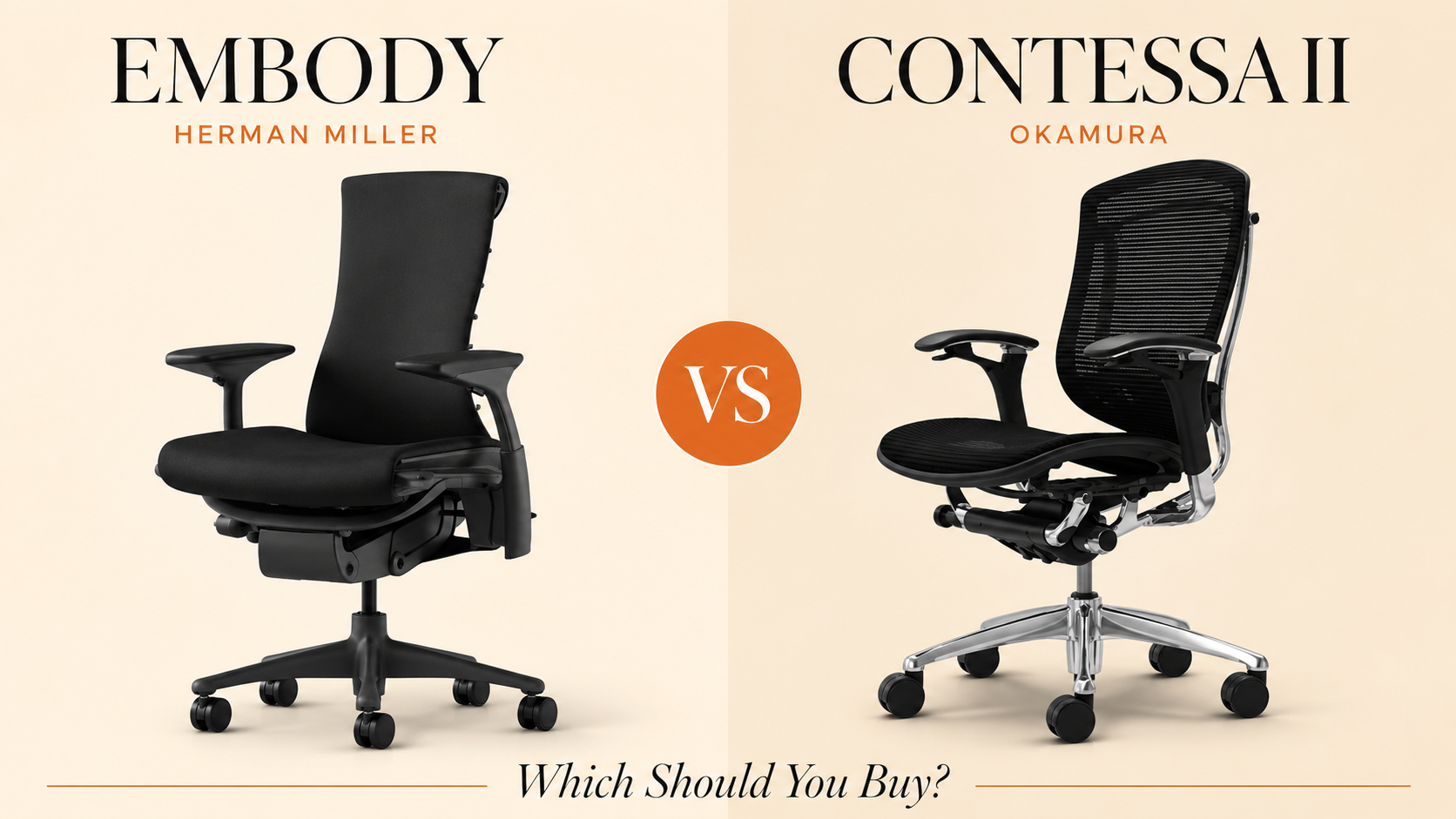
Herman Miller Embody vs Okamura Contessa II: Which Should You Buy?
Two $1,700+ ergonomic icons compared for posture, comfort, and long-term value
Specs, reviews & details
Specs, reviews & details
Introduction
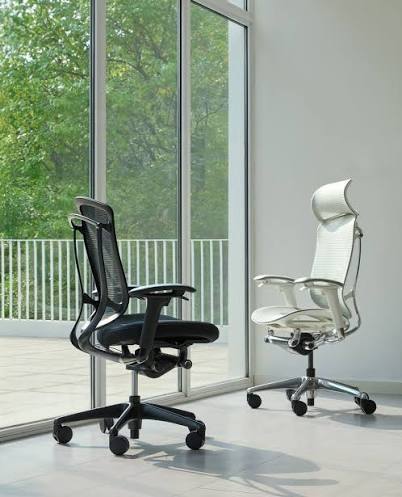
The Herman Miller Embody and Okamura Contessa II represent two premium approaches to ergonomic seating. The Embody's 2009 pixelated backfit design emphasizes micro-movement and dynamic support, while Okamura's Japanese flagship delivers precision adjustability and an included headrest. Both carry price tags above $1,700, twelve-year track records of user feedback, and identical 3.8 aggregate ratings—making the choice between them a matter of fit, philosophy, and specific ergonomic needs.
At a glance
Spec | Herman Miller Embody | Okamura Contessa II |
|---|---|---|
Price | $1,700 | $2,040 |
Category | Office | Office |
Armrests | 4D | 4D |
Headrest included | No | Yes |
Recline range | 130° | 130° |
Seat dimensions (D × W cm) | 42 × 50 | 45 × 52 |
Height range (cm) | 39–52 | 42–55 |
Recommended user height (cm) | 160–190 | 168–198 |
Weight capacity | 136 kg | 150 kg |
Warranty | 12 years | 10 years |
Aggregate rating | 3.8 / 12 reviews | 3.8 / 12 reviews |
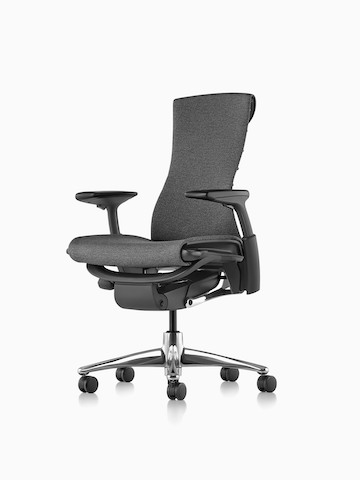
Herman Miller Embody — strengths & weaknesses
Strengths: The Embody's segmented Backfit matrix earns consistent praise for naturally encouraging good posture and providing excellent back support, particularly for users transitioning from cheaper chairs. Long-term owners report continued satisfaction after three to five years of daily use, with one detailed review rating it 9.5/10. Reviewers highlight its dual-use versatility for both focused office work and relaxed home sitting. The chair's design helps prevent users from slipping into bad positions, even if it doesn't force perfect posture.
Weaknesses: Multiple reviewers note the Embody is "far from perfect out of the box" and may require aftermarket modifications—seat foam, armpads, lumbar pillows, or headrests—to optimize comfort. The recline adjustment can be difficult to operate, and some units develop creaks during use. Armrest mechanisms aren't intuitive. One critical review found the chair underwhelming for its $2,000 price point, citing awkward armrests and poor cushioning. User experiences are decidedly mixed; some found it uncomfortable or even harmful to their backs, underscoring the importance of in-person testing.
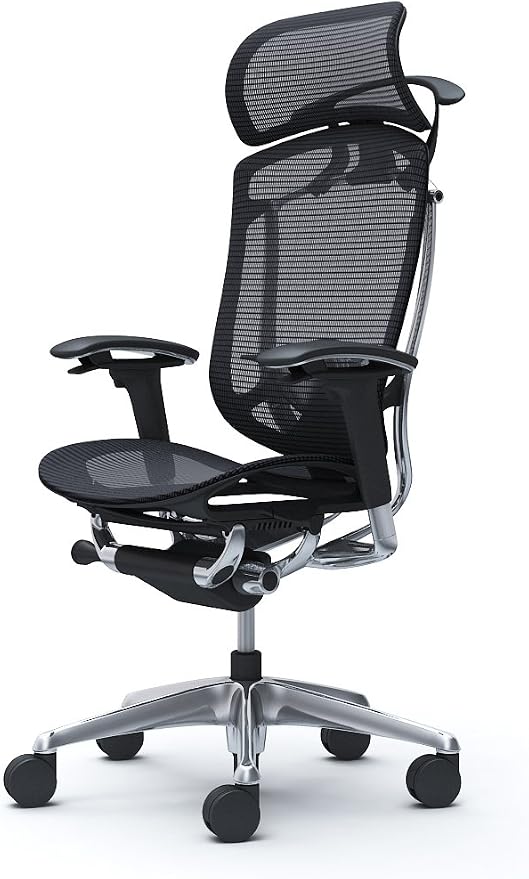
Okamura Contessa II — strengths & weaknesses
Strengths: Users transitioning from long-used chairs report dramatically improved blood circulation and a "refreshing feeling" after sitting in the Contessa II. Its lumbar support allows extended sitting without lower-back strain, and one reviewer specifically noted its suitability for women users. The armrest-mounted controls enable on-the-fly adjustments without leaving the seated position—a convenience advantage. Build quality reflects Okamura's reputation as a serious manufacturer, with multiple premium material options (mesh, fabric, leather) available.
Weaknesses: Reviewers consistently mention limited online review availability, making pre-purchase research difficult. One user switching from a problematic previous chair (T80) noted shoulder pain and lower-body pressure issues with their old setup, though the Contessa II appeared to solve these problems. Showroom testing revealed that some users found other chairs (like the Aeron) as uncomfortable as their existing setup, suggesting fit is highly individual. The chair's higher price and more limited North American availability may also pose barriers.
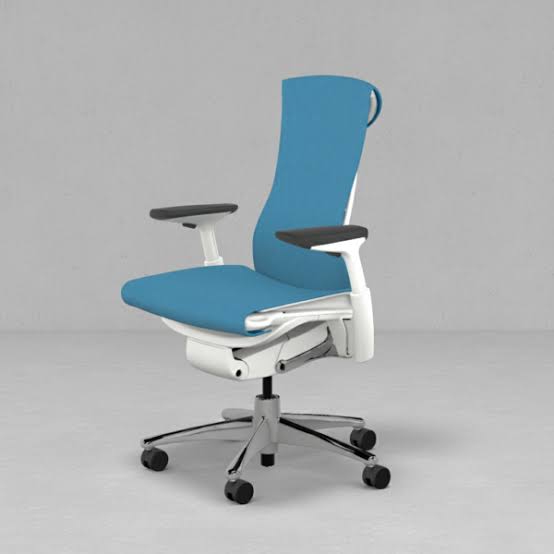
How they differ
Size and fit: The Contessa II accommodates taller users (up to 198 cm vs. 190 cm) and offers a deeper, wider seat (45 × 52 cm vs. 42 × 50 cm). It also supports more weight (150 kg vs. 136 kg) and provides a higher maximum seat height (55 cm vs. 52 cm). Shorter users or those preferring a more compact footprint will find the Embody better suited.
Out-of-box completeness: The Contessa II includes a headrest as standard; the Embody does not, though one reviewer called the Embody with an added headrest "god tier comfort." Reviewers note the Embody often benefits from aftermarket accessories, effectively increasing total cost.
Adjustment philosophy: The Embody emphasizes passive, dynamic support—its pixelated back automatically distributes pressure and encourages micro-movement. The Contessa II offers precision controls mounted on the armrests, allowing active, on-the-fly adjustments to backrest lock and height without standing.
Warranty and price: The Embody costs $340 less and includes two additional warranty years (12 vs. 10), though the practical value of extended warranties on chairs used beyond a decade is debatable.
Who should buy which
Choose the Herman Miller Embody if: You're between 160–190 cm tall and prioritize a chair that passively encourages posture correction through dynamic back support. You value the longer warranty and lower upfront cost, and you're comfortable researching and potentially purchasing aftermarket tweaks (headrest, armpad upgrades) to dial in your ideal setup. You've tested the chair in person and confirmed it suits your body—user reactions are polarized.
Choose the Okamura Contessa II if: You're taller (168–198 cm), need higher weight capacity, or want a headrest included from day one. You prefer precision manual adjustments accessible while seated, and you value the reports of improved circulation and enveloping lumbar support. You're willing to pay the premium for Japanese build quality and can access an authorized dealer for in-person trial, especially important given limited online feedback.
For petite users: The Embody's smaller dimensions and lower seat-height range make it the safer choice. For users over 185 cm: The Contessa II's extended height range and larger seat are better suited. For those requiring extensive customization: The Embody's active aftermarket ecosystem offers more modification options, though this adds cost and effort.
The verdict
Both chairs earn identical 3.8 ratings and deliver premium ergonomic performance, but they serve different buyers. The Herman Miller Embody wins on price, warranty length, and suitability for shorter users, but demands in-person testing due to polarized user reactions and may require add-ons to reach peak comfort. The Okamura Contessa II costs $340 more yet includes a headrest, fits taller bodies, and earns praise for superior circulation and intuitive seated controls—ideal for users who want completeness out of the box and can access a showroom. Neither is a safe blind buy at this price tier. Test both if possible; your body's response to the Embody's dynamic backfit versus the Contessa II's precision adjustability will make the decision clear.
Frequently asked
- Is the Herman Miller Embody better than the Okamura Contessa II for posture?
- Both chairs excel at posture support. The Embody naturally encourages good sitting position through its pixelated backfit system, while the Contessa II provides excellent lumbar support and better blood circulation according to user reviews. The Embody suits shorter users (160-190cm); the Contessa II fits taller users (168-198cm).
- Does the Okamura Contessa II include a headrest?
- Yes, the Contessa II includes a headrest as standard. The Embody does not have a headrest included, though reviewers note it becomes 'god tier comfort' when a headrest is added as an aftermarket purchase.
- Which chair is better value: Embody or Contessa II?
- The Embody costs $1,700 with a 12-year warranty, while the Contessa II costs $2,040 with a 10-year warranty. The Embody may require aftermarket accessories to optimize comfort, potentially adding cost. The Contessa II includes a headrest and fits a wider range of body sizes out of the box.
Specs, reviews & details
Specs, reviews & details