Herman Miller Embody vs Steelcase Gesture: Which Should You Buy?
Two $1,500+ ergonomic flagships battle for your workspace
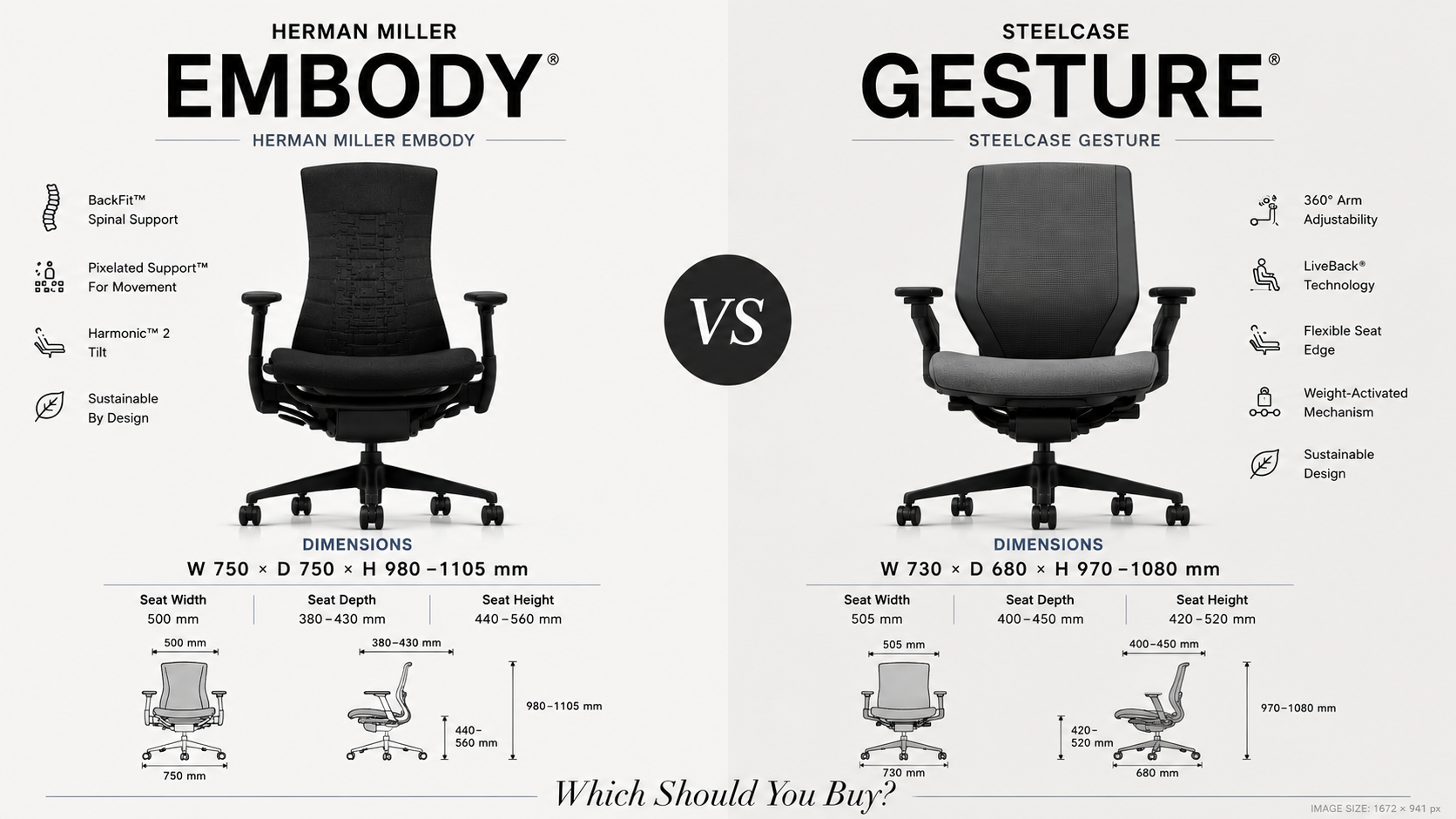
Specs, reviews & details
Specs, reviews & details
Intro
The Herman Miller Embody and Steelcase Gesture represent two approaches to premium ergonomic seating, both priced above $1,400 and backed by 12-year warranties. The Embody's segmented Backfit matrix targets spine flexibility and micro-movement, while the Gesture's core interface and 360-degree arms adapt to multi-device workflows. Both chairs earn identical 3.8-star ratings from 12 reviews, but user experiences diverge sharply on comfort philosophy, armrest usability, and long-term durability.
At a glance
Spec | Herman Miller Embody | Steelcase Gesture |
|---|---|---|
Price | $1,700 | $1,499 |
Category | Office | Office |
Armrest type | 4D | 4D |
Headrest | No | No |
Lumbar support | Yes | Yes |
Recline range | 130° | 125° |
Seat depth | 42 cm | 43 cm |
Seat width | 50 cm | 51 cm |
Backrest height | 55 cm | 58 cm |
Seat height range | 39–52 cm | 40–57 cm |
Weight capacity | 136 kg | 159 kg |
Recommended height | 160–190 cm | 165–195 cm |
Chair weight | 24 kg | 19 kg |
Warranty | 12 years | 12 years |
Aggregate rating | 3.8 / 5 (12 reviews) | 3.8 / 5 (12 reviews) |
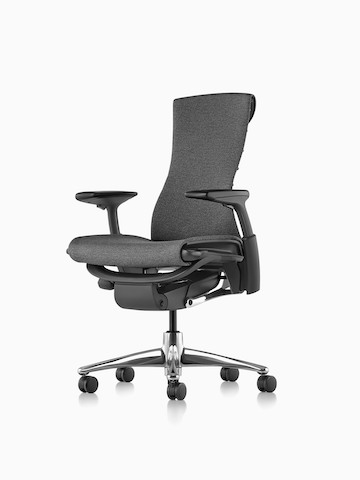
Herman Miller Embody — strengths & weaknesses
Strengths: The Embody's pixelated back support earns consistent praise for encouraging good posture naturally and correcting issues from previous cheap chairs. Users report it helps prevent bad sitting positions without forcing rigidity. One three-year owner rated it 9.5/10, and a five-year review confirmed its continued top-tier ranking. Reviewers describe "god tier comfort" especially when a headrest is added, and appreciate its dual utility for office work and relaxation.
Weaknesses: The chair is "far from perfect out of the box," with multiple users noting it requires aftermarket upgrades to optimize comfort. The armrest adjustment mechanism is not intuitive, and the recline function can be difficult to adjust. Creaking during use is reported. One user returned the chair after finding it underwhelming in comfort, ergonomics, and value, citing awkward armrests and poor cushioning. Reviews emphasize the importance of trying it before purchasing, as experiences are mixed—some found it uncomfortable or even harmful to their back.
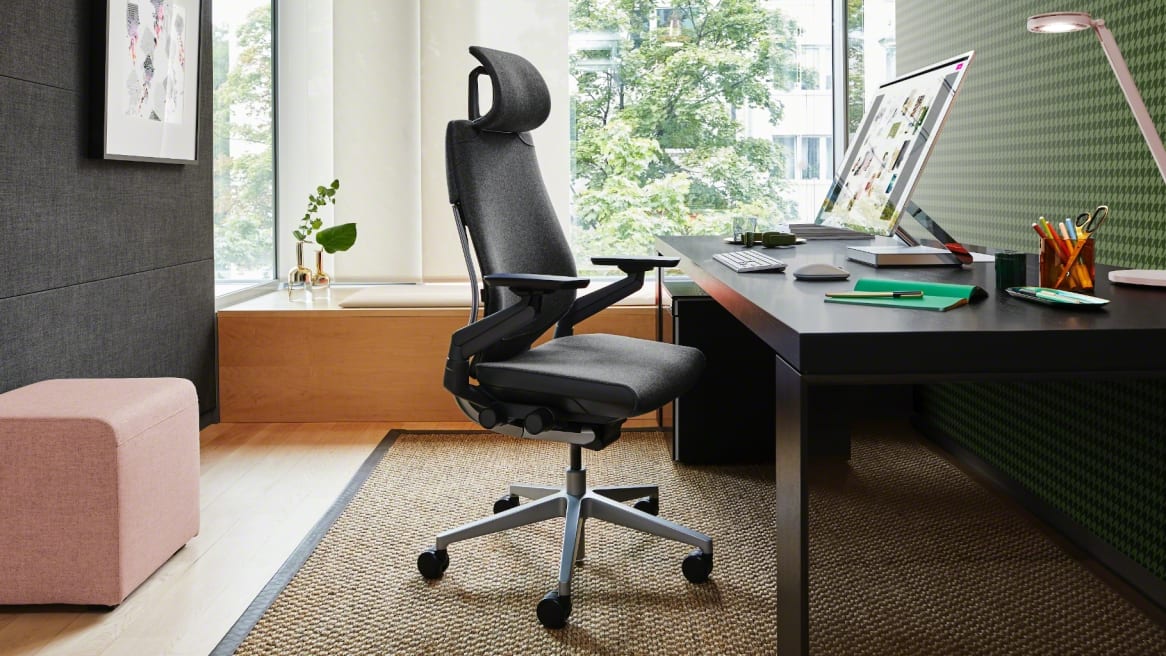
Steelcase Gesture — strengths & weaknesses
Strengths: The Gesture offers comprehensive adjustment options covering all major ergonomic parameters, verified by a certified ergonomics expert. Its 360-degree arms are a standout feature, praised for adapting to device use from keyboard to tablet. The narrower backrest allows shoulder and back freedom without a claustrophobic feeling, which one user with spinal stenosis found crucial after testing six chairs. Reviewers highlight its stylish design, pressure distribution, quiet wheels, and ability to support various sitting positions during extended work sessions.
Weaknesses: Long-term durability is a serious concern. One owner reported extreme buyer's regret after three years, stating all four purchased Gesture chairs experienced breakdown issues. Despite the high price, the chair "looks cheap and budget-like" according to one review. The auto-correction posture feel is not immediately comfortable—users describe the seat pushing them into an upright position, requiring an adjustment period to find optimal lumbar settings. Performance ratings and long-term comfort assessments are sparse in available reviews.
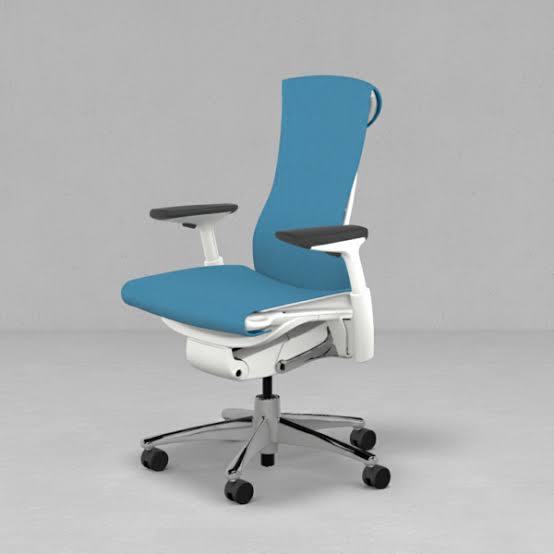
How they differ
Posture philosophy: The Embody encourages micro-movement and flexibility through its segmented back matrix, while the Gesture enforces upright posture with an auto-correction feel that some find less immediately comfortable.
Armrests: The Gesture's 360-degree arms receive strong praise for multi-device workflows. The Embody's armrest mechanism is criticized as not intuitive and awkward.
Dimensions and capacity: The Gesture accommodates taller and heavier users (up to 195 cm and 159 kg vs. 190 cm and 136 kg), with a slightly higher backrest (58 cm vs. 55 cm) and wider seat (51 cm vs. 50 cm).
Price and weight: The Gesture costs $201 less and weighs 5 kg less (19 kg vs. 24 kg), making it easier to move.
Durability signals: The Embody has documented five-year satisfaction reports. The Gesture has a troubling account of four units all failing within three years, though this is a single data point.
Out-of-box experience: Both require tuning, but the Embody is explicitly described as needing aftermarket upgrades by multiple reviewers, while Gesture complaints focus more on the adjustment learning curve.
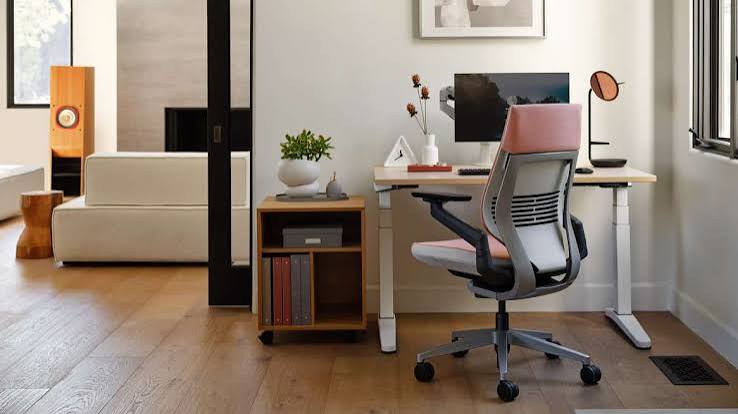
Who should buy which
Buy the Herman Miller Embody if: You prioritize spine flexibility and natural posture encouragement over forced correction. You're willing to invest time (and possibly money in accessories like a headrest) to dial in your perfect setup. You weigh under 136 kg and are between 160–190 cm tall. You value the documented five-year satisfaction track record and can test the chair before purchasing to ensure it suits your body.
Buy the Steelcase Gesture if: You switch frequently between keyboard, tablet, and other devices and need armrests that follow your movements. You're taller or heavier (up to 195 cm and 159 kg). You prefer a narrower backrest that frees your shoulders. You want to save $201 and don't mind a chair that enforces upright posture with an initial adjustment period. You can verify build quality on your specific unit, given the durability concern flagged in reviews.
The verdict
Both chairs share identical ratings and warranties, but they serve different users. The Embody is the choice for buyers who want flexibility-focused back support and are prepared to fine-tune (or accessorize) their way to perfection. The Gesture suits multi-device workers who need exceptional armrests and can tolerate a firmer posture correction approach. The Embody's five-year user satisfaction stands against the Gesture's troubling durability report, though one data point shouldn't condemn the entire line. At $201 less, the Gesture offers better value on paper—but only if your unit proves durable. If possible, test both in person; these are polarizing chairs where personal fit matters more than spec sheets suggest.
Frequently asked
- Which has better armrests, Embody or Gesture?
- Gesture's 360-degree arms are widely praised for following device use from keyboard to tablet, while Embody users find the armrest adjustment mechanism not intuitive and awkward.
- Do these chairs hold up long-term?
- Mixed durability reports. One Embody user praised it after 5 years, rating 9.5/10. However, one Gesture owner reported all four purchased units breaking down after 3 years, expressing extreme buyer's regret.
- Which chair is better for posture correction?
- Both encourage better posture. Embody naturally prevents bad sitting positions with its pixelated back support. Gesture has an auto-correction feel that pushes users upright, though it's not immediately comfortable.
Specs, reviews & details
Specs, reviews & details