Herman Miller Lino vs Autonomous ErgoChair Pro: Which Should You Buy?
Premium sustainability meets budget ergonomics at $795 vs $499
Specs, reviews & details
Specs, reviews & details
Introduction
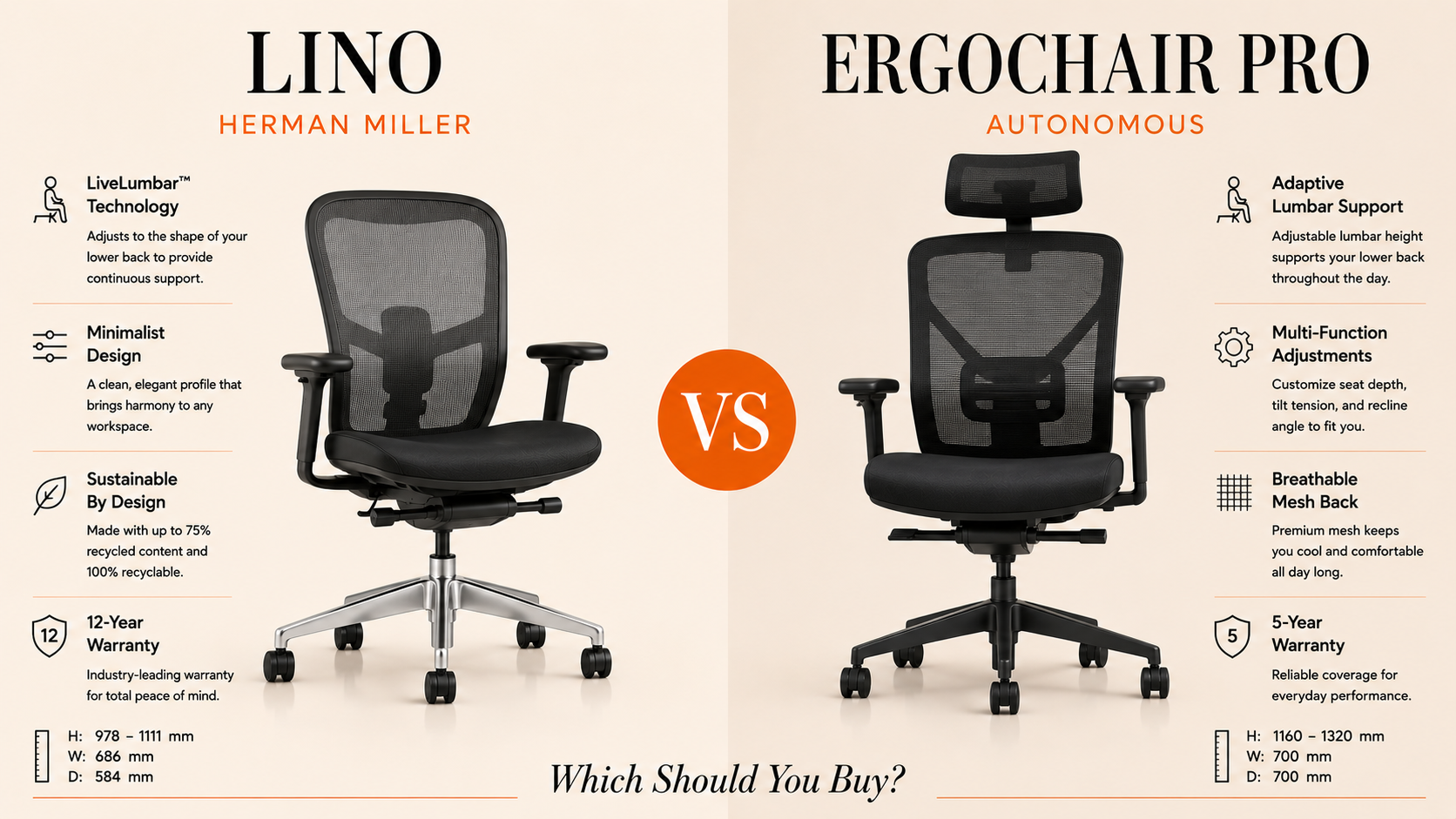
The Herman Miller Lino and Autonomous ErgoChair Pro occupy different tiers of the office chair market but compete for the same mid-level shopper. The Lino brings Herman Miller's reputation for durability and a 12-year warranty at $795, positioning itself as an accessible entry into the premium category. The ErgoChair Pro counters with a direct-to-consumer model at $499, promising extensive adjustability and mesh ergonomics. Both chairs earn modest ratings—3.3 and 3.2 out of 5 respectively—suggesting real-world compromises in each camp.
At a glance
Spec | Herman Miller Lino | Autonomous ErgoChair Pro |
|---|---|---|
Price | $795 | $499 |
Category | Office | Office |
Armrests | 4D | 3D |
Headrest | Yes (optional) | No (per spec sheet; reviews mention adjustable headrest) |
Seat depth | 42 cm | 46 cm |
Seat width | 50 cm | 49 cm |
Weight capacity | 136 kg | 120 kg |
Warranty | 12 years | 3 years |
Aggregate rating | 3.3/5 (12 reviews) | 3.2/5 (12 reviews) |
Herman Miller Lino — strengths & weaknesses
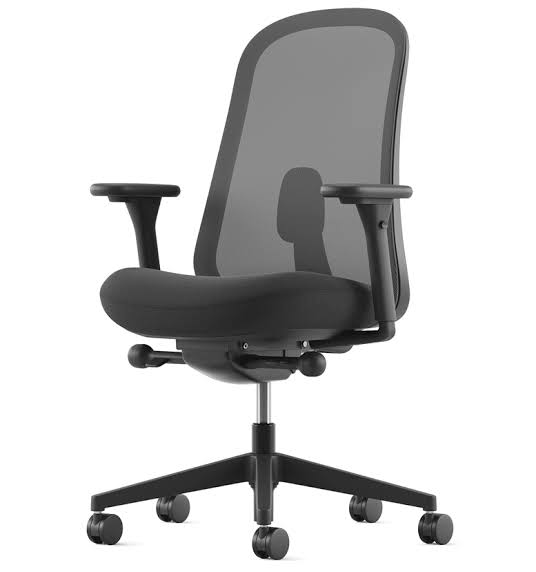
Strengths: Reviewers consistently praise Herman Miller's build quality and the 12-year warranty that ships with every Lino. The chair features a 2.5D suspension back designed for everyday comfort and is marketed as a sustainable option within the Herman Miller lineup. The 4D armrests and optional headrest provide flexibility, and the 136 kg weight capacity accommodates a broader range of users than the ErgoChair Pro.
Weaknesses: Multiple reviews question whether the Lino justifies its price premium, with one stating it "doesn't add much value for the cost" and another arguing Herman Miller chairs don't offer "proportionally better comfort, durability, or features" relative to their price. The 3.3 rating suggests design flaws or compromises, and reviewers emphasize the need to test Herman Miller models in person due to significant differences between chairs in the range. Some review content appears promotional with limited user experience feedback.
Autonomous ErgoChair Pro — strengths & weaknesses
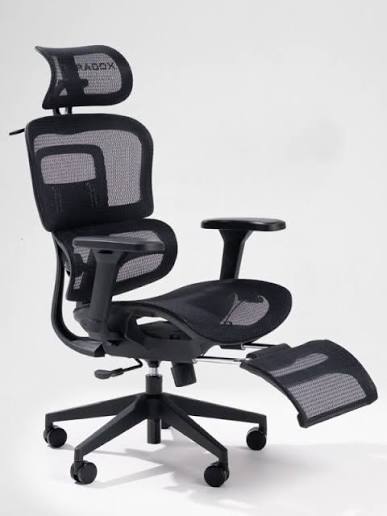
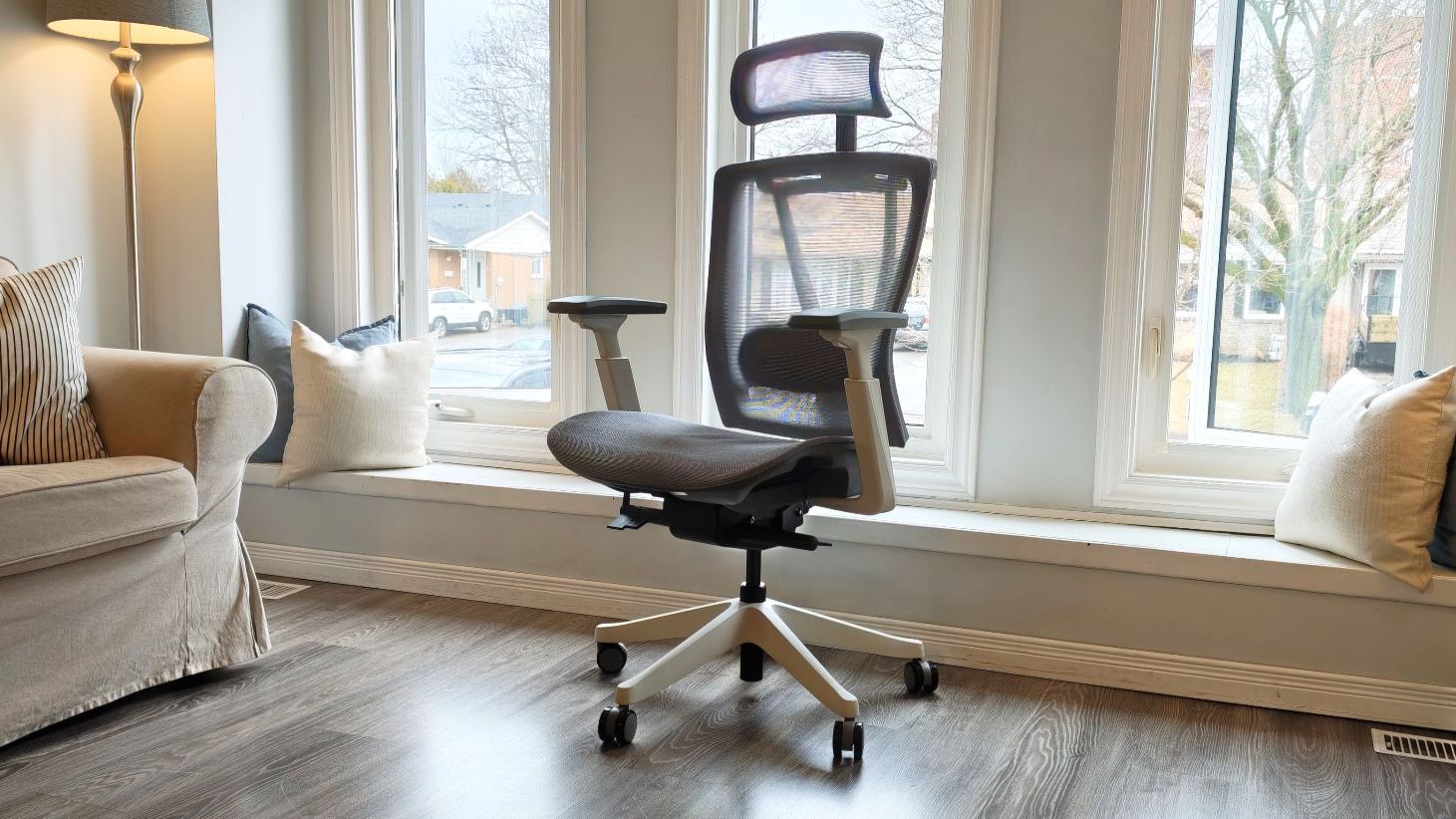
Strengths: At $499, the ErgoChair Pro is positioned as a popular mid-market option with extensive adjustability—seat depth, tilt, armrests, and a flexible lumbar support system. One long-term user reported excellent adjustability, a breathable mesh back, and solid durability for the price after a year of full-time home-office use. Assembly is straightforward (10-15 minutes) with clear instructions. The chair ships quickly with good packaging.
Weaknesses: Warranty enforcement is a critical concern: Autonomous does not honor warranties for products purchased from third-party dealers or resellers, offering only replacement parts for direct purchases. Quality issues surface in reviews, including back material failing twice and manufacturing problems with the ErgoChair Pro+ model. One user with severe back pain found the lumbar support inadequate in all positions. A decade-long Herman Miller Aeron owner testing the ErgoChair noted inferior mesh quality, initial pressure points, and unsuitability for larger users (the reviewer was 6'5", 260 lbs) due to a lower backrest and inadequate weight distribution. Armrest squeaking after nine months and minor seat sinking were also reported.
How they differ
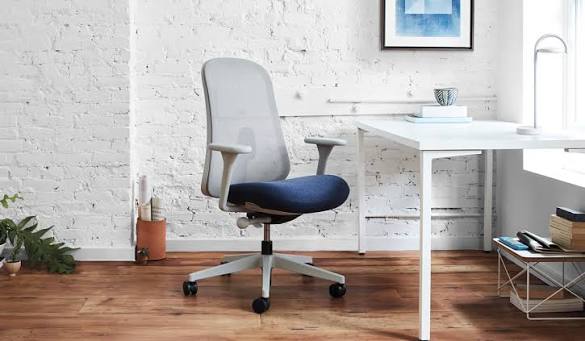
Price and warranty: The $296 gap buys you nine additional years of warranty coverage and Herman Miller's reputation. The Lino's 12-year guarantee dwarfs the ErgoChair Pro's three years—but only if you buy the Autonomous chair directly.
Adjustability: The Lino has 4D armrests versus the ErgoChair Pro's 3D. The ErgoChair Pro offers deeper seat depth (46 cm vs 42 cm), which may benefit taller users, though its lower backrest has been flagged as insufficient for larger frames.
Build and materials: Herman Miller emphasizes sustainable construction and a suspension back on the Lino. The ErgoChair Pro uses mesh and has drawn criticism for mesh quality and durability—one long-term Aeron user specifically noted the ErgoChair's mesh as inferior.
Weight capacity and fit: The Lino supports up to 136 kg; the ErgoChair Pro maxes out at 120 kg. Reviewers consistently flag the ErgoChair Pro as inadequate for larger or taller users, while the Lino accommodates users up to 190 cm in height versus the ErgoChair Pro's 185 cm recommendation.
Who should buy which
Buy the Herman Miller Lino if: You value long-term durability and warranty protection, want a chair from an established premium brand, or weigh more than 120 kg. The 12-year warranty and stronger build quality justify the investment if you plan to keep the chair for five or more years. It's also the safer choice if you prefer to buy from third-party retailers without voiding warranty coverage.
Buy the Autonomous ErgoChair Pro if: You're budget-conscious, will purchase directly from Autonomous to preserve warranty eligibility, and fall comfortably within the 120 kg weight limit and 185 cm height recommendation. The $499 price point makes sense if you value extensive adjustability at mid-market pricing and don't require premium mesh quality. Be prepared to navigate customer service for squeaky armrests or minor seat issues.
Consider alternatives if: Neither chair earns a strong rating (both hover around 3.2–3.3 out of 5). If lumbar support is critical for back pain relief, one ErgoChair Pro review explicitly warns it's insufficient. One reviewer suggests considering a refurbished Steelcase Leap V2 as an alternative in this price range.
The verdict
The Herman Miller Lino wins on build quality, warranty, and weight capacity—but struggles to justify its premium over competitors in its own reviews. The Autonomous ErgoChair Pro delivers adjustability and value at $499, yet quality concerns and warranty restrictions undermine confidence. If you're buying for the long haul and want peace of mind, the Lino's 12-year coverage tips the scale. If you're budget-constrained, can buy direct from Autonomous, and fit the chair's size envelope, the ErgoChair Pro is defensible—just keep expectations modest. Both chairs suggest the mid-market segment remains a compromise zone; shoppers seeking best-in-class ergonomics may need to look higher or consider the used premium market.
Frequently asked
- Is Herman Miller Lino better than Autonomous ErgoChair Pro?
- The Lino offers superior build quality and a 12-year warranty versus 3 years, but costs $296 more. Reviews rate the Lino 3.3/5 and ErgoChair Pro 3.2/5—both have compromises at their price points.
- Does the Autonomous ErgoChair Pro have good lumbar support?
- Review feedback is mixed. One user with severe back pain found the lumbar support insufficient in all positions, while another praised the adjustable lumbar system after a year of full-time use.
- What is the warranty difference between these chairs?
- Herman Miller Lino includes a 12-year warranty. Autonomous ErgoChair Pro has a 3-year warranty, but reviews warn it's only honored for direct purchases—not third-party or reseller buys.
Specs, reviews & details
Specs, reviews & details