Herman Miller Lino vs Steelcase Gesture: Which Should You Buy?
Accessible sustainability meets premium multi-posture design
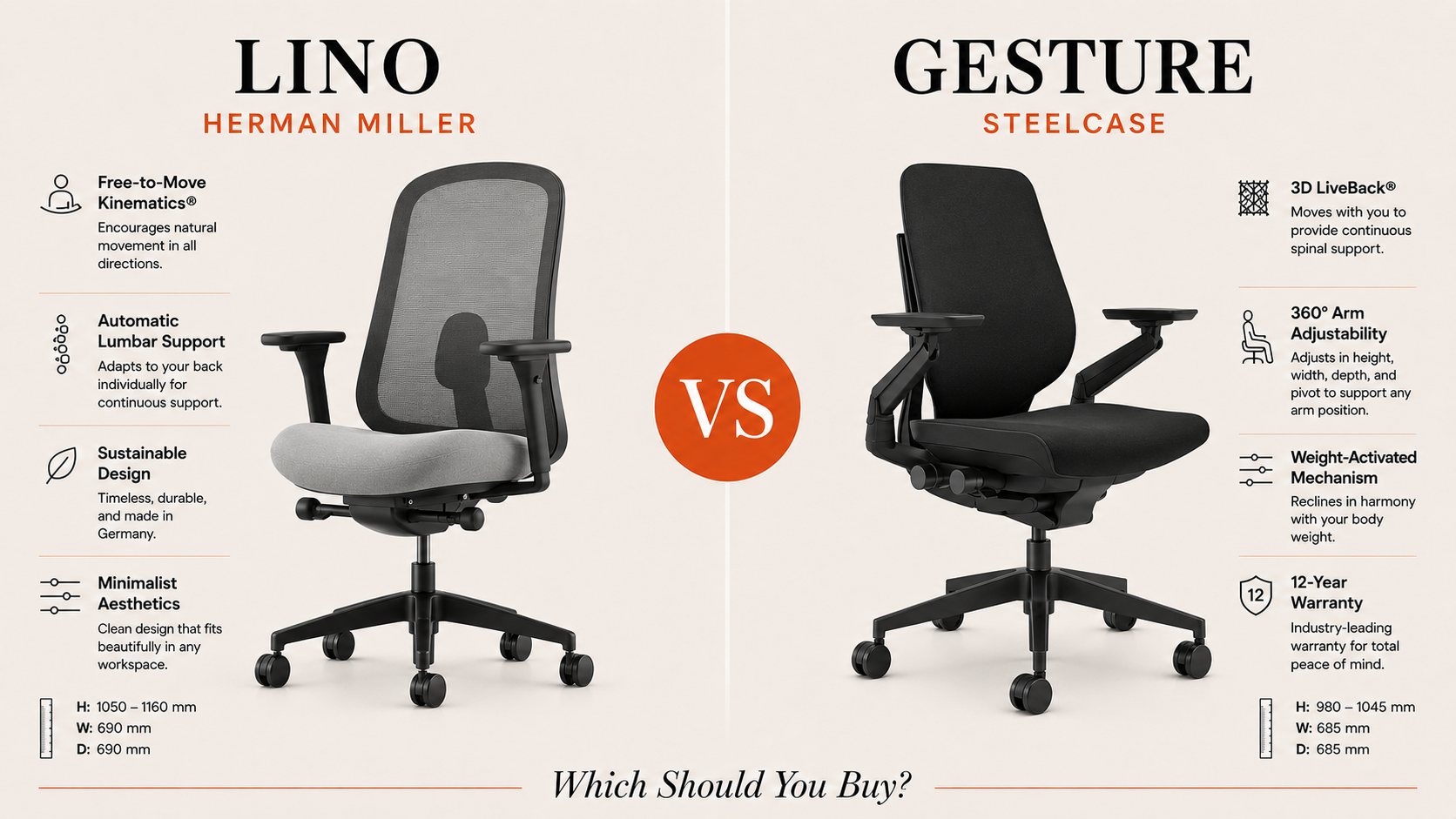
Specs, reviews & details
Specs, reviews & details
Introduction
The Herman Miller Lino and Steelcase Gesture represent two approaches to premium office seating. The Lino positions itself as an accessible entry into Herman Miller's lineup at $795, emphasizing sustainable materials and a 2.5D suspension back with optional headrest. The Gesture commands $1,499 and targets workers who shift between devices, with signature 360-degree arms and a core interface designed to mimic spinal movement. Both carry 12-year warranties, but their review performance and real-world user feedback reveal meaningful differences in value and longevity.
At a glance
Spec | Herman Miller Lino | Steelcase Gesture |
|---|---|---|
Price | $795 | $1,499 |
Aggregate rating | 3.3/5 (12 reviews) | 3.8/5 (12 reviews) |
Weight capacity | 136 kg | 159 kg |
Seat dimensions | 50 cm wide × 42 cm deep | 51 cm wide × 43 cm deep |
Seat height range | 39–52 cm | 40–57 cm |
Recommended user height | 160–190 cm | 165–195 cm |
Backrest height | 55 cm | 58 cm |
Headrest | Yes (optional) | No |
Armrests | 4D | 4D |
Recline range | 120° | 125° |
Lumbar support | Yes | Yes |
Warranty | 12 years | 12 years |
Chair weight | 22 kg | 19 kg |
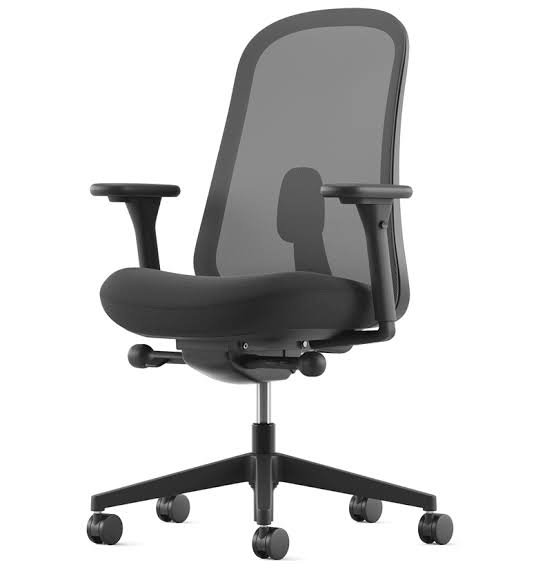
Herman Miller Lino — strengths & weaknesses
Strengths: Reviewers consistently praise Herman Miller's build quality across the brand's portfolio, and the Lino benefits from that reputation. The 12-year warranty provides long-term reassurance. The chair offers a wide range of models to suit different needs, and professional video presentations demonstrate its capabilities in detail. For buyers seeking Herman Miller engineering at a lower entry price, the Lino delivers that opportunity.
Weaknesses: The Lino's 3.3 rating reflects skepticism about value. Multiple reviewers question whether the premium price justifies the comfort and features delivered, with some stating it "doesn't add much value for the cost" and isn't "worth the premium price." Review content includes purely promotional material with no user experience feedback, and one reviewer notes that Herman Miller products "may have design flaws or compromises." Several comments emphasize the need to test each model in person due to significant differences, suggesting the Lino may not suit everyone despite the brand pedigree.
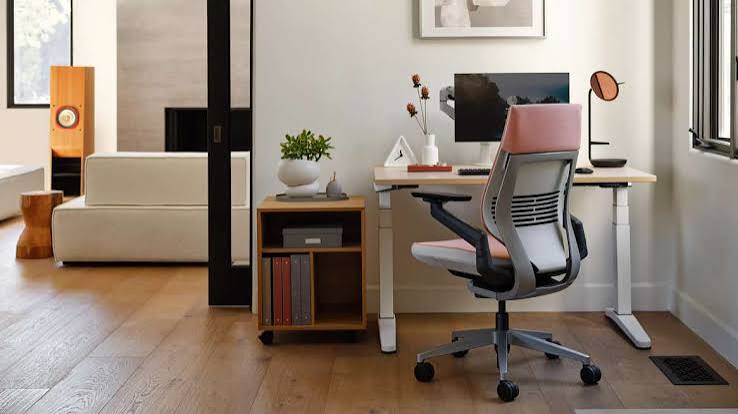
Steelcase Gesture — strengths & weaknesses
Strengths: The Gesture earned a 3.8 rating based on its comprehensive adjustment options covering all major ergonomic parameters. An independent professional ergonomics expert praised the chair's detailed tilt mechanism and armrest functionality. Users who need shoulder and back freedom appreciate the narrower backrest, which avoids a claustrophobic feeling. One reviewer with spinal stenosis and severe trapezius tension settled on the Gesture after trying six different chairs in two months, valuing its upright posture support. The chair performed well during early ownership periods and supports various sitting positions for extended work sessions.
Weaknesses: Long-term durability emerges as a serious concern. One buyer reported "extreme buyer's regret after 3-year ownership," noting that all four Gesture chairs purchased experienced breakdown issues and "poor long-term durability." Another reviewer described the chair as looking "cheap and budget-like despite high price point." Some users found the auto-correcting posture feature not immediately comfortable, with one stating the seat "feels like it pushes user into upright position" during the adjustment period. Review transcripts also lack specific performance ratings or comparative analysis in some cases.
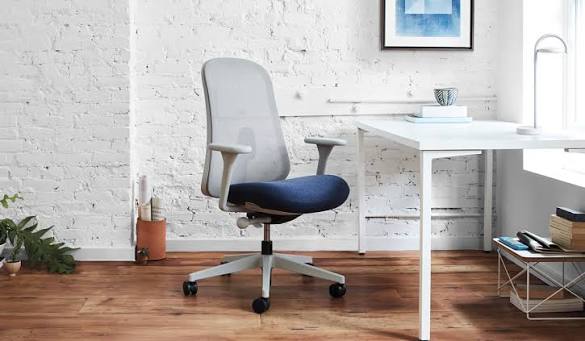
How they differ
The $704 price gap is the most obvious divide, but the chairs diverge in philosophy. The Lino emphasizes sustainability and accessible Herman Miller quality with an optional headrest, while the Gesture focuses on multi-posture flexibility for device-heavy workflows with its signature 360-degree arms—but no headrest option.
Sizing favors the Gesture for taller or heavier users. It accommodates up to 159 kg vs. 136 kg, offers a seat height up to 57 cm vs. 52 cm, and recommends users up to 195 cm vs. 190 cm. The Gesture's backrest is also 3 cm taller. The Lino weighs 3 kg more despite being smaller.
User feedback reveals contrasting arcs. The Lino inherits Herman Miller's build-quality reputation but faces "not worth the premium" criticism at $795. The Gesture scores higher initially (3.8 vs. 3.3) and wins praise from ergonomics professionals, yet multiple users report durability failures after three years—a troubling pattern at $1,499. The Lino's longevity track record isn't detailed in the reviews, but Herman Miller's brand warranty history provides some reassurance.
The Gesture's narrow backrest and posture-correcting design suit upright workers and those with specific back conditions, but the forced positioning isn't universally comfortable. The Lino's 2.5D suspension back takes a different approach, though reviews don't provide granular comfort comparisons.
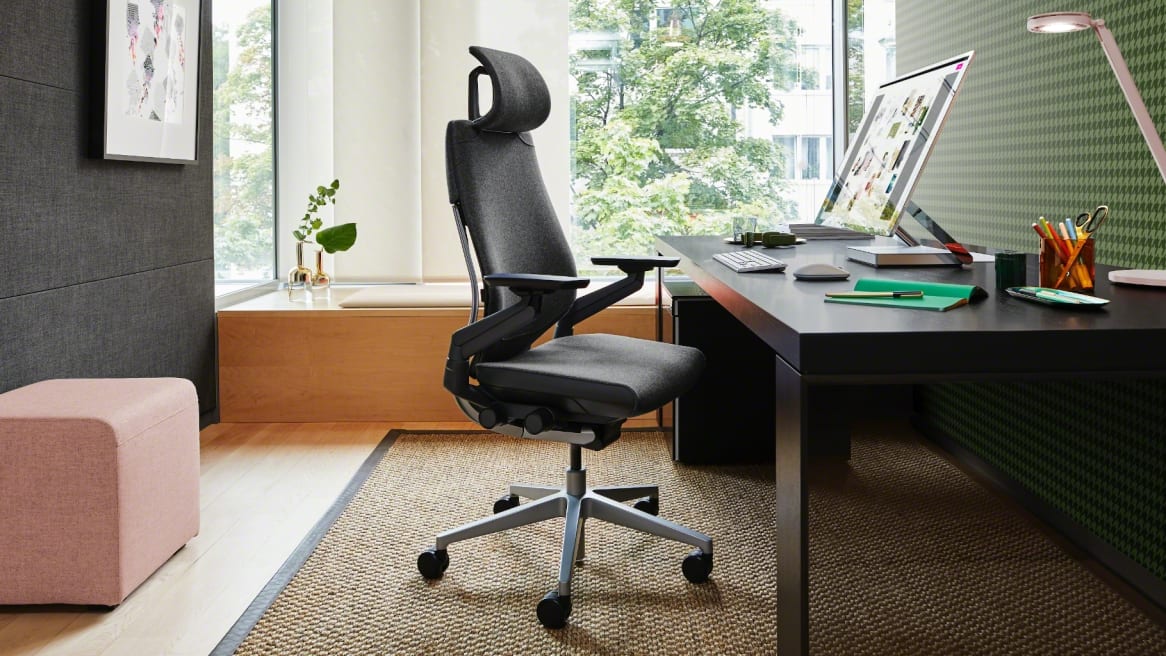
Who should buy which
Buy the Herman Miller Lino if: You want Herman Miller engineering and a 12-year warranty without crossing $1,000. You're between 160–190 cm tall and under 136 kg. You value the option of a headrest. You prioritize brand reputation for build quality and are willing to accept that the Lino may represent design compromises compared to flagship Herman Miller models. You can test the chair in person before committing, given feedback about needing to experience each model's distinct feel.
Buy the Steelcase Gesture if: You're a taller or heavier user (up to 195 cm, 159 kg) who needs the greater size range. You work across multiple devices and want armrests engineered for that workflow. You prefer an upright sitting posture and value the narrower backrest for shoulder freedom. You're willing to pay $1,499 and can accept the durability risk flagged by long-term users—or plan to exercise the warranty aggressively if issues arise within the 12-year coverage window.
Consider alternatives if: The Gesture's durability complaints at $1,499 concern you and you want more consistent long-term feedback, or if the Lino's middling 3.3 rating and "not worth the premium" critiques suggest neither chair hits the value-quality sweet spot you're seeking.
The verdict
The Herman Miller Lino offers a more cautious entry into premium seating at $795, backed by brand heritage but hampered by lukewarm reviews questioning its value proposition. The Steelcase Gesture delivers measurably more chair—greater size range, higher ratings, professional ergonomics validation—but its $1,499 price collides with credible reports of three-year breakdowns across multiple units.
For buyers who fit the Lino's smaller frame and want to minimize financial risk, it's the safer bet. For taller users or those with specific multi-posture needs, the Gesture's engineering advantages justify the premium—provided you're prepared to lean on that 12-year warranty if durability issues emerge. Neither chair is a slam-dunk, but both manufacturers stand behind their products long enough to matter.
Frequently asked
- Is Herman Miller Lino better than Steelcase Gesture?
- The Lino is more affordable at $795 and rated for excellent build quality, but the Gesture offers greater height range, weight capacity, and multi-posture flexibility at $1,499. The Lino scored 3.3/5; the Gesture 3.8/5.
- Which chair is better for tall users?
- The Steelcase Gesture accommodates users from 165–195 cm with a seat height range of 40–57 cm, while the Lino fits 160–190 cm with a 39–52 cm range. The Gesture also has a taller backrest at 58 cm vs 55 cm.
- Do both chairs have the same warranty?
- Yes, both the Herman Miller Lino and Steelcase Gesture include a 12-year warranty.
Specs, reviews & details
Specs, reviews & details