Herman Miller Mirra 2 vs Steelcase Gesture: Which Should You Buy?
Two premium mesh chairs with different strengths: breathability vs adaptive arms
Specs, reviews & details
Specs, reviews & details
Introduction
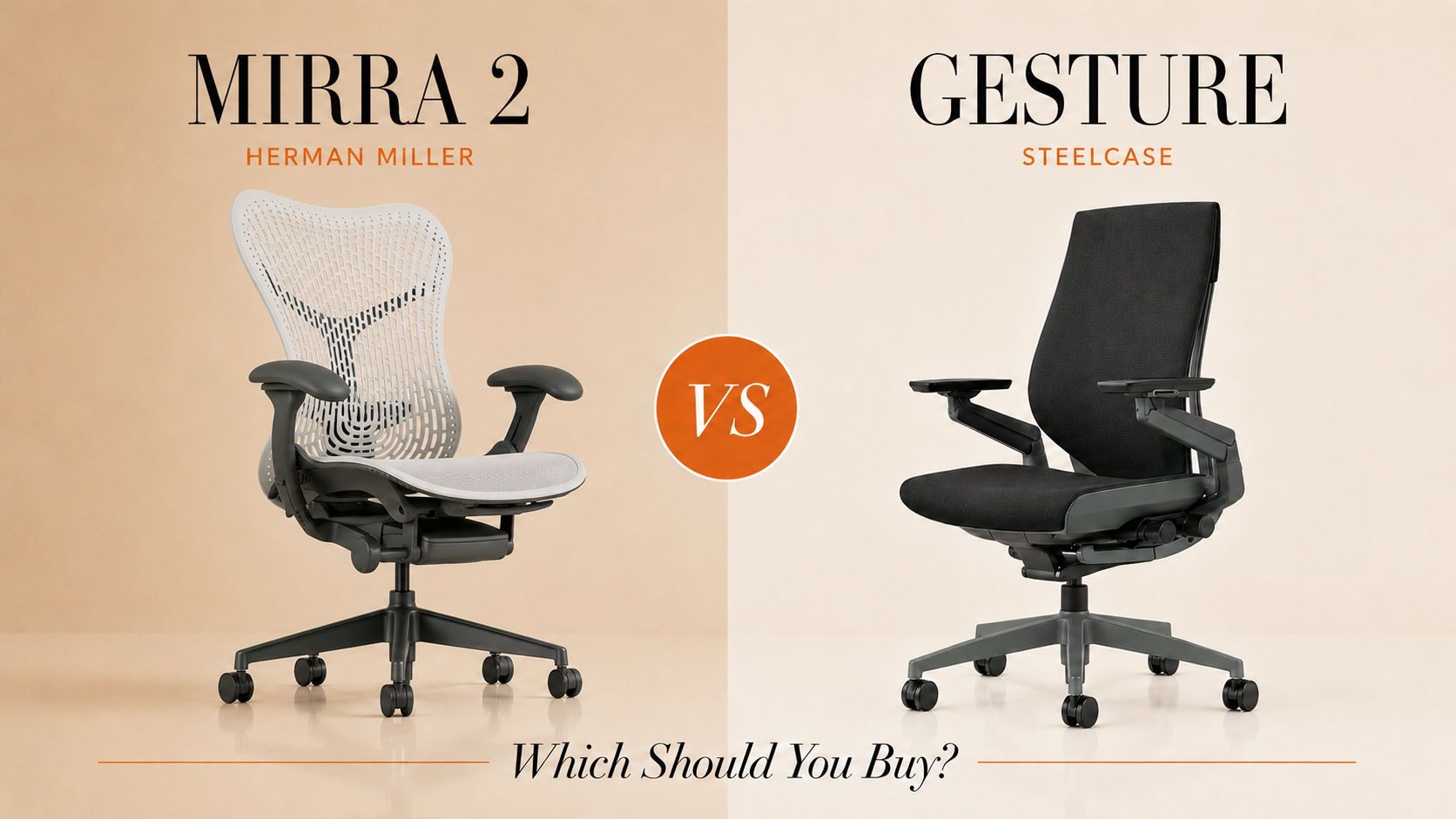
The Herman Miller Mirra 2 and Steelcase Gesture sit nearly side-by-side in price—$1,600 and $1,499 respectively—and both promise premium ergonomics with mesh comfort and extensive adjustability. The Mirra 2 leans on its TriFlex polymer back and AireWeave suspension for breathability, while the Gesture emphasizes 360-degree arms engineered for tablet-to-keyboard workflows. Owner ratings diverge more than specs do, making real-world durability and comfort the deciding factors.
At a glance
Spec | Herman Miller Mirra 2 | Steelcase Gesture |
|---|---|---|
Price | $1,600 | $1,499 |
Category | Office | Office |
Aggregate rating | 4.3 / 5 (12 reviews) | 3.8 / 5 (12 reviews) |
Armrest type | 4D | 4D (360-degree) |
Lumbar support | Adjustable | Adjustable |
Headrest | No | No |
Recline range | 125° | 125° |
Seat height range | 38–55 cm | 40–57 cm |
Weight capacity | 159 kg | 159 kg |
Recommended user height | 165–195 cm | 165–195 cm |
Warranty | 12 years | 12 years |
Chair weight | 19 kg | 19 kg |
Herman Miller Mirra 2 — strengths & weaknesses
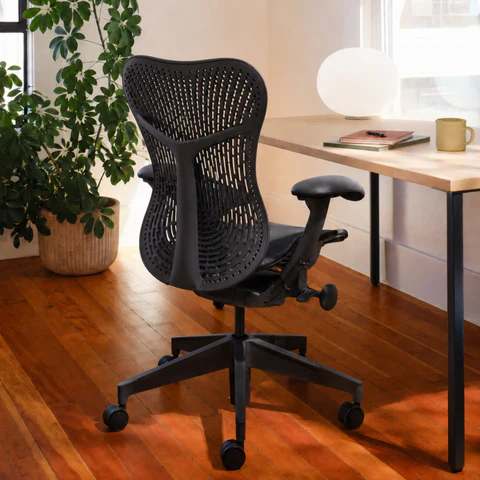
Strengths: Owners credit the Mirra 2 with resolving back pain caused by makeshift work-from-home setups, and long-term users—some after three years—still consider it worth the full price. One reviewer called it "possibly Herman Miller's best chair" after 11 months of daily use, praising its cool, breathable comfort for both desk work and gaming. The extensive customization options—adjustable lumbar, tilt limiter, color choices, and 4D arms—earn consistent praise. One tester noted it scored highest among four Herman Miller chairs despite being the lowest-priced option in that lineup.
Weaknesses: The Mirra 2 comes in only one seat size, unlike the Aeron's three, which several reviewers flagged as a limitation for taller or larger users. Hard edges on the seat pan were mentioned, and at least one comment warned that improper sizing can lead to posture issues. Price has also climbed: one three-year owner noted a 40 percent increase to $1,300 over that period, though current pricing is $1,600.
Steelcase Gesture — strengths & weaknesses
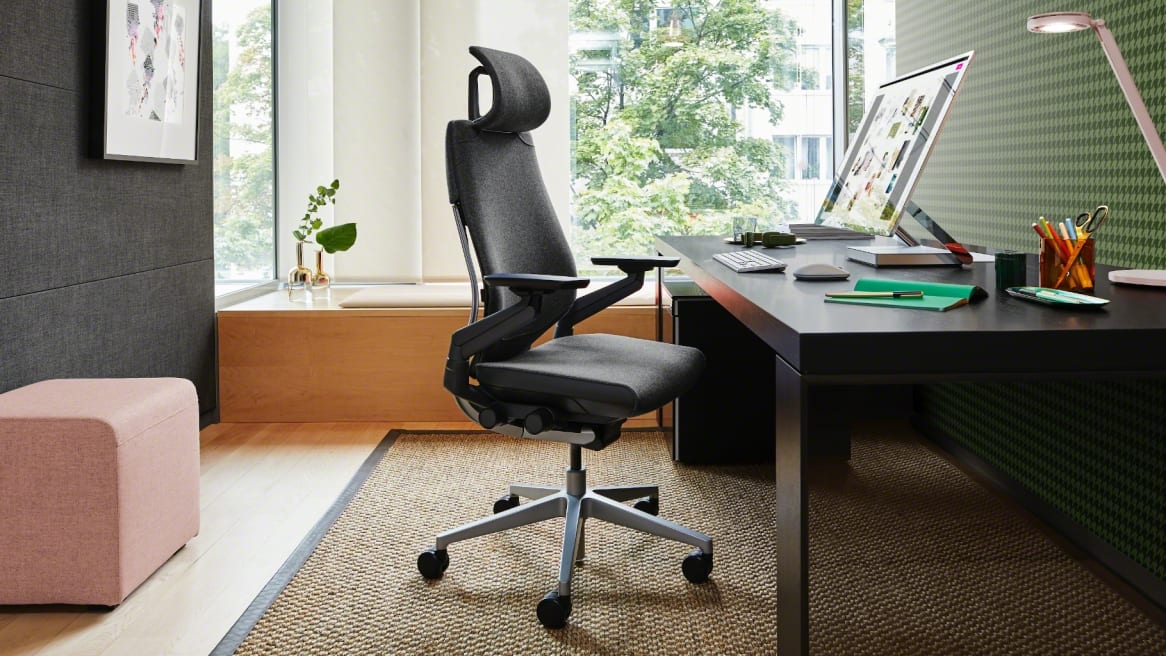
Strengths: The Gesture's hallmark feature is its 360-degree armrests, designed to follow users from keyboard to tablet work; one sponsored review called them "exceptional." A certified ergonomics expert provided detailed coverage of the chair's comprehensive adjustment mechanisms, including seat depth, lumbar support, and tilt. One owner with spinal stenosis appreciated the narrower backrest, which offered shoulder freedom without a claustrophobic feel. Another user switching from a gaming chair noted the Gesture's upright posture-correcting design, though the adjustment period wasn't immediately comfortable.
Weaknesses: Long-term durability is the Gesture's Achilles' heel. One buyer reported "extreme buyer's regret" after three years, stating that all four Gesture chairs they purchased experienced breakdown issues. Another owner echoed poor long-term durability with multiple units failing. Beyond mechanics, one reviewer felt the chair "looks cheap and budget-like despite high price point." The aggregate rating of 3.8 trails the Mirra 2's 4.3, and durability complaints appear across multiple reviews rather than isolated incidents.
How they differ
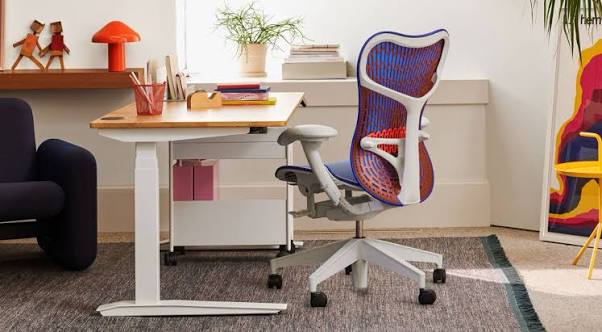
On paper, these chairs are nearly twins: same seat dimensions, weight capacity, recline range, warranty length, and even chair weight. The Gesture offers a slightly higher maximum seat height (57 cm vs 55 cm), which may matter at the margins for taller users.
The real split is qualitative. The Mirra 2's TriFlex back and AireWeave seat prioritize breathability and all-day comfort; owners consistently report cool, pain-free sitting even after years of heavy use. The Gesture doubles down on adaptive arms and a narrower backrest intended for multi-posture, multi-device workflows—great in theory, but owner satisfaction drops off sharply after the first year or two.
Durability separates them most starkly. Mirra 2 owners remain enthusiastic at the one-, two-, and three-year marks. Gesture owners report the opposite trajectory: strong initial impressions followed by mechanical failures and regret by year three. Both carry 12-year warranties, but the volume of Gesture breakdown reports is a red flag the Mirra 2 doesn't share.
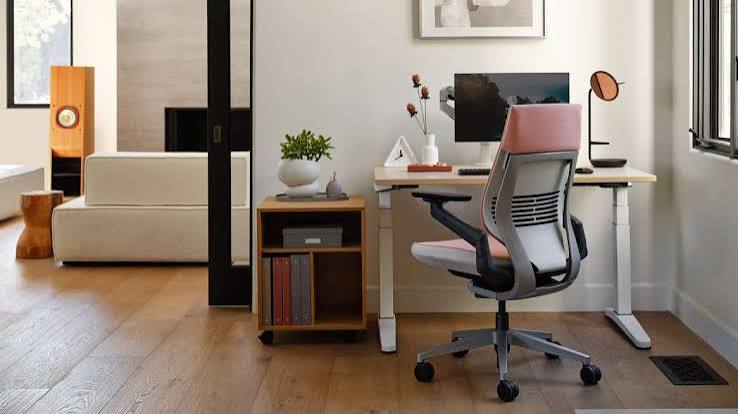
Who should buy which
Buy the Herman Miller Mirra 2 if: You want proven long-term comfort and durability, prioritize breathability during long work or gaming sessions, or have experienced back pain and need reliable lumbar support. The higher aggregate rating and consistent multi-year owner satisfaction make it the safer premium investment. It's also the choice if you value extensive customization and don't mind a single seat size.
Buy the Steelcase Gesture if: You work across multiple devices daily—keyboard, tablet, phone—and the 360-degree arms will see constant use. If you prefer a narrower backrest for shoulder freedom and need that specific ergonomic profile (especially with conditions like spinal stenosis), the Gesture may fit better. However, weigh the durability concerns seriously; this is a calculated risk rather than a confident recommendation.
Skip both if: You're taller than 195 cm or prefer multiple seat-size options; the Aeron remains Herman Miller's choice for that. If you're unwilling to gamble on long-term durability, the Gesture's track record argues for looking elsewhere in the Steelcase lineup or sticking with the Mirra 2.
The verdict
The Herman Miller Mirra 2 wins this matchup on the strength of real-world owner satisfaction and multi-year durability. Its half-point ratings advantage (4.3 vs 3.8) reflects consistent praise for breathability, comfort, and pain relief, with no pattern of breakdowns. The Steelcase Gesture's innovative arms and narrower backrest have merit, but multiple credible reports of three-year failures—across different units—undermine confidence in a $1,499 chair with a 12-year warranty. Unless the Gesture's specific arm design solves a workflow problem the Mirra 2 can't, the safer, better-reviewed choice is clear.
Frequently asked
- Is Herman Miller Mirra 2 better than Steelcase Gesture?
- The Mirra 2 has a higher aggregate rating (4.3 vs 3.8) and stronger long-term owner satisfaction, though the Gesture offers notable 360-degree arms designed for multi-device work.
- Which chair is more durable long-term?
- Owner reviews report the Mirra 2 performing well after 1-3 years of heavy use, while multiple Gesture owners reported durability issues and breakdowns after 3 years across multiple units.
- Do these chairs fit the same users?
- Yes, both recommend the same height range (165-195 cm) and share identical specs for seat depth (43 cm), width (51 cm), and weight capacity (159 kg). However, the Mirra 2 is only available in one seat size.
Specs, reviews & details
Specs, reviews & details