Herman Miller Sayl vs Steelcase Gesture: Which Should You Buy?
Budget ergonomics meets premium adjustability—two philosophies compared
Specs, reviews & details
Specs, reviews & details
Introduction
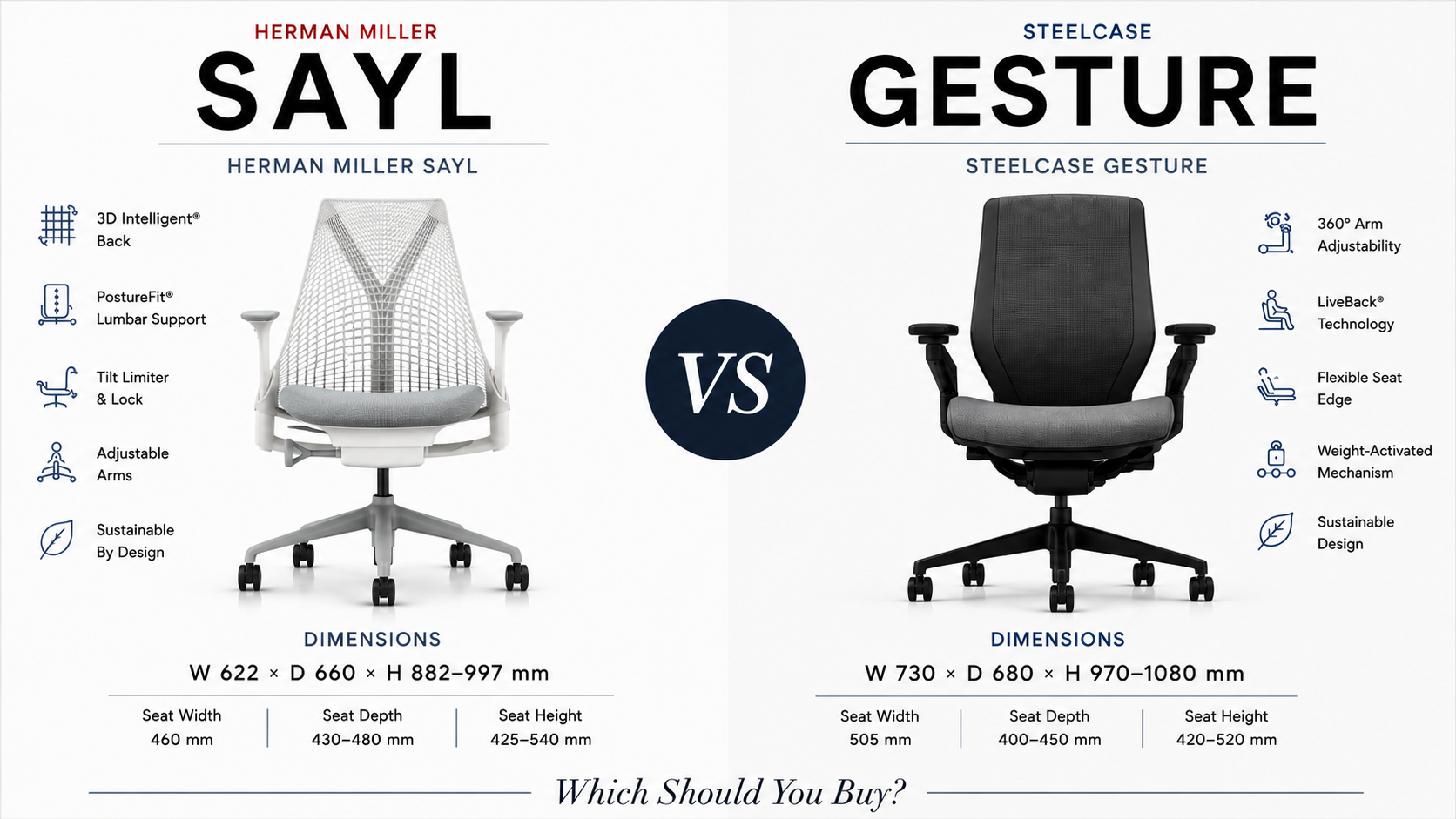
The Herman Miller Sayl and Steelcase Gesture represent two different philosophies in premium office seating. At $780, the Sayl is Herman Miller's value gateway—a compact, design-forward chair with Y-Tower suspension engineering. The $1,499 Gesture counters with Steelcase's most adjustable platform, built around 360-degree arms and a core interface that mimics spinal movement. Both carry 12-year warranties and 3.6–3.8 star ratings, but they target different body types and budgets. This comparison cuts through the marketing to show you which chair matches your frame, work style, and expectations.
At a glance
Spec | Herman Miller Sayl | Steelcase Gesture |
|---|---|---|
Price | $780 | $1,499 |
Category | Office | Office |
Armrests | 2D | 4D |
Seat height range | 42–52 cm | 40–57 cm |
Recline range | 120° | 125° |
Weight capacity | 120 kg | 159 kg |
Recommended height | 155–185 cm | 165–195 cm |
Backrest height | 52 cm | 58 cm |
Warranty | 12 years | 12 years |
Aggregate rating | 3.6 / 5 (12 reviews) | 3.8 / 5 (12 reviews) |
Herman Miller Sayl — strengths & weaknesses
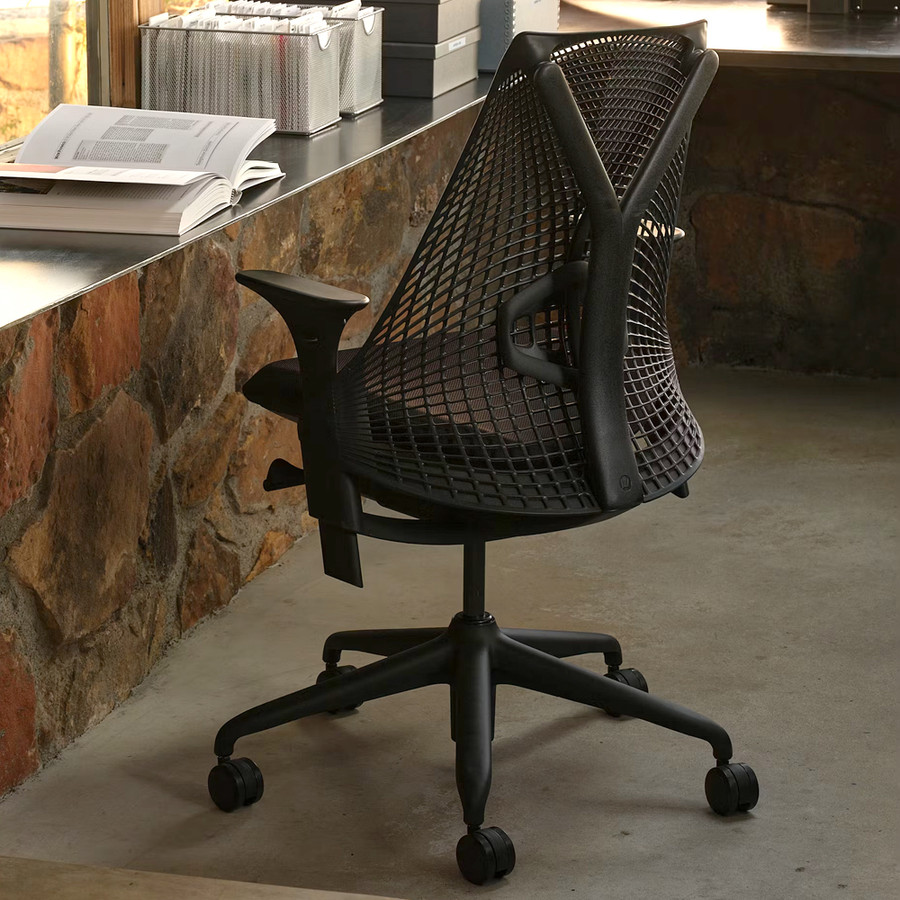
What reviewers praise: The Sayl earns consistent applause for ergonomics that flex with body movement, thanks to its Y-Tower suspension back. Users under 5'6" report exceptional all-day comfort, and one reviewer even preferred it over their Steelcase Gesture for daily use, citing excellent value when the fit is right. The design stands out as unique and original, and the chair offers fully adjustable options despite its accessible price point.
Where it falls short: Size is the deal-breaker. Multiple reviewers found the Sayl too small for larger frames, prompting switches to the Mirra or Aeron. The mostly plastic construction can be creaky, and some units have build quality issues—one review mentioned a seating cushion that wouldn't fix properly. Lead times stretch to 12 weeks for new orders, and aftermarket headrest installation may void the Herman Miller warranty under updated policies.
Steelcase Gesture — strengths & weaknesses
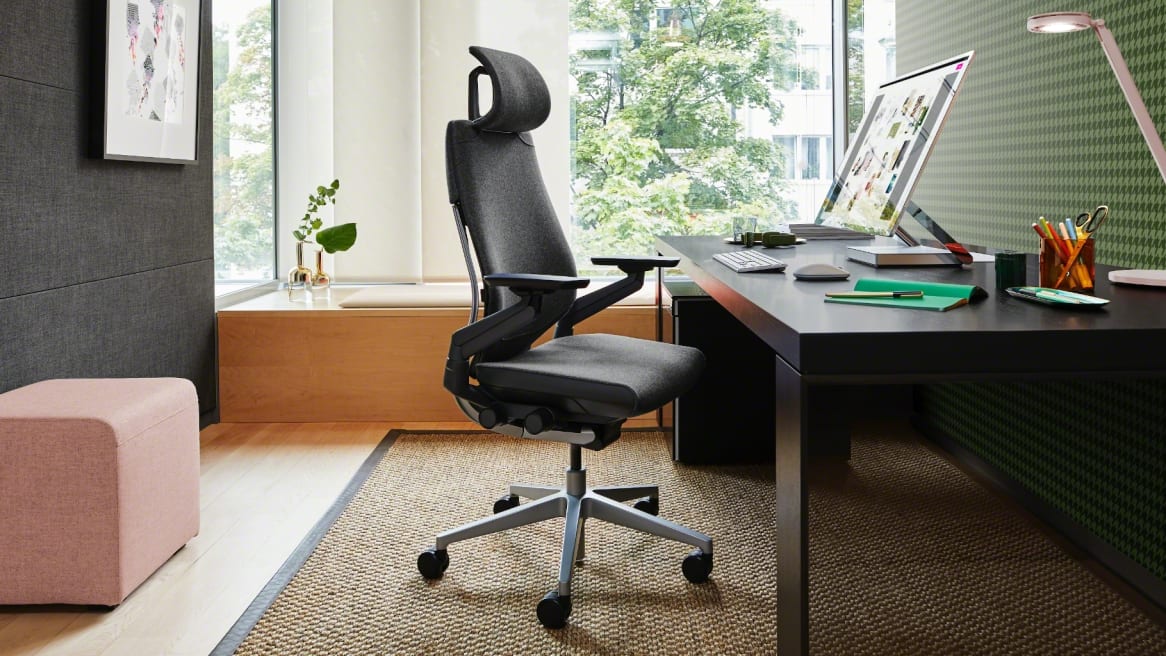
What reviewers praise: The Gesture delivers comprehensive adjustment across all major ergonomic parameters, with 4D armrests earning special mention. One reviewer with spinal stenosis and trapezius tension found relief in the narrow backrest design, which allows shoulder freedom without a claustrophobic feel. A certified ergonomics expert provided detailed independent review of the tilt mechanism and adjustment range. Users switching from gaming chairs report the Gesture forces better posture with an "auto-correction feel."
Where it falls short: Long-term durability emerges as a serious concern. One reviewer experienced failure across all four units purchased, leading to "extreme buyer's regret" after three years. Another noted the chair "looks cheap and budget-like despite high price point." While initial performance impressed users, the lack of lasting quality at $1,499 raises red flags. The upright, posture-correcting seat feel isn't immediately comfortable for everyone—one user was still adjusting to optimal lumbar settings after the switch.
How they differ
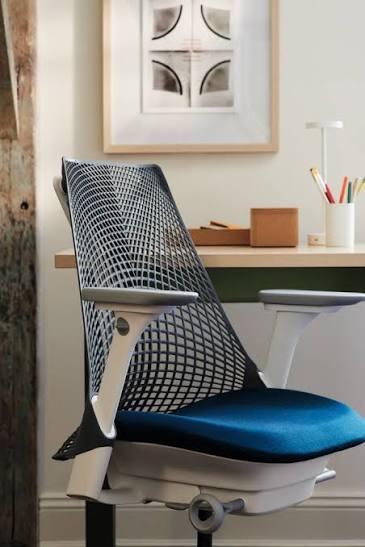
Size and fit: The Sayl accommodates users 155–185 cm with a 120 kg weight limit; the Gesture stretches to 195 cm and 159 kg. The Gesture's seat-height maximum reaches 57 cm versus the Sayl's 52 cm, and its backrest stands 6 cm taller. If you're over 5'10" or broad-shouldered, the Sayl will feel cramped.
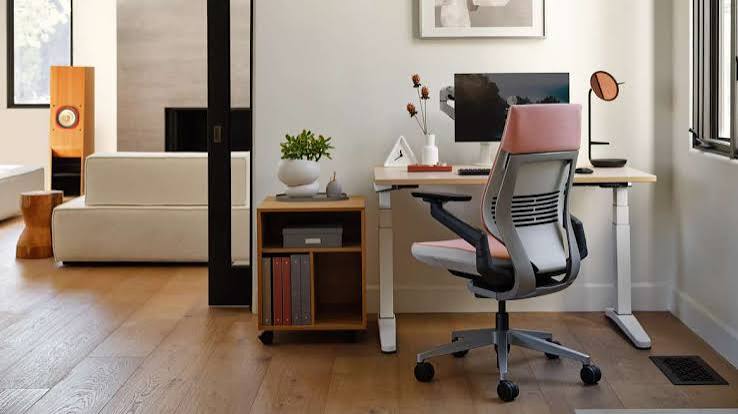
Adjustability: The Gesture's 4D armrests move in all directions to follow device use from keyboard to tablet—its signature feature. The Sayl counters with 2D arms (height and width). Both offer lumbar support, but the Gesture provides more granular control across tilt, depth, and posture parameters.
Build and materials: The Sayl's Y-Tower suspension reduces material use but relies heavily on plastic, leading to creaking. The Gesture uses more traditional construction but still draws criticism for looking "budget-like." Durability reports diverge sharply: the Sayl shows minor build quirks, while multiple Gesture units failed entirely after three years.
Price and value: The $719 gap is substantial. The Sayl delivers Herman Miller ergonomics at nearly half the cost, but only if you fit its frame. The Gesture charges a premium for adjustability and size range, yet its long-term durability issues undermine that investment.
Who should buy which
Choose the Herman Miller Sayl if:
You're between 5'1" and 6'1" (155–185 cm) and under 120 kg
You want Herman Miller design and ergonomics without the Aeron price tag
You prioritize flex and movement over maximum adjustability
You can tolerate occasional creaking and are comfortable with mostly plastic construction
You're willing to wait 12 weeks for delivery
Choose the Steelcase Gesture if:
You're taller than 5'5" (165 cm) or need the higher weight capacity (159 kg)
You work across multiple devices and need 360-degree armrest flexibility
You have specific spinal or posture needs that benefit from comprehensive adjustment
You prefer a narrow backrest that doesn't constrain shoulder movement
You're willing to gamble on durability despite concerning long-term reviews
The verdict
The Herman Miller Sayl wins on value and design elegance if you fit its smaller frame. It's the smarter buy for petite-to-average users who want premium ergonomics without premium spend. The Steelcase Gesture offers superior adjustability and accommodates larger bodies, but its $1,499 price tag comes with troubling durability reports that should give buyers pause. For taller or heavier users, the Gesture remains the only real option here—but consider extending the warranty or budgeting for a replacement within five years. For everyone else, the Sayl delivers 80% of the experience at half the cost, making it the better bet in this matchup.
Frequently asked
- Is the Steelcase Gesture worth twice the price of the Herman Miller Sayl?
- The Gesture offers 4D armrests, broader size accommodation (up to 195 cm vs 185 cm), and higher weight capacity (159 kg vs 120 kg), but durability concerns appear in long-term reviews. The Sayl delivers strong ergonomics at half the cost if you fit its smaller frame.
- Which chair is better for taller or larger users?
- The Steelcase Gesture accommodates users up to 195 cm tall and 159 kg, with a higher maximum seat height (57 cm vs 52 cm) and wider backrest. The Sayl is designed for users 155-185 cm and up to 120 kg, with reviewers confirming it works best for smaller frames under 5'6".
- Do both chairs have similar warranty coverage?
- Yes, both the Herman Miller Sayl and Steelcase Gesture come with 12-year warranties from their respective manufacturers.
Specs, reviews & details
Specs, reviews & details