Herman Miller x Logitech G Embody Gaming Chair vs Steelcase Gesture: Which Should You Buy?
Two premium ergonomic chairs with different priorities—and different problems
Specs, reviews & details
Specs, reviews & details
Introduction
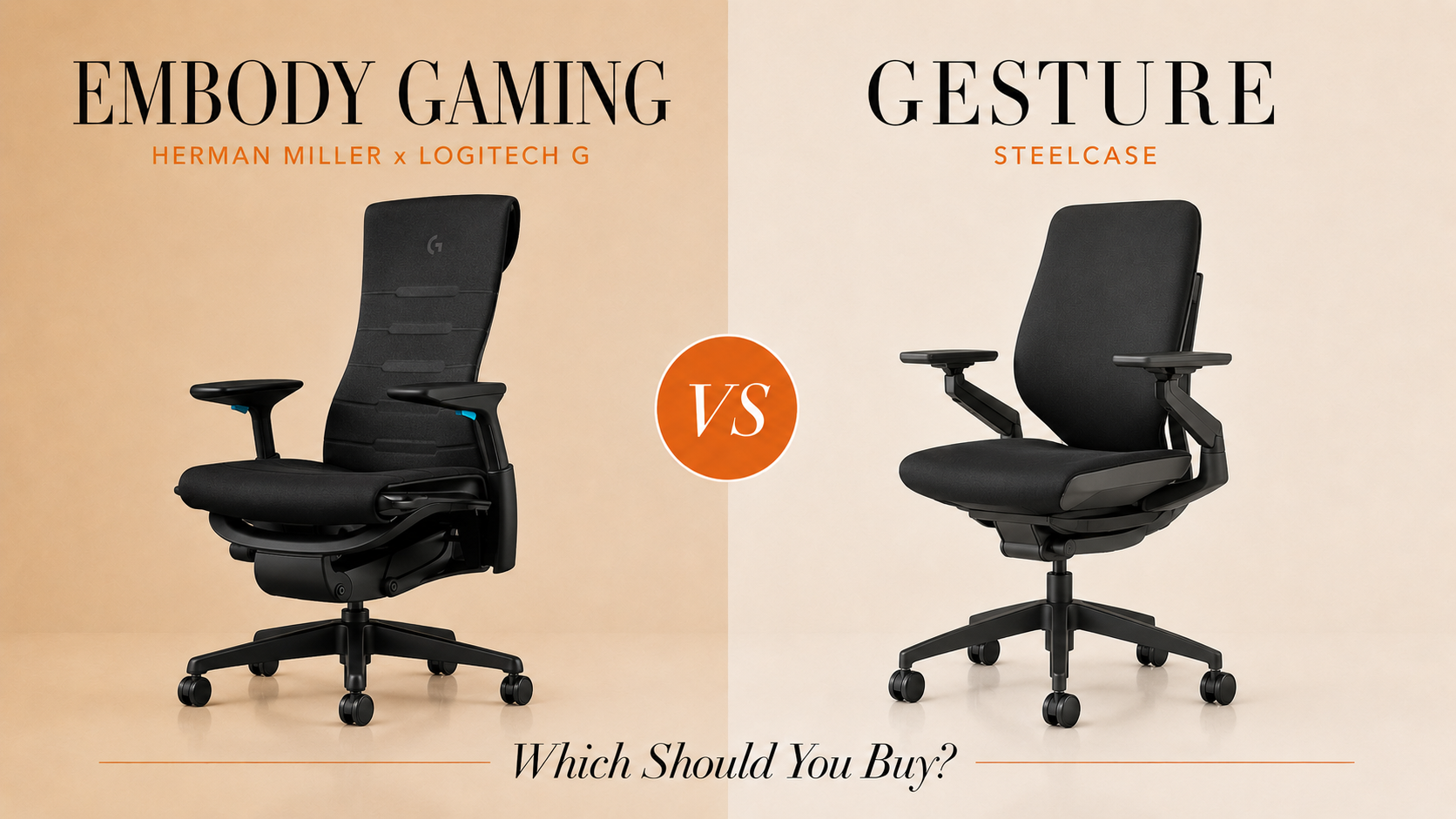
Both the Herman Miller x Logitech G Embody Gaming Chair and the Steelcase Gesture are premium ergonomic office chairs aimed at professionals who spend long hours at their desks. The Embody Gaming is a 2020 collaboration that re-tunes Herman Miller's iconic Embody with copper-infused cooling foam and gaming-focused tweaks, while the Gesture is Steelcase's flagship multi-posture chair with 360-degree arms designed to follow device use from keyboard to tablet. The Embody Gaming commands a $546 premium at $2,045 versus the Gesture's $1,499, and reviewers have strong—and mixed—opinions on both.
At a glance
Spec | Herman Miller x Logitech G Embody Gaming Chair | Steelcase Gesture |
|---|---|---|
Price | $2,045 | $1,499 |
Category | Office (ergonomic gaming) | Office |
Aggregate rating | 3.3/5 (12 reviews) | 3.8/5 (12 reviews) |
Seat width | 54 cm | 51 cm |
Seat depth | 50 cm | 43 cm |
Backrest height | 85 cm | 58 cm |
Armrests | 4D | 4D |
Headrest | Yes (extra $189) | No |
Recline range | 135° | 125° |
Lumbar support | Yes | Yes |
Weight capacity | 150 kg | 159 kg |
Chair weight | 32 kg | 19 kg |
Warranty | 12 years | 12 years |
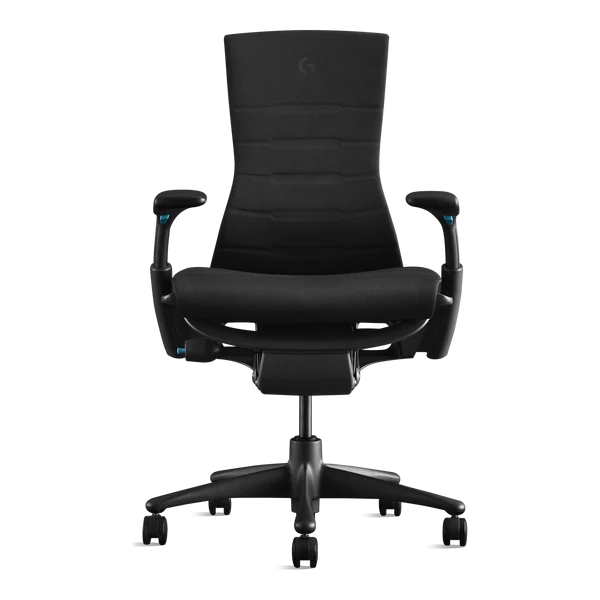
Herman Miller x Logitech G Embody Gaming Chair — strengths & weaknesses
Strengths: Reviewers consistently praise the Embody Gaming's excellent comfort and back support, backed by Herman Miller's century of seating research. One long-term tester who reviewed over 100 chairs in three years still considers it the best chair available. Users switching from gaming chairs like Secret Lab report it as a significant upgrade. The chair is built on the office Embody's proven ergonomic platform, not a racing-style bucket seat, and several users recovering from medical procedures reported positive comfort. An interesting discovery: the chair actually improves with use, with broken-in models feeling more comfortable than brand new ones.
Weaknesses: At $2,045, the price is a major barrier. The gaming version has limited color options, and the headrest costs an extra $189—it is not included. Some users report tailbone pain specific to the gaming version, and the seat cushioning may be too thin and firm for some body types. One user experienced a subtle bouncing sensation after five months. A one-month tester noted a stiffer backrest and some lumbar pain compared to the original Embody. The 3.3/5 rating reflects these mixed experiences.
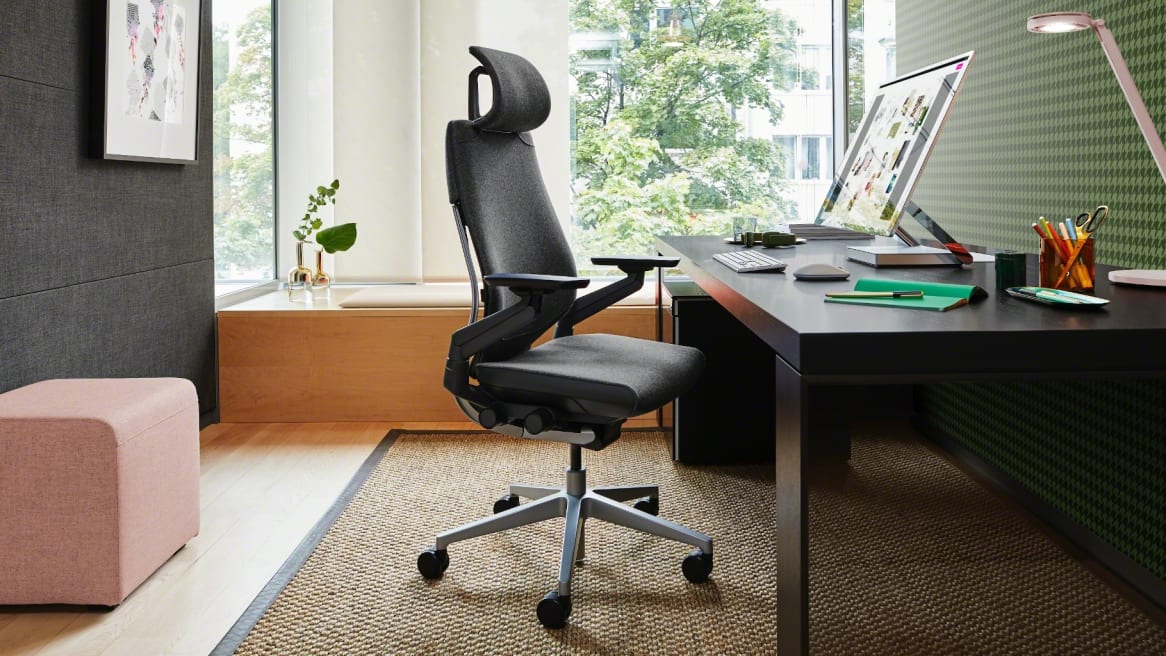
Steelcase Gesture — strengths & weaknesses
Strengths: The Gesture offers comprehensive adjustment options covering all major ergonomic parameters, independently verified by a certified ergonomics expert. Its 360-degree arms are designed to follow modern device use from keyboard to tablet. The narrower backrest (58 cm tall versus the Embody's 85 cm) provides shoulder and back freedom without a claustrophobic feeling, which appealed to a reviewer with spinal stenosis and severe trapezius tension. Users appreciate that it forces better posture with an "auto-correction feel," and it supports various sitting positions for long periods. Initially, purchasers were satisfied with performance.
Weaknesses: Long-term durability is a serious concern. One reviewer reported extreme buyer's regret after three years, noting that all four Gesture chairs purchased experienced breakdown issues. Despite the high price, some users say it looks cheap and budget-like. The forced upright posture is not immediately comfortable for everyone—one user noted the seat "pushes user into upright position" and required adjustment time. The lack of a headrest and shorter backrest may disappoint users seeking full spine support.
How they differ
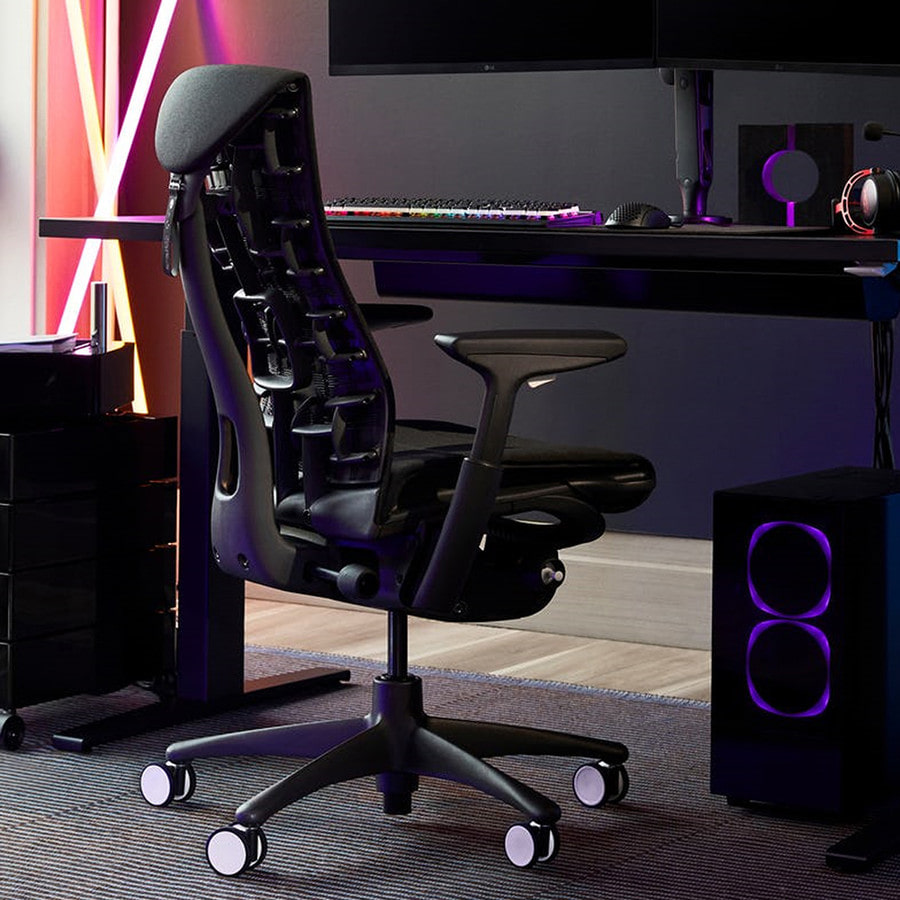
The Embody Gaming prioritizes deep ergonomic support with a taller backrest (85 cm vs 58 cm), wider seat (54 cm vs 51 cm), deeper seat pan (50 cm vs 43 cm), and greater recline (135° vs 125°). It weighs 32 kg—nearly double the Gesture's 19 kg—reflecting heavier-duty construction. The Embody's design is about cocooning the sitter in research-backed ergonomics, with copper-infused cooling foam and a tilt limiter for long sessions.
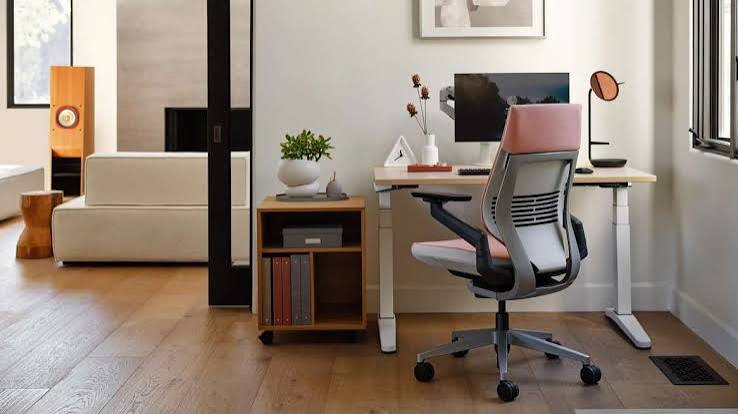
The Gesture is lighter, more compact, and designed around adaptability. Its signature feature is the 360-degree arms that follow multi-posture work, and its narrower backrest deliberately frees the shoulders. It costs $546 less and supports slightly more weight (159 kg vs 150 kg). Where the Embody aims for all-day cradling, the Gesture aims for all-day flexibility.
The trade-off: the Embody Gaming has a lower aggregate rating (3.3 vs 3.8) but is praised by serious enthusiasts willing to break it in. The Gesture scores higher but faces sharper criticism over long-term reliability, with multiple reports of units failing after three years despite the 12-year warranty.
Who should buy which
Buy the Herman Miller x Logitech G Embody Gaming Chair if: You prioritize back support above all, you're willing to invest in a break-in period, and you want the deepest recline and tallest backrest for long desk or gaming sessions. This chair suits users who've done their homework, understand it's not immediately plush, and value Herman Miller's ergonomic pedigree. Be prepared for the $2,045 price and budget another $189 if you want the headrest.
Buy the Steelcase Gesture if: You switch between keyboard, tablet, and phone work frequently and need arms that adapt on the fly. You prefer a chair that forces upright posture and offers shoulder freedom, and you want to save $546. The Gesture is better for users who don't recline deeply and don't need a tall backrest. However, ask hard questions about the warranty and replacement process given the durability reports.
Consider alternatives if: You want both deep ergonomics and proven long-term reliability without reported issues. Neither chair has a spotless track record in reviews, though both carry strong 12-year warranties.
The verdict
The Herman Miller x Logitech G Embody Gaming Chair is the more ambitious ergonomic design, with superior dimensions for all-day support and a loyal following among serious users—but it demands a higher price, a break-in period, and tolerance for firm seating. The Steelcase Gesture is the more versatile multi-posture tool at a lower price, with clever arms and a less intimidating learning curve—but long-term durability concerns and a less enveloping design may disappoint heavy users. If you sit still for 8–12 hours and need deep back support, the Embody Gaming edges ahead despite its quirks. If you move between tasks and devices constantly and prefer forced upright posture, the Gesture is the pragmatic pick. Neither is perfect; your decision hinges on whether you value depth of support or breadth of adaptability—and whether you're willing to trust each brand's 12-year warranty to cover the reported issues.
Frequently asked
- Which chair has better back support, the Herman Miller Embody Gaming or Steelcase Gesture?
- The Embody Gaming is praised for excellent back support and is built on Herman Miller's ergonomic research, though some users report tailbone pain. The Gesture's narrower backrest offers shoulder freedom and forces upright posture but has mixed comfort feedback.
- Does the Herman Miller x Logitech G Embody Gaming Chair come with a headrest?
- No. The Embody Gaming does not include a headrest; it costs an extra $189. The Steelcase Gesture also does not include a headrest.
- Which chair is more durable over the long term?
- Both chairs have 12-year warranties, but reviews raise concerns: some Embody Gaming users report subtle bouncing after five months, while multiple Gesture owners report all four purchased units breaking down after three years.
Specs, reviews & details
Specs, reviews & details