Humanscale Diffrient Smart vs Steelcase Gesture: Which Should You Buy?
Two $1,500 ergonomic chairs with identical specs but different philosophies
Specs, reviews & details
Specs, reviews & details
Introduction
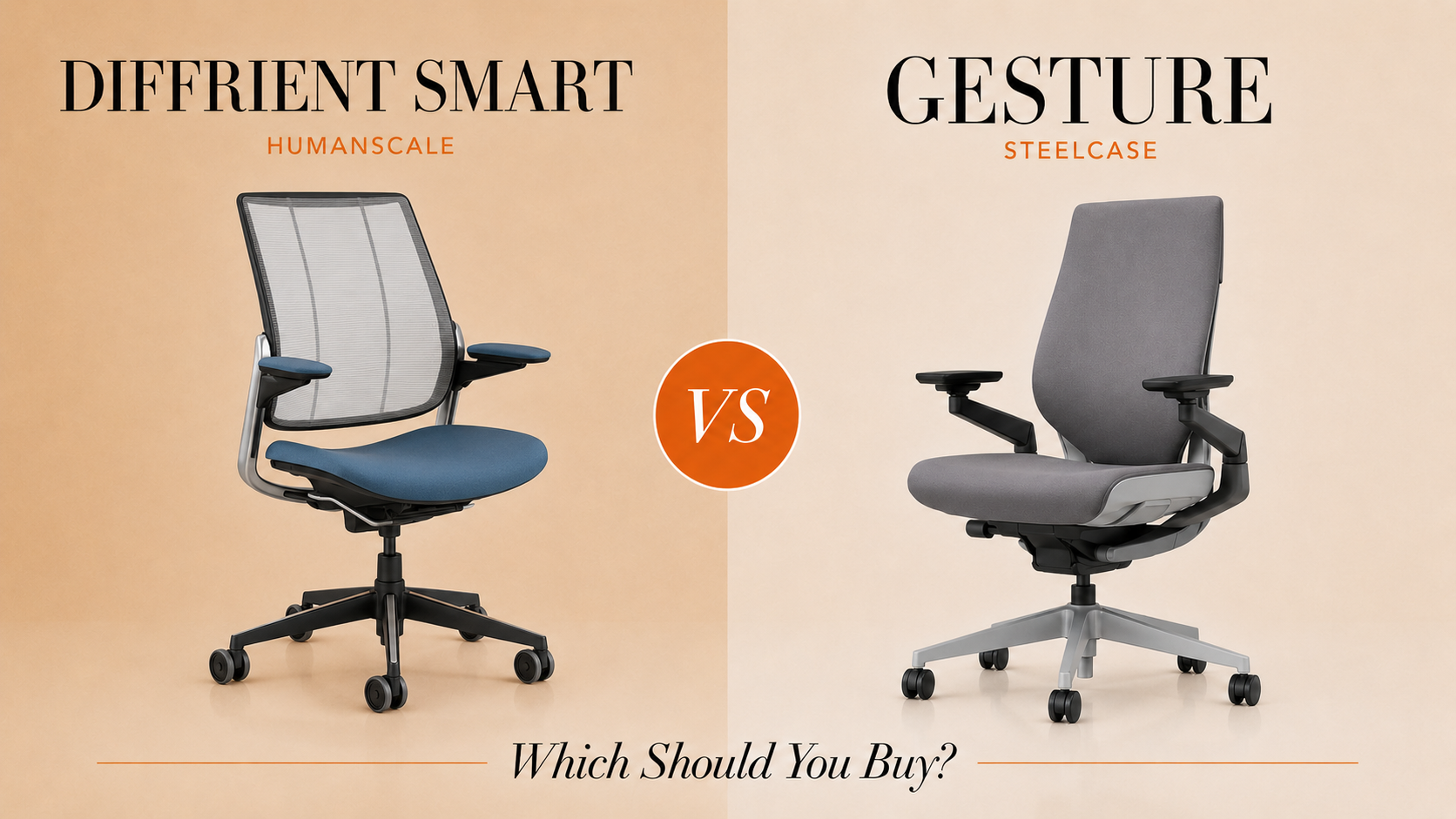
The Humanscale Diffrient Smart and Steelcase Gesture sit at nearly identical price points—$1,546 and $1,499 respectively—and share remarkably similar specs on paper. Both are premium office chairs with 12-year warranties, 4D armrests, and lumbar support. Yet their design philosophies diverge sharply: the Diffrient Smart automates ergonomics with weight-activated recline and Niels Diffrient's minimalist approach, while the Gesture emphasizes manual control and device-centric flexibility with 360-degree arms built for tablets and keyboards. The Gesture edges ahead with a 3.8 aggregate rating versus the Smart's 3.2, but both face real-world criticism worth examining.
At a glance
Spec | Humanscale Diffrient Smart | Steelcase Gesture |
|---|---|---|
Price | $1,546 | $1,499 |
Category | Office | Office |
Armrest Type | 4D | 4D (360-degree device-focused) |
Lumbar Support | Automatic | Yes |
Recline Range | 125 degrees | 125 degrees |
Seat Height Range | 40–57 cm | 40–57 cm |
Weight Capacity | 159 kg | 159 kg |
Warranty | 12 years | 12 years |
Aggregate Rating | 3.2 / 5 (12 reviews) | 3.8 / 5 (12 reviews) |
Humanscale Diffrient Smart — strengths & weaknesses
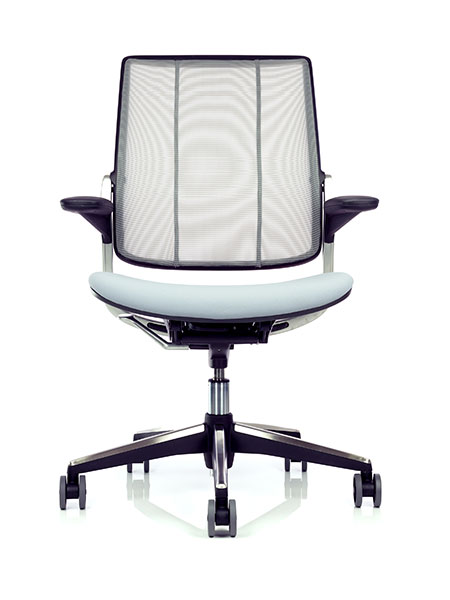
Strengths: The Diffrient Smart earns praise as one of the most comfortable mesh chairs tested in a comprehensive evaluation of 21 popular office chairs. Users consistently highlight that the back support feels great, and the chair ranked in A Tier for comfort in one review. Mesh construction appeals to those who prioritize breathability. The chair can be found at discounted prices from third-party distributors, with one reviewer noting $500–$800 deals that make the premium design more accessible.
Weaknesses: Seat depth emerges as the most consistent complaint. One user bluntly noted the seat is too shallow, causing legs to hang off the end—a critical flaw for taller users or those with longer thighs. Showroom testing revealed the World One felt better to at least one prospective buyer, suggesting the Smart may not be Humanscale's strongest offering for every body type. Availability is also problematic; the chair isn't available in stores for testing, forcing buyers to purchase sight-unseen. One user reported a broken gas cylinder stuck in the lowest position, requiring repair or replacement.
Steelcase Gesture — strengths & weaknesses
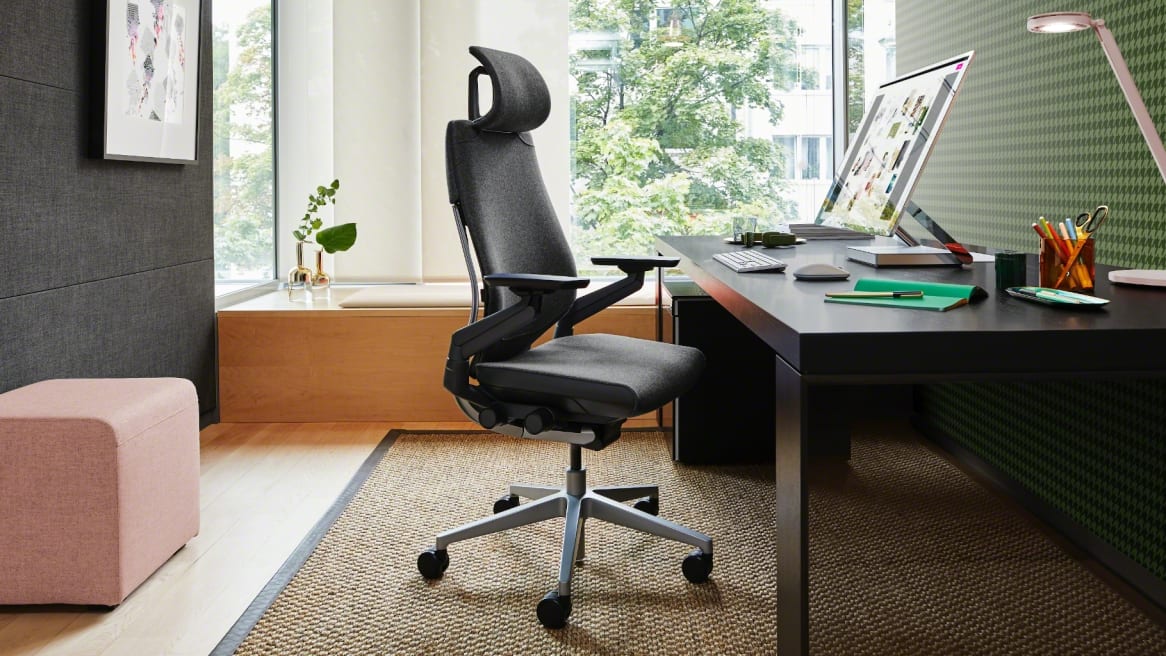
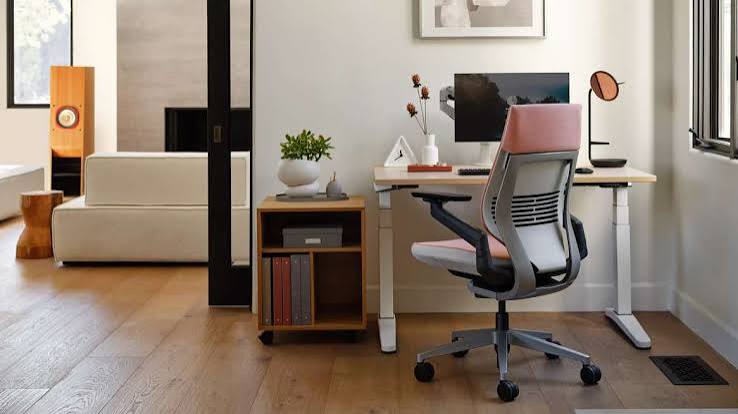
Strengths: The Gesture delivers comprehensive adjustment options covering all major ergonomic parameters, earning recognition from a certified ergonomics expert who provided detailed coverage of its tilt mechanism and armrest functionality. One user with spinal stenosis and severe trapezius tension found relief in the Gesture's narrow backrest, which allows shoulder and back freedom without a claustrophobic feeling. Several reviewers noted the chair performed well initially and appreciated its ability to support various sitting positions during long work sessions. The signature 360-degree arms accommodate device use from keyboard to tablet.
Weaknesses: Long-term durability raises serious red flags. One user reported extreme buyer's regret after 3 years, noting all four purchased Gesture chairs experienced breakdown issues—a stunning failure rate for a $1,500 product. Another reviewer criticized the chair's appearance, saying it looks cheap and budget-like despite the high price point. Some users noted the Gesture doesn't feel immediately comfortable, instead forcing better posture with an "auto-correction feel" that requires an adjustment period. The seat feels like it pushes users into an upright position, which may not suit everyone.
How they differ
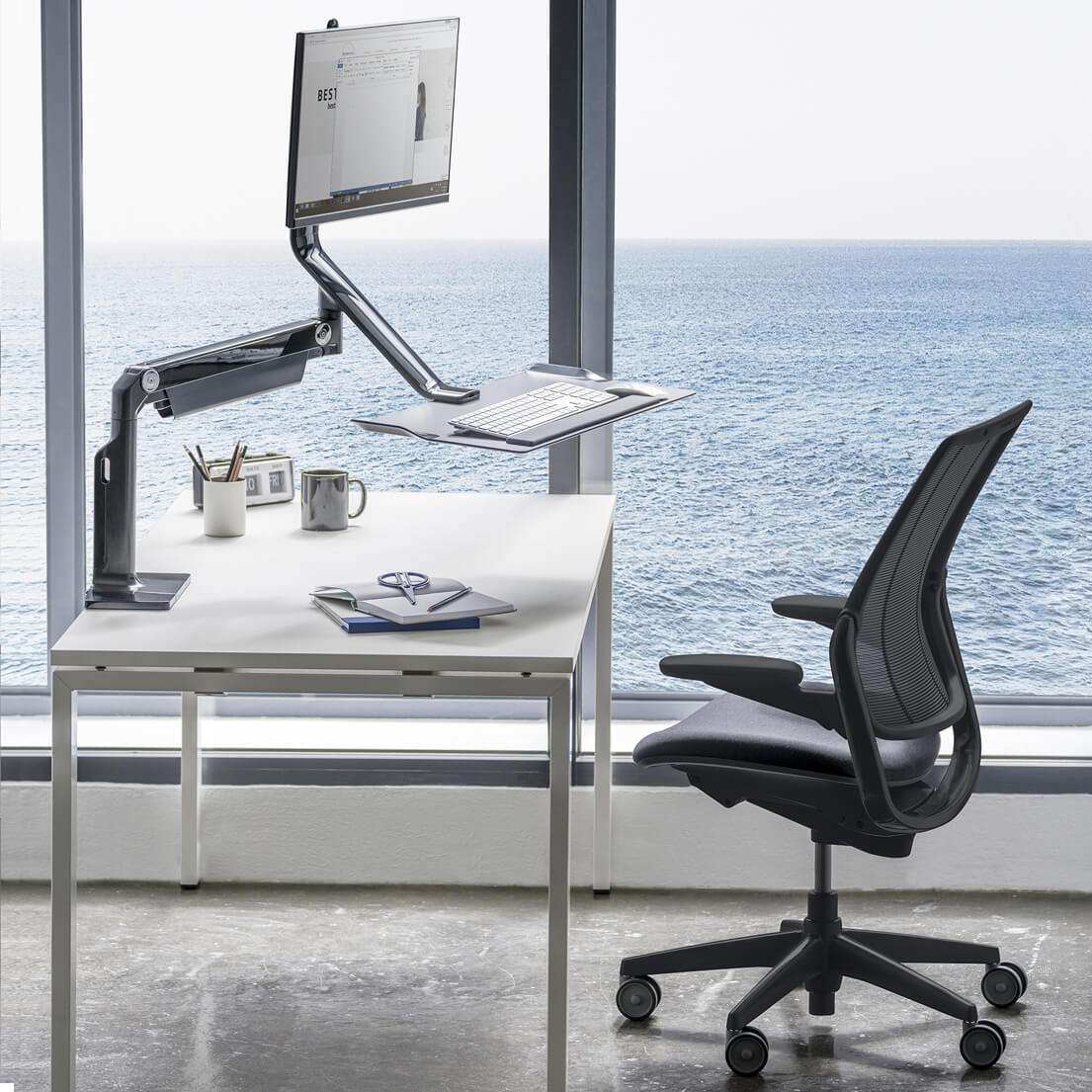
Adjustment philosophy: The Diffrient Smart automates ergonomics with weight-activated recline and automatic lumbar support, embodying Niels Diffrient's "form adapts to you" design ethos. The Gesture takes the opposite approach, offering manual comprehensive controls that let users dial in every parameter. If you want simplicity, choose the Smart. If you want control, choose the Gesture.
Seating experience: The Smart uses mesh throughout, prioritizing breathability and what reviewers call exceptional back support. The Gesture (upholstery not specified in data) focuses on multi-posture flexibility with a narrow backrest that frees the shoulders. One promotes passive comfort; the other encourages active posture correction.
Durability concerns: The Gesture faces documented long-term failure issues, with one user experiencing breakdowns across four units after three years. The Smart has fewer durability complaints in the review data, though one gas cylinder failure was reported. Neither inspires total confidence, but the Gesture's pattern is more alarming.
Arm design: Both offer 4D armrests, but the Gesture's 360-degree arms are specifically engineered for tablet and device use—a meaningful distinction for hybrid workers who shift between keyboards, tablets, and phones throughout the day.
Ratings and reception: The Gesture's 3.8 rating beats the Smart's 3.2, suggesting broader satisfaction despite the durability issues. The Smart earns top marks for mesh comfort but loses points on seat depth and limited in-store availability.
Who should buy which
Choose the Humanscale Diffrient Smart if: You prioritize mesh breathability and want automatic adjustments that eliminate setup guesswork. You're between 165–195 cm tall and have shorter thigh length (the shallow seat is a dealbreaker for long-legged users). You work primarily at a traditional desk and don't need device-specific arm positioning. You can find a third-party discount to bring the price closer to $800.
Choose the Steelcase Gesture if: You shift frequently between devices—keyboard, tablet, phone—and need arms that adapt to each posture. You have spinal issues or trapezius tension and benefit from a narrow backrest that frees the shoulders. You're willing to invest time in dialing in adjustments and prefer manual control over automatic systems. You're comfortable with the durability risk (perhaps purchasing through a retailer with a strong return policy) or plan to fully utilize the 12-year warranty.
Consider alternatives if: Seat depth matters and you're tall (both chairs share 43 cm seat depth, but the Smart's shallow feel is criticized). You need proven long-term durability at this price point—the Gesture's failure pattern and the Smart's mixed reception suggest neither is bulletproof. You want to test before buying; the Smart's in-store unavailability is a significant barrier.
The verdict
The Steelcase Gesture wins on ratings, multi-posture flexibility, and specialized arm design, making it the better choice for hybrid workers and those with specific ergonomic needs like shoulder freedom. However, its documented durability failures after three years are unacceptable at $1,499. The Humanscale Diffrient Smart delivers on mesh comfort and automatic simplicity but stumbles on shallow seat depth and availability for testing. Neither chair emerges as a clear champion—the Gesture has higher upside but serious long-term risk, while the Smart offers safer comfort with frustrating limitations. If forced to choose, the Gesture's 3.8 rating and comprehensive adjustability edge out the Smart, but buyers should secure strong warranty coverage and consider the very real possibility of needing repairs within five years.
Frequently asked
- Is Humanscale Diffrient Smart better than Steelcase Gesture?
- The Gesture has a higher rating (3.8 vs 3.2) and better long-term user feedback, but the Diffrient Smart is praised as one of the most comfortable mesh chairs tested. The Gesture suits multi-posture workers while the Smart works best for traditional desk work.
- Do these chairs have the same adjustments?
- Both offer 4D armrests, lumbar support, and identical recline range (125 degrees). The Diffrient Smart uses automatic weight-activated recline, while the Gesture provides manual comprehensive adjustment controls and signature 360-degree arms designed for device use.
- Which chair has better durability?
- Review data shows durability concerns for the Gesture, with one long-term user reporting all four purchased units breaking down after 3 years. The Diffrient Smart has fewer reviews but one user reported a broken gas cylinder. Both carry 12-year warranties.
Specs, reviews & details
Specs, reviews & details