Humanscale Freedom vs Steelcase Gesture: Which Should You Buy?
Two premium ergonomic chairs with very different philosophies
Specs, reviews & details
Specs, reviews & details
Introduction
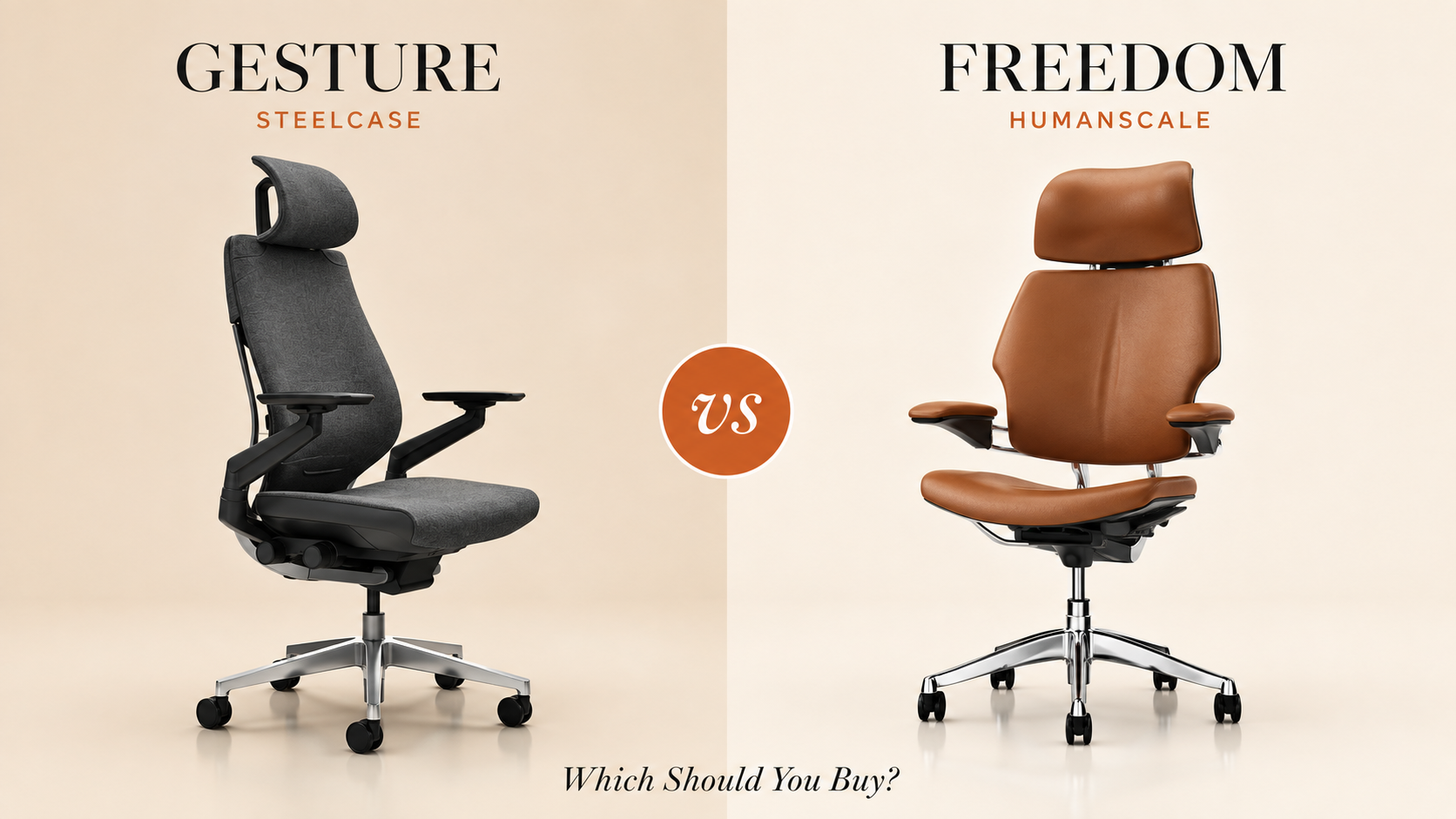
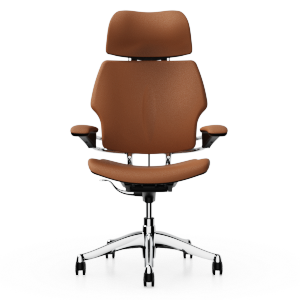
The Humanscale Freedom ($1,318) and Steelcase Gesture ($1,499) represent two opposing philosophies in premium ergonomic seating. The Freedom banks on weight-sensitive recline that adapts automatically to your body, requiring minimal adjustment once you dial in the tilt tension. The Gesture takes the opposite approach: comprehensive manual controls for every ergonomic parameter, designed for users who shift between keyboards, tablets, and multiple work postures. Both earn identical 3.8-star ratings from 12 reviews, but the similarities end there.
At a glance
Spec | Humanscale Freedom | Steelcase Gesture |
|---|---|---|
Price | $1,318 | $1,499 |
Aggregate rating | 3.8 (12 reviews) | 3.8 (12 reviews) |
Warranty | 10 years | 12 years |
Weight capacity | 150 kg | 159 kg |
Recommended height range | 168–198 cm | 165–195 cm |
Seat width | 52 cm | 51 cm |
Seat depth | 45 cm | 43 cm |
Recline range | 130° | 125° |
Armrests | 4D (move with backrest) | 4D (360° independent) |
Headrest | Yes | No |
Lumbar support | Yes | Yes |
Chair weight | 28 kg | 19 kg |
Humanscale Freedom — strengths & weaknesses
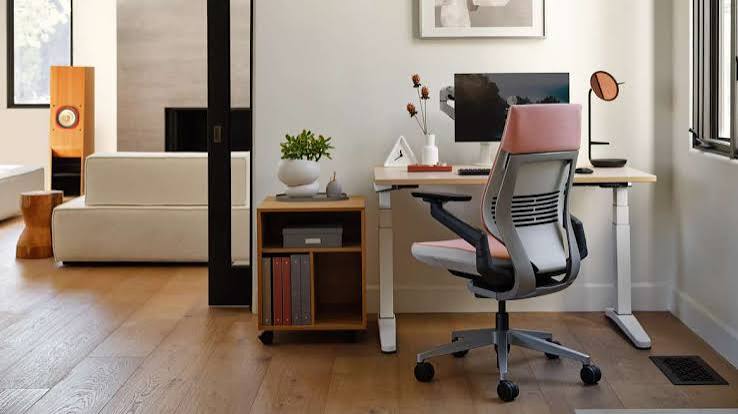
The automatic recline is genuinely impressive. Multiple reviewers praise the weight-sensitive mechanism that smoothly adjusts to your body when you lean back, with the chair adapting seamlessly without manual tinkering. One long-term user emphasizes that mastering the tilt tension adjustment unlocks 95% of the chair's value, pushing back against critics who dismiss it after brief trials.
Long-term durability stands out. Owners report chairs lasting over 20 years, and one user mentioned Humanscale replacing a broken armrest years after purchase with excellent customer service. The chair clearly has staying power, even if it develops some character along the way.
The headrest is a recurring frustration. It only adjusts up and down—not forward—and multiple users report it sliding down and refusing to lock in place. For a $1,318 chair, this is a significant oversight.
Armrests are structurally weak. Several reviewers warn that the armrests can break if you use them to push yourself up from the chair. The synchronous design (armrests move with the backrest) is clever, but the execution appears fragile.
Expect creaking over time. The chair develops squeaking and creaking sounds as it ages, though this doesn't seem to affect function. Fabric choice matters too: the Lotus option has a harder urethane feel with a firmer seat compared to other types.
Steelcase Gesture — strengths & weaknesses
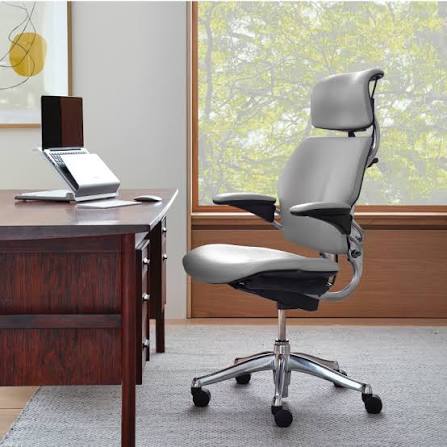
Comprehensive adjustability covers every parameter. A certified ergonomics expert praised the independent adjustment options for height, seat depth, lumbar support, armrests, and tilt functions. The 360-degree armrests are designed to follow you from keyboard to tablet work, and the narrower backrest provides shoulder freedom without a claustrophobic feeling.
Posture correction is built into the design. One reviewer switching from a gaming chair noted the Gesture "forces better posture with auto-correction feel," though they cautioned it's not immediately comfortable—you need time to adjust and dial in the lumbar settings.
Long-term durability is a serious problem. One owner reports catastrophic results: all four Gesture chairs they purchased experienced breakdown issues after three years, leading to "extreme buyer's regret." This isn't a one-off complaint; multiple reviewers mention the chairs failed after initially performing well.
It looks cheaper than it costs. At least one reviewer criticized the Gesture for appearing "cheap and budget-like despite high price point." For $1,499, aesthetics matter, and the Gesture apparently doesn't deliver premium visual appeal.
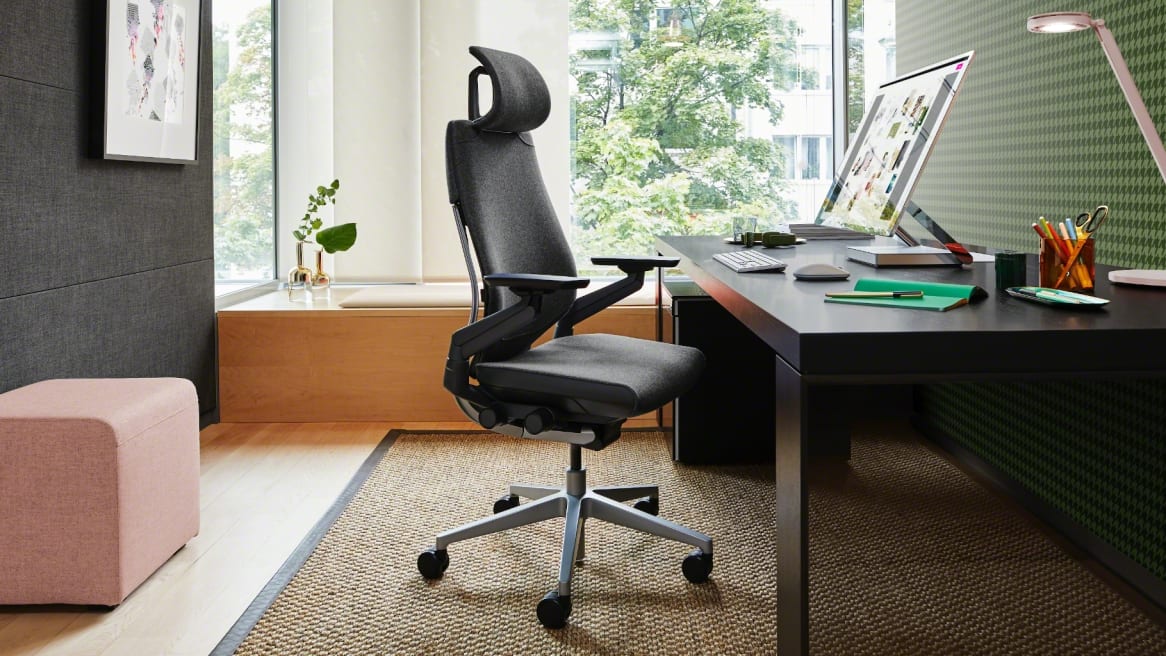
No headrest is included. Unlike the Freedom, the Gesture as specified does not come with a headrest, which may be a dealbreaker for users who recline frequently or need neck support.
How they differ
Philosophy: The Freedom is minimalist and automatic; the Gesture is maximalist and manual. If you want a chair that disappears once configured, choose the Freedom. If you constantly tweak settings for different tasks, the Gesture gives you more levers to pull.
Durability track record: The Freedom has documented longevity beyond 20 years. The Gesture has documented failures at three years across multiple units. This is the single most important differentiator for long-term value.
Armrest design: The Freedom's armrests move synchronously with the backrest but are prone to breaking. The Gesture's 360-degree independent arms are a standout feature for multi-device work, though overall build quality concerns persist.
Headrest availability: The Freedom includes one (with limitations). The Gesture does not. If neck support matters, this narrows your choice immediately.
Recline range: The Freedom reaches 130° versus the Gesture's 125°. The Freedom is also heavier (28 kg vs 19 kg) and has a deeper seat (45 cm vs 43 cm), suggesting a more substantial build.
Who should buy which
Buy the Humanscale Freedom if:
You want a chair that will likely outlast your career, based on real-world longevity data
You prefer automatic recline that adapts to your body weight without constant fiddling
You need a headrest, even an imperfect one
You're willing to accept some creaking and armrest fragility in exchange for proven durability
You value a deeper recline (130°) and don't mind the heavier frame
Buy the Steelcase Gesture if:
You work across multiple devices (keyboard, tablet, phone) and want armrests that follow every posture
You demand granular control over every ergonomic setting
You prefer a narrower backrest for shoulder mobility
You're willing to gamble on durability for the sake of adjustment range
You plan to replace the chair within three years anyway (and the 12-year warranty gives you recourse)
The verdict
The Humanscale Freedom wins on durability and long-term value. Its automatic recline either clicks with you or it doesn't, but owners who learn the tilt tension adjustment rave about it for decades. The headrest and armrests have real flaws, yet the chair keeps working.
The Steelcase Gesture wins on adjustability and multi-posture versatility—but only if you get a good unit. The catastrophic three-year failure rate reported by multiple owners is disqualifying for a $1,499 chair, no matter how clever the armrests. The 12-year warranty may cover replacements, but "planning to use your warranty" is not a buying strategy.
For most buyers, the Freedom's $181 lower price, proven longevity, and included headrest make it the safer choice. The Gesture is worth considering only if you genuinely need its unique armrest system and are prepared to lean heavily on that warranty. Choose the Freedom unless the Gesture's specific features are non-negotiable.
Frequently asked
- Is Humanscale Freedom better than Steelcase Gesture?
- Neither is universally better. The Freedom excels at automatic, weight-sensitive recline with minimal fuss, while the Gesture offers comprehensive manual adjustments for users who want granular control over every ergonomic parameter.
- Which chair has better durability?
- The Freedom shows better long-term durability, with owners reporting chairs lasting over 20 years despite some creaking. Multiple Gesture owners report all their chairs breaking down after 3 years, indicating significant durability concerns.
- Do both chairs come with a headrest?
- The Freedom includes a headrest that adjusts up and down (though some users report it slides and won't lock). The Gesture as specified does not include a headrest.
Specs, reviews & details
Specs, reviews & details