Itoki ACT2 vs Steelcase Gesture: Which Should You Buy?
Same specs, $643 price gap—one builds trust over time, the other raises red flags
Specs, reviews & details
Specs, reviews & details
Intro
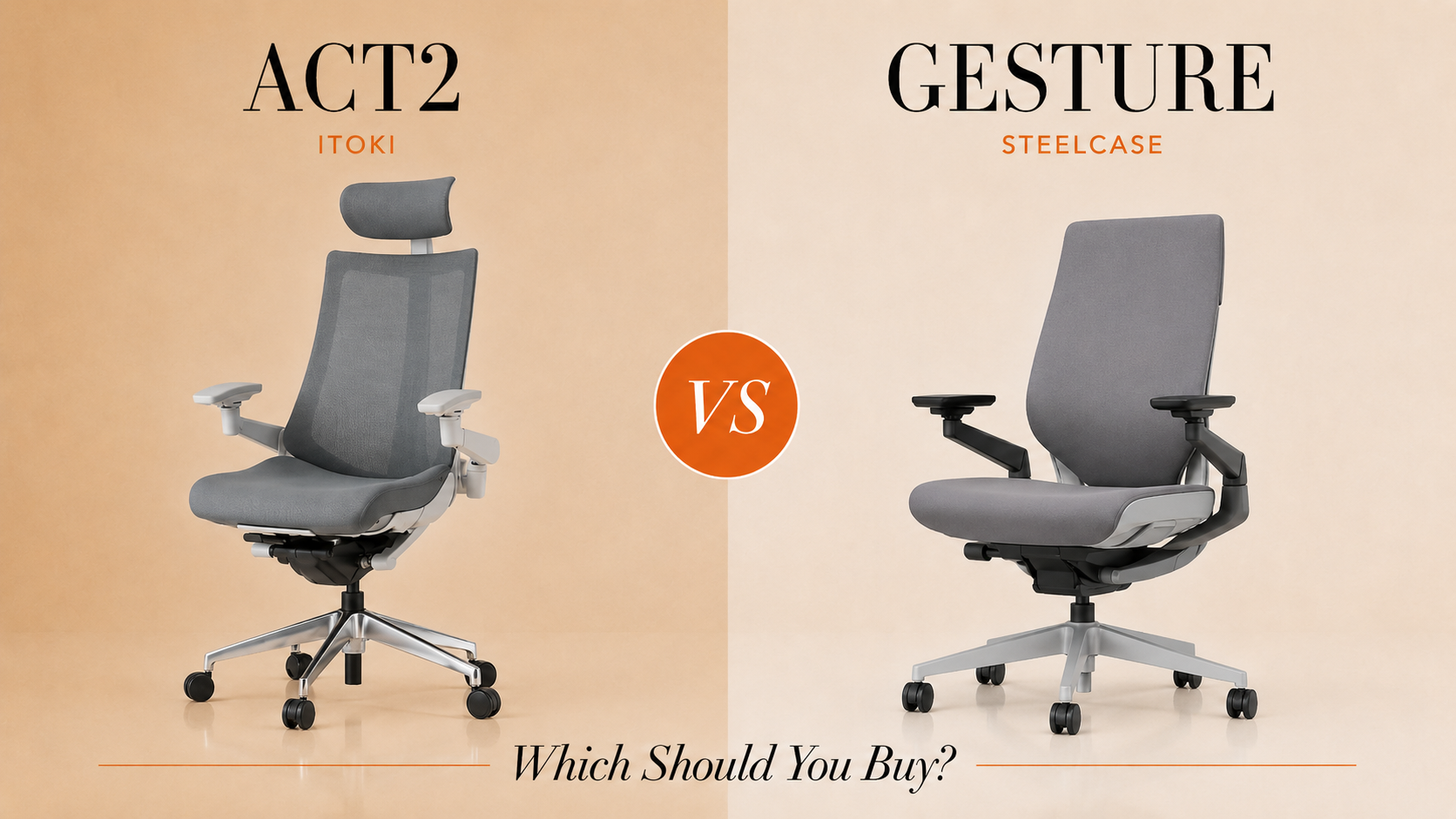
The Itoki ACT2 and Steelcase Gesture occupy the same ergonomic territory on paper—identical seat dimensions, reclining range, weight capacity, and 12-year warranties—but diverge sharply in price, philosophy, and real-world performance. The $856 ACT2 embodies Japanese active-sitting design with a focus on micro-movement, while the $1,499 Gesture markets 360-degree arms engineered for multi-device work. With a $643 price difference and contrasting user feedback, your choice hinges on whether you value proven long-term satisfaction or comprehensive adjustability with documented risks.
At a glance
Spec | Itoki ACT2 | Steelcase Gesture |
|---|---|---|
Price | $856 | $1,499 |
Category | Office | Office |
Armrests | 4D | 4D |
Seat depth | 43 cm | 43 cm |
Seat width | 51 cm | 51 cm |
Recline range | 125° | 125° |
Weight capacity | 159 kg | 159 kg |
Height range | 40–57 cm | 40–57 cm |
Recommended user height | 165–195 cm | 165–195 cm |
Warranty | 12 years | 12 years |
Aggregate rating | 4.3 (12 reviews) | 3.8 (12 reviews) |
Itoki ACT2 — strengths & weaknesses
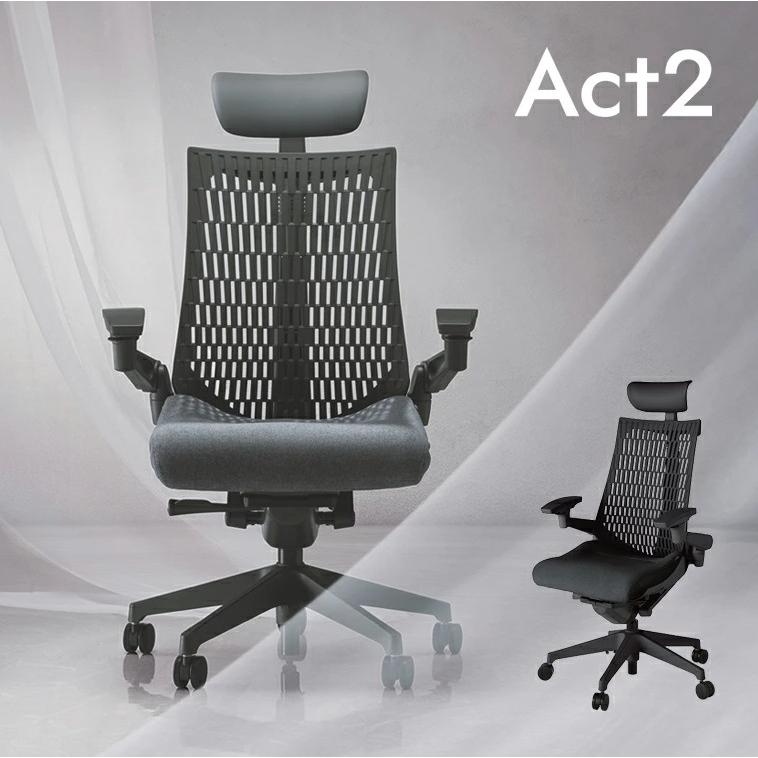
Strengths: The ACT2's defining trait is comfort that builds over time. Reviewers consistently note the chair reveals its value during extended work sessions rather than in showroom testing—one called it optimized for "the person who works," designed to support focus during long stretches. The flexible seat and responsive back encourage micro-movement, and the adjustable seat pan accommodates taller users effectively. Multiple reviewers cite Japanese omotenashi (hospitality) philosophy in the design details, and one user reported relief from chronic back issues with smooth reclining function. Buyers who switched from other premium brands, including Herman Miller, preferred the ACT2's body-type-specific support.
Weaknesses: The armrests have limited range of motion—a recurring complaint among otherwise satisfied users. One review noted the price as high, though this comment appears to reference a different market where pricing may vary.
Steelcase Gesture — strengths & weaknesses
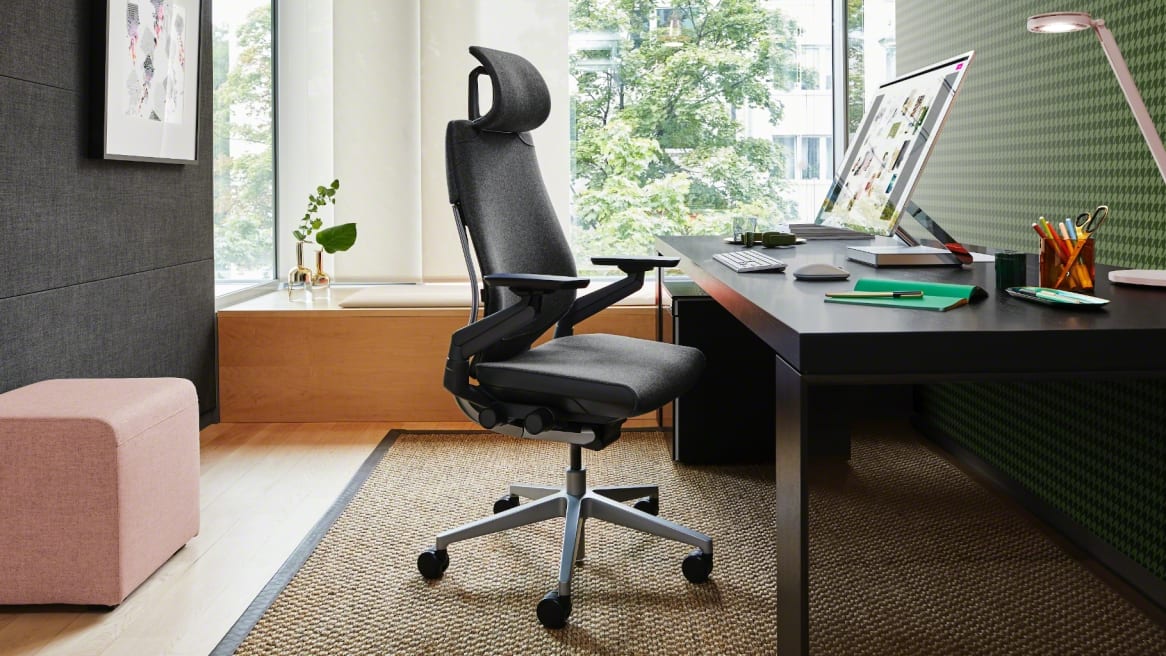
Strengths: The Gesture offers comprehensive ergonomic adjustments across all major parameters, with professional ergonomics experts praising the depth of customization. The signature 360-degree arms adapt to varied device use, and the narrow backrest design provides shoulder and back freedom that some users with specific conditions (spinal stenosis, trapezius tension) found superior to wider alternatives. The chair's core interface mimics the spine for multi-posture support. Some reviewers appreciated its posture-correcting effect, describing an "auto-correction feel" that encourages upright sitting.
Weaknesses: Long-term durability emerges as a serious concern. One reviewer reported catastrophic failure across all four units purchased after three years, describing "extreme buyer's regret" and chairs that are "breaking down." Another noted the chair "looks cheap and budget-like despite high price point." The posture-correction feature that some praise translates to discomfort for others—reviewers describe a seat that "pushes user into upright position" and requires prolonged adjustment, with at least one noting it never became truly comfortable. The rating of 3.8 trails the ACT2's 4.3 despite similar review counts.
How they differ
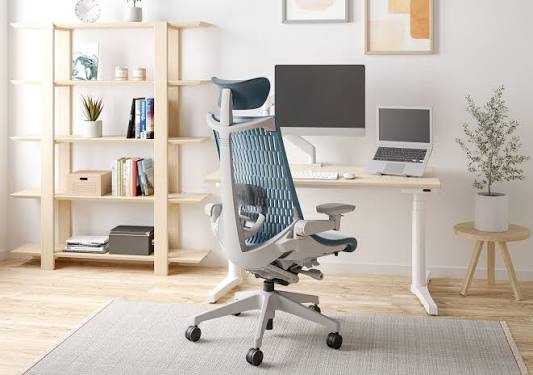
Despite identical technical specifications, these chairs deliver different experiences. The ACT2 prioritizes long-term comfort through active sitting and micro-movement, earning consistent praise for how it performs after the novelty wears off. The Gesture focuses on adjustment range and posture enforcement, which appeals to some but alienates others who find the corrective approach uncomfortable.
The durability gap is stark. ACT2 reviews contain no mentions of breakdowns or quality degradation. The Gesture faces documented reports of multiple units failing within three years—a red flag at any price, but especially at $1,499. The $643 price difference makes this gap even harder to justify.
Build perception also differs: ACT2 buyers cite attention to detail and premium feel aligned with Japanese design philosophy, while at least one Gesture owner described their expensive chair as looking budget-grade.
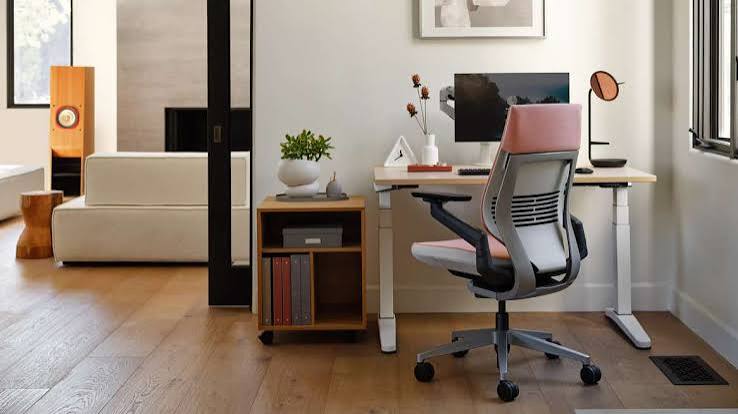
Who should buy which
Choose the Itoki ACT2 if: You prioritize proven long-term satisfaction and value. The chair suits focus-intensive work, taller users (thanks to adjustable seat depth), and anyone skeptical of paying premium prices for unproven durability. If you have chronic back issues or want a chair that improves with familiarity rather than demanding immediate comfort, the ACT2's track record justifies confidence. The $643 savings also matter if budget factors into your decision at all.
Choose the Steelcase Gesture if: You have very specific ergonomic needs—particularly spinal conditions that benefit from a narrow backrest and posture correction—and you're willing to gamble on durability despite documented failures. If you frequently shift between keyboard, tablet, and phone work and believe the 360-degree arms will transform your workflow, the feature set may justify the risk. Be prepared for a potentially long adjustment period and consider extended warranty options given the failure reports.
Test before buying: Both chairs benefit from in-person試sitting. The ACT2's showrooms offer body-type consultations, which matters given its "comfort over time" design. For the Gesture, testing helps determine whether the posture-correction feel suits you or irritates you—reviews split sharply on this point.
The verdict
The Itoki ACT2 wins this matchup for most buyers. It costs 43% less, earns a higher rating, and avoids the durability catastrophes plaguing the Gesture. Where the Gesture bets on adjustment breadth, the ACT2 delivers a cohesive design philosophy that reviewers consistently reward with loyalty. The Gesture's comprehensive controls appeal in theory, but when users report all four purchased units breaking down within three years, the value proposition collapses—especially at $1,499.
The only scenario favoring the Gesture is highly specific: you need the narrow backrest for shoulder freedom due to medical conditions and you've tested it extensively and you're comfortable with durability risk. For everyone else—including those simply seeking the best premium office chair under $1,000—the ACT2 offers better odds of long-term satisfaction. Its strength isn't flashy features but unglamorous reliability, the kind that earns 4.3 stars because it still feels right two years in.
Frequently asked
- Is Itoki ACT2 better than Steelcase Gesture?
- The ACT2 costs $643 less and earns higher ratings (4.3 vs 3.8), with reviewers praising long-term comfort and build quality. The Gesture faces significant durability complaints despite comprehensive adjustments.
- Which chair is more comfortable for all-day work?
- ACT2 reviewers report comfort that improves over time and focus-optimized design. Gesture users note it forces upright posture and may require a long adjustment period, with some finding it never becomes truly comfortable.
- Do both chairs have the same warranty and weight capacity?
- Yes, both offer identical 12-year warranties and 159 kg weight capacity, supporting users 165–195 cm tall with the same seat dimensions and reclining range.
Specs, reviews & details
Specs, reviews & details