Kokuyo Ing Cloud vs Steelcase Gesture: Which Should You Buy?
Two premium ergonomic chairs at $1,667 vs $1,499—but very different approaches
Specs, reviews & details
Specs, reviews & details
Introduction
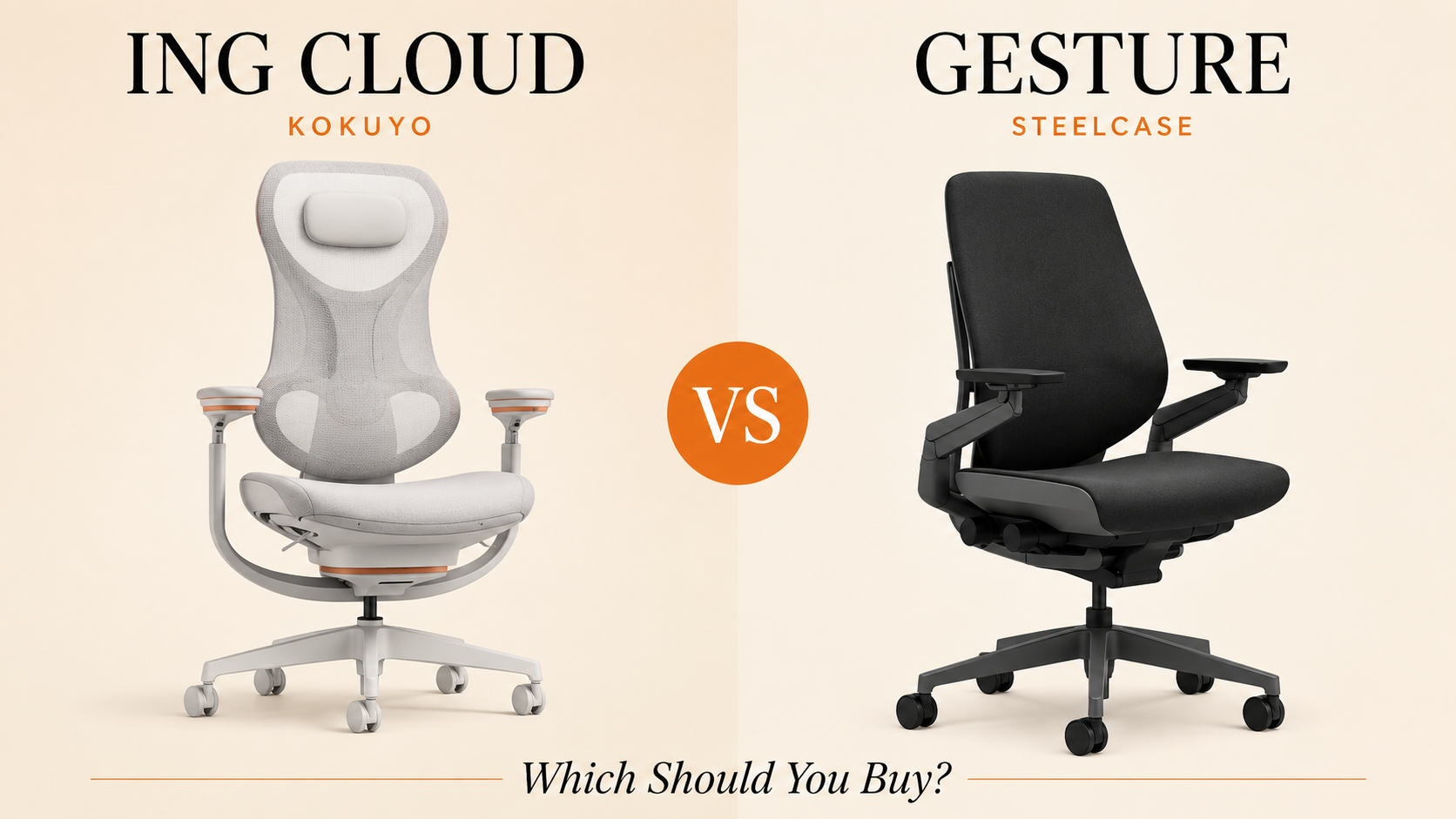
The Kokuyo Ing Cloud and Steelcase Gesture are both premium office chairs priced within $200 of each other and sharing remarkably similar specifications on paper. Both feature 4D armrests, lumbar support, 12-year warranties, and identical dimensional ranges. Yet their design philosophies diverge sharply: the Ing Cloud centers on a frameless 3D mesh back with innovative gliding mechanisms developed over eight years, while the Gesture emphasizes 360-degree arms and a spine-mimicking core interface for multi-posture, multi-device work. This matchup comes down to comfort philosophy and demonstrated track record.
At a glance
Spec | Kokuyo Ing Cloud | Steelcase Gesture |
|---|---|---|
Price | $1,667 | $1,499 |
Category | Office | Office |
Seat dimensions | 43 cm depth, 51 cm width | 43 cm depth, 51 cm width |
Seat height range | 40–57 cm | 40–57 cm |
Armrests | 4D | 4D |
Headrest | No | No |
Recline range | 125° | 125° |
Lumbar support | Yes | Yes |
Weight capacity | 159 kg | 159 kg |
Warranty | 12 years | 12 years |
Aggregate rating | 3.8 from 12 reviews | 3.8 from 12 reviews |
Kokuyo Ing Cloud — strengths & weaknesses
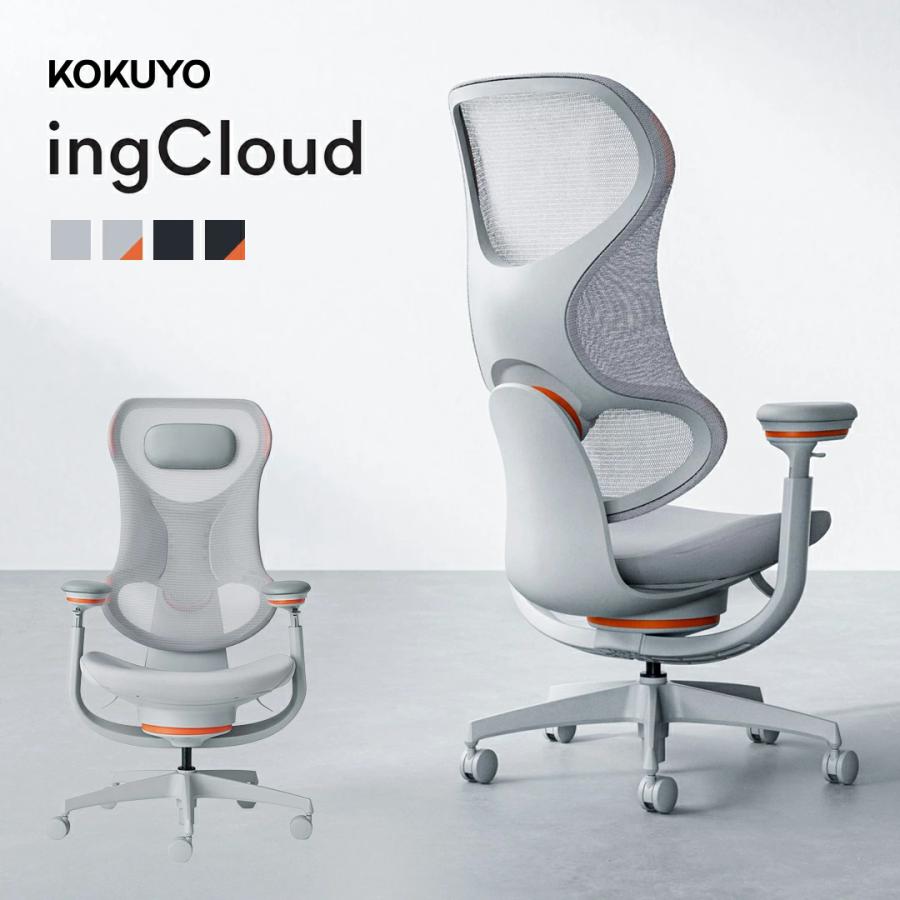
Strengths: Reviewers describe the Ing Cloud's comfort as "addictive" and highlight its innovative gliding mechanism that enables natural body movement tracking. The frameless 3D hammock mesh back provides what one user called an "enveloping sensation" and "next-level seating experience." Pressure distribution around the lumbar area receives consistent praise, as does the premium build quality backed by eight years of development. The minimalist design with flowing curves appeals to buyers seeking aesthetics alongside function. One reviewer specifically noted the chair was designed for programmers and engineers who sit for long hours.
Weaknesses: The premium price point is the most frequent complaint, with reviews noting it as expensive and mentioning discount rates have decreased over time. Some buyers experienced delivery delays or lack of communication about shipping status. One reviewer flagged unspecified concerns after two months of use, though details were not elaborated. Several reviews emphasized the importance of trying the chair in a showroom before committing at this price level.
Steelcase Gesture — strengths & weaknesses
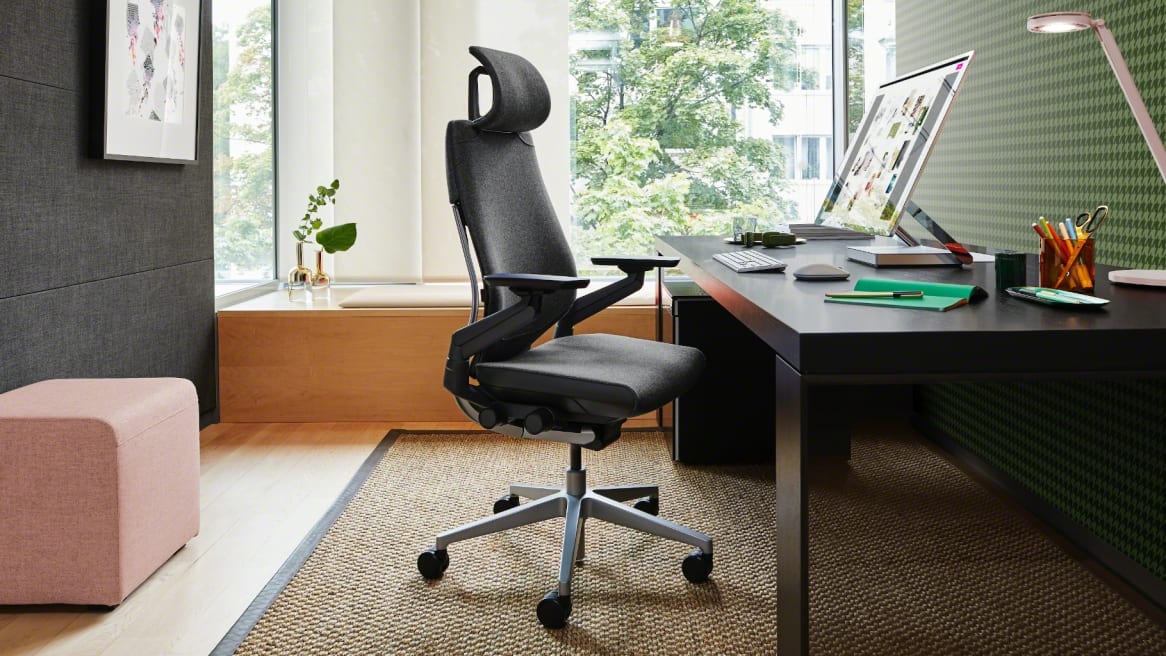
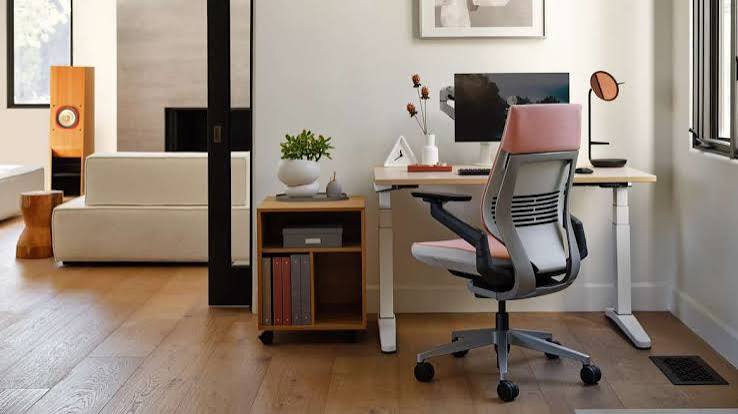
Strengths: The Gesture offers comprehensive adjustment options covering all major ergonomic parameters, with one certified ergonomics expert providing detailed independent review of its functionality. The 360-degree armrests are frequently singled out as a standout feature for multi-device work. The narrow backrest design allows shoulder and back freedom without a claustrophobic feeling, which one reviewer with spinal stenosis found beneficial. Early ownership experiences were positive, with users noting good posture support and an "auto-correction feel" that encourages upright sitting.
Weaknesses: Long-term durability emerges as a serious concern. One buyer reported extreme regret after three years, stating that all four Gesture chairs they purchased experienced breakdown issues. The chair was described as looking "cheap and budget-like despite high price point" by at least one reviewer. Some users found the chair not immediately comfortable, with one noting it "pushes user into upright position" in a way that required adjustment. Video reviews lack specific performance ratings or long-term comfort assessment.
How they differ
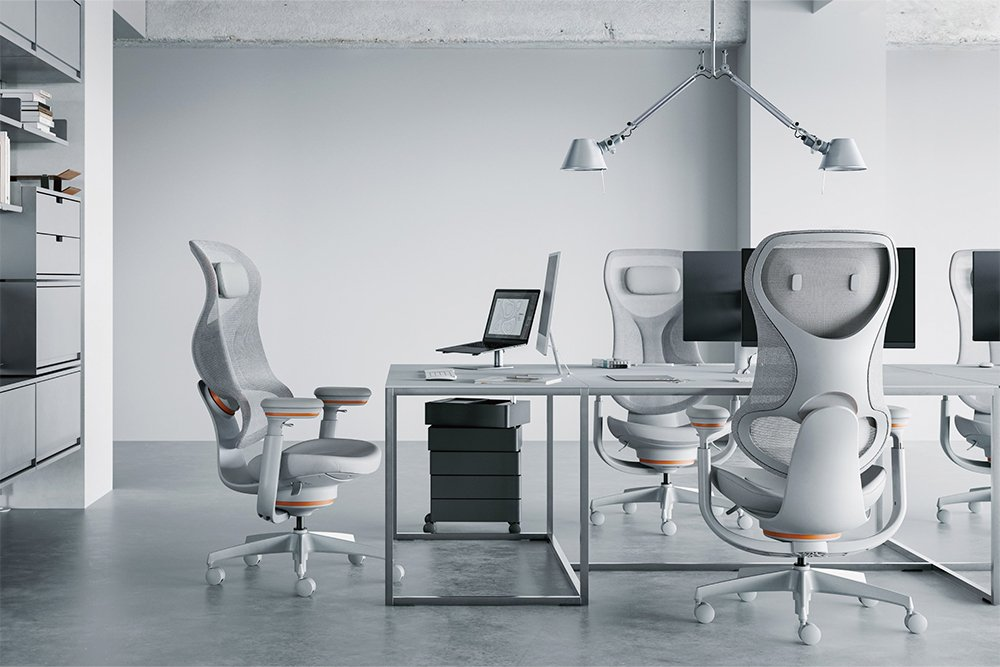
Despite identical specifications, these chairs take fundamentally different approaches. The Kokuyo Ing Cloud's signature feature is its triple gliding mechanism combined with a frameless mesh back that flexes and moves with your body—reviewers describe a cloud-like, enveloping sensation. The Steelcase Gesture prioritizes armrest versatility and spine-mimicking support to accommodate shifting between keyboard, tablet, and phone throughout the workday.
The durability divide is stark. Multiple Gesture buyers report breakdowns after three years, with one owner expressing strong regret over four failed units. No similar durability complaints surface in Ing Cloud reviews, though the sample size is comparable. The Gesture looks more traditional and, according to some, budget-like; the Ing Cloud's flowing curves and minimalist aesthetic signal premium design intent.
Price-wise, the Gesture costs $168 less, but that advantage may be offset by reported longevity issues. Both chairs earned identical 3.8 ratings from 12 reviews, yet the nature of complaints differs: the Ing Cloud draws criticism for price and delivery, the Gesture for durability and aesthetics.
Who should buy which
Choose the Kokuyo Ing Cloud if: You prioritize cutting-edge comfort technology and are willing to pay a premium for it. The gliding mechanism and 3D hammock mesh appeal to long-session sitters—programmers, writers, analysts—who value body-following support and mesh ventilation. If you've experienced the chair in a showroom and connected with its unique feel, and if you're investing for the long haul, the Ing Cloud's lack of durability complaints and premium build justify the higher cost.
Choose the Steelcase Gesture if: Your workday involves constant device switching and you need armrests that adapt to tablets, phones, and keyboards seamlessly. If you prefer a narrower backrest that doesn't restrict shoulder movement, or if you have specific postural needs like spinal stenosis, the Gesture's design may suit you. Budget-conscious buyers will appreciate the $168 saving, but weigh that against durability red flags—consider this chair if you're planning a shorter ownership window or have access to robust warranty support.
The verdict
The Kokuyo Ing Cloud edges ahead for most long-term buyers. While both chairs share specs and ratings, the Ing Cloud's innovative comfort mechanisms, premium build, and absence of durability complaints make it the safer bet for a chair you'll use daily for years. The Steelcase Gesture's armrest excellence and lower price are genuine advantages, but multiple reports of three-year breakdowns are difficult to overlook at this price tier. If you work long, uninterrupted sessions and can afford the extra $168, the Ing Cloud delivers the comfort innovation its price suggests. If you're a heavy multi-device user willing to accept durability risk, the Gesture's armrests may justify the gamble.
Frequently asked
- Do the Kokuyo Ing Cloud and Steelcase Gesture have the same dimensions?
- Yes, both chairs share identical specifications: 43 cm seat depth, 51 cm seat width, 40-57 cm seat height range, 125-degree recline, 4D armrests, 159 kg weight capacity, and 12-year warranty.
- Which chair has better long-term durability?
- Reviews indicate significant durability concerns with the Steelcase Gesture after 3 years, with one buyer reporting all four purchased units breaking down. The Kokuyo Ing Cloud has no similar durability complaints mentioned in reviews.
- Is the $168 price difference between these chairs worth it?
- The Kokuyo Ing Cloud costs $1,667 vs $1,499 for the Steelcase Gesture. The premium buys you innovative gliding mechanisms and 3D hammock mesh praised for exceptional comfort, versus the Gesture's 360-degree arms optimized for multi-device work.
Specs, reviews & details
Specs, reviews & details