Kokuyo Ing vs Steelcase Gesture: Which Should You Buy?
Two premium ergonomic chairs with identical specs but different philosophies
Specs, reviews & details
Specs, reviews & details
Introduction
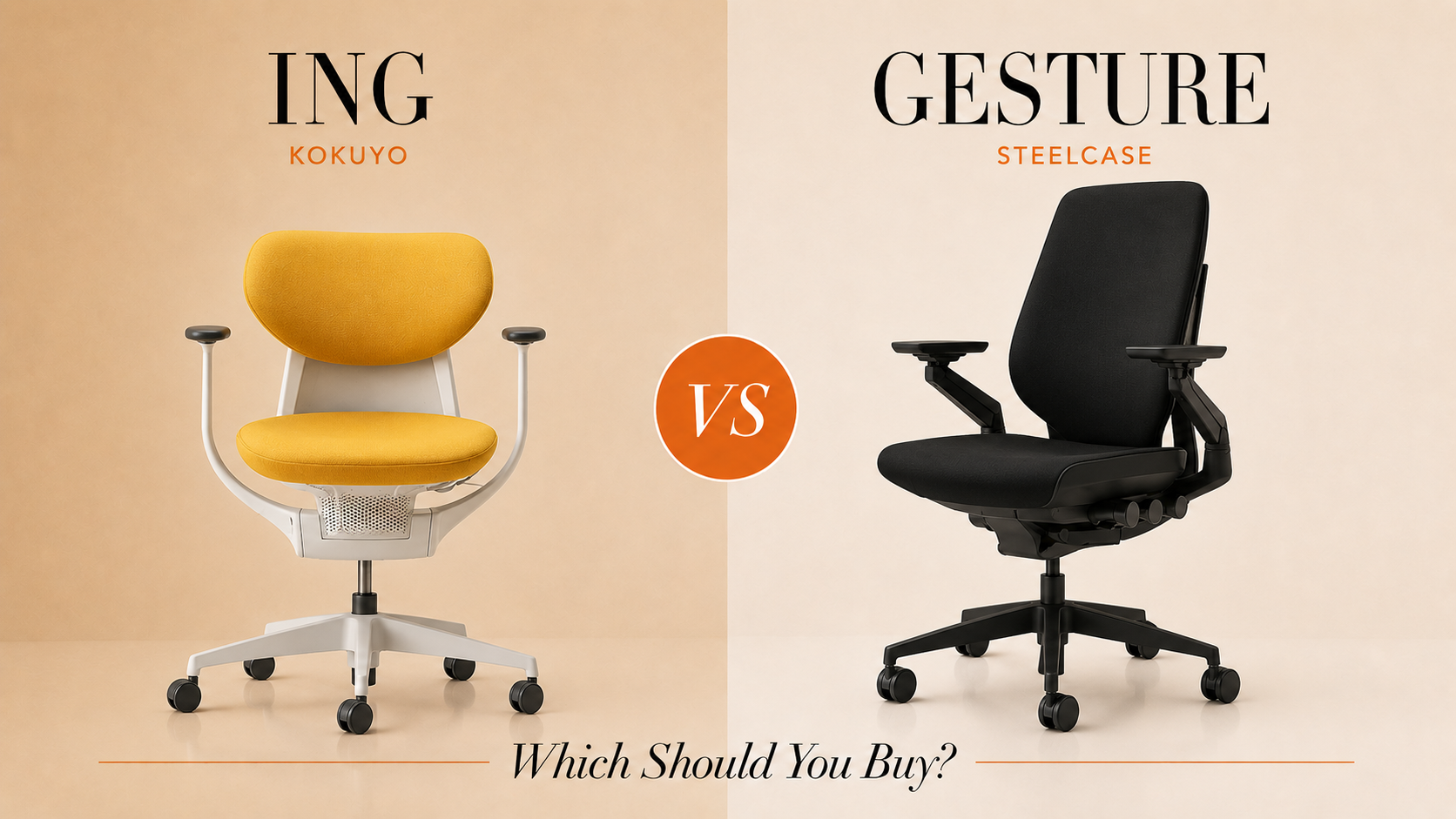
The Kokuyo Ing and Steelcase Gesture represent two philosophies in premium ergonomic seating. The Ing emphasizes constant movement through its signature 360-degree gliding mechanism, claiming to burn energy and boost creativity. The Gesture focuses on comprehensive adjustability and multi-posture support, with arms designed to follow you from keyboard to tablet. Remarkably, they share identical technical specifications—same dimensions, weight capacity, warranty, and adjustments—yet differ by $400 in price and notably in user satisfaction ratings.
At a glance
Spec | Kokuyo Ing | Steelcase Gesture |
|---|---|---|
Price | $1,100 | $1,499 |
Aggregate rating | 3.2 / 5 (12 reviews) | 3.8 / 5 (12 reviews) |
Seat dimensions | 51cm W × 43cm D | 51cm W × 43cm D |
Height range | 40–57cm | 40–57cm |
Armrests | 4D adjustable | 4D adjustable |
Recline range | 125° | 125° |
Lumbar support | Yes | Yes |
Headrest | No | No |
Weight capacity | 159kg | 159kg |
Warranty | 12 years | 12 years |
Recommended height | 165–195cm | 165–195cm |
Kokuyo Ing — strengths & weaknesses
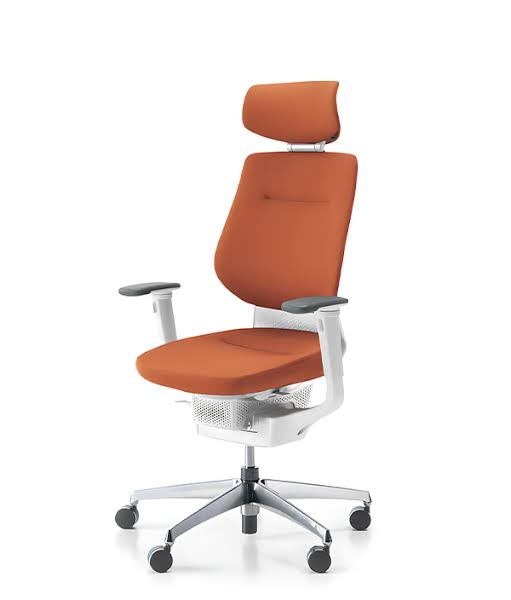
Strengths: The Ing's defining feature is its 360-degree gliding mechanism that allows free movement in all directions while seated. According to manufacturer claims cited in reviews, sitting for 4 hours burns energy equivalent to walking 1.5 kilometers and increases creativity by 13%. The chair won the Good Design Award 2019 and supports natural body posture while encouraging movement rather than static sitting. One user explicitly preferred the Ing Cloud model over the Gesture. The chair has a strong local service network via Chairpark.
Weaknesses: Users report discovering only limited chair functions, with one noting they did not receive detailed function explanations. Several review snippets appear to be promotional content rather than genuine user feedback. One buyer mentioned funding or pre-order delays. The assembly process is described as physically demanding and tiring. Most concerning, there are worries about the tilting seat bucket potentially causing knee pain during use.
Steelcase Gesture — strengths & weaknesses
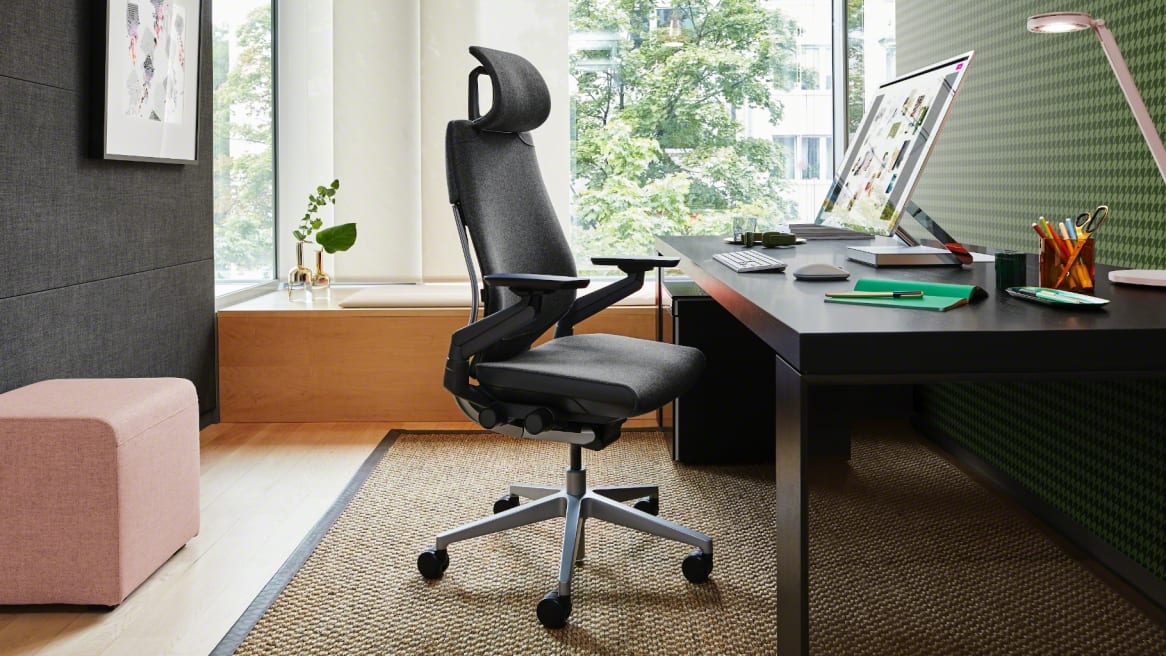
Strengths: The Gesture offers comprehensive adjustment options covering all major ergonomic parameters, with detailed professional reviews highlighting its tilt mechanism and armrest functionality. The 360-degree arms are designed to follow device use from keyboard to tablet, with the core interface mimicking the spine for multi-posture work. Users appreciate the narrow backrest, which allows shoulder and back freedom without a claustrophobic feeling. The chair initially performs well and supports various sitting positions, with one user finding it helpful after trying six different chairs for spinal stenosis and trapezius tension.
Weaknesses: Long-term durability is a serious concern. One user reported extreme buyer's regret after 3 years, with all four purchased Gesture chairs experiencing breakdown issues. Despite the premium price, one reviewer described the chair as looking cheap and budget-like. The chair forces an upright posture with an "auto-correction feel" that isn't immediately comfortable for all users—one described the seat as pushing them into position. Some review content lacks specific performance ratings or comparative analysis.
How they differ
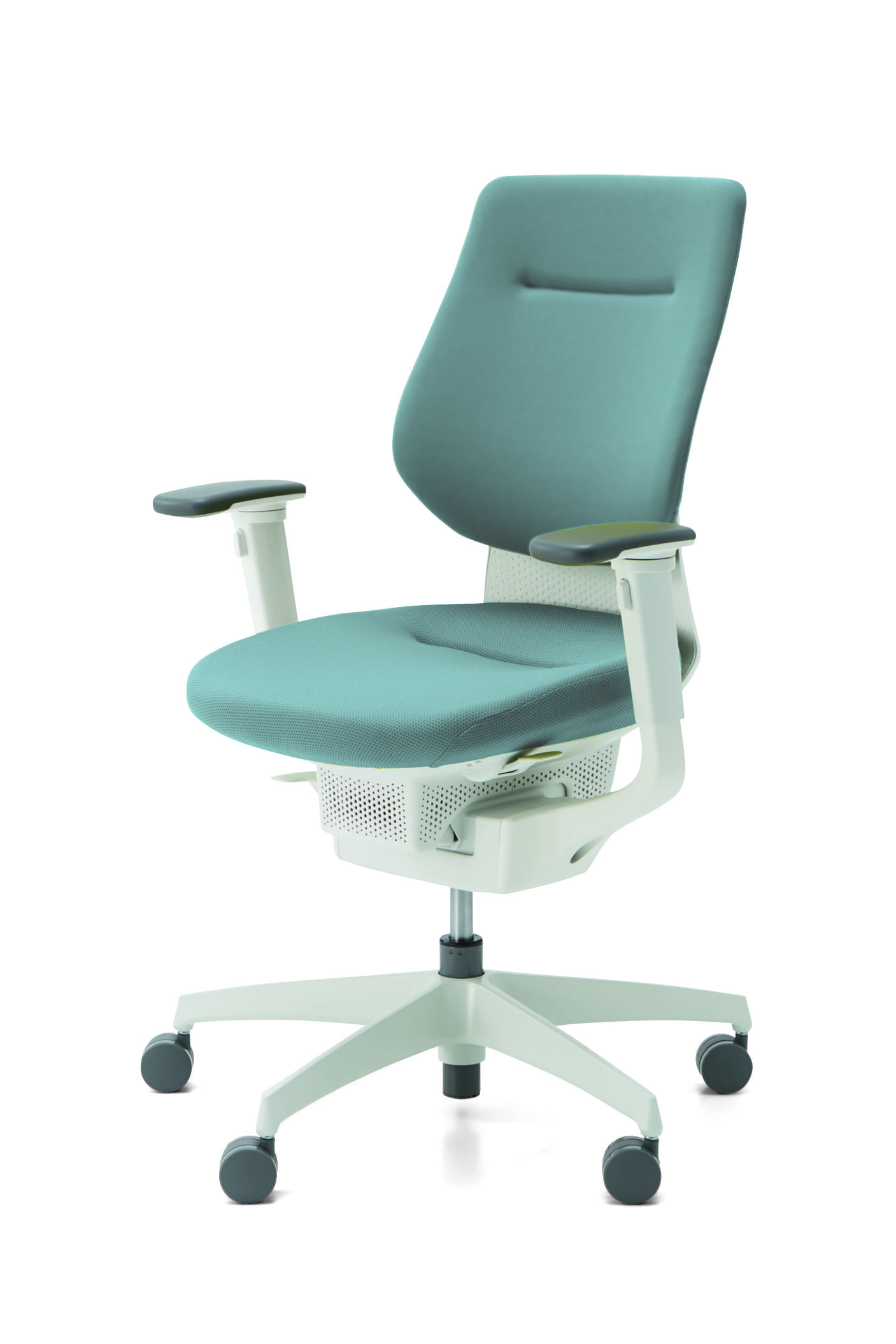
Despite identical technical specifications, these chairs diverge fundamentally in design philosophy and user experience. The Ing prioritizes dynamic movement through its gliding base, treating sitting as an active rather than passive state. The Gesture emphasizes static adjustability and multi-posture support, with particular attention to arm positioning for device use.
The $400 price difference is significant. The Gesture costs 36% more but scores higher in user ratings (3.8 versus 3.2). However, that rating gap is undermined by concerning long-term durability reports—one user saw all four units fail after three years.
User feedback quality differs markedly. The Ing's reviews include promotional content and limited detail about actual long-term use. The Gesture has more substantive user reports, including both professional ergonomic analysis and multi-year ownership experiences, though these experiences skew negative over time.
The Ing's tilting seat bucket raises knee pain concerns, while the Gesture's forced upright posture may feel uncomfortable initially. One requires adaptation to constant motion; the other demands adjustment to postural correction.
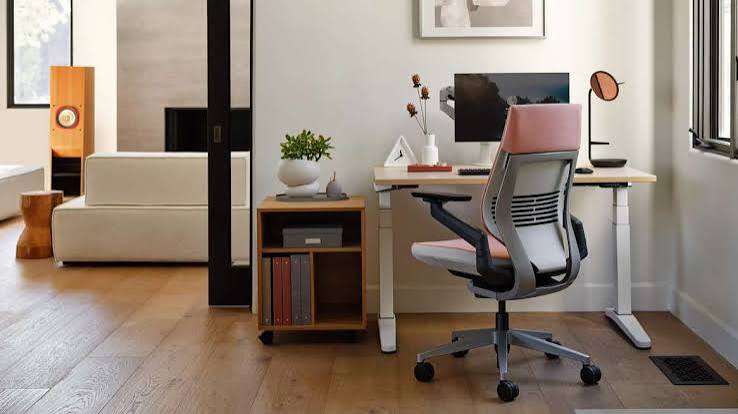
Who should buy which
Choose the Kokuyo Ing if: You want to save $400 and are intrigued by active sitting concepts. You respond well to movement-based ergonomics and don't mind a learning curve with limited initial guidance. You have access to Chairpark's service network. You've tried static ergonomic chairs without success and want a fundamentally different approach. You're willing to risk potential knee discomfort from the tilting mechanism.
Choose the Steelcase Gesture if: You need a narrower backrest for shoulder freedom, particularly if you have spinal issues or trapezius tension. You frequently switch between keyboard, tablet, and other device positions and want arms that follow you. You prefer comprehensive adjustability over dynamic movement. You're willing to pay $400 more for higher user ratings and professional ergonomic validation—but understand that long-term durability may be a gamble based on some users' three-year experiences.
Consider alternatives if: The Gesture's durability concerns trouble you at this price point, or the Ing's limited user documentation and mixed reviews don't inspire confidence. With identical specs and a 12-year warranty on both, neither chair clearly dominates this matchup.
The verdict
This is a closer fight than the specs suggest. The Steelcase Gesture earns its higher rating through more comprehensive adjustments and better-documented ergonomic credentials, but the durability reports and $1,499 price create real hesitation. The Kokuyo Ing offers a genuinely different seating experience for $400 less, though its lower rating, promotional review content, and knee pain concerns are legitimate red flags.
For buyers prioritizing movement-based ergonomics and budget, the Ing is worth the risk. For those needing proven multi-posture adjustability and shoulder freedom, the Gesture justifies the premium—just verify the warranty coverage carefully. One user directly preferred the Ing over the Gesture, which suggests the higher price doesn't guarantee satisfaction. At these price points, both chairs carry risk. The Ing asks you to embrace an unconventional approach; the Gesture asks you to trust it won't fail like some users' units did.
Frequently asked
- Is the Kokuyo Ing better than the Steelcase Gesture?
- The Ing costs $400 less and encourages movement with its 360-degree gliding mechanism, but the Gesture has a higher rating (3.8 vs 3.2) and more comprehensive adjustment options. One user preferred the Ing Cloud over the Gesture model.
- Which chair has better long-term durability?
- One long-term Gesture user reported all four purchased units breaking down after 3 years, expressing extreme buyer's regret. The Ing has assembly concerns and potential knee pain issues from the tilting seat, but no widespread durability complaints were mentioned.
- Do these chairs have the same dimensions and warranty?
- Yes, both chairs share identical specs: 43cm seat depth, 51cm width, 4D armrests, 125-degree recline, 12-year warranty, 159kg weight capacity, and fit users 165-195cm tall. Neither includes a headrest.
Specs, reviews & details
Specs, reviews & details