Sidiz T50 vs Autonomous ErgoChair Pro: Which Should You Buy?
Two mesh ergonomic chairs with similar specs but different strengths
As an Amazon Associate I earn from qualifying purchases. Search links may include other models or accessories; confirm the exact item, seller and condition before buying.
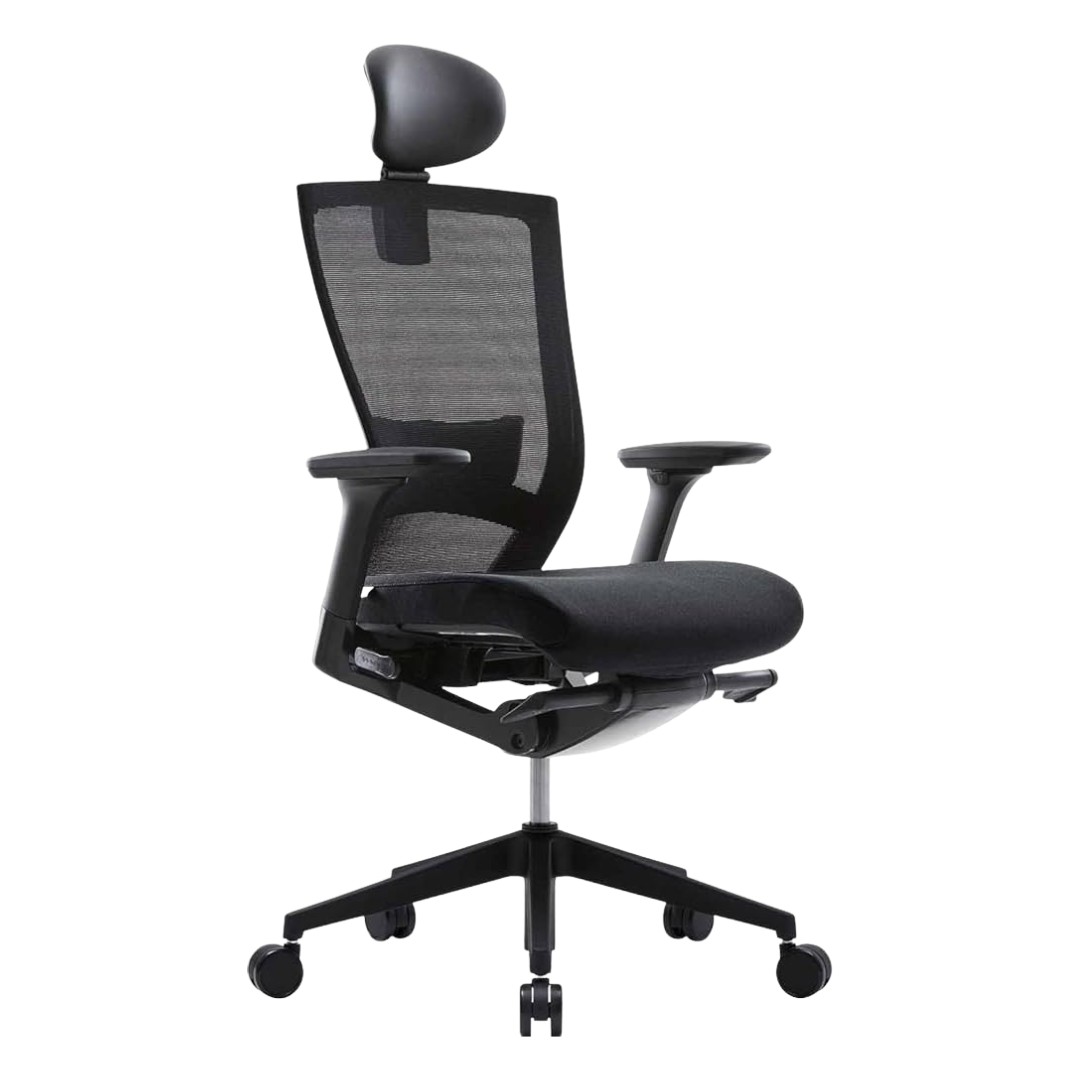
Specs, reviews & details
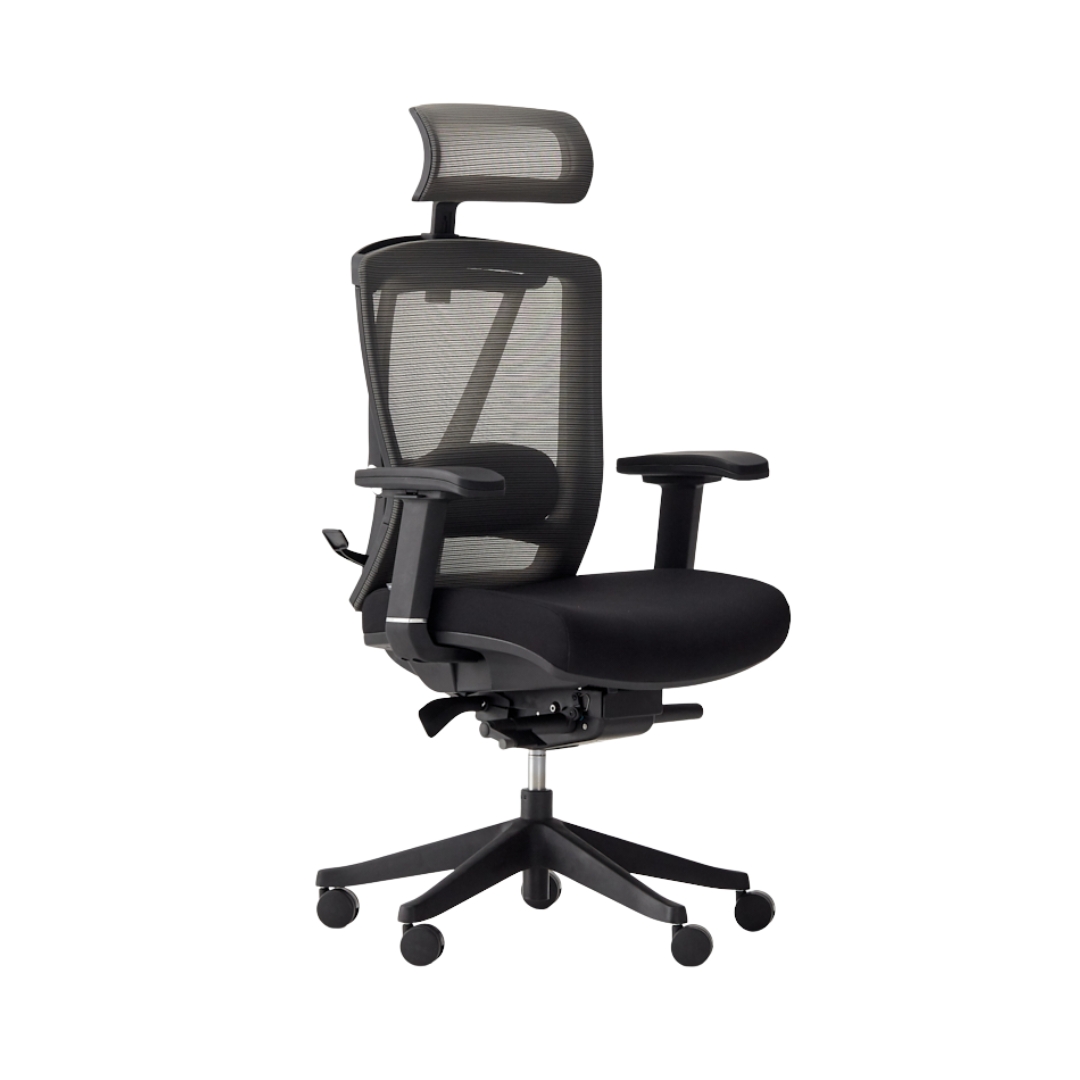
Specs, reviews & details
Introduction
The Sidiz T50 and Autonomous ErgoChair Pro target the same buyer: someone seeking extensive ergonomic adjustability without spending four figures. On paper, their specs are nearly identical—same seat dimensions, weight capacity, recline range, and warranty length. But at $374 versus $499, and with aggregate ratings of 3.4 and 3.2 respectively, the real differences emerge in user experience. Both chairs promise 10+ adjustments and mesh construction, yet reviews reveal distinct patterns in comfort, durability, and value that matter for your buying decision.
At a glance
| Spec | Sidiz T50 | Autonomous ErgoChair Pro |
|---|---|---|
| Price | $374 | $499 |
| Category | Office | Office |
| Armrest Type | 3D | 3D |
| Headrest | No | No |
| Lumbar Support | Adjustable | Adjustable (flexible system) |
| Recline Range | 120° | 120° (synchro-tilt) |
| Seat Depth | 46 cm | 46 cm |
| Seat Width | 49 cm | 49 cm |
| Weight Capacity | 120 kg (275 lbs) | 120 kg |
| Height Range | 155–185 cm (5'1"–6'2") | 155–185 cm |
| Warranty | 3 years | 3 years |
| Rating | 3.4 / 5 (12 reviews) | 3.2 / 5 (12 reviews) |
Sidiz T50 — strengths & weaknesses
Strengths: The T50 brings credibility through scale—2 million units sold across 62 countries and five design awards. Its S-curve spine support design and ANSI/BIFMA compliance signal solid engineering. Users between 5'1" and 6'2" can dial in fit through 10+ adjustable functions including headrest angle, seat depth, and 3D armrests. Build quality supports the full 275-pound capacity, and the $374 price point undercuts most competitors with similar specs. One long-term user reported the chair remained durable and comfortable after three years.
Weaknesses: Reviews consistently criticize the headrest as inadequate, with one 8–9 year user finding only marginal improvement in newer models. The mesh seat snags clothing, particularly microfiber pants. After three years, armrest coating peels. Most concerning: multiple users found the lumbar support uncomfortable, with the frame pushing into the lower back rather than supporting it. One reviewer noted quality deterioration in tilting mechanisms within a year, and another flagged that product improvements have stalled despite known issues.
Autonomous ErgoChair Pro — strengths & weaknesses
Strengths: The ErgoChair Pro offers comprehensive adjustability including seat depth, tilt, armrests, headrest, and a flexible lumbar support system with synchro-tilt backrest. Assembly takes just 10–15 minutes with clear video instructions. One full-time work-from-home user praised its breathable mesh back, excellent armrests, and solid durability for the price after more than a year of use. The chair arrived quickly with good packaging in that case.
Weaknesses: The $499 price buys a chair with documented quality concerns. One user's back material failed twice. Manufacturing issues appear in the ErgoChair Pro+ model as well. A 22-year IT veteran with severe back pain found lumbar support insufficient in all backrest and seat positions—it didn't relieve pain. A long-time Herman Miller Aeron user testing as a guest chair noted inferior mesh quality, initial pressure points, and unsuitability for larger users due to a lower backrest. After nine months, armrests became squeaky and the seat had minor sinking. Critically, Autonomous does not honor warranties for units purchased from third-party dealers—only direct purchases qualify for replacement parts.
How they differ
Price separates them first: the T50 costs $125 less while earning a slightly higher aggregate rating. Both chairs share identical dimensional specs, but their reputations diverge. Sidiz leans on proven scale and awards; Autonomous positions itself as a direct-to-consumer disruptor at mid-market pricing.
Lumbar support disappoints in both chairs, but for different reasons. The T50's frame physically pushes into users' lower backs. The ErgoChair Pro's flexible system simply lacks sufficient support across positions. Neither chair effectively addresses chronic back pain according to reviewers.
Durability patterns differ. T50 users report three-year longevity with cosmetic wear (peeling armrests, snagging mesh). ErgoChair Pro users encounter functional failures—back material breaking, seat sinking, squeaky armrests—within the first year. The T50's issues are annoying; the ErgoChair Pro's can be disabling.
The warranty caveat matters: Autonomous only services direct purchases, cutting off third-party buyers entirely. Sidiz warranty terms aren't specified in the reviews, but no similar restriction appears.
Who should buy which
Buy the Sidiz T50 if: You want the lower price point and can tolerate cosmetic wear over time. You're within the 5'1"–6'2" height range and don't have chronic back pain requiring serious lumbar intervention. You value proven scale (2 million units sold) and design recognition over cutting-edge features. You're buying for general office use where good-enough ergonomics matter more than therapeutic support.
Buy the Autonomous ErgoChair Pro if: You're purchasing directly from Autonomous and value their customer service reputation for resolving issues like seat sinking. You prioritize armrest quality and overall adjustability range, and you're willing to pay $125 more for synchro-tilt and a flexible lumbar system—even though that system underperforms. You weigh under 260 pounds and are shorter than 6'5".
Skip both if: You have serious back pain. Multiple reviewers with chronic issues found neither chair's lumbar support adequate. As one ErgoChair Pro reviewer noted, a refurbished Steelcase Leap V2 may be worth considering instead if therapeutic support is your priority.
The verdict
The Sidiz T50 wins on value. At $374 with a 3.4 rating and 2 million units validating its market fit, it delivers acceptable ergonomic adjustability for general office work. Its flaws—snagging mesh, inadequate headrest, uncomfortable lumbar—are real but manageable for users without back problems. The ErgoChair Pro costs 33% more for virtually identical specs and a lower rating, with quality control issues that undermine its premium positioning. Neither chair excels at lumbar support, which is supposedly their reason for existing. For $125 less, the T50's shortcomings are easier to accept. If you need genuine therapeutic back support, save longer and buy a refurbished flagship from Steelcase or Herman Miller instead.
Frequently asked
- Is the Sidiz T50 better than the Autonomous ErgoChair Pro?
- The T50 costs $125 less and has slightly better ratings (3.4 vs 3.2), with 2 million units sold worldwide. However, both chairs have documented issues with lumbar support and long-term durability according to user reviews.
- Which chair has better lumbar support?
- Both chairs receive criticism for lumbar support in reviews. T50 users report the lumbar frame pushes into the lower back, while ErgoChair Pro users found it insufficient for relieving back pain in all positions.
- Do these chairs have the same warranty?
- Both chairs include a 3-year warranty. However, Autonomous reportedly does not honor warranties for ErgoChair Pro units purchased from third-party dealers or resellers, only for direct purchases.
Affiliate links: we may earn a commission from qualifying purchases. Check current delivery, return and warranty terms on Amazon.
Specs, reviews & details
Specs, reviews & details