Steelcase Amia vs Steelcase Gesture: Which Should You Buy?
Two Steelcase workhorses face off—proven durability or multi-posture flexibility?
Specs, reviews & details
Specs, reviews & details
Introduction
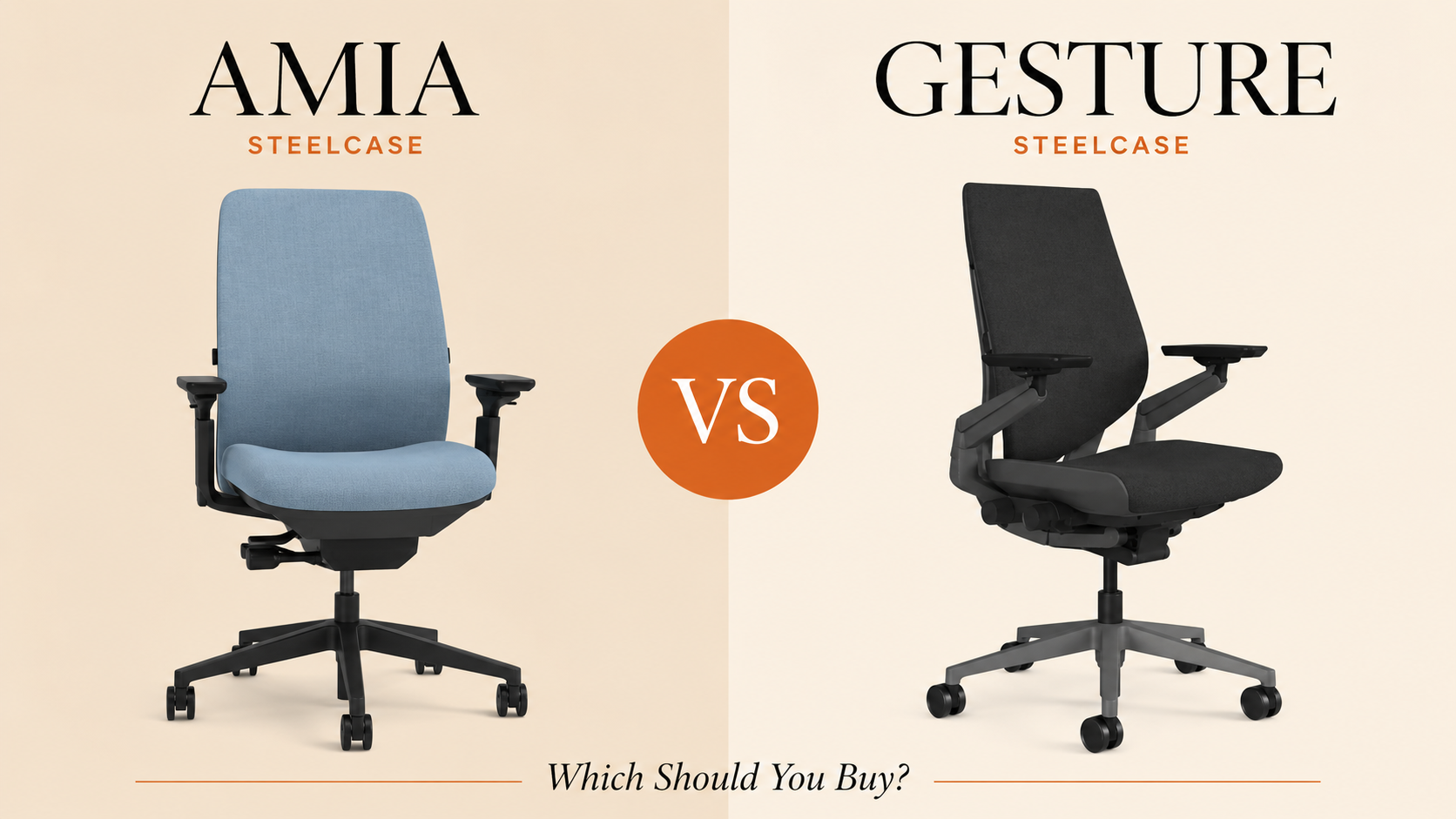
The Steelcase Amia and Steelcase Gesture represent two different philosophies within the same premium lineup. The Amia, at $1,000, is Steelcase's affordable entry point with LiveLumbar technology and a track record of long-term durability. The Gesture, priced at $1,499, adds signature 360-degree arms built for multi-device workflows and accommodates taller users. Both offer 4D armrests, 12-year warranties, and no headrest, but reviews reveal meaningful differences in comfort, durability, and value.
At a glance
Spec | Steelcase Amia | Steelcase Gesture |
|---|---|---|
Price | $1,000 | $1,499 |
Category | Office | Office |
Armrest Type | 4D | 4D (360-degree) |
Seat Height Range | 39–52 cm | 40–57 cm |
Recommended Height | 160–190 cm | 165–195 cm |
Weight Capacity | 136 kg | 159 kg |
Recline Range | 120° | 125° |
Warranty | 12 years | 12 years |
Aggregate Rating | 4.0 / 5 (12 reviews) | 3.8 / 5 (12 reviews) |
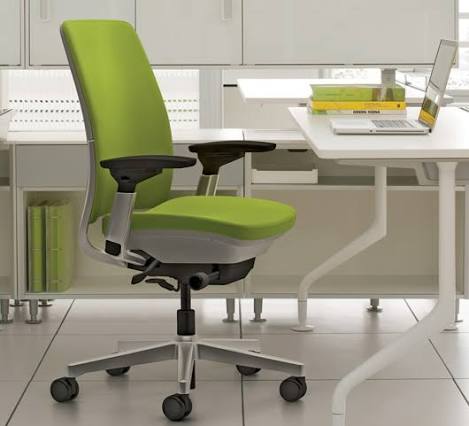
Steelcase Amia — strengths & weaknesses
Strengths: The Amia earns consistent praise for long-term durability and all-day comfort. Users report excellent performance after 5-6 years of daily use, with solid construction that shows no wobbling. One reviewer called it "the most underrated chair in the industry," highlighting comfort during 8-10 hour sessions. It has proven particularly effective for users with back issues, including one who found relief after herniated disc surgery when few other chairs worked. The LiveLumbar system moves with your back, and when purchased refurbished, it offers better value than competitors. Reviewers describe it as a "tier-1 chair" suitable for users regardless of age or gender.
Weaknesses: Some users find the upper back support too cupped or insufficient. The LiveLumbar, while praised by many, feels too sharp and noticeable to others. The backrest tilts far back without an adjustable limiter, which frustrates some users. At full retail price over $1,000, some question whether the value justifies the cost. The design doesn't impress visually at first glance, though performance compensates over time.
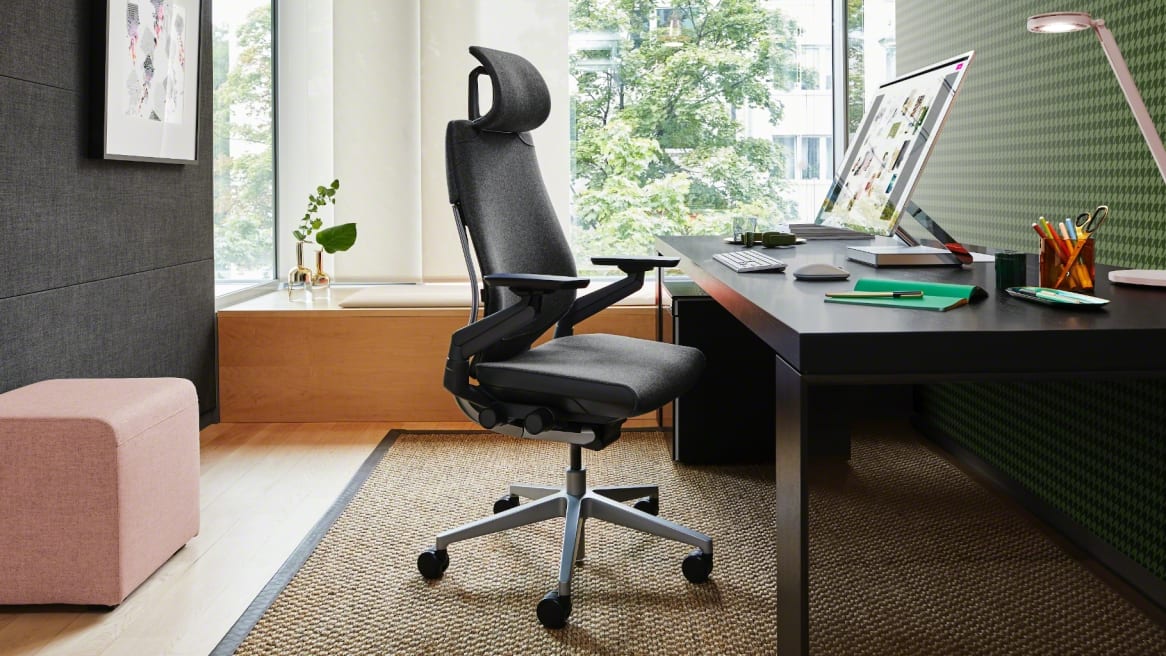
Steelcase Gesture — strengths & weaknesses
Strengths: The Gesture provides comprehensive ergonomic adjustments across all major parameters. Its signature 360-degree arms accommodate shifting between keyboard, tablet, and other devices. The narrower backrest offers shoulder and back freedom without a claustrophobic feeling, which appeals to upright sitters and users with trapezius tension. One reviewer with spinal stenosis chose it after testing six chairs in two months. The core interface is designed to mimic the spine for multi-posture work. Independent reviews from certified ergonomics experts confirm its thorough adjustment range.
Weaknesses: Long-term durability reports raise serious concerns. One owner who purchased four Gesture chairs reported that all units experienced breakdown issues after three years, leading to "extreme buyer's regret." Multiple reviews mention poor long-term performance despite strong initial impressions. Some users note the chair looks "cheap and budget-like" despite its $1,499 price point. The Gesture's seat pushes users into an upright position with an "auto-correction feel" that some find uncomfortable initially, requiring an adjustment period to find optimal lumbar settings.
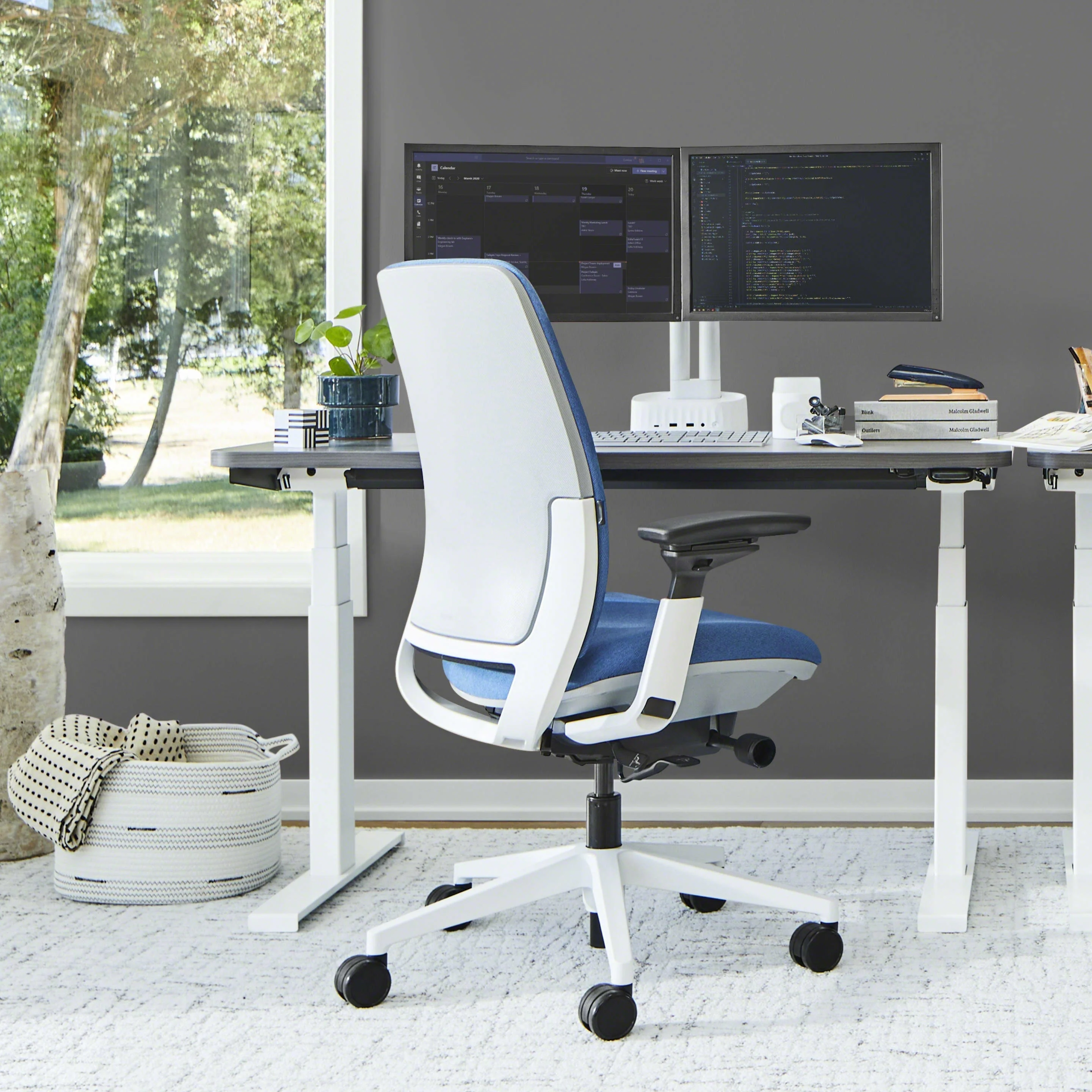
How they differ
Durability track record: The Amia consistently earns praise for lasting 5-6 years with heavy use. The Gesture faces documented durability complaints, with at least one buyer reporting all four purchased units failing after three years.
Armrest design: Both offer 4D arms, but the Gesture's 360-degree range is engineered specifically for multi-device workflows—switching from keyboard to tablet to phone. The Amia's arms adjust in four directions but lack this rotational emphasis.
Size accommodation: The Gesture reaches 5 cm higher (57 cm max seat height vs. 52 cm) and accommodates users up to 195 cm tall versus 190 cm. It also supports 159 kg versus 136 kg.
Back support philosophy: The Amia's LiveLumbar actively moves with your spine but can feel too pronounced. The Gesture's narrower backrest prioritizes shoulder freedom and suits upright postures, though some find the auto-correcting seat pushes them into position.
Price gap: The $499 difference buys the Gesture's advanced arms and taller fit, but the Amia's stronger durability reputation and higher user rating (4.0 vs. 3.8) complicate the value equation.
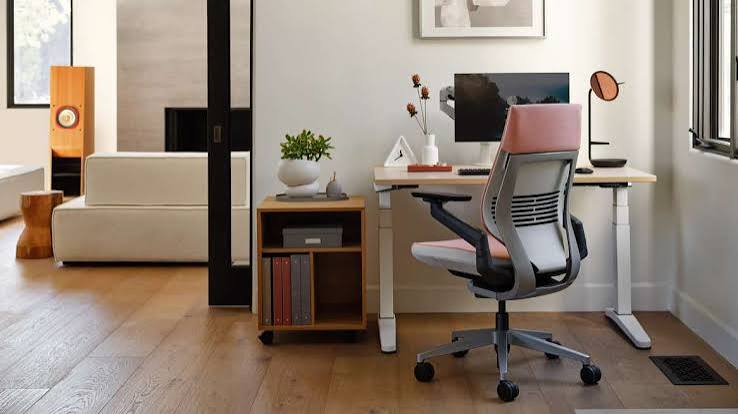
Who should buy which
Buy the Steelcase Amia if:
You prioritize proven long-term durability and want a chair that will perform well for 5+ years of daily use
You have existing back issues or are recovering from injury—multiple users with serious conditions found relief
You fit within 160–190 cm height and want solid ergonomics at the lower Steelcase price point
You value a higher aggregate rating (4.0) and consistent positive feedback across years of ownership
You're open to refurbished units for even better value versus new competitors
Buy the Steelcase Gesture if:
You're taller (165–195 cm) or heavier (up to 159 kg) and need the extended size range
Your workflow involves frequent device switching—laptop to tablet to phone—and you'll use the 360-degree arms daily
You prefer a narrower backrest that allows shoulder freedom and sit upright most of the day
You have spinal stenosis, trapezius tension, or conditions where shoulder room matters more than enveloping back support
You're willing to accept mixed durability reports in exchange for multi-posture flexibility
The verdict
The Steelcase Amia wins on durability, value, and consistent user satisfaction. Its track record of 5-6 years of solid performance, higher rating, and $500 lower price make it the smarter buy for most office workers who need reliable all-day comfort. The LiveLumbar system and strong back support have earned loyalty from users with serious spinal issues.
The Steelcase Gesture justifies its premium only for specific buyers: taller or heavier users who need the extended size range, or professionals whose workflows genuinely benefit from 360-degree armrest rotation across multiple devices. The narrower backrest suits upright sitters and those needing shoulder freedom. However, documented durability failures after three years—affecting multiple units for at least one buyer—make it hard to recommend at $1,499 when the more reliable Amia costs $1,000.
For most buyers deciding between these two, the Amia delivers better long-term value and proven performance. Choose the Gesture only if its specific size or armrest advantages directly address your needs.
Frequently asked
- Is the Steelcase Gesture worth $500 more than the Amia?
- The Gesture offers 360-degree arms designed for device switching, a taller seat range (up to 57 cm vs 52 cm), and higher weight capacity (159 kg vs 136 kg). However, the Amia has stronger long-term durability reports, with users praising performance after 5-6 years, while some Gesture owners report breakdowns after 3 years.
- Which chair is better for back pain and long hours?
- The Amia receives consistent praise for back support during 8-10 hour days and has helped users recovering from herniated disc surgery. Its LiveLumbar system moves with your back, though some find it too sharp. The Gesture's narrower backrest offers shoulder freedom and suits upright sitters, but upper back support quality varies.
- Do both Steelcase chairs have the same warranty?
- Yes, both the Amia and Gesture come with Steelcase's 12-year warranty, though some Gesture owners report durability issues before the warranty period ends.
Specs, reviews & details
Specs, reviews & details